Imagine hearing the triumphant news that a beloved animal has bounced back from the brink of extinction. The numbers look good, the headlines are hopeful, and the world feels a little bit brighter. But what if, beneath this glowing surface, there lurks a shadowy truth—a reality far less uplifting than the glossy reports suggest? Conservation is often painted as a tale of heroes and happy endings, yet the true story is tangled, messy, and sometimes heartbreakingly complicated. For every success splashed across the news, there may be hidden struggles, overlooked failures, and costs that don’t make the front page. Let’s pull back the curtain and explore why some conservation victories may not be as clear-cut as they seem.
The Allure of the Feel-Good Story
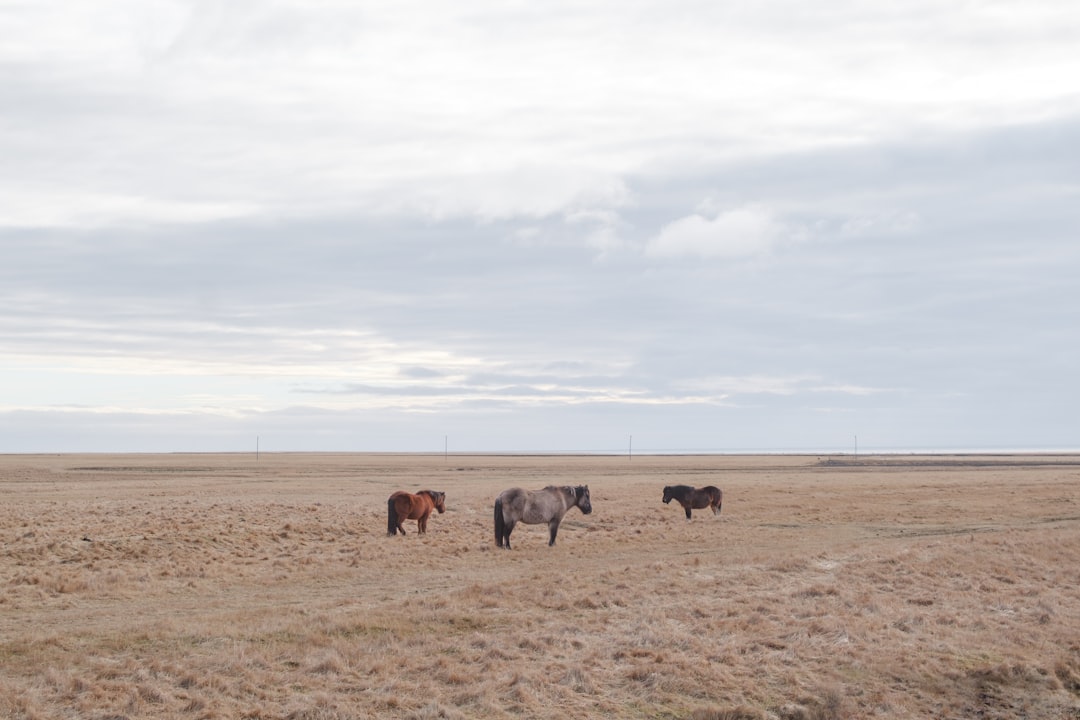
There’s something deeply satisfying about a comeback story. When a species rebounds or a forest is restored, it sparks hope in a world full of environmental bad news. Media outlets and conservation groups know that positive updates attract attention and funding. These feel-good stories are shared widely, sometimes becoming symbols of humanity’s ability to right its wrongs. But this focus can also create a pressure to present progress even when the bigger picture is more complex. The desire to showcase success can sometimes overshadow ongoing problems or trade-offs happening behind the scenes.
Counting Numbers, Missing Nuance
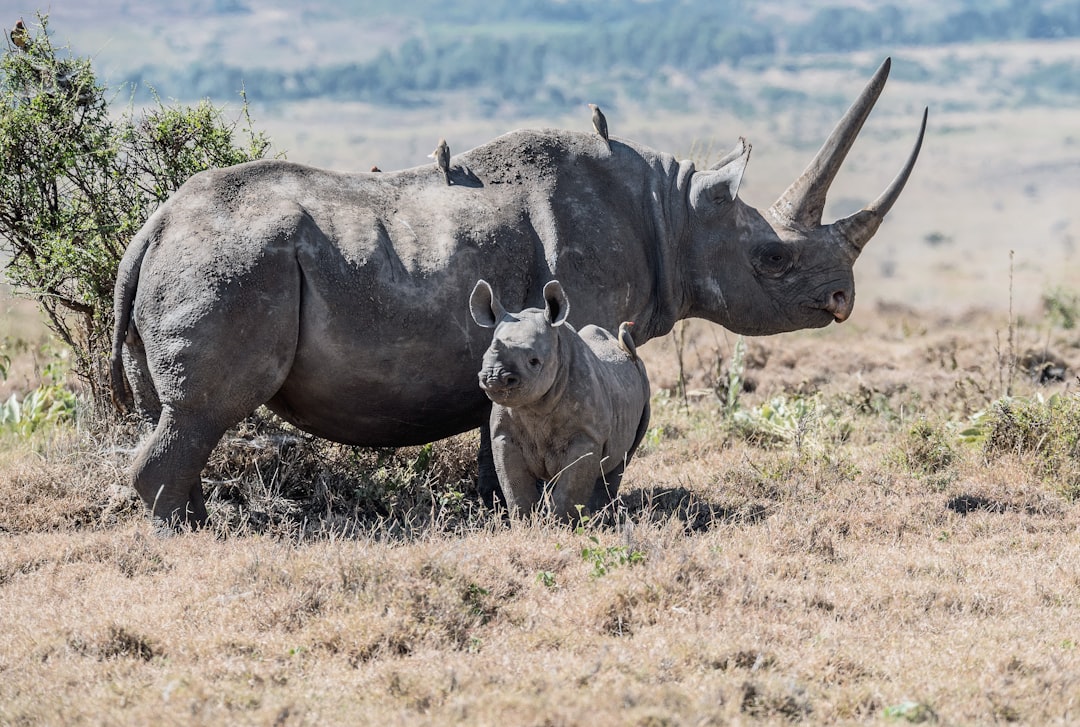
A common way to measure conservation success is by population numbers. If a threatened animal’s headcount rises, it’s seen as a victory. But numbers alone can be misleading. For example, increasing the number of tigers in a single protected reserve may look impressive, yet if their genetic diversity drops or their habitat shrinks, the species is still at risk. Focusing solely on numbers can mask underlying issues like disease, inbreeding, or fragmented populations, all of which threaten long-term survival.
Relocating Problems, Not Solving Them

Sometimes, conservation projects move animals to new areas to boost their chances. While these relocations can help, they may also create new challenges. Introducing a species into a different habitat can disrupt local ecosystems, spread diseases, or even lead to conflict with human communities. For instance, relocating elephants has sometimes resulted in tragic clashes with farmers, leading to resentment and even retaliation. The root causes—like habitat loss or human-wildlife conflict—aren’t always addressed, merely shifted elsewhere.
The Hidden Costs to Local Communities
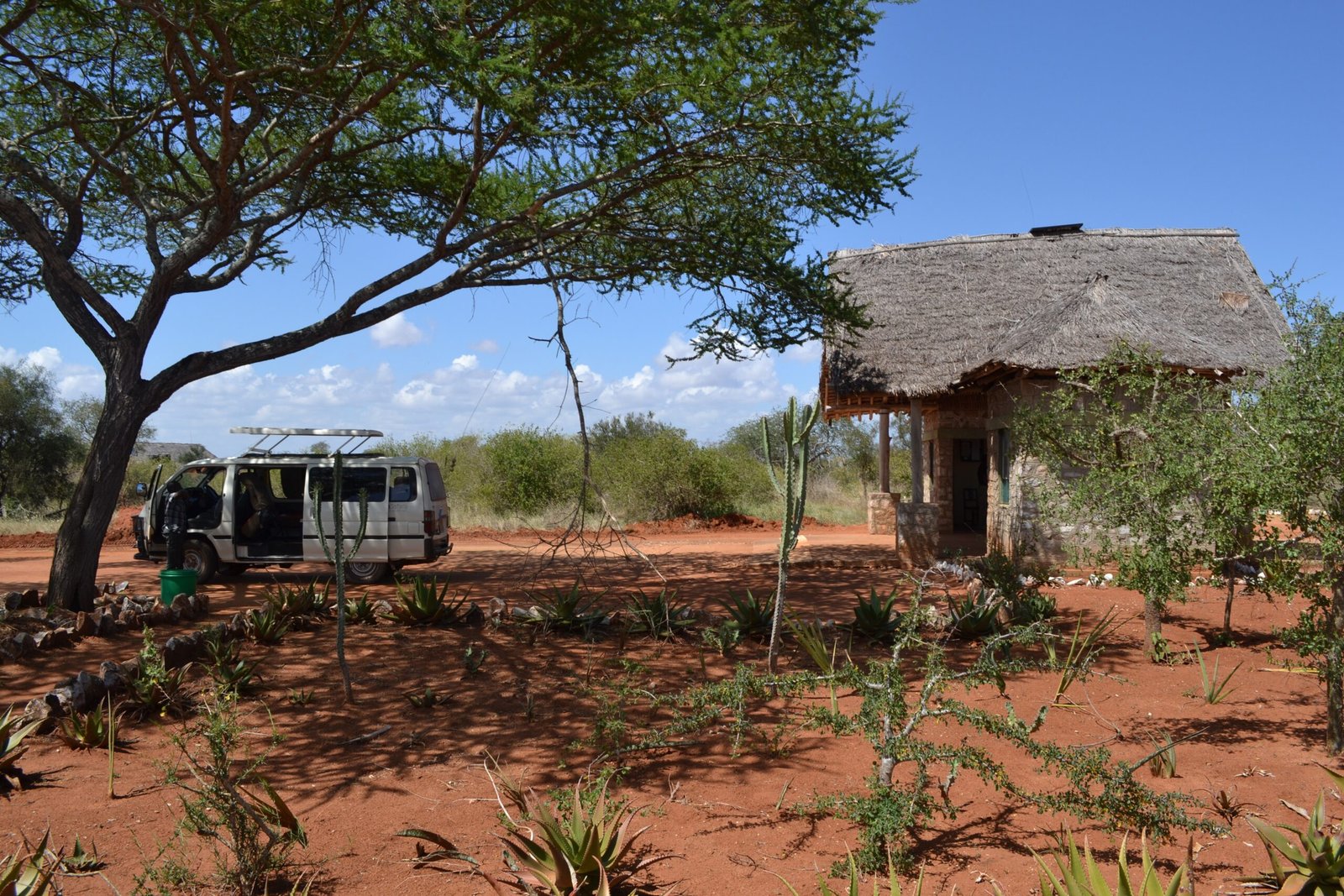
Conservation initiatives can have profound effects on people living nearby. Creating a nature reserve might mean restricting access to forests, rivers, or land that communities rely on for food and livelihoods. While the broader goal is to protect nature, the sacrifices made by local people aren’t always acknowledged in success stories. This can create tension and even drive illegal activities out of desperation. The voices of those most affected are often left out of the glossy reports, masking a reality of hardship and exclusion.
Ignoring the Bigger Picture
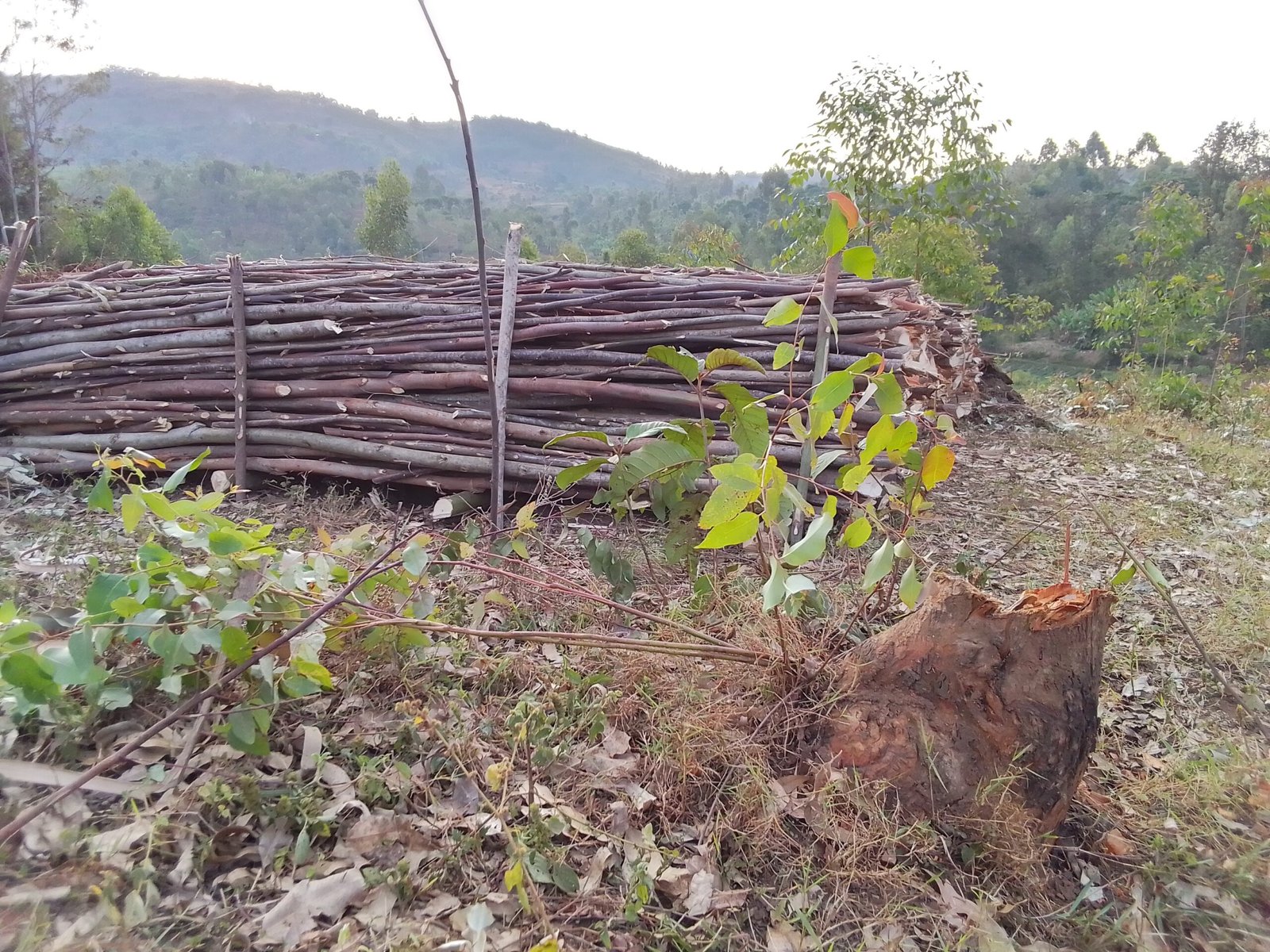
Protecting one species or patch of land can sometimes distract from the larger environmental crisis. For example, celebrating the recovery of a single bird species might draw attention away from ongoing deforestation or pollution in the same region. Conservation efforts that focus narrowly on charismatic animals can leave entire ecosystems at risk. Without addressing the root causes—such as climate change, illegal logging, or unsustainable agriculture—success stories may amount to little more than temporary fixes.
“Paper Parks” and the Illusion of Protection
Many conservation victories are declared when a new protected area is established. On paper, these parks look like a triumph. But in reality, some “paper parks” exist only as lines on a map, lacking real enforcement or management. Illegal poaching, logging, and mining continue unchecked, and the promised protection is an illusion. These hidden failures can persist for years, even as official reports celebrate the creation of new reserves.
The Dangers of Single-Species Focus

Conservation campaigns often rally around a flagship species, like pandas or rhinos. While this can attract much-needed resources, it may also leave less charismatic creatures in the dust. Focusing all efforts on one animal can unintentionally harm the wider ecosystem. For example, intensive efforts to save one predator may reduce prey populations or disrupt natural balances. True conservation requires a holistic approach, not just a spotlight on the popular few.
Genetic Bottlenecks and Fragile Recoveries

Even when population numbers climb, a species may face hidden genetic dangers. Small, isolated groups are vulnerable to inbreeding, which weakens their resilience to disease and environmental changes. The Florida panther, for example, saw its numbers rise but suffered from heart defects and other genetic problems due to a lack of diversity. These “invisible” threats can undermine long-term recovery, making the success less secure than it appears.
Short-Term Wins, Long-Term Uncertainty
Conservation projects often operate on limited funding and tight deadlines. This can encourage short-term solutions that look impressive but may not last. Building artificial nesting sites or feeding wild animals can boost numbers quickly, but what happens when the funding ends? Without sustained support and planning for the future, today’s victories can become tomorrow’s losses. Real success requires patience and commitment that outlasts publicity cycles.
Learning from Hidden Lessons
Every conservation project, whether successful or not, offers valuable lessons. Acknowledging challenges and setbacks is essential for long-term progress. By being honest about what works—and what doesn’t—conservationists can adapt and improve their strategies. Sharing failures isn’t easy, but it’s the only way to build real, lasting solutions. The stories left untold may be the ones that teach us the most.
Putting People and Nature Together

The future of conservation lies in recognizing that people and nature are deeply connected. Projects that work with local communities, respect traditional knowledge, and share benefits are more likely to succeed. When people have a stake in protecting their environment, success becomes more than just a number on a chart. It becomes a shared story, full of hope and honesty.
Looking Beyond the Headlines

The next time you see a triumphant conservation headline, pause for a moment. Ask yourself what’s happening behind the scenes, beyond the numbers and the celebrations. The real story of conservation is one of complexity, compromise, and constant learning. True hope lies not in quick fixes, but in the courage to face hard truths and keep striving for a better, wilder world.