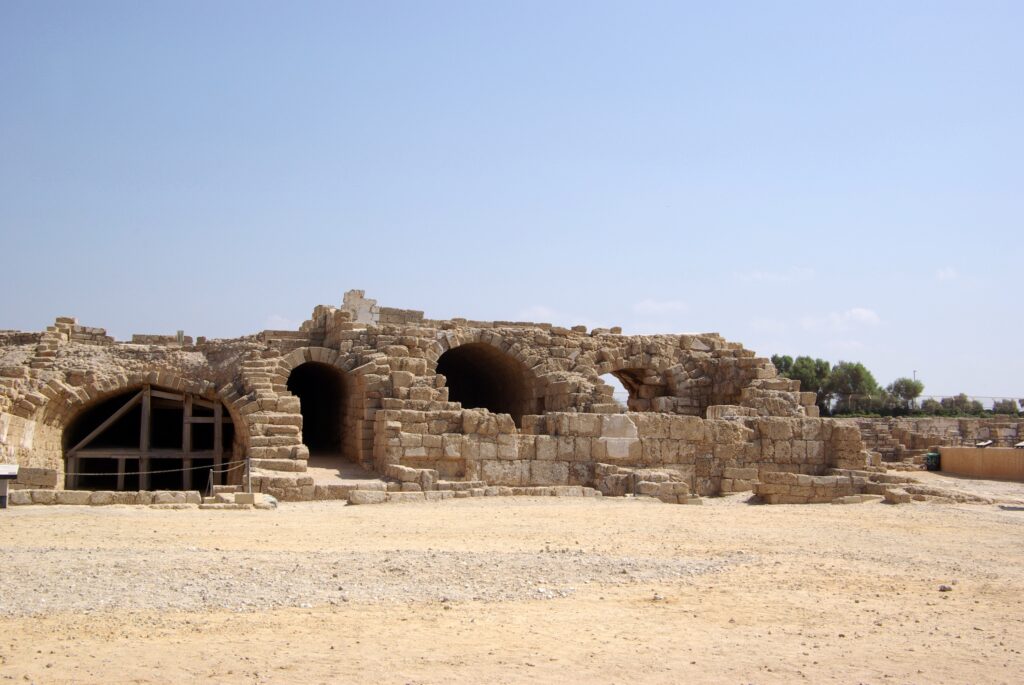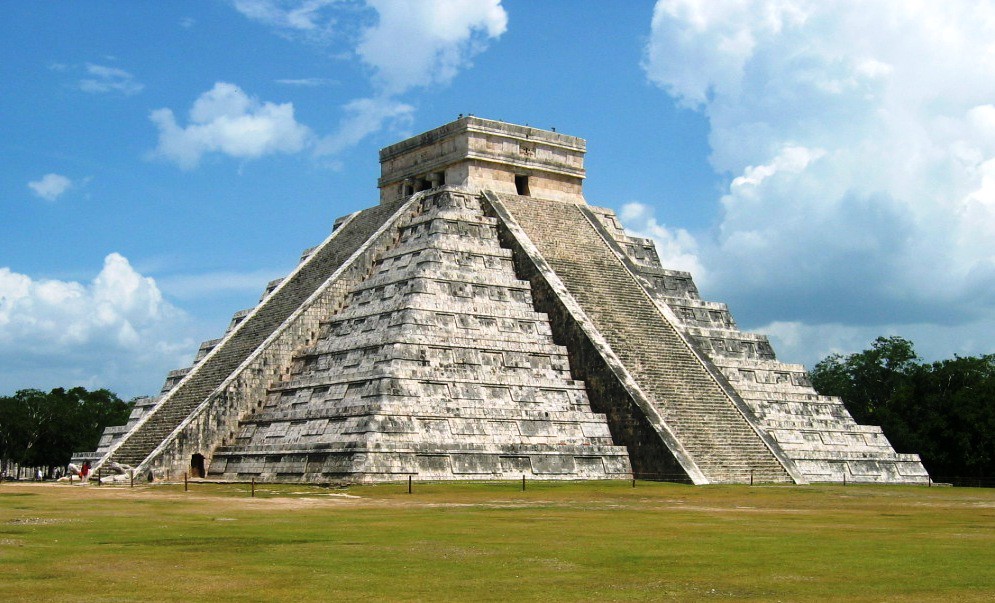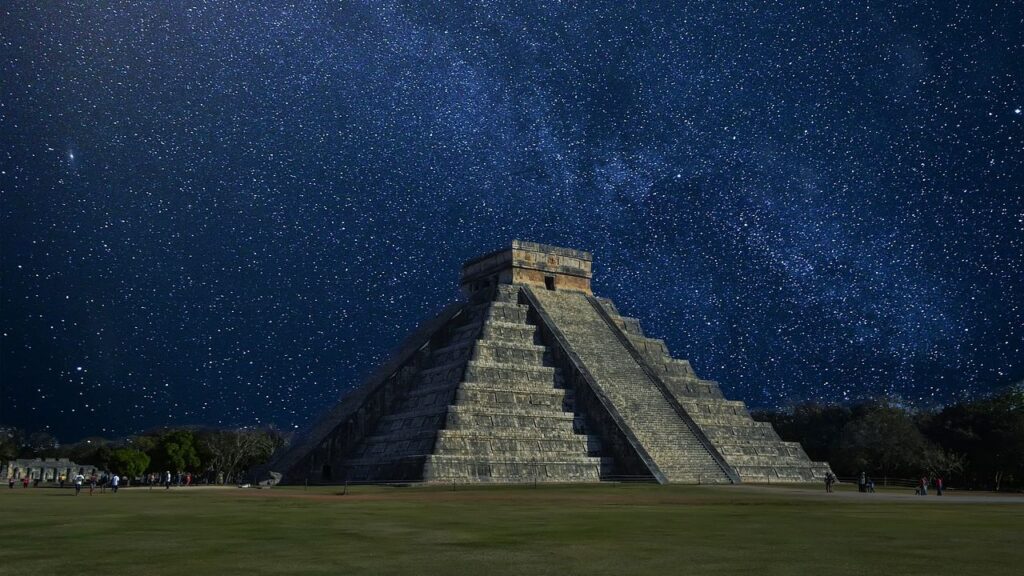
You know that feeling when you stand in front of an old building and think, there’s no way people did this with stone tools and no computers? That sense of quiet shock is exactly what some ancient structures trigger in you, especially once you start digging into how old they really are and what people supposedly had to work with. From laser-straight stone joints to astronomical alignments so precise they rival modern calculations, a few monuments make you wonder if there’s a missing chapter in humanity’s engineering story.
You do not have to jump to wild theories to feel awe, either. Once you look at the logistics, math, and sheer stubbornness behind sites like the pyramids, Machu Picchu, or Göbekli Tepe, you start to see a different picture of the past. You realize ancient people were not primitive; they were just working with different tools and very different time scales. As you walk through this, you’ll see why some structures seem impossibly advanced, and how much of that “impossible” feeling comes from underestimating what determined humans can do over generations.
When Massive Stones Make Modern Cranes Look Small
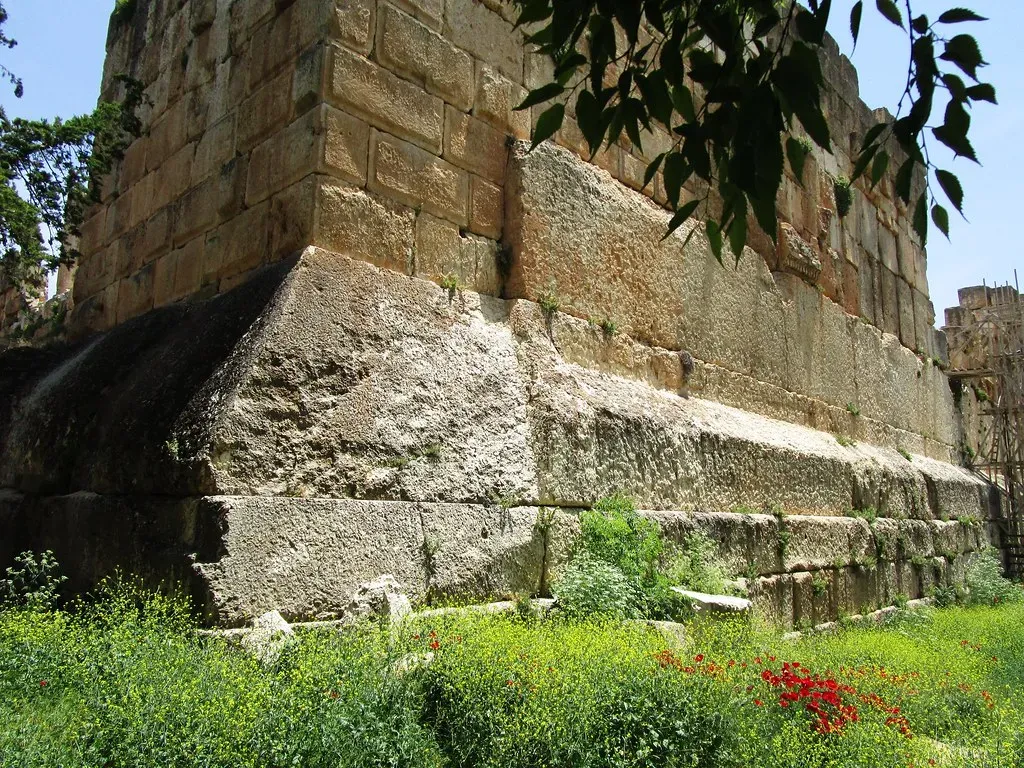
One of the first things that makes you suspicious about ancient architecture is the size of the stones. You look at blocks weighing dozens or even hundreds of tons and your brain quietly protests: how do you move that without diesel engines or steel cables? At sites like Baalbek in Lebanon, individual stone blocks are so huge that, even today, you’d need specialized cranes and carefully engineered transport systems just to nudge them. When you compare that to the image you might have of people with ropes and wooden sledges, it feels like the math just does not add up.
But if you peel back the drama, you see a mix of clever physics and long time horizons. Instead of imagining quick construction, picture generations of workers using rollers, levers, sleds, and lubricated tracks, slowly dragging stones along ramps with carefully organized teams. Think of it like moving a car with a dozen friends: you do not lift the whole thing; you use leverage and momentum. Ancient builders seem advanced because they mastered those simple principles at life-or-death scale, not because they had secret machines you no longer have.
Stone Fitting So Precise It Messes With Your Sense of Reality
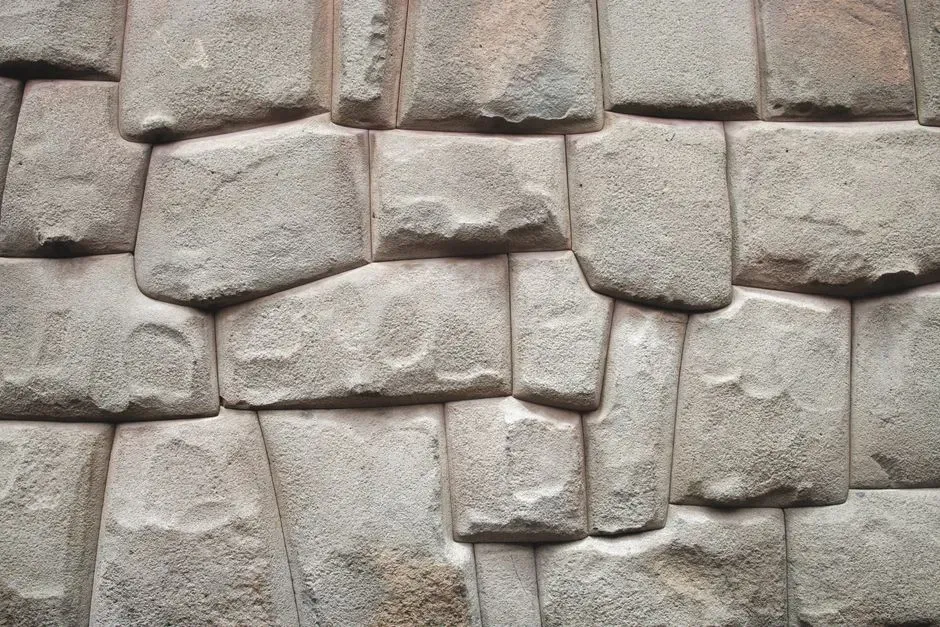
Another moment that makes you raise an eyebrow is when you see stone joints so tight you supposedly cannot slip a razor blade between them. In places like the Inca walls of Cusco or parts of the Great Pyramid, you find complex, multi-angled stones fitted together like a 3D jigsaw puzzle. The surfaces are smoothed and shaped to match each other so perfectly that they almost look poured instead of carved. When you stand in front of that kind of masonry, it can feel like your idea of “ancient tech” is off by several notches.
What you are really seeing, though, is the power of iteration and patience. Rather than cutting one perfect stone in a day, imagine shaping, testing, reshaping, and polishing over and over until two blocks finally lock together. You may use tools made of stone, bronze, or copper, but over thousands of careful blows and abrasions, you can still achieve surprisingly smooth surfaces. It is like hand-sanding a piece of wood: if you keep at it long enough, you get a finish that looks almost machine-made, even though the only “technology” involved is time, skill, and stubbornness.
Ancient Astronomy That Feels Almost Sci‑Fi
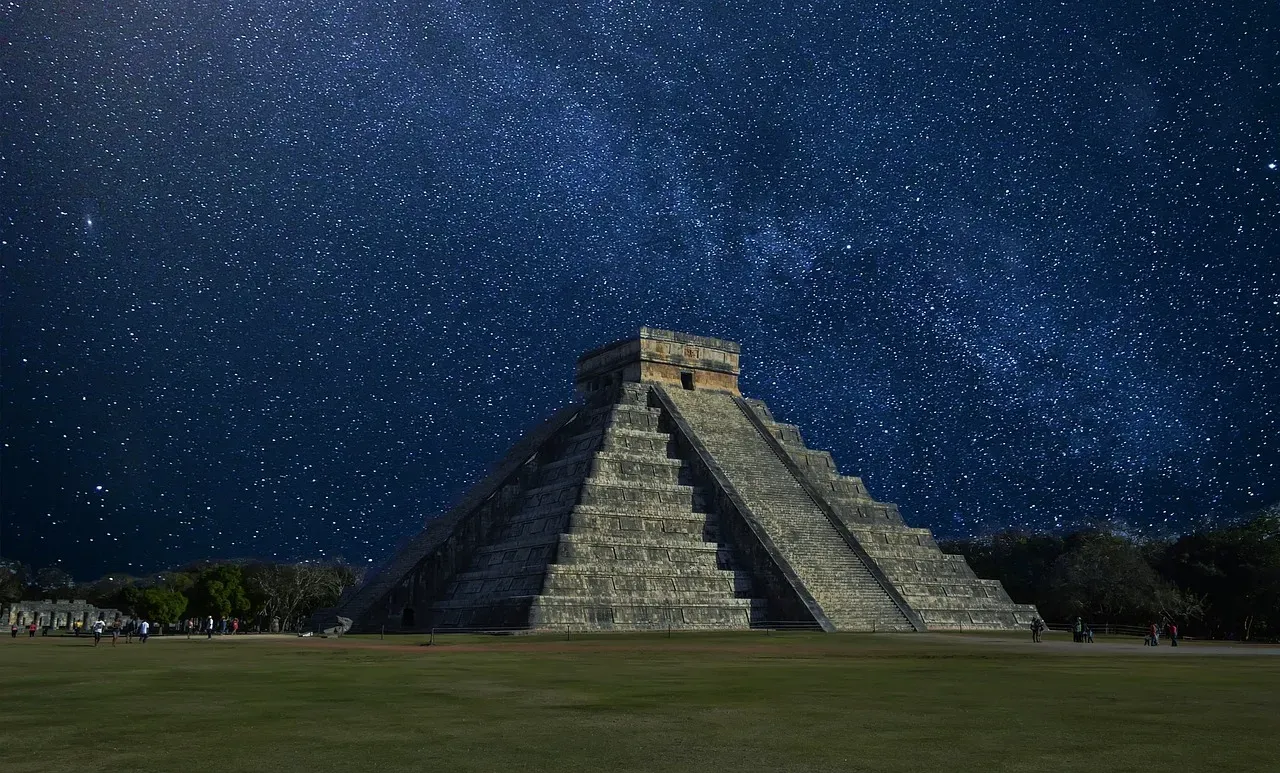
Some ancient structures do not just line up with the landscape; they line up with the sky in ways that can feel unnervingly precise. You might visit a site where, on a specific day of the year, the rising sun floods a particular chamber with light or a shadow perfectly outlines a carved symbol. Temples, pyramids, and stone circles across different continents often link to solstices, equinoxes, or key star positions. When you first hear this, it can sound like they had access to some secret cosmic measuring system.
In reality, you could recreate a lot of this with patience, clear skies, and an obsession with watching the horizon. If you mark the sun’s position at sunrise or sunset every day on a stone or in the dirt, patterns slowly emerge: the furthest points become your solstices, and the middle points line up with equinoxes. Over years, you can refine those lines, build structures along them, and pass that knowledge down. What looks like high-tech astronomy is often the result of long-term observation and the human habit of turning careful notes into sacred architecture.
Builders Without Blueprints but Not Without Brains
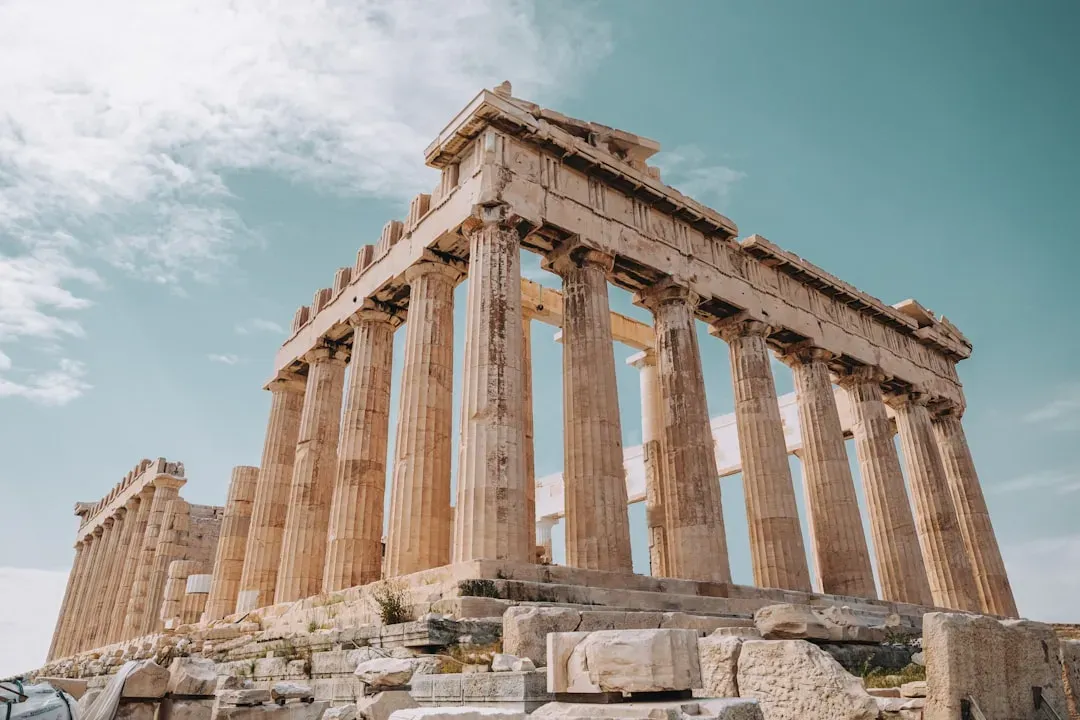
It is easy to assume that, without paper blueprints, advanced math, or digital modeling, ancient people must have stumbled blindly from one project to the next. Yet when you look at large complexes like ancient cities, temple districts, or massive hydraulic systems, you see clear planning, zoning, and sequencing. Streets line up, drainage channels work with gravity, and foundations anticipate immense weight. You start to realize there was a kind of engineering intelligence at work, even if it did not look like today’s version with hard hats and CAD files.
Instead of a single master plan sketched on a desk, think in terms of embodied knowledge: you learn by building smaller things first, by noticing what fails, and by preserving those lessons in stories, rituals, and rules. You might not write down “calculate load distribution,” but you remember which shapes crack and which beams hold. Over centuries, trial and error can accumulate into a rulebook as effective as any modern engineering handbook. When you see that, ancient structures stop looking magically advanced and start looking like the peak of a very long learning curve.
The Hidden Power of Time, Labor, and Social Organization
When something feels too advanced, you are often underestimating how much time and human effort went into it. Modern projects are obsessed with schedules, profit, and quick returns, but ancient societies sometimes threw entire generations at one monument. If a ruling class decides it is sacred to build a pyramid, a temple, or a city wall, they can redirect food, labor, and materials for decades or even centuries. What seems impossible in your rushed timeline becomes feasible when you stretch the process across lifetimes.
There is also the organizational side most people overlook. Moving thousands of workers, feeding them, coordinating teams, and standardizing techniques is a kind of technology on its own, even if it is not made of metal. You can think of social structure, religious motivation, and political power as an invisible engine driving the project. If you imagine that same structure in your life, it would be like your entire town dropping everything for years just to build one mind-blowing structure because everyone believes the universe depends on it. Under those conditions, “too advanced” begins to look more like “extreme commitment.”
Lost Tools, Perishable Materials, and Gaps in the Record
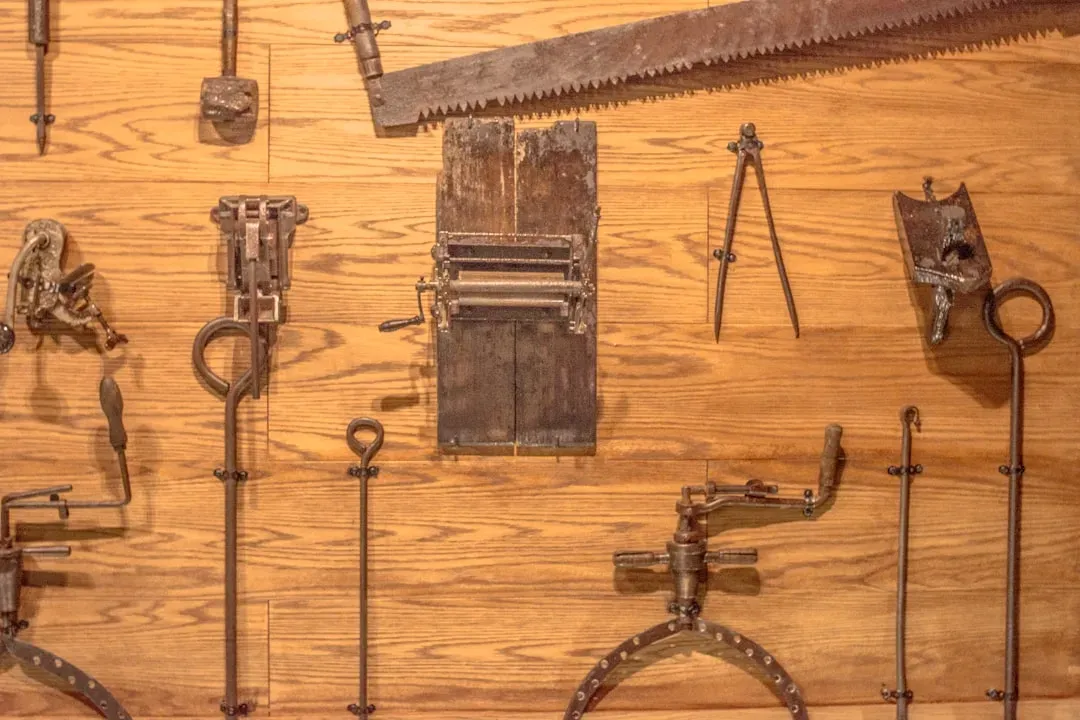
Part of why some structures feel suspiciously advanced is that your view of the past is full of holes. Many tools were made of wood, fiber, or other materials that simply do not survive thousands of years, especially in humid or harsh climates. You see the stone blocks and metal bits because those last the longest, but you miss the wooden cranes, scaffolding, sledges, and measuring frames that likely did a lot of the heavy lifting. It is like judging a modern building site after a fire that burned away everything except the steel beams.
You also have to remember that not all knowledge is preserved in writing. Oral traditions, specialized guild secrets, and trade techniques can vanish when a culture collapses, migrates, or is conquered. That does not mean the skills never existed; it only means your record of them is patchy. So when you stand in front of an ancient monument and feel that it is “too advanced,” you are often bumping into those missing pages of the story. The structure is real, but the instructions that explain it are gone, so your brain naturally fills in the gaps with mystery.
When Mystery Theories Distract You from Real Human Genius
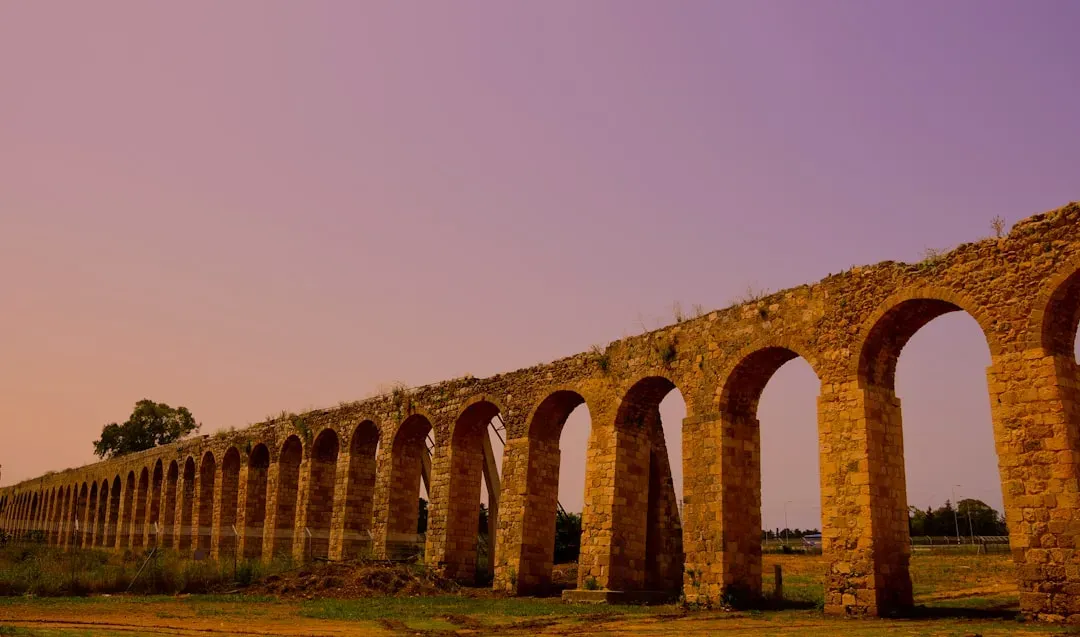
Whenever you feel that something is beyond what ancient humans could have done, it is tempting to reach for dramatic explanations. You might hear ideas about lost global civilizations, vanished hyper-advanced cultures, or outside helpers swooping in with secret tech. These stories can be fun to explore, but they often accidentally do something unfair: they take credit away from the real people who lived, sweated, and sometimes died building those structures. By insisting they could not have done it, you quietly underestimate human potential.
If you instead assume that people in the past were just as smart and determined as you are, you start asking different questions. You look for clever local solutions, materials that make sense in context, and cultural reasons why it was worth pouring so much effort into stone. You become less focused on finding a hidden puppet master and more focused on understanding how far raw human creativity can go, even with what you might call simple tools. In that light, the “too advanced” label becomes a compliment to human ingenuity rather than a suspicion of hidden players.
How These Structures Change the Way You See Your Own Time
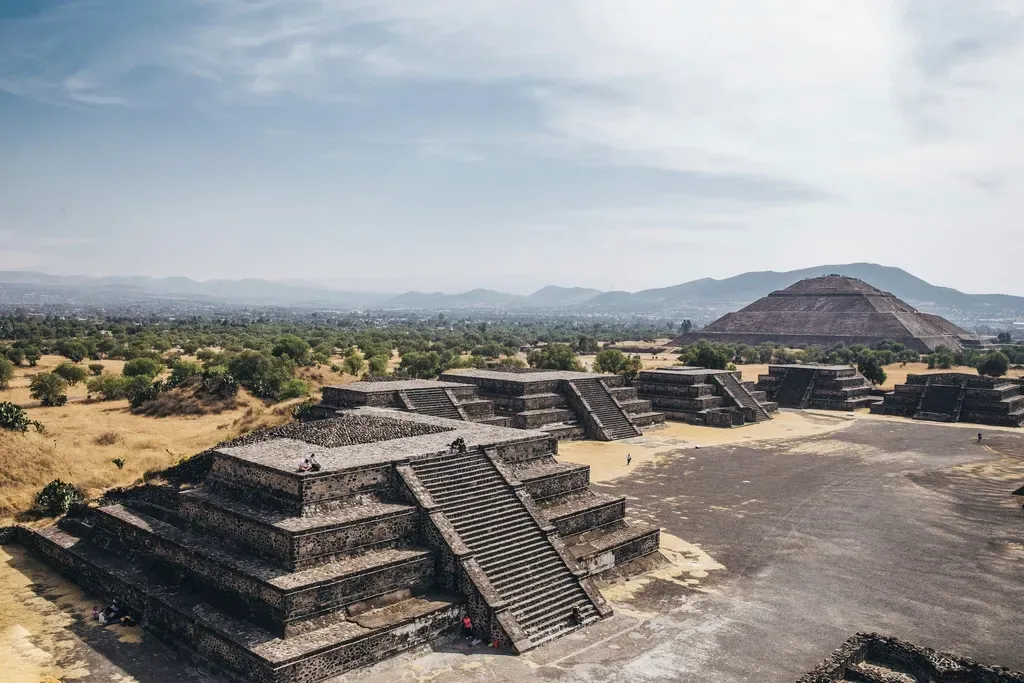
Once you really sit with these ancient achievements, you cannot help comparing them to modern life. You live in a world full of machines, but many of them are fragile, dependent on complex supply chains, and designed to be replaced quickly. In contrast, some ancient structures have survived earthquakes, wars, and weather for thousands of years. That durability is its own kind of advancement, a lesson in building for the long haul instead of the next quarter or the next upgrade cycle.
You might also feel a quiet challenge in all this. If people with no electricity, no modern steel, and no computers could coordinate massive projects that still astonish you today, what are you doing with the far greater tools you have now? Their work reminds you that technology is not just about gadgets; it is about vision, patience, and collective will. You start to see that being “advanced” is not only a question of having better machines but also of deciding what you want to build that will still matter centuries from now.
Conclusion: The Real Mystery Might Be You Underestimating the Past

When you zoom out, ancient structures stop looking like glitches in history and start looking like proof of what people can do when they mix creativity, persistence, and shared purpose. Those stones were not floated by magic, and those alignments were not guessed in a weekend; they were earned through slow, careful work that stretched across generations. The real surprise is not that the past seems advanced, but that you so often assume it should be simple and clumsy.
If you let go of the idea that earlier humans were somehow less capable than you, the world’s great monuments feel even more impressive, not less. They show you that complexity, precision, and ambition are not modern inventions; they are part of what it means to be human. The question that lingers is not how they possibly did it, but what you might be underestimating in your own time and in yourself. When you stand in front of those ancient stones, are you really staring at a mystery of the past – or at the unexplored potential of the present?