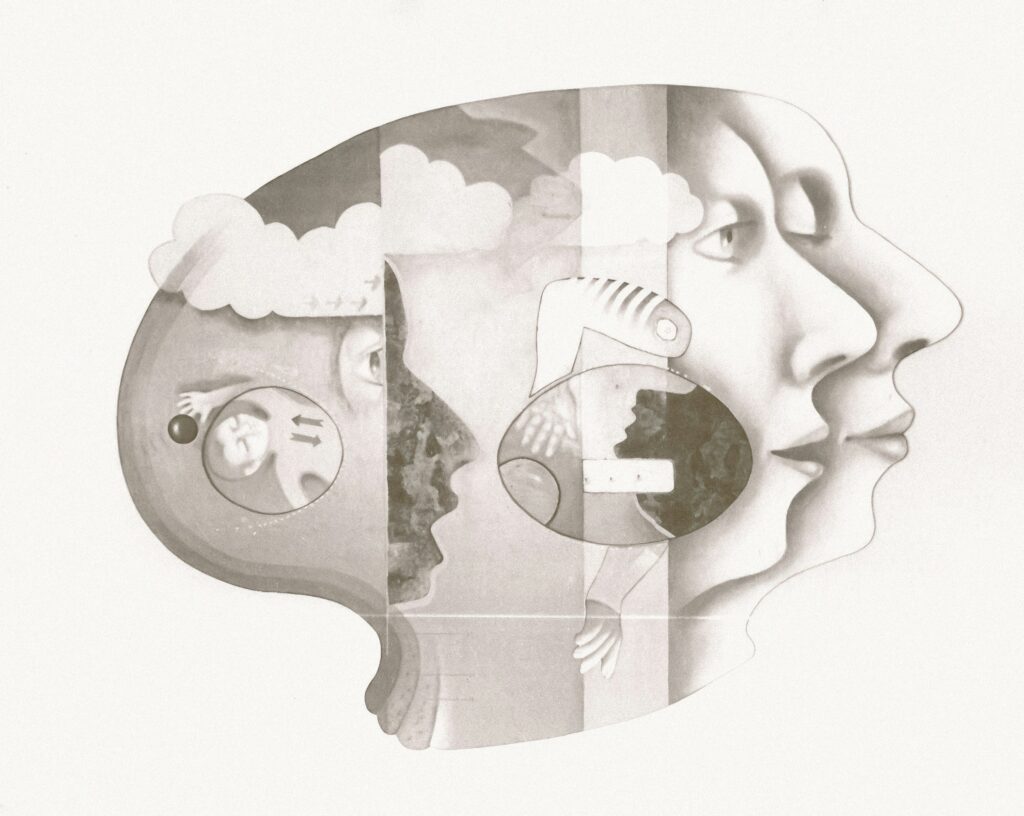

You probably do not go through your day thinking about the moment you stop existing. Still, in the back of your mind, that possibility quietly hums like background noise. Every now and then it suddenly gets loud: a health scare, a close call on the road, a late-night thought you cannot quite shake. In those moments, the idea that one day there may be no more you can feel almost unbearable.
This fear of nonexistence – psychologists often call it death anxiety – shapes far more of your choices, moods, and beliefs than you might realize. It can push you toward love and creativity, or into denial, distraction, and even cruelty. When you look at it closely, you start to see that your relationship with this fear is really your relationship with life itself.
The Moment You First Realize You Won’t Live Forever
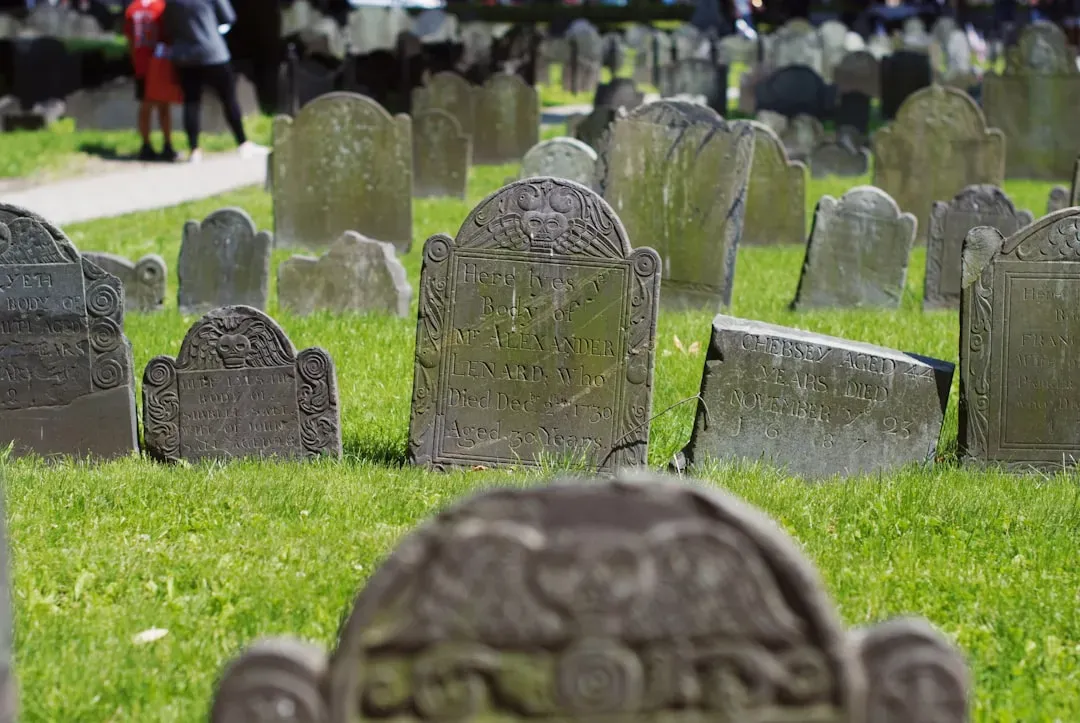
There is usually a first time you truly grasp that you will not be here forever. Maybe you were a child lying awake at night, suddenly hit by the thought that one day you would not wake up at all. Or maybe it came later, standing over a grave, or getting a call with bad news. That realization is not just an idea; it is a shock that lands in your body, like the floor dropping a little beneath you.
From then on, your mind starts building defenses, even if you do not notice. You might tell yourself you are still far from that day, or that something will save you – technology, medicine, fate. You might bury the fear under busyness or jokes. But once you have seen it, you cannot completely unsee it, and a quiet urgency starts following you through the years.
How Your Brain Tries to Protect You From the Abyss

Your brain hates unsolvable problems, and nonexistence is the ultimate one. So it improvises. You distract yourself with work, scrolling, food, relationships – anything that keeps you from staring too long into the question of what happens when it all stops. You might notice how your mind speeds up when you are alone and quiet, almost as if it is terrified of silence.
You also lean on beliefs that make the unknown feel less threatening. Even if you are not religious, you may still tell yourself comforting stories, like that something of you lives on in memories, DNA, or the universe itself. None of this makes the fear disappear, but it softens the edges enough so you can get through your day without collapsing under the weight of that dark question.
Why You Cling to Meaning, Legacy, and “Being Important”

When you sense that your body is temporary, you instinctively look for something more durable to attach yourself to. You want your life to mean something, to count for more than just a series of errands and emails. That is one reason you care so deeply about career success, creative work, being a good parent, leaving your mark. You are not just chasing achievements; you are reaching for a feeling that some part of you will outlast your physical self.
This urge has a bright and a dark side. On the bright side, it pushes you to build, create, teach, and nurture – things that genuinely improve the world for others. On the dark side, it can trap you in constant comparison and a desperate need to be remembered, admired, or validated. When you tie your worth to being “important,” you may feel strangely hollow even when you reach your goals, because no achievement can fully cancel out the fact that you are finite.
The Subtle Ways Fear of Nonexistence Fuels Anxiety and Control

Even if you rarely think about death directly, its shadow often shows up disguised as everyday anxiety. You worry excessively about your health, your safety, your money, or the future of your loved ones. You might feel a strong need to control your schedule, your surroundings, and even other people’s behavior. Underneath that urge for control is often a wish to outrun vulnerability itself.
When you cannot accept that some things will always be uncertain, your nervous system stays on high alert. You may over-research, over-plan, and replay worst-case scenarios in your head, as if mental rehearsals could somehow protect you. Ironically, the more you fight your own fragility, the more fragile you feel. The fear that you might one day vanish ends up stealing your peace long before that day ever arrives.
How This Fear Shapes Your Relationships and Attachment

The fear of nonexistence does not just make you cling to life; it can make you cling to people. You may find yourself terrified of rejection, abandonment, or being forgotten. Being truly alone can feel like a tiny rehearsal of that final disappearance, so you chase closeness, approval, or constant contact to reassure yourself that you still matter to someone.
This can lead you into patterns you do not actually like. You might stay in relationships that are unhealthy because the idea of leaving and facing yourself feels more frightening than staying where you are. Or you might chase surface-level attention online, hoping that likes and messages will fill a deeper void. What you are really longing for is a sense that, for at least one other human being, your existence is not trivial.
When Fear of Nonexistence Turns Into Avoidance and Numbness

Sometimes the fear grows so intense that you do not feel afraid anymore – you just feel nothing. You sink into routines of distraction: binge-watching, endlessly scrolling, drinking more than you planned, working until you drop. You keep yourself so busy or overstimulated that there is no space left for big questions. On the surface, you look functional; inside, you might feel strangely distant from your own life.
This numbness is a kind of armor. If you do not feel deeply, you cannot be too shaken by the thought of losing it all. The cost, though, is that you disconnect from things that make life worth living: awe, intimacy, wonder, even simple joy. In trying not to feel the terror of nonexistence, you accidentally dull your experience of existence itself.
Turning Toward the Fear Instead of Running From It
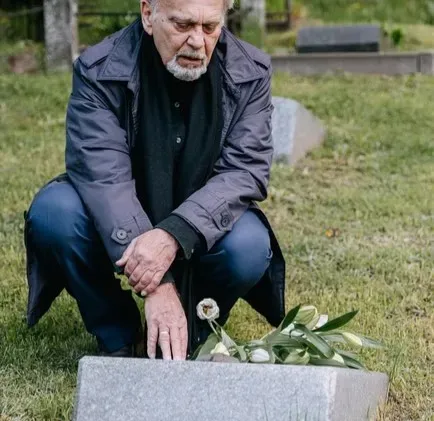
As uncomfortable as it sounds, you can actually benefit from facing your fear of nonexistence more directly. When you allow yourself – gently and in small doses – to contemplate your finiteness, something unexpected often happens. You stop postponing your real life. Instead of living on autopilot, you become more deliberate about how you spend your limited time and energy.
You might notice that some things you were obsessing over do not really matter to you when you remember you are temporary. Pet grudges, status games, and empty obligations start to lose their grip. In their place, you may feel a stronger pull toward presence: truly listening to someone you love, paying attention to beauty around you, investing in experiences that feel aligned with who you are rather than who you are supposed to impress.
Letting Mortality Make You More Alive, Not More Afraid

If you stay with this fear long enough, it can slowly change from an enemy into a strange kind of teacher. Knowing that you will not last forever can sharpen your appreciation for tiny, ordinary moments: the smell of rain, a shared joke, a warm cup in your hands. You begin to see that each of these could just as easily not exist for you, and that simple fact makes them feel richer, not cheaper.
You also realize that you do not need to be remembered by millions for your life to have weight. If you ease up on the pressure to be monumental, you can focus on something humbler and more real: how you show up to the small circle of people and places you actually touch. In the end, the fear of nonexistence does not have to paralyze you. It can remind you, again and again, that this moment is all you are guaranteed – and that how you inhabit it is entirely up to you.
Conclusion: Making Peace With the Question You Cannot Answer

The fear of nonexistence will probably never vanish completely for you, and that is not a sign that you are weak or confused. It is a sign that you are awake to the fact that life is fragile and astonishing and not under your full control. You can keep running from that awareness, or you can let it gently guide you into living more honestly and wholeheartedly.
When you remember that your days are numbered, you are quietly invited to ask different questions: not how you can live forever, but how you can live fully while you are here. You do not get to choose whether you are mortal, but you do get to choose whether you are present, kind, curious, and brave in the face of that truth. If you let it, your fear of nonexistence can become the very thing that pulls you deeper into your own life – would you have guessed that?