


You know that instant when a song swells, a chord changes, or a voice suddenly soars and your skin turns electric, dotted with tiny bumps as if the air itself just shifted? Those goosebumps are not a sentimental quirk; they are a full-body weather event, a kind of neural storm triggered by sound waves colliding with the atmosphere of your brain. In the last few decades, neuroscientists have started to map what happens in those seconds, from dopamine bursts to synchronized brain waves and even subtle changes in breathing and skin temperature. It turns out that the shiver you feel in a dark concert hall has more in common with a cold wind over open water than you might think. This article dives into why music can move us so powerfully, what our brains are actually doing in those goosebump moments, and how this everyday magic connects emotion, sound, and the invisible physics of the air around us.
When Sound Hits Skin: Turning Air Vibrations Into Chills

Every musical moment that gives you goosebumps starts with something deceptively simple: moving air. A singer’s vocal cords, a violin string, or a subwoofer pushes and pulls the air in ripples, and those pressure waves travel until they reach your eardrum. Inside your ear, tiny hair cells in the cochlea translate these vibrations into electrical signals, handing them off to neural circuits that decode pitch, rhythm, and loudness.
What feels like a purely emotional reaction is actually a chain reaction that begins with physics and ends in physiology. The same system that lets you detect a thunderclap or a distant siren is also tuned to the subtle rise of a melody or the sudden silence before a chorus drops. When a passage of music is especially intense or unexpected, your brain flags it as important, and your body reacts as if the surrounding air has suddenly changed. Goosebumps are one of the ways your skin announces that your auditory world just crossed an invisible threshold.
The Brain’s Reward Circuit: Dopamine at the Peak Moment
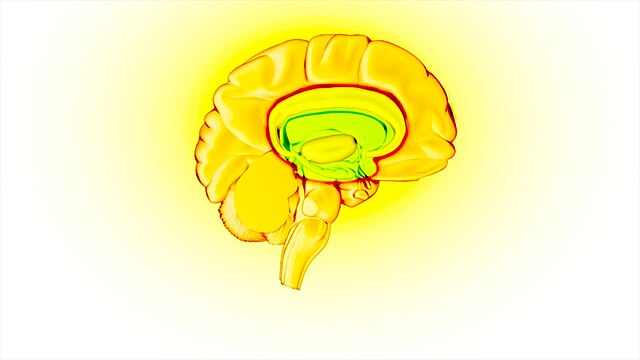
One of the most striking discoveries about musical chills is that they tap into the brain’s core reward system, the same circuits involved in food, social bonding, and addictive drugs. Deep structures like the nucleus accumbens and ventral striatum release dopamine when we reach emotionally powerful moments in music, especially when a long buildup finally resolves. Researchers using brain imaging have found that these dopamine bursts correlate closely with reported goosebumps, as if the body is physically underlining the moment.
What’s fascinating is that the dopamine system also lights up in the seconds before the musical climax, during the anticipation phase. Your brain predicts the coming payoff from shifts in harmony, tempo, and dynamics, nudging you into a kind of pleasurable tension. This tug-of-war between expectation and release is arguably the chemical heart of musical bliss. The goosebumps that follow are like a receipt from your nervous system, proof that the reward system just cashed in on a well‑timed sonic surprise.
Prediction, Violation, and the Thrill of Being Gently Wrong
Music is a game of predictions played on a background of cultural rules and personal experience. Over years of listening, your brain quietly learns patterns of melody, rhythm, and harmony, even if you have no formal training. When a song mostly follows these patterns but bends or delays them in just the right way, it walks a tightrope between familiarity and surprise. That sweet spot is where chills often live.
Scientists studying musical structure have found that sudden key changes, unexpected harmonies, or a delayed beat can be particularly effective at triggering strong emotional responses. It is not the chaos of completely random sound that moves us, but rather the artful violation of expectations we did not even know we had. In emotional terms, goosebumps can be your body’s way of saying that your model of the world was briefly wrong in a way that felt safe, beautiful, and meaningful. It is a reminder that being gently surprised is one of the brain’s favorite sensations.
Brain Waves in Concert: How Neural Rhythms Track Musical Flow
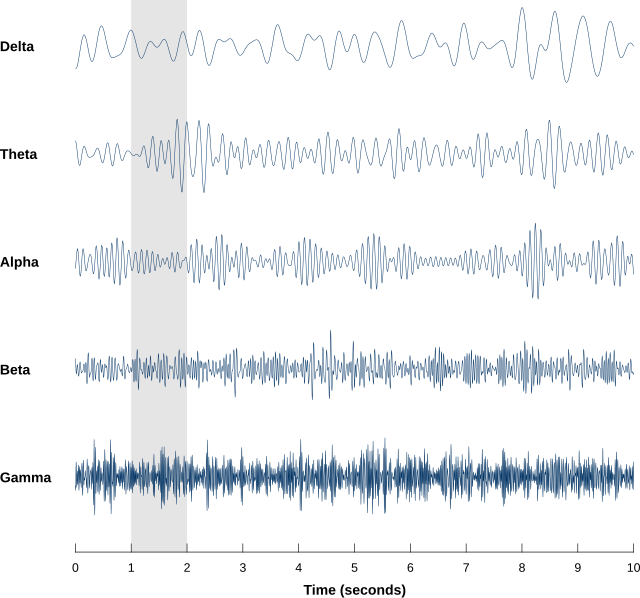
Beyond individual spikes of dopamine, music can pull entire networks of brain cells into synchronized rhythms, a kind of internal echo of the external beat. Using techniques like electroencephalography and magnetoencephalography, researchers have shown that brain waves in certain frequency bands lock onto musical timing and structure. When people listen to complex or emotionally charged passages, these neural oscillations can become more coordinated, especially across areas involved in hearing, movement, and emotion.
Some studies have found that low-frequency brain waves align with the beat and phrasing of the music, while faster rhythms reflect finer details like melody and timbre. In moments that listeners later describe as intensely moving, patterns of activity can shift rapidly, as if the brain is reconfiguring to process something especially salient. While scientists are still mapping the exact signatures of goosebump moments, the emerging picture is that our brains do not just hear music; they actively ride it, surfing incoming waves of sound with their own waves of electrical activity.
Ancient Reflex, Modern Playlist: Goosebumps as Emotional Weather

Goosebumps themselves are not new; they are an ancient mammalian reflex known as piloerection. In many animals, tiny muscles attached to each hair contract when they are cold or threatened, puffing up fur to trap warm air or make the body appear larger. Humans have kept the reflex but lost most of the fur, so what remains is more like a ghost of its original purpose. When a song gives you chills, you are essentially using a primitive thermoregulatory and defensive system to register a modern aesthetic experience.
What ties temperature, fear, and music together is emotional salience. The body tends to recruit the same basic tools for different types of important events, whether it is a sudden cold wind, a looming predator, or a choir hitting an impossibly pure harmony. That is why people sometimes describe musical chills as feeling like an inner weather front rolling through the body, complete with a brief drop in skin temperature and a sensation that the air around them has thickened. Music, in a sense, is hijacking a survival system to mark moments of intense beauty.
Shared Shivers: Social Bonding and Collective Atmospheres

Ask a group of people when they last got goosebumps from music, and many will point to live experiences: a stadium chorus, a quiet string quartet in a small hall, a national anthem sung by tens of thousands. Social scientists and neuroscientists have begun to explore how shared musical chills can strengthen feelings of belonging and collective identity. When voices or instruments synchronize, so do breathing patterns, heart rates, and even some aspects of brain activity across listeners.
This kind of physiological alignment is thought to play a role in group cohesion, much like synchronized marching or chanting. Music amplifies it by weaving emotional narratives into the shared rhythm of the crowd. In those peak moments when everyone seems to inhale at once and a wave of sound swells through the air, goosebumps become a kind of group weather event, a visible trace of invisible connections. The science suggests that these chills are not just private thrills but part of how humans create and feel community.
From Superstition to Scanners: How Our Understanding Has Shifted
For much of history, people explained powerful musical experiences through spirituality, mysticism, or vague ideas about the soul. While those stories still matter culturally, modern neuroscience has added a far more detailed, testable account of what the brain and body are doing during those moments. Brain imaging, physiological monitoring, and controlled listening experiments have turned goosebumps from a poetic metaphor into a measurable phenomenon. Researchers can now track changes in skin conductance, heart rate, and brain blood flow as listeners ride an emotional high point in a symphony or pop track.
Compared with earlier ideas that treated music as a kind of abstract language without clear biological roots, today’s view sees it as deeply entangled with our sensory systems, reward circuits, and social wiring. That does not reduce the mystery; it relocates it, from the supernatural to the astonishing complexity of the nervous system. Knowing that a well-placed chord change can light up some of the same pathways as a meaningful embrace forces us to rethink where art ends and biology begins. It suggests that musical bliss is not an add‑on to human nature but baked into it.
Unanswered Questions: Why Some Songs Strike Like Lightning
Even with detailed brain scans and carefully designed experiments, scientists still cannot predict with certainty which song will give which person chills. Personal history, cultural background, personality traits, and even current mood all influence whether a piece of music feels merely pleasant or utterly overwhelming. Some research hints that people who are more open to new experiences, or who deeply engage with art, may be more prone to musical goosebumps, but this is far from a complete explanation. The same chord progression that leaves one person unmoved can send another into a shivering, tearful state.
There are also questions about how musical training, early exposure, and even language shape what we perceive as emotionally powerful sound. Scientists are investigating how different musical traditions, from Western classical harmonies to intricate rhythmic systems elsewhere in the world, tap into shared neural mechanisms. The puzzle is not whether the brain responds strongly to music – it clearly does – but why it does so with such individual variation. In that sense, each chill is a small unsolved riddle, where universal biology meets the singular weather pattern of a life story.
Tuning Your Own Weather: Paying Attention to Your Musical Chills

If musical goosebumps are tiny storms rolling through your nervous system, one of the simplest ways to engage with the science is to start noticing your own internal forecast. Pay attention to when and where they happen: Is it always at the same kind of moment in a song, or only in certain environments, like dim rooms or open-air venues? Do live performances hit harder than recordings, or does a pair of good headphones create a more intense internal climate for you? Treat these observations as data points in your own personal experiment.
You do not need a brain scanner to deepen your curiosity; a playlist, a notebook, and some honest reflection are enough. Try revisiting songs that once gave you chills and see whether they still do, or whether new experiences have shifted your emotional resonance. Talk with friends about their own musical weather systems and compare notes; the differences can be as intriguing as the overlaps. In a world where so much noise competes for attention, deliberately seeking out the sounds that literally move your skin is a quiet act of scientific self‑respect, and a reminder that your brain and the air around you are in constant, invisible conversation.
Suhail Ahmed is a passionate digital professional and nature enthusiast with over 8 years of experience in content strategy, SEO, web development, and digital operations. Alongside his freelance journey, Suhail actively contributes to nature and wildlife platforms like Discover Wildlife, where he channels his curiosity for the planet into engaging, educational storytelling.
With a strong background in managing digital ecosystems — from ecommerce stores and WordPress websites to social media and automation — Suhail merges technical precision with creative insight. His content reflects a rare balance: SEO-friendly yet deeply human, data-informed yet emotionally resonant.
Driven by a love for discovery and storytelling, Suhail believes in using digital platforms to amplify causes that matter — especially those protecting Earth’s biodiversity and inspiring sustainable living. Whether he’s managing online projects or crafting wildlife content, his goal remains the same: to inform, inspire, and leave a positive digital footprint.


