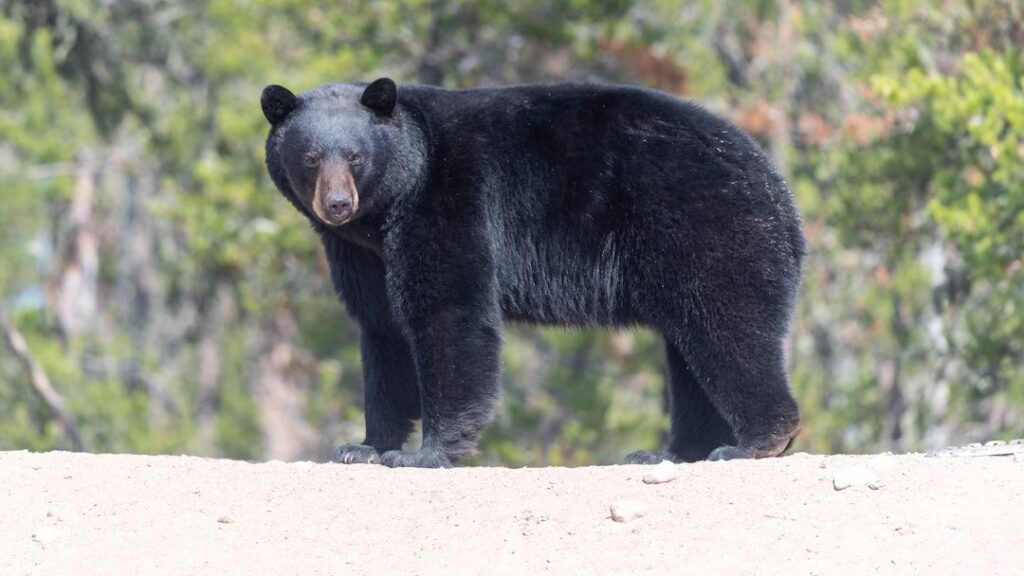

If it feels like stories of black bears ambling through neighborhoods, raiding trash cans, or casually strolling across driveways are popping up more than ever, you’re not imagining it. From mountain towns to leafy suburbs, people are suddenly finding wildlife security camera “guest appearances” that look like something out of a nature documentary instead of a quiet Tuesday night. It’s fascinating, a little magical, and honestly a bit unnerving when a two‑hundred‑plus‑pound animal treats your street like a hiking trail.
What’s really going on, though, is more complicated than a simple “bears are moving in.” It’s a story about food, climate, human sprawl, and animals that are far more adaptable than we gave them credit for. The good news: this is not some horror‑movie invasion. The tricky news: our everyday habits are quietly inviting bears to visit far more often than we realize. Once you see how the puzzle pieces fit, it becomes hard not to rethink how we live on the edge of wild spaces.
More People, More Houses, Less Wild Space
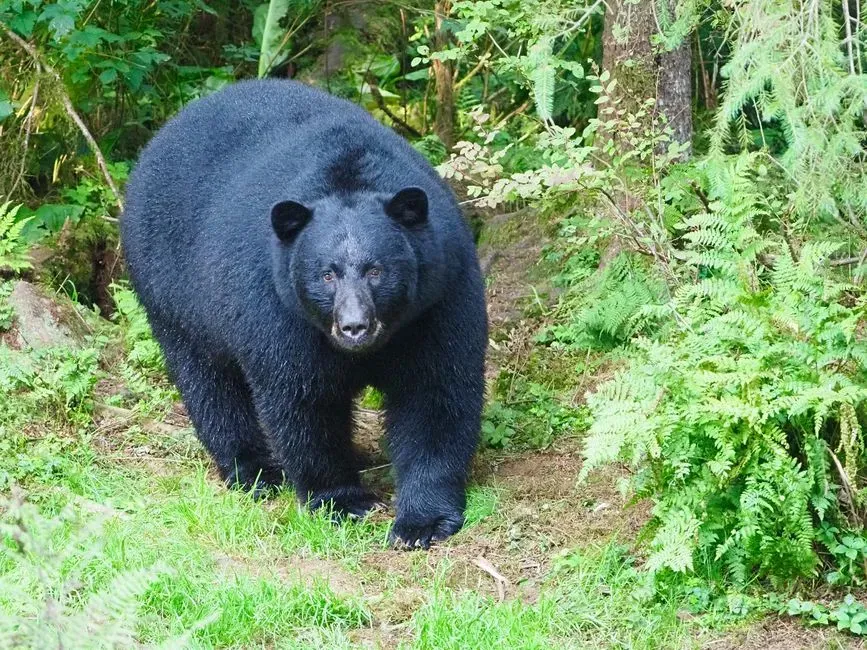
One of the biggest reasons we’re seeing more black bears in residential neighborhoods is brutally simple: we have built homes and roads into places that used to be forests and open wild lands. Suburbs keep stretching outward, vacation cabins fill in once‑quiet valleys, and what used to be a bear’s feeding area can slowly become cul‑de‑sacs and strip malls. From the bear’s point of view, it has not suddenly moved into town; the town has spread into its living room.
As development expands, the remaining wild habitat often gets chopped into disconnected patches, like breaking a big rug into scattered doormats. Bears that once roamed freely now have to cross roads, yards, and parking lots to move between bits of remaining forest. When your backyard sits in the only tree‑covered corridor between two hillsides, a bear trotting through at night is not a mystery; it is just doing what it has always done, but now it happens to be passing your patio furniture.
A Calorie Jackpot: Trash, Bird Feeders, and Pet Food
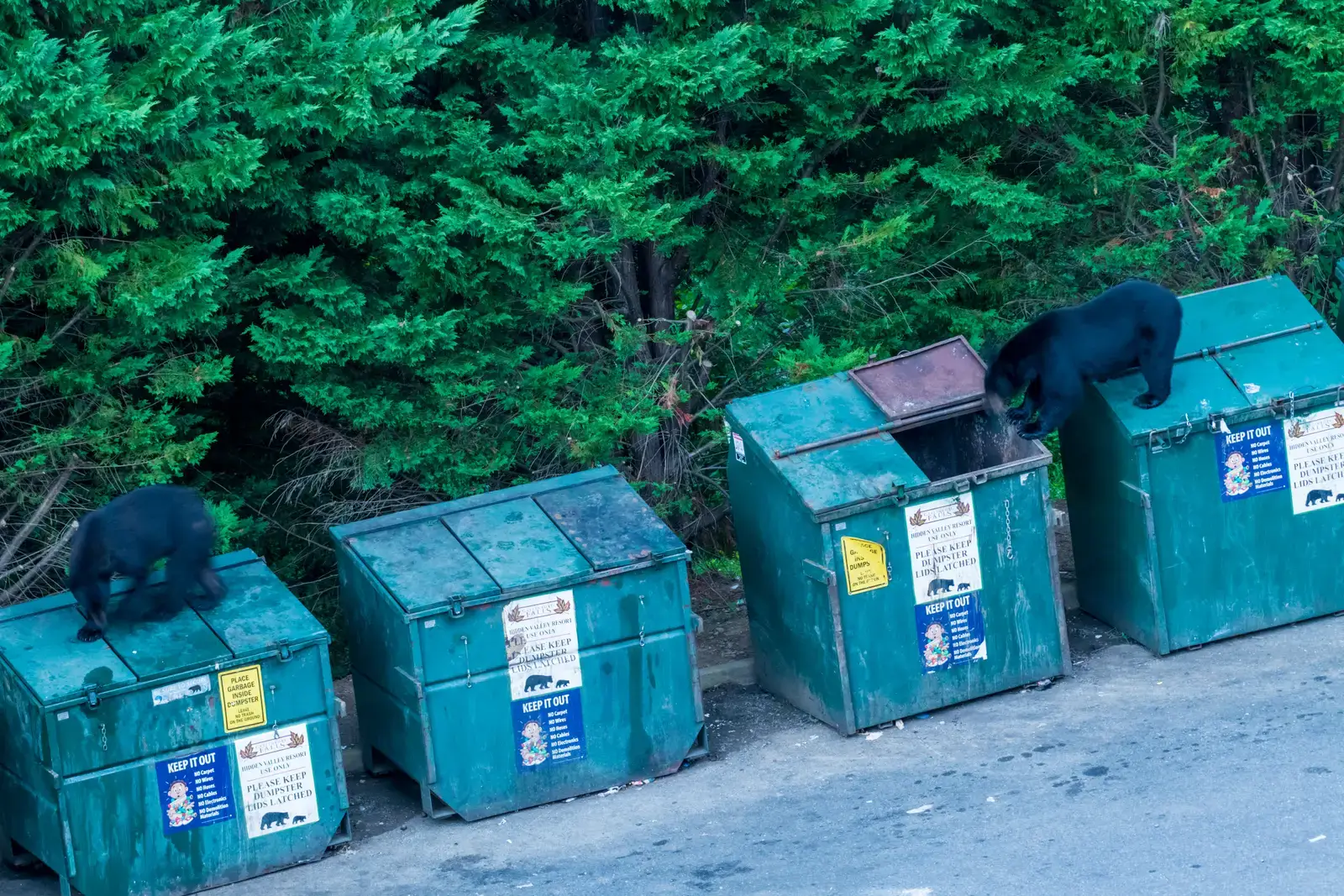
Black bears are walking stomachs with fur, and modern neighborhoods accidentally offer them something they rarely find in the wild: concentrated, predictable, easy calories. Garbage cans left outside overnight, overflowing dumpsters, bird feeders, compost piles, dog bowls on the porch – these are like neon signs flashing “all‑you‑can‑eat buffet” in bear language. Compared to spending hours hunting for berries or grubs, flipping a trash lid is a shockingly good return on investment.
Once a bear discovers that one street reliably provides food, it learns the route and often returns, sometimes teaching its cubs the same pattern. Over time, this can create “bear hot spots” where the animals are not moving in because they love people, but because our routine habits have turned neighborhoods into feeding stations. It is not that bears suddenly crave human food specifically; they simply follow the calories, and we have unintentionally made those calories absurdly easy to find.
Climate Change and Unpredictable Natural Food Supplies
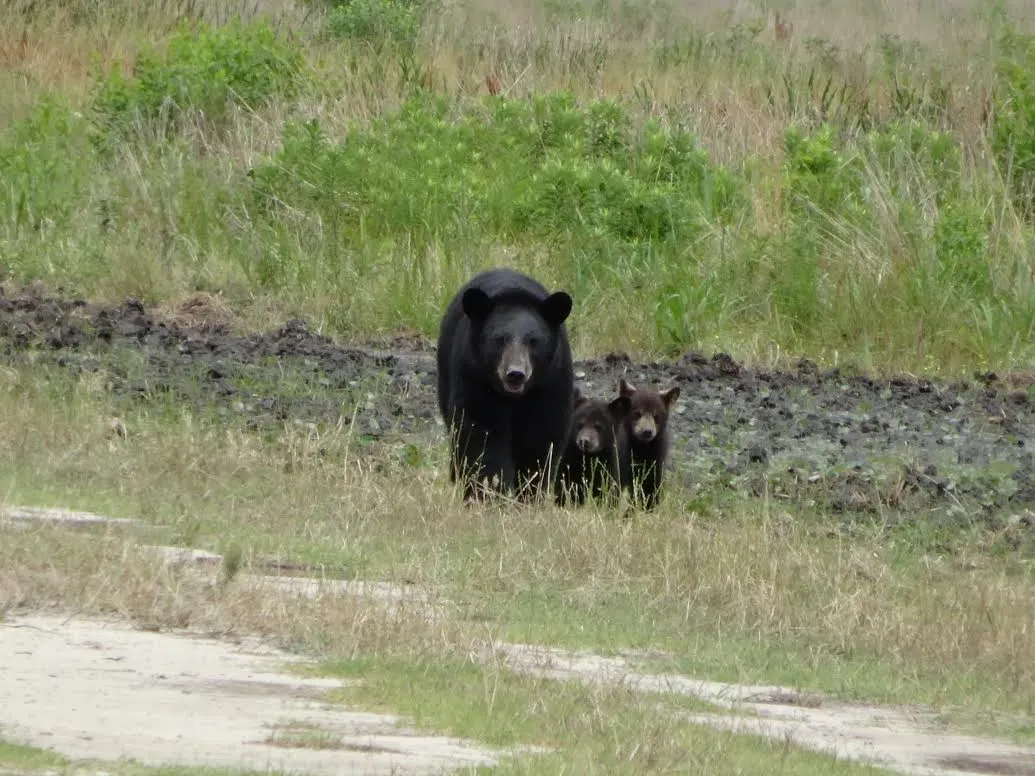
Another quieter driver sits in the background: the changing climate. Black bears rely heavily on natural foods like berries, nuts, and acorns, and those crops are sensitive to temperature, rainfall, and late frosts. When a warm spell is followed by a sudden cold snap, or when drought hits at the wrong time, the plants and trees that normally feed bears can produce far fewer fruits and seeds. A bad year for acorns or berries can mean a hungry year for bears.
During those lean seasons, bears are pushed to look farther and wider for food, and that wider search radius often includes human spaces. If the forest buffet is half empty but the neighborhood trash cans are full, the choice is not really a choice at all. This does not mean every bear in town is there because of the climate, but it’s one powerful pressure nudging more animals toward the edges of our communities, especially when several poor food years stack up and survival gets tight.
Bear Populations Have Rebounded in Many Regions
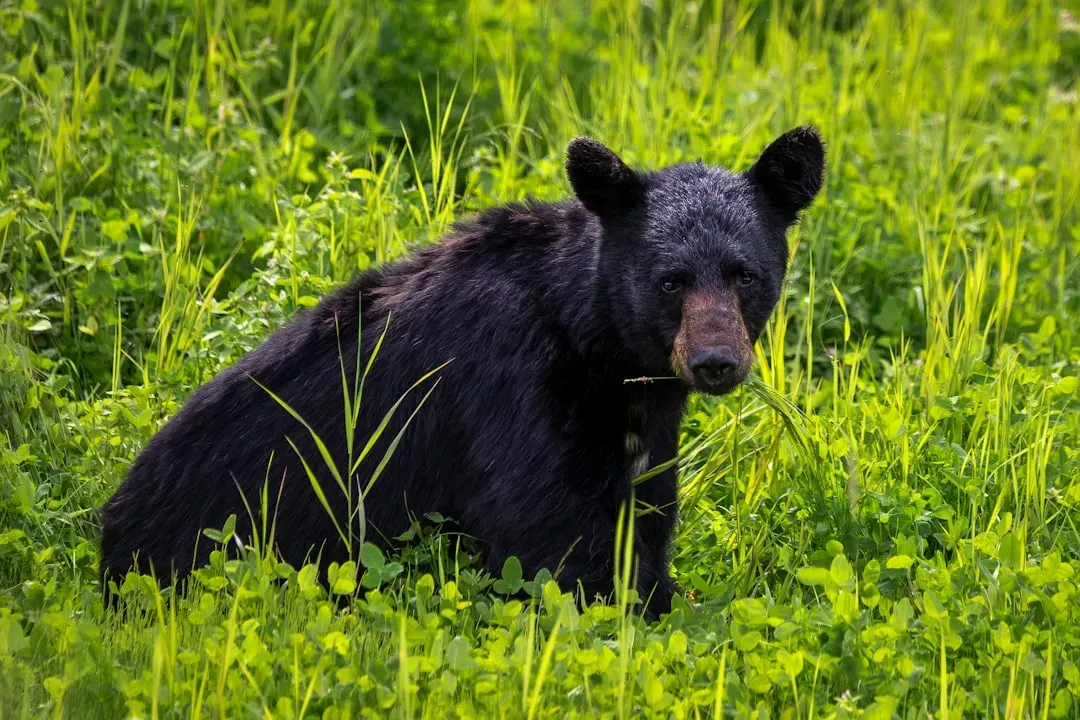
There is an odd twist in this story: in a lot of parts of North America, black bear numbers have actually recovered compared with the heavily hunted and persecuted populations of the past. Better regulations, changing public attitudes, and protected areas have, in many places, allowed bear numbers to creep back up toward more natural levels. In other words, part of what we are seeing is not just more wandering, but also simply more bears existing at all.
When you combine a growing bear population with expanding human development, it is almost guaranteed that encounters will rise. Think of it like two circles on a map – one for where people live, one for where bears live. Both circles are larger than they used to be, and they now overlap more. So what can feel like a sudden “invasion” can also just be the visible sign that conservation has worked to some degree, but we have not updated how we live at the new edge between people and wildlife.
Black Bears Are Incredibly Smart and Adaptable
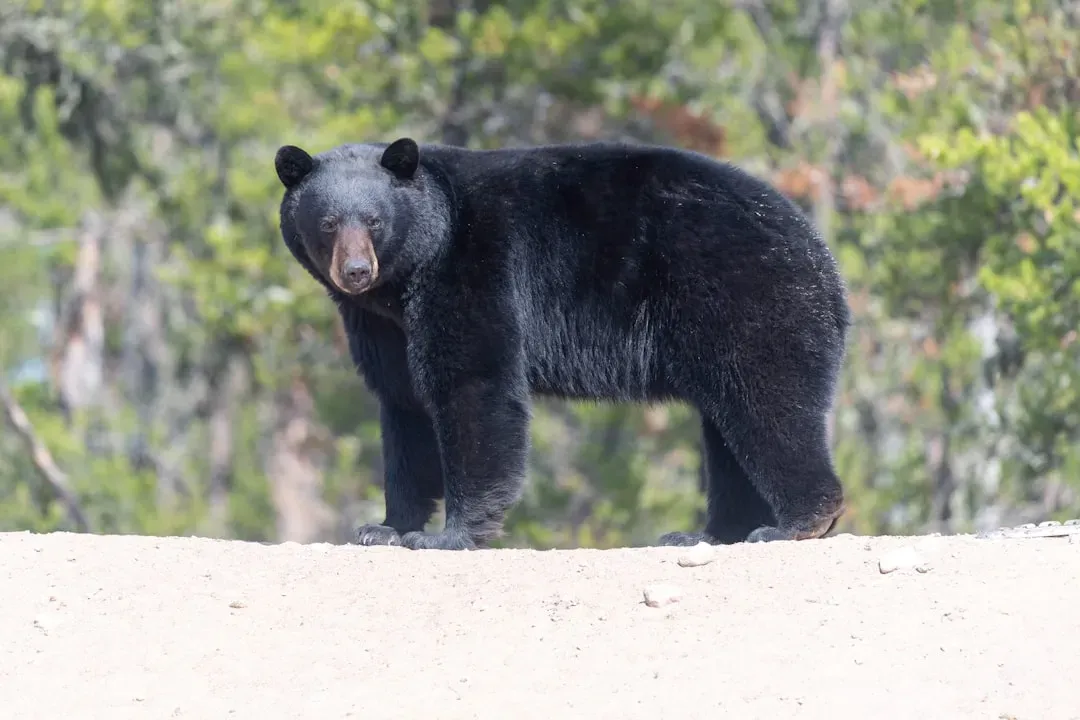
Black bears are not lumbering fools; they are clever, curious animals that learn quickly from experience. They remember where they found food, which routes felt safe, and how to solve simple “puzzles” like opening latches or pushing over containers. Some people joke that once a bear figures out how to open a car door, it is basically another neighborhood resident, just one that never pays for groceries. That intelligence makes them wonderfully resilient in a changing world – but also makes them more likely to thrive around us if we make it easy.
This adaptability means bears can adjust their behavior to avoid people while still taking advantage of human food sources, often moving through neighborhoods mostly at night. They may slip between backyards, follow creek lines, or use hedges as cover, turning suburbs into a patchwork of semi‑wild corridors. From a distance, it can look like bears are shy, almost ghostlike visitors, yet they are carefully mapping our routines. Once they decide that our spaces are profitable and relatively safe, it is harder to convince them to go back to only wild food.
Human Habits That Quietly Encourage Bear Visits
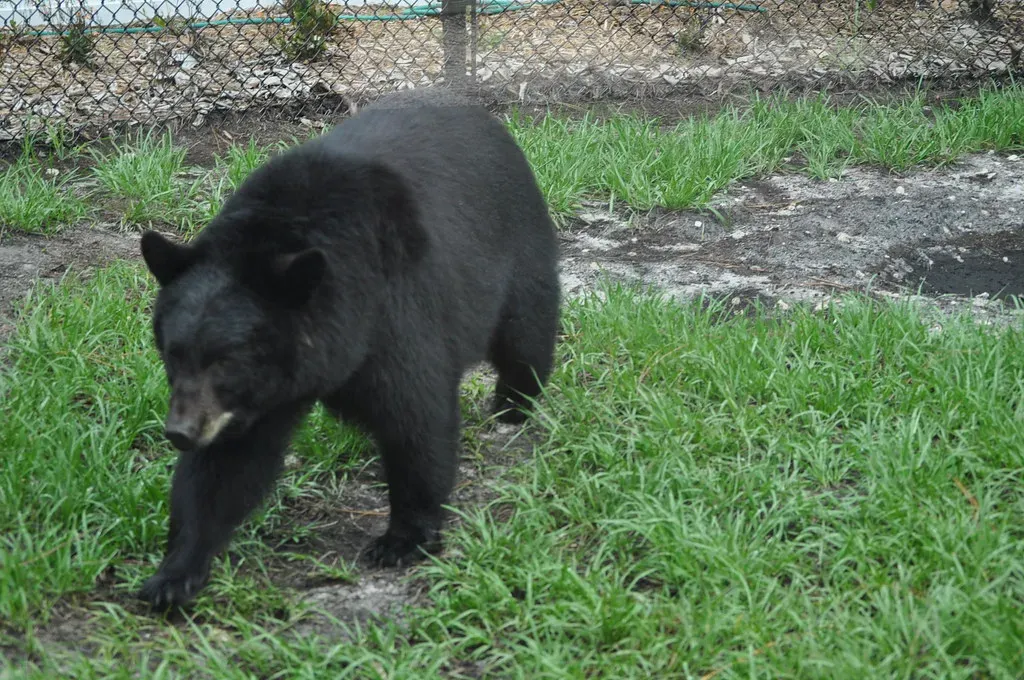
It is easy to blame “the bears” when one shows up on a porch camera, but the more uncomfortable truth is that our daily habits are a huge part of the story. Leaving trash out the night before pickup, filling bird feeders year‑round, storing grills with greasy residue, or tossing food scraps into easy‑access compost are all normal behaviors that add up to a strong invitation. One person doing this might not matter much, but when many homes on a street follow the same pattern, the effect multiplies quickly.
Even little conveniences, like propping open a garage door or leaving a window cracked in a car with food inside, can create openings that a determined bear will explore. Once neighbors share photos or stories, it can seem as if the animals have suddenly flooded the area out of nowhere. In reality, they may have been skirting the edge of town for years, finally drawn in by a critical mass of unintentional food rewards. It is less that bears have changed their nature, and more that our lifestyles have made their curiosity pay off.
Risks for Both People and Bears When Boundaries Blur
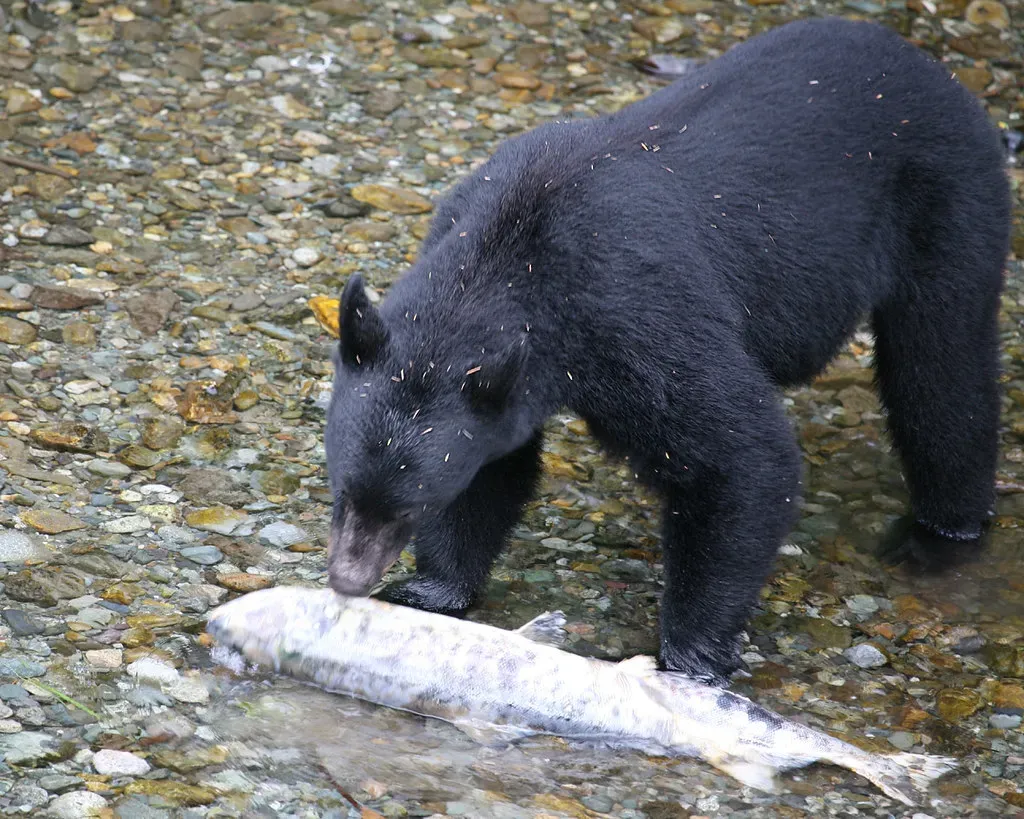
When black bears start visiting neighborhoods more often, the risk is not only to people, but also to the bears themselves. While attacks on humans remain rare, encounters at close range can be frightening, especially if a bear feels cornered, surprised, or is defending cubs. There are also real concerns about pets, property damage, and traffic accidents, especially when bears cross busy roads late at night or in low visibility. A calm, curious animal can suddenly become dangerous if a situation spirals out of control.
On the flip side, bears that regularly find human food can become what wildlife managers call “food conditioned” and “habituated,” meaning they both depend on our food and lose their natural wariness of people. Those are the bears that linger on porches or break into structures, and they are far more likely to be relocated or ultimately killed for public safety. The harsh reality is that when a bear becomes too comfortable around humans, it often pays with its life for our earlier carelessness. Every unsecured trash can might look minor, but together those choices can push a wild animal over a line it cannot walk back from.
What Actually Works: Practical Ways to Keep Bears Wild
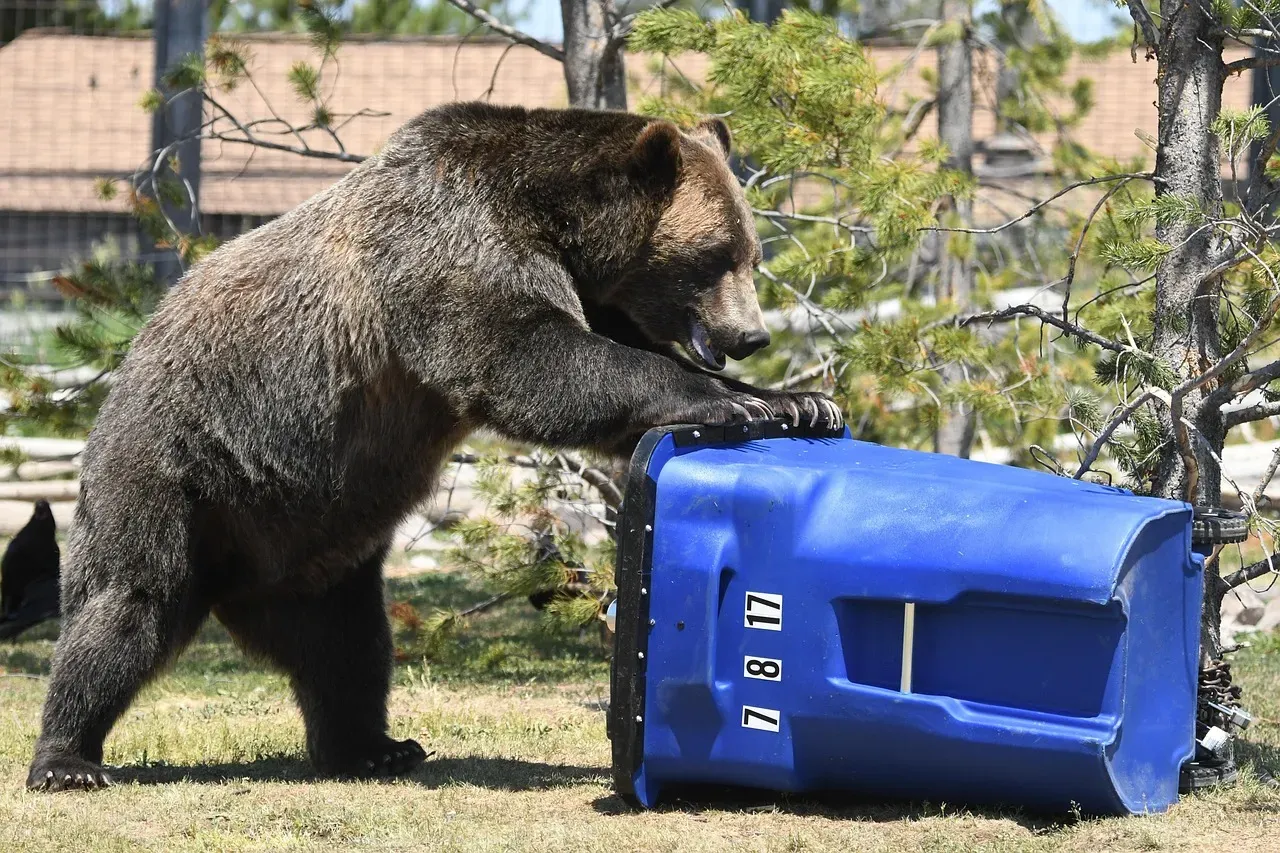
The hopeful part of this story is that we know a lot about what works to reduce unwanted bear visits, and it usually comes down to making food sources harder to reach. Bear‑resistant trash cans, locked storage for garbage, taking trash out the morning of pickup instead of the night before, and cleaning grills thoroughly after use are all straightforward steps that make a huge difference. Taking bird feeders down seasonally when natural food is available, or switching to less attractive options like certain types of seeds, also lowers the incentive for bears to hang around.
Neighborhood‑wide efforts tend to be especially powerful, because a bear does not care if nine houses are careful if the tenth offers an easy feast. Some communities adopt local ordinances, education campaigns, or shared storage areas to tackle the problem together. Others form informal groups, trading ideas and checking in with new residents so that everyone understands the stakes. The underlying philosophy is simple but profound: the more we keep bears focused on natural foods and wary of people, the more likely they’ll remain truly wild neighbors instead of troubled visitors at our doorsteps.
Opinionated Conclusion: We Invited Bears Closer – Now We Have to Grow Up About It
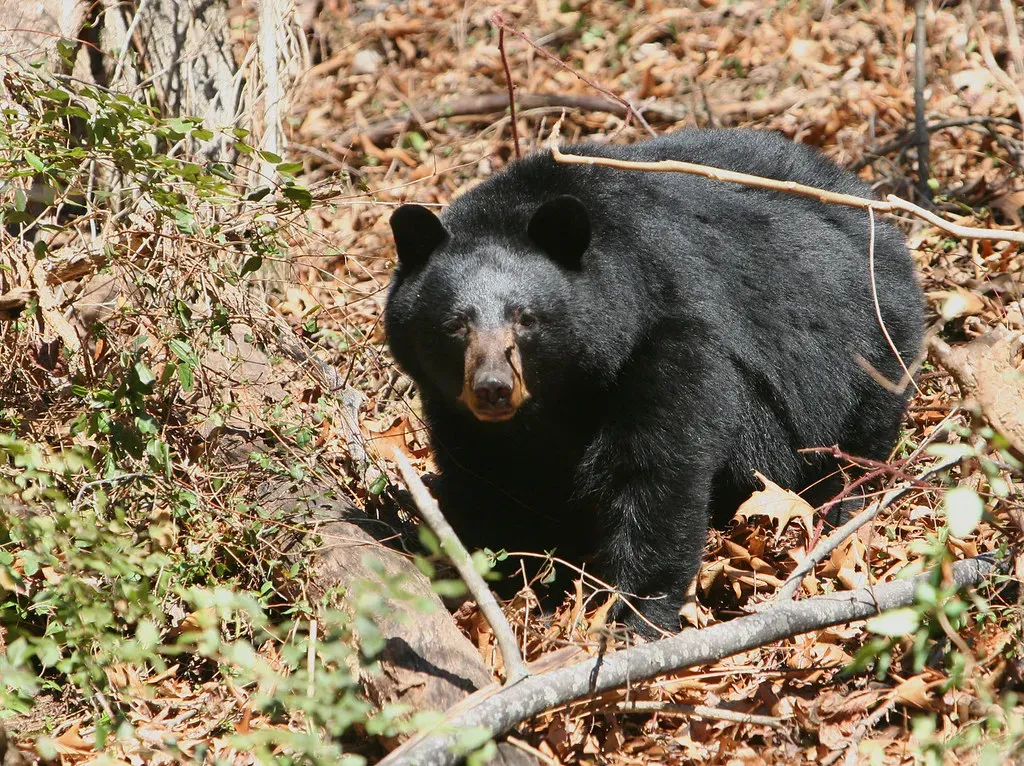
When you zoom out, the rise in black bears is not really a mystery at all. We expanded into their habitats, changed the climate they depend on, increased their numbers through better management, and then scattered easy calories everywhere like breadcrumbs leading straight to our doors. From where I sit, blaming “bold bears” without looking hard at our own choices feels a bit like leaving your front door wide open and then complaining that the wind blew leaves inside. We built the overlap; the bears are just responding to the new rules of the game.
So the real question is not whether bears should be in our neighborhoods, but whether we are willing to adjust how we live at the edge of wild spaces. Secure trash, smarter community planning, and a little humility about whose land this was first would go a long way toward turning tense encounters into rare, mostly peaceful sightings. If we want bears to stay wild and alive, we have to stop treating their hunger as a nuisance and start seeing it as a call to manage our world more thoughtfully. In the end, maybe the better test of a modern community is not how fast we can push wildlife away, but how wisely we can coexist with it – what does that say about the kind of neighbors we choose to be?