In 1997, the world’s best chess player watched a machine make the final, decisive move, and a hush fell over an age-old symbol of human intellect. The defeat felt like a door slamming, but it was really a door opening – loudly, disruptively, undeniably. That match did more than crown a new kind of champion; it rewrote how scientists frame intelligence, search, and learning. What began as a computer-chess rivalry quickly became a blueprint for building and testing artificial minds. And if you look closely, the most important moves happened after the handshake.
The Hidden Clues
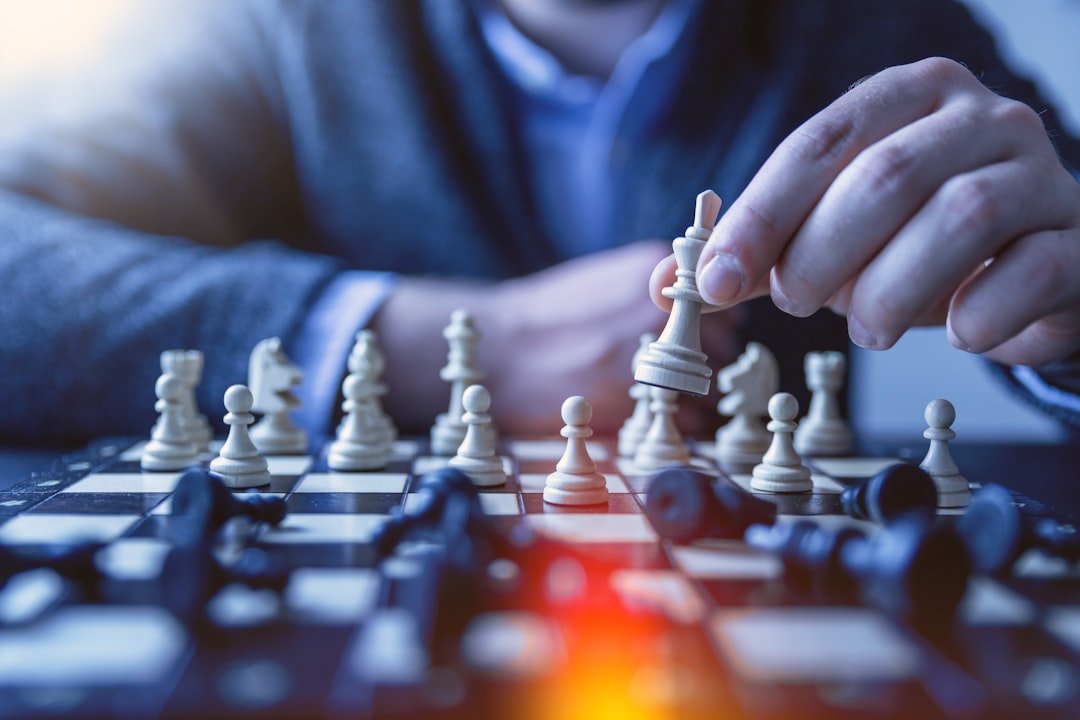
What if the most revealing moment was not a brilliant checkmate but a quiet, puzzling choice that threw a grandmaster off balance? Deep Blue sometimes made moves that looked eerily calm, as if it could hide its calculation thunder behind a soft whisper. Those moments signaled a shift from human psychology to computational inevitability, where surprise emerges from scale rather than whim. The lesson wasn’t that machines think like us, but that they can reach strong decisions by very different routes. Watching those games again today, you can feel the ground tilt.
That tilt mattered because it exposed our blind spot: we tend to equate intelligence with familiar reasoning. Kasparov’s loss showed that competence can look alien and still be profoundly effective.
From Ancient Tools to Modern Science
Humanity has always outsourced thinking – abaci, slide rules, and pocket calculators all stretched our reach. Chess engines pushed that lineage into a new regime, where evaluation functions and search depth became instruments as precise as lab equipment. The research culture around computer chess evolved into a testbed for algorithms, data structures, and hardware-software co-design. Suddenly, opening books were datasets, endgames were solved states, and heuristics were hypotheses to be falsified. It wasn’t just a sport anymore; it was an experimental platform.
That platform foreshadowed today’s learning systems, from neural evaluators powering modern engines to self-play frameworks that iterate faster than any human training camp. The board became a controlled universe for scientific method.
The Match That Changed the Questions
Kasparov had beaten earlier machines and even won a match against an earlier version of IBM’s system the year before, so the 1997 rematch carried an electric charge. Over six games in New York, the balance shifted from human intuition to engineered brute force guided by rapidly improving heuristics. The drama wasn’t just about results; it was about the unsettling feeling that certain positions were being evaluated with inhuman patience. Spectators came for the spectacle and left with a new vocabulary: evaluation function, search horizon, pruning. Scientists left with something else – fresh benchmarks and bolder research goals.
In the months that followed, the conversation moved from “Can machines beat us?” to “How should we measure progress and risk when they do?” That reframing still shapes the way labs design tests for complex AI today.
How Human and Machine Learn Differently
Humans reason with patterns, stories, and chunks; machines thrive on breadth, repeatability, and tireless enumeration. Where a human might sense danger in an exposed king, a computer counts millions of continuations and downgrades the risk only when the future is secured. Later breakthroughs introduced learning systems that tune their own evaluations, slowing the reliance on hand-crafted features. Reinforcement learning and self-play made engines discover ideas that felt fresh even to seasoned grandmasters. The paradox is delightful: systems that “know” nothing of beauty can still uncover lines we describe as beautiful.
That divergence helps researchers separate the map from the territory, clarifying which parts of intelligence are about rules, and which are about learned regularities. It’s a scientific gift wrapped in a sporting upset.
Why It Matters
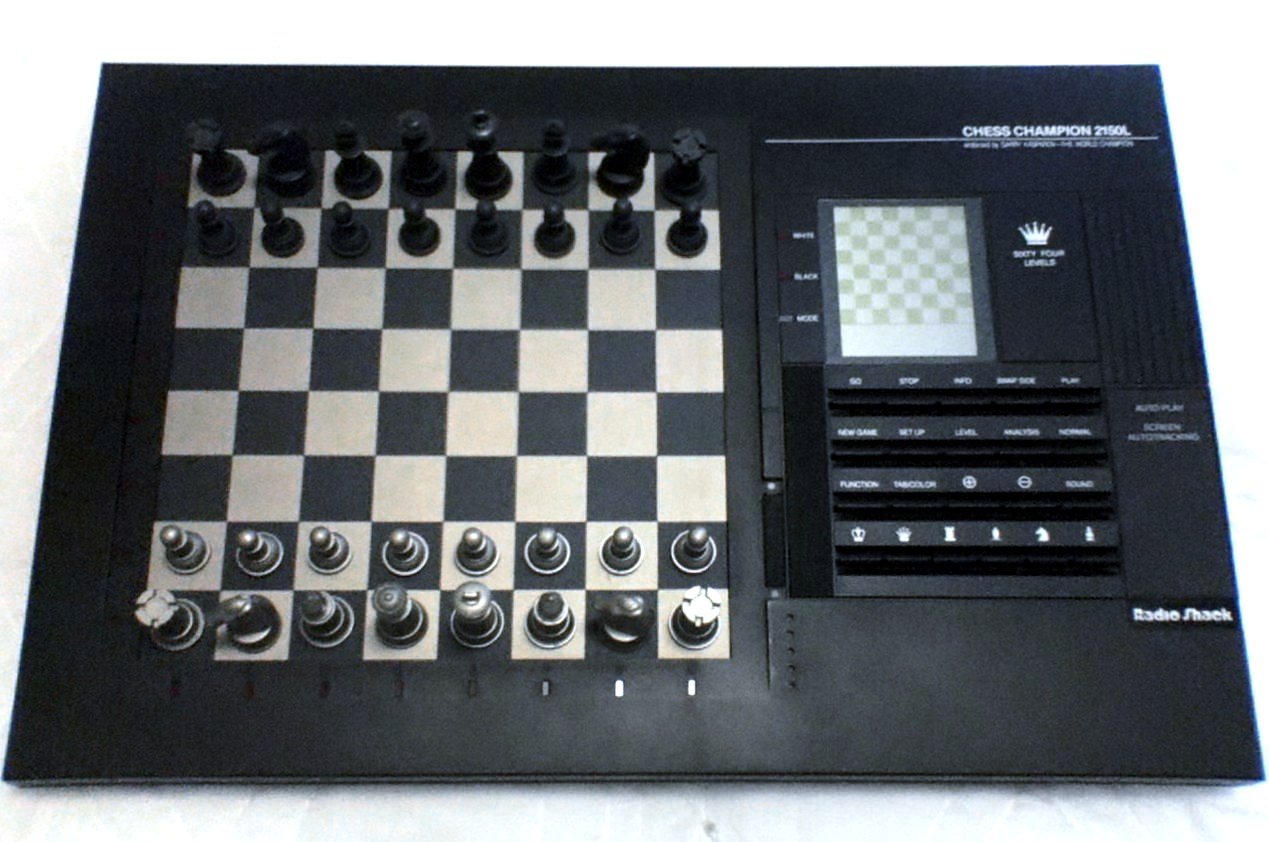
Kasparov’s loss matters because it redefined the boundary between human expertise and machine capability. Instead of treating machines as rivals to be feared, it nudged us toward treating them as instruments to be mastered. Science needs those instruments to probe hard problems – where exhaustive search and disciplined learning can expose patterns we miss. Compared with traditional methods, algorithmic search offers consistency and scale, while human insight supplies framing and values. The synthesis is where discovery accelerates.
If earlier eras relied on intuition and painstaking manual analysis, the post-1997 era normalized running experiments at machine speed. That shift unlocked progress in fields far beyond sixty-four squares.
The Rise of Centaurs and Open Theory
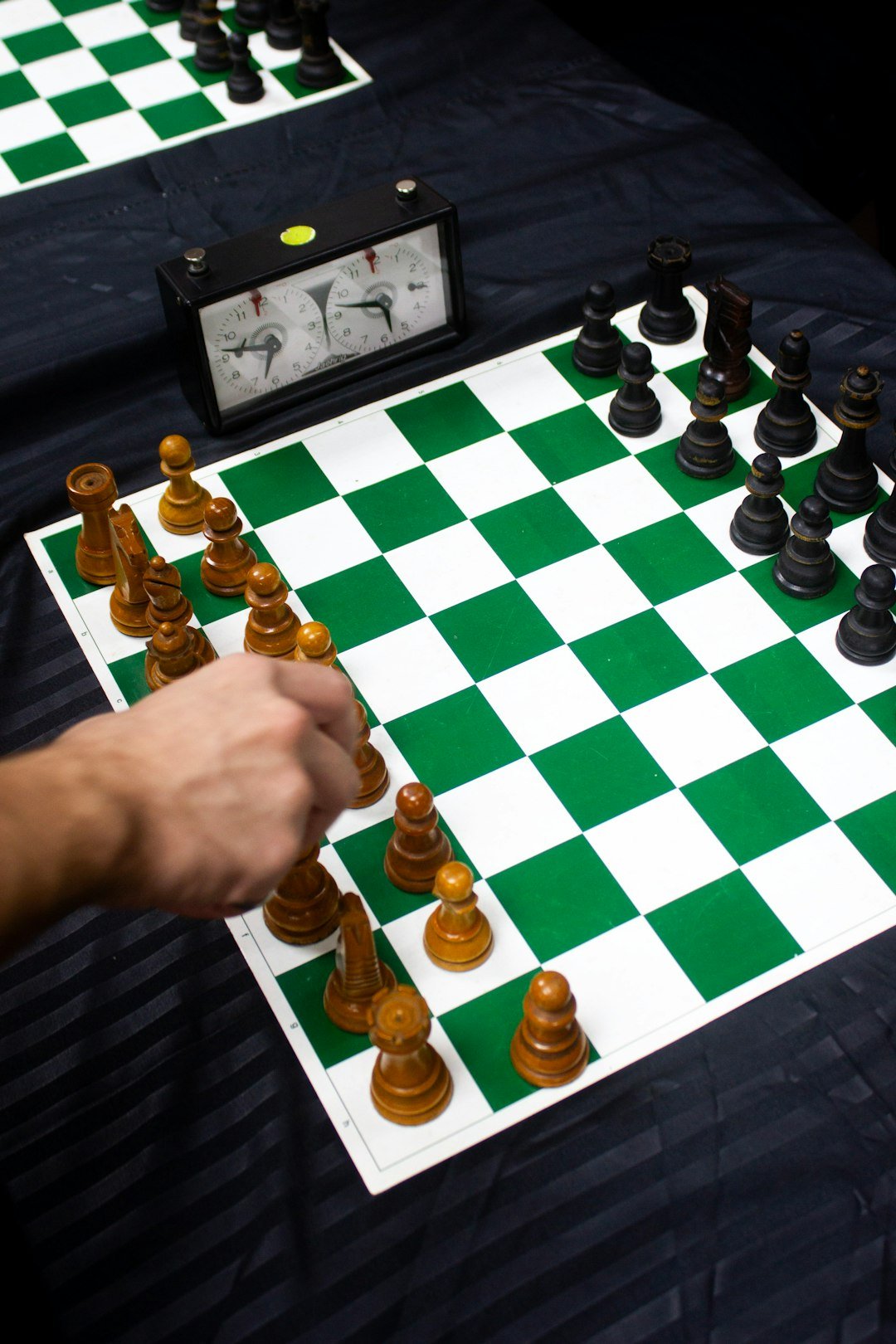
Out of the debris of that famous match came an unexpected hybrid: human-computer teams. In freestyle and advanced chess, the most successful players weren’t the strongest humans or the fastest engines, but the best coordinators of both. Preparation changed too, with databases and engines reshaping opening theory and revealing resources that had slept in plain sight. Endgame tablebases solved positions that once felt mystical, turning endgame study into a tour through absolute truth. I remember replaying a supposedly “drawn” fortress and feeling my certainty collapse as a tablebase quietly proved otherwise.
This hybrid model spread: more fields now treat computation as a collaborator, not a crutch. The Kasparov moment taught us to ask what combination of human oversight and machine precision wins most reliably.
Lessons for Science and Engineering
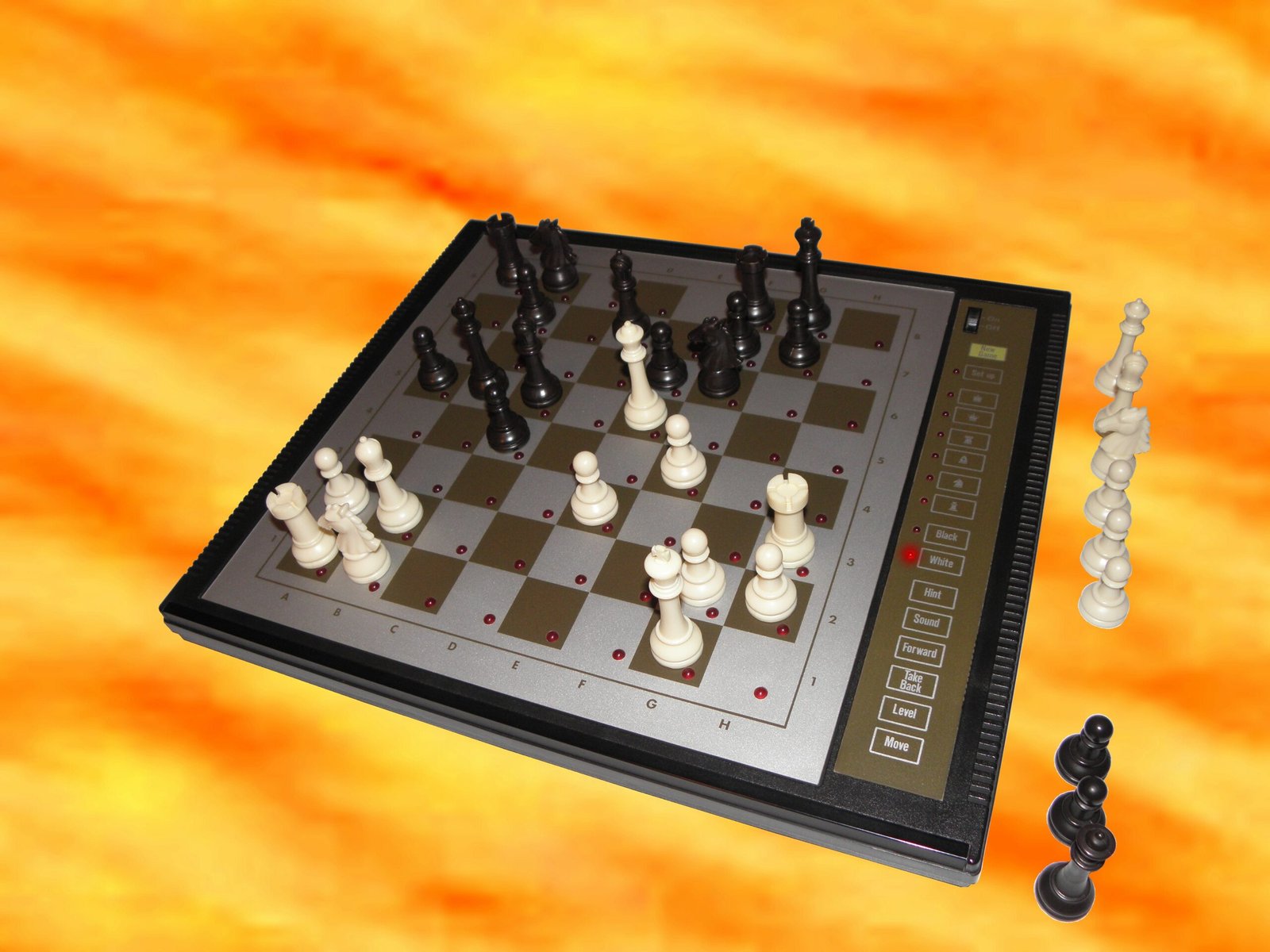
Computer chess popularized rigorous benchmarking: same tasks, evolving systems, publicly comparable results. That culture encouraged transparency about training, evaluation, and failure modes, habits that today’s AI still needs in larger doses. It also spotlighted the hidden levers – data curation, hardware choices, search parameters – that can sway outcomes as much as algorithmic brilliance. Engineers learned the hard truth that optimization is often multiplicative, not additive. Tweaks to memory access patterns could buy as much power as a new evaluation term.
Those lessons traveled well into robotics, protein modeling, and language technologies. They created a shared discipline for improving complex systems without losing sight of what the metrics mean.
Global Perspectives
The story didn’t end with chess; it echoed through games, labs, and clinics worldwide. Systems mastering Go and solving hard structure-prediction problems drew on the same self-play, search, and evaluation DNA. Policymakers took notice, grappling with the twin imperatives of embracing innovation and guarding against misuse. Educators felt the tremor too, updating curricula to teach students how to think with tools rather than compete against them. Communities wondered how to keep access broad so breakthroughs don’t become gated luxuries.
Across continents, the Kasparov moment became a cultural reference point for the promise and anxiety of intelligent machines. It remains a reminder that progress must be paired with responsibility.
The Future Landscape
Tomorrow’s breakthroughs will likely merge fast search with richer understanding – hybrid systems that mix structured reasoning with learned intuition. Expect more emphasis on interpretability so we know not just that a move works, but why it works. Advances in specialized accelerators, neuromorphic designs, and smarter software stacks will keep pushing the ceiling higher. Researchers are also exploring ways to align machine objectives with human values before systems deploy at scale. The goal isn’t dominance; it’s dependable partnership.
As these systems leave the lab for hospitals, grids, and classrooms, their lineage from computer chess will matter. We’ll judge them not only by victory but by clarity, controllability, and benefit.
What You Can Do
Start by treating intelligent tools like microscopes: useful, powerful, and in need of training and care. If you’re a parent or teacher, introduce students to puzzle-solving with engines as a way to learn reasoning and verification. If you’re a professional, push for audits and documentation wherever automated decisions affect people’s lives. Support open educational resources so access to these tools isn’t limited to the lucky few. Curiosity is the fuel here – ask how a result was reached, not only whether it’s correct.
And when a machine surprises you, resist the urge to dismiss it. Surprise is often the first sign you’ve discovered a new landscape.
A Final Move
Kasparov’s loss was a personal setback that became a public catalyst, turning a headline into a research agenda. It taught us that defeat can be data, and data – when tested, shared, and understood – can be progress. The legacy isn’t that a human lost; it’s that science learned how to win differently. I think that’s why the games still feel alive when I replay them: they’re not just about pieces, they’re about methods. The clock is still ticking, but now it measures insight as much as time.
If a single match could change how we ask questions, what question will you ask next?
Suhail Ahmed is a passionate digital professional and nature enthusiast with over 8 years of experience in content strategy, SEO, web development, and digital operations. Alongside his freelance journey, Suhail actively contributes to nature and wildlife platforms like Discover Wildlife, where he channels his curiosity for the planet into engaging, educational storytelling.
With a strong background in managing digital ecosystems — from ecommerce stores and WordPress websites to social media and automation — Suhail merges technical precision with creative insight. His content reflects a rare balance: SEO-friendly yet deeply human, data-informed yet emotionally resonant.
Driven by a love for discovery and storytelling, Suhail believes in using digital platforms to amplify causes that matter — especially those protecting Earth’s biodiversity and inspiring sustainable living. Whether he’s managing online projects or crafting wildlife content, his goal remains the same: to inform, inspire, and leave a positive digital footprint.