
Almost everyone has a quiet moment where the question hits like a wave: does anything of “me” survive after my body stops? We pretend we’re too busy or too rational to linger on it, but the thought slips in at funerals, in hospitals at 3 a.m., or staring at the ceiling after a bad scare. The idea that consciousness might continue beyond death is both terrifying and oddly comforting, and we keep circling it like a planet caught in the gravity of its own questions.
I’ve noticed that even people who swear they are total materialists will soften when a loved one dies, saying things like they’re still with us or they can hear you. On paper, it might not match their worldview, but emotionally it fits something deeper. This gap between what we say we believe and what we hope might be true is where the really lives – messy, emotional, and very, very human.
The Deep Human Fear (and Refusal) of Finality
One of the most powerful drivers behind this search is our resistance to the idea of absolute finality. The thought that everything we are – our memories, jokes, regrets, love, and inner monologue – might just vanish feels almost unbearable. Death, framed as a hard stop, clashes with how we experience life as an ongoing story, not a file that suddenly gets deleted.
Psychologists sometimes describe this as a clash between our narrative mind and biological reality. We think in arcs, chapters, and character development, and then biology steps in with a brutally simple ending. So we look for cracks in that final wall: dreams that feel too vivid, uncanny coincidences, stories of people who almost died and came back with something to say. Anything that suggests the story might not be over, just moved to a chapter we cannot quite see.
Culture, Religion, and the Stories We Inherit

No one starts from zero on the question of life after death; we inherit stories long before we ever form an opinion. Religions across the world have built detailed maps of what happens after we die – heavens, hells, reincarnation, ancestral realms, or dissolving into a larger universal consciousness. These narratives are not just abstract doctrines; they shape how we handle grief, guilt, and hope.
Even people who say they are not religious often carry fragments of these ideas. A casual joke about bad karma or a relative “watching over us” reveals that cultural scripts run deep. In that sense, the is partly a search to confirm the stories we’ve already been told. We are looking for a wink from the universe that says: your grandparents, your childhood dog, your younger self – they’re not entirely gone.
Near-Death Experiences and the Temptation of Proof
Few topics fire the imagination like near-death experiences: tunnels of light, out-of-body perspectives, encounters with beings of love, life reviews. People who have been resuscitated sometimes describe these episodes with intense clarity and emotional weight. It is no surprise that many see these accounts as front-row evidence that consciousness can slip free from the brain and then return.
But the science here is tricky and humbling. Researchers studying near-death experiences have found patterns – such as feelings of peace, altered sense of time, and vivid imagery – that may arise from the brain under extreme stress, oxygen changes, or chemical surges. Many neuroscientists argue that these experiences are powerful, meaningful, and still completely brain-based. Others point out puzzling cases where reported perceptions do not have an easy explanation. The honest answer is that near-death experiences sit in an uneasy middle ground: emotionally compelling, scientifically debated, and nowhere near the airtight proof many people wish they were.
Brain Science, Consciousness, and the Hard Problem
Modern neuroscience has gotten incredibly good at tying mental states to brain activity. We can see patterns light up when you recall a memory, feel pain, or make a decision. We know that damage to certain areas can dramatically change personality, language, or perception. On the face of it, this supports a blunt conclusion: consciousness depends on the brain, and when the brain stops functioning, consciousness ends.
Yet there’s a stubborn philosophical snag often called the “hard problem” of consciousness: why and how does this physical brain activity come with a subjective inner life at all? You can map neurons firing, but that does not fully explain what it feels like to taste coffee, panic before a presentation, or fall in love. Some thinkers argue that consciousness might be a fundamental feature of reality, not just a byproduct of brains. That does not prove survival after death, but it keeps the door open enough that people still wonder whether awareness might not be as tightly chained to biology as we once assumed.
Grief, Love, and the Need to Keep Bonds Alive
In raw grief, logic often takes a back seat to survival. When someone we love dies, the brain does something very human: it keeps reaching out for them. You might half-expect a text from them, think you see them in a crowd, or feel a presence when you walk into their old room. These experiences can be devastating or strangely comforting, but they are undeniably real to the person having them.
From a psychological standpoint, it makes sense. Our attachment systems do not shut down just because a heart monitor did. We are wired to maintain bonds, and for many people, sensing a loved one’s presence or believing they are somehow still conscious eases that savage break. It is less about proving anything to a skeptic and more about staying emotionally intact. In that light, searching for signs of consciousness beyond death is often an act of love as much as a philosophical quest.
Ghosts, Signs, and Everyday Mysticism
Long before anyone used words like consciousness or neurology, humans told stories about ghosts and spirits. Even today, you do not have to look far to find people who swear they have felt a departed relative nearby, seen something inexplicable, or received “signs” at oddly perfect moments. Sometimes it is a specific song playing at just the right time; other times it is a vivid dream that feels more like a visit than a hallucination.
Skeptics point to pattern-seeking behavior, confirmation bias, and the way our brains hate randomness. Of course we notice the one time the meaningful song plays exactly when we are thinking about someone and ignore the fifty times it does not. Yet dismissing these experiences outright misses something. For the people living them, they reshape grief and identity. Whether these moments are external contact or internal meaning-making, they keep the question alive: what if awareness does not end as neatly as we assumed?
Science Pushing the Edge: Resuscitation and “Gray Zones”
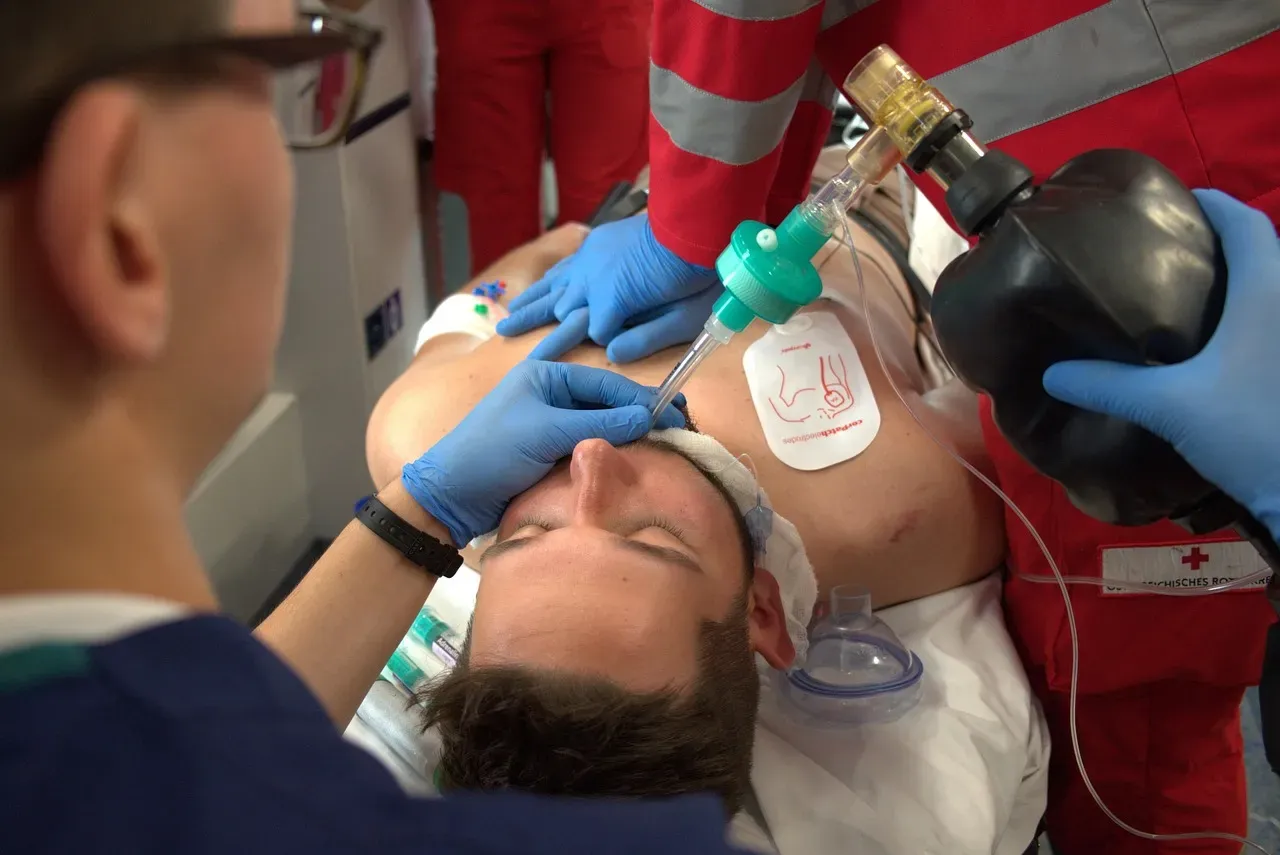
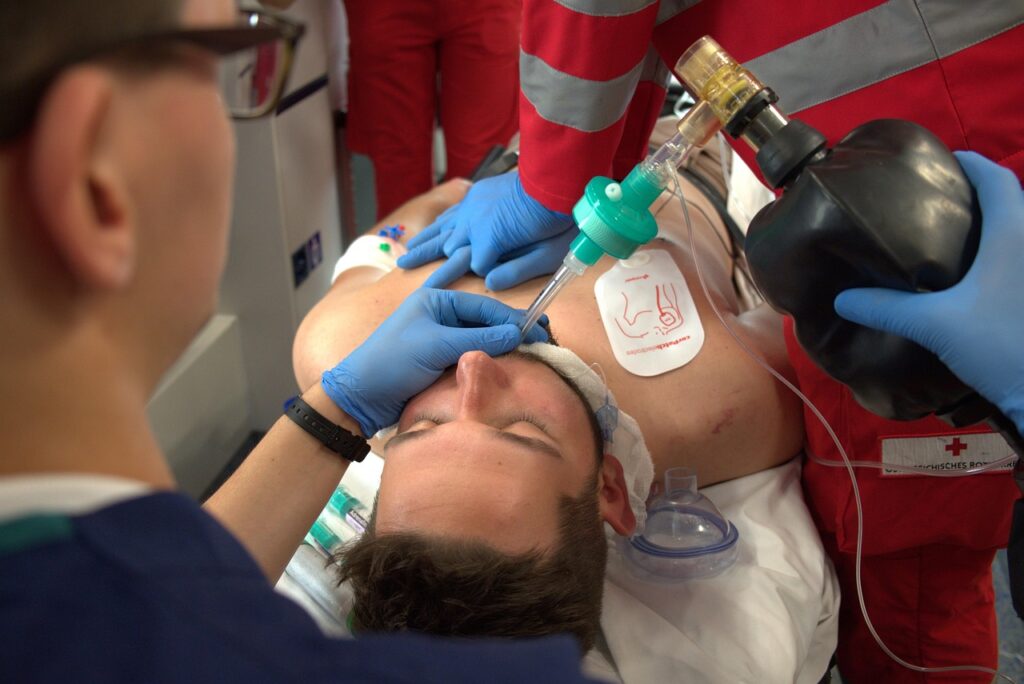
As medical tech advances, the line between life and death has gotten blurrier. People whose hearts stop for minutes – sometimes longer – are brought back with CPR, defibrillators, and advanced resuscitation protocols. In rare cases, brain activity has been detected later than we once thought possible. These “gray zones” make it harder to pin down exactly when consciousness ends, even if we still connect it tightly to brain function.
Some researchers have run careful studies in cardiac arrest units, tracking awareness and brain signals during resuscitation attempts. A handful of patients report memories or perceptions during times when their brains showed severely limited activity, which fuels debates about what consciousness really is. The honest, slightly unsatisfying summary is this: so far, nothing in this research conclusively shows consciousness floating free after genuine biological death – but the edge cases are weird enough to keep curiosity alive.
Why the Question Will Not Go Away
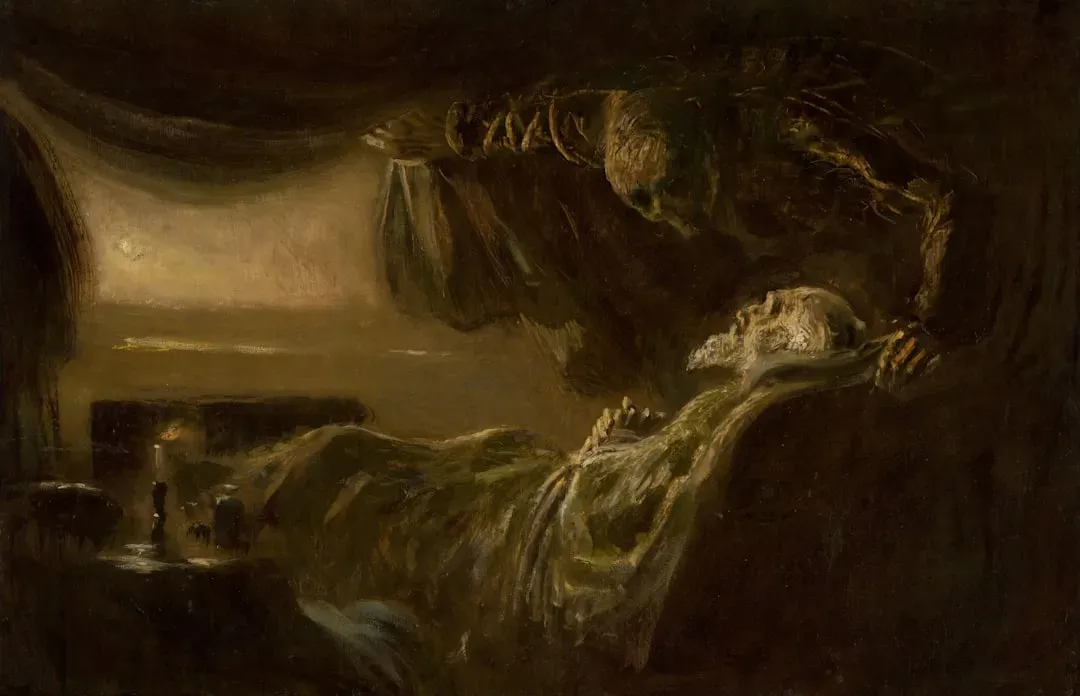
Even if a future experiment claimed to settle the debate, I doubt humans would stop searching for signs of consciousness beyond death. The question digs into too many layers at once – identity, morality, justice, hope. If there is something after, then how we live now might matter in ways we cannot yet see. If there is nothing, then this moment right here is unimaginably precious and finite.
In that sense, the search itself becomes part of what it means to be human. We test stories from religion, poke at data from hospitals, listen to near-death narratives, and analyze our own dreams and coincidences. Each piece is like a small flashlight pointed into a huge dark room. We do not agree on what we see, but we keep looking, because not asking feels worse than living with uncertainty.
Conclusion: A Necessary Mystery We Keep Walking Toward
My own opinion is that we should hold this topic with both courage and humility. Right now, the best evidence suggests that consciousness is tightly woven with the living brain, and when the brain irreversibly fails, so does ordinary awareness as we know it. At the same time, the edges – those near-death reports, uncanny experiences, and deep philosophical puzzles about subjective experience – are strange enough that declaring the case closed feels more like ideology than science.
Maybe the most honest stance is to accept that we do not know, and still live as if our choices matter profoundly in the only life we are sure we have. The reveals something beautiful about us: we care so much about meaning, love, and identity that we cannot help wondering if they might outlast our bodies. Whether or not anything of “us” continues, the very act of asking shapes how gently we treat each other while we are here. If you had to bet your life on it, would you lean toward everything ending – or the story going on in a way we simply cannot yet imagine?