Everyone knows we die, but very few of us ever stop to ask the blunt question: why does a body that works so well for decades eventually fall apart? It is one of those strange truths we live beside every day, like a quiet hum in the background, and only when something goes wrong do we realize how fragile we really are. Understanding the biology behind death is not about being morbid; it is about finally looking under the hood of the machine we all live in.
When I first started digging into the science of aging, I expected one simple villain: a gene, a toxin, one switch that flips and that is it. Instead, I found a messy tangle of trade‑offs, accidents, damage, and hard limits, like a city slowly wearing out no matter how much repair work goes on at night. The deeper you go, the more it feels both unfair and strangely logical. Our bodies were built for survival and reproduction, not for forever. Let’s walk through what that really means, piece by piece.
Evolution Never Promised Us Forever
Here is the uncomfortable starting point: from an evolutionary point of view, your value drops sharply after you have had children and helped them survive. Natural selection is ruthless but narrow; it mostly “cares” about traits that help you survive long enough to reproduce and raise offspring. Living a long, peaceful life at ninety is lovely for you, but evolution does not reward your genes for it the same way it rewards surviving to thirty with healthy kids.
Because of that, many of the body’s systems are optimized for early and mid‑life performance, not late‑life durability. Think of a company that builds a product to last just long enough to beat the competition and keep customers coming back, not to function flawlessly for a century. We inherit bodies that are astonishingly capable in our youth but never designed with permanent maintenance in mind. Death is not a freak failure of evolution; it is baked into how natural selection works.
The Slow Accumulation of Cellular Damage
Every second, your cells are taking hits: from sunlight, toxins, normal metabolism, and even simple oxygen use. DNA breaks, proteins misfold, fats oxidize, and molecules get cross‑linked into useless clumps. The body has repair systems that work around the clock – enzymes that fix DNA, clean‑up crews that recycle broken parts – but they are not perfect. Over time, small errors sneak through, like typos in a book that slowly gathers scribbles and torn pages.
As this damage builds, cells become less efficient and more chaotic. They may still function, but not quite as smoothly, a bit like a phone that now lags, overheats, and needs charging twice as often as it used to. Eventually, key tissues – heart muscle, neurons, kidney filters – lose enough healthy cells that the whole organ shows wear. Aging, in this view, is not one catastrophic event but the sum of tiny insults your body can no longer fully repair, and death is what happens when a critical system crosses the point of no return.
Telomeres, Cellular Lifespans, and the Hayflick Limit
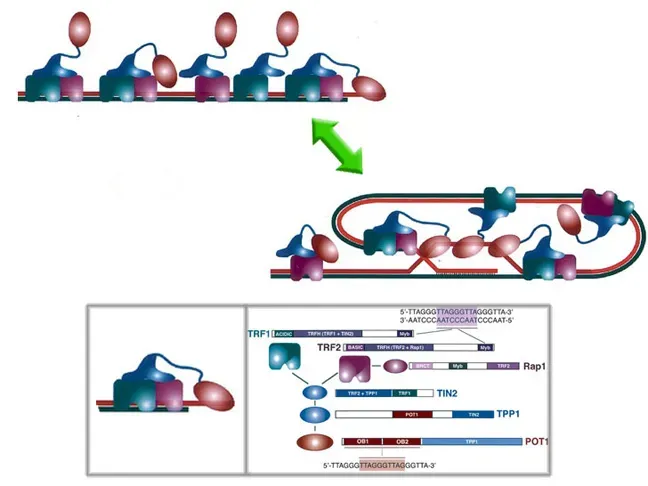
Most of your cells cannot divide endlessly; they have a built‑in counter. At the end of each chromosome sit telomeres, stretches of DNA that act like the plastic tips on shoelaces, protecting the more important code inside. Every time a cell divides, those telomeres get a little shorter, and when they shrink too much, the cell receives a kind of internal warning that says: stop dividing, it is no longer safe.
Scientists call the typical number of safe divisions the Hayflick limit, and once a cell hits that boundary, it enters a state where it is alive but no longer replicating. This is a protection against runaway growth like cancer, but it comes with a cost: tissues that rely on steady renewal – skin, blood, the gut lining – lose part of their capacity to refresh themselves. Over many years, this erosion of regenerative power translates into thinner skin, weaker immune responses, and slower healing, nudging the whole organism closer to its final limits.
Senescent Cells: When Cells Refuse to Retire Gracefully
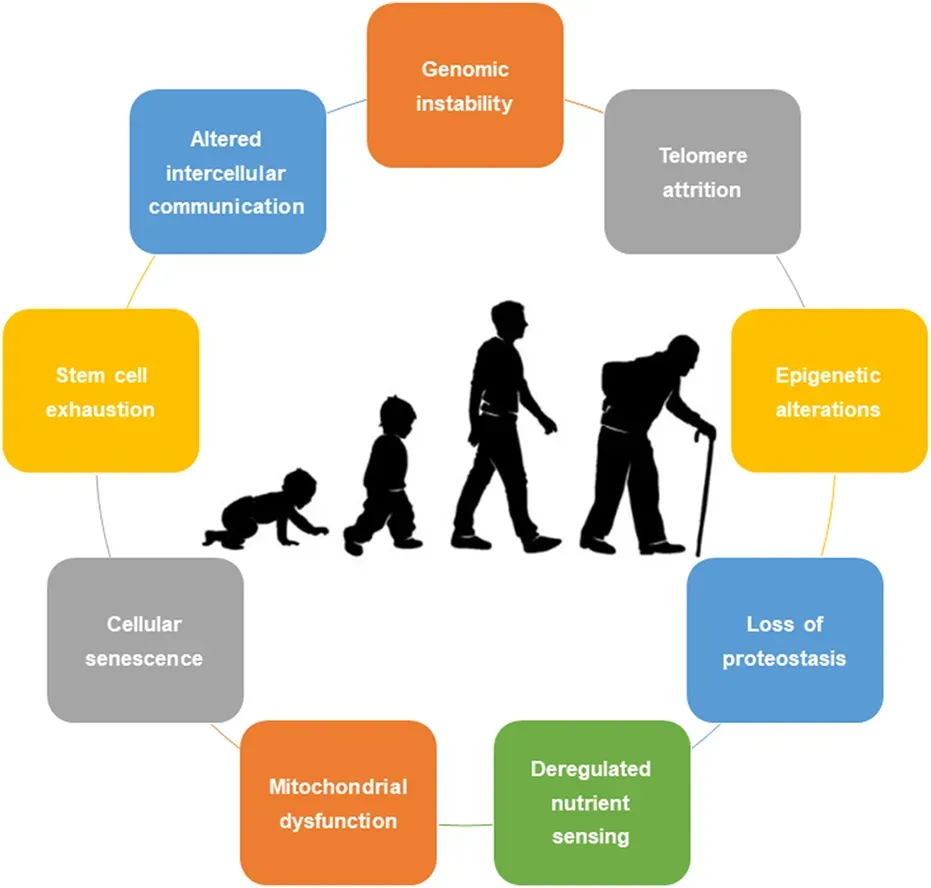
Some cells that stop dividing do not quietly disappear; they linger in a zombie‑like state, known as senescence. These senescent cells no longer pull their weight, but they also start secreting a stew of inflammatory signals and enzymes that can damage their neighbors. It is like having a few bitter coworkers in an office who refuse to work but constantly complain and sabotage the mood around them.
As we age, the number of senescent cells in tissues tends to rise, and so does chronic, low‑grade inflammation. This simmering background fire is linked with many age‑related problems: stiffer arteries, joint pain, fibrotic lungs, and a greater risk of diseases. The body does clear some of these cells, especially when we are younger, but the clearing systems themselves age too. Over time, the balance tips toward accumulation, and this cellular clutter further undermines the integrity of the body.
Immune System Exhaustion and the Rising Risk of Disease
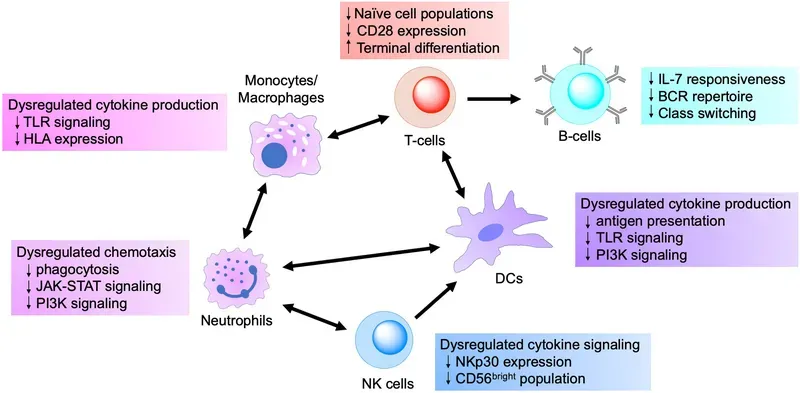
Your immune system is both a shield and a repair crew, hunting invaders, clearing debris, and even destroying early cancer cells before they become noticeable. In youth, it is adaptable and vigorous. With age, though, it starts to tire. The pool of fresh, naive immune cells shrinks, while old, memory cells that have seen many battles pile up, sometimes reacting more slowly or less accurately.
That shift means older bodies are more vulnerable to infections and less responsive to vaccines. At the same time, the immune system may become more prone to misfires, attacking the body’s own tissues or fueling chronic inflammation. It is a double hit: less protection when you need it most and more collateral damage. Death often arrives not purely from “old age” but from an infection, cancer, or organ failure that a younger, sharper immune system might have handled.
Organ Wear, Energy Trade‑Offs, and Systemic Collapse
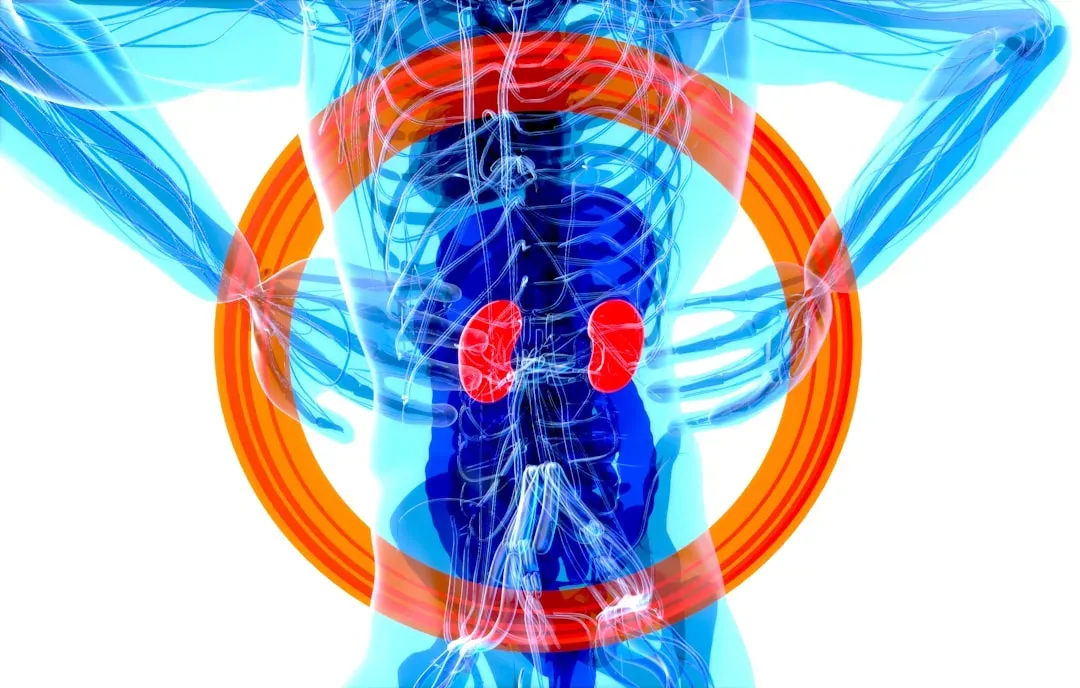
Even without dramatic disease, organs slowly wear down from years of continuous work. The heart contracts relentlessly, the kidneys filter blood day and night, the brain processes staggering amounts of information. Each organ has some built‑in redundancy, like spare capacity in an engine, but that buffer shrinks with accumulated damage, scarring, and lost cells. At some point, one system fails badly enough that it drags the rest down with it.
The body constantly makes trade‑offs about where to spend energy: on growth, reproduction, immune defense, or repair. In earlier life, the bias leans toward growth and reproduction; in later years, repair never fully catches up. Imagine a house where you prioritize adding rooms and hosting parties for decades while only patching leaks when absolutely necessary. By the time you want to focus solely on maintenance, the foundation itself has started to crack. When a key organ – heart, brain, lungs, liver – can no longer meet the body’s basic demands, the whole system unravels, and death follows.
Genetic Programs and the Influence of Lifestyle

There is clearly a genetic script behind how we age: some families are packed with relatives who routinely reach ninety, while others struggle with heart attacks or strokes much earlier. Certain genes influence how well we repair DNA, how sensitive our cells are to damage, and how efficiently we process energy. They help set the baseline trajectory, like a default lifespan range written into the body’s operating system.
Yet lifestyle can stretch or compress that range in meaningful ways. Nutrition, exercise, sleep, stress, and exposure to toxins all modulate how quickly damage accumulates and how often repair systems get overwhelmed. Two people with similar genetic cards can play them very differently: one body may be treated like a rental car driven hard and never serviced, the other like a cherished classic kept clean, tuned, and sheltered. Both cars will eventually reach the scrapyard, but the journeys there can look and feel very different.
The Edge of Science: Can We Push the Boundaries of Death?
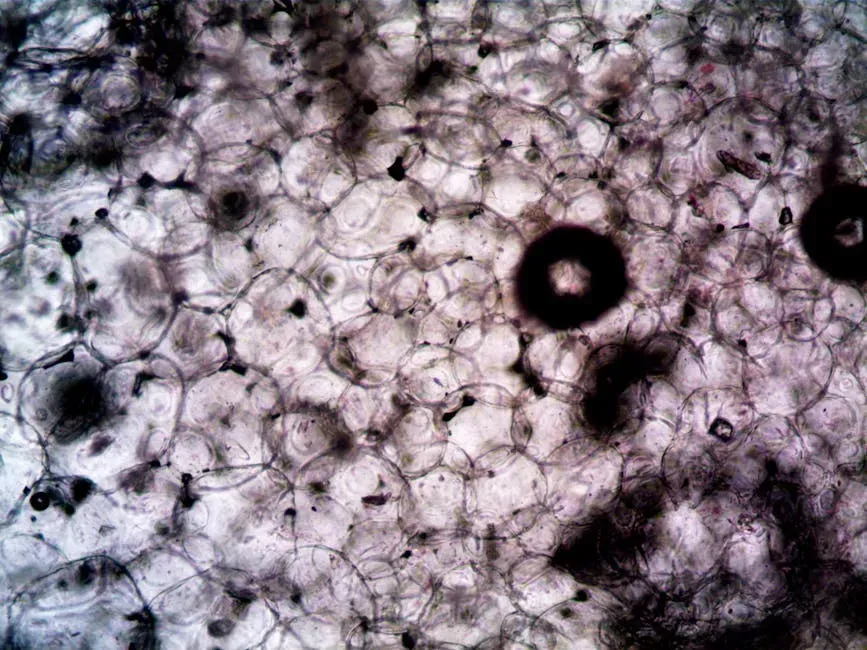
In recent years, scientists have started to ask whether aging itself can be slowed, not just its diseases treated. Researchers are studying ways to remove senescent cells, tweak metabolism, protect telomeres, and reset cellular programs that seem to drift with time. Animal studies have extended lifespans by altering genes, diets, or certain signaling pathways, suggesting that the speed of aging is not absolutely fixed. It is as if we are finally learning the hidden settings screen of the body’s software.
Still, there are hard realities: even in species where scientists have slowed aging, they have not eliminated death. Accidents, cancers, infections, and stochastic damage continue to pose limits. My opinion is that we may stretch healthy human life by years or even decades, and we should absolutely aim to reduce suffering in old age. But immortality in a human body, with our current biology, looks more like a philosophical fantasy than a realistic near‑term goal.
Conclusion: Death as a Limit, and a Lens on How to Live
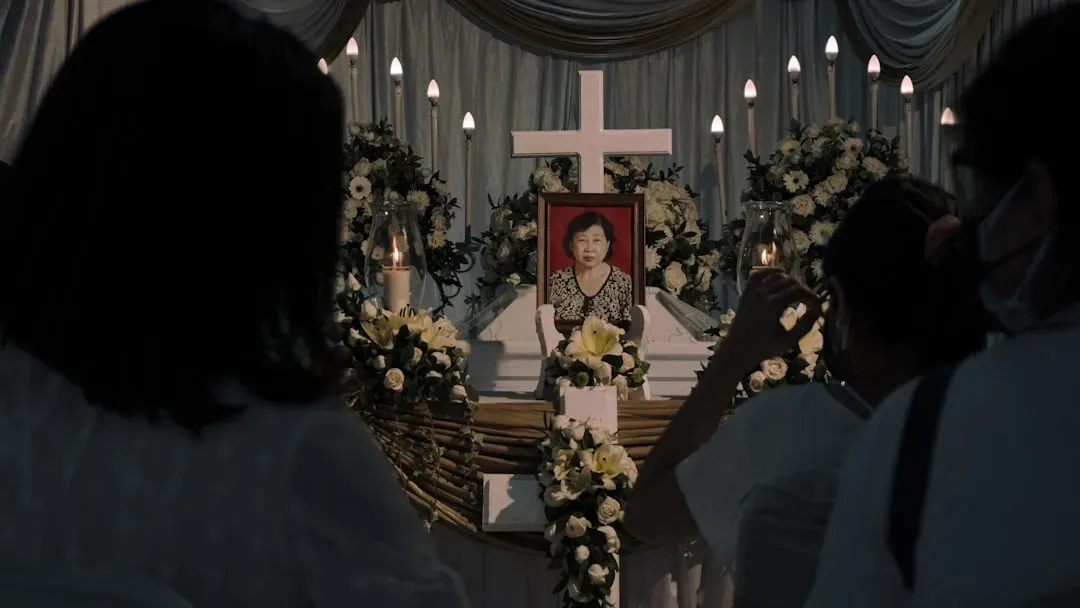
When you add it all up – evolution’s short‑term priorities, relentless cellular damage, finite cell divisions, zombie‑like senescent cells, a tiring immune system, and organs slowly running out of slack – death stops looking like a single enemy to defeat and more like the final chapter of a story written by trade‑offs. I find that both unfair and strangely clarifying. Our bodies are not broken machines; they are temporary masterpieces optimized for survival, not for eternity. Expecting them to last forever feels a bit like being angry that a candle eventually burns out.
My opinion is that understanding these limits should not make us cynical; it should make us sharper about how we spend the time we do get. If we cannot yet rewrite the basic rules, we can at least play them well: protect our bodies where we can, invest in health rather than just longevity, and admit that meaning comes partly from the fact that the clock is ticking. Knowing why humans die does not tell you what to do with your life – but it does whisper that postponing it endlessly is not an option. So if the body has a built‑in ending either way, what do you actually want to do with the pages you still have left?