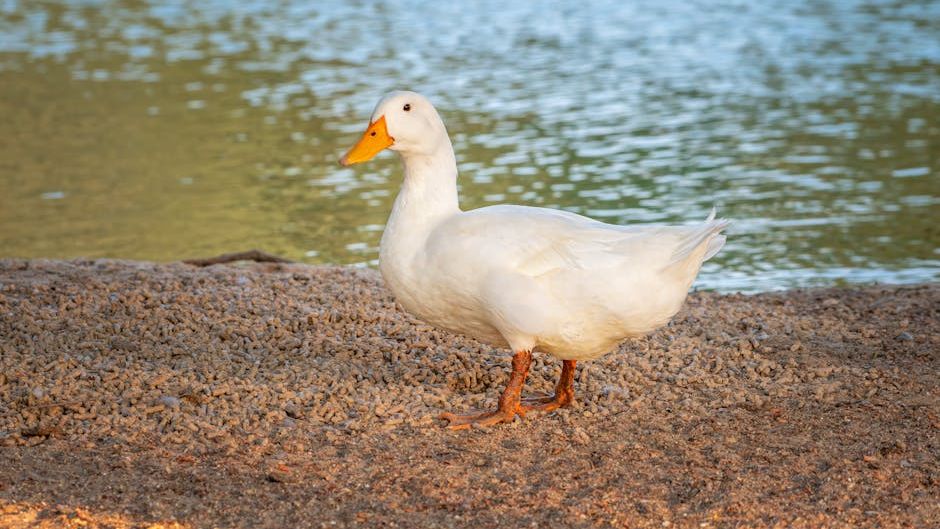
If you have ever watched a duck shuffle past with its tail wagging like a tiny feathered metronome, you probably felt the same warmth you get from a happy dog. It looks playful, almost goofy, and it is tempting to assume you are seeing pure joy in motion. But with ducks, that wag is not always a simple happiness signal. Sometimes it is excitement, sometimes it is stress, and other times it is just physics doing its thing on a floating, bobbing body.
Once you start paying closer attention, you notice that ducks wag their tails differently in different moments: after a dive, when they see you with a treat bucket, or right after a good shake-off from a bath. You are not imagining it; those patterns matter. By learning what tail wagging really means for ducks, you read your birds more accurately, avoid misunderstandings, and take better care of them, whether you keep a backyard flock or just love watching them at the park.
The Surprising Reasons Ducks Wag Their Tails
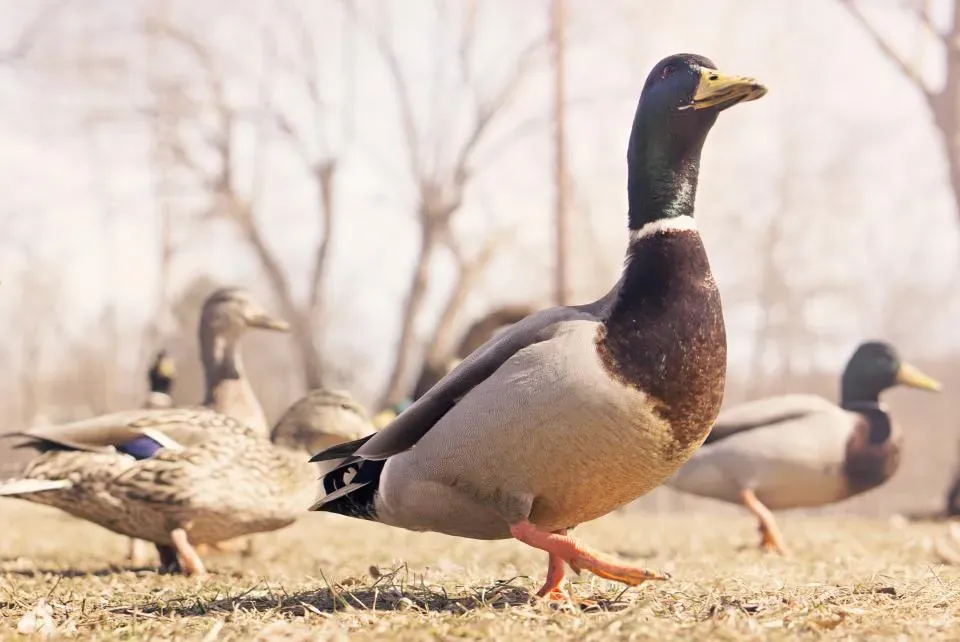
When you see a duck wagging its tail, your brain quickly files it under the same category as a dog’s happy wiggle, but a duck’s body language is more layered. Tail wagging can show excitement, relief, or a shift in balance after swimming or shaking off water. The movement can also be part of a reset, almost like your duck is straightening its feathers and posture after something disrupted them. If you watch closely, you will notice that the wag often follows another clear action, such as bathing, preening, or running to food.
You also have to remember that ducks are semi-aquatic animals, so a lot of their motions are about staying streamlined and stable on the water. A quick tail wag can help push out water, fluff up wet feathers, or realign their plumage so it keeps working as waterproof armor. Imagine you just stepped out of a pool with your clothes on and did a fast full-body shimmy; for a duck, the tail is a key part of that shake-off system. So yes, sometimes the wag is joy, but often it is maintenance and comfort rather than pure emotion.
When Tail Wags Really Do Mean Happiness
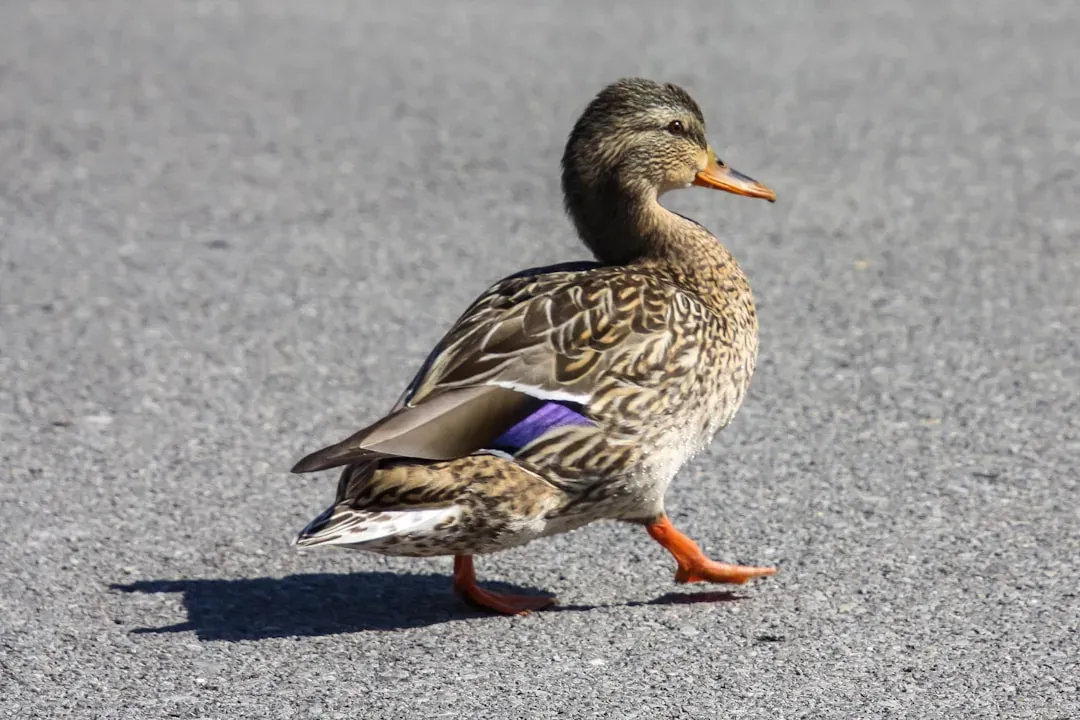
There are definitely moments when your duck’s tail is screaming happiness in a way that is not far off from a dog. If you walk out with a favorite snack, call your flock, and see one duck hustling over with a fast side-to-side tail wiggle and a little bounce in its step, you are probably looking at excitement and positive anticipation. You may see the same thing when a duck reconnects with a close flockmate after a brief separation, or when it heads toward a favorite pool after being cooped up. The body language in these situations often looks bright and energetic overall, not just in the tail.
To tell if a tail wag is about happiness, you look at the rest of the duck. Are the wings held naturally, the head up and alert, and the bird moving toward something it clearly likes? Is there relaxed vocalizing that sounds more like chatting than panicked quacking? In those contexts, the wag helps you see an emotional state that is positive and engaged. Over time, you learn your own ducks’ “happy signature” movements, and you can tell the difference between a contented wiggle and a stressed shuffle with surprising accuracy.
Tail Wagging as a Water Management Tool
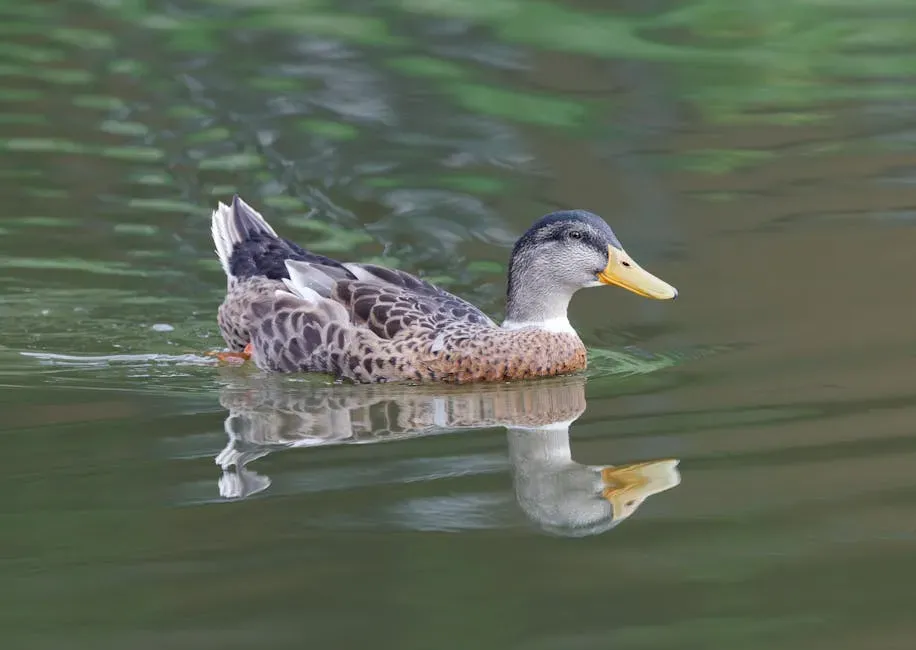
Because ducks live such water-centered lives, the tail becomes a flexible tool for handling all that moisture. After a dive or a vigorous splash session, your duck may pop back to the surface, shake its whole body, and finish with a rapid tail wag. That flutter helps flick off excess water and send it flying away from the sensitive under-feathers. If you watch in slow motion or just really closely, you will often see tiny droplets scattering outward from the tail area after a strong wag.
The tail also supports the duck’s buoyancy and position in the water. Small shifts from side to side can help your bird counter gentle waves, adjust its angle, or push its rear end slightly higher while foraging. Think of the tail like the trim tab on a little boat, constantly making micro adjustments you do not consciously notice at first. To you, it may look like cute wiggling, but to the duck, those movements help maintain stability, keep feathers oiled and in place, and support the smooth, gliding look you associate with a healthy waterfowl.
Balance, Posture, and the “Duck Wiggle”
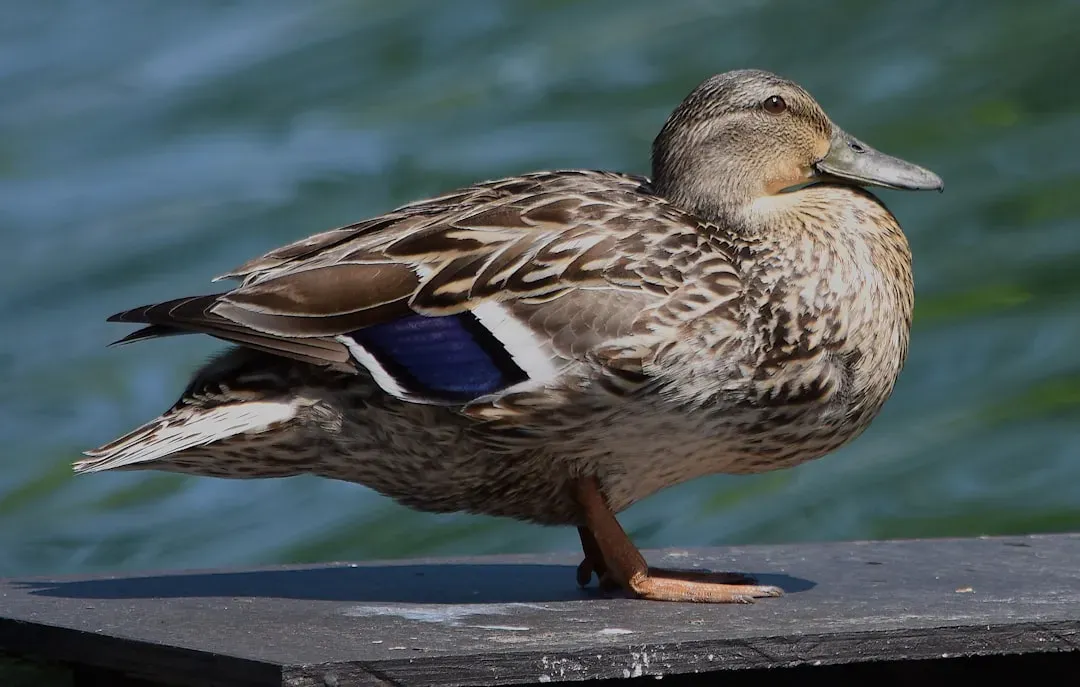
On land, a duck’s tail wag often has more to do with balance and posture than raw emotion. Ducks carry much of their body mass forward, with a heavy chest and a relatively short set of legs pushed farther back than a chicken’s. As they walk, their whole body rocks side to side, and the tail naturally follows that motion. When the bird speeds up, turns quickly, or comes to a sudden stop, you will often see a more pronounced wag as the tail helps counteract the momentum and re-center the duck’s weight.
Sometimes, that balancing act blends into what looks like a joyful wiggle, especially when your duck is hustling toward something interesting. The faster pace exaggerates the natural sway, the tail swings harder, and you might interpret it as bursting enthusiasm. There probably is some emotional charge in those moments, but the important point is that the wiggle is partly built in by anatomy and physics. You can think of the tail as both a rudder and a shock absorber, smoothing out your duck’s bouncy, low-to-the-ground gait so it does not topple over when life gets busy.
Stress, Discomfort, and When a Wag Is a Warning
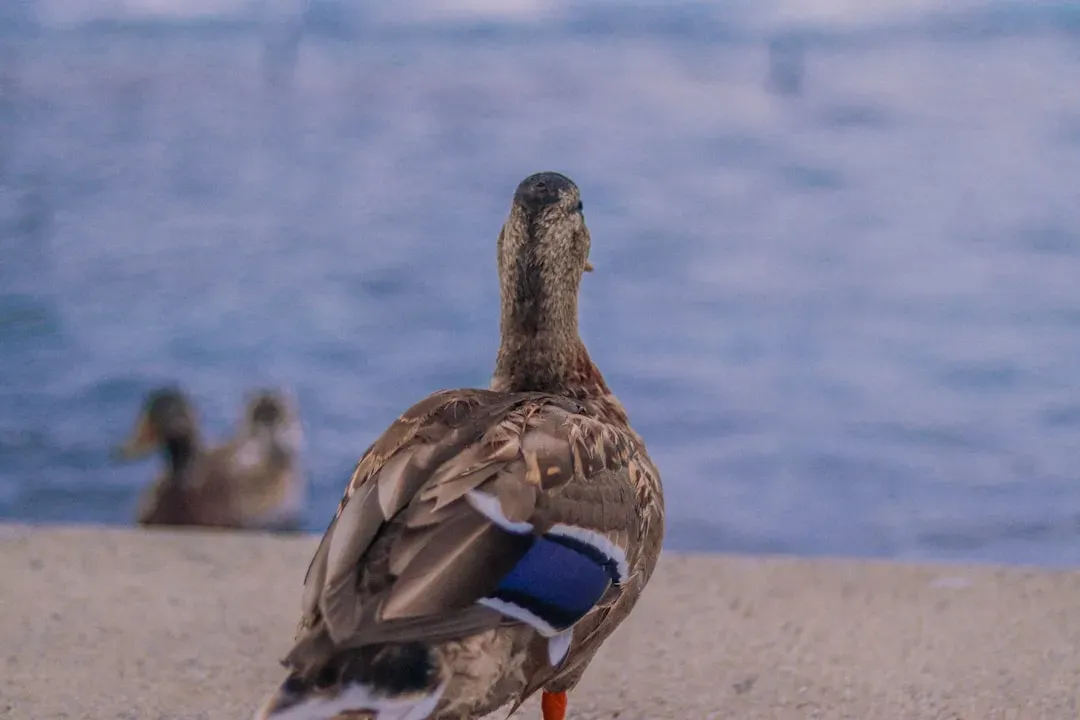
Not every tail wag is a good sign, and this is where you really have to avoid the dog comparison. A duck that is anxious, irritated, or uncomfortable may show more restless tail motion, especially if it is paired with tense body language. You might see quicker, repeated wags while the duck stands mostly in place, holding its body lower to the ground, stretching its neck out, or glancing around nervously. This kind of motion can show that the bird is on edge, not celebrating. If you keep ducks, learning this pattern helps you step in before stress turns into fighting, injury, or illness.
Discomfort from parasites, skin irritation, or wet, muddy bedding can also trigger extra tail activity. Your duck may wag, shake, and fuss at its back end more often, sometimes paired with frequent preening of the tail region. If you notice this, it is a prompt to check for issues like mites, poor coop hygiene, or packed, dirty feathers around the vent. Instead of assuming your bird is unusually happy, you look for what might be bothering it. In that sense, the tail is a small flag that lets you know when something in the duck’s world is off balance, physically or emotionally.
Preening, Oil Glands, and the Tail Connection
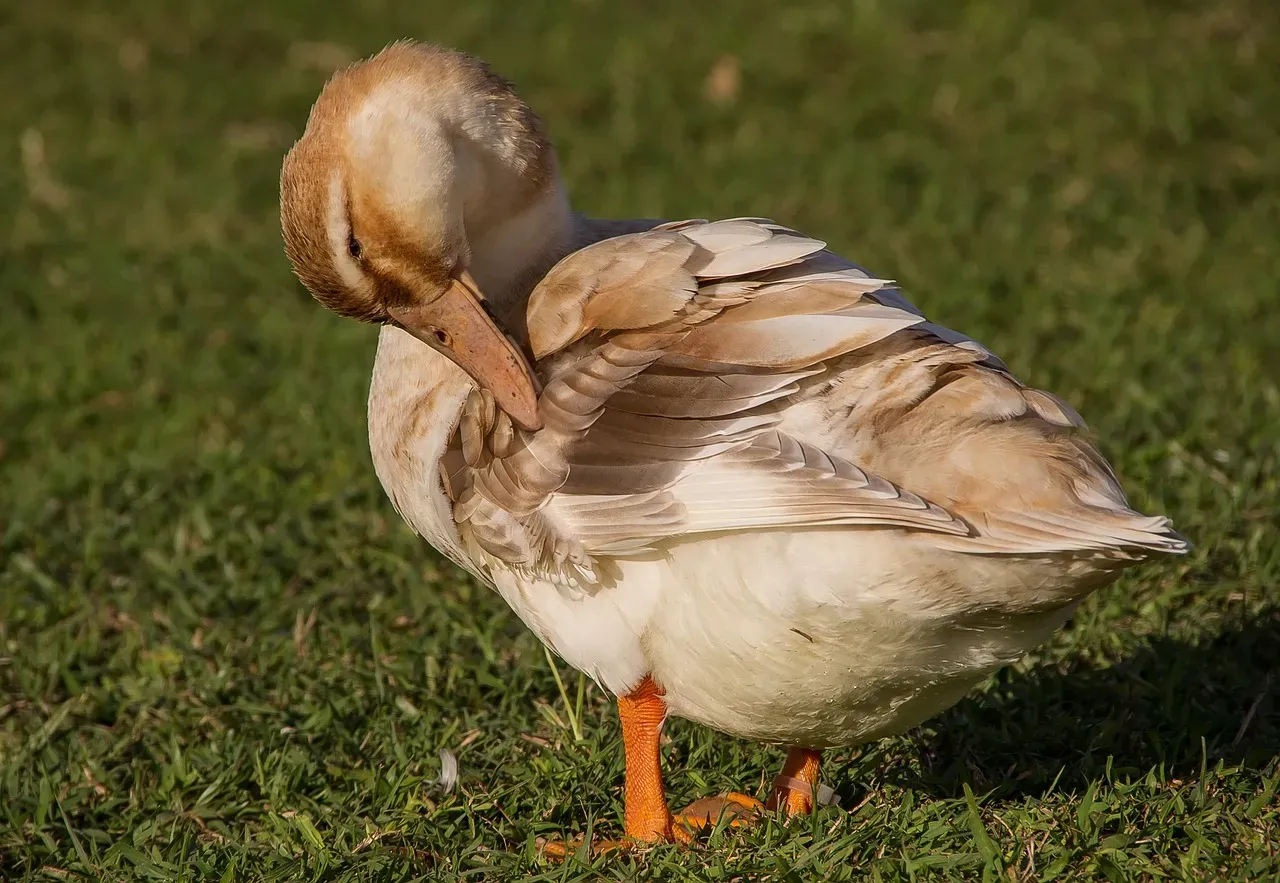
When your duck preens, the tail becomes a busy hub, even if you do not fully realize what you are seeing. Near the base of the tail is the uropygial gland, often called the oil gland, which produces the waxy substance ducks spread through their feathers. During a preening session, your bird bends its head back, rubs the bill on that gland, and then works the oil through its plumage. Tail wags often appear in the middle of or right after this routine, helping shift feathers, separate them, and settle them into the right positions.
Those subtle wags and shakes play a big role in keeping your duck waterproof and insulated. If the feathers do not sit correctly, water can sneak through to the skin and chill the bird. So when you see a duck finishing preening with a confident tail wag and a fluff of the body, you are watching an important maintenance ritual, not just a random twitch. For you as a caretaker or observer, noticing how often and how thoroughly a duck preens and wags afterward can even give clues about overall health; birds that feel unwell may preen less or move more stiffly through these motions.
Reading the Whole Duck: Context Is Everything
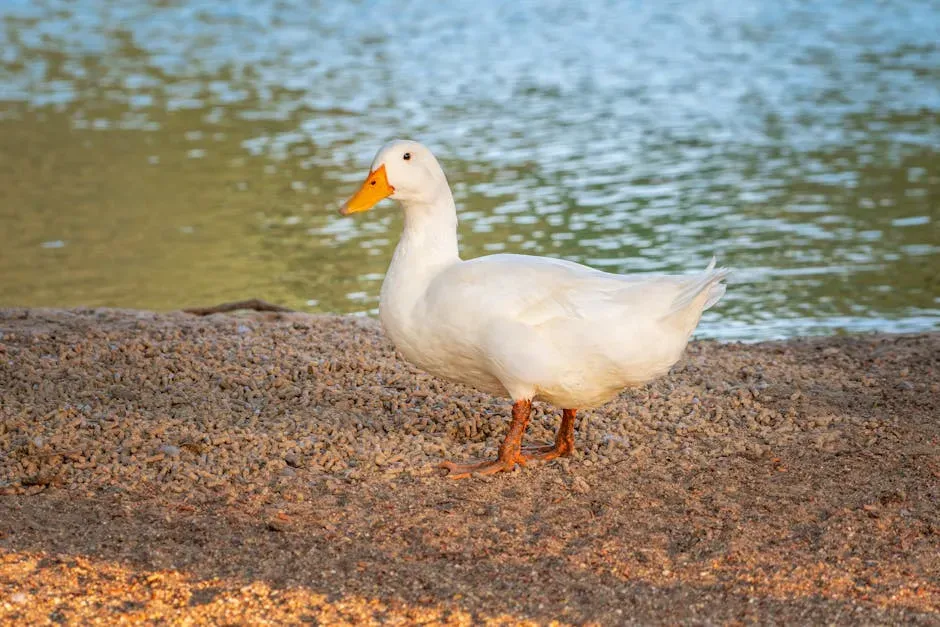
If you focus only on the tail, you will misread ducks a lot of the time. A wag that means one thing during feeding time might mean something entirely different in the middle of a predator scare or a bullying episode in the flock. To really understand what your duck is telling you, you read the entire body: head position, eye focus, wing carriage, vocal sounds, and how quickly the bird is breathing or moving. When you start thinking in terms of patterns rather than isolated gestures, the confusion falls away and the body language starts to make sense.
One helpful trick is to mentally ask yourself what just happened before the wag and what happens immediately after. Did the duck just finish a bath, get chased away from food, meet a favorite person, or hear a sudden loud noise? Did it relax, sprint away, or settle down to rest afterward? Those before-and-after clues tell you whether the tail motion is about joy, balance, maintenance, or unease. Over time, you build a kind of personal dictionary of your own ducks’ signals, and that makes you a calmer, more confident observer, rather than someone guessing at feelings based on dog behavior.
How Understanding Tail Wags Helps You Care for Ducks Better
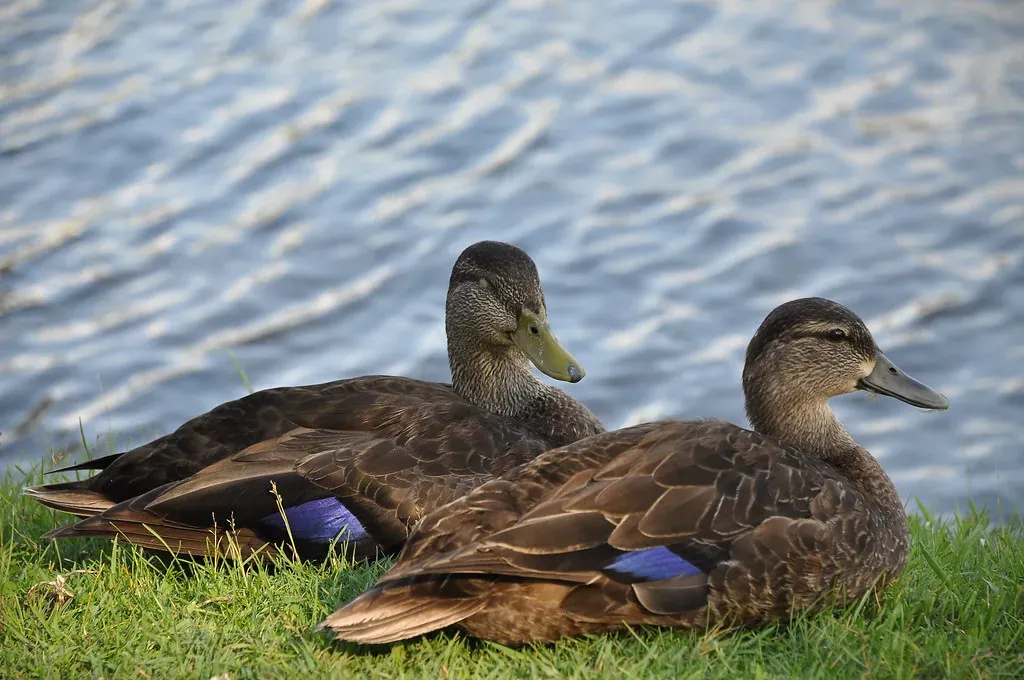
Once you stop treating every wag as happiness, you actually become a kinder duck keeper. You start to notice early signs of trouble, like extra restless tail movement in a bird that used to be relaxed, or unusual fussing around the rear feathers. Instead of shrugging it off as quirks, you check for health problems, flock conflict, or environmental stress such as cramped space or poor water quality. This habit of reading body language can prevent bigger issues and save you from vet bills, heartache, and avoidable losses.
At the same time, you also learn to recognize when your ducks really are content and engaged, and that deepens your bond with them. Seeing a favorite duck sprint toward you with a bright-eyed look, soft vocalizing, and that unmistakable bouncy tail becomes more meaningful when you know what it truly represents. You respond with better timing, gentler handling, and environments that support the behaviors you want to see more often. In a way, understanding the wag turns you into a more fluent listener in a conversation your ducks were always trying to have with you.
Conclusion: A Wag That Means More Than One Thing
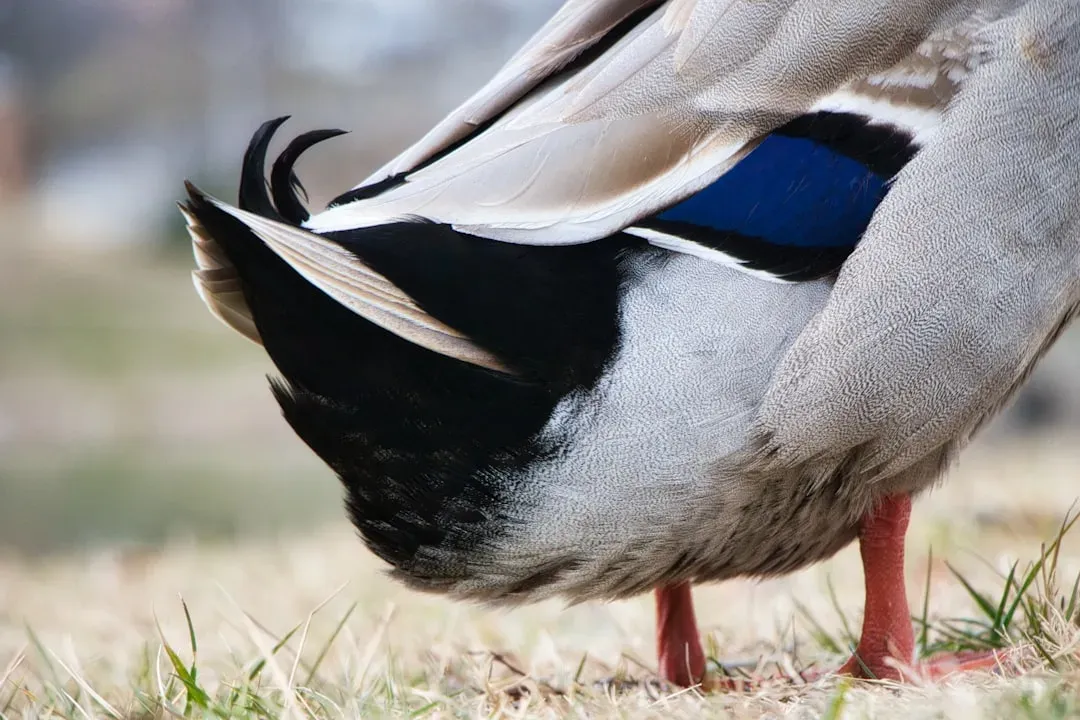
When you watch ducks with fresh eyes, you realize that their tail wag is not a simple on-off switch for joy the way many people assume with dogs. Instead, it is part of a whole system of signals and physical adjustments that reflect water life, feather care, balance, and emotion all together. Sometimes it is clear excitement, sometimes a careful reset after a dive, and sometimes a quiet alarm bell that your duck is not as comfortable as it looks. The magic lies in seeing that nuance rather than flattening everything into a single, feel-good story.
If you stick with it and keep paying attention, you will find that reading duck tails becomes oddly addictive and very rewarding. You notice tiny differences from day to day, learn which birds are bold or shy, and catch health problems earlier than you used to. The simple act of asking what a wag might really mean pulls you closer to the quiet, complex lives of these birds. Next time you see a duck’s tail flick from side to side, will you still assume it is all joy, or will you pause and ask what else it might be saying?