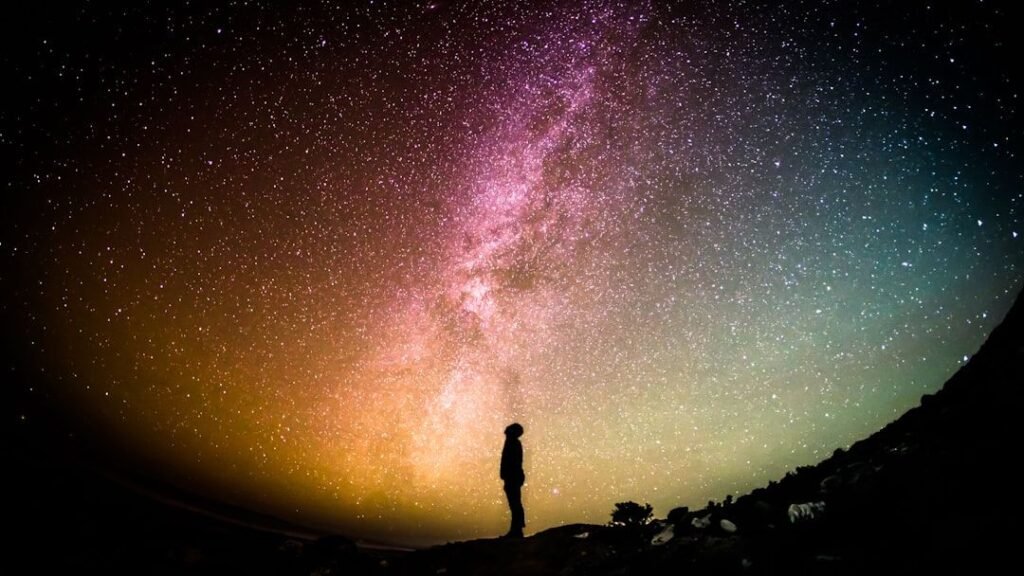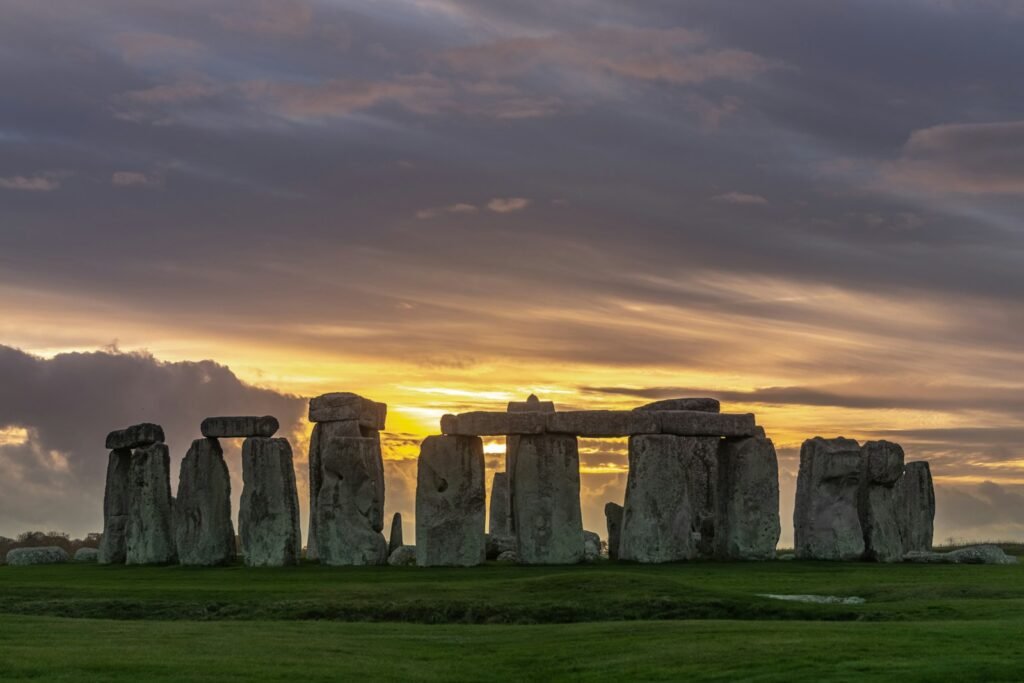

Long before anyone spoke about dark matter or exoplanets, people without metal tools or modern clocks were carving stone in ways that still track the sky with eerie precision. Stand in the center of Stonehenge at midsummer sunrise or inside an ancient temple on the equinox, and the light does not just appear – it performs. For decades, these alignments sat in the uneasy space between myth and science, lumped in with wild “ancient aliens” claims and dismissed by many researchers. Now, a wave of careful archaeological and astronomical work is revealing that some of these alignments are very real, and very intentional. The mystery has shifted from asking whether the stones line up, to the deeper and far more human question: why did ancient builders care so much about the sky in the first place?
The Hidden Clues in Stone and Sunlight

Walk among the massive sarsen stones of Stonehenge or the low, weathered walls of New England’s “Mystery Hill,” and the first impression is often the same: confusion. The shapes seem random until one specific moment in the year, when the sun edges over the horizon and suddenly a shaft of light threads directly through a gap, landing on a particular stone. At sites in Europe, the Americas, and the Middle East, researchers have documented these kinds of solar and lunar “light shows” that only happen on solstices, equinoxes, or other astronomically significant days. They are not subtle either; in some places light appears to crawl along carved serpents or penetrate deep into a chamber that is dark the rest of the year.
These are the kinds of clues that cannot be explained by chance very easily, especially when multiple alignments stack up at the same site. At Newgrange in Ireland, a Stone Age passage tomb, the midwinter sunrise shines down a long, narrow corridor for just a few minutes on only a handful of days each year, illuminating a central chamber. In parts of Mesoamerica, carved stairways throw sharp-edged shadows that form the body of a “descending” serpent during the equinox sunsets. These effects demand careful planning, repeated observation of the sky, and enough social will to translate that knowledge into architecture. The stones may be silent, but the choreography of light and shadow is anything but accidental.
From Ancient Tools to Modern Science
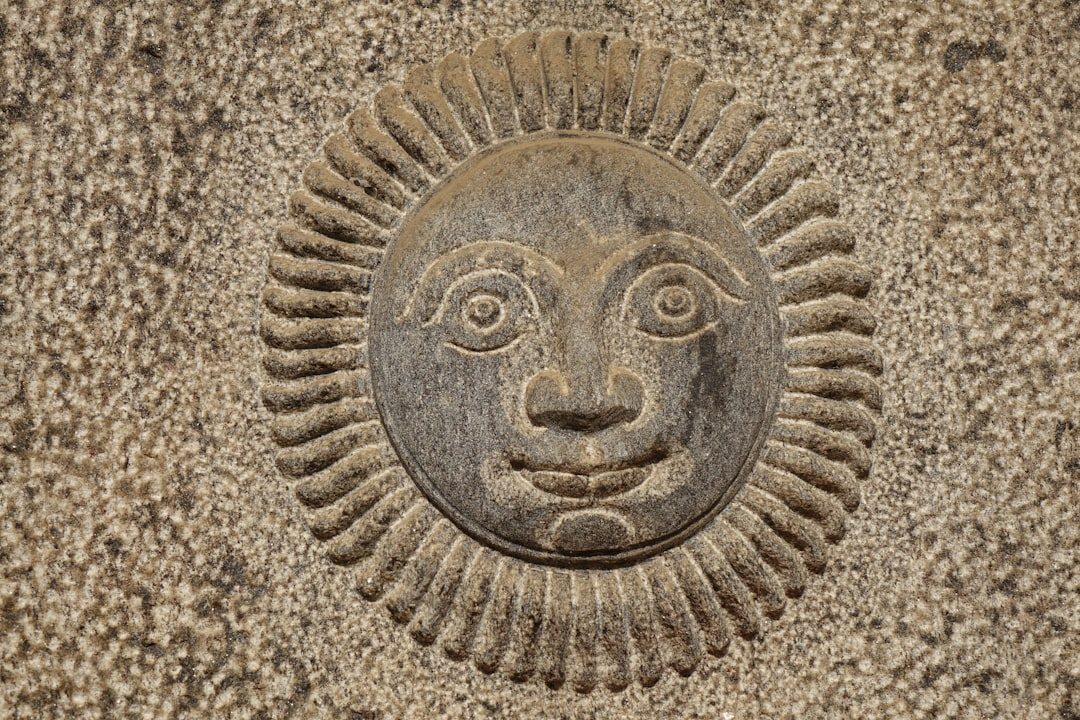
One of the most surprisingly modern aspects of this story is how rigorously researchers now test whether alignments are deliberate. The field of archaeoastronomy, which sounded fringe a few decades ago, relies heavily on statistics, 3D modeling, and field surveys. Scientists map the orientation of doorways, windows, corridors, and standing stones, then compare those orientations to the positions of the sun, moon, and stars as they would have appeared in the past. Because Earth’s orientation changes slowly over thousands of years, this step is crucial; you have to roll back the sky to the era when the structure was built.
When the number of “hits” on major celestial events exceeds what you would expect by random chance, and when different parts of a site reinforce the same pattern, archaeologists start talking about intentional design. They also cross-check that evidence with other clues: seasonal animal bones in the trash pits, plant remains from feasting events, or art that seems to depict celestial bodies. In the American Southwest, for example, some ancestral Pueblo sites are oriented in ways that seem to track solar standstills, while nearby rock art includes spirals and other motifs interpreted as sky symbols. The story is still debated, but the interplay of physical alignment and cultural context is what moves an idea from speculation to serious science.
Calendars in Stone: Surviving in Unpredictable Worlds

The most down-to-earth explanation for many sky alignments is brutally simple: survival. In societies without written calendars or precise clocks, knowing exactly when a season is about to change can mean the difference between harvest and hunger. If you farm in a region where the rainy season is fickle or the growing season is short, you need dependable seasonal markers, and the sun is the most reliable one you have. A stone pillar that marks the sunrise point on the horizon at planting time is, in a very real sense, a piece of agricultural technology.
Imagine you are living in a village where roughly about one third of all years bring unexpected frost or drought. Aligning your central plaza or temple so that key sunrises or sunsets line up with important architectural features is like building a giant, public clock into the landscape. Anyone can see it; no one family controls it; and with enough generations of observation, people can associate those light events with changes in rainfall, river levels, or animal migrations. These structures become shared memory devices, encoding a community’s ecological knowledge in stone rather than in fragile stories alone.
Power, Ritual, and the Politics of the Sky

Of course, information is never just neutral data, and the sky is especially powerful raw material for meaning. When only priests, astronomer-priests, or specialized experts fully understand why a temple lights up on exactly one day each year, they gain social authority. They can say they have a special relationship with the gods, ancestors, or cosmic forces that control the cycles of life. That claim becomes very difficult to challenge when the predicted beam of light or shadow effect appears exactly on cue in front of the entire community.
Many scholars now think that a lot of these alignments are about power and identity as much as farming or navigation. Aligning structures with solstices could anchor a community’s myths in the physical landscape, reinforcing origin stories and political hierarchies. In some Andean cultures, lines of sight to mountain peaks and sunrise points seem to have organized both sacred routes and territorial boundaries. Architecture that tracks the heavens is not just watching the sky; it is also telling people where they belong, whom they should trust, and which stories about the universe they should pass on to their children. The stones choreograph not just light, but also loyalty.
Global Perspectives: From Stonehenge to “America’s Stonehenge”

What makes this topic so compelling is how widespread, and yet how culturally varied, these alignments appear to be. In Britain, Stonehenge famously frames the midsummer sunrise and midwinter sunset, tying the monument to dramatic turning points in the solar year. In Egypt, several temples are oriented so that light reaches a statue or inner sanctuary on key dates associated with rulers or deities. Across the Atlantic, structures at sites like Chichén Itzá in Mexico create dynamic sun-serpent effects at equinoxes, turning entire staircases into living symbols of renewal.
Even in North America’s temperate forests and granite hills, similar questions arise. Mystery Hill in New Hampshire, often marketed as “America’s Stonehenge,” includes stone piles, chambers, and standing slabs that some enthusiasts claim mark solstices and equinoxes. Archaeologists are divided over how ancient the site really is and whether its alignments are intentional or the result of later rearrangements and colonial-era activity. That disagreement is itself instructive: it shows how careful we have to be when attributing cosmic intentions to any pile of rocks. Not every line of sight to the horizon is sacred, but enough are that it has become a serious field of research rather than a playground for fantasy.
The Scientific Debate: Chance, Pattern, or Cosmic Design?

Humans are excellent at finding patterns, even when they are not really there, and this is where critics of archaeoastronomy push back. If you have dozens of walls, hundreds of stones, and a full circle of horizon, you can always find some line that appears to match a sunrise or star. The key question is not whether any alignment exists, but whether there are more significant alignments than chance alone would produce, and whether they cluster around culturally meaningful dates or celestial bodies. This is why modern studies lean heavily on statistics and clearly defined criteria.
Some of the most persuasive work comes from looking not at a single site, but at whole regions. When many different structures, built over centuries, all tend to line up with similar solar events, it becomes progressively harder to explain that pattern as coincidence. On the other hand, when supposed “observatories” lack consistent orientation or show no clear association with seasonal rituals in the archaeological record, scholars are more skeptical. The debate is healthy; it forces researchers to distinguish robust alignments from the modern urge to turn every ruin into a cosmic instrument. In a sense, we are learning as much about our own appetite for mystery as we are about ancient design choices.
Why It Matters: Rethinking Ancient Intelligence
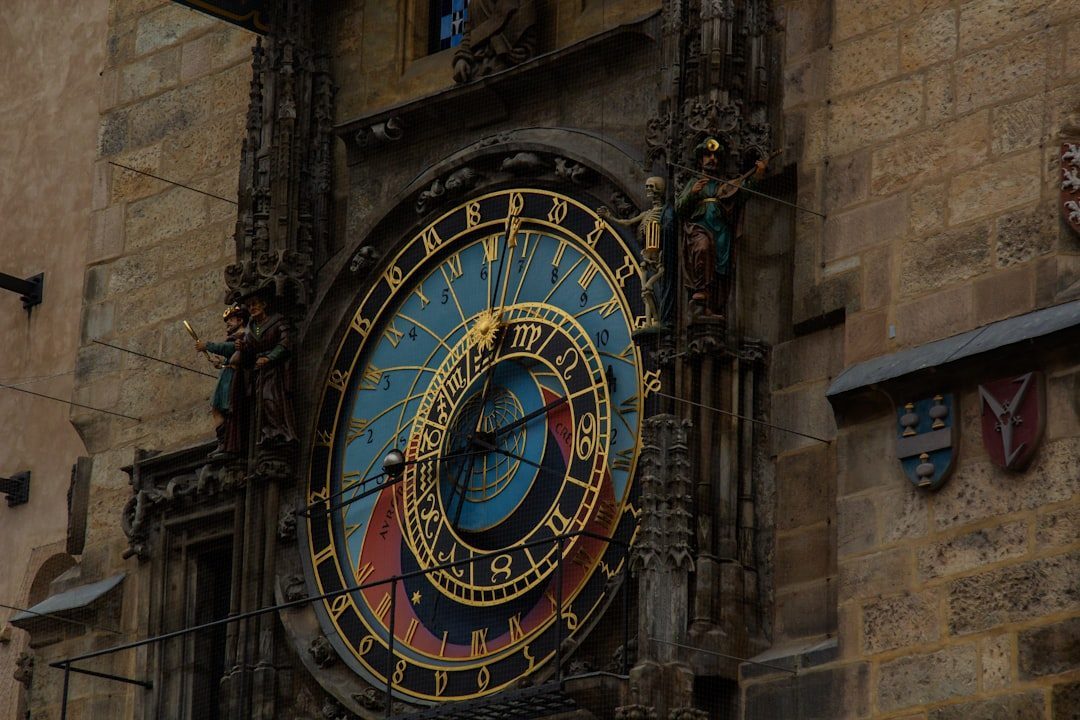
This topic matters because it quietly undermines the stereotype that ancient people were naive, superstitious, or disconnected from the natural world. The more we uncover about precise alignments and sky knowledge, the clearer it becomes that many early societies had observational skills that would put most of us to shame. They tracked subtle shifts in sunrise points, noted the rare standstill positions of the moon, and understood long-term cycles well enough to build them into stone. This is not mystical; it is the result of patient, cumulative observation over many generations.
It also reshapes how we think about science itself. Astronomy textbooks often start the story with classical Greece or early telescopes in Europe, but the real roots lie in fields, plazas, and hilltops where people watched the sky with naked eyes. In my own experience visiting ancient sites, I have been struck by how those alignments make the sky feel tangible in a way that apps and planetarium domes do not. Recognizing that some temples and mounds are essentially open-air observatories forces us to expand the timeline and geography of human scientific curiosity. It reminds us that careful measurement and experiment did not arrive suddenly; they grew out of ritual, story, and the basic need to predict what the world would do next.
The Future Landscape: New Tech, New Questions

Despite dealing with very old stones, this field is being transformed by very new tools. Researchers now use drones, satellite imagery, and laser scanning to create detailed 3D models of entire landscapes around ancient monuments. These models allow them to simulate views of the sky from specific points inside structures, and to test how alignments would have looked thousands of years ago given changes in the horizon and the slow wobble of Earth’s axis. Computer simulations can replay solstices and eclipses for dates far in the past, letting scientists see what ancient observers might have seen.
There are challenges ahead too. Modern light pollution and development can obscure or destroy important sightlines, making it harder to reconstruct original viewing conditions. Climate change is destabilizing some sites, especially those in coastal or permafrost regions, threatening to erase fragile evidence before it has been fully studied. At the same time, more collaborative projects with Indigenous and local communities are beginning to integrate traditional sky knowledge with technical analysis. The future of understanding ancient sky alignments will likely depend on combining hard data with living cultural perspectives, rather than treating ruins as puzzles to be solved only from a lab.
How You Can Engage With the Skies of the Ancients

You do not need a PhD or a plane ticket to Peru to start engaging with this story; you can begin with the next sunrise where you live. Find a horizon, pick a landmark, and notice where the sun rises relative to it over the course of months; you will quickly get a taste of the slow, steady shifts that ancient builders watched for years. If you visit sites like Stonehenge, Chaco Canyon, or regional places marketed as “America’s Stonehenge,” take a moment to look not just at the stones but at the surrounding landscape and sky. Ask how the light moves, what you can see on the horizon, and how that might change across seasons.
You can also support organizations that preserve dark skies and archaeological landscapes, since both are essential for this kind of research. Simple actions like reducing outdoor lighting, backing dark-sky initiatives, or visiting local planetariums and museums help keep sky awareness alive. When you read or share stories about mysterious alignments, look for those that emphasize careful evidence over sensational claims, and reward outlets that treat ancient peoples as skilled observers rather than props in a fantasy. In the end, these stones and shadows are invitations to pay closer attention to the world above our heads. The next time a shaft of sunlight hits your kitchen just right, you might wonder: what would an ancient builder have done with that moment?
Suhail Ahmed is a passionate digital professional and nature enthusiast with over 8 years of experience in content strategy, SEO, web development, and digital operations. Alongside his freelance journey, Suhail actively contributes to nature and wildlife platforms like Discover Wildlife, where he channels his curiosity for the planet into engaging, educational storytelling.
With a strong background in managing digital ecosystems — from ecommerce stores and WordPress websites to social media and automation — Suhail merges technical precision with creative insight. His content reflects a rare balance: SEO-friendly yet deeply human, data-informed yet emotionally resonant.
Driven by a love for discovery and storytelling, Suhail believes in using digital platforms to amplify causes that matter — especially those protecting Earth’s biodiversity and inspiring sustainable living. Whether he’s managing online projects or crafting wildlife content, his goal remains the same: to inform, inspire, and leave a positive digital footprint.