
You probably do not spend every day thinking about death, but when you do, it has a strange way of sharpening your sense of being alive. Philosophers have noticed this for centuries: once you start asking what it means to die, you very quickly slide into the deeper question of what it means to be conscious at all. Death is not only an event that happens to your body; it is the imagined ending of your experience, your thoughts, your memories, your sense of self.
That is why, in philosophy, consciousness and death almost always travel together. When you ask what really dies when someone dies, you are forced to ask what that someone really is. Are you just a brain, a soul, a pattern of information, or something else entirely? As you walk through these questions, you find that thinking seriously about death can make your experience of being conscious feel more intense, more fragile, and strangely more precious.
The Shock Of Your Own Mortality
At some point, usually earlier than you admit out loud, you realize something that hits like a punch in the gut: one day your stream of thoughts just… stops. Not pauses, not takes a break, but ends. You will never again feel the sun on your skin or the weight of your own body in a chair. This is not just a biological fact; it is a direct challenge to your sense that your inner life is somehow too rich and vivid to simply vanish.
When you confront this, you are not just thinking about bodies and funerals; you are thinking about the sudden silence of your inner voice. That jarring clash between the vividness of your current awareness and the idea of its total absence is exactly where philosophy digs in. You are pushed to ask what this awareness actually is, why it feels so deep, and whether it could really disappear like a flame blown out in the dark.
How Death Forces You To Ask What You Really Are
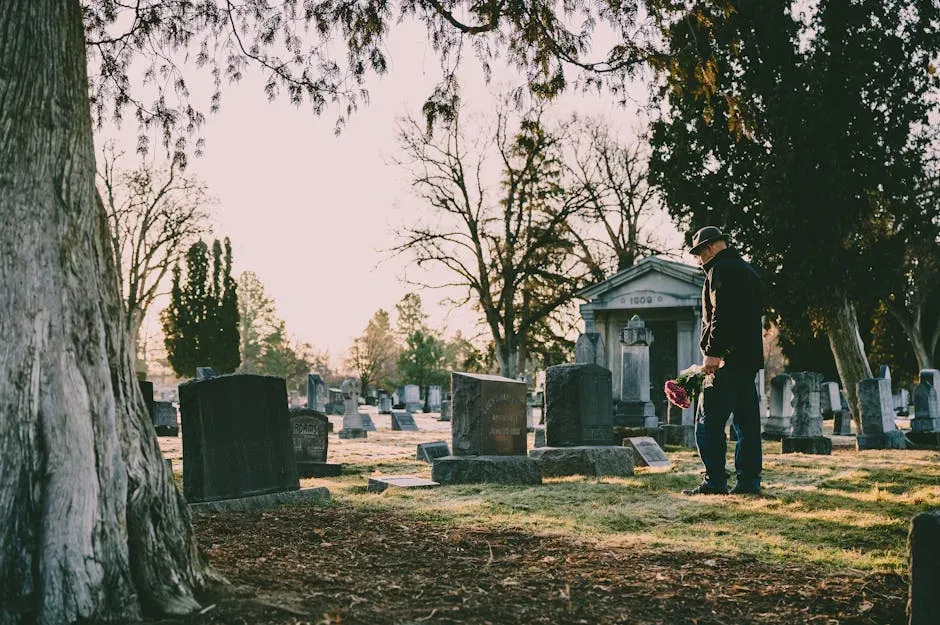
Death feels so threatening because it seems to reach past your body and grab whatever you think of as “you.” If you secretly feel like you are a kind of invisible observer riding around in your head, then death looks like the eviction of that inner watcher. If you think of yourself as a brain-based organism, then death looks like the permanent breakdown of a very complicated system. Either way, you are not just losing a physical shell; you are losing your point of view.
Once you see that, you cannot avoid the deeper question: what kind of thing has a point of view at all? Are you a soul temporarily using a body, or a body that somehow generates a mind? Maybe you are mostly memories and habits, a story held together by your brain. Every answer you explore changes the way death appears to you – either as a doorway, a full stop, or something stranger you do not yet understand.
The Fear Of Non-Experience And The Edge Of Nothing
When you imagine your own death, you probably picture scenes: a hospital bed, a car crash, or maybe a peaceful last breath at home. But if you keep going, the real horror is not the scene; it is the blankness after the scene ends. You try to picture what it is like not to be conscious, and you hit a wall, because any attempt to imagine it still uses your current awareness. You are trying to visualize a screen that has been turned off while the screen is still on.
This slippery problem is one reason philosophers tie death so tightly to consciousness. You can describe the biology of dying in lots of detail, but you cannot directly step into the “experience” of not experiencing. That blind spot exposes the limits of your conscious mind. It shows you that there are some edges beyond which your awareness simply cannot reach, and death sits right on that edge like a dark horizon you can see but never cross while still alive.
Why Knowing You Will Die Intensifies Your Life
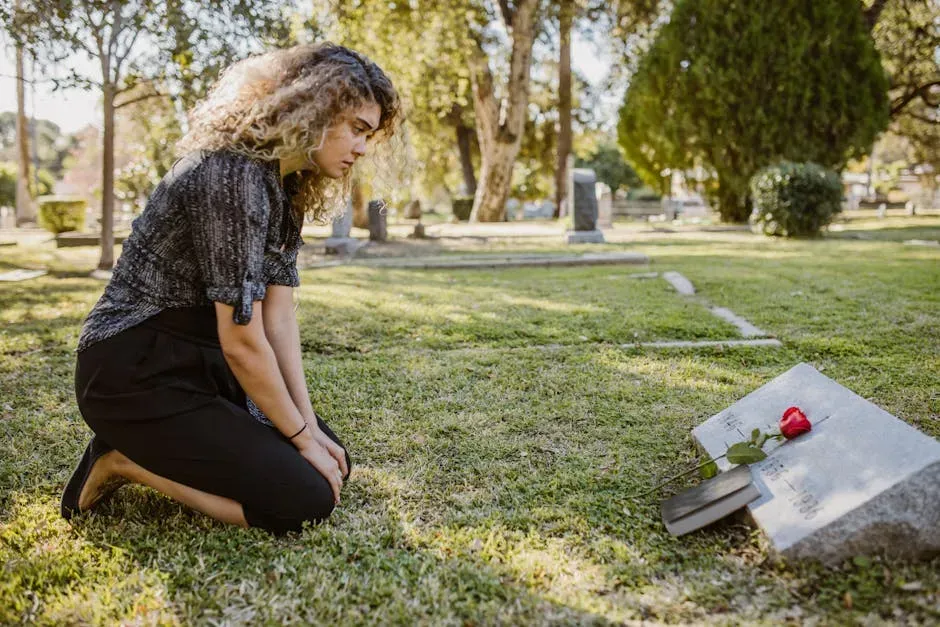
Oddly enough, once you admit that you are going to die, your ordinary experiences can start to feel sharper. A simple cup of coffee, a walk at sunset, or a laugh with a friend can suddenly carry a kind of quiet urgency. You know, even if you do not dwell on it, that you only get a limited number of these moments. This awareness does not just sit in your mind as information; it colors how everything feels.
Philosophers often argue that this finiteness is not just a sad limitation but part of what gives your conscious life its texture and meaning. If you had endless time, you might drift, postpone, or stall. Knowing that your awareness has an end point nudges you to ask what you really care about, which relationships matter, and how you want your days to feel. In a strange way, death frames your consciousness like a painting in a gallery: the borders make you look more closely at what is inside.
The Self, The Soul, And The Mystery Of What Ends
When you think about death, you are really asking what, if anything, survives the collapse of your body. If you grew up with the idea of a soul, you may picture a conscious core of “you” stepping out of your physical form and continuing on. If you lean more toward science and materialism, you might feel that once the brain fails, the lights simply go out. But either way, your attention is fixed on the fate of your inner experience, not just your outer shell.
This is why arguments about souls, afterlives, or reincarnation are always, underneath, arguments about consciousness. You are trying to decide whether your mind is something that can detach and wander off, or whether it is inherently tied to the physical systems that keep you alive. The more you probe this, the more you realize how little you truly understand about what you are from the inside, even though you live with yourself every second.
Time, Impermanence, And The Flow Of Awareness
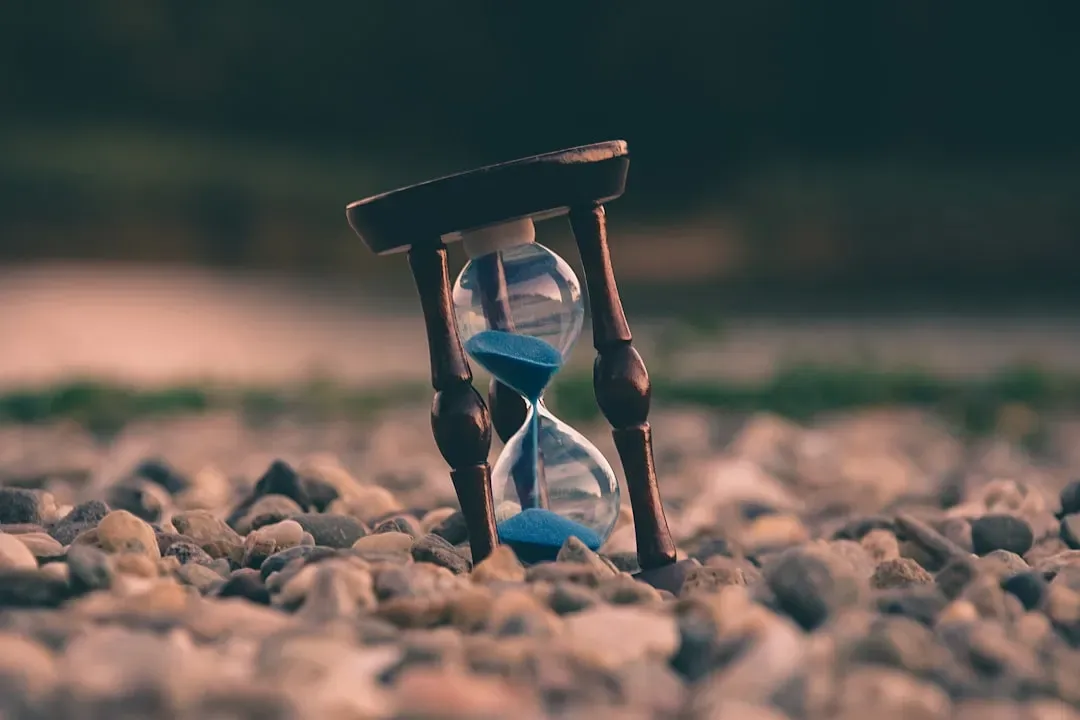
Every moment of your conscious life appears, lasts for a heartbeat, and then disappears. Your thoughts, feelings, and sensations are always in motion, never fully still. Death can feel like the final extension of that pattern: instead of this experience fading and being replaced by another, one day there is simply no next experience. In a sense, you live with a tiny rehearsal of loss in every passing moment.
Some philosophical traditions encourage you to pay attention to this constant impermanence. If you notice that nothing in your awareness ever actually stays, you might start to see your own death not as an alien interruption but as the ultimate version of a change that is already happening. This does not magically take away fear, but it can shift how you hold it, turning panic into a clearer, calmer understanding of how fragile and flowing your consciousness already is.
How Facing Death Can Change Your Sense Of Self

When you really sit with the reality of your own death, your usual sense of self can start to crack around the edges. You might realize that many things you cling to – status, possessions, other people’s opinions – will not matter at that final moment. What does matter then starts to stand out more clearly: the quality of your days, how you treat people, how awake you feel in your own life. Death, in this sense, becomes a kind of brutal but honest mirror.
That mirror can change how you experience consciousness itself. Instead of drifting through your days half-distracted, you may feel a push to be more present, to actually inhabit your mind and body while you still can. Philosophers sometimes suggest that when you accept death, you do not just think differently; you actually feel more vividly alive. Your awareness stops being something you take for granted and becomes a gift you notice, moment by fleeting moment.
Conclusion: Living With The Question
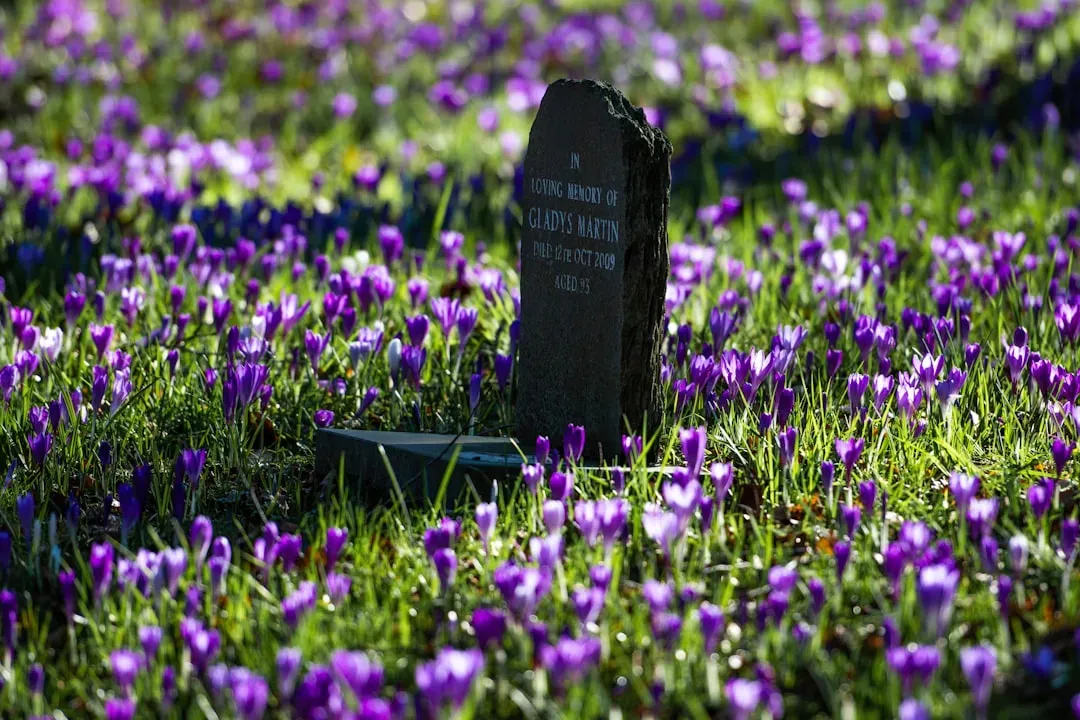
If you follow the trail of questions about death, you always end up in the territory of consciousness. You want to know what ends, what might continue, and why your inner life feels so real in the first place. Along the way, you discover that you cannot neatly separate your fear of dying from your confusion about what it means to be a conscious self at all. The two questions are braided together, and pulling on one always tugs the other.
You may never land on a final, perfect answer about what happens when you die or what consciousness really is, and that uncertainty can be frustrating. But it can also be strangely liberating, because it points you back to what you do have: this moment of awareness right now, as you read these words. How you choose to live inside that moment – more numb, or more awake – is still up to you. Knowing that your time is limited, how do you want your remaining moments of consciousness to actually feel?