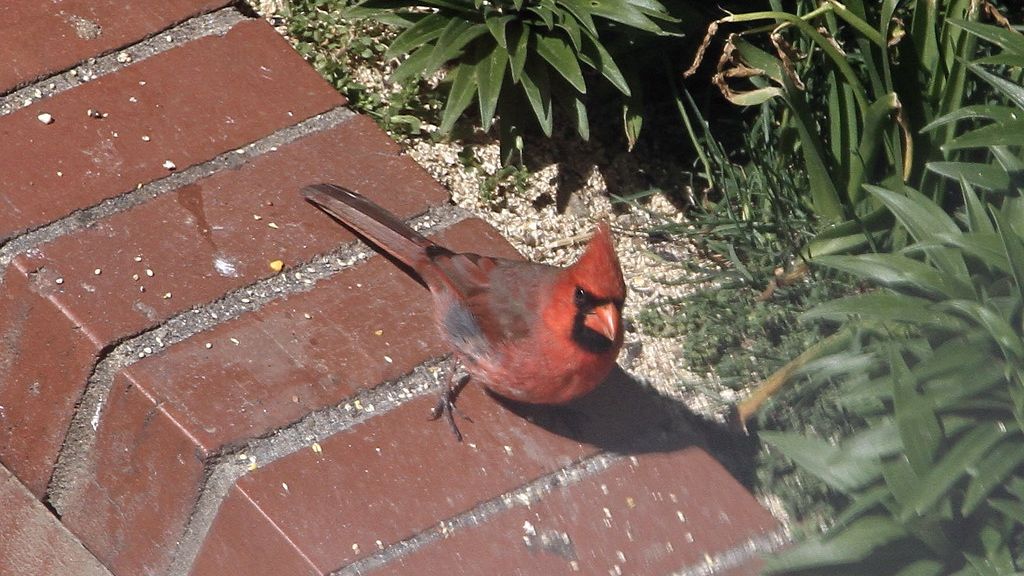

If a flash of red seems to streak through your yard every spring and winter like clockwork, it is not your imagination. Northern cardinals are famous homebodies, and many people swear it is the exact same pair visiting season after season. There is something strangely moving about it: in a world where everything feels temporary and fast-changing, these birds quietly choose familiarity, routine, and loyalty to a place that feels safe.
I still remember the first time I realized “my” cardinals were not just passing through. One winter afternoon, I noticed a male with a slightly crooked tail feather. Months later, there he was again, in the same shrub, calling from the same branch. That moment changed the way I looked at my own backyard. It stopped being just grass and shrubs and suddenly became shared territory, a kind of tiny neighborhood pact between a bird and a human.
A Bird That Barely Ever Leaves Home
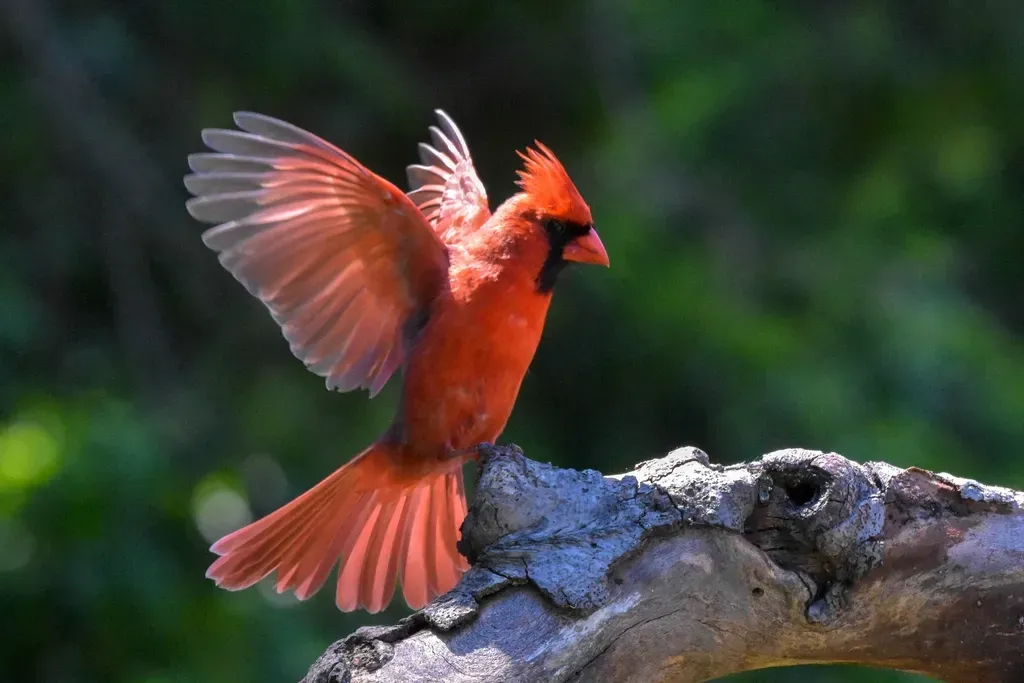
One of the biggest reasons cardinals keep coming back is remarkably simple: they do not really go very far in the first place. Northern cardinals are considered non-migratory, which means they usually stay in the same general area all year, instead of flying hundreds or thousands of miles like many songbirds. For a large part of their lives, their entire universe might be just a few neighborhoods wide.
Researchers have found that many cardinals maintain relatively small home ranges, often within the same patches of shrubs, trees, and nearby yards. When you provide a consistently safe and resource-rich backyard, you are basically putting your land right in the heart of that range. The bird is not “coming back” from a long journey; it is just looping through its regular route, like a neighbor who always jogs past the same corner.
Your Backyard Is Prime Real Estate in Cardinal Terms
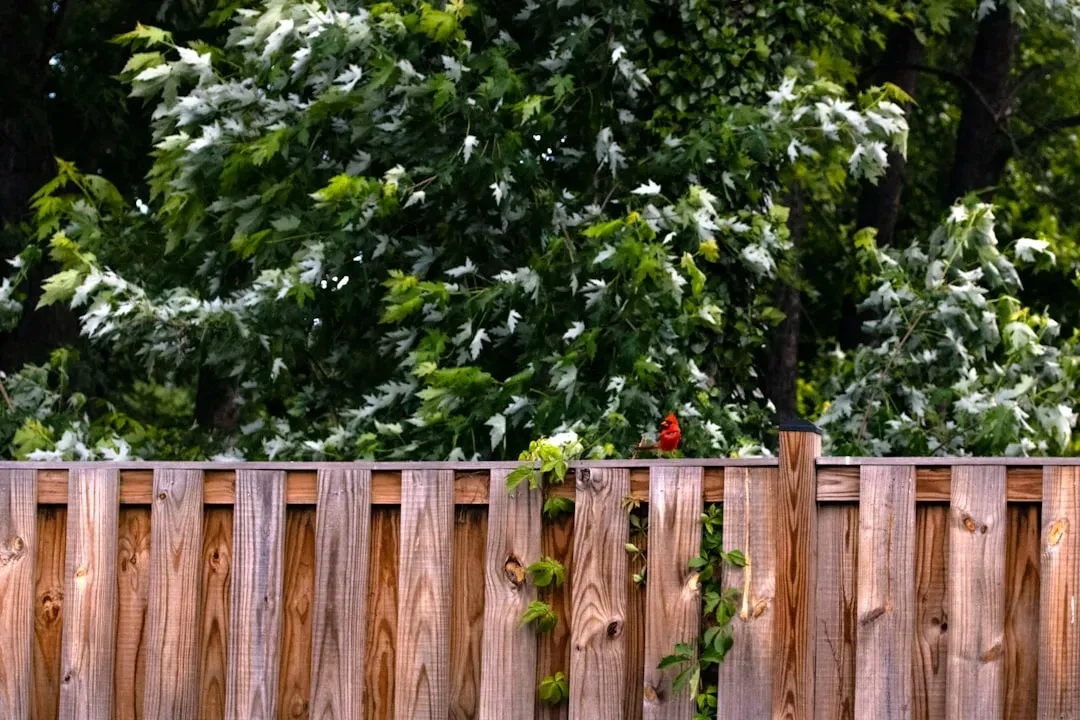
To a cardinal, a good backyard is not about perfect landscaping; it is about food, cover, and safety from predators. Dense shrubs, hedges, small trees, and even tangled brush piles act like sturdy walls and side streets in a tiny bird city. These features let cardinals dash for cover when a hawk cruises overhead or when a neighborhood cat prowls by, which makes your yard feel like a safe haven they can trust.
On top of shelter, many backyards accidentally offer exactly what cardinals want on the menu: seeds, fruits, and sometimes insects in leaf litter or garden beds. Add a bird feeder with sunflower or safflower seeds, and suddenly your property is not just decent housing, it is a high-end apartment with free room service. Once a cardinal pair locks onto that kind of quality territory, abandoning it would be like giving up rent-controlled housing in a city they already know how to navigate.
Once They Claim a Territory, They Defend It Fiercely
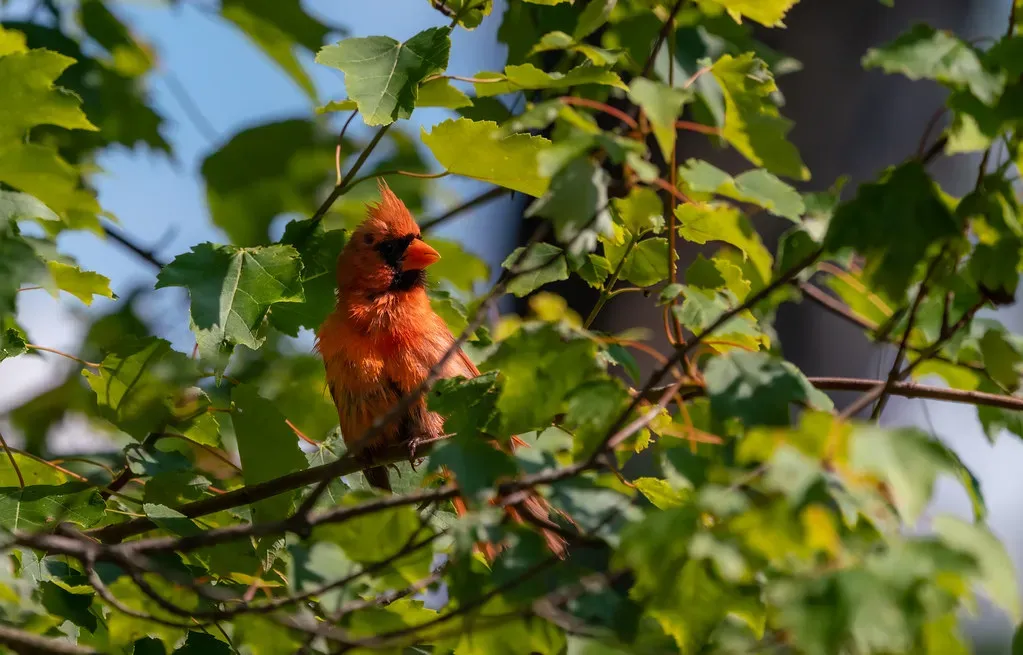
Cardinals are not just casually hanging out in your yard; they are actively claiming it as theirs. Adult males, in particular, defend territories using clear, repeated songs and bold displays, especially during breeding season. That song you hear from the same corner of your yard every morning is not just pretty background noise; it is a declaration, a kind of vocal fence line telling other males to back off.
Because they invest so much effort in winning and keeping that territory, it makes no sense for them to abandon it every year if conditions remain good. In bird terms, this is a long-term lease. As long as food sources, shelter, and safe nesting spots remain steady, a cardinal pair may reuse essentially the same patch of land year after year, fine-tuning their knowledge of every hiding place and vantage point.
Faithful Partners Prefer Familiar Ground
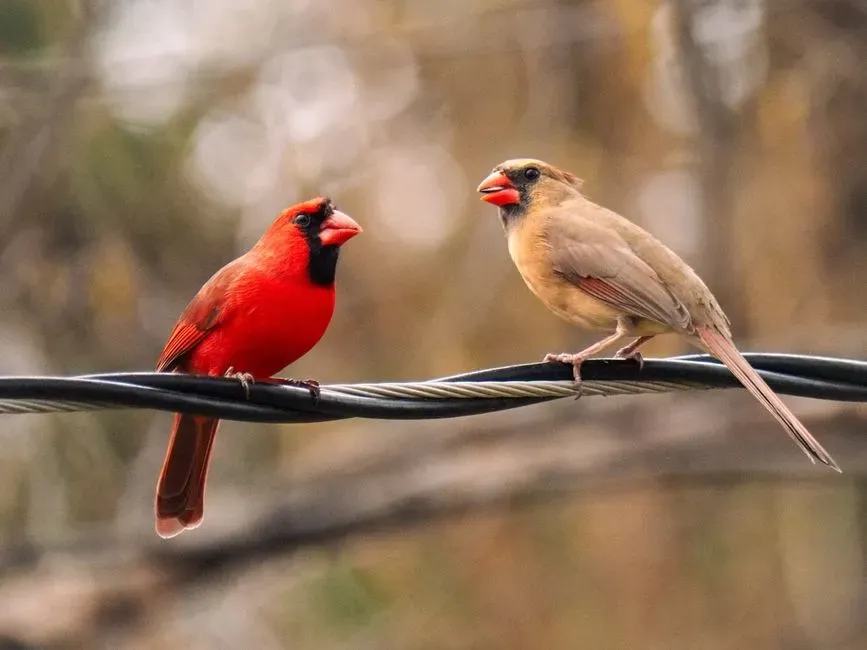
Cardinals are known for relatively strong pair bonds, often sticking with the same mate across multiple breeding seasons if both birds survive. When a pair stays together, returning to a known territory becomes even more valuable. They already know where to find suitable nest sites and which corners of the yard are safest, so they can invest more energy into raising young rather than scouting new locations.
There is also a subtle emotional pull for us in watching the same male and female appear together each year. Seeing that bright red male feed a seed to a duller brown female on the same branch again and again feels like watching a little love story unfold in your own yard. Scientifically, it is all about efficiency and survival, but on a human level, it is hard not to see it as loyalty and partnership rooted in a shared home base.
They Remember Where the Good Stuff Is
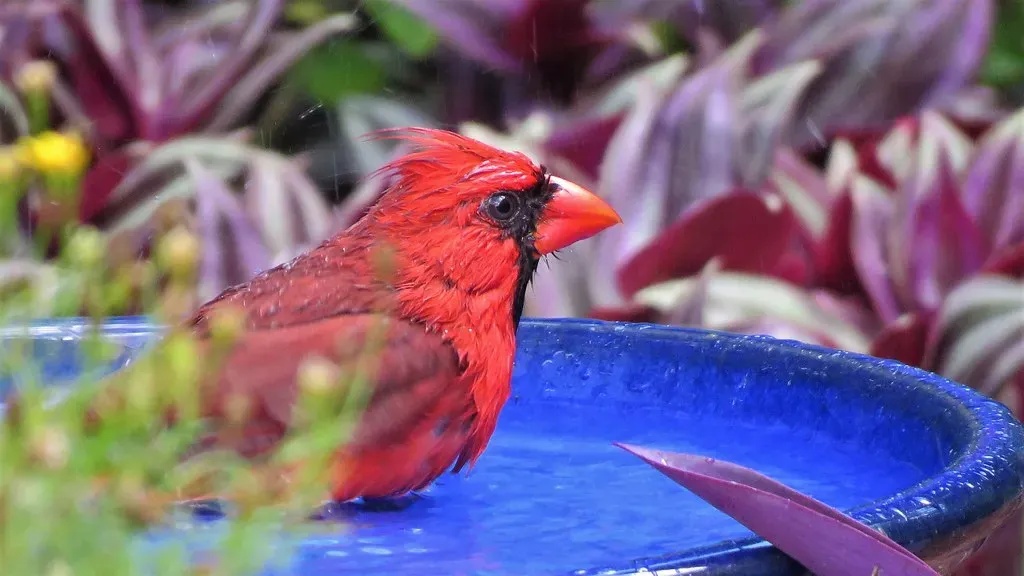
Birds are often underestimated when it comes to memory, but cardinals do a surprisingly good job of remembering where reliable food and water sources are located. When they find a yard with consistent feeders, natural seeds, fruits, and maybe even a birdbath that actually gets refilled, they mentally tag that spot as worth revisiting over and over. In effect, your place goes onto their internal map of “trusted resources.”
Over time, especially if you maintain the same feeding schedule or keep a permanent bath or fountain going, the cardinals that survive from one year to the next treat your yard almost like a bookmarked page in a browser. They may still roam and explore, but they keep returning to that familiar, predictable resource hub. From their point of view, ignoring a dependable spot would be bad strategy in a world where food can be patchy and unpredictable.
Cardinals Thrive on Dense Cover and Layered Planting
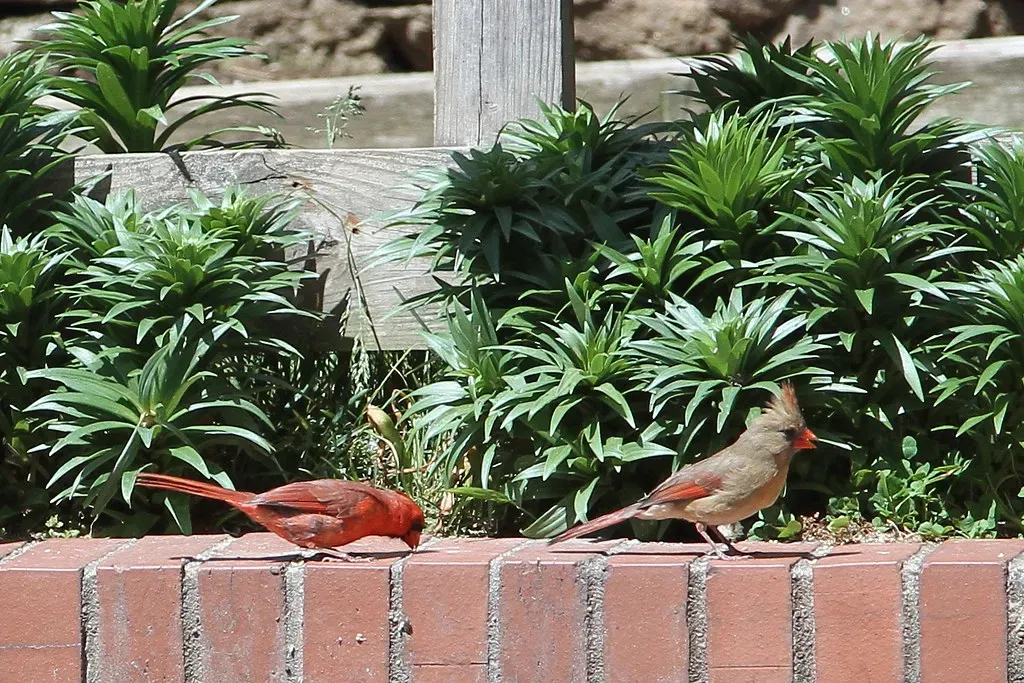
Another big reason cardinals come back to the same backyard is related to how the yard is planted. They love layered habitat: low shrubs, mid-sized bushes, and small trees that create a three-dimensional maze of branches. Well-structured yards feel like a tight-knit neighborhood full of side streets and alleys where they can move around without being fully exposed to predators.
If your yard has evergreen shrubs, native berry bushes, or a hedgerow along a fence, you are basically building cardinal infrastructure. Those plants offer nesting spots in spring, shelter in storms, and places to land between feeder and cover. Once birds discover a yard that checks all these boxes, they have a powerful incentive to keep using it throughout the year and in following years, because good structure like that does not appear overnight anywhere else.
Seasons Change, But Your Yard Stays Familiar
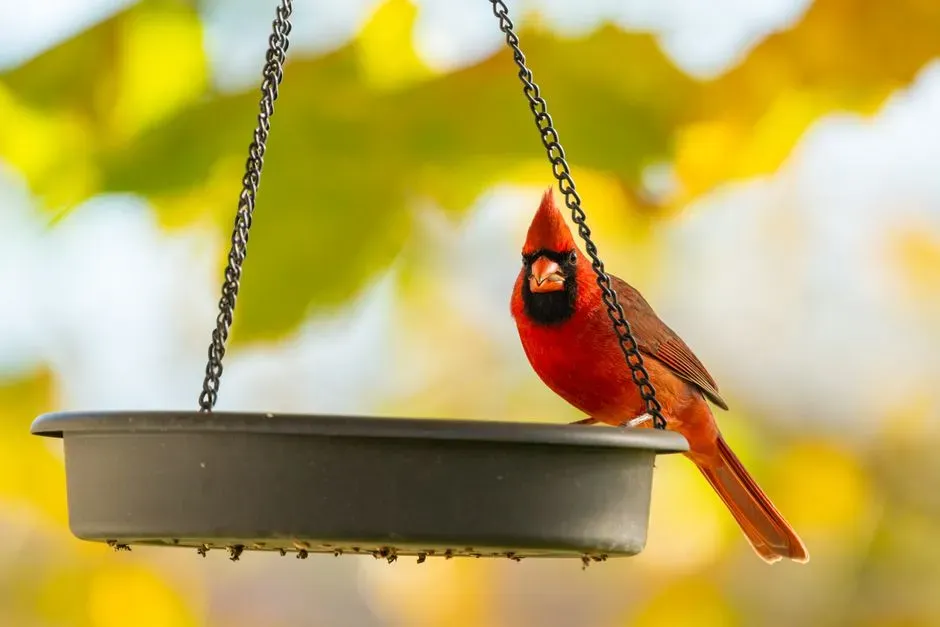
Unlike some species that disappear in winter and reappear only for breeding, many cardinals stay visible all year long. They experience your yard in every season: summer shade, autumn seed heads, winter feeders, and spring nesting spots. That continuous exposure reinforces their familiarity and comfort with the layout, the hiding places, and even the typical disturbance patterns from humans and pets.
When the environment around them changes with the seasons, a steady, predictable territory becomes invaluable. If your yard always has at least some cover, some natural food, or a stocked feeder, it acts like a year-round anchor in a shifting landscape. The birds learn how the space behaves in snow, rain, heat, and wind, and that deep familiarity makes them far more likely to return instead of gambling on some unknown new patch of land.
Generations May Be Using the Same Space
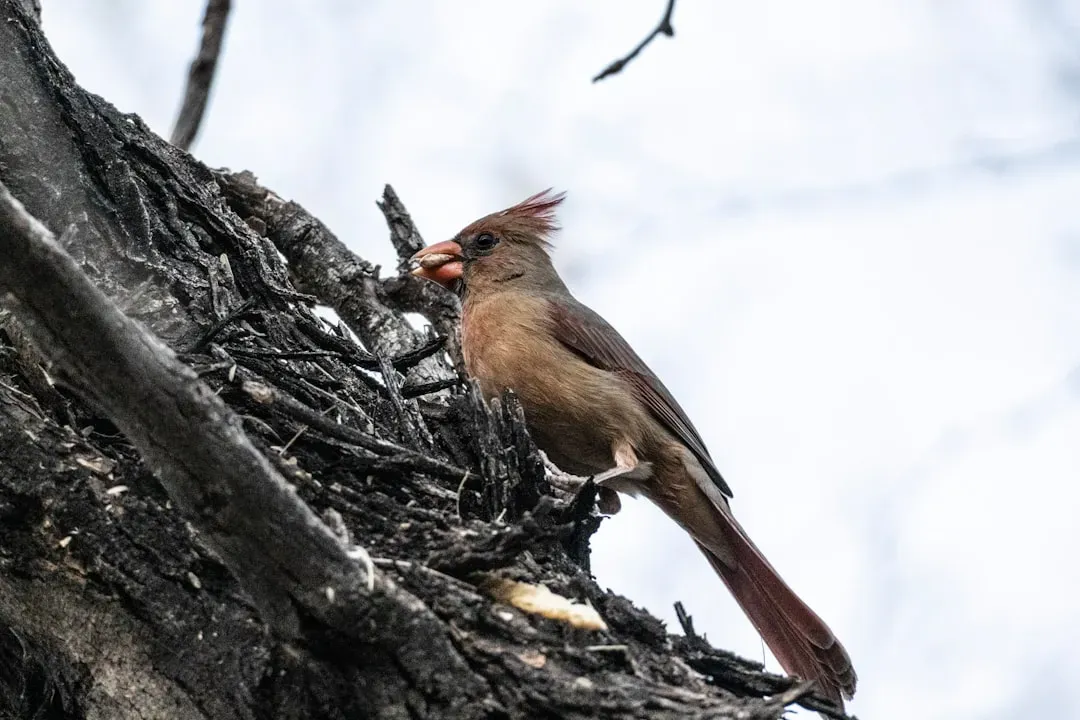
Here is one twist that surprises a lot of people: the cardinals you see year after year might not always be the exact same individuals, even if it looks that way. In some cases, offspring raised in your yard or nearby may settle into overlapping or adjacent territories when they mature. To a casual observer, a new adult can look just like the previous bird, especially with such consistent plumage patterns.
Over time, your backyard can turn into something like a family neighborhood where different generations of cardinals occupy roughly the same area. The knowledge gets passed on in a loose, natural way, because young birds grow up learning that your yard is safe, food-rich, and familiar. So even when an older bird disappears, the habit of using your space can continue, making it feel as though the same cardinal spirits keep returning through the years.
Human Habits Quietly Train Cardinal Habits
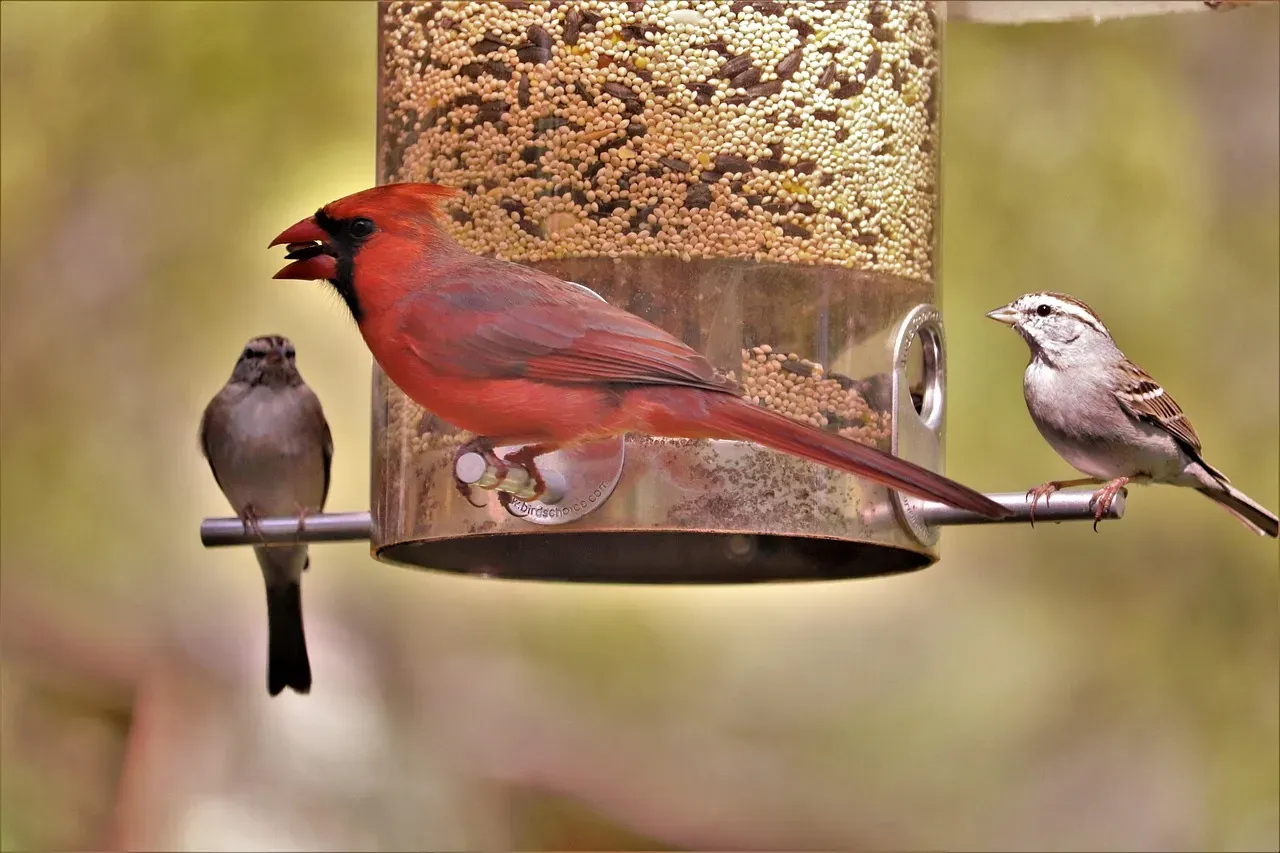
Whether we realize it or not, our routines teach cardinals what to expect. Filling feeders at roughly the same times, maintaining the same landscaping, and keeping outdoor lighting and noise fairly predictable all help these birds form a sense of stability around your property. They get used to the patterns of when people come and go, when dogs are in the yard, and how noisy things get at different times of day.
When a bird’s survival depends on spotting threats and reading patterns, any environment where the rules stay mostly the same becomes incredibly valuable. If your habits are relatively constant, cardinals can settle into a comfortable rhythm around them and return with confidence. In a sense, you and the birds co-create a shared routine: your daily life shapes their comfort zone, and their persistent presence becomes part of your own.
Why Their Return Feels So Personal
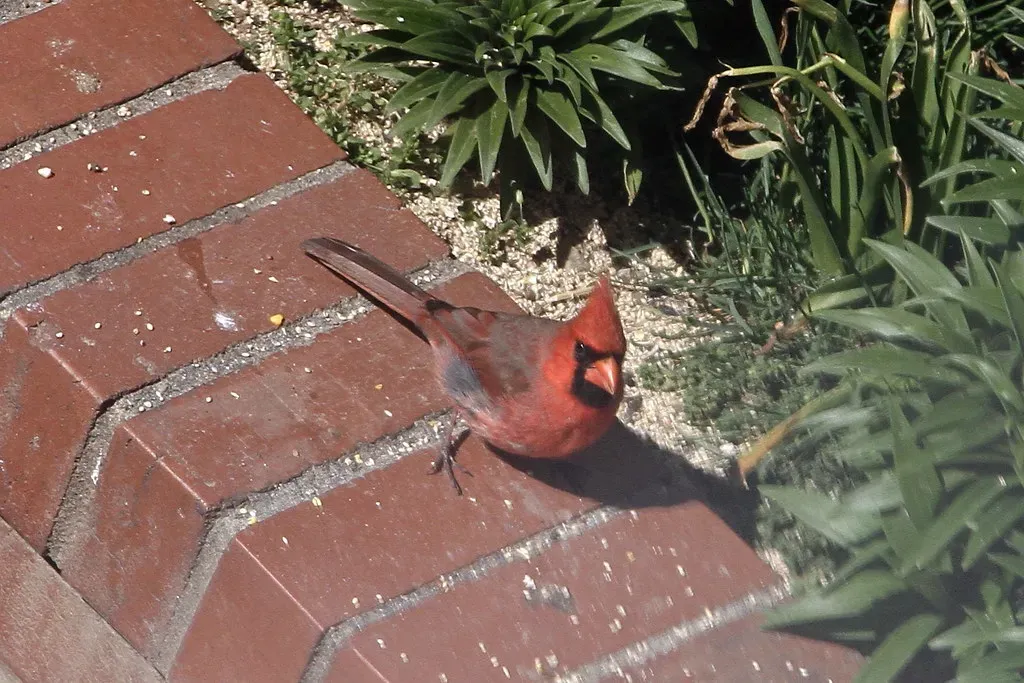
Beyond the biology and behavior, there is a quieter, emotional reason we notice and care so much when cardinals keep coming back. Their bright red plumage and bold songs make them almost impossible to ignore, so they stand out from the blur of other small birds. When the same flashes of color appear in the same corner of the yard, our brains naturally connect the dots and start treating them more like familiar neighbors than anonymous wildlife.
I will admit I am biased: I think their loyalty to a place taps into something many of us secretly crave. In a restless world, the idea that a wild creature chooses your backyard, year after year, feels like a gentle vote of confidence in how you are caring for your little patch of earth. It is not magic or mystery; it is territory, survival, and habit. But it is also a reminder that when we make space for nature and stay consistent, nature sometimes chooses to stay with us too.
Conclusion: A Small Bird, a Big Statement About Belonging
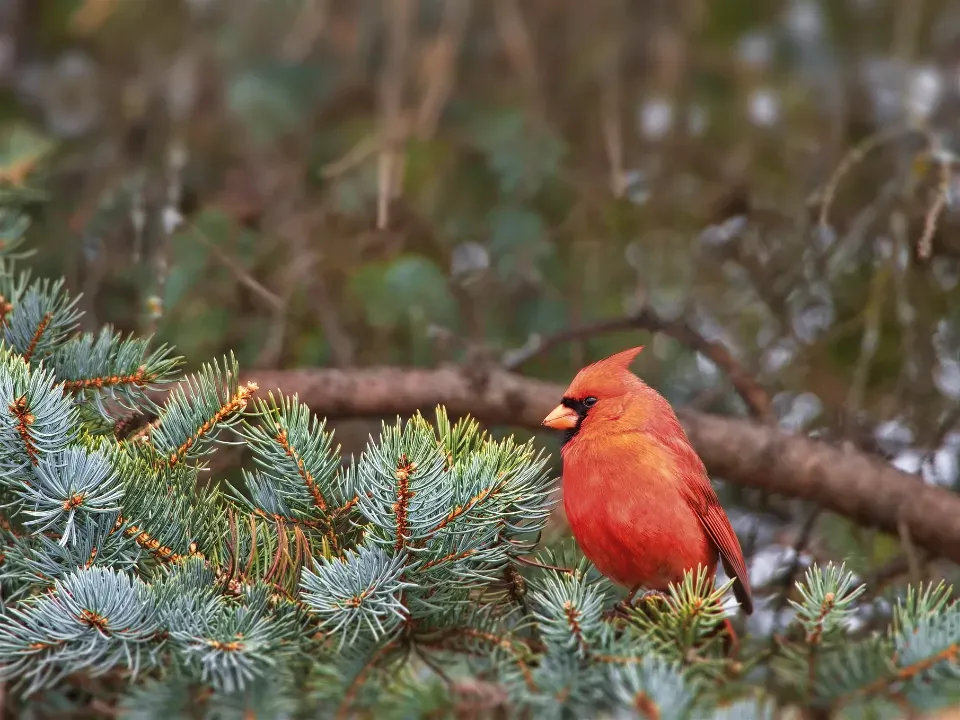
When you strip away all the poetry, cardinals return to the same backyard because it works: the territory is rich enough, safe enough, and predictable enough to support them through the seasons. They are non-migratory homebodies with strong territorial instincts, sharp memories, and solid pair bonds, so of course they double down on a place that delivers what they need. From a scientific standpoint, your yard is just a well-positioned resource hub in a bird’s survival plan.
But I think that explanation, while accurate, misses something important. Each time a cardinal lands on the same branch outside your window, it quietly challenges the idea that nature is always distant or fleeting. Instead, it suggests a kind of shared belonging, where a bird and a human both keep choosing the same small patch of ground over and over. To me, that is worth paying attention to. The next time that flash of red streaks across your yard, will you see just another bird, or a tiny, feathered neighbor renewing a long-term lease on your shared space?