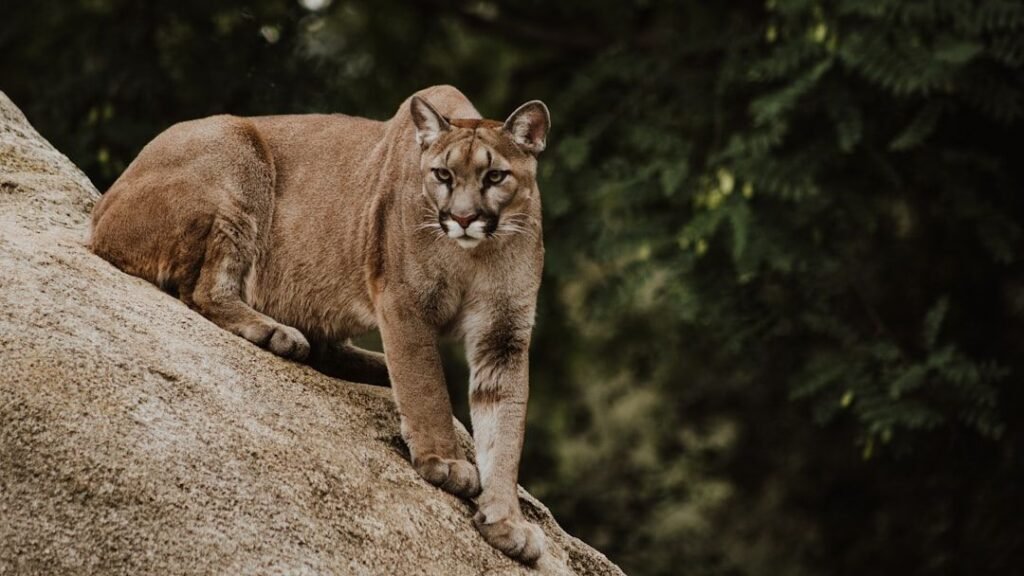

If you’ve ever driven a winding California canyon road at night and felt that strange sense of being watched, there’s a decent chance a mountain lion was somewhere nearby, seeing you long before you could see it. These big cats are ghosts on the landscape: rarely seen, often misunderstood, and yet absolutely central to how California’s wild places actually work. Take them away, and the entire system starts to wobble, like pulling a key piece from a Jenga tower.
Over the last decade, scientists, wildlife managers, and even city planners have started to realize something that Indigenous communities knew for a long time: mountain lions are not just another wild animal in the background. They shape deer behavior, protect native plants, influence fire risk, and even help rivers and forests stay healthy. To understand why California’s ecology still functions at all in the middle of intense development, climate change, and drought, you have to understand the quiet, powerful role of these elusive predators.
The Hidden Architects of California’s Wild Landscapes
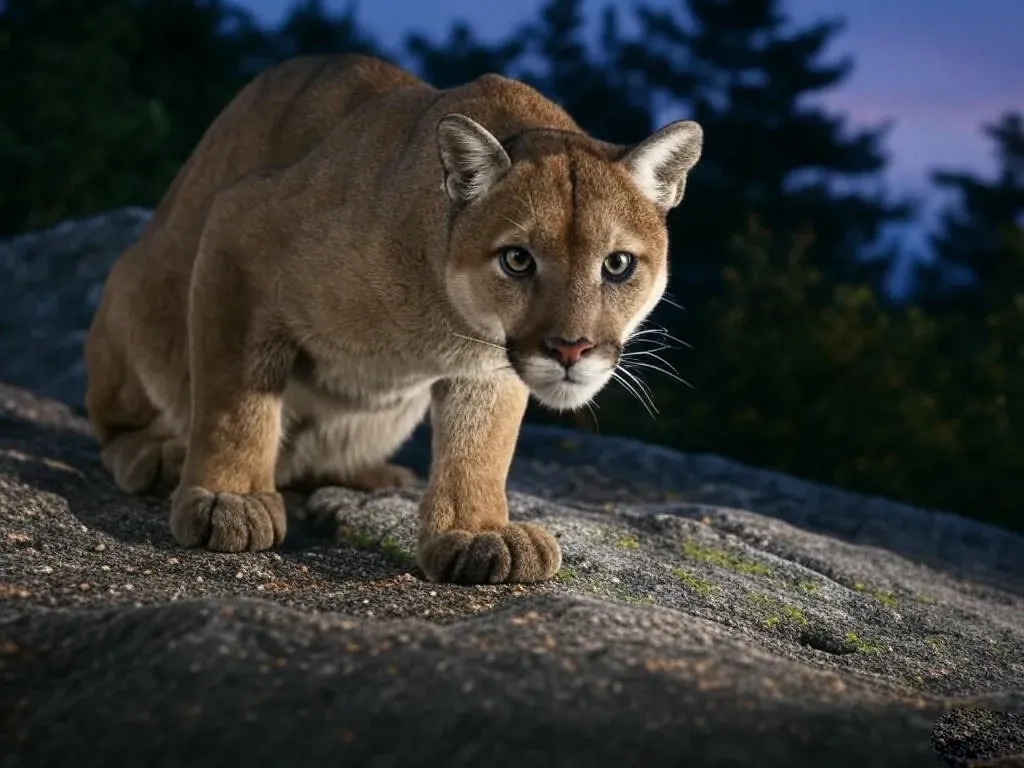
One of the most surprising things about mountain lions is how much they change the behavior of other animals just by existing. Deer in areas with active mountain lion populations don’t graze as casually; they move more, keep to cover, and spend less time overbrowsing the same plants. That constant pressure – scientists sometimes call it the “landscape of fear” – actually protects young trees, shrubs, and wildflowers from being eaten into oblivion.
Where mountain lions are missing or extremely rare, deer often become bold, stationary lawnmowers, stripping riverbanks and hillsides bare over time. That means less shade over creeks, more erosion, and fewer places for birds and small mammals to live. So even though it might seem like mountain lions just eat deer, the real story is more interesting: they act like quiet landscape designers, nudging everything, from plants to smaller animals, into a more balanced pattern.
Deer Control and the Cascade Through the Food Web
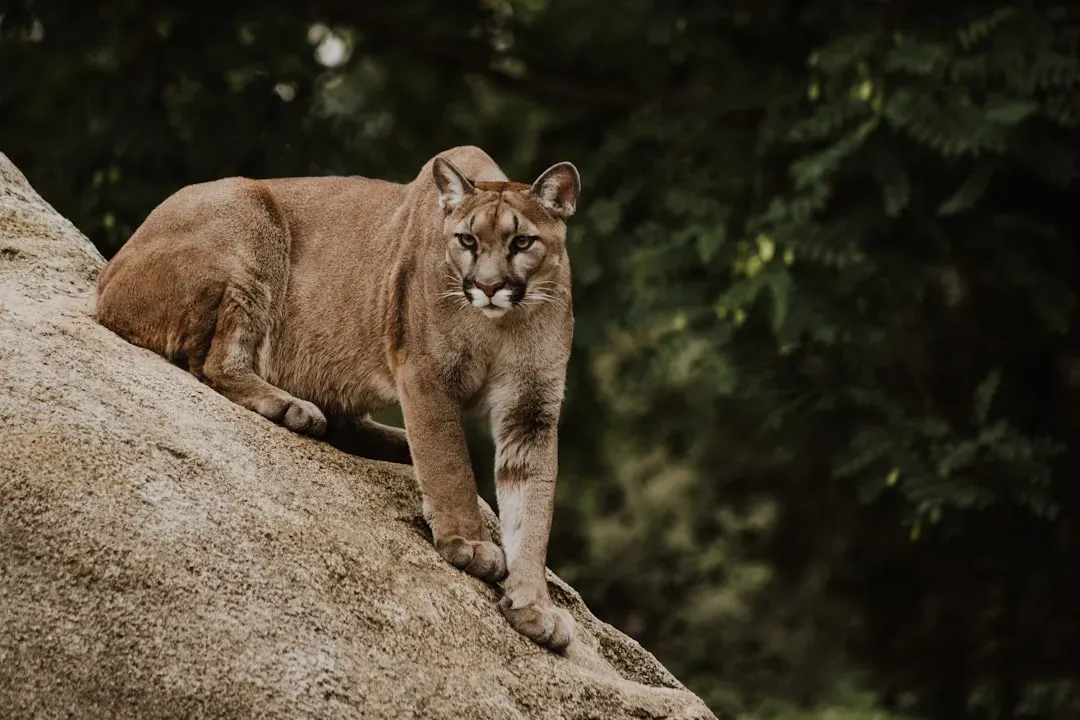
California’s deer populations can boom when predators are scarce and food is still somewhat available, especially near suburban edges where lawns and ornamental plants offer an endless buffet. When that happens, the damage doesn’t stop at a few eaten roses; native vegetation, oak saplings, and riparian plants take the biggest hit. With mountain lions on the landscape, those surging deer numbers are kept in check naturally, without relying on controversial human-led culls or constant fencing.
This isn’t just about numbers; it’s about where and how deer use the land. Mountain lions tend to target deer that are older, weaker, or less cautious, removing animals that might otherwise spread disease or put more pressure on limited resources. The result is a more balanced food web where plants, insects, birds, and small mammals all get a chance to persist. That ripple effect is what ecologists call a trophic cascade, and mountain lions sit at the very top of that cascade in much of California.
Guardians of Native Plants, Oaks, and Riparian Habitat
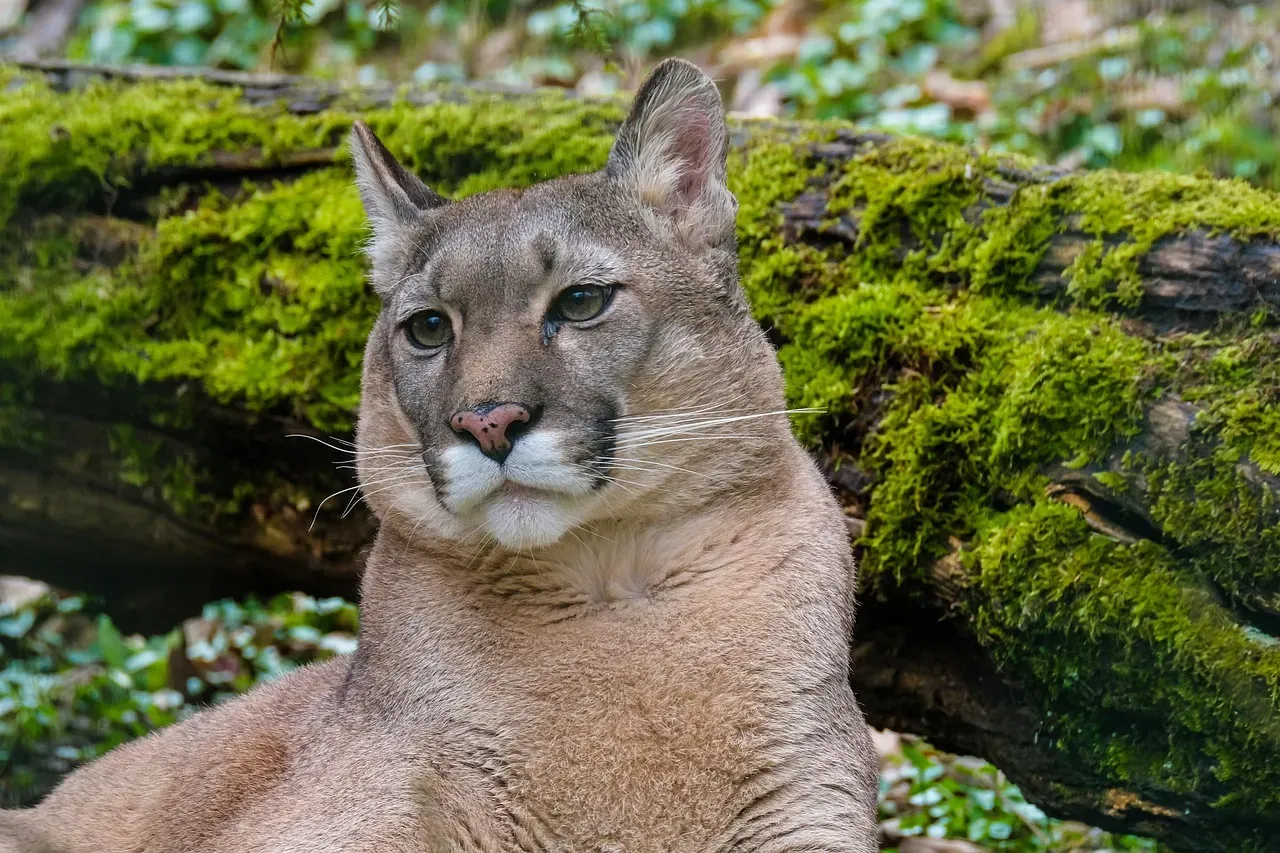
California’s signature landscapes – coast live oak woodlands, chaparral slopes, and streamside corridors – depend heavily on young plants actually surviving long enough to become adults. When deer browse too hard on seedlings and saplings, entire future generations of trees can vanish before they really start growing. In areas where mountain lions still roam and hunt, saplings have a better shot because deer don’t linger long enough to strip every tender shoot.
Healthier plant communities aren’t just about pretty scenery; they anchor soils, capture carbon, and create microclimates that buffer against heat and drought. Riparian zones with intact shrubs and trees keep creeks cooler, which is essential for native fish and amphibians already stressed by warming temperatures. In that way, a mountain lion chasing a deer along a canyon is indirectly helping shade a stream miles downstream and giving steelhead or red-legged frogs a fighting chance.
Mountain Lions, Fire Risk, and Climate Resilience
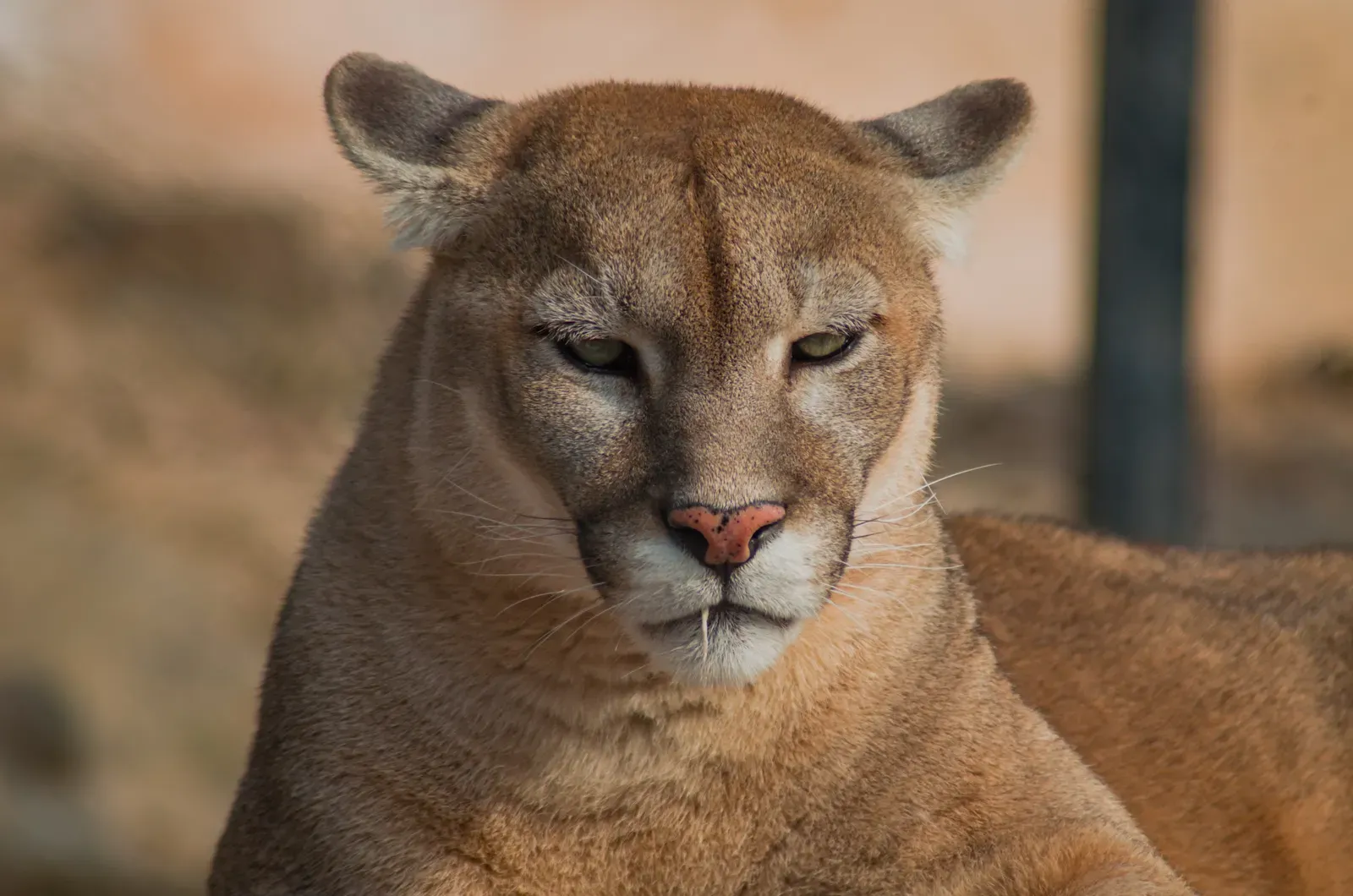
It might sound far-fetched at first, but there is a real connection between mountain lions and wildfire risk. Where deer pressure is high and native shrubs are repeatedly overgrazed, ecosystems often shift toward more invasive grasses and uniform, dry fuel. Those fine fuels can turn hillsides into tinder, making fires spread faster and burn hotter. By keeping deer on the move and preventing them from wiping out native plants in certain hotspots, mountain lions support more complex plant communities that do not burn in quite the same explosive way.
On top of that, healthier, more structurally diverse habitats are simply better at coping with climate extremes. Native shrubs and trees hold moisture longer, create shade, and slow down wind, all of which matter when summers keep getting hotter and drier. Mountain lions, by shaping herbivore behavior and allowing that complexity to persist, act like behind-the-scenes climate allies, giving California’s landscapes a little more resilience when the next big heatwave or fire season hits.
Roads, Fragmentation, and Why Connectivity Matters
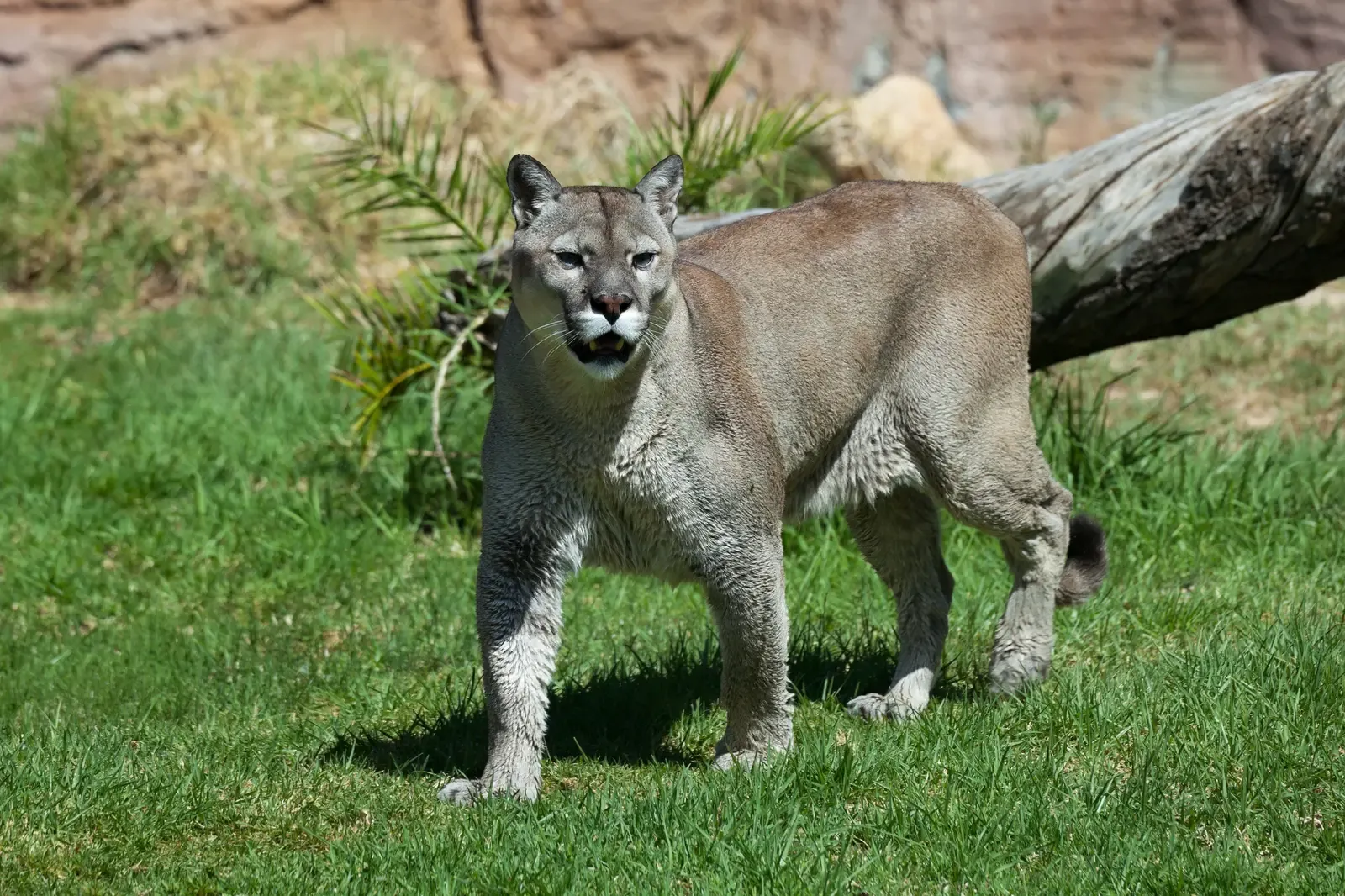
For all their power and stealth, mountain lions are surprisingly vulnerable to one thing humans do very well: cutting landscapes into pieces with roads, housing, and fences. In Southern California in particular, isolated mountain lion populations are boxed in by freeways and development, leading to inbreeding and genetic problems that can threaten their long-term survival. Several well-documented cases of lions killed trying to cross major highways have turned these animals into unwilling symbols of habitat fragmentation.
Wildlife crossings – like the high-profile bridge being built over a major freeway in the Los Angeles area – are not just feel-good projects; they’re serious attempts to keep genetic flow alive between populations. When mountain lions can safely move, they spread genes, reclaim unused habitat, and maintain their ecological role across a larger area. That movement, in turn, keeps deer from getting too comfortable in any single place, allowing the predator-prey dance to continue instead of freezing into a stagnant, unhealthy pattern.
Living With Lions: Fear, Reality, and Coexistence
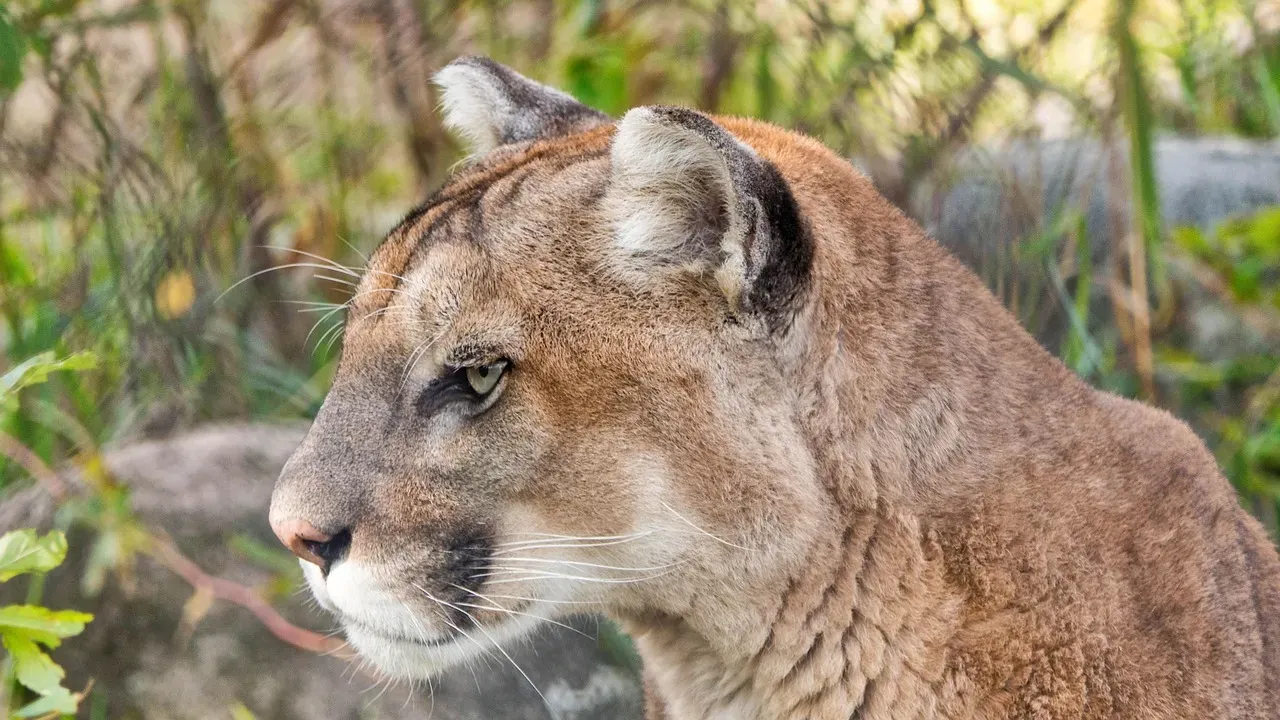
A lot of people feel an immediate jolt of fear when they think about a big cat living anywhere near their neighborhood, and that’s understandable on a gut level. But actual attacks on humans in California are extremely rare, especially compared to everyday risks like driving or even interacting with domestic dogs. Most lions avoid humans whenever they can, melting away into brush or retreating as soon as they sense people nearby.
Simple coexistence strategies make a huge difference: keeping pets indoors at night, not leaving food outside that attracts deer or raccoons, and paying attention on trails at dawn and dusk. Communities that adopt these habits usually find that conflict drops and the idea of sharing space with a large predator becomes less terrifying and more like a badge of living somewhere truly wild. Rather than seeing mountain lions only as threats, more Californians are starting to recognize them as neighbors that help keep the larger home – the ecosystems around them – stable and alive.
Mountain Lions as a Measure of California’s Wild Future
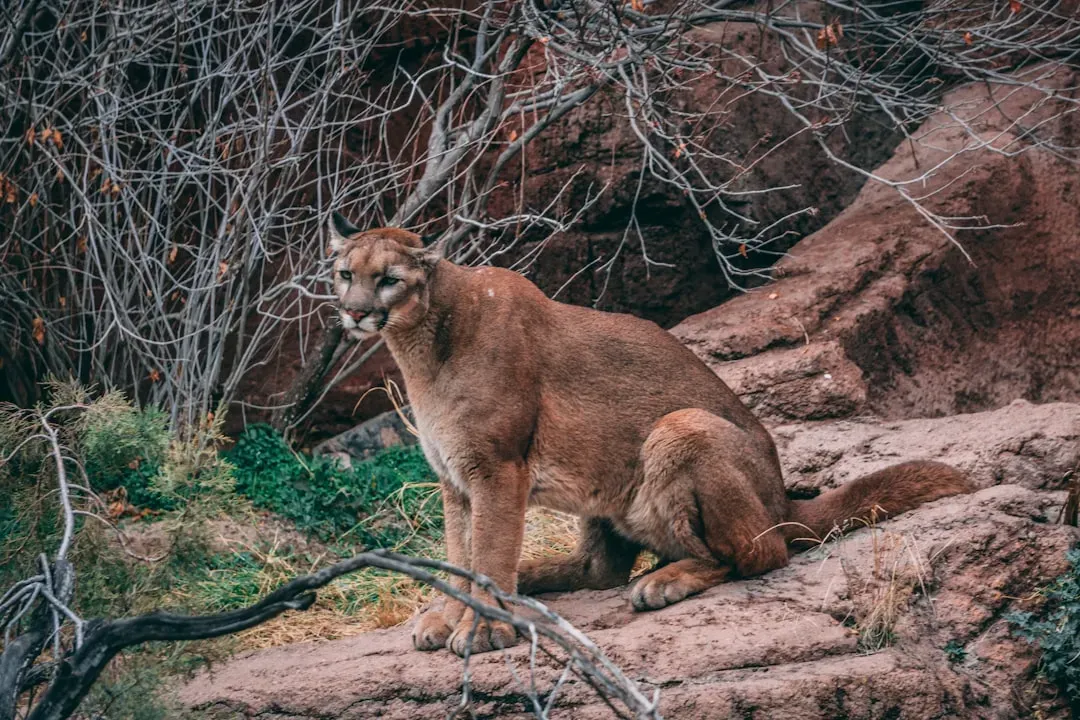
In a way, the fate of California’s mountain lions is a mirror for the fate of the state’s wild lands overall. If these wide-ranging, secretive cats can still find room to roam, hunt, and raise young, then it usually means the broader ecosystem is still functioning. When they disappear or become isolated, it’s often a warning sign that something deeper is breaking down: too many roads, too little habitat, and an ecological balance tipping out of control.
Protecting mountain lions – through habitat conservation, wildlife crossings, and reasonable coexistence policies – isn’t just about saving one charismatic species. It’s about choosing what kind of California we want in the decades ahead: a place of living, connected landscapes, or a patchwork of disconnected green fragments with the wildness slowly drained out of them. The presence of these big cats signals that the web of life is still holding together. In the end, the question is simple: if we lose the animal that holds so many threads, how long will the rest of the web last?