
If you have ever fallen down a late-night rabbit hole of ancient mysteries, you have probably stumbled across the Nephilim: shadowy “giants” tucked into a few intense lines of the Bible, endlessly debated by scholars, preachers, conspiracy theorists, and curious readers alike. They appear briefly, almost like a glitch in the text, hinting at a world of supernatural beings, forbidden unions, and a lost age of heroes before the great Flood. The strange thing is that, even with so little information to go on, people cannot stop talking about them centuries later.
That alone is fascinating: a handful of verses have launched entire books, movies, YouTube channels, and late-night discussions about angels, aliens, and everything in between. The Nephilim sit at the perfect crossroads of religion, mythology, and pop culture, raising uncomfortable questions about how we read sacred texts and where we draw the line between history and legend. Are they proof of something otherworldly, or just a poetic way of talking about violent, powerful people? Let’s unpack what we actually know, what is speculation, and why this old mystery still feels surprisingly modern.
The Brief, Mysterious Biblical Origin of the Nephilim
The strangest thing about the Nephilim is how little the Bible actually says about them, especially compared to how much people now say in their name. In the Hebrew Bible, they appear in a notoriously difficult passage in Genesis that describes mysterious “sons of God” coming to human women and fathering offspring who are called Nephilim, described as mighty or renowned figures of old. Much later, the word Nephilim pops up again in the story of the Israelite spies who report seeing gigantic, intimidating inhabitants in Canaan and claim to feel like grasshoppers by comparison. That’s basically it: two brief appearances, separated by a huge stretch of narrative time, with no neat explanation package attached.
Because the wording in the original Hebrew is sparse and somewhat ambiguous, translators and interpreters have struggled with it for centuries. The term Nephilim itself is debated: it may be related to a root meaning something like “fallen ones,” but even that isn’t universally agreed upon. Some Bible translations lean toward calling them “giants,” influenced by ancient Greek versions and later traditions, while others simply keep the Hebrew word and leave it mysterious. In a sense, the text gives us just enough to feel like we are peeking into a very strange, older story-world – and then the door closes again, inviting speculation rather than handing us certainty.
Ancient Jewish and Christian Interpretations: Angels, Warriors, and Moral Warnings
Because the biblical text is so thin, a lot of the detail that people associate with the Nephilim actually comes from later Jewish writings and early Christian interpretations. Some influential ancient Jewish literature, especially works like 1 Enoch, expands the Genesis story into a dramatic narrative where heavenly beings, often called “Watchers,” descend to earth, break divine boundaries, and take human wives. Their children become monstrous giants who fill the world with violence and corruption, prompting the Flood as a kind of cosmic reset. Even though these texts did not make it into the Jewish or most Christian biblical canons, they deeply shaped how many early readers imagined the Nephilim.
Early Christian thinkers were divided. Some followed this “fallen angel” reading, seeing the Nephilim as the literal hybrid offspring of rebellious celestial beings and humans, a kind of warning about what happens when spiritual and moral boundaries are violated. Others argued that “sons of God” referred symbolically to powerful or noble human lineages intermarrying with commoners or the wicked, making the Nephilim more like brutal warrior elites whose fame and violence became legendary. In both cases, the Nephilim functioned less as random monsters and more as a moral storyline about pride, corruption, and the dangers of mixing what should remain distinct.
Modern Scholarly Views: Stripping the Myth Back to the Text
Modern biblical scholarship tends to be cautious about letting ancient myths or modern imagination run too far ahead of the actual text. Many contemporary scholars look at the Nephilim through the lenses of ancient Near Eastern literature, language studies, and the way oral traditions evolve. Some suggest that the brief Genesis reference may be preserving fragments of older mythic material about semi-divine heroes and legendary warriors, similar to stories found in other ancient cultures, but now framed within the monotheistic worldview of Israel. In that reading, the message is less about cosmic hybrids and more about demythologizing older hero tales by tying them to human sin and divine judgment.
Other scholars focus on the second biblical appearance of the Nephilim in the spies’ fearful report. They point out that this could be exaggerated language used to justify the Israelites’ fear and reluctance, as if they were saying, “The people there are giants; we are like insects next to them.” From this angle, the Nephilim become a symbol of how fear inflates the obstacles in front of us and how myths of impossible enemies can paralyze whole communities. In both the historical-critical and literary approaches, the emphasis shifts from decoding a secret race of beings to understanding how ancient people used stories and labels like “Nephilim” to talk about power, memory, and moral failure.
Giants, Hybrids, and Other Worlds: Why the Nephilim Feel So Modern
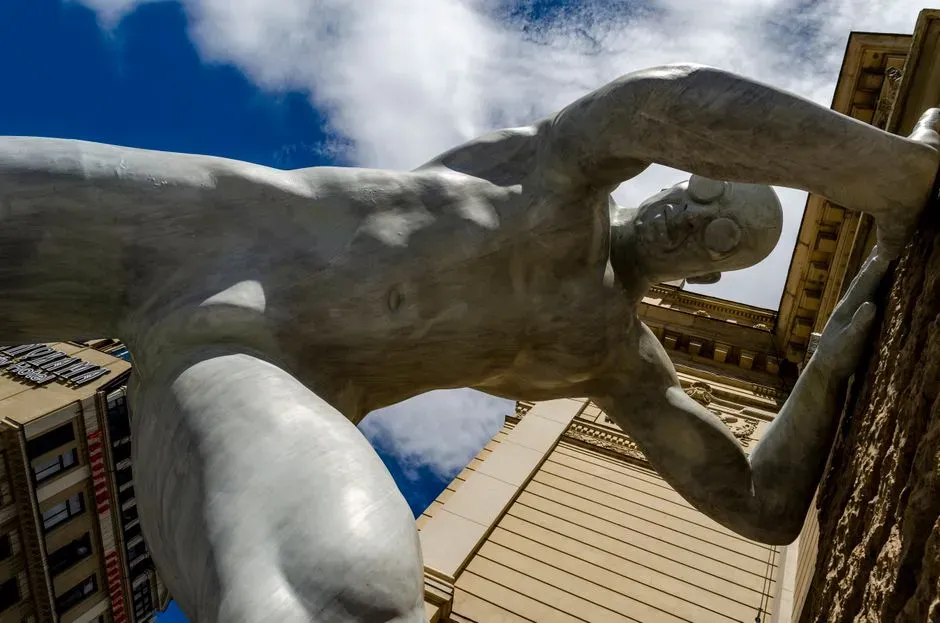
Even though they come from an ancient text, the Nephilim plug straight into modern fascinations: giants, hybrids, and boundary-blurring beings that are not quite human and not quite something else. In a world obsessed with superheroes, mutants, and genetically enhanced soldiers, the idea of mighty figures of old born from forbidden unions feels oddly familiar. The Nephilim embody that unsettling question of what would happen if something beyond our species crossed the line and mingled with us, whether that something is imagined as angels, aliens, or advanced beings from another dimension. They play in the same imaginative space as popular science fiction, just with a far older origin story.
This is also why the Nephilim show up so often in fringe theories and speculative documentaries that try to connect ancient texts, archaeological puzzles, and modern conspiracies. For some people, they offer a ready-made explanation for massive ancient structures, mysterious skeletons, or strange gaps in the historical record: if there were ancient giants or hybrid beings, then maybe they left traces we have not fully understood. Even if the evidence for those claims is weak or heavily debated, the narrative itself is gripping. It turns the past into a kind of cosmic thriller, with the Nephilim cast as the missing link between myth and something like advanced, lost knowledge.
Psychology, Power, and Projection: What the Nephilim Reveal About Us
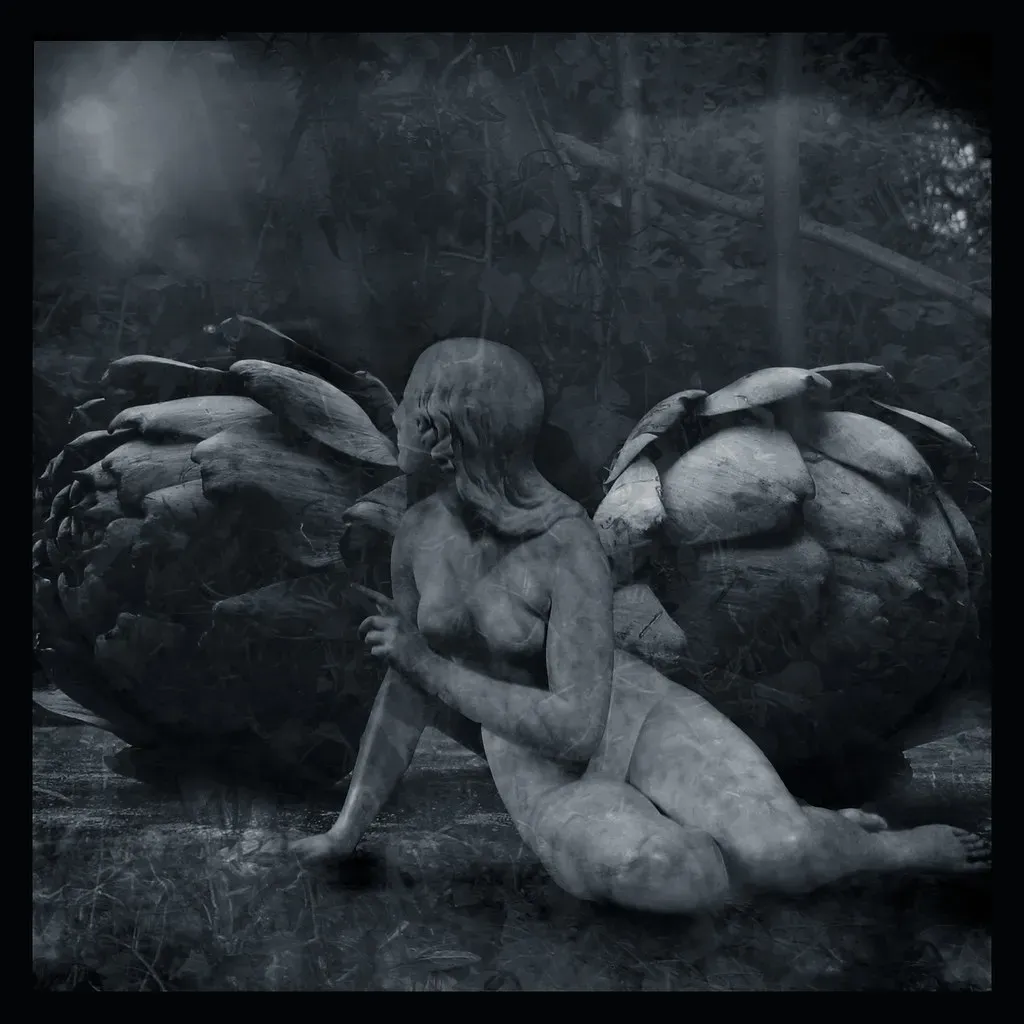
One underrated reason the Nephilim keep resurfacing is psychological: they give shape to our anxieties about power, difference, and what it means to be human. Stories about huge, terrifying beings that tower over ordinary people become a natural metaphor for any force that feels overwhelming – empires, corrupt elites, war machines, even technology that seems to outgrow our control. When ancient spies say they feel like insects in comparison to the Nephilim, it sounds uncomfortably close to how people today sometimes talk about faceless systems or massive institutions that make them feel tiny and disposable. The symbolism still works, even if you strip away the literal giant imagery.
There is also something revealing in how different groups project their fears or hopes onto the Nephilim. For some, they represent a dark, forbidden past that justifies strict boundaries and moral rules in the present. For others, they become evidence that our ancestors knew things we have forgotten, feeding a sense that official narratives are hiding something. And for many regular readers who are just curious, the Nephilim are a safe place to explore the edges of belief: you can entertain wild possibilities, ask what-if questions, and test how far your worldview stretches – all from the distance of an obscure, ancient word that no one can fully pin down.
Pop Culture, Internet Myth, and the Nephilim Revival
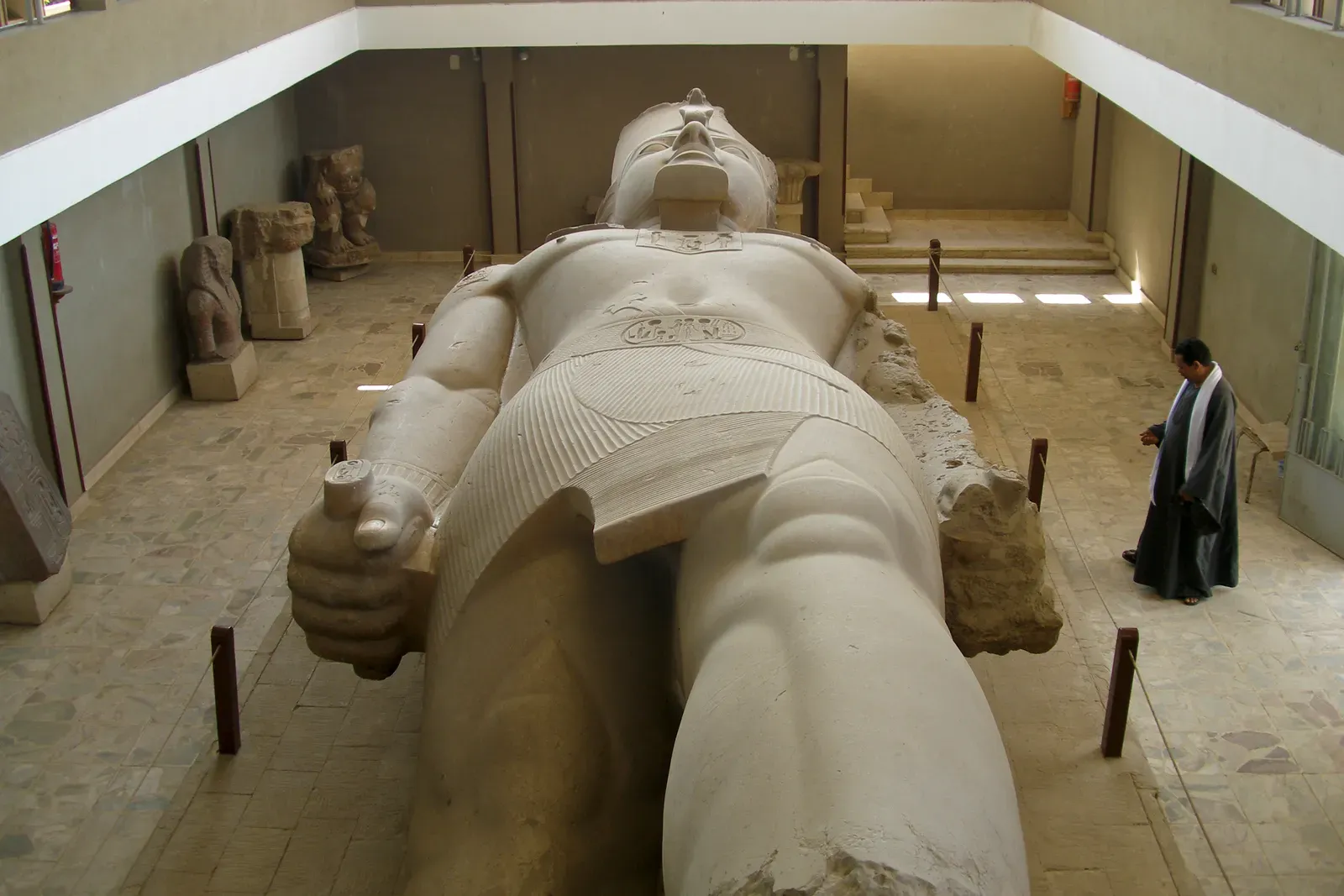
If the Nephilim had stayed buried in dense theological commentaries, they would probably interest only a small circle of specialists. But the last few decades have brought a massive revival of Nephilim talk through novels, comics, video games, movies, and endless online content. In these retellings, the Nephilim might be tragic antiheroes, terrifying villains, or misunderstood outsiders struggling with their hybrid identity. They often show up as secret bloodlines, ancient warrior castes, or the hidden truth behind legendary figures from history. This creative re-imagining breathes new life into the old term, even when it drifts far from anything in the original text.
The internet supercharges this effect by letting people instantly share theories, artwork, and carefully edited “documentaries” that blend facts, speculation, and outright invention. I still remember stumbling across a video that confidently linked the Nephilim to everything from megalithic sites to modern genetic experiments, all set to ominous music and dramatic visuals. Did the evidence really hold up? Not really. But the story was compelling enough that I watched to the end, and that is the point. The Nephilim survive in the digital age because they are perfect content fuel: mysterious enough to keep you clicking, flexible enough to fit almost any narrative, and just biblical enough to feel like they might matter more than a random fantasy creature.
So Who Were the Nephilim Really, and Why Do They Still Matter?
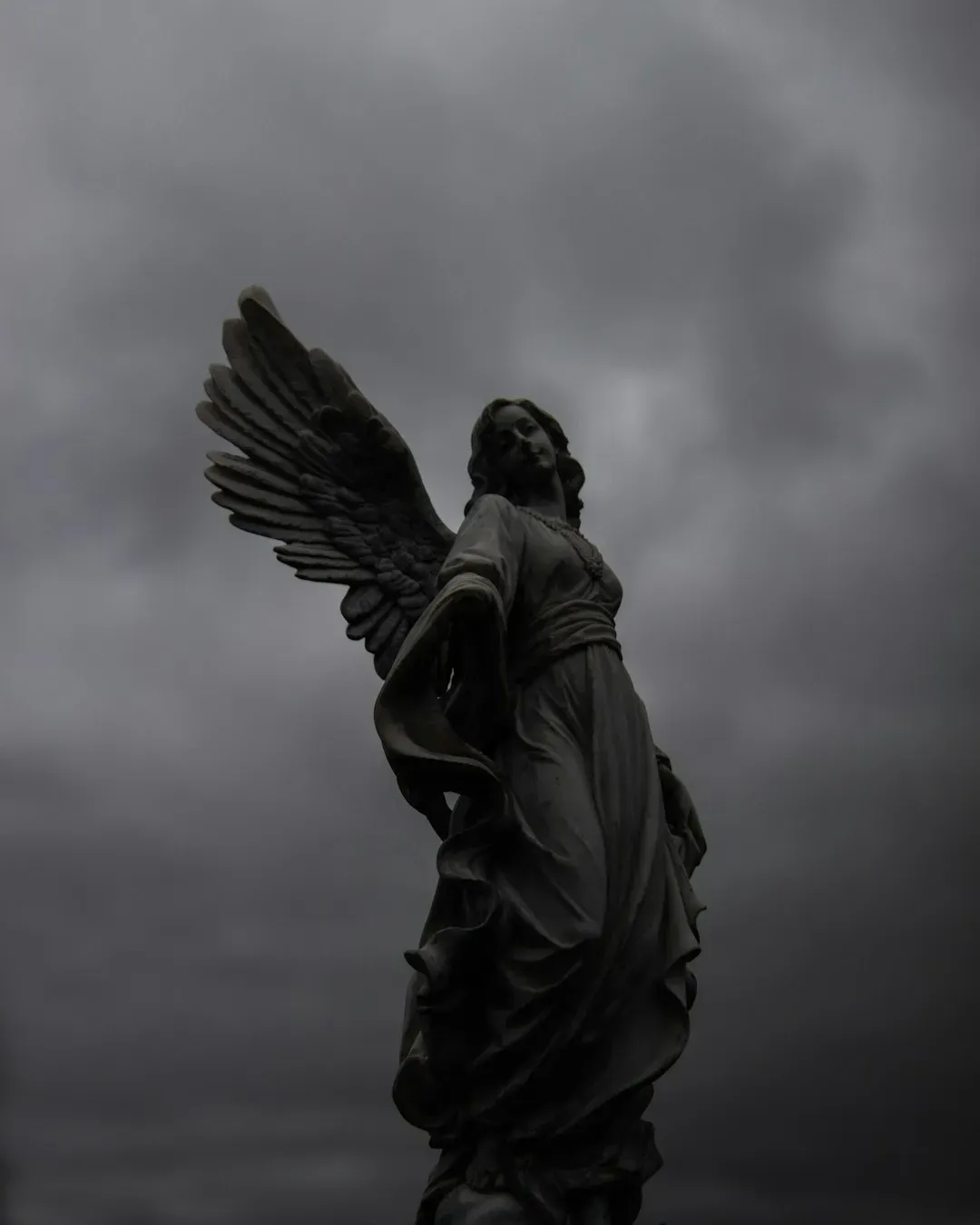
When you strip everything back to what we can actually support from ancient texts and serious scholarship, the Nephilim remain frustratingly elusive. They were, at minimum, a group associated with unusual power and violence in Israel’s memory – figures wrapped in the language of might, renown, and fear. Later writers built on that hint, turning them into the offspring of rebellious heavenly beings and humans, or into legendary giants whose corruption justified divine judgment. That does not give us a neat biography, and it certainly does not prove the existence of a vanished race of super-beings, but it does show how one cryptic term can sit at the crossroads of myth, theology, and cultural memory.
In my view, that ambiguity is exactly why the Nephilim still fascinate people today. They are a mirror for our obsessions: power that goes too far, boundaries crossed, hidden knowledge, and the uneasy feeling that our official stories might be missing something. The honest answer is that we do not fully know who the Nephilim were in historical terms, and we probably never will. But the way different generations keep rewriting them tells us a lot about ourselves – about what scares us, what excites us, and how badly we want the universe to be stranger than it looks on the surface. Maybe the real question is not whether the Nephilim walked the earth, but why we keep inviting them to walk through our imaginations. Did you expect a few mysterious lines from an ancient text to cast such a long shadow into our world today?