
If you have ever taken a personality quiz and thought, “That’s not me at all,” there is a good chance the quiz was measuring your tastes instead of your instincts. Liking quiet coffee shops does not mean you are naturally cautious; enjoying horror movies does not automatically make you fearless. Our preferences are often shaped by trends, aesthetics, and social pressure, while our instincts are those deep, sometimes inconvenient truths about how we react under stress, change, and uncertainty.
That is where extinct megafauna come in as surprisingly sharp mirrors. These oversized, long-gone animals lived in harsh, shifting environments where survival hinged on instinct, not vibes. Matching your personality to a mammoth or a terror bird is not about which creature looks cooler on a T‑shirt, but about which survival style secretly feels familiar. As you read through these ancient giants, notice which one quietly makes you think, “Oh… that is uncomfortably like me.” That quiet flinch usually reveals more than any favorite color or music genre ever will.
Woolly Mammoth – The Loyal Guardian Who Carries Everyone Else’s Weight
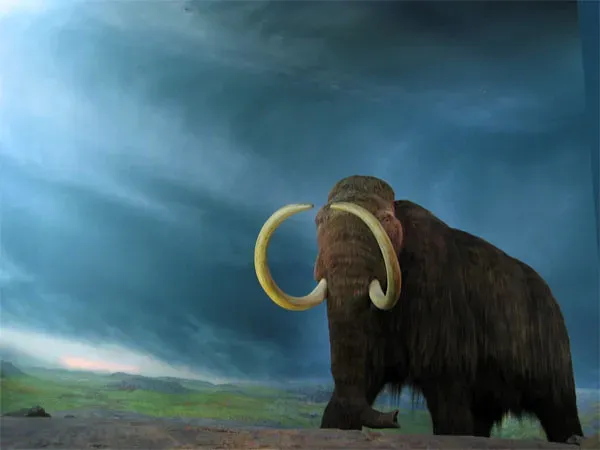
The woolly mammoth roamed the icy steppes in tightly knit herds, relying on social bonds and long memories to survive brutal winters. If you resonate with the mammoth, you are probably that person who keeps mental lists of what everyone needs, who remembers old slights, and who still shows up anyway. Your instinct is to protect first, question later, which makes you incredibly dependable but sometimes emotionally exhausted. Like mammoths trudging through snowdrifts together, you stick with your people even when the conditions are miserable and progress is painfully slow.
Instinctively, mammoth types see life as a long game: food must be stored, routes must be remembered, and storms must be anticipated. You might come across as stubborn or resistant to sudden change, but underneath that is a realistic sense of how hard it is to rebuild once something precious is lost. You probably hate being rushed into decisions and you instinctively check, “Will this still be good for us in ten years?” If you got the mammoth, it suggests you are driven more by loyalty and responsibility than by novelty or aesthetics, even if you sometimes wish you could be the carefree one for once.
Saber-Toothed Cat – The Ambitious Strategist Who Waits for the Perfect Moment
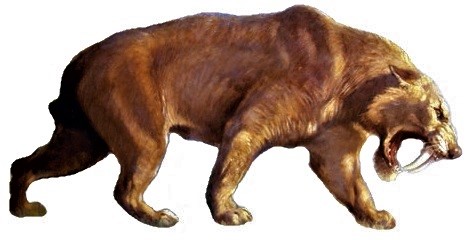
Saber-toothed cats were not built for marathon chases; they were ambush predators, relying on patience, positioning, and explosive bursts of action. If this is your match, your instinct is to wait, watch, and then strike when the odds finally tip in your favor. You probably hate wasting effort, dislike busywork, and quietly map out scenarios in your head before committing. People might call you intense, but what they are really sensing is the way you conserve energy until it truly counts.
On the surface, a saber-toothed type might look laid back, even slightly detached, but that is only because your internal radar is always scanning for the right opening. You can appear picky about projects, jobs, or relationships because you instinctively avoid situations that will demand constant low‑grade effort with little payoff. When you do move, you do it with decisive conviction, which can intimidate others. Getting this megafauna suggests your core driver is not attention or approval, but mastery and timing; you would rather be underestimated until the moment the outcome is already in your favor.
Giant Ground Sloth (Megatherium) – The Calm Stabilizer Who Refuses to Be Rushed
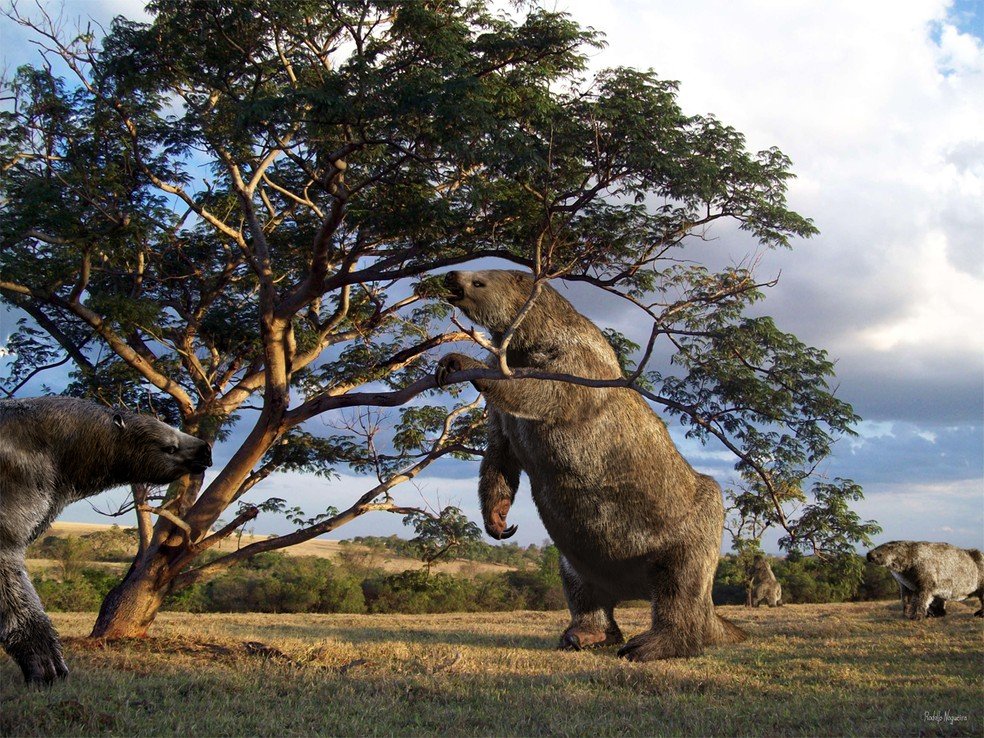
Giant ground sloths were enormous, slow-moving herbivores that shaped their ecosystems simply by existing at their own pace. If you match with Megatherium, your instinct is to resist urgency and protect your inner calm, even when the world demands constant acceleration. You are the one who quietly questions whether every crisis is truly urgent or just badly planned. People may misread your slow, deliberate approach as laziness, but in reality you are conserving energy and refusing to spin out over what does not truly matter.
Ground sloth personalities instinctively prioritize stability over excitement, depth over speed, and long‑term sustainability over quick wins. You are good at standing your ground when others might panic, and you often become the emotional anchor in stressful situations. The downside is that you can delay tough decisions until circumstances force your hand, just as these giants were slow to respond to rapidly changing climates and new predators. If this is your animal, it suggests that underneath any trendy interests, your real operating system values peace, predictability, and the freedom to move on your own timeline.
Glyptodon – The Quiet Empath Who Built Emotional Armor to Survive
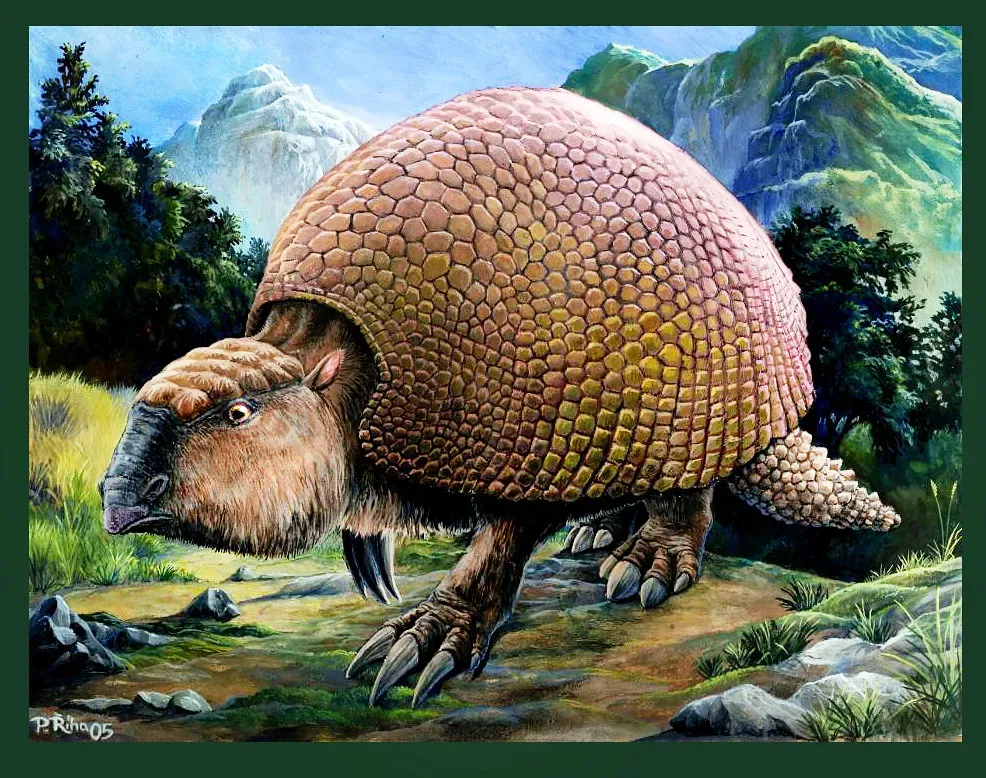
Glyptodons were massive, armadillo-like creatures wrapped in solid armor, with vulnerable soft bodies underneath. If you feel oddly seen by this animal, your instinct is probably to protect a very sensitive interior behind a practiced shell. You may use humor, sarcasm, or a very controlled persona as a way to keep people from getting too close, too fast. On the outside, you seem unbothered by criticism or chaos, but inside you feel things deeply and remember emotional wounds for a long time.
At your core, you are not indifferent; you are cautious. Glyptodon types often prefer a small circle of trusted people instead of constant social exposure. You might tolerate a lot quietly until something finally crosses a line, and then your defenses snap firmly into place. Getting this megafauna suggests that your driving instinct is self‑protection, not aloofness. You do not avoid connection because you do not care; you avoid it because you know exactly how much it can hurt when it goes wrong.
Megalodon – The Relentless Operator Who Dominates Their Niche
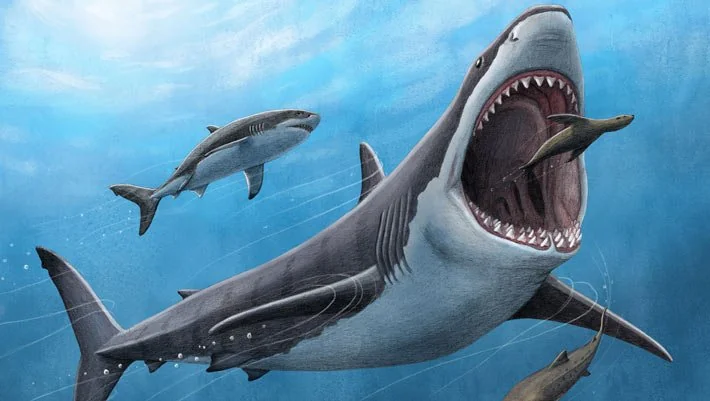
Megalodon, the colossal prehistoric shark, ruled the oceans by targeting large prey and roaming across vast territories. If this is your match, your instincts lean toward scale, not smallness. You do not just want a project; you want a domain. You are drawn to big moves, big stakes, and environments where decisive action actually changes outcomes. Even when you are quiet, your presence tends to fill the room because people can sense that you are thinking in terms of leverage and long‑range impact.
Megalodon personalities instinctively scan for inefficiencies, weak competitors, or unclaimed opportunities and then move in with unapologetic focus. You are not necessarily loud or aggressive in style, but you are persistent and you do not scare easily. The shadow side is that you can underestimate smaller risks or details, assuming you can always power through. If you landed on megalodon, it says your true drive is not to be liked, but to be effective; you would rather be respected and slightly feared than harmless and forgettable.
Irish Elk (Giant Deer) – The Showstopper Who Lives for Signal and Story
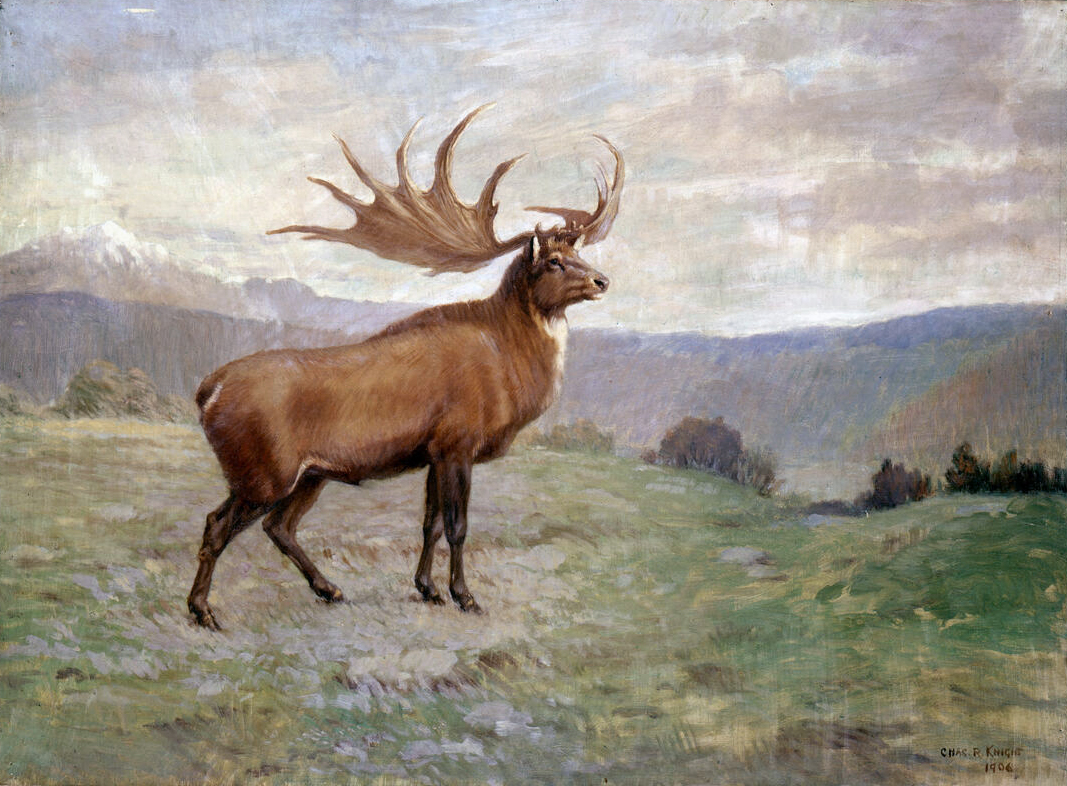
The Irish elk was famous for its enormous antlers, which could span wider than many people are tall, likely used for display and competition rather than simple survival. If this is your animal, your instinct is to communicate through presence, aesthetics, and symbolism. You understand, often unconsciously, that how something looks or feels can change how seriously it is taken. You are drawn to personal branding, visual detail, or at least some form of expressive flair, even if the rest of your life seems low‑key.
This does not mean you are shallow; in fact, you probably care deeply about meaning and legacy. Irish elk types use appearance and performance as a language, whether that is through style, storytelling, or the way they design their spaces and projects. You instinctively sense that humans, like ancient rivals in a clearing, make snap judgments based on visible cues. If you match with this megafauna, it suggests that under any claims of not caring what people think, you are powerfully wired to influence how they see you and what story your life tells from the outside.
Short-Faced Bear – The Risk-Taker Who Pushes Into Unclaimed Territory
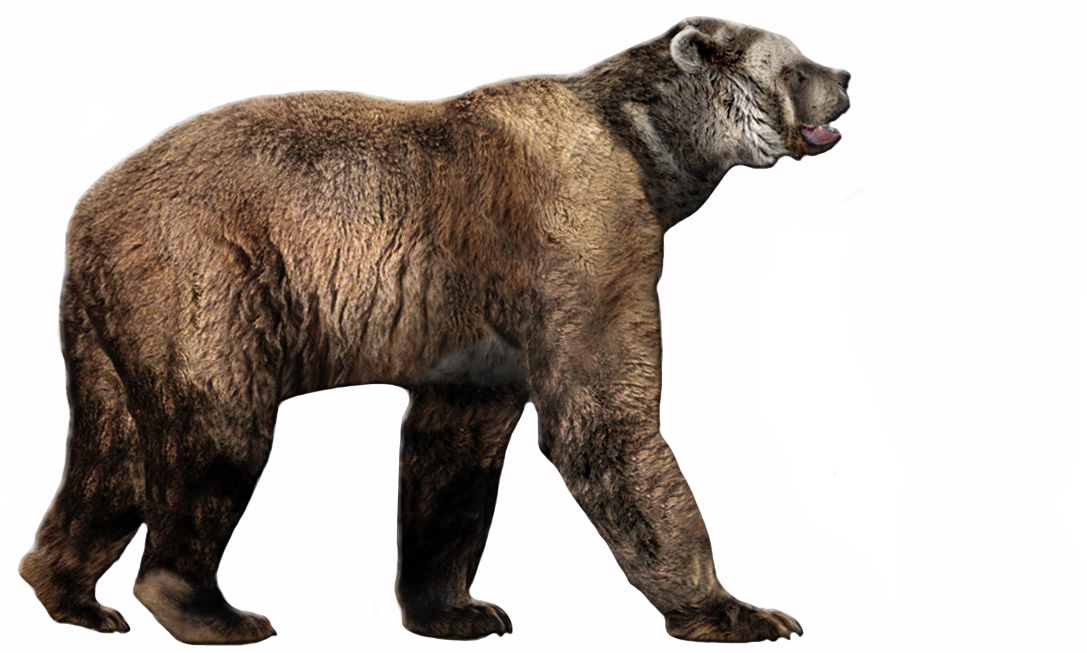
The short-faced bear was one of the largest terrestrial mammalian carnivores known, likely capable of covering long distances in search of food. If you connect with this animal, your instincts lean toward range and risk. You are probably the one willing to move cities, change careers, or start from scratch if it means access to something better. The unknown energizes you more than it scares you, and staying too long in one place or role can feel suffocating.
Short-faced bear types naturally test boundaries: how far can this idea go, how much can this system stretch, how big can this next step be? You are often ahead of social consensus, trying out lifestyles or choices others call reckless until they eventually become normal. The downside is that you can underestimate the emotional cost of constant change on yourself and the people around you. If this is your match, it reveals that your core instinct is expansion, not comfort; you would rather risk overreaching than live with the feeling that you never tried.
Giant Moa – The Gentle Outsider Who Thrives Off the Beaten Path
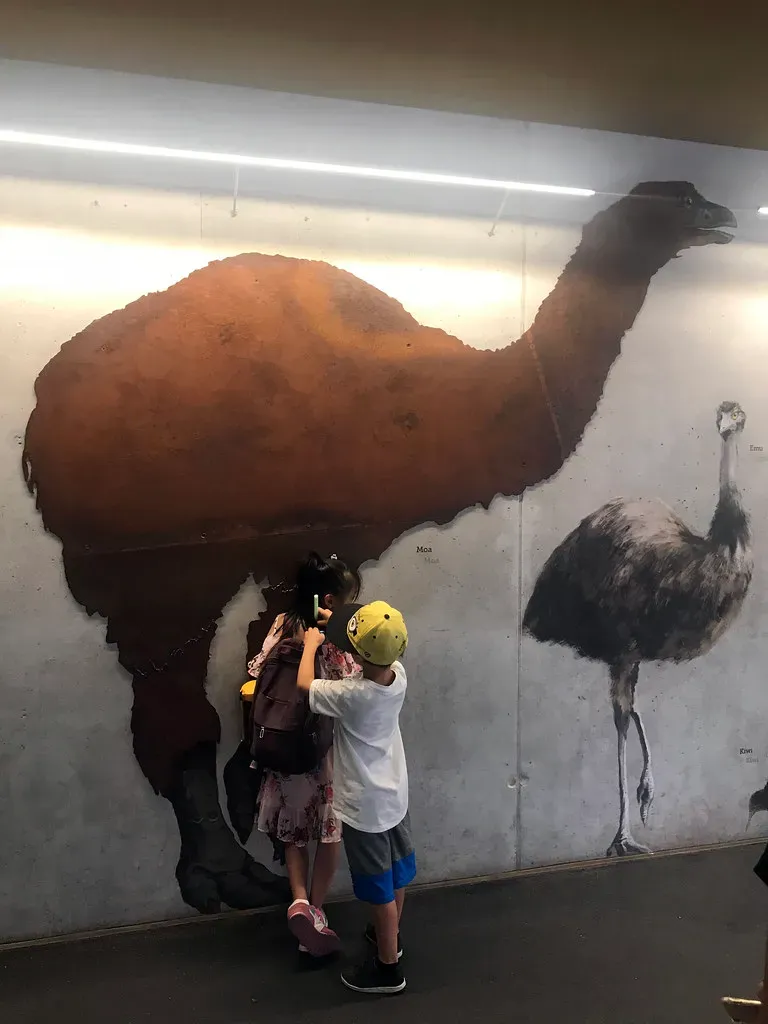
Giant moas were large, flightless birds from New Zealand that evolved without mammalian predators for a long time, shaping their behavior and ecology in a relatively isolated world. If this is your fit, your instinct is to build a life slightly off the mainstream path, where expectations are quieter and you can grow in your own strange direction. You may seem unconventional in your career, relationships, or hobbies, not because you crave shock value, but because the standard template has always felt subtly wrong on your skin.
Moa personalities often prefer depth over popularity and tend to create niche ecosystems around themselves: close‑knit communities, unique routines, or personal rituals that feel right even if no one else quite gets them. You might be underestimated by people who only value obvious markers of success, while the ones who really see you recognize a solid, grounded presence. Matching with the moa suggests your instincts are about adaptation to your own environment, not conquest of everyone else’s. You do not need to fly if you can build a world where walking is more than enough.
Diprotodon – The Steady Provider Who Thinks in Terms of Resources
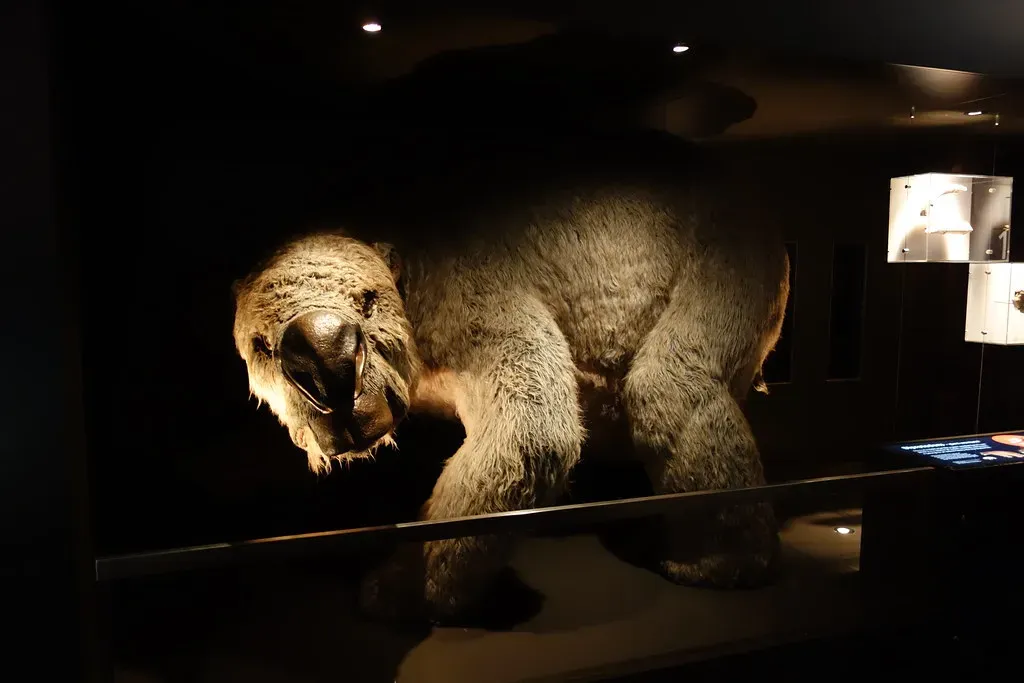
Diprotodon, often described as a giant wombat-like marsupial, lived across ancient Australia, browsing on vegetation and moving through landscapes shaped by water and plant availability. If this is your animal, your instincts are quietly practical. You think in terms of supplies, logistics, and whether a situation is actually resourced enough to work. You may not always be flashy or loud, but you are constantly mentally checking: Do we have enough time, money, energy, or support to pull this off?
Diprotodon personalities are natural planners and providers, even if they do not label themselves that way. You might be the friend who brings snacks, the colleague who notices when a deadline is impossible, or the partner who is always tracking bills and schedules. You are not necessarily anxious; you are realistic about limits. If this megafauna fits you, it suggests your core instinct is to secure the basics, because you know that dreams without resources are just stress in disguise. You would rather build slowly on solid ground than gamble on an impressive but hollow plan.
American Mastodon – The Boundary-Keeper Who Trusts Their Own Judgment
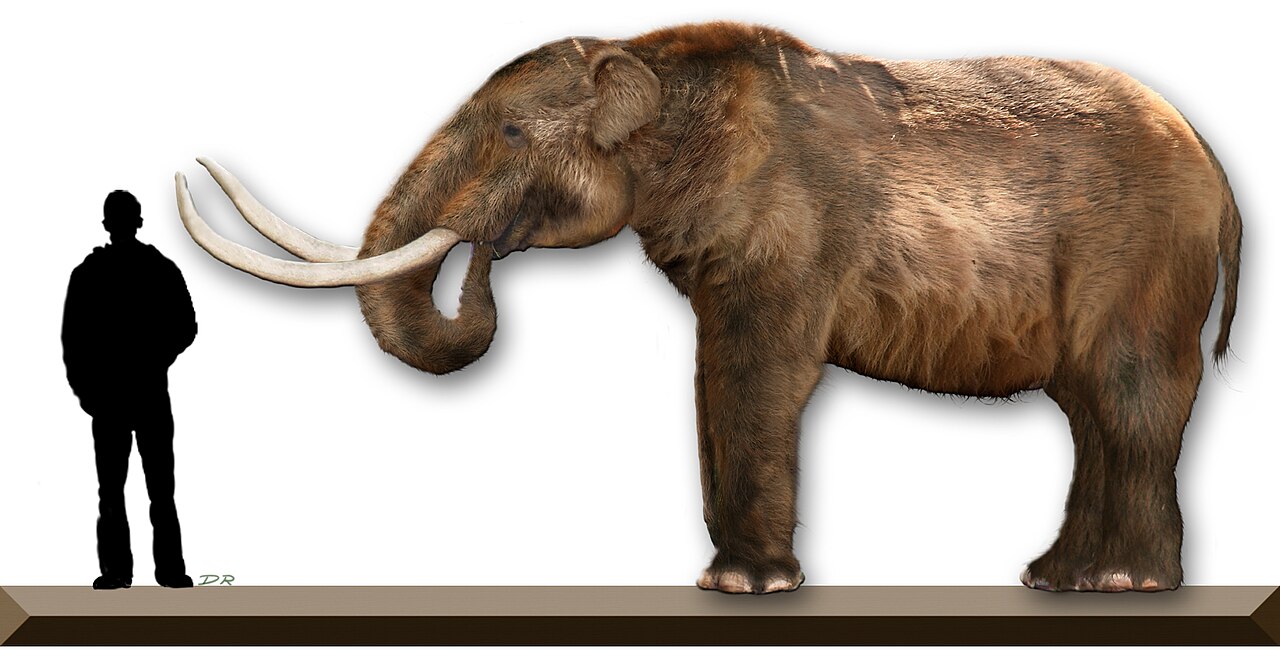
Mastodons, though similar to mammoths at a glance, had different diets, habitats, and behaviors, browsing more in forests and woodlands. If you are a mastodon type, your instincts lean toward carving out your own path even if it looks similar to what everyone else is doing. You might choose the same milestones as your peers – job, home, family – but the way you approach them feels distinctly yours. You listen to advice, but ultimately you trust your own read of a situation over external noise.
Mastodon personalities are grounded and often underestimated because they seem conventional at first glance. Underneath, you have clear internal boundaries about what you will and will not tolerate, and you are surprisingly willing to walk away from things that violate those lines. Matching with this megafauna suggests your true driver is integrity, not rebellion or conformity. You do not make choices to stand out or to blend in; you make them because they feel right in your bones, even if that quietly puts you at odds with the crowd.
Terror Bird (Phorusrhacos and Kin) – The Bold Communicator Who Leads With Presence
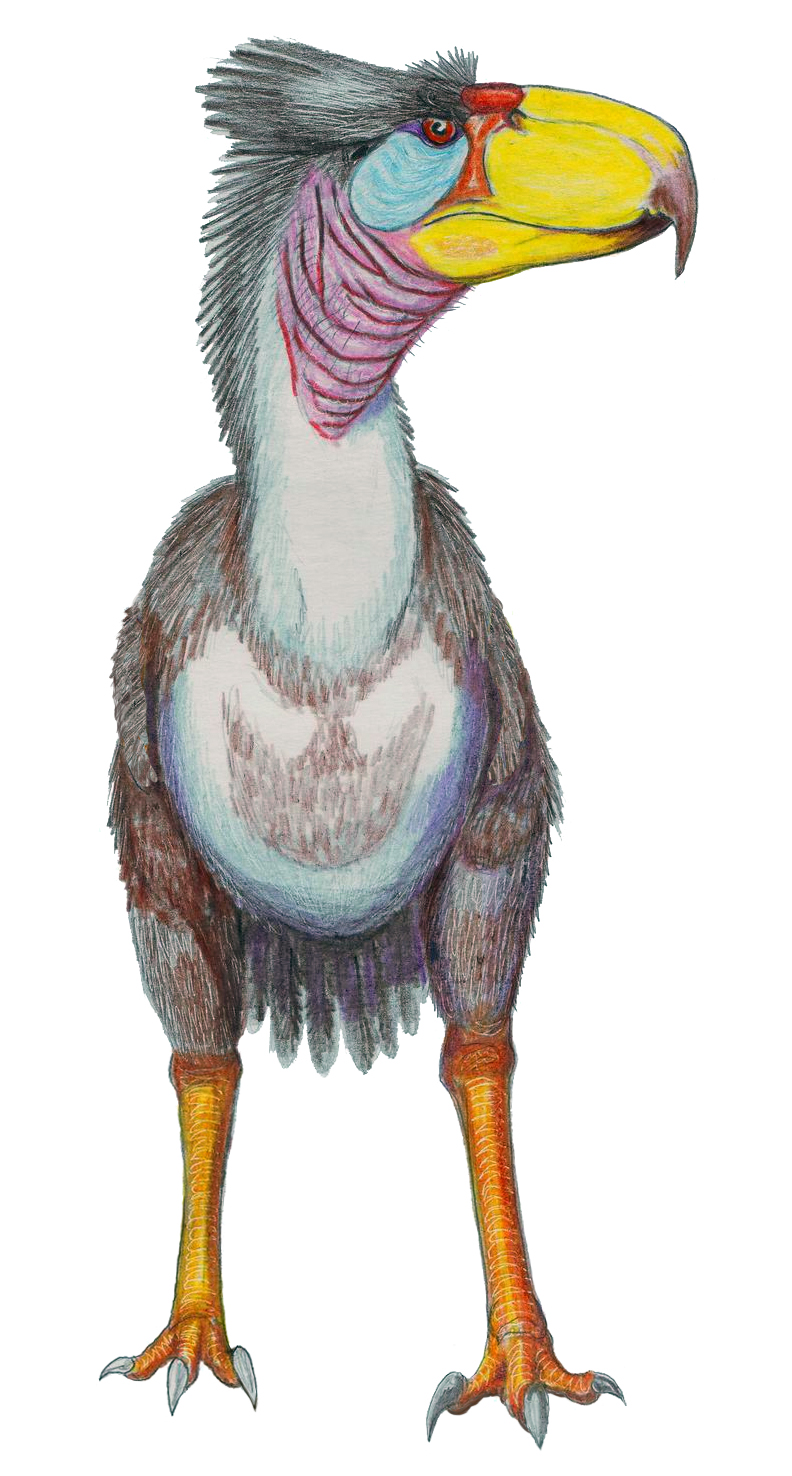
Terror birds were large, flightless predatory birds with powerful beaks and long legs, likely relying on speed, intimidation, and clear focus to hunt. If this is your personality match, your instincts lean toward directness and visible leadership. You probably do not shy away from confrontation when something important is at stake, and you have a knack for saying the thing everyone else is circling around. Even when you try to hang back, people notice you and often look to you during moments of confusion or conflict.
Terror bird types make their impact through voice, posture, and decisive choices. You are often the one willing to deliver hard truths or push a stalled situation forward, which can make you polarizing. Some people will find you inspiring; others might find you intimidating. If you got this megafauna, it suggests your core instinct is expression rather than subtle influence. You are wired to cut through noise and make things clear, even if that clarity sometimes comes at the cost of comfort.
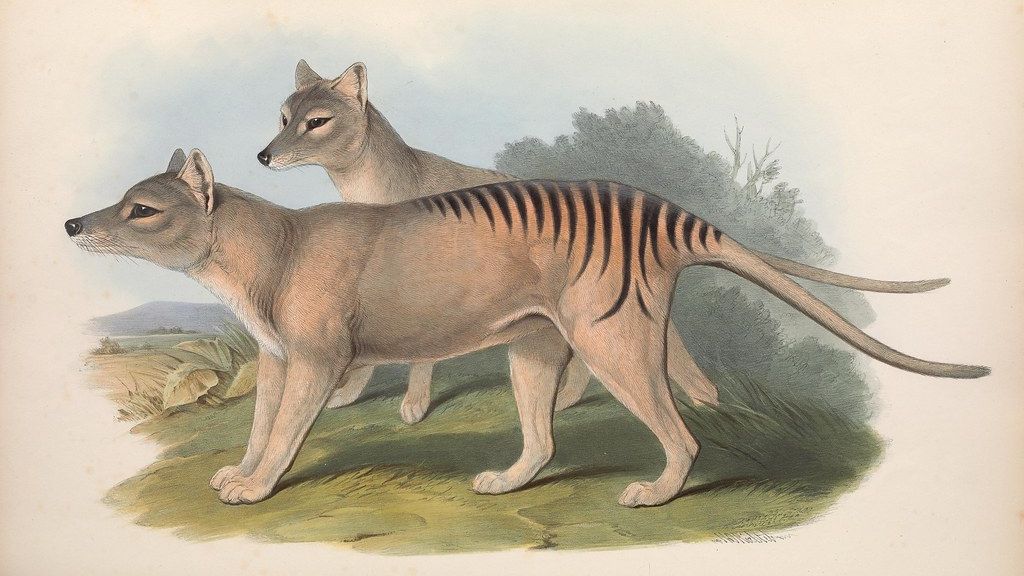
Thylacine – The Quiet Observer Who Lives Between Worlds
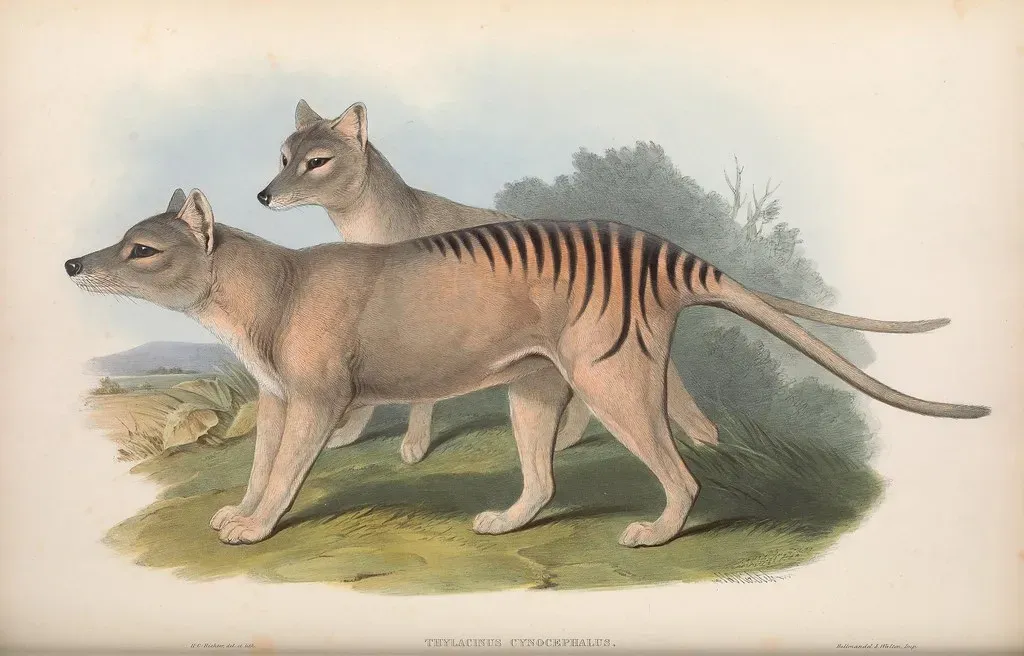
The thylacine, or so‑called Tasmanian tiger, survived into the twentieth century but is now considered extinct, remembered as a shy, elusive carnivore that struggled alongside changing ecosystems and human pressure. If you match with the thylacine, your instincts are probably tuned to liminal spaces: you are good at existing between groups, identities, or roles without fully belonging to any of them. You notice patterns others miss, partly because you are often watching from the edges rather than standing in the spotlight.
Thylacine personalities can blend into many environments without feeling entirely at home in any, which can be both a strength and a quiet ache. You are adaptive, observant, and often more sensitive to subtle shifts in mood, culture, or power than the people around you. Getting this animal suggests your core instinct is not dominance or safety, but understanding. You survive by reading the room accurately and adjusting, even when that means carrying a private sense of distance. Your preferences might look eclectic or inconsistent, but underneath them is a deep, steady drive to make sense of complex worlds.
Conclusion: Your Extinct Twin Is Really a Map of Your Survival Code
It is tempting to treat a megafauna match like a fun label, something to drop into conversation or post online for a quick laugh. But when you look closer, each of these creatures embodies a specific survival strategy: guard the herd, strike with precision, conserve energy, build armor, dominate a niche, signal through spectacle, push into new territory, step off the main path, secure resources, hold your boundaries, lead with presence, or observe from the edges. Those instincts show up in how you pick partners, jobs, cities, and even arguments. They explain why you burn out in some environments and quietly thrive in others, regardless of what you say you prefer on paper.
My own opinion is that your “extinct twin” is less about spirit animals and more about finally admitting how you actually move through the world when there is no script to follow. You might like the idea of being a sleek, daring predator but live, instinctively, like a grounded diprotodon planning for the long haul – or the other way around. The tension between who you think you should be and the animal you actually are is where most of your life friction lives. The real question is not which megafauna you got, but whether you are willing to organize your life around the instincts it reveals instead of the preferences you perform. So now that you have met your ancient counterpart, are you ready to live a little more like the creature you really are?