
Imagine standing on a boat at night, staring down at a black ocean that seems to have no bottom. You know there’s an entire universe of creatures moving beneath the surface, but you cannot see them. That feeling – the mix of curiosity, awe and quiet dread – is very close to how most of us experience fear: we sense it lurking below our everyday thoughts, shaping our choices in ways we do not fully understand.
Astrology and deep-sea biology might sound like a strange pairing, but they share a surprisingly useful metaphor. The zodiac gives language to different emotional styles, while deep-sea creatures are living examples of how life adapts to pressure, darkness and the unknown. Pairing each zodiac sign with a deep-sea organism is not about literal science; it is about using real, fascinating animals to explore how you handle fear: do you armor up, glow in the dark, disappear or charge ahead?
Aries – The Deep-Sea Shark: Fear as Fuel for Action
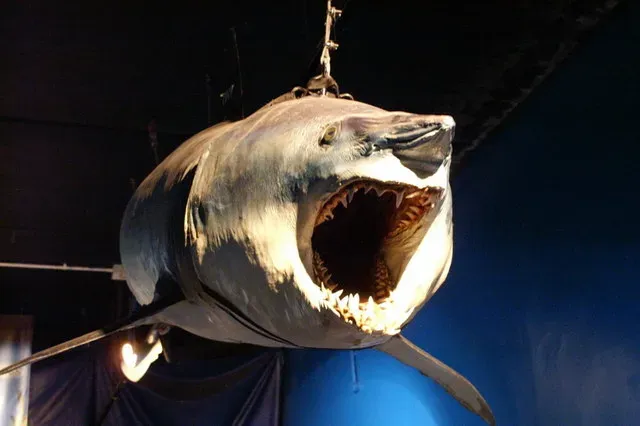
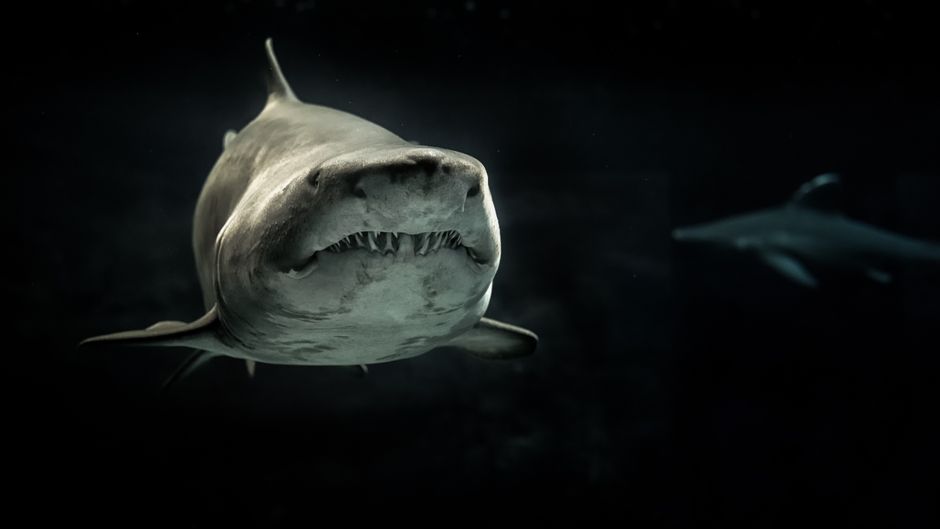
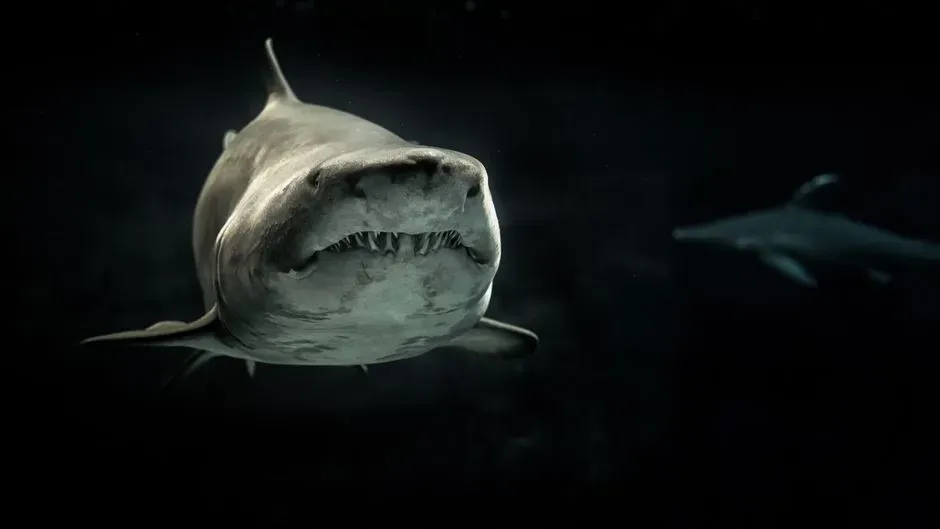
Picture a deep-sea shark cutting through black water with calm, relentless focus. It is not the chaotic movie monster people imagine; it is a patient, highly adapted predator that keeps moving even in freezing darkness. Aries processes fear in a similar way: when threatened, your instinct is to move, to act, to confront the problem head-on rather than sit with lingering anxiety. Fear for you is like a current you lean into, not something you float helplessly within.
Deep-sea sharks survive immense pressure and scarce resources by being efficient and decisive, and that mirrors your own response when life feels like it is closing in. While others freeze, you often feel a burst of adrenaline that pushes you to make the first call, take the first step, or start the confrontation no one else wants. Your biggest lesson is learning to distinguish between real danger and imagined slight; otherwise, you risk attacking shadows in the dark instead of what truly matters.
Taurus – The Dumbo Octopus: Gentle Surface, Hidden Resilience
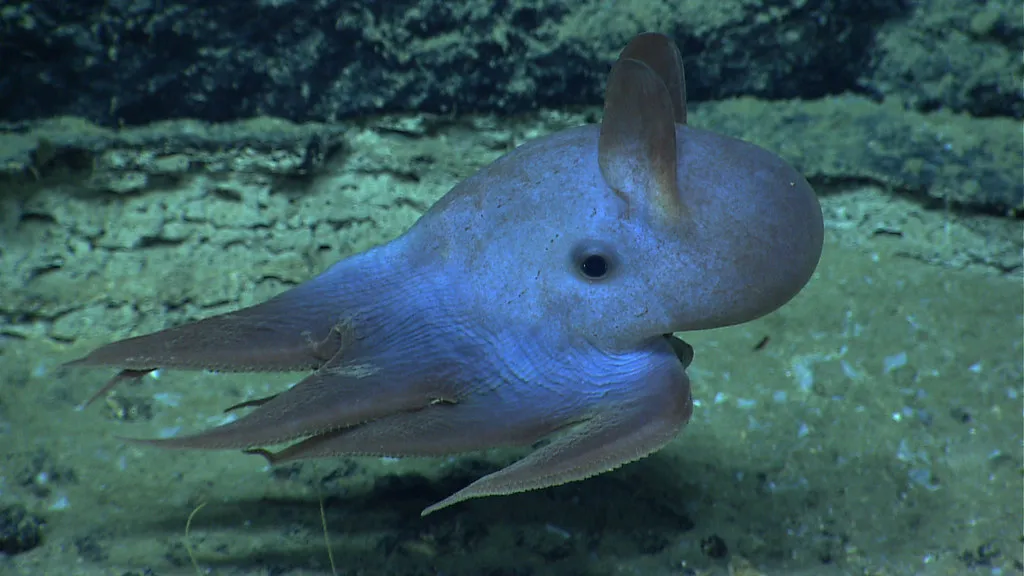
The dumbo octopus looks almost cartoonishly soft, with ear-like fins and a drifting, peaceful way of swimming through the deep. It has no hard shell, yet it survives in crushing depths thanks to flexible, adaptable tissue and a low-energy lifestyle that avoids unnecessary risk. Taurus processes fear in much the same way: you dislike chaos and sudden disruption, so you lean into calm routines, comfort and steady, grounded choices when life feels uncertain.
Like the dumbo octopus gliding rather than fighting the current, you are more likely to manage fear by slowing down than speeding up. You instinctively seek stability – a safe home, reliable people, financial security – and when your foundations are threatened, it can feel like the ocean floor is giving way. Your hidden strength lies in quiet endurance: you may not shout the loudest, but you can outlast turmoil with astonishing patience, as long as you remember that softness is not weakness, it is a survival strategy.
Gemini – The Deep-Sea Lanternfish: Fear Illuminated by Curiosity
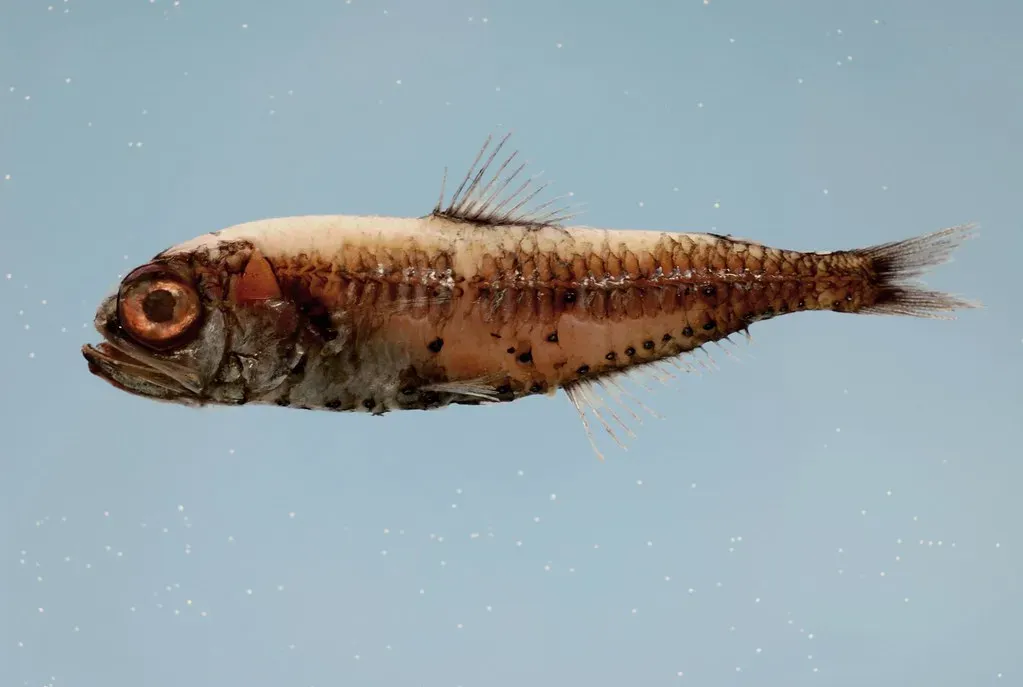
Lanternfish are small, but they shape entire deep-sea ecosystems. They carry rows of bioluminescent organs along their bodies, creating tiny points of light in otherwise total darkness. Gemini processes fear in a similarly bright and restless way: when you feel afraid, your mind starts sparking with questions, stories, jokes and ideas, trying to “light up” the unknown so it feels less threatening. You rarely sit quietly in fear; you talk, think and analyze your way around it.
Just as lanternfish rise closer to the surface at night in massive, coordinated migrations, you have a way of surfacing from emotional depth through communication and social connection. Fear often pushes you to gather information, text three friends, research every angle and turn your anxiety into mental movement. Your challenge is not letting your mental light show become pure distraction; if you can bear to sit with discomfort for a moment, your curiosity can lead you to surprisingly wise solutions instead of endless mental noise.
Cancer – The Deep-Sea Crab: Armoring the Softest Parts
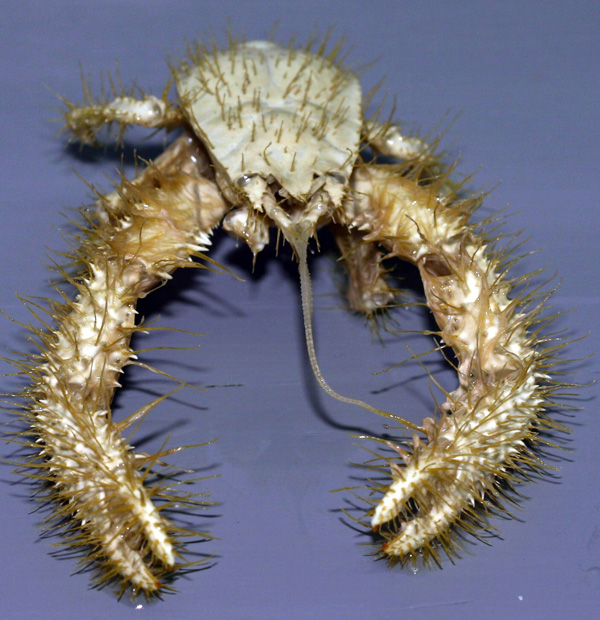
Deep-sea crabs shuffle across the ocean floor with tough exoskeletons, claws ready, but underneath that armor they are made of the same vulnerable tissues as any soft-bodied creature. Cancer processes fear by building emotional shells just like that: when you feel threatened, you withdraw into protective habits, close circles of trust and sometimes private moods no one else fully understands. The outer you can seem guarded or even prickly, but the inner you is deeply sensitive to rejection and loss.
Many deep-sea crabs gather around hydrothermal vents, relying on strange, unstable ecosystems that could shift at any time, yet they still find ways to feed and grow. Similarly, you often navigate emotional environments that feel unpredictable – family dynamics, close relationships, old wounds – but you stay loyal and nurturing even when the ground shakes. Your fear response is to protect, cling and care more intensely, and learning when to open your shell instead of reinforcing it is the difference between feeling safe and feeling trapped inside your own defenses.
Leo – The Bioluminescent Jellyfish: Glowing Bravely in the Dark
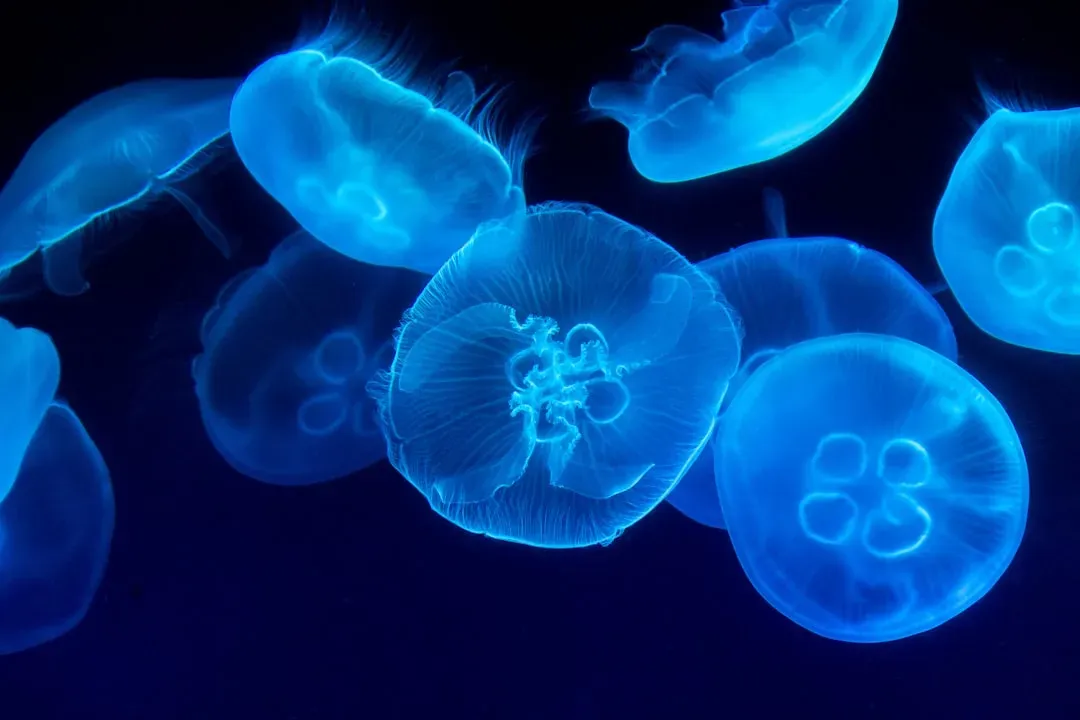
Some deep-sea jellyfish look like floating chandeliers, trailing glowing tentacles that create a show of light in places where the sun never reaches. Leo processes fear by shining even brighter when things get dark, using humor, charisma, creativity and presence to push back against the feeling of being small and powerless. You may feel fear deeply, but your instinct is often to perform through it, to become larger than the problem by amplifying your light.
These jellyfish are delicate yet resilient, drifting with currents but armed with stinging cells and surprising survival tricks. Likewise, you sometimes worry that if your glow fades – if you are not impressive, inspiring or adored – you will be forgotten or unprotected. So when fear hits, you double down on passion and expression, sometimes overcompensating. Your growth lies in realizing that your worth does not depend on constant radiance; even in quiet moments, you are still that luminous creature, and not every challenge needs a full light show to prove you are brave.
Virgo – The Deep-Sea Brittle Star: Precision Under Pressure
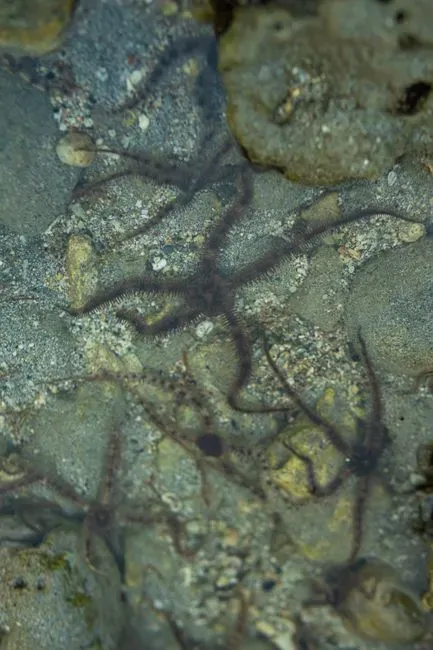
Brittle stars look like delicate starfish with long, thin arms that move with surprising speed and coordination along the seafloor. They thrive in harsh environments by being meticulous: carefully sensing vibrations, sorting food particles and coordinating complex movements in the dark. Virgo processes fear in a similarly detail-focused way, turning anxiety into analysis, plans and small, manageable tasks. When life feels overwhelming, you instinctively go granular, hunting for flaws, patterns and practical solutions.
In the deep sea, brittle stars can quickly drop an arm to escape danger and later regenerate it, a harsh but effective survival strategy. You do something similar with parts of your life under stress: you may cut off habits, people or projects that feel unsafe or inefficient, focusing on what you can control. The risk is that fear can push you into endless self-critique, as if perfection were the only safe place. When you remember that the ocean is never fully tidy and that “good enough” can still be deeply resilient, your careful nature becomes a genuine gift instead of a cage.
Libra – The Deep-Sea Comb Jelly: Balancing Light and Shadow
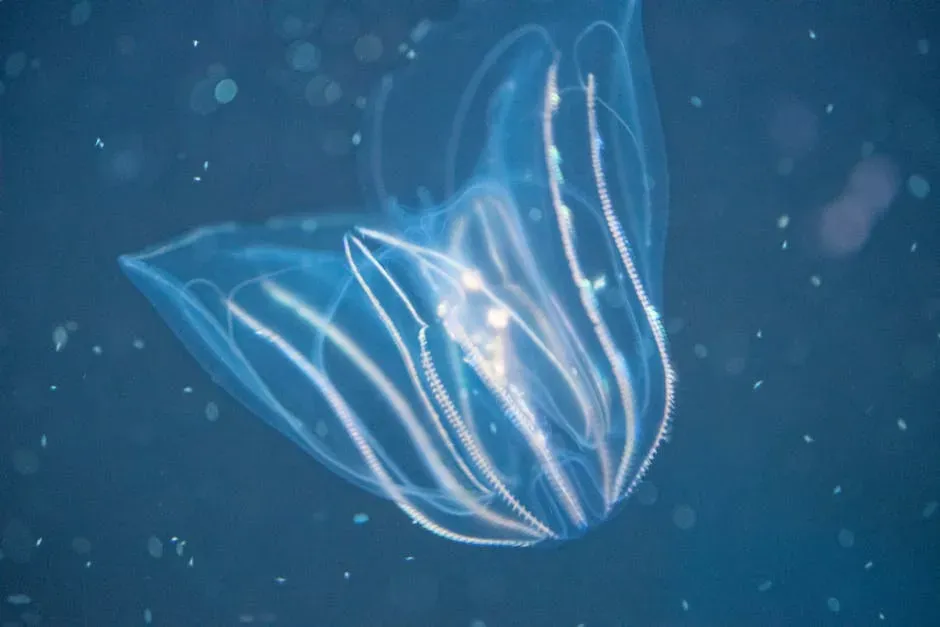
Comb jellies are not true jellyfish, but they look even more otherworldly: their bodies refract light into shimmering rainbow lines as tiny cilia beat along their surface. In the deep ocean, this creates a soft, shifting glow, like a living prism drifting through blackness. Libra processes fear by searching for beauty, balance and harmony even when things feel terrifyingly off. You are often the one trying to smooth conflicts, mediate tension and restore a sense of fairness when fear pushes people into extremes.
Comb jellies move gracefully, but they are also predators, quietly capturing prey with sticky cells instead of stinging. In a similar way, your fear response is subtle but powerful: you might avoid open confrontation, yet you carefully shape conversations, relationships and environments to reduce threat. The danger is that in trying to keep the peace, you may ignore your own rising anxiety or downplay real problems. When you allow yourself to acknowledge fear directly, without rushing to make it pretty or balanced, your natural diplomacy becomes far more authentic and effective.
Scorpio – The Vampire Squid: Intensity in the Absolute Dark
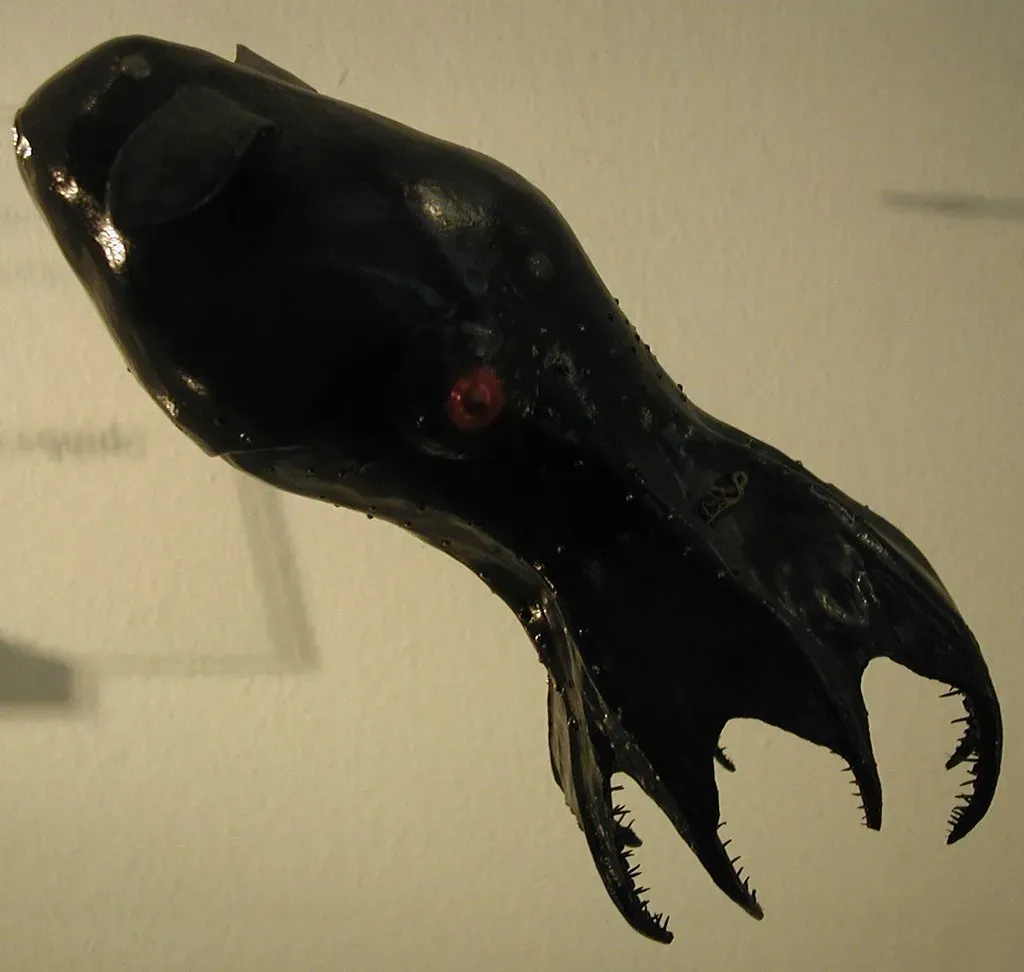
The vampire squid, despite its dramatic name, is a small, mysterious animal adapted to some of the darkest, lowest-oxygen depths of the ocean. It has webbed arms that form a cloak-like shape and glowing blue eyes that stand out against the blackness. Scorpio processes fear in that same deep, intense realm: you feel things at a depth many others never touch, and you often confront emotional darkness rather than run from it. Fear does not just scare you; it fascinates you, because it reveals what is hidden.
When threatened, the vampire squid does not lash out violently; instead, it can turn itself inside out, wrapping its arms around its body to present a spiky-looking outer side and sometimes releasing clouds of bioluminescent fluid to confuse attackers. Your fear response can be just as intricate: you may withdraw into secrecy, share only with a trusted few, or use psychological insight to protect yourself. The risk is getting stuck in perpetual defense, always expecting betrayal. When you learn that not every unknown depth is hostile, your ability to navigate emotional darkness becomes a rare kind of courage instead of a lifelong battle stance.
Sagittarius – The Deep-Sea Giant Squid: Facing the Mythic Unknown
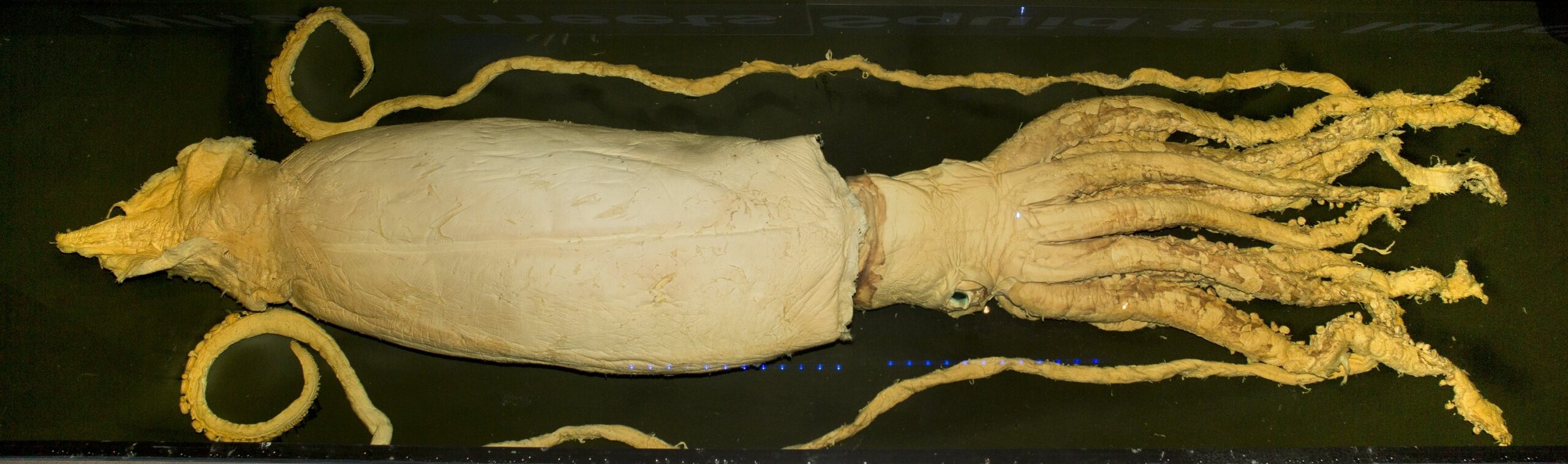
For centuries, the giant squid was more legend than documented reality, a sea monster sailors whispered about without proof. Today we know it is real: a massive, elusive creature that lives far below the surface and rarely appears in full view. Sagittarius processes fear a bit like that: your anxieties often take on mythic proportions in your imagination, but your instinct is to chase the horizon anyway. You are drawn to big experiences, new cultures, wild ideas – even when they scare you.
The giant squid has enormous eyes, among the largest in the animal kingdom, adapted to detect faint light and distant shapes in the deep. Similarly, you cope with fear by looking for the big picture, searching for meaning, philosophy or humor that makes chaos feel like part of a grander story. Your danger zone is denial: you might laugh off risks or overestimate your luck, treating life like an adventure movie where you always land on your feet. When you respect your own limits as much as you respect your dreams, your fearless curiosity becomes genuinely life-expanding instead of recklessly escapist.
Capricorn – The Deep-Sea Isopod: Stoic Survivor Under Crushing Weight
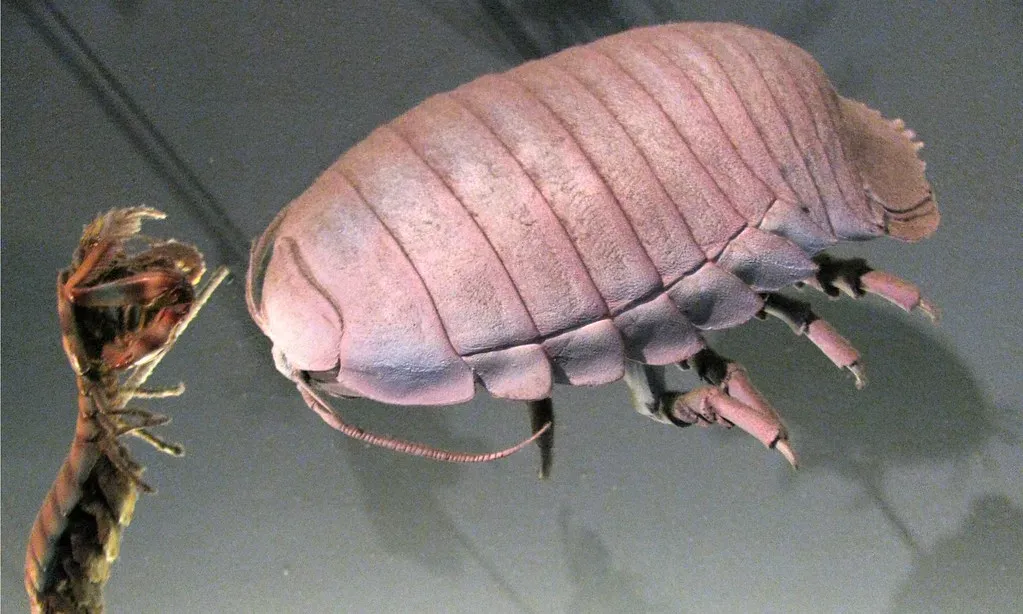
Deep-sea giant isopods look like oversized pill bugs, armored in segmented plates and slowly patrolling the seafloor. They can go for extremely long periods with little food, conserving energy and enduring harsh conditions with quiet persistence. Capricorn processes fear in a similarly stoic, long-term way: when pressure mounts, you often respond by tightening your focus, working harder and preparing for the worst so you can handle almost anything. Fear rarely makes you visibly panic; it makes you double down on responsibility.
These isopods have a kind of grim sturdiness, adapted not for speed or flash but for survival in places where comfort is rare. You often carry emotional burdens the same way, feeling that if you do not stay strong, everything will fall apart. The danger is that fear can convince you that vulnerability is dangerous and rest is irresponsible, so you push yourself to the edge. When you accept that even the toughest creatures need periods of safety and nourishment, your resilience stops feeling like a lonely duty and starts feeling like a grounded kind of power.
Aquarius – The Deep-Sea Anglerfish: Unusual Solutions to Invisible Threats
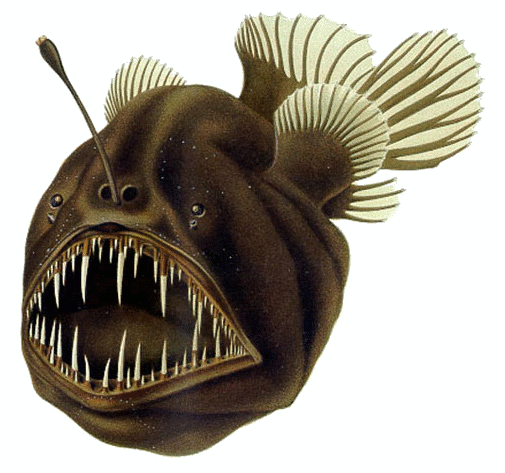
The deep-sea anglerfish is famous for the glowing lure that extends from its head, a biological flashlight used to attract unsuspecting prey in total darkness. It looks strange, even unsettling, but it is also a brilliant adaptation in a place where food is scarce and visibility is almost zero. Aquarius processes fear with that same unconventional creativity: when others rely on familiar patterns, you are busy inventing odd, sometimes risky strategies to navigate the unknown. You rarely accept fear at face value; you want to hack it.
Some anglerfish species have bizarre reproductive strategies, with much smaller males fusing to the female’s body and sharing blood and resources. To an outsider, this looks extreme, but in their environment it solves real survival problems. Similarly, your responses to fear can look unusual to more traditional types – abruptly changing life paths, adopting radical beliefs or choosing nonstandard relationships or careers. Your challenge is remembering that just because something is different does not automatically mean it is wiser. When you balance your love of the unconventional with a clear awareness of real-world consequences, your offbeat fear responses become visionary rather than self-sabotaging.
Pisces – The Deep-Sea Hatchetfish: Reflecting and Disappearing into the Dark
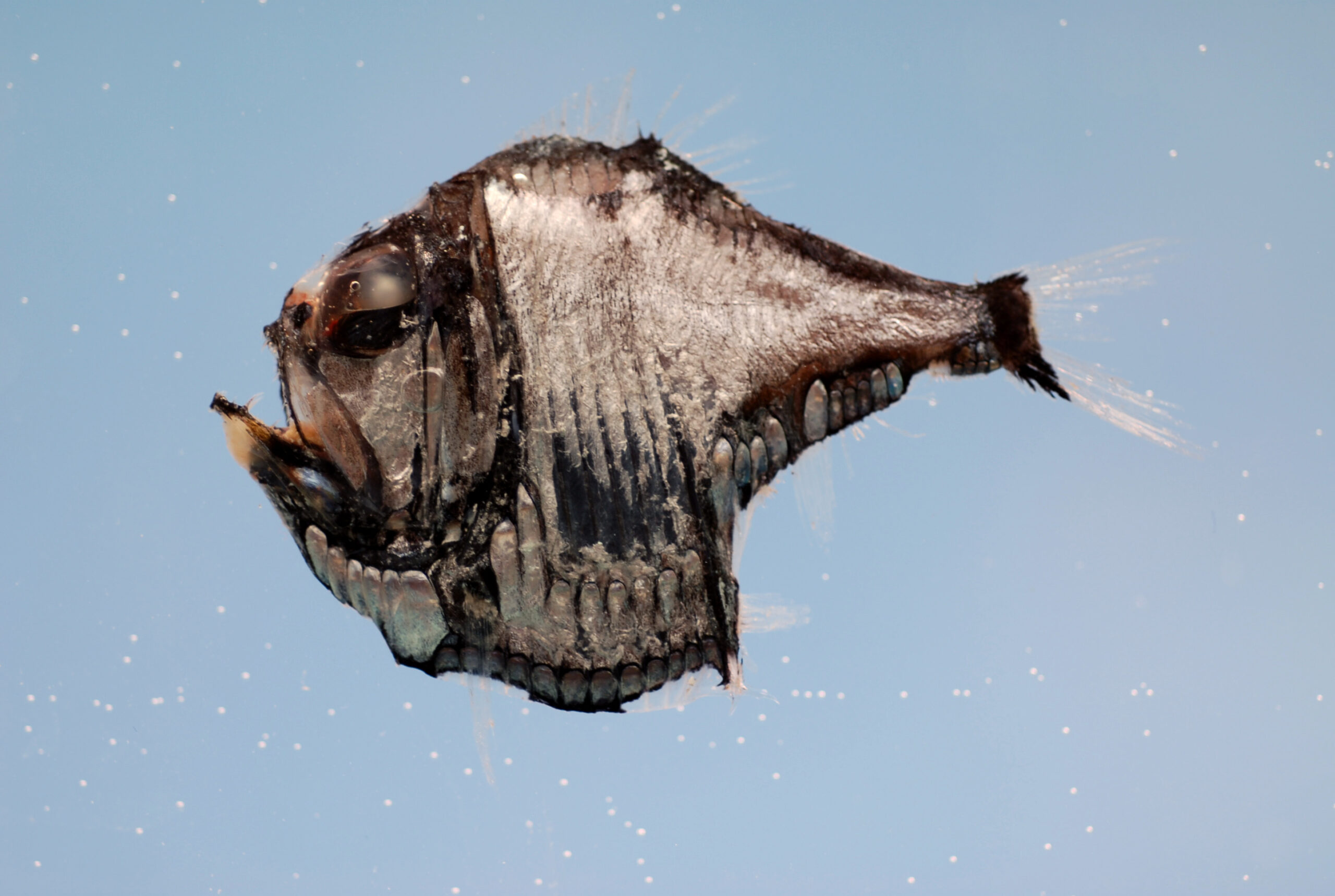
Hatchetfish are small, silvery deep-sea fishes with bodies that reflect faint light in a way that helps them blend into the dim glow from above. Many have bioluminescent organs on their underside that they can adjust to match the light filtering down, making them nearly invisible to predators looking up from below. Pisces processes fear in a similar, fluid way: you often cope by blending in, absorbing others’ emotions, and sometimes disappearing into daydreams or creative inner worlds when reality feels too sharp.
This camouflage strategy is not weakness; it is survival in a place where being seen can mean being eaten. In your life, though, the line between healthy escape and dangerous avoidance can get blurry. Fear can push you to retreat so deeply into fantasy, spirituality or other people’s problems that you lose track of your own needs. When you consciously use your sensitivity – through art, empathy, reflection or healing work – rather than letting it sweep you away, you move from being a hidden, reactive creature to a quiet, intuitive guide through emotional depths.
Conclusion – Your Inner Deep-Sea Creature and the Truth About Fear
The deep sea is not just a scary, empty abyss; it is a thriving, hidden world where life has figured out thousands of different ways to handle pressure, darkness and scarcity. That is really what fear is for us: a kind of emotional deep ocean, full of strange instincts and coping strategies we do not always recognize, but that evolved to protect us. Whether you resonate more with the shark’s forward momentum, the dumbo octopus’s soft resilience or the anglerfish’s odd ingenuity, your zodiac sign hints at how you instinctively adapt when the lights go out and the pressure rises.
Personally, I think the most powerful shift is realizing that there is no “wrong” deep-sea creature to be – only unconscious patterns that either help or quietly hurt us. Once you start noticing, you might catch yourself glowing brighter like a jellyfish when you are scared, or curling inward like a crab, or talking nonstop like a lanternfish to keep the dark at bay. The question is not whether you feel fear; it is how you dance with it in the depths you rarely show anyone. So, now that you have met your underwater twin, are you willing to swim a little deeper into your own ocean and see what else lives there?