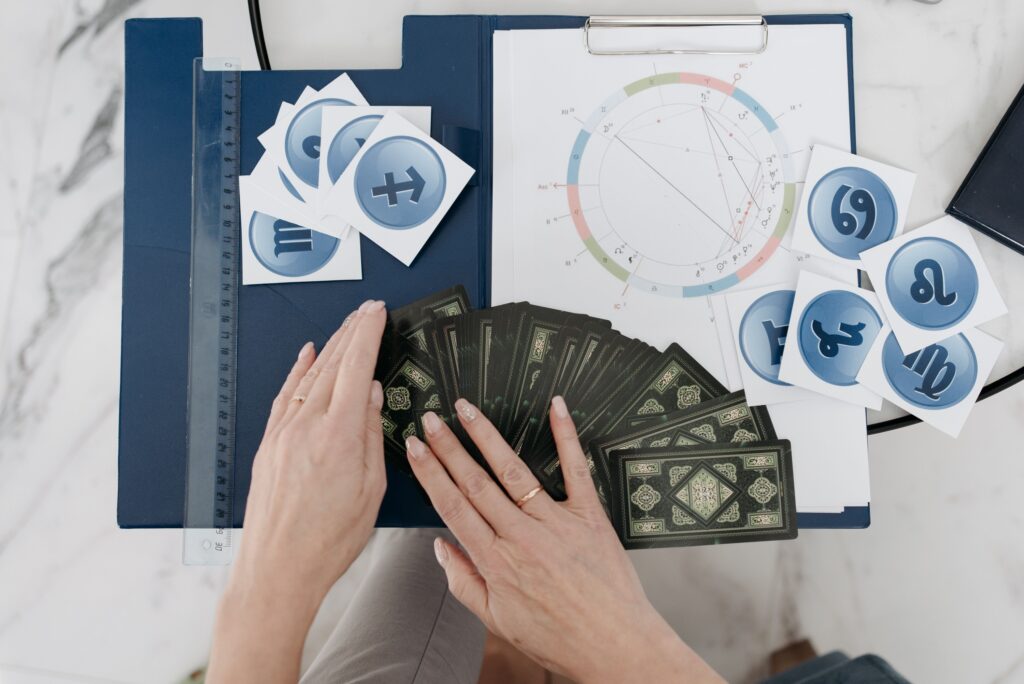

If you’ve ever said “I’m such a Virgo” to explain your anxiety or blamed a bad date on Mercury retrograde, you’re not alone. Astrology has quietly shifted from newspaper back pages to the center of our digital lives, turning birth charts into icebreakers and memes into emotional support. Behind the jokes and horoscopes, though, there’s something much deeper going on: a powerful, very human hunger to feel seen, understood, and connected.
In a world where many people feel more isolated than ever, zodiac language has become a kind of social glue. It gives us shared jokes, instant labels, and a sense that there’s a pattern hidden inside our chaos. But what does this obsession actually reveal about our need to belong, and how is it reshaping the spaces where we find our people? Let’s unpack what is really happening beneath all those rising signs and compatibility charts.
The Secret Comfort Of Being “Typed” By The Stars
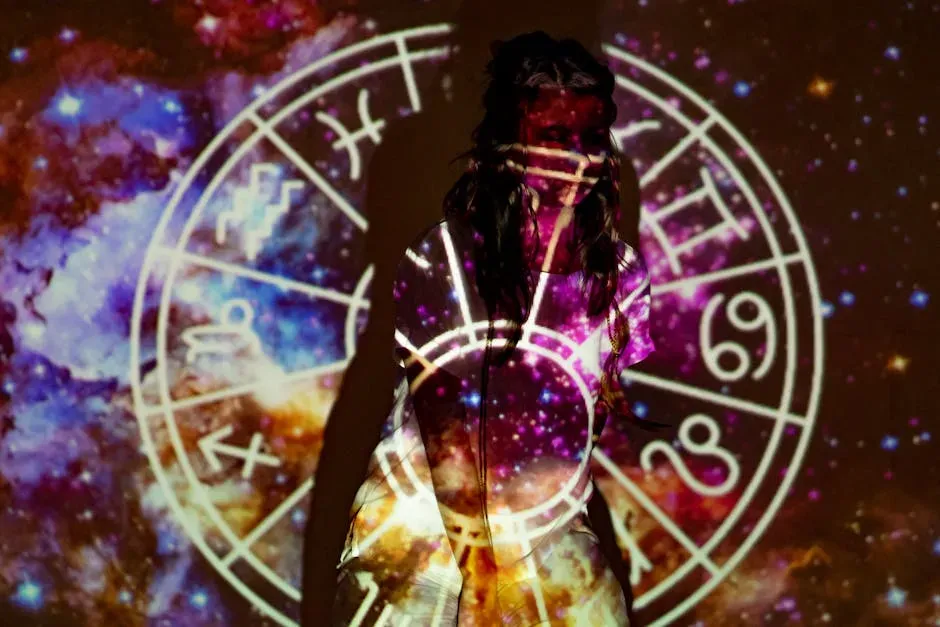
There’s something strangely soothing about being able to say, “I’m a Leo, so I’m dramatic,” or “I’m a Cancer, so I’m sensitive,” even if you only half believe it. Labels like these act as a psychological shortcut: they turn a messy, complicated self into a neat, shareable story. When life feels overwhelming, having a ready-made identity kit based on your birth chart can feel like slipping into a well-worn hoodie – it may not be perfect, but it feels familiar.
From a psychological view, this taps into a basic need for coherence and social identity. We like being able to place ourselves in a group, even if that group is something as abstract as “fire signs with trust issues.” It’s easier to accept your flaws when they feel like part of a shared pattern rather than a private failure. In that way, astrology quietly offers what a lot of people are craving: a narrative that says, “You’re not broken. You’re just being you.”
Why Lonely People Scroll Star Memes At 2 A.M.
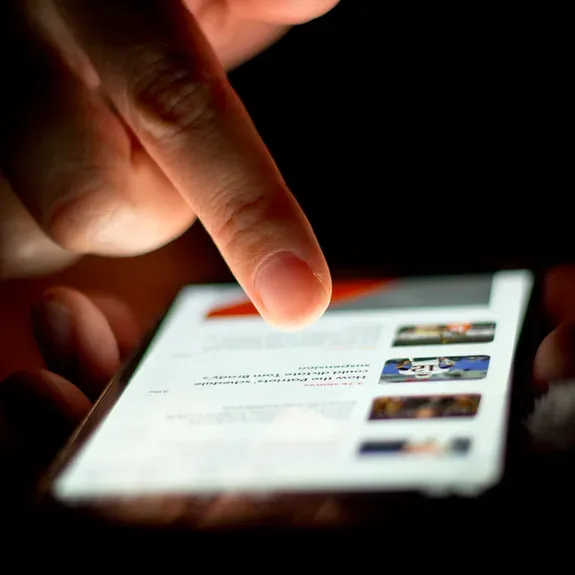
Astrology thrives in the exact environments where people feel lonely, stressed, or disconnected: late-night TikTok swipes, endless Instagram stories, long comment sections where everyone is half joking and half confessing. When you stumble on a post that describes your “toxic traits” as a Pisces with eerie accuracy, it feels like being recognized across a crowded room. Suddenly you’re not just doomscrolling; you’re part of a hidden club.
That hit of recognition is more than entertainment – it’s a micro-dose of belonging. Psychologically, when we see ourselves reflected in shared content, it lowers the sense of “I’m the only one like this.” Instead of feeling like a glitch in the system, you start feeling like a character in a shared script. In a time when many traditional communities have weakened, this link between loneliness and star memes is less random than it looks.
Astrology As A Low-Risk Identity Playground
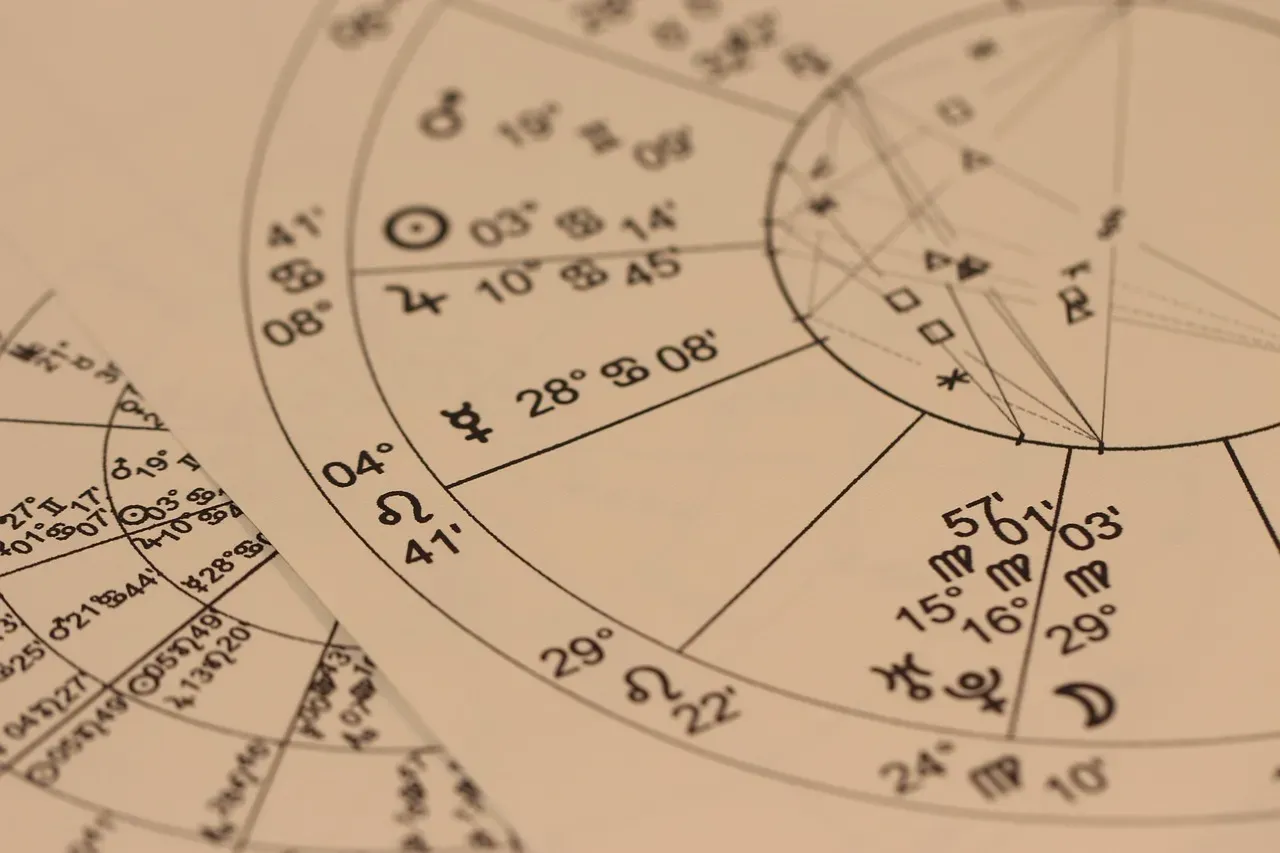
One reason zodiac talk has exploded is that it’s a socially safe way to explore identity. Saying “I’m intense because I’m a Scorpio” invites curiosity and banter instead of awkward silence. It lets you test-drive different sides of yourself – bold, sensitive, chaotic, mysterious – without needing a formal label from therapy or a long life story. It works like a personality costume party where everyone agrees to play along.
This matters because identity is risky territory: if you share too much, you might feel rejected; if you share too little, you stay invisible. Astrology softens that risk. It gives you a script, a framework, and a shared language. You can hint at your insecurities through your moon sign, or flirt by comparing Venus placements, all while pretending it’s “just for fun.” Underneath the humor, though, people are doing serious emotional work: asking who they are, what they want, and who might understand them.
From Newspaper Horoscopes To Niche Digital Micro-Communities
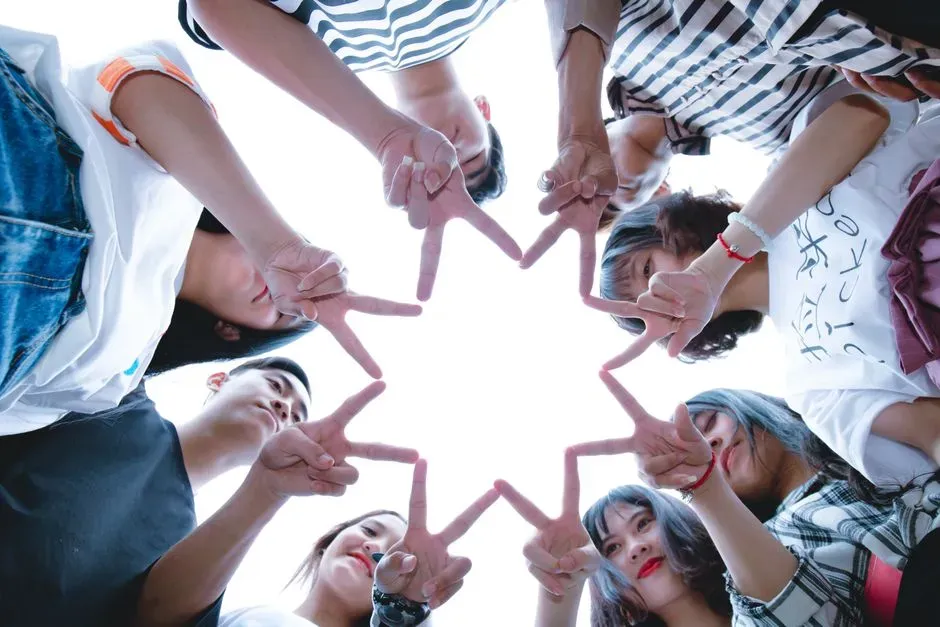
Astrology used to be something you skimmed next to the comics, a vague sentence about “a big opportunity this month.” Now it lives in hyper-specific online niches: forums for Virgo risings, group chats for water signs, Discord servers for astro-curious skeptics. These spaces are much less about predicting your future and much more about processing your present with like-minded people.
In these micro-communities, belonging is built less on traditional markers like geography, religion, or family, and more on shared emotional patterns and interests. A Libra heavy chart server might be full of people talking about indecision and people-pleasing; a Mars-in-Aries group might trade stories about impulsive choices. The zodiac becomes the door sign, but once you’re inside, what actually keeps people coming back is the sense of being understood without having to over-explain themselves every time.
Astro-Talk As A New Social Icebreaker
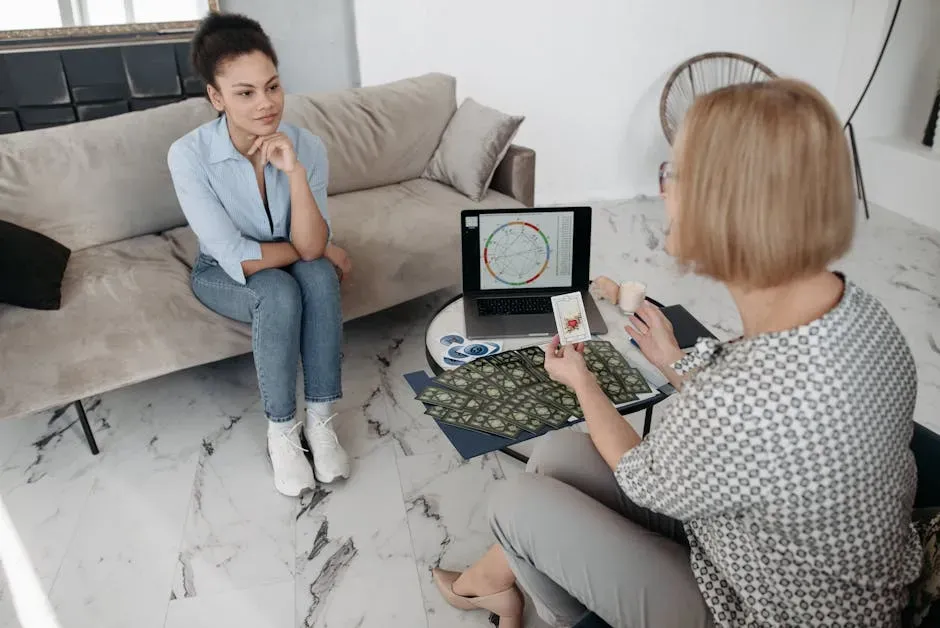
Ask someone their sign at a party and you’ve instantly dodged the small-talk graveyard of “So, what do you do?” Zodiac questions turn strangers into semi-legible characters: the shy Capricorn, the chaotic Gemini, the intense Scorpio. Even if everyone involved is a skeptic, the game itself creates a playful bond. It lowers the social stakes and gives people a script for connection in situations that might otherwise feel painfully awkward.
This social function is especially visible in dating and friendship apps, where astrology filters and “Sun–Moon–Rising” badges are everywhere. Whether or not the compatibility claims hold any water, the effect on belonging is real. When someone lights up because you share a fire moon, what they’re really saying is, “Here’s a reason to feel like we’re on the same wavelength.” The zodiac gives people a permission slip to be curious about each other faster.
Is It Comforting Insight Or Just Pretty Pseudoscience?
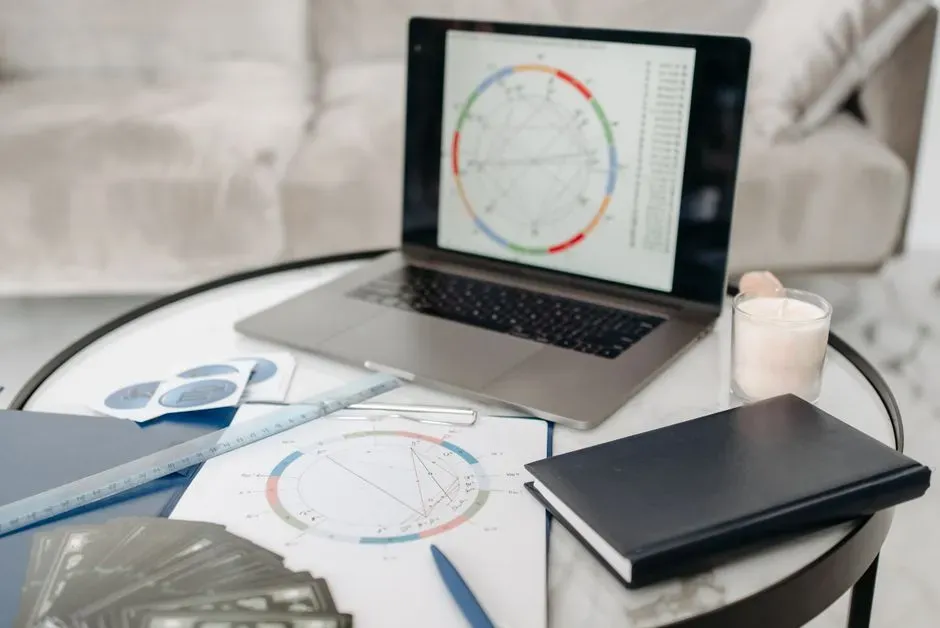
Here’s where it gets thorny: scientifically, astrology does not hold up as a reliable way to predict personality, fate, or compatibility. Studies that have tried to match birth charts with real-life traits don’t find convincing evidence beyond what you’d expect from chance. The eerily accurate feeling often comes from broad, flattering statements that anyone could relate to if they want to see themselves in it, a psychological effect researchers have observed again and again.
But just because the cosmic claims fall apart under scientific scrutiny doesn’t mean the emotional impact is fake. The feelings are real: feeling seen, feeling understood, feeling part of a story larger than yourself. In that sense, astrology behaves more like a cultural technology than a literal description of the universe. It organizes human experience, not planetary motion. Ignoring its social and emotional role because the astronomy is weak is like dismissing novels because they’re “not factual” – you miss the point of why people are drawn in.
New Community Spaces: From Spiritual Studios To Meme-Driven Platforms
Alongside the rise of digital astrology, physical and hybrid spaces have started to lean into this language too. Wellness studios, yoga spaces, and spiritual workshops sometimes organize events around full moons, retrogrades, or zodiac seasons, not because planets are measurably tugging on your mood, but because people are hungry for shared rituals. These events turn abstract cosmic cycles into real-life gatherings where you breathe, talk, journal, and feel less alone for an evening.
On the digital side, platforms and creators curate entire communities around star themes: monthly forecasts, sign-specific advice, live chats when a big transit hits. People show up not just for predictions, but for the ritual of showing up together. Over time, the space becomes less about “getting accurate readings” and more about seeing the same usernames, swapping stories, and riding emotional waves as a group. The stars are the excuse; the community is the point.
When Star Language Masks Deeper Needs
There’s a shadow side to all this, and it deserves attention. Zodiac language can become a shield that hides deeper issues: anxiety, heartbreak, burnout, identity confusion. Blaming everything on your Saturn return or your “toxic Scorpio ex” can be a way to avoid harder questions about boundaries, choices, and patterns rooted in very real-world experiences like family dynamics or trauma. At its worst, it can slide into fatalism, where people feel locked into their chart instead of empowered to change.
That said, even this coping strategy reveals something important: people are desperate for frameworks that make their pain feel less random. If the official institutions – schools, workplaces, health systems – don’t give them spaces to process big feelings and life transitions, they’ll turn to whatever does. Astrology steps into that gap with language, stories, and a ready-made tribe. The challenge is to use it as a doorway to self-awareness, not a wall that keeps growth out.
What Your Zodiac Obsession Really Says About Belonging
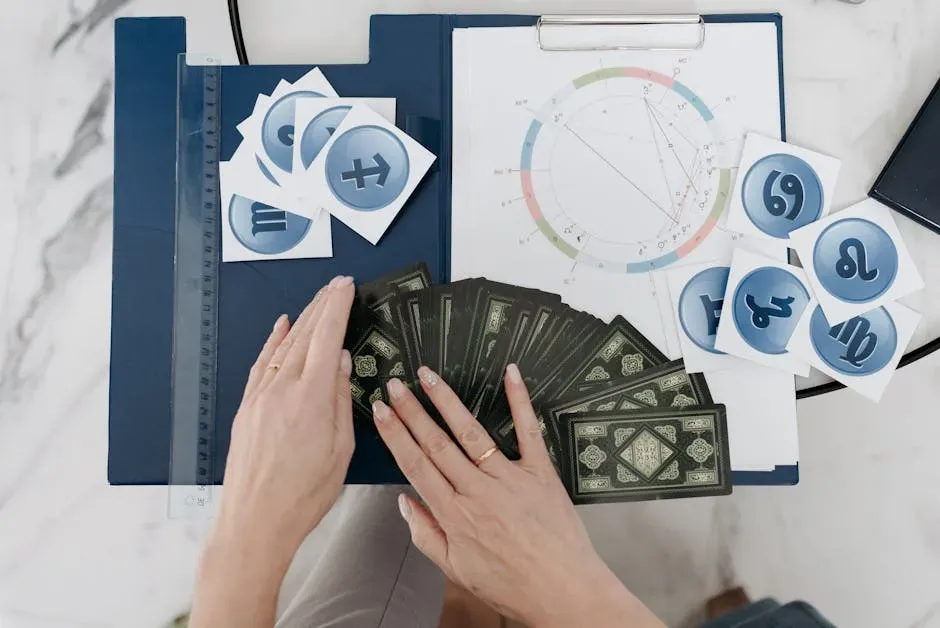
Here’s the blunt take: your obsession with astrology probably says less about the planets and much more about your hunger to not feel alone in being yourself. Whether you’re deep into your birth chart or only casually checking compatibility, what you’re really doing is looking for patterns that make you feel less random, less isolated, and more connected to something bigger – whether that’s a community, a narrative, or a shared joke about chaotic air signs.
Personally, I think that’s the part worth taking seriously. You don’t need to worship the stars to see that modern life is leaving a lot of people emotionally underfed. If zodiac memes, chart readings, or astro group chats are filling that social and emotional gap, then they’re telling us something uncomfortable about the world we’ve built: people are aching for places where they can be honest, weird, complicated, and still feel like they belong. The stars might be silent, but the way we use them is loud and clear.
Conclusion: The Stars Are A Mirror, Not A Map
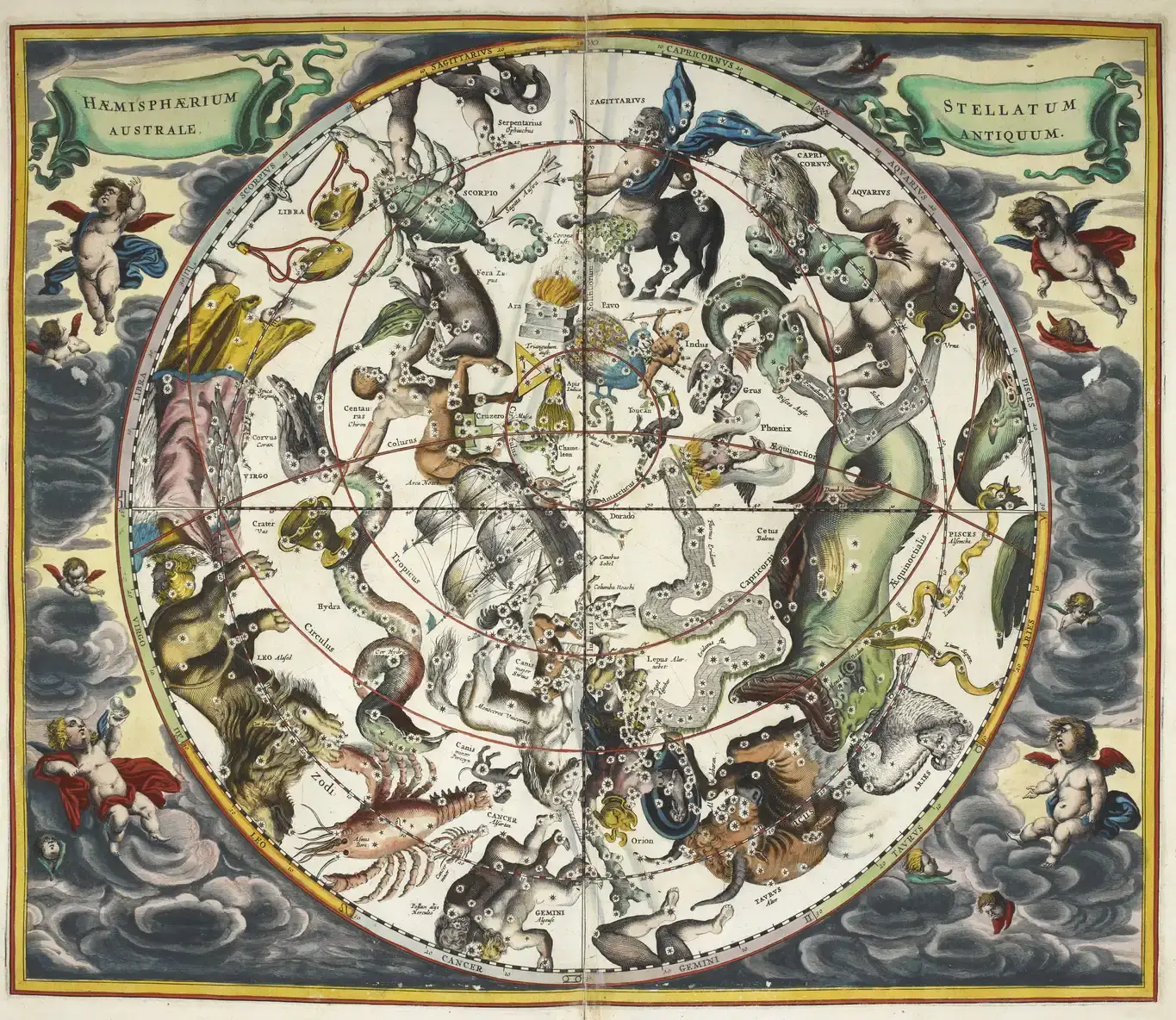
When you zoom out, astrology looks less like a cosmic instruction manual and more like a mirror we hold up to ourselves and each other. The beliefs may not be scientifically solid, but the needs driving them absolutely are: the need to be understood, to have language for our chaos, and to find people who nod along when we say “this is just my chart acting up.” In that sense, your zodiac obsession is a clue, not about your destiny, but about how hungry you are for connection that feels personal and real.
My opinion is this: dismissing astrology outright misses a chance to listen to what it’s shouting on our behalf. We do not actually need the universe to validate us; we need each other to show up with that same level of curiosity and care. If the new community spaces built around signs and transits are doing what families, neighborhoods, and institutions have failed to do, that should make us think hard about what kind of belonging we’re offering in the rest of life. The question is not “Do you really believe in astrology?” so much as “What are you really longing for when you check your horoscope – and where else might you finally find it?”