

You probably think you wake up in an instant: your alarm goes off, your eyes snap open, and boom, you’re awake. But inside your skull, the truth is way more dramatic. In the final 60 seconds before you wake, your brain runs a carefully choreographed sequence of tiny electrical events that scientists have only recently been able to track second by second.
Using high‑density EEG, researchers have literally watched your brain flip from sleep to wake like a stadium turning its lights on in waves, not all at once. Different regions come online at different moments, certain waves surge and then vanish, and the way it all unfolds strongly shapes whether you feel sharp or smashed when you roll out of bed. Once you understand that hidden minute, your groggy mornings suddenly make a lot more sense.
The Hidden Countdown: Your Brain Starts Waking Up Before You Do

Long before you actually notice you’re awake, your brain has already started the countdown. In that final minute, your cortex begins shifting away from the slow, synchronized waves of sleep toward more mixed, faster activity that looks closer to wakefulness. You are still “asleep” by most clinical definitions, but the electrical patterns under your scalp are quietly changing course.
Scientists have captured this by waking people at precise moments and mapping their brain activity second by second around the awakening. What they see is not a clean on–off switch, but a ramp: low‑frequency, sleep‑like activity dips, higher‑frequency, wake‑like rhythms rise, and this balance tilts further with every passing second. You experience that ramp as the hazy feeling that something is about to happen – a sound in your dream, a sense of impending morning – without yet realizing you’re about to open your eyes.
Waves on the Move: How the Wake Signal Spreads Across Your Brain

One of the most surprising findings from recent research is that your whole brain does not wake up at the same time. The shift toward wakefulness usually starts in frontal regions – the parts linked with planning, decision‑making, and self‑control – and then spreads backward toward sensory areas that process sight, sound, and touch. It is a bit like a city turning on block by block as dawn approaches, rather than every light flicking on at once.
In those last 60 seconds, that spreading pattern really matters. If frontal areas gain wake‑like activity quickly, you are more likely to feel mentally organized and ready to act. If some regions lag behind, you can open your eyes while parts of your brain are still, in effect, half asleep. You know that feeling when your body is vertical but your brain feels stuck in low gear? That is the signature of an uneven wake‑up wave moving across your cortex.
Slow Waves vs. Fast Sparks: The Battle That Decides How Groggy You Feel
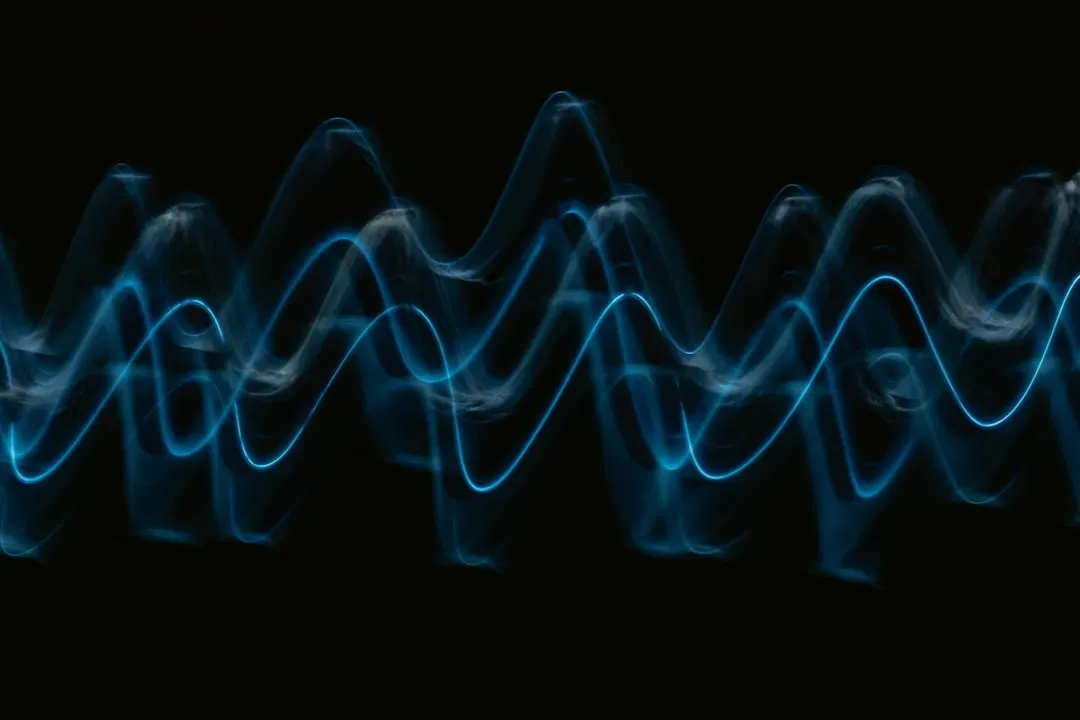
Right before you wake up, there is a tug‑of‑war going on in your EEG between slow waves and faster, more alert rhythms. In deep non‑REM sleep, your brain is dominated by big, slow oscillations; in full wakefulness, faster “beta” and related frequencies take over. In the final seconds before you wake, slow waves do not vanish instantly – they fade region by region, while fast activity rises in bursts. That overlap means your brain is briefly juggling both sleepy and wake‑like modes at once.
Researchers have found that the more those sleep‑like slow waves linger right before and after you wake, the more intense your sleep inertia feels – that heavy, foggy state where basic tasks seem weirdly hard. If, on the other hand, higher‑frequency activity ramps up strongly just before you wake, you tend to feel more alert almost immediately. You experience this difference every time you either spring out of bed ready to go or sit there staring at your phone, wondering what planet you’re on.
REM vs. Non‑REM: Your Last Dream Changes Your First Second Awake

That final minute looks different depending on which stage you are waking from, and you can feel the difference in your bones. If you wake from non‑REM sleep, your brain usually has to climb out of slower rhythms toward faster ones, and there can be a few seconds where those sluggish patterns still hang around. That is why waking abruptly from deep sleep can feel like being pulled out of mud – you are forcing your brain into alertness before its networks have finished reconfiguring.
When you wake from REM sleep, things play out differently. REM already has a lot of fast, wake‑like activity, so in that last minute your brain is not flipping its overall rhythm as dramatically – it is more about re‑anchoring you to the outside world. You often notice this as those vivid dreams that collapse into real‑world sensations: your alarm turns into a siren in the dream, a voice in the dream becomes your partner talking beside you, and then your waking perception snaps into place.
Micro‑Awakenings: Why You “Practice” Waking Up All Night Long

That last minute before you wake is not your brain’s first rodeo; you have actually been running shorter versions of that transition all night. Tiny events called micro‑arousals – brief bursts where your brain edges toward wakefulness and then slides back into sleep – punctuate your night even when you feel like you slept straight through. These are usually too short for you to remember, but they show up clearly in EEG as sudden spikes of faster activity amid the slower background of sleep.
Think of those micro‑awakenings as your nervous system’s rehearsal runs. Each time, your brain briefly checks in with your body and environment, adjusts posture, maybe responds to a sound, then decides it is safe to sink back down. By the time you reach the final 60 seconds before your real awakening, those circuits know exactly how to transition, which regions to bring online first, and how to coordinate the sequence. You do not experience that practice consciously, but it helps your full awakening feel smoother and safer.
From Dream World to Real World: How Your Brain Rebuilds Reality in Seconds

During most of the night, your sensory gates are partially closed: your brain dials down responses to outside sounds, light, and touch to protect your sleep. In the final seconds before you wake, those gates begin to swing open. Activity in sensory regions that process vision, hearing, and body signals becomes more responsive and less insulated from the outside world. You feel that as a shift from inner images and stories to a solid sense of the room you are actually in.
This reopening is not instant; for a brief window, you are in a strange hybrid state where your brain is blending internal and external inputs. That is why your alarm can be swallowed by your dream plot for a few seconds before you realize it is a real sound, or why you might still see fragments of dream imagery when your eyes are technically open. In that fragile minute, your brain is renegotiating which signals get top billing – and reality only fully wins once wake‑like activity dominates across your sensory cortex.
Neurochemicals Flipping the Switch: The Invisible Chemistry Behind Waking Up
Underneath all the electrical waves, your wake‑up countdown is being driven by a surge of brain chemicals from deep structures in your brainstem and hypothalamus. As you move toward waking, systems that release substances like noradrenaline, acetylcholine, histamine, and orexin ramp up, while sleep‑promoting systems ease off. These neuromodulators change how excitable your brain networks are, making it easier for fast, coordinated communication to spread across regions that were previously idling in sleep mode.
You feel the effects of this chemistry in really concrete ways. If those wake‑promoting systems kick in strongly, you can go from zero to focused in a surprisingly short time, especially if a loud noise or real threat is involved. If they ramp up slowly or unevenly – because you are sleep‑deprived, jet‑lagged, or waking at a biologically awkward time – you get that dragging, almost hungover state where your thinking feels muddy even if your eyes are open. The 60 seconds before you wake are where that chemical tide starts to turn.
Can You Hack That Final Minute? Practical Ways to Wake Up Better

You can not consciously micromanage your EEG patterns in the last 60 seconds of sleep, but you can set the stage hours earlier so your brain runs a cleaner wake‑up sequence. Keeping a regular sleep schedule helps your brain’s internal clock predict when to start ramping up wake‑promoting chemistry before your alarm even rings. Getting enough total sleep reduces the build‑up of deep slow waves so that your transition is less of a violent yank and more of a smooth climb.
How you handle the first moments after your eyes open also feeds back into that transition. Bright light, gentle movement, and a few deep breaths all nudge your brain further toward fast, wake‑like activity and away from lingering slow waves. On the flip side, hitting snooze repeatedly or waking in the middle of a deep‑sleep block can trap you in a prolonged, uneven state where parts of your brain stay half asleep. You are not just “bad at mornings” – you are catching your neural machinery mid‑transition.
Conclusion: Your Mornings Are Built in That Invisible Minute

Once you realize how much is happening in your brain during the 60 seconds before you wake up, the whole idea of “just getting out of bed” starts to look oversimplified. In that tiny window, waves are shifting, regions are re‑lighting, dream and reality are trading places, and your brain’s chemistry is flipping from rest mode to action mode. Whether you feel like yourself when your feet hit the floor is not random; it is the end point of a complex, second‑by‑second choreography you never see.
The encouraging part is that you can nudge that choreography in your favor by respecting your sleep window, timing your alarms more gently, and giving your half‑awake brain a few kind signals when you first open your eyes. Tomorrow morning, when you surface from sleep, you will know that your brain has already been busy for a full minute, quietly preparing you to be you again. Knowing that, how differently do you want to treat those first few moments of your day?