
You probably think of sugar as a quick pick‑me‑up: a sweet snack, a dessert, a sugary coffee when your energy is dragging. But inside your body, those few bites set off a surprisingly complex three‑hour chain reaction. Hormones surge, your brain lights up, your blood vessels respond, and your fat cells quietly make long‑term decisions about your health.
When you understand what actually happens minute by minute, sugar stops being just a treat and starts looking more like a powerful chemical signal. You do not have to cut it out completely, but once you see how your body scrambles to deal with a sugary hit, you may find yourself making different choices, or at least timing and balancing them better. Let’s walk through those first three hours as if you could watch your own blood in real time.
The First 10–20 Minutes: Sugar Hits Your Bloodstream Fast

Right after you eat something sugary – candy, soda, a frosted coffee, even a big glass of fruit juice – the starches and simple sugars in it start breaking down almost immediately. Enzymes in your saliva and small intestine pull those carbohydrates apart into glucose and fructose, tiny sugar units that can slip quickly into your bloodstream. If what you ate or drank was mostly sugar and low in fiber or protein, this absorption happens even faster, like opening the floodgates on a dam.
You might feel this phase as a quick jolt of alertness or relief if you were hungry or tired. Your brain loves glucose because it runs on it, so it eagerly soaks up this sudden rush. At the same time, your blood sugar level starts climbing higher than its usual narrow range. Your body is very protective of that range, so as soon as that wave of sugar hits, alarms quietly go off in the background and your pancreas gets ready to respond.
20–40 Minutes: Insulin Surges In to Clear the “Sugar Traffic Jam”

As your blood sugar rises, your pancreas releases insulin, the key hormone that helps move sugar out of your blood and into your cells. You can picture insulin as a set of tiny keys attaching to your cells and telling them to open the doors for glucose. Muscle cells, liver cells, and fat cells all start pulling sugar out of your bloodstream. If you ate a very sugary snack on an empty stomach, that insulin release can be sharp and fast, almost like a reflex.
During this window, you may feel pleasantly energized and focused, especially if you were dragging before you ate. But under the surface, your body is working hard to avoid damage from high blood sugar, which can harm blood vessels and nerves over time. If you regularly overload your system with large amounts of sugar, your cells can become less responsive to insulin, meaning your pancreas has to shout louder and release even more. That pattern – insulin rising higher and higher to do the same job – is one of the early roads toward insulin resistance.
40–90 Minutes: The “Sugar High” Peaks in Your Brain and Mood

Somewhere in this stretch, your sugar high is in full swing. Glucose is flowing into your brain, and reward centers respond strongly, especially if what you ate was sweet, fatty, and processed. This combo pushes your brain’s pleasure pathways in a way that can make sugary foods feel oddly compelling, even if you are not physically hungry. This is why stopping at one cookie or one handful of candy can feel harder than you expect.
You may notice you feel more upbeat, talkative, or focused for a while. For some people, especially kids, this phase can look like bouncing energy and restlessness. The tricky part is that this peak is temporary and partly driven by a spike in both blood sugar and insulin. Your body is already setting up the next phase: pulling more sugar out of your blood to get levels back down, which sets the stage for a crash if the swing is too big.
60–120 Minutes: The Blood Sugar Crash Creeps In
As insulin keeps doing its job, your blood sugar level starts to fall. If you ate your sugar alongside protein, fiber, and healthy fats – say, fruit with nuts or dessert after a balanced meal – the drop is usually gentle. But if you had straight sugar or a refined carb bomb (like candy, soda, white bread, or pastries on an empty stomach), the fall can be steep. Your blood sugar may dip below your normal range, leaving you in a state sometimes called reactive hypoglycemia.
In this crash phase, you might feel shaky, irritable, sleepy, foggy, or suddenly ravenous again, even though it has not been very long since you ate. Your brain is incredibly sensitive to changes in glucose, so that sharp drop feels like an emergency, even if your numbers are technically still “normal.” That discomfort often pushes you to reach for more quick carbs, which restarts the whole cycle and can set you up for sugar waves all day long.
Inside Your Liver and Fat Cells: Storing the Extra Sugar
While you are riding the high and then the crash, your liver is quietly sorting out where all that extra sugar should go. Some of it is stored as glycogen, a storage form of glucose that your body can tap into later for steady energy, especially between meals or during exercise. But your liver can only hold so much. Once its storage room is full, it starts converting excess sugar into fatty acids, which then get packaged into triglycerides and shipped off to fat cells.
Your fat tissue, especially around your belly and organs, becomes the long‑term storage site for repeated sugar surges. You do not feel this process moment to moment, but over months and years, it shows up as increased body fat and higher blood triglyceride levels, which are linked with heart disease risk. If you often eat lots of sugar while sitting still and rarely give your muscles a chance to burn that stored fuel, your body leans more and more toward storing instead of using.
Your Gut and Hormones: Hunger Signals Get Confused

During the three hours after a sugary hit, your gut and appetite hormones are also reacting in subtle ways. Sugar – especially in liquid form like soda, sweet tea, or fancy coffee drinks – does not stretch your stomach very much or give your gut the slow, satisfying work that fiber and protein do. As a result, your fullness hormones may not rise as strongly as they would after a balanced meal, even if the calorie load is similar or higher. You can end up feeling oddly unsatisfied despite eating a lot of energy.
At the same time, the crash in blood sugar can dial up hunger hormones, nudging you to seek more food, usually more carbs. Over time, frequent sugar spikes and crashes can make it harder for you to listen to your natural hunger and fullness cues. You might find yourself snacking more often, craving quick fixes, and feeling “hangry” if you go a short time without food, even though your body technically has plenty of energy stored.
Your Heart and Blood Vessels: Subtle Strain You Do Not Feel
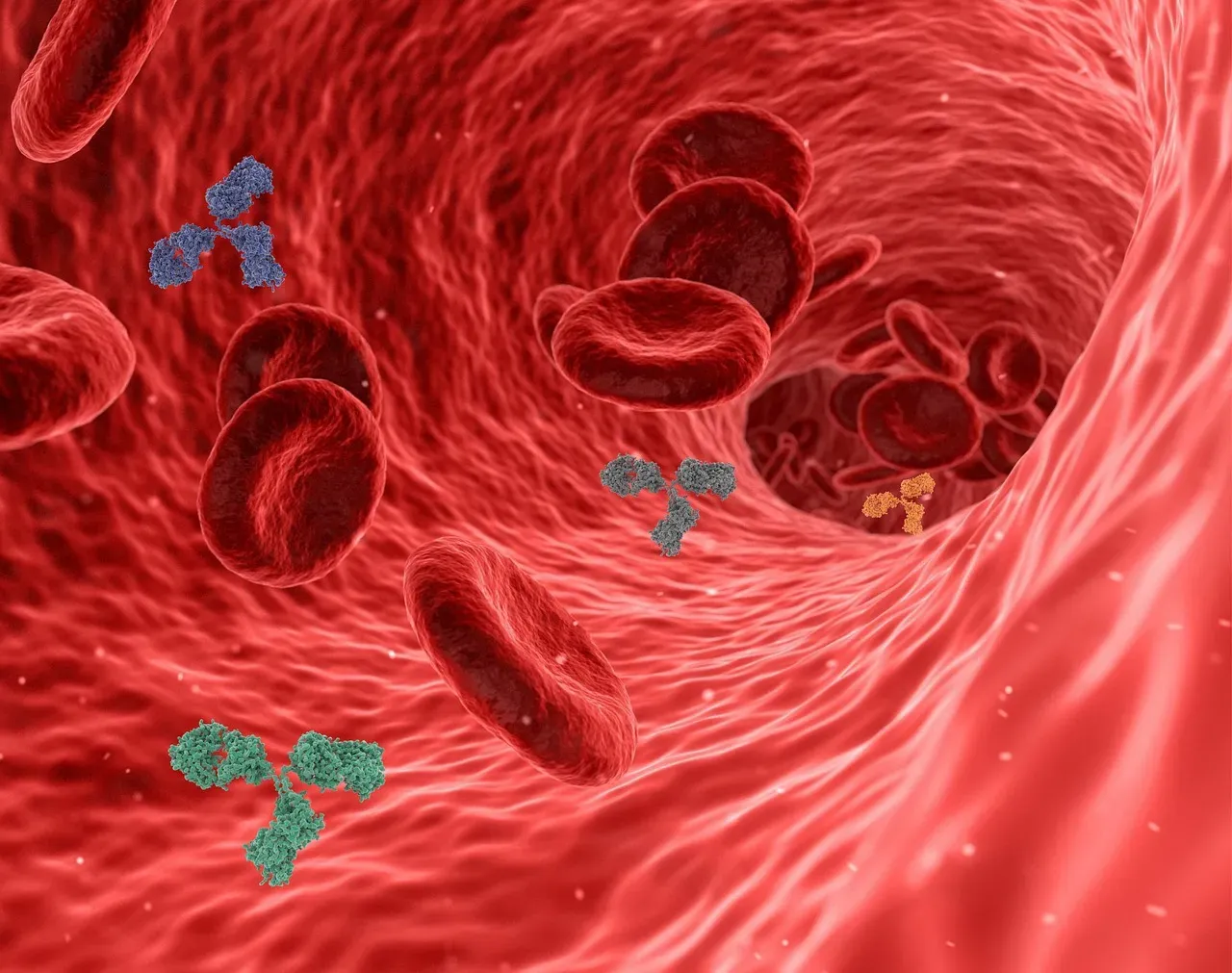
In the hours after you eat a high‑sugar meal or snack, your blood becomes slightly thicker and more sticky as glucose and fats rise. Your blood vessels, especially the delicate inner lining, have to deal with this change. Repeated sharp spikes in blood sugar are linked with more oxidative stress and inflammation in those vessel walls, even in people who do not yet have diabetes. You do not feel this directly; there is no obvious signal like pain or nausea, which makes it easy to ignore.
Your heart may also beat a bit faster for a while, and your body may release small amounts of stress hormones like adrenaline in response to the sugar high and low. Most healthy people can handle this, but if you already have heart disease, prediabetes, or diabetes, these swings can be more risky. Think of it like bending a paper clip back and forth: one or two bends do nothing, but repeat it every day and eventually the metal weakens and snaps.
After 2–3 Hours: Back Toward Baseline – Or Setting Up the Next Cycle
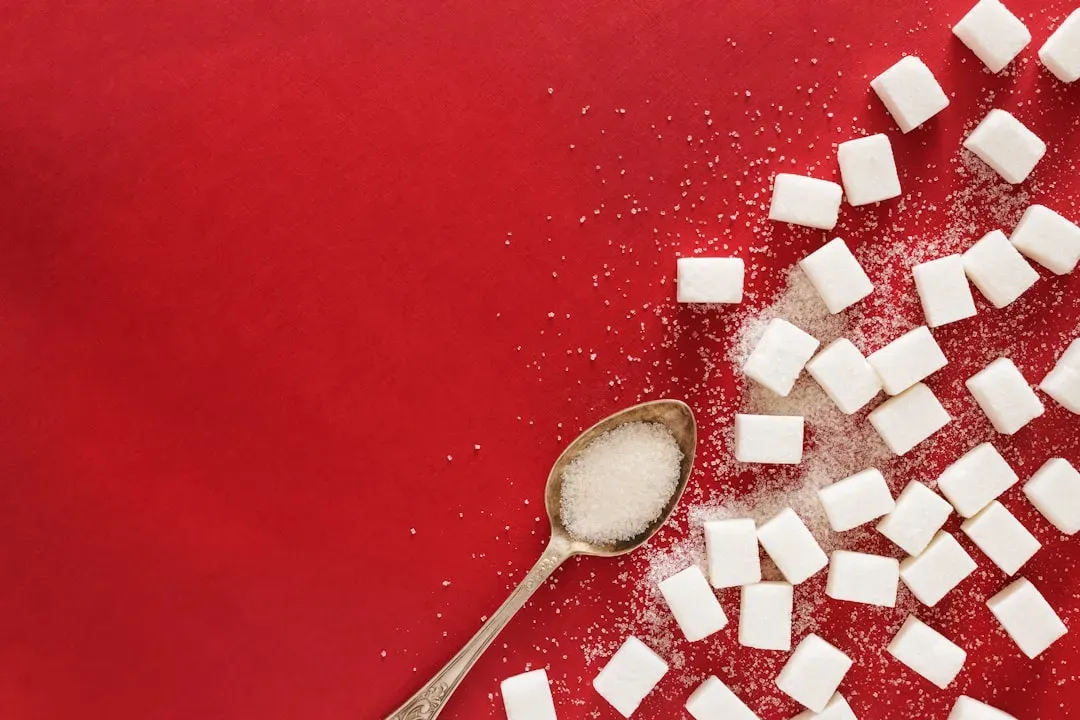
By the end of the three‑hour window, if your body is working well, your blood sugar has usually drifted back toward its normal fasting range. The insulin surge has faded, and your liver has done its best to sort and store the excess. If your sugary treat was small, eaten with a balanced meal, and you are generally active, your system probably handled the whole event smoothly. You may barely notice anything beyond a brief lift and maybe a small dip in energy.
If, however, you eat large amounts of sugar several times a day, your body spends most of its time chasing spikes and crashes instead of cruising in a stable zone. Over the long run, that pattern can make your cells less responsive to insulin, push your pancreas to work overtime, and raise your risk for weight gain, fatty liver, type 2 diabetes, and heart disease. The three hours after you eat sugar are not just about what happens today; they are tiny rehearsals for your metabolic future.
How to Soften the Impact: Small Tweaks That Change Those 3 Hours

The good news is you do not need to live in a world with no dessert to protect your body. You can change how those three hours play out by adjusting the context around your sugar. If you eat sweets after a meal that includes protein, healthy fats, and fiber, the sugar is absorbed more slowly, your blood sugar peak is lower, and the crash is less dramatic. Adding something as simple as a handful of nuts with your fruit, or having dessert right after dinner instead of on an empty stomach, makes a real difference.
Movement also works like magic here. A short walk, some light housework, or even a quick stair climb after eating helps your muscles pull more sugar out of your blood without needing as much insulin. Over time, that makes your cells more insulin sensitive, not less. You might even notice that when you are more active overall, sugary foods feel less like a roller coaster and more like an occasional bump on a mostly smooth ride.
Conclusion: Making Peace With Sugar by Understanding Its Power
When you look closely at what your body does in the three hours after you eat sugar, it stops being a harmless little treat and starts looking more like a powerful lever that tugs on your hormones, your brain, your blood vessels, and your long‑term health. You do not have to fear it, but it helps to respect it. Every cookie, soda, or dessert triggers a coordinated emergency response designed to get your blood sugar back to safety as quickly as possible, and that constant firefighting takes a toll over time.
If you use that knowledge, you can enjoy sweetness more on your own terms: smaller portions, paired with real food, and followed by a bit of movement. You give your body fewer wild spikes to chase and more steady, predictable waves it can easily handle. Next time you reach for something sugary, maybe you will picture those three hours unfolding inside you and make a choice that still feels satisfying now and kinder to your future self. Knowing all this, how do you want your next three post‑sugar hours to look?