

There’s a particular kind of silence that falls right after a coyote chorus dies down. Your heart’s still beating a little faster, the dog is pacing at the window, and you’re standing there wondering if your neighborhood quietly turned into a nature documentary without telling you. Night after night, the yips and howls return, and it starts to feel less like a random encounter and more like you’re living next to a wild family drama.
When I first moved near open space, I remember lying awake, counting howls instead of sheep, half fascinated and half unnerved. If you’re hearing coyotes every night, you’re not alone – and you’re not crazy for wondering what it means. Wildlife biologists have a lot to say about this, and it’s probably not what most viral social media posts or neighborhood rumors are telling you. Let’s break it down in a grounded, no-nonsense way, without the myths, but with a healthy respect for how wild these animals really are.
What Nightly Howls Actually Mean (It’s Not A Pack Hunting You)
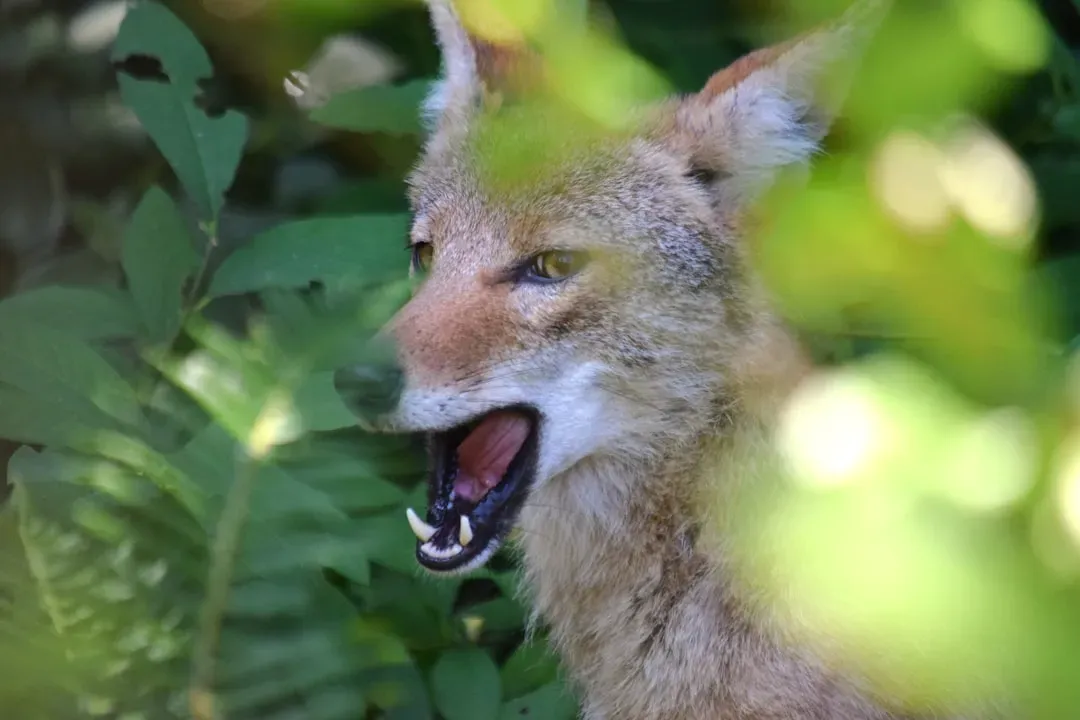
The biggest misconception experts push back on is the idea that a loud coyote chorus means a huge pack is circling your house or planning an attack. In reality, what sounds like a dozen animals is often just a small family group – sometimes only two or three – whose voices overlap, echo, and bounce off buildings, trees, and hills. Our ears are terrible at estimating coyote numbers in the dark, so we tend to assume the worst.
Biologists explain that coyotes howl primarily to communicate with each other: checking in, regrouping, advertising territory, or responding to distant coyotes. Think of it less like a war cry and more like a very intense family group chat. Nightly noise often just means there’s a stable family using the area and regularly calling to maintain contact and boundaries, not that something new and dangerous is suddenly happening in your backyard.
Why You’re Hearing Coyotes So Often Now
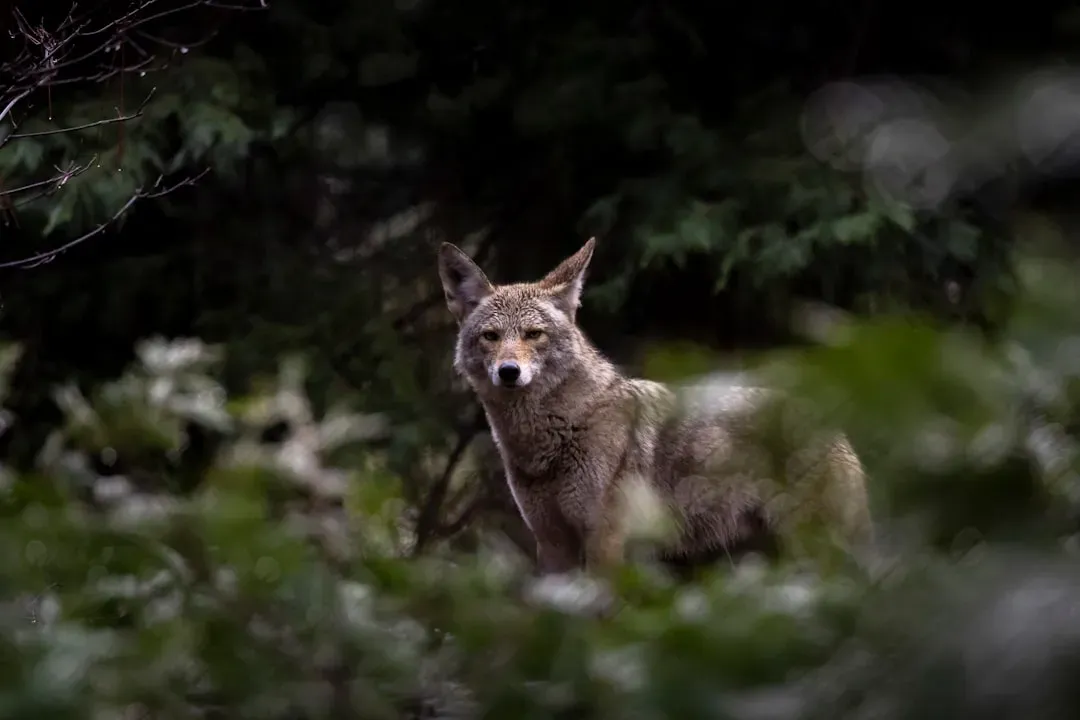
One of the most surprising things experts point out is that coyotes are not exactly “moving in” to human areas – they’ve been there, quietly, for a long time. What often changes is our awareness. Cooler, still nights, open windows, new construction that clears vegetation, or a recent shift in your schedule can suddenly make you hear what was always around. You might simply be noticing the soundtrack that was already playing after dark.
At the same time, coyotes are incredibly adaptable. As cities sprawl and suburbs push deeper into former farmland or wild areas, coyotes adjust and use greenbelts, golf courses, railroad corridors, drainage ditches, and even cemetery grounds as travel routes and den sites. Nightly howling often reflects a nearby territory centered around food, water, and safe cover, not necessarily aggressive interest in people. In simple terms: you live in coyote country now, whether there’s a Starbucks nearby or not.
Reading The Sounds: Yips, Barks, Howls, And “Group Screams”
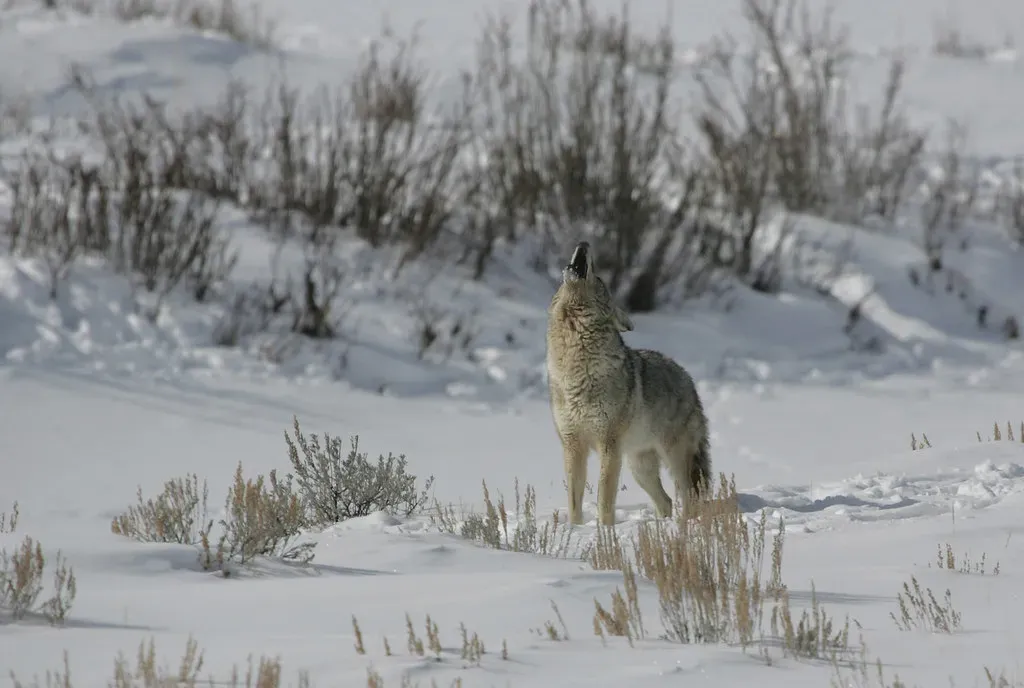
Wildlife experts get almost nerdy about coyote vocalizations, and once you start listening with a bit of knowledge, the sounds feel less scary and more like code you can partly crack. Long, drawn-out howls are often about location and territory – essentially announcing, “We’re here.” Short barks can indicate alertness or alarm, sometimes when a coyote spots something unusual like a person, dog, or car moving nearby. The rapid-fire yips and high-pitched chatter are often part of social excitement within the group.
The intense “group scream” people describe – when it suddenly sounds like chaos exploded in the dark – tends to be social bonding or response to some trigger, sometimes even sirens. Coyotes are known to answer fire trucks, police sirens, and other long, wailing sounds, confusing them with distant howls. Once you understand that, the noise shifts from horror-movie soundtrack to a complicated family arguing, celebrating, and checking on each other across the night.
What Night Activity Says About Coyote Behavior And Territory
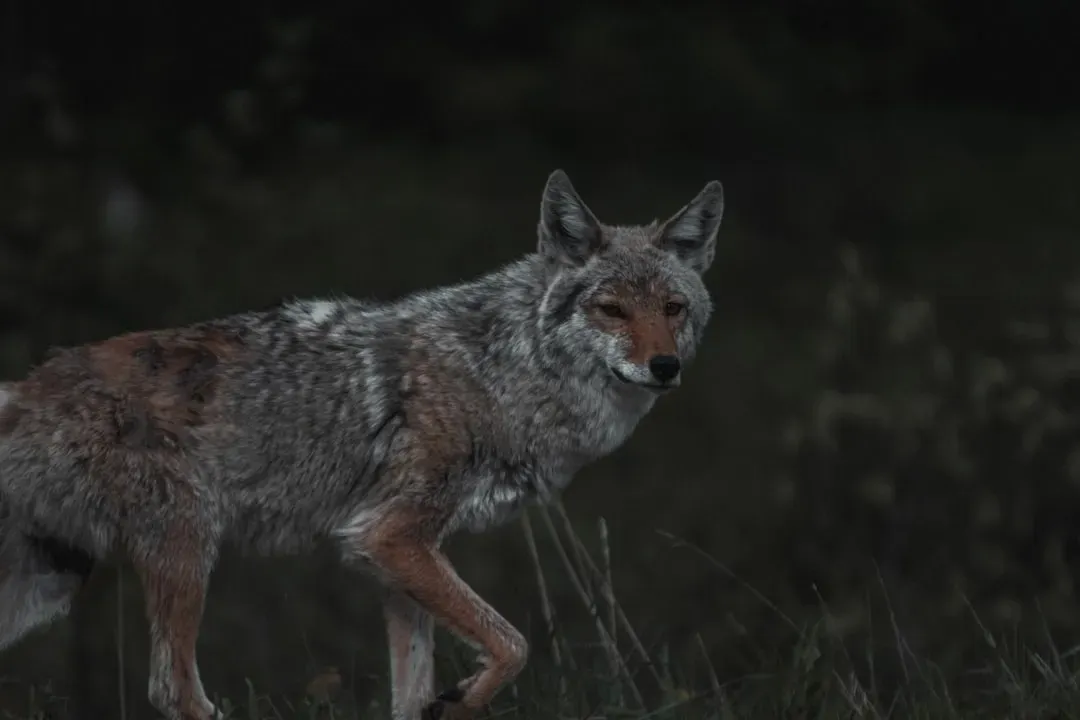
Hearing coyotes every night usually indicates you’re close to a consistently used territory or travel route. Coyotes tend to be crepuscular and nocturnal in developed areas, meaning most active at dawn, dusk, and night, largely to avoid people. That means what you hear at midnight might just be them doing “normal coyote things”: traveling between food sources, patrolling boundaries, or moving between resting sites and hunting grounds.
Experts note that territories tend to be fairly stable for a resident family, especially if food and shelter are reliable. So nightly noise often means this is simply their home base. Interestingly, more sound doesn’t always mean more animals – it can reflect a breeding season, dispersing young, or shifts in nearby coyote groups. From a scientific standpoint, your nightly noise is basically an audio snapshot of a wild social system operating right alongside human life.
Is It Dangerous? How Experts Really Rank The Risk
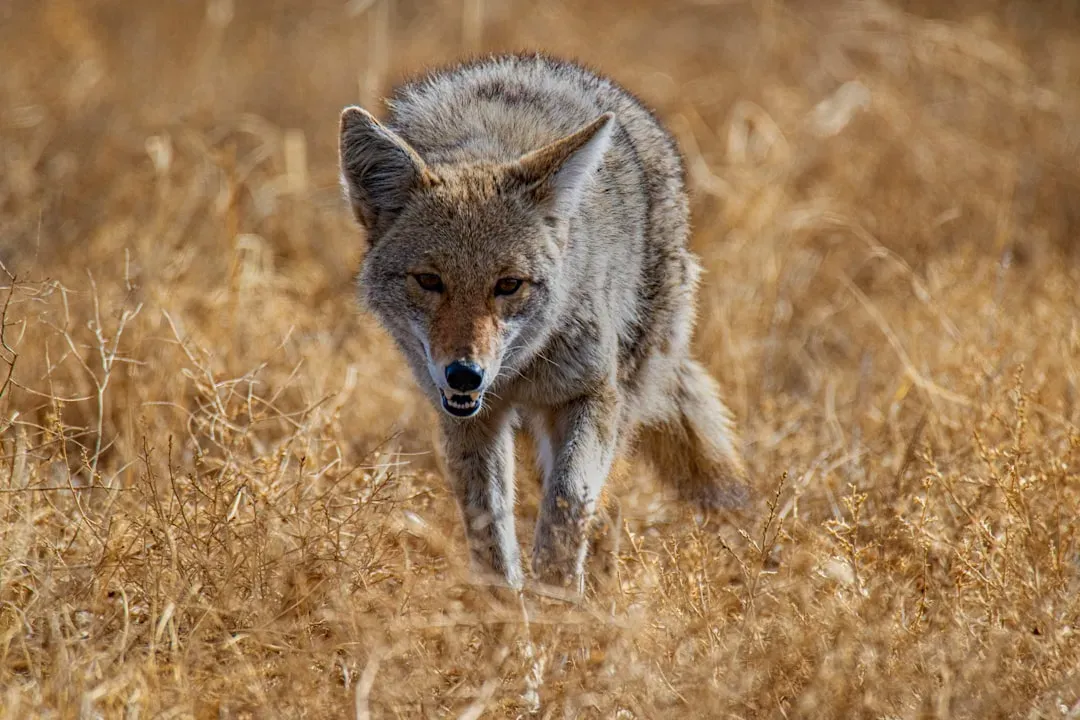
This is where wildlife professionals get very blunt: the emotional impact of hearing coyotes nightly is often way bigger than the actual risk. Attacks on adults are extremely rare, and even incidents involving children or pets are uncommon relative to how many coyotes live in North America and how much overlap they have with people. Still, rare does not mean impossible, and experts refuse to dismiss people’s fears outright – caution is smart, panic is not.
They emphasize that risk rises sharply when coyotes are fed intentionally or allowed to scavenge human food and garbage regularly. A coyote that associates yards, patios, or people with easy snacks can start acting bolder, cutting distance and showing less fear. So the real question is not “Are coyotes here?” but “Are coyotes getting rewarded for being here?” Hearing them is normal; seeing them regularly hanging around in daylight, approaching people, or clearly not caring about humans is when professionals start to get concerned.
Pets, Kids, And Yards: The Hard-Nosed Reality From The Field

Ask any urban wildlife biologist what keeps them up at night and they’ll mention small dogs left in backyards unattended after dark. Coyotes are opportunistic predators, and to them a tiny unsupervised pet can look a lot like natural prey. Nightly howls are not a sign that coyotes are targeting your pets, but they are a reminder that you share the landscape with a mid-sized predator that hunts at the very hours many people let their animals out for one last bathroom break.
Experts repeatedly recommend simple but non-negotiable steps: supervise pets outside at night, use a leash or long line, avoid retractable leashes near open areas, and bring cats indoors. For kids, the advice is more about common sense than alarm: teach them not to approach wildlife, not to run toward or feed coyotes, and to shout, clap, or wave arms if a coyote comes too close. Wildlife staff are usually blunt here: we can either treat coyotes as wild animals and set clear boundaries, or we can tame them with food and carelessness – and that second path is where problems start.
Why Food Is At The Center Of Every Expert Conversation

If you talk to people who handle coyote complaints for a living, they will nearly always circle back to one big factor: human-provided food. This includes intentional feeding – like putting out meat scraps or dog food – along with unintended buffets such as overflowing trash, unsecured compost, outdoor pet food, fallen fruit left rotting on the ground, or even bird feeders that attract rodents. Where there is easy food, coyotes are more likely to stick around, be active, and push closer to houses.
Nightly howling in an area with lots of accessible food can mean coyotes feel well established and comfortable. That might be fascinating if you love wildlife, but it carries a cost: comfortable coyotes often become bolder coyotes. Experts push for “tough love” here. They encourage communities to remove attractants relentlessly, even when neighbors roll their eyes. In their view, keeping coyotes wild and wary is kinder – to us and to them – than letting them become yard-regulars that eventually spark calls for lethal control.
Expert-Backed Ways To Coexist Without Losing Sleep
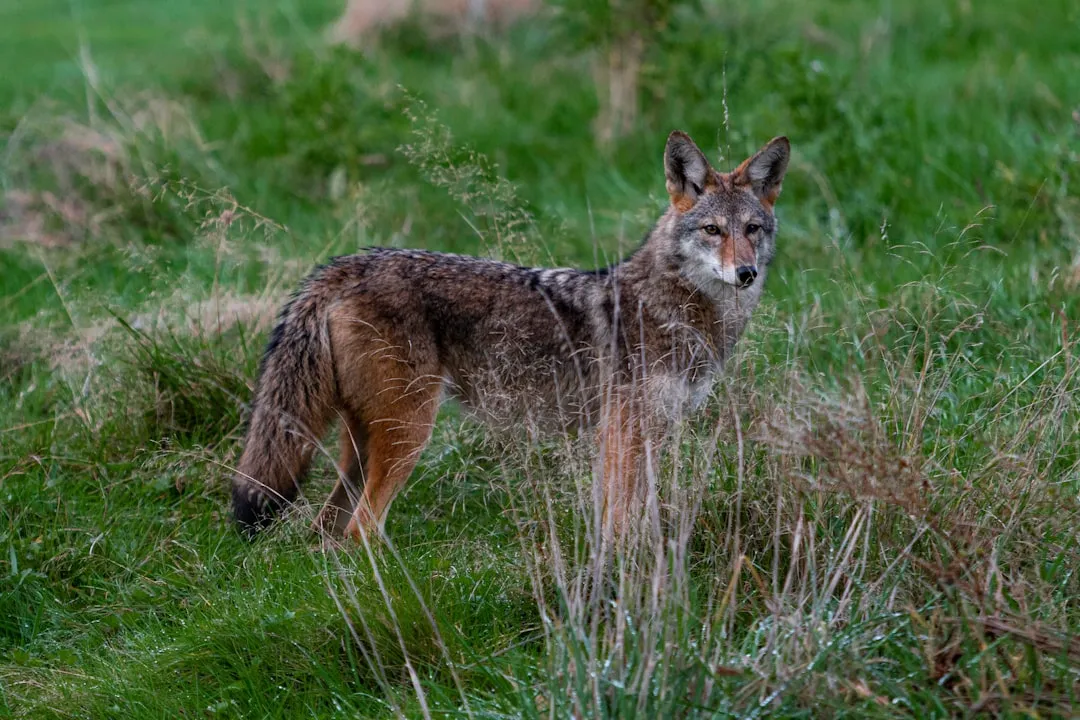
Coexistence is not just a buzzword; it is the default reality in most of North America now. The goal is not zero coyotes; it is low-conflict coyotes. Wildlife specialists recommend a layered approach: secure trash in sturdy containers, bring pet food inside at night, pick up fallen fruit, clean up spilled bird seed, and seal gaps under sheds or decks that might tempt a denning female. Motion-activated lights or sprinklers can add an extra nudge, making yards feel less welcoming without harming any animals.
Many biologists also strongly support hazing: using loud noises, waving arms, shining a flashlight, or tossing small objects near (not at) a coyote to make it move away. The idea is to actively teach coyotes that people are unpredictable and not worth approaching. Done consistently by a community, this keeps coyotes on the cautious side of the line. So when you hear that nightly chorus, you can hear it as a reminder: you live next to wild neighbors, and you have a say in how close they’re allowed to come.
When To Worry Enough To Call Someone
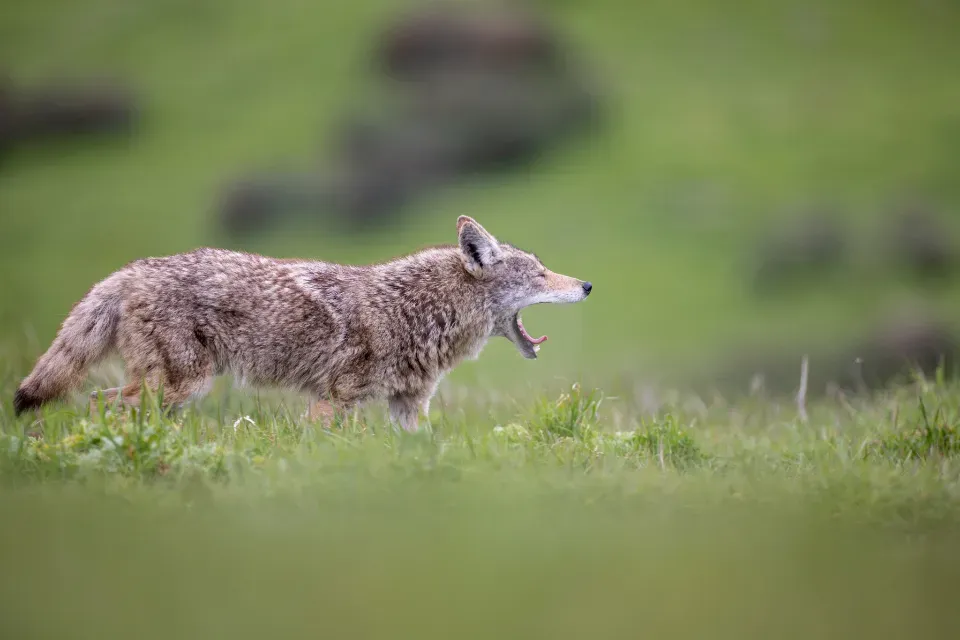
Wildlife experts are careful to say that just hearing coyotes – no matter how often – is not a reason to panic or demand removal. Sound alone is not a problem. What starts to raise red flags is behavior: coyotes repeatedly approaching people, hanging around playgrounds or schoolyards at midday, following joggers or dog walkers closely, or refusing to move off when hazed. Injured, sick, or severely underweight coyotes may also act oddly, wandering in the open or showing little fear.
If you see those patterns, that is when it is time to reach out to local animal control or a wildlife agency. Keep notes: dates, times, locations, and behavior details help professionals spot trends and decide what actions, if any, are needed. Experts are frankly a bit frustrated that most calls they receive are about “loud howling,” because that’s just normal communication. They would rather people stay calm about the noise and be laser-focused on the few real warning signs that indicate a coyote is crossing the line from wild neighbor to safety concern.
Conclusion: Respect The Wild Choir, But Set The Rules

Hearing coyotes every night can feel eerie, beautiful, or downright stressful – sometimes all in the same week. Wildlife experts tend to land on a clear message: the sound itself is not the threat. It is a reminder. It tells you that your neighborhood is stitched into a much larger living system, one that keeps functioning whether or not we approve. Ignoring that reality, or pretending coyotes should vanish because we built houses and sidewalks, is wishful thinking, not a plan.
My own opinion, after years of listening and talking to people who study these animals, is that we underestimate both our power and our responsibility. Our habits decide whether coyotes stay wary or become a problem. If we feed them, leave pets outside, and shrug off bold behavior, we help create the very conflicts we fear. If we clean up food sources, supervise animals, haze when needed, and stay informed instead of panicked, we turn those nightly howls into what they really are: a wild soundtrack we can live with, on our terms. Next time you hear that rising chorus in the dark, will you just feel afraid – or will you remember that you have a say in how this story plays out?