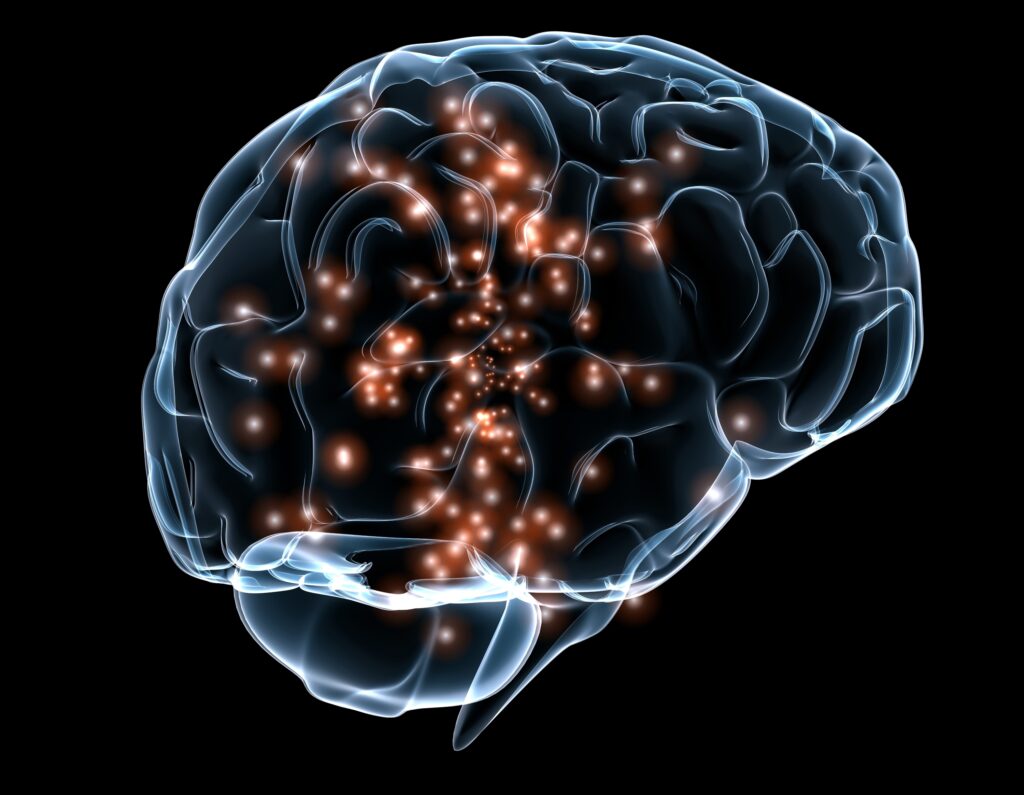

You probably imagine death as a single instant: one moment you are here, the next you are gone. In reality, your brain does not flip off like a light switch. It goes through a sequence of changes, some surprisingly organized, some chaotic, many still not fully understood. Scientists can now watch parts of this process in real time, and what they see is far more complex than the stories you usually hear.
In this article, you will walk through what seems to happen in your brain as you approach death, based on what researchers observe in people and animals, as well as reports from those who have come close but survived. You will see where the science is fairly solid, where it is still speculation, and where mystery remains. You might not get all the comforting answers you want, but you will get something more useful: a clearer, grounded picture of what your brain appears to go through as life fades.
The Brain Does Not Die All at Once
When your heart stops, blood pressure collapses and blood flow to the brain plummets. But your brain cells do not instantly vanish or turn off; many of them keep struggling for several minutes, trying to hold on as oxygen and fuel disappear. You can think of it less like a plug being pulled, and more like a city losing power block by block while emergency generators kick in and then fail.
Different parts of your brain also shut down at different speeds. The areas responsible for higher thinking and conscious awareness are usually more sensitive and fail earlier, while some deeper structures can keep firing for a bit longer. This staggered decline helps explain why you could lose the ability to respond or move before deeper reflexes and internal rhythms finally stop.
The Final Energy Surge: A Last Burst of Brain Activity
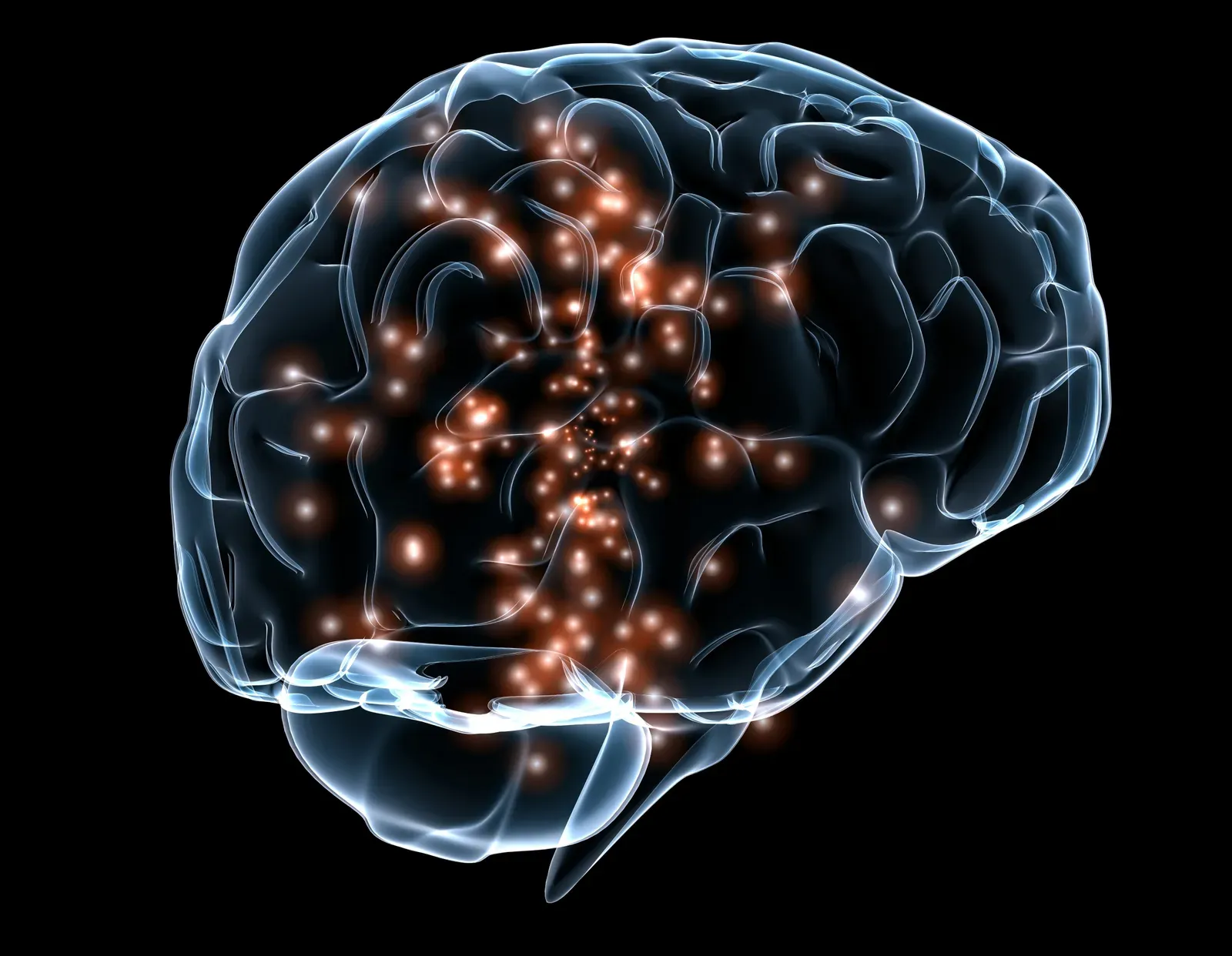
Strangely, just before or shortly after the heart stops, scientists sometimes see a brief, intense spike in brain activity. In some people and animals, certain brain regions suddenly become more synchronized and active for a short window of time. You might expect a flat line, but your brain appears to throw one final energetic flare as it runs out of reserves.
Nobody can say with certainty what this surge feels like from the inside, but it is tempting to link it to the vivid awareness some people describe during near-death experiences. Instead of your mind just dimming, you may pass through a short phase where your brain is briefly more organized in some networks, even as it is failing overall. It is like a last flash of fireworks before the night goes dark.
How Oxygen Loss Distorts Perception

As oxygen drops, your brain’s communication systems become unstable. Neurons still try to fire, but they misfire more often, sending confused signals that can scramble how you see, hear, and feel. You might imagine this as static on an old television: shapes and sounds are still there, but they are warped, broken, and mixed together in ways that don’t match reality.
This instability can lead to tunnel vision, bright lights, muffled sounds, and a sense that the world is slipping away. Because your visual system and attention networks are extremely sensitive to reduced blood flow, they may be among the first to distort. What you experience might feel incredibly real and meaningful, but from a biological standpoint, it is your brain trying to function in an environment where its basic fuel is disappearing.
Why Time Can Feel Strange or Infinite

People who nearly die and come back often say time felt stretched, slowed, or completely lost. Your brain does not have a single “time center”; instead, various regions work together to create your sense of before, now, and after. During the dying process, those networks can break down at different rates, which can distort your sense of time in dramatic ways.
Without normal sensory input and stable brain rhythms to anchor you, moments can feel endlessly long or collapsed into a single instant. You might feel that you are outside time entirely, even if only a few seconds are passing in the real world. From the outside, that episode may look brief and clinical, but from the inside, it can feel as deep and drawn out as some of the longest moments of your life.
The Chemistry of Calm, Euphoria, and Peace

Your brain is not just electrical; it is soaked in chemicals that shape everything you feel. Under extreme stress, including the threat of death, your brain can release waves of natural painkillers and mood-altering substances. These are the same systems that help you cope with trauma, blunt pain, and sometimes trigger a strange sense of calm when things are clearly not okay.
For some people, that might translate into warmth, acceptance, or even a gentle euphoria near the end. For others, especially if fear and confusion dominate early on, the experience may be more unsettling. Still, the biology suggests your brain has built-in tools that can soften the sharp edges of dying, not out of kindness or cruelty, but as a natural extension of how it tries to keep you from being overwhelmed.
Near-Death Experiences: Brain Phenomenon, Profound Meaning
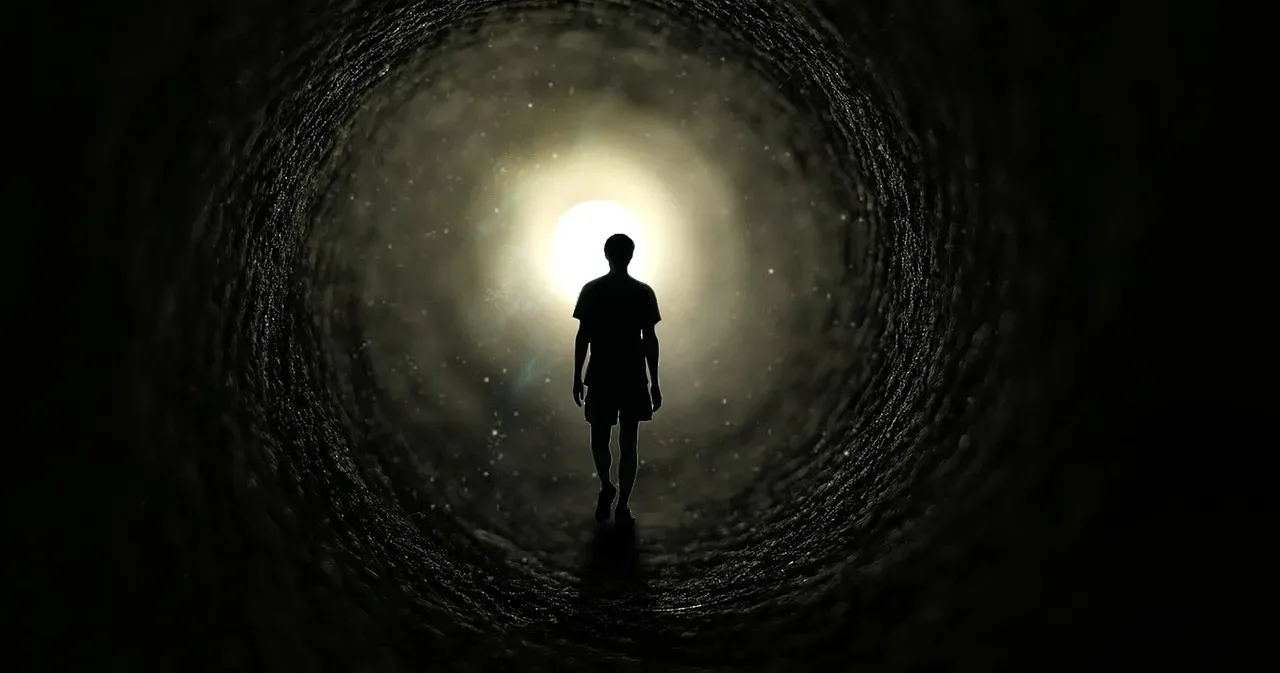
When you hear about tunnels of light, life reviews, or the feeling of leaving your body, you are hearing near-death experiences described in everyday language. Researchers can connect many elements of these reports to known brain processes: altered vision during low blood flow, memory networks firing in unusual patterns, and out-of-body sensations linked to specific brain regions that map your sense of self in space. From a scientific angle, these events look less like proof of something supernatural and more like extraordinary brain states at the edge of survival.
But that does not make them trivial. When you are the one having the experience, it can feel more real than normal waking life and change how you view everything afterward. You can understand these moments as your brain’s response to extreme stress while still respecting the deep personal meaning they carry. Biology can explain mechanisms, but it does not get to dictate what you choose to make of what you went through.
After the Heart Stops: The Slow Fade of Brain Cells
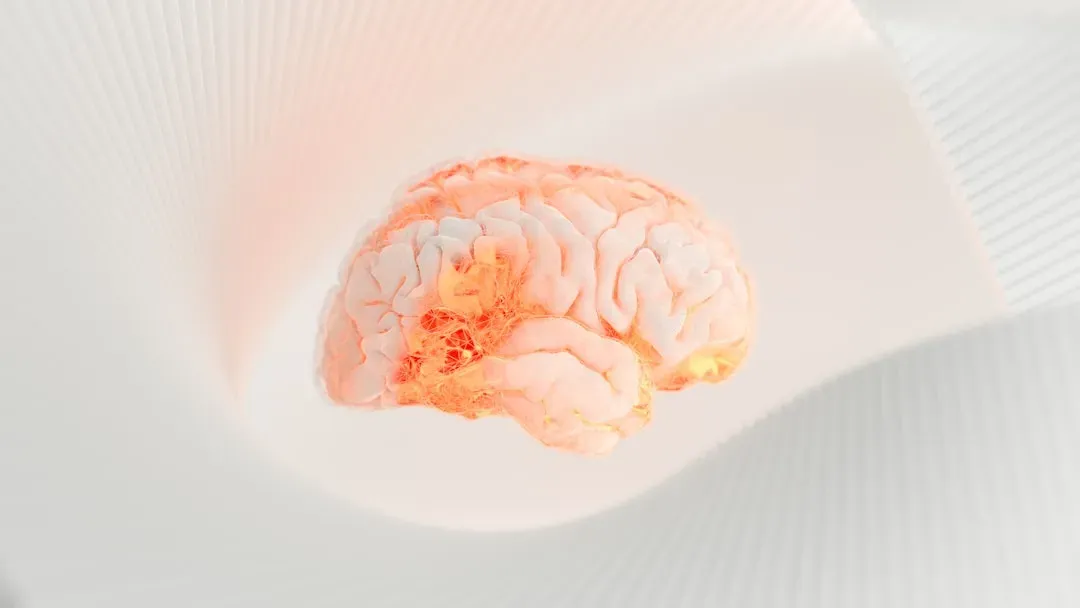
Once blood flow fully stops, your brain moves from crisis mode into a kind of shutdown sequence. Electrical activity declines, but individual neurons do not die at the same moment; many of them slowly fail over minutes, and in some settings even longer, depending on temperature and other factors. This window is why attempts at resuscitation can sometimes succeed well after the heart has stopped.
From your inner perspective, conscious experience probably ends earlier than this full cellular decline. Your sense of self and awareness likely fade when large-scale brain networks can no longer coordinate properly. What continues afterward is more like the final mechanical unwinding of a system that once supported a mind, a body shutting down the stage after the actor has already left.
What All This Means for How You Think About Dying
Knowing what the brain seems to go through during dying does not erase the fear of death, but it can change its shape. You see that there is a process, not just an abrupt nothing: surges of activity, strange perceptions, altered time, and possible waves of calm layered into your final moments. You are not a light bulb being switched off; you are more like a complex symphony slowly reaching its last notes.
It also reminds you that much of what you might one day feel at the edge of life will be colored by biology: chemistry, blood flow, electrical patterns that have nothing to do with your worth or character. That knowledge can be oddly comforting. It lets you prepare not for perfect control, but for a kind of curious humility: your brain will do what it does, and your job now, while you are very much alive, is to decide what kind of meaning you want your life to hold before that final process begins. When you think about your own last moments, what do you hope your brain’s final story will be about?