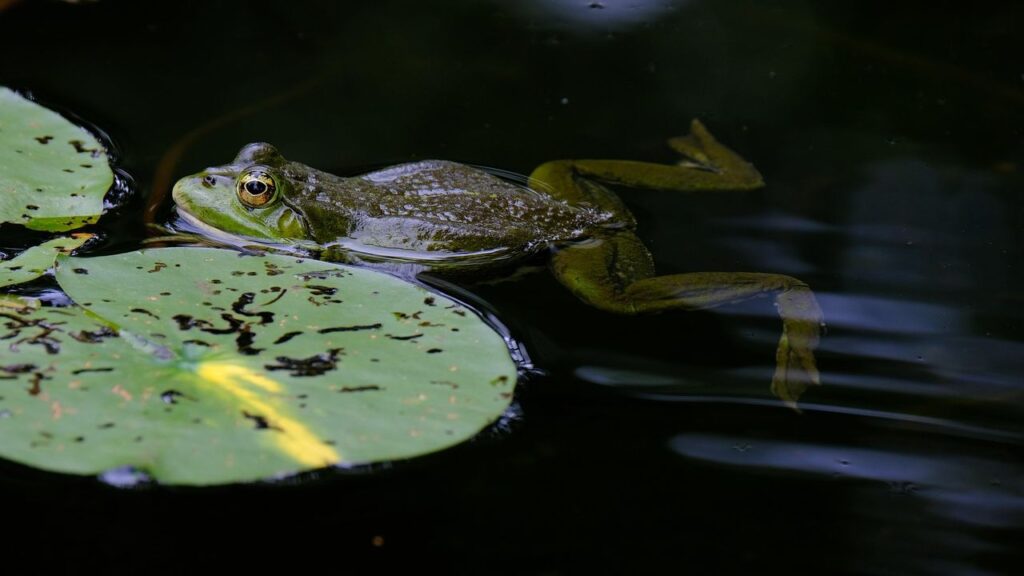

Step outside on a warm night, and the sound of frogs calling can feel like the background music of the planet itself. So when that chorus suddenly cuts off, it can feel eerie, like someone hit mute on nature. Many people brush it off as random, but biologists pay close attention when the night goes quiet, because silence in frogs is rarely an accident.
In the last few decades, scientists have started to treat frog calls like a real-time health check for ecosystems. When frogs stop calling, it can hint at hidden predators, toxic pollution, oncoming storms, or even large-scale environmental stress. I still remember the first time I walked past a normally deafening pond that had gone completely silent; it felt less like a calm night and more like a warning light flashing in the dark. So what does that silence really mean?
Sudden Silence Often Signals Predators Nearby
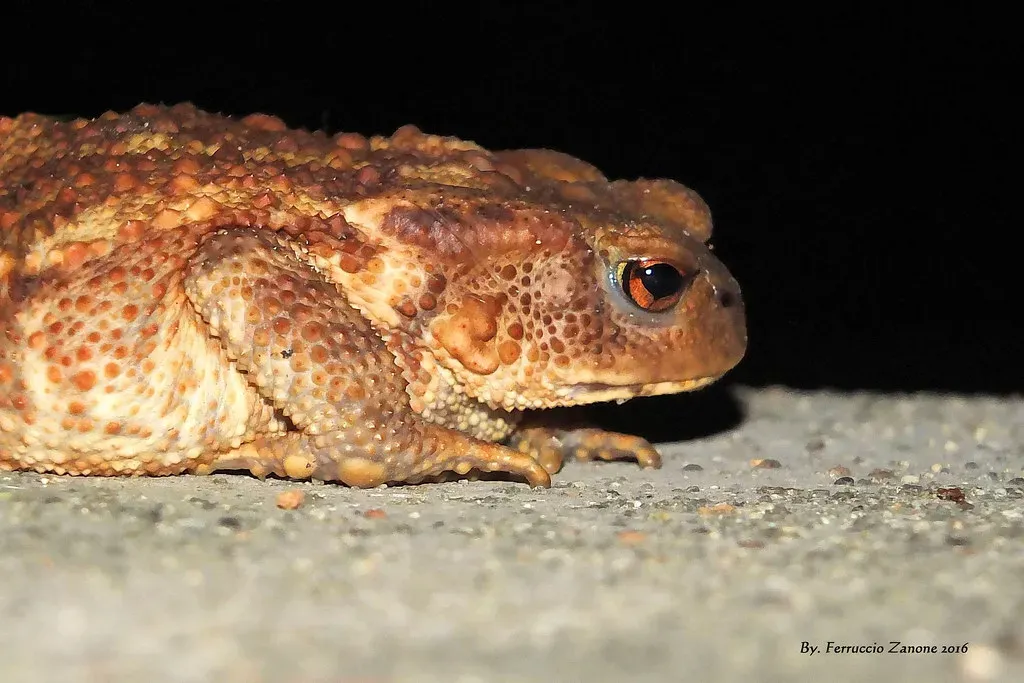
One of the most immediate explanations scientists consider when frogs suddenly stop calling is the presence of a predator. Frogs are tasty snacks for owls, snakes, raccoons, herons, and even larger frogs, and their calls are like neon signs advertising their location. Because of this, many species are hardwired to go quiet at the slightest hint of danger, especially when they detect movement, shadows, or certain sounds overhead.
Researchers have found that frogs can quickly adjust their calling behavior when they sense predators, sometimes stopping entirely and freezing in place. Imagine you are at a loud party and someone yells that there is a fire in the next room; the conversation would die instantly as everyone starts listening and assessing what to do. The same thing happens at a pond: one cue of danger, and the entire chorus can cut off as individuals copy each other’s silence, just in case they are next on the menu.
Weather Shifts and Atmospheric Changes Can Shut Them Down
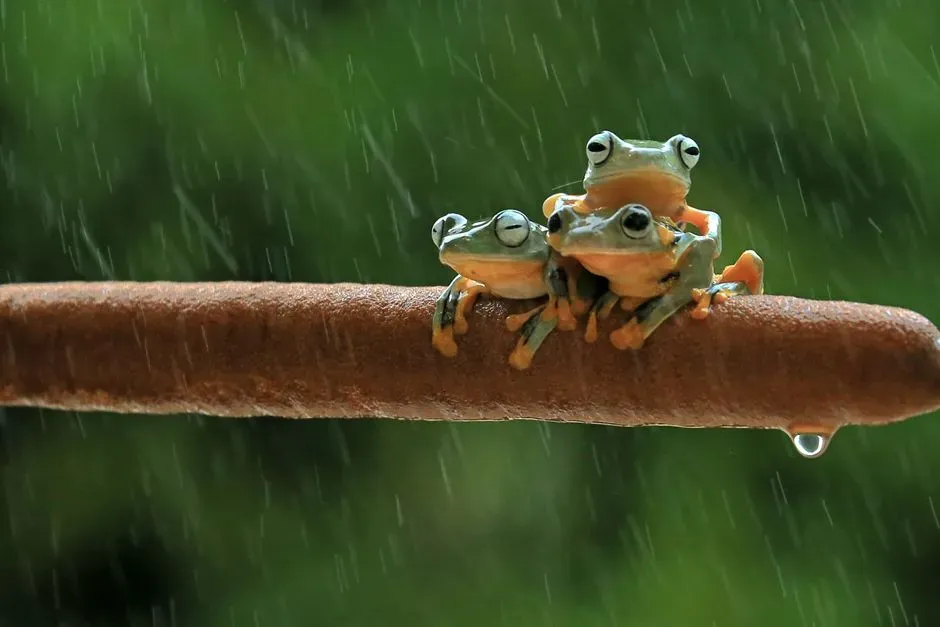
Another big reason frogs suddenly go quiet at night: changing weather. Frogs are deeply tuned into humidity, air pressure, and temperature, because their skin and reproductive cycles depend on water. When a storm front moves in, pressure drops, winds shift, and the environment can become less favorable or more risky, prompting frogs to stop advertising themselves and conserve energy instead.
In some regions, people even use frog calls as a kind of folk weather forecast, noticing that choruses can ramp up or die down hours before the sky changes. Scientifically, that makes sense, because frogs are exquisitely sensitive to subtle atmospheric shifts that we barely notice. If the night chorus suddenly falls quiet and the air feels heavier or gustier, it may be less a mystery and more a natural early-warning system whispering that the weather is about to flip.
Pollution and Toxins Can Silence Whole Ponds
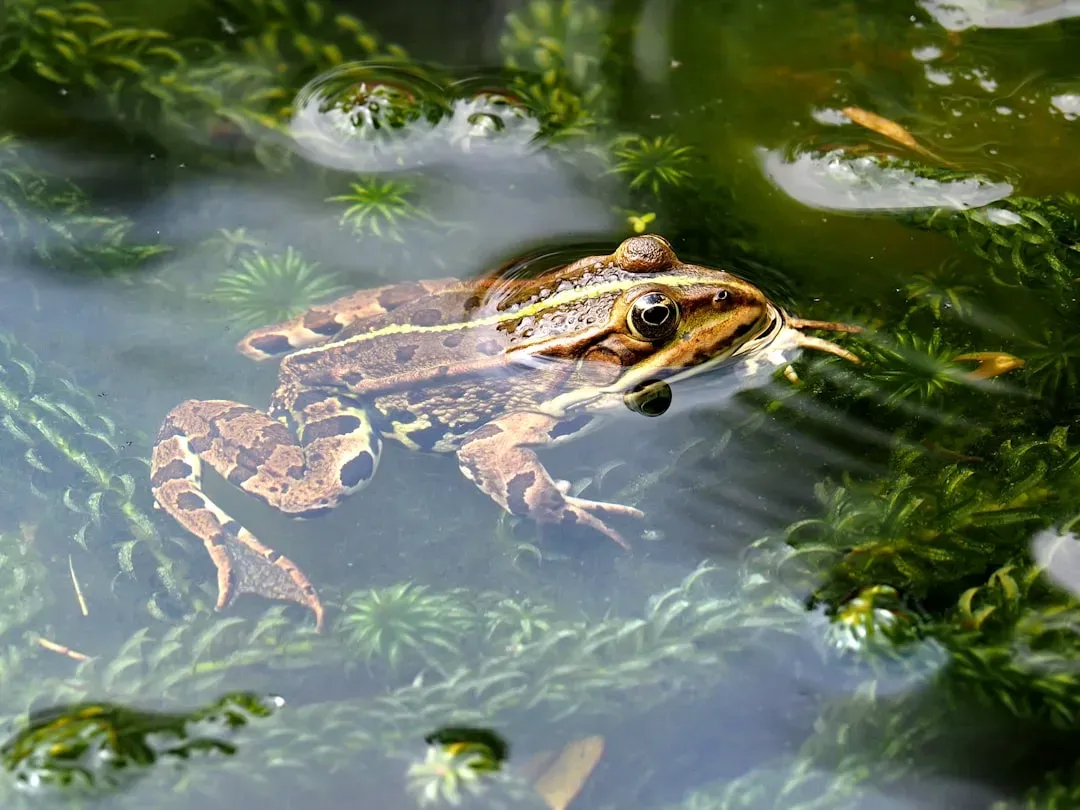
When frogs stop calling not just for a few minutes, but for nights in a row, scientists start worrying about more serious causes like pollution. Frogs absorb water and dissolved chemicals directly through their skin and eggs, which makes them extremely vulnerable to pesticides, fertilizers, heavy metals, and industrial runoff. Even low levels of some contaminants can stress them out, interfere with their hormones, or damage their nervous systems enough that calling becomes weaker, irregular, or stops altogether.
In extreme cases, toxic events can kill off a large portion of a frog population in a single pond, replacing a once-loud chorus with an unnerving stillness. Biologists sometimes describe frogs as environmental alarm bells because they are usually among the first animals to decline when water quality worsens. If a water body that used to ring with calls is repeatedly silent during the breeding season, it can be a red flag that something invisible – but dangerous – is happening in the surrounding land or upstream.
Habitat Loss Leaves Fewer Frogs to Do the Singing
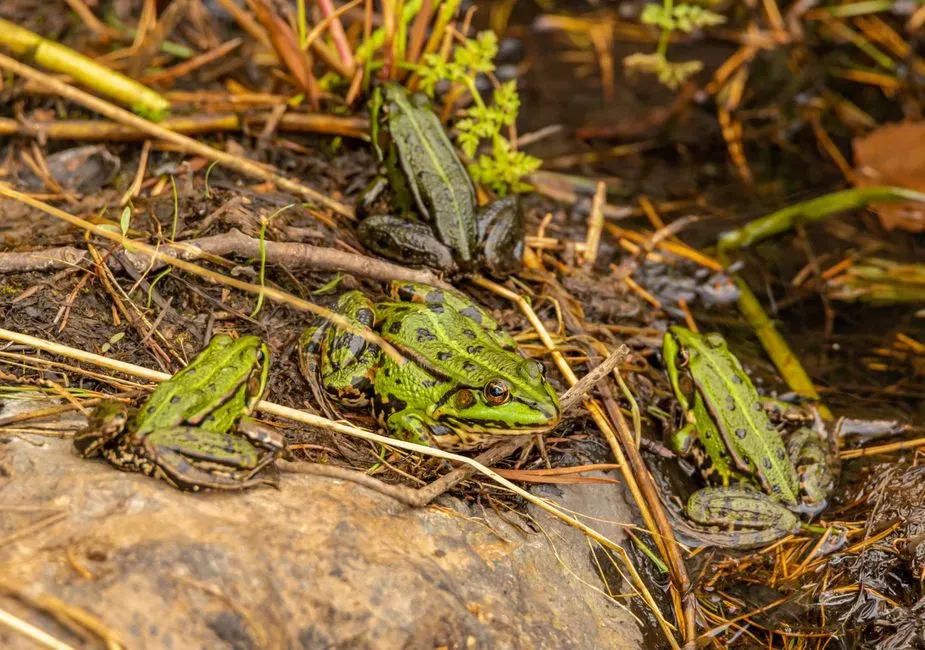
Sometimes, the most straightforward reason frogs stop calling is heartbreakingly simple: there are not many frogs left. Wetlands drained for agriculture, forests cleared for housing, streams straightened or polluted – all of these changes shave away at the places frogs need to live, hide, and breed. At first the calls only thin out, but as habitat patches shrink or disappear, the chorus can fade to a few scattered voices and then nothing at all.
This kind of silence creeps up gradually, which is why it is easy for people to miss until it is almost complete. Many scientists who study amphibians talk about returning to childhood ponds that once vibrated with sound, only to find mute water edged with concrete and lawn. In those cases, the quiet is not a passing mood; it is the sound of an ecosystem that has lost the space and complexity frogs require to survive and gather in big, noisy crowds.
Disease Outbreaks Can Wipe Out Entire Choruses
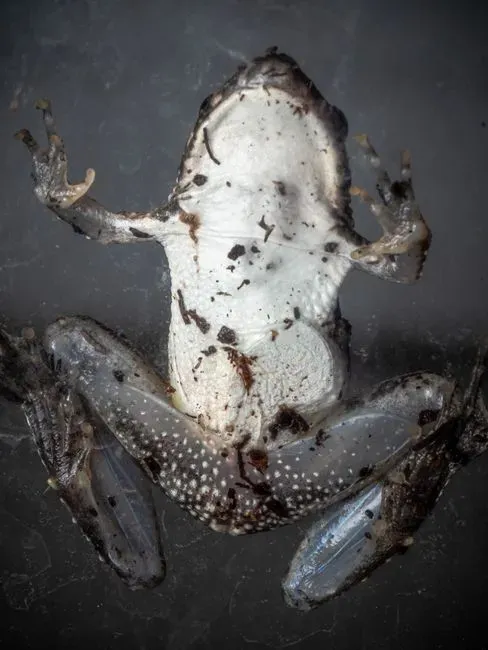
Over the past few decades, amphibian diseases have caused dramatic declines and even local extinctions across the globe, and silence at night is often the first thing people notice. One of the most notorious culprits is a fungal infection that attacks frog skin, disrupting how they breathe and maintain salts and water. Because frogs rely so much on their skin, this kind of infection can be devastating, especially in crowded breeding ponds where infection spreads easily.
When a disease like this hits, the change in sound can be shocking: a pond that was deafening one year might be eerily quiet the next. Researchers sometimes use acoustic monitoring – recording frog calls over long periods – to detect these shifts without even seeing the animals. If the calling rate crashes suddenly and stays low, it can signal that something lethal is moving through the population, even before dead frogs are found or lab tests confirm the cause.
Light and Noise Pollution Confuse Their Natural Rhythms
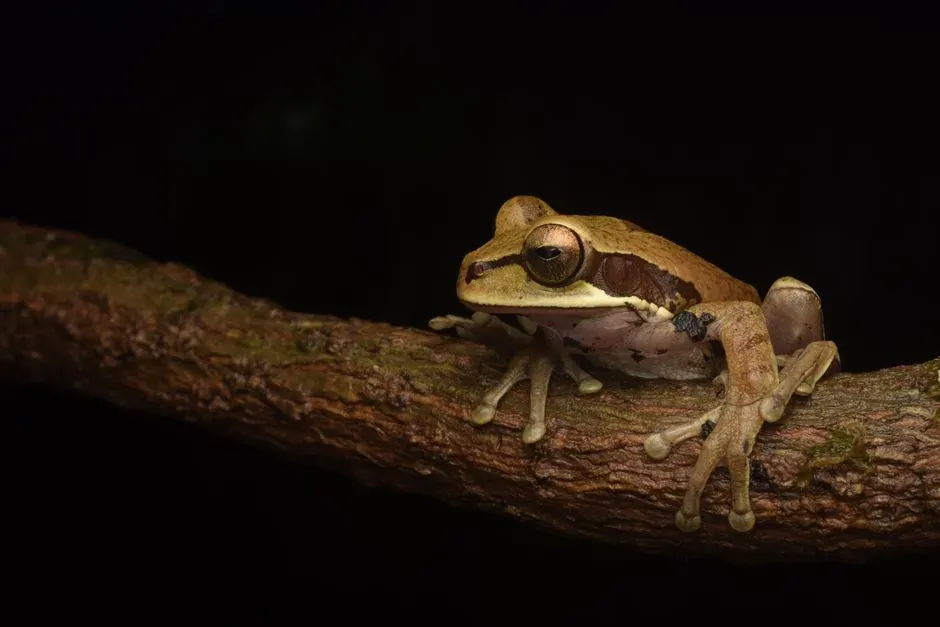
Modern human life has introduced two new kinds of disruption that can make frogs stop calling: artificial light at night and constant noise. Many frog species time their calls to darkness, using the cover of night to reduce their chances of being seen by predators. Bright streetlights, yard lights, or commercial lighting can blur the line between day and night, throwing off their natural rhythms and discouraging them from calling at all in heavily lit areas.
Noise from traffic, machinery, or nightlife can be just as damaging, because frog calls are all about being heard. Males call to attract females and warn other males, and they often need to stand out in a narrow band of frequencies. Loud, low-frequency human sounds can mask these calls, making communication more difficult or pointless. Some frogs will try to shift when or how they call, but others may simply give up, leading to quieter nights near busy roads or urban centers.
Seasonal Cycles and Life Stages Also Play a Role
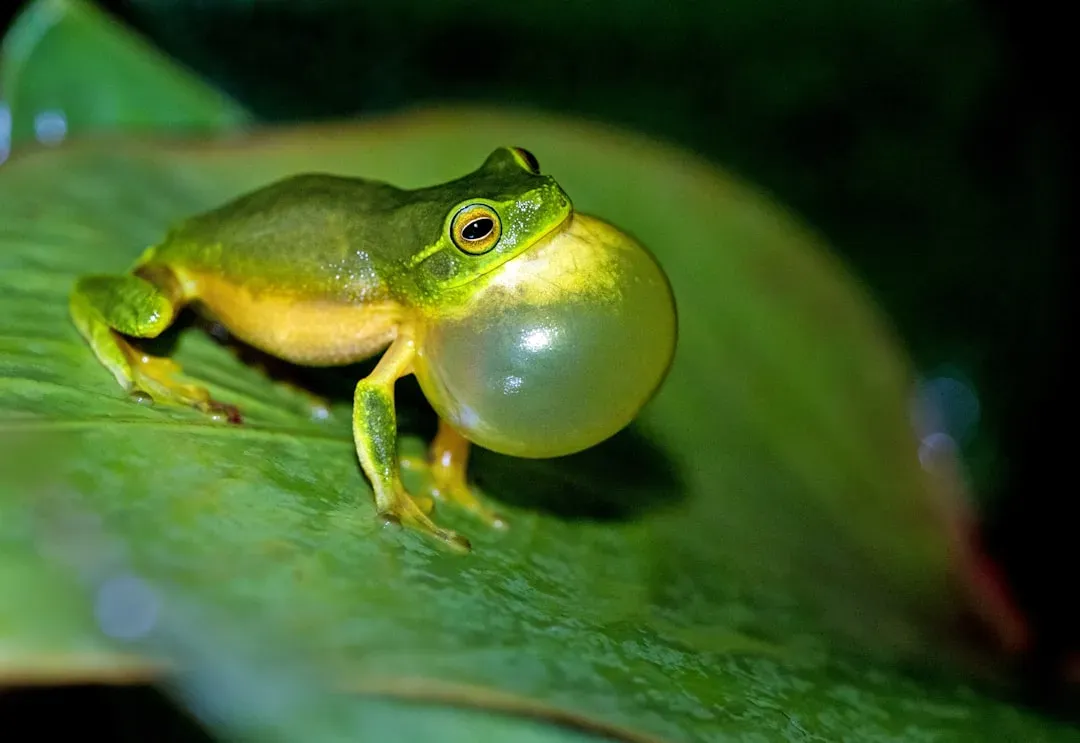
Not every quiet night is an emergency. Frogs are highly seasonal, and their calling peaks during specific windows tied to temperature, rainfall, and breeding cycles. Outside of those windows – even in places normally filled with croaks and trills – the nights can be surprisingly calm. It is a bit like a stadium that roars on game day but sits mostly empty the rest of the week; the absence of noise then is just part of the pattern.
Individual frogs also move through life stages where calling does not happen at all, such as when they are tadpoles or juveniles. If a local population has recently had poor breeding success, there may simply be fewer mature males ready to call that year. Scientists factor in these cycles when interpreting quiet nights, comparing them to long-term patterns instead of panicking over a single silent evening in the wrong season.
Frog Silence as an Early Warning for Ecosystem Health
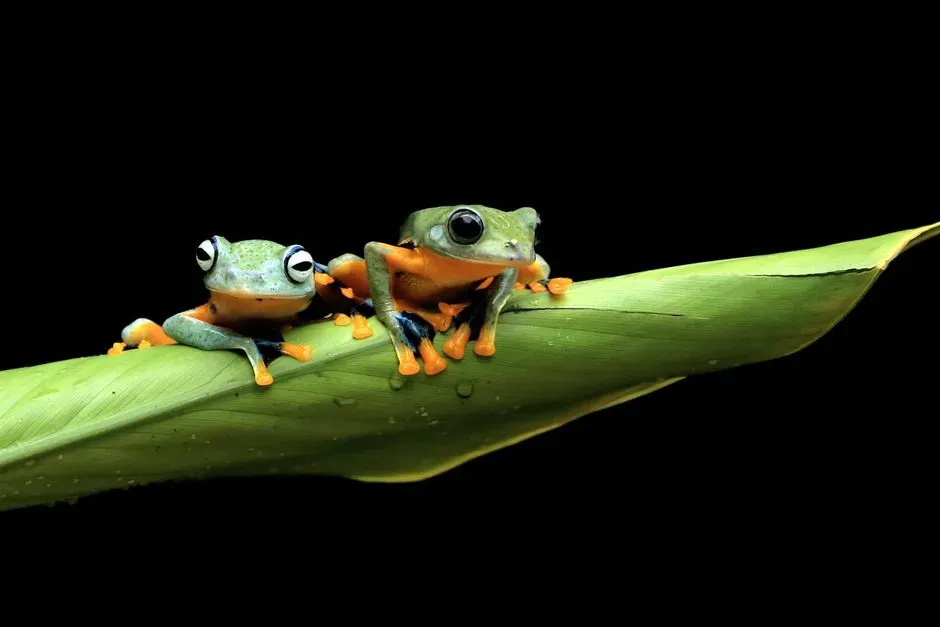
When scientists listen to frog choruses, they are not just enjoying the sound; they are gathering data on the health of entire landscapes. Because frogs react quickly to changes in water, climate, pollution, and land use, a sudden or persistent drop in calling can hint at problems that will later affect birds, fish, insects, and even people. In that sense, frog silence acts like a dashboard light on a car, signaling that something under the hood of the ecosystem may need attention.
Increasingly, researchers and conservation groups are setting up automated recorders to track frog sounds over months and years, turning the nighttime soundscape into graphs and trends. This lets them detect subtle declines that the casual ear might miss, especially in remote wetlands. When the graphs flatten out – when the peaks of calling seasons shrink or vanish – it can guide where to focus habitat restoration, pollution control, or disease monitoring. In other words, that missing music can help direct real-world action.
What a Quiet Night Is Really Telling Us
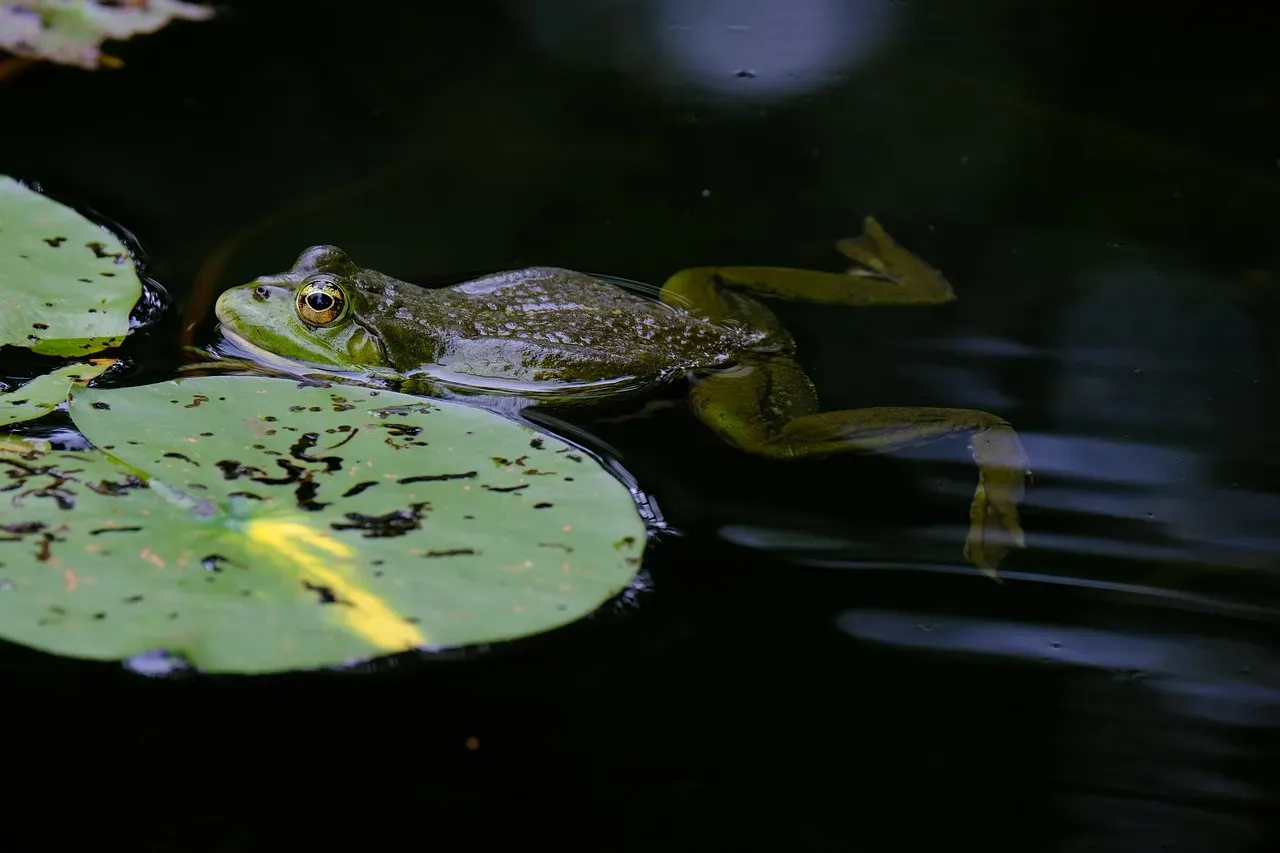
, I think of it less as a random quirk and more as a message we have to learn to read. Sometimes the message is immediate and local: a hunting owl passing overhead, a storm rolling in, a truck rumbling too close to the ditch. Other times, the message is heavier: poisoned water, bulldozed wetlands, or a disease spreading quietly through fragile populations. The hard truth is that in many places, we have turned what used to be temporary pauses into permanent silences.
My own opinion is that we underestimate how valuable these small, noisy creatures are, not just ecologically, but emotionally. A vibrant frog chorus makes a place feel alive in a way that no app or soundtrack can fake, and losing that sound is like losing a familiar voice in the neighborhood. So the next time you notice a pond that has gone unnervingly quiet, it is worth asking whether it is just a passing shadow – or a sign that something deeper needs our attention. If your local nights could talk, would they be singing, or would they be holding their breath?