When you look outside on a typical January morning in Minnesota and see temperatures that could freeze hell over, you might think your furry companion is well-equipped for the brutal conditions ahead. After all, they’ve got that nice thick coat, right? Well, here’s the shocking truth – your pet is nowhere near as winter-ready as you might believe.
Minnesota winters aren’t just cold; they’re downright dangerous for our beloved pets. The record for the coldest temperature in the state is sixty degrees below zero. This isn’t just uncomfortable weather – it’s life-threatening territory where even the toughest outdoor cats and dogs can suffer severe injuries within minutes.
Understanding Your Pet’s Cold Tolerance Isn’t What You Think
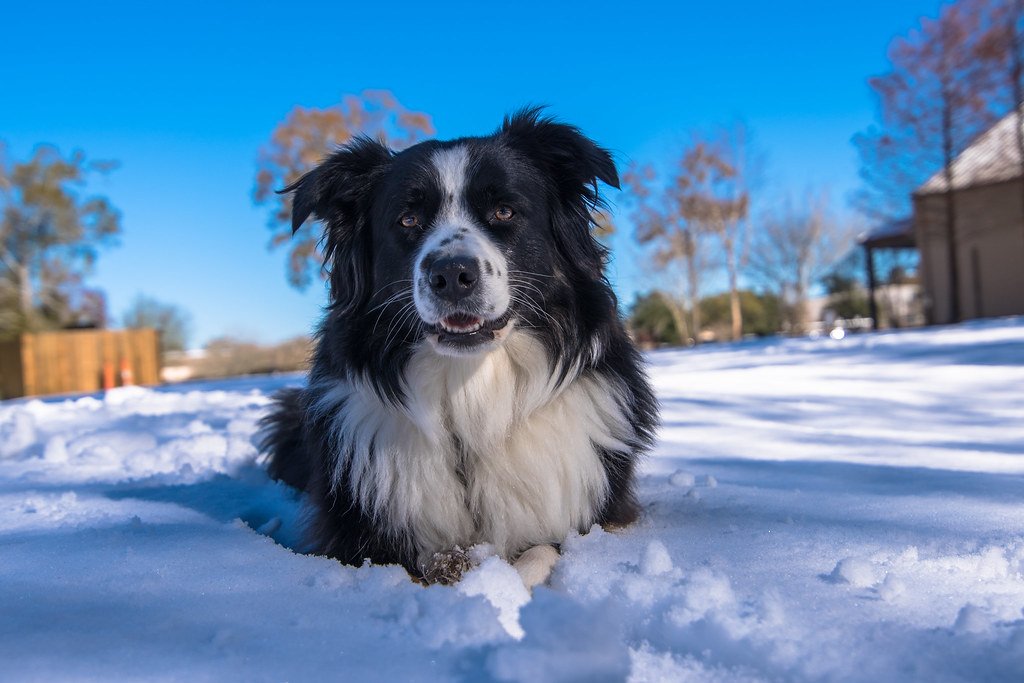
Here’s where many pet owners get it completely wrong. It’s a common belief that dogs and cats are more resistant than people to cold weather because of their fur, but it’s untrue. Like people, cats and dogs are susceptible to frostbite and hypothermia and should be kept inside. That fluffy coat that looks so impressive? It’s not magical winter armor.
Just like people, pets’ cold tolerance can vary from pet to pet based on their coat, body fat stores, activity level, and health. Be aware of your pet’s tolerance for cold weather, and adjust accordingly. Some factors make pets especially vulnerable – age, breed, size, and health conditions all play crucial roles in determining how quickly your pet can get into serious trouble.
The 20-Degree Rule That Could Save Your Pet’s Life

Professional veterinarians who work in extreme cold conditions have established a clear guideline that every Minnesota pet owner needs to memorize. Any temperature less than 20°F warrants dog booties and a dog jacket. This isn’t a suggestion – it’s a medical necessity based on years of treating cold-weather injuries.
Keep in mind that some dogs have a very thin hair coat and lack of body fat to insulate them – dogs such as greyhounds, Italian greyhounds, Boxers, pit bulls, etc., may need a protective gear at temperatures less than 30°F. If your dog doesn’t have a thick, plush hair coat, consider a winter jacket as temperatures drop below 20°F. Your pit bull might look tough, but those short-haired breeds are sitting ducks in Minnesota’s brutal conditions.
Recognizing Hypothermia Before It’s Too Late
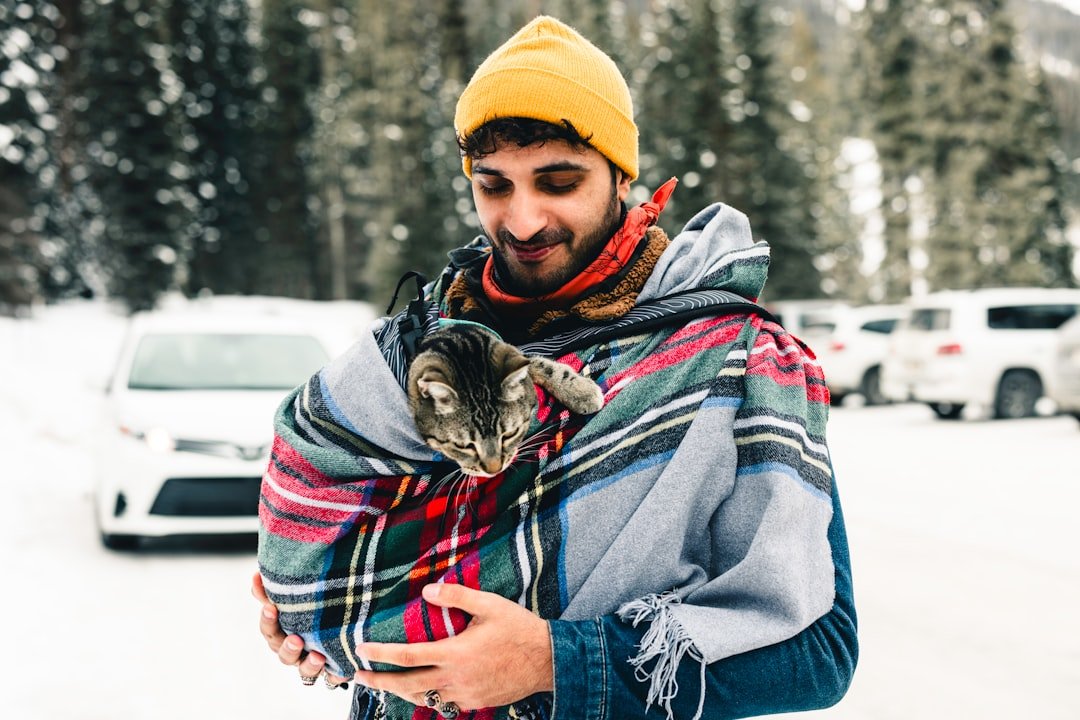
Hypothermia can sneak up faster than you’d believe, and the early warning signs are easy to miss if you don’t know what to look for. Symptoms of hypothermia in cats and dogs include paleness of skin, shivering, and listlessness to the point of lethargy. When sustained for too long, hypothermia can be fatal, leading to coma, heart failure, and other organ shutdowns.
The scary part? If your pet is whining, shivering, seems anxious, slows down or stops moving, seems weak, or starts looking for warm places to burrow, get them back inside quickly because they are showing signs of hypothermia. Once your pet stops shivering, that’s actually a bad sign – it means their body is giving up the fight to stay warm.
Frostbite: The Silent Destroyer of Paws and Extremities

Frostbite is particularly cruel because it often goes unnoticed until serious damage has already occurred. Frostbite is harder to detect, and may not be fully recognized until a few days after the damage is done. If you suspect your pet has hypothermia or frostbite, consult your veterinarian immediately. By the time you see visible signs, tissue death might already be happening.
The paws, ears, and tail are the most common tissues to be affected. The clinical signs associated with frostbite include: discoloration of the affected area of skin – often pale, gray or bluish · coldness and/or brittleness of the area when touched. For pets – especially short-haired dogs and cats – frostbite risk increases significantly in below-freezing temperatures, particularly when prolonged exposure occurs.
The Hidden Danger of Ice Melt and Rock Salt

Minnesota sidewalks and driveways are loaded with chemicals that can seriously harm your pet, and most owners have no idea how dangerous these substances really are. Most commonly used deicers, like calcium chloride and sodium chloride, can hurt his paws, and some are toxic if they ingest it by licking their paws. Your dog doesn’t know the difference between safe snow and chemical-laden slush.
Rock salt will dry out their paw pads, causing cracks, and the sharp edges of the salt can also cut into their paw pads. Chemically laced salt in a wound is painful and harmful. Since you don’t know what your neighbors have put down, make sure to use a damp cloth to wipe off your pet’s paws after coming into the house.
Car Engines: Death Traps for Outdoor Cats

This might be the most heartbreaking danger that Minnesota pet owners face, especially if you have outdoor cats or strays in your neighborhood. Make sure to “bang” on your car hood before starting the car (this is particularly important if you see paw prints on your hood!). Cats often hide under a car hood when it’s warm, and can develop severe fan belt injuries (including broken jaw bones, severe lacerations, etc.) when the car is started.
A warm vehicle engine can be an appealing heat source for outdoor and feral cats, but it’s deadly. That simple act of banging on your hood and honking your horn before starting your car could literally save a cat’s life. It takes two seconds, but the consequences of skipping this step can be devastating.
Emergency Preparation: Your Pet’s Winter Survival Kit
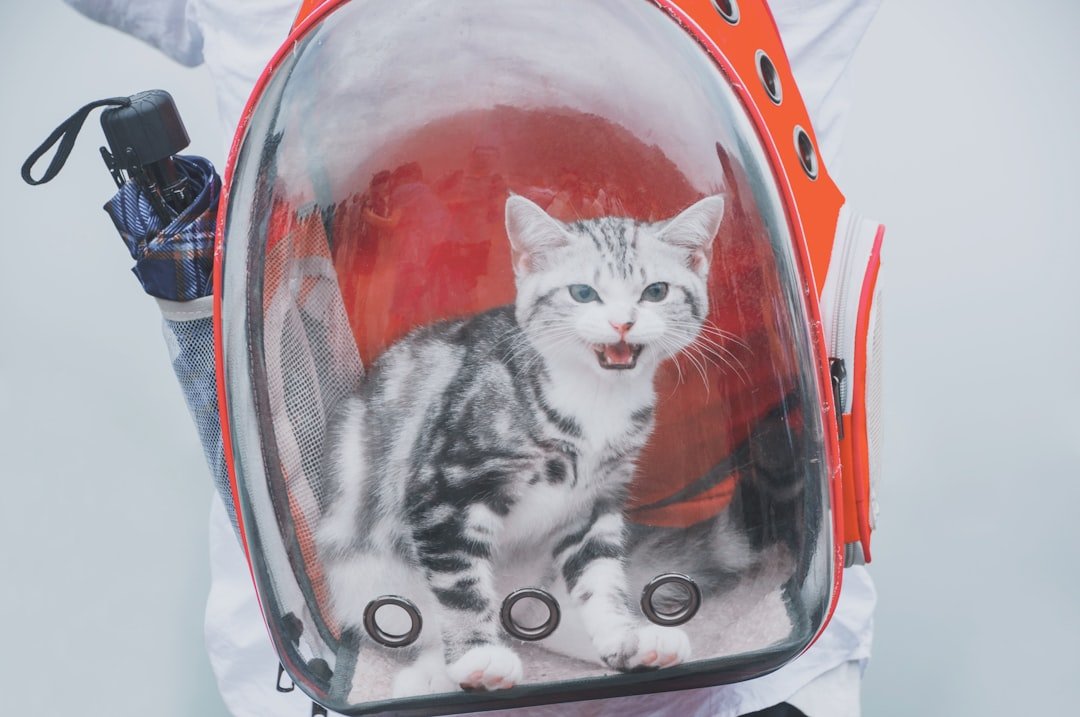
Minnesota weather can turn deadly in a matter of hours, and being prepared isn’t optional – it’s essential for your pet’s survival. Cold weather also brings the risks of severe winter weather, blizzards and power outages. Prepare a disaster/emergency kit, and include your pet in your plans. Have enough food, water and medicine (including any prescription medications as well as heartworm and flea/tick preventives) on hand to get through at least 5 days.
Power outages during Minnesota blizzards aren’t rare – they’re almost expected. Your heating system goes down, stores close, and roads become impassable. The Twin Cities have already had several winter storms that have impeded travel and caused cancellations and closures. You should also keep an adequate supply of your pet’s food and prescription medications on hand so you don’t have to run out in a blizzard to get to the store for food or the clinic for refills
When to Never Leave Your Pet Outside
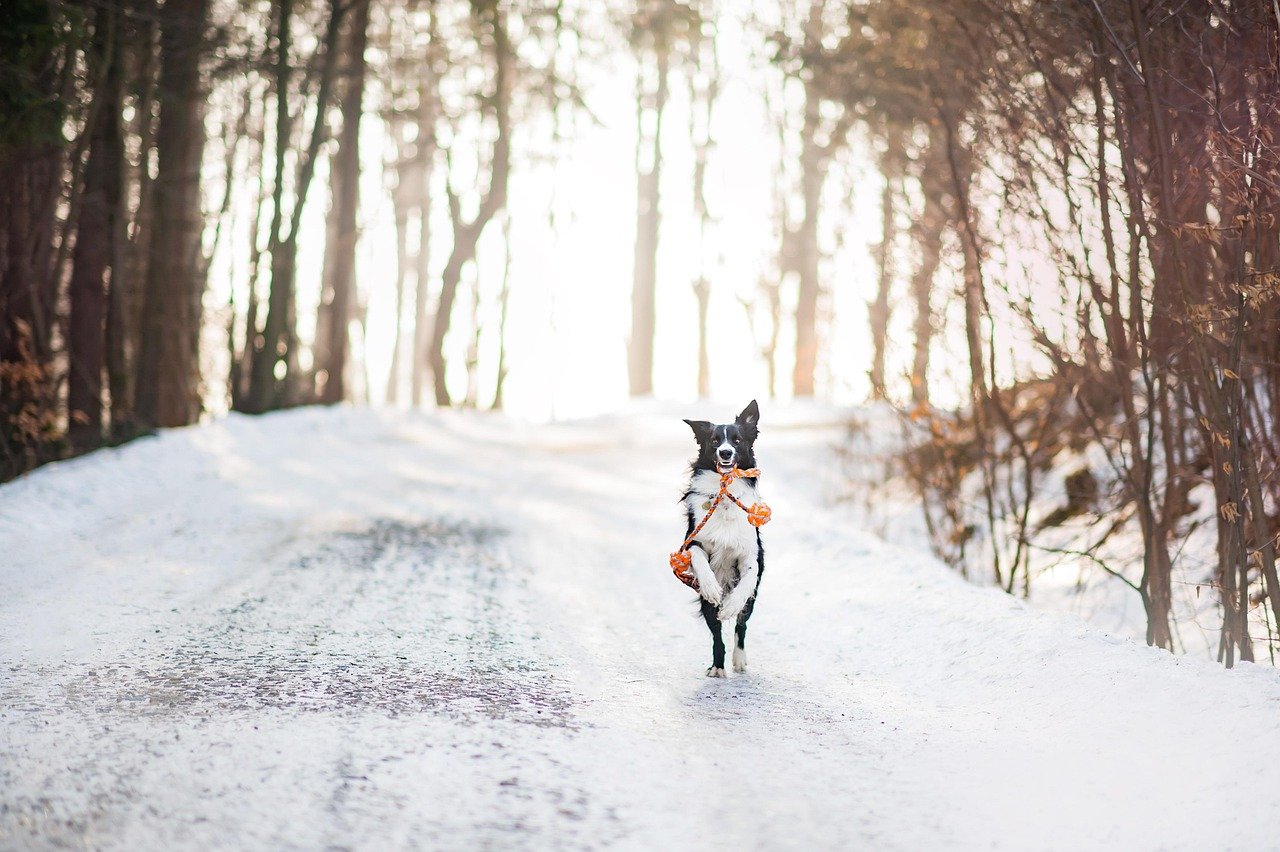
There are specific conditions where keeping your pet outdoors becomes a matter of life and death, and every Minnesota pet owner needs to know these hard limits. During severe weather (temperatures in the single digits and below), dogs should be let out only to relieve themselves. Cats should be kept indoors at all times. This isn’t about comfort – this is about survival.
Remember, if it’s too cold for you, it’s probably too cold for your pet, so keep your animals inside. If left outdoors, pets can freeze, become disoriented, lost, stolen, injured or killed. In addition, don’t leave pets alone in a car during cold weather, as cars can act as refrigerators that hold in the cold and cause animals to freeze to death. Your car becomes a death trap just as dangerous in winter as it is in summer, but for the opposite reason.
Conclusion
The harsh reality is that Minnesota winters kill pets every single year, and many of these deaths are completely preventable. Your pet depends entirely on you to recognize the dangers, understand the warning signs, and take the necessary precautions to keep them safe. From understanding that 20-degree rule to recognizing the early signs of hypothermia, from protecting paws against toxic ice melt to preparing emergency supplies – every single detail matters when temperatures plummet.
The difference between a pet that survives Minnesota’s brutal winter and one that doesn’t often comes down to the knowledge and preparation of their owner. Your furry friend can’t make these life-saving decisions on their own. When you see those temperature warnings on your weather app, remember – it’s not just about bundling up yourself. Your pet’s life might literally depend on how seriously you take winter safety.
What seemed like obvious pet care before reading this might look completely different now, doesn’t it?
Jan loves Wildlife and Animals and is one of the founders of Animals Around The Globe. He holds an MSc in Finance & Economics and is a passionate PADI Open Water Diver. His favorite animals are Mountain Gorillas, Tigers, and Great White Sharks. He lived in South Africa, Germany, the USA, Ireland, Italy, China, and Australia. Before AATG, Jan worked for Google, Axel Springer, BMW and others.