Every archaeologist secretly dreads one thing more than broken pottery, lost funding, or bad weather: discovering that the entire story of a site rests on a single, fragile piece of paper. Not a magnificent inscription or a dramatic artifact, but a quiet, easily misplaced field notebook. It sounds almost absurd that the date of a city, a temple, or even an entire culture could hinge on a few scribbled lines made in fading ink at the bottom of a trench.
Yet that kind of thing has happened more than once. One overlooked notebook, one misread entry, one unverified assumption about a layer in the ground can ripple outward until it reshapes decades of scholarship. Timelines move, “firsts” and “lasts” rearrange, and entire historical narratives either collapse or suddenly make sense. It is both thrilling and slightly terrifying.
In this article, we’ll walk through how a single overlooked notebook can derail – or rescue – an archaeological chronology. We’ll look at how field records are actually kept, why dating is so fragile, where mistakes creep in, and how modern methods are forcing researchers to go back to the archives and reread not just the artifacts, but the words written about them. If you’ve ever wondered how solid our timelines really are, some of what follows may surprise you.
#1 The Silent Power of a Field Notebook
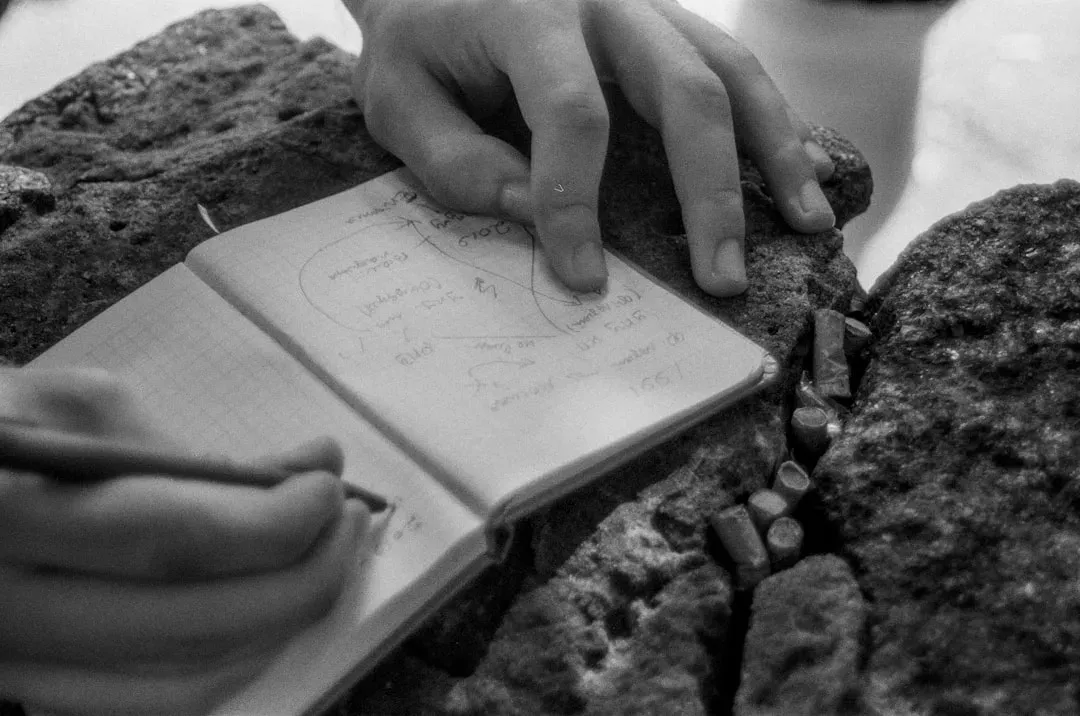
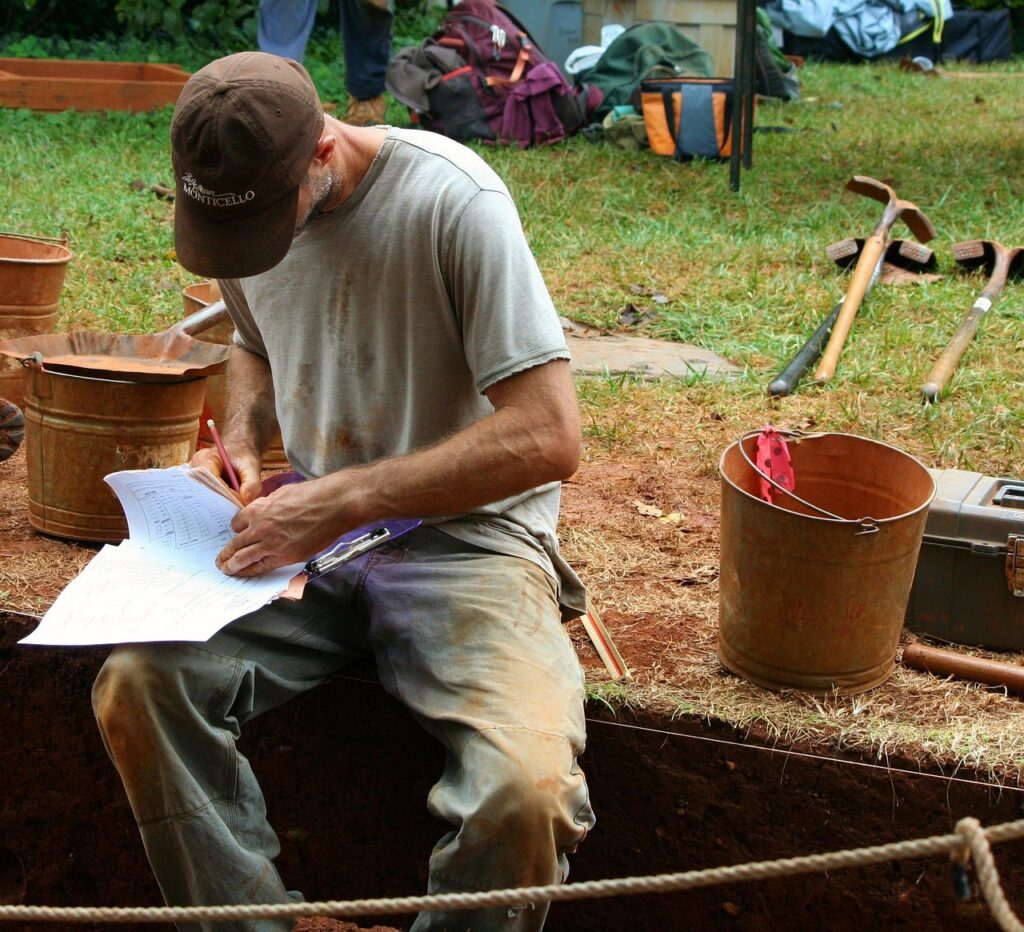
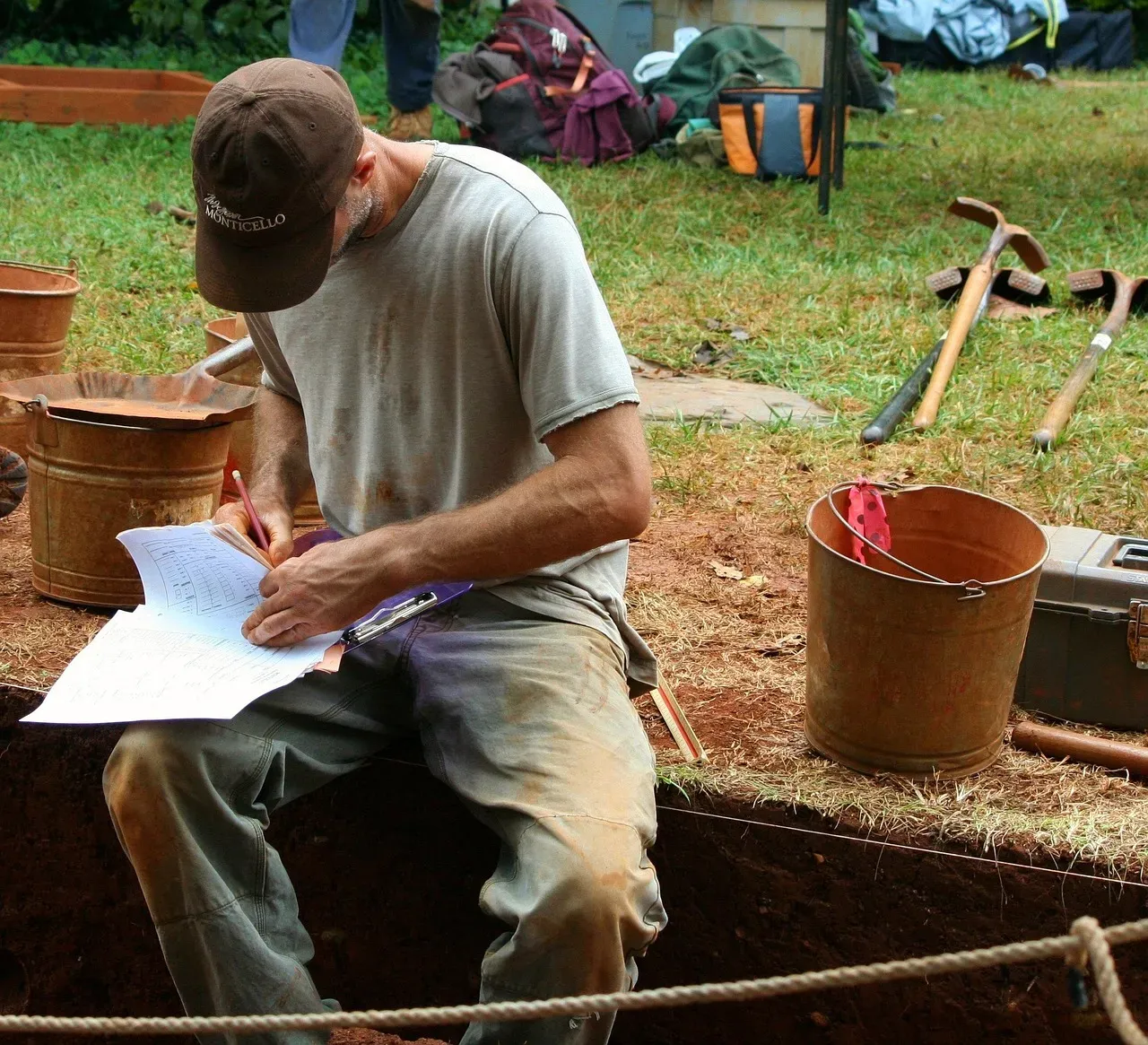
Archaeological field notebooks are not glamorous. They are mud-splattered, dog‑eared, and often rushed. But they quietly hold the skeleton of a site’s entire story: what was found, where it was found, how deep it lay, which layer it came from, and what lay above and below it. Without that record, even the most spectacular artifact is just a pretty object without a birthday or a home.
Imagine a notebook page that says something like: “Square B4, locus 17, depth 1.6 m, just under burned floor, beneath wall collapse.” That short line links a small group of finds to a precise context and, by extension, to all the other data from that layer. Later, when the pottery is studied or an organic sample is radiocarbon dated, that one scribble connects lab results to a specific moment in the life of the site.
Because of that, every notebook entry has more power than it looks. A quick sketch, an arrow pointing to a layer, a marginal note correcting an earlier assumption – each of these can change how we interpret time on the site. When one notebook goes missing, gets misfiled, or is simply never consulted again, an entire slice of context can vanish, and the chronology that depends on it becomes shakier than anyone realizes.
- Field notebooks link artifacts to their exact context.
- Short, rushed notes often control big chronological decisions.
- Misfiled or ignored notebooks can erase key evidence for site dating.
#2 How Archaeologists Build a Timeline From Dirt
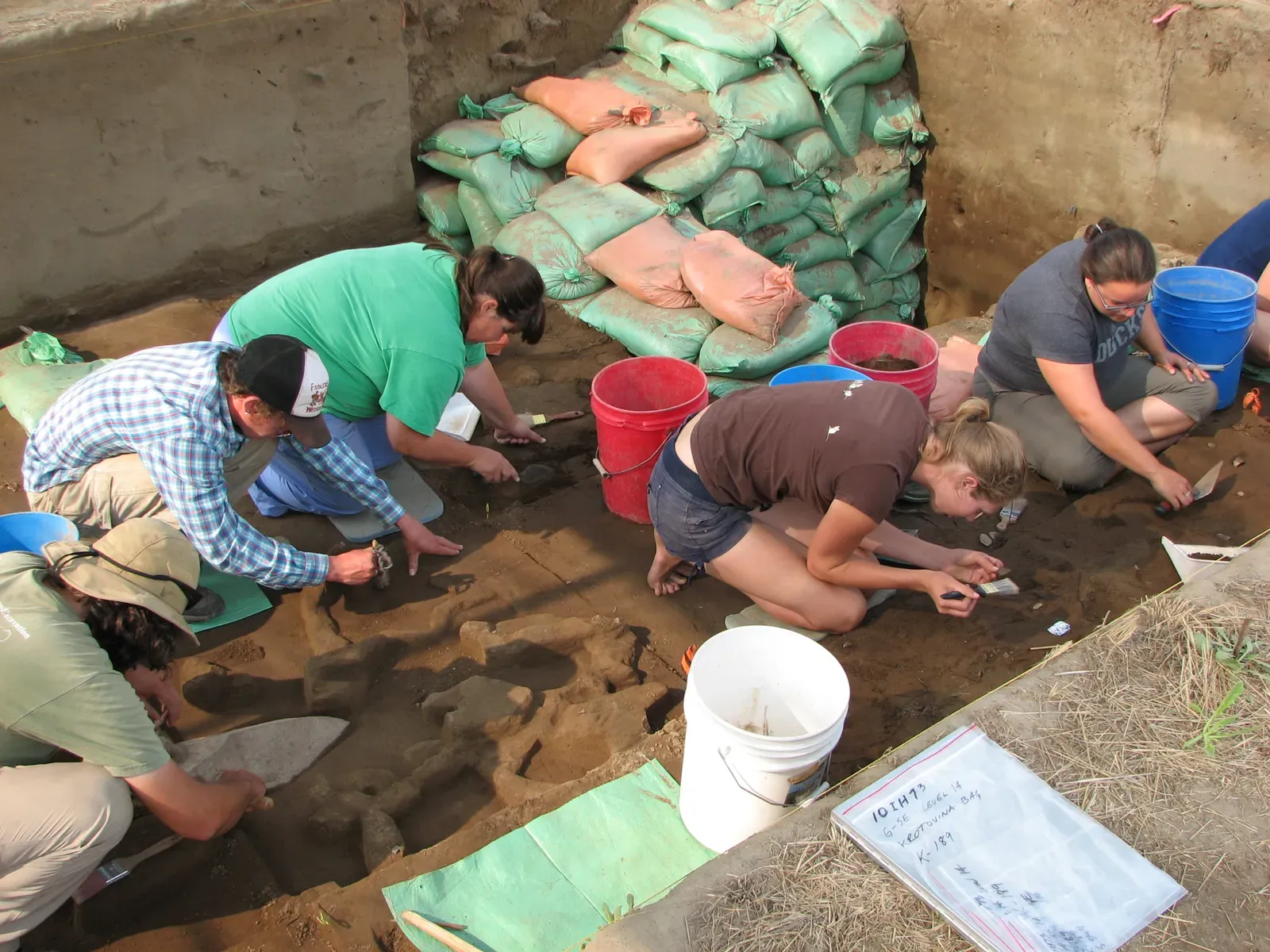
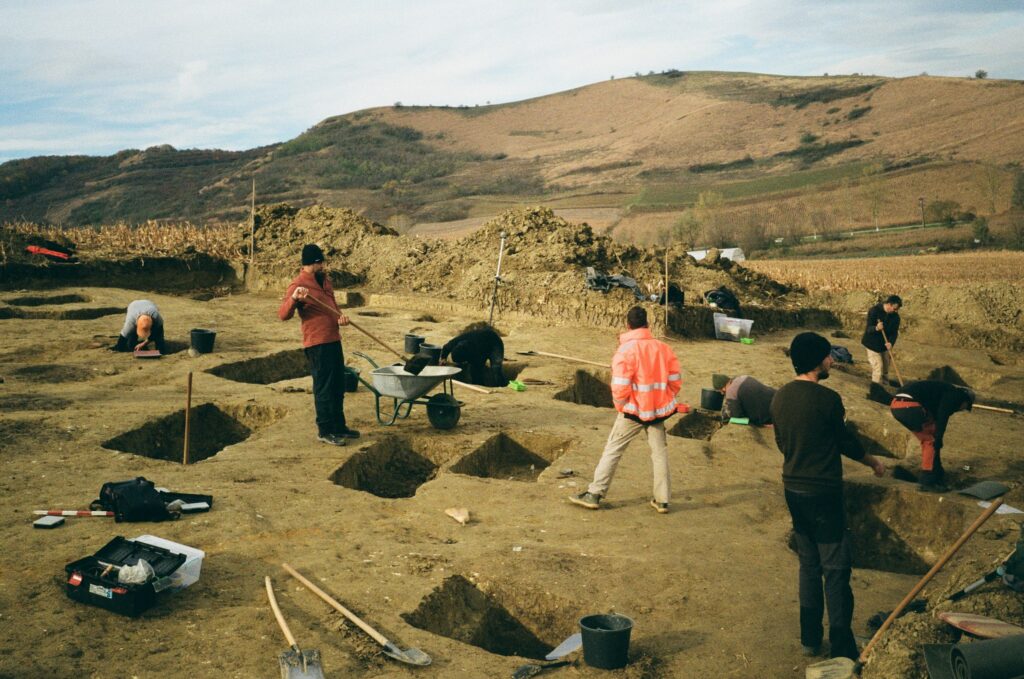
To understand how a single notebook can change everything, you first have to see how fragile a site’s timeline really is. Archaeologists do not dig big holes at random; they peel away layers, one by one, in what is basically three‑dimensional paperwork. The foundation is stratigraphy: the principle that lower layers are generally older than higher layers, unless something dramatic happened, like a pit, a wall cutting through, or a landslide.
Every layer, or locus, is described in detail in the field notebook: soil color, texture, inclusions (like ash, stones, plaster), and the finds that appear. Those layers are then cross‑checked with other dating tools: radiocarbon dates from charred seeds or bone, dendrochronology from timbers, thermoluminescence for fired clay, or style-based dating from pottery, coins, and objects. The result is a composite timeline that blends physical layering with scientific and stylistic dating.
The trouble is, many of those methods only make sense when we know exactly which layer each sample came from. If a charcoal fragment is said to come from “just above the destruction layer,” then its date helps lock in the timing of that destruction. If we later discover that the charcoal was misassigned or misdescribed in the notes, every conclusion built on that date becomes suspect. The entire house of cards leans a little, and sometimes it falls.
#3 One Misread Page, Many Collapsing Dates
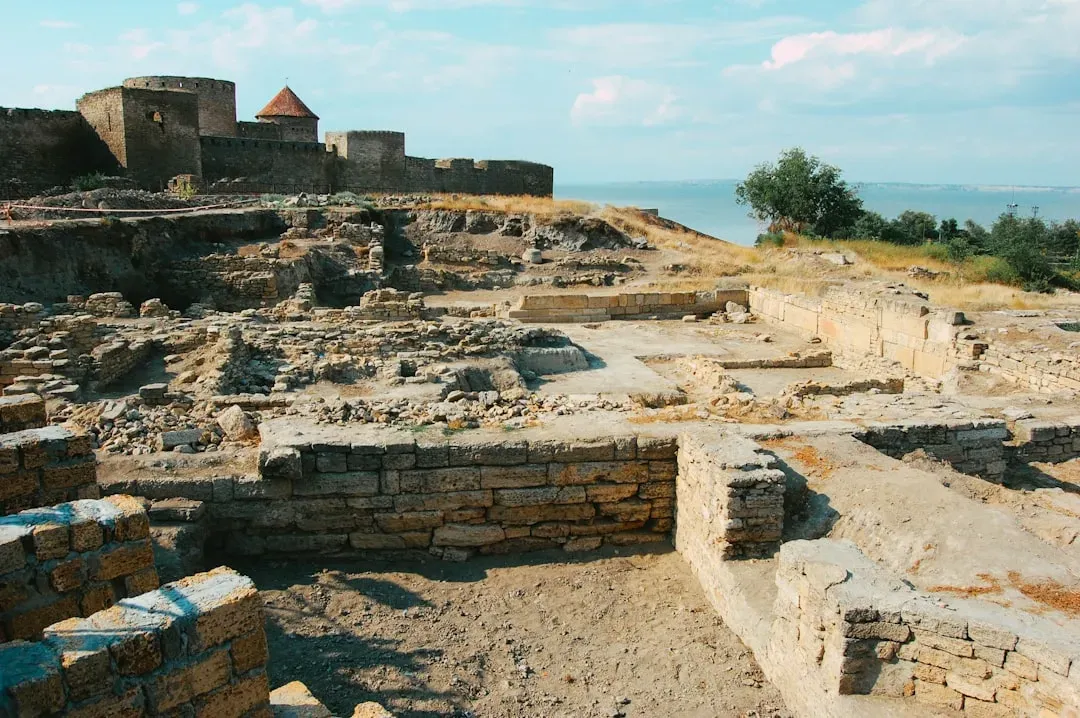
If you think it sounds dramatic to say that a single page can change decades of research, consider how often archaeologists rely on “type finds” or “marker horizons.” These are key objects or layers that anchor the whole sequence. A coin of a known ruler, a layer of volcanic ash from a well-dated eruption, or a distinctive imported pot can become the master peg on which the rest of the site’s timeline hangs.
Now imagine that the notebook page describing that layer was misread, half missing, or incorrectly copied in a later report. Maybe a crucial phrase about a feature cutting into an earlier layer was overlooked. Maybe a note about “disturbed fill” was treated as if it described a clean, sealed deposit. Those fine-grained distinctions can mean the difference between “this pot proves the layer is from this period” and “this pot slipped down from a later disturbance and tells us almost nothing.”
When someone later rediscovers the original notebook and notices that a key layer was mischaracterized, it can set off a chain reaction. Chronological tables get redrawn, relationships between neighboring sites are reconsidered, and previous confident statements about “the earliest X” or “the final phase of Y” suddenly look overconfident. All because of a marginal note that nobody bothered to double‑check.
- Key layers often act as anchors for entire site chronologies.
- Small descriptive phrases can reverse the meaning of a context.
- Rediscovered notes can force a complete rethinking of earlier dates.
#4 The Human Mess Behind “Scientific” Excavations
We often talk about archaeological excavation as if it were a perfectly controlled scientific experiment. In reality, it is science conducted in dust, sweat, and constant time pressure. Trench supervisors are juggling workers, answering questions, watching the weather, and trying to document subtle soil changes before lunch. In that context, notebooks are full of shorthand, assumptions, and half-finished thoughts.
There are very human error sources: someone mislabels a bag; a sample is taken from what is thought to be a clean layer but later turns out to be mixed fill; a momentary misreading of the stratigraphy is recorded and never corrected. Sometimes a supervisor writes a correction on a later page, assuming everyone will mentally update the record. Decades later, a researcher may rely on the original description and never notice that quiet correction buried further on.
On top of this, old handwriting can be difficult to decipher. Penciled notes fade. Language and terminology change. What counted as “early” in one scholarly generation might be recalibrated by new regional chronologies. All of that makes old notebooks tricky to use, yet they are still treated as authoritative. The irony is that the more “scientific” and precise the later analyses become, the more they depend on these very human, imperfect records made under field conditions.
#5 When an Overlooked Notebook Suddenly Resurfaces
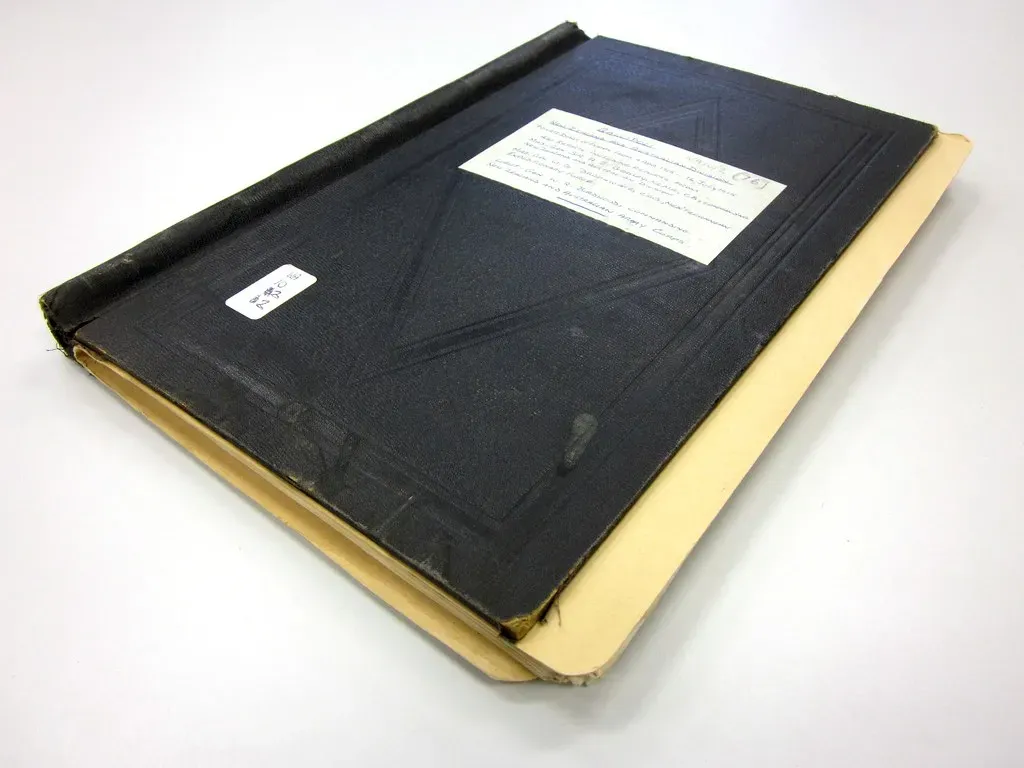
In a surprising number of cases, the crucial notebook is not lost so much as buried – in a university archive, a retired professor’s boxes, or the back of a museum store. Excavations from the twentieth or even early twenty‑first century often produced far more documentation than was ever fully published. When someone finally digs into the archival material, they sometimes find an entire notebook that earlier syntheses never used.
That kind of rediscovery can be transformative. The newly found notes might include detailed section drawings that show a key wall cutting an earlier floor, which pushes a whole architectural phase later in time. They might record that a famous “foundation deposit” actually came from a secondary pit. Occasionally, they even list radiocarbon samples or stratified finds that were never properly written up, but can now be matched with stored materials.
When that happens, site chronologies can shift in several ways at once:
- Previously assumed clean layers turn out to be disturbed or reused.
- Architectural phases are reordered when cuts and builds are clarified.
- Sample provenances are corrected, changing how lab dates are interpreted.
- Relationships between this site and others in the region are reconsidered.
In some cases, the rediscovered notebook does not just tweak a date or two; it reveals that an entire interpretive framework was built on misread or incomplete field records. For researchers who have based careers on that framework, it can be a deeply uncomfortable moment.
#6 How One Correction Can Rewrite Regional History
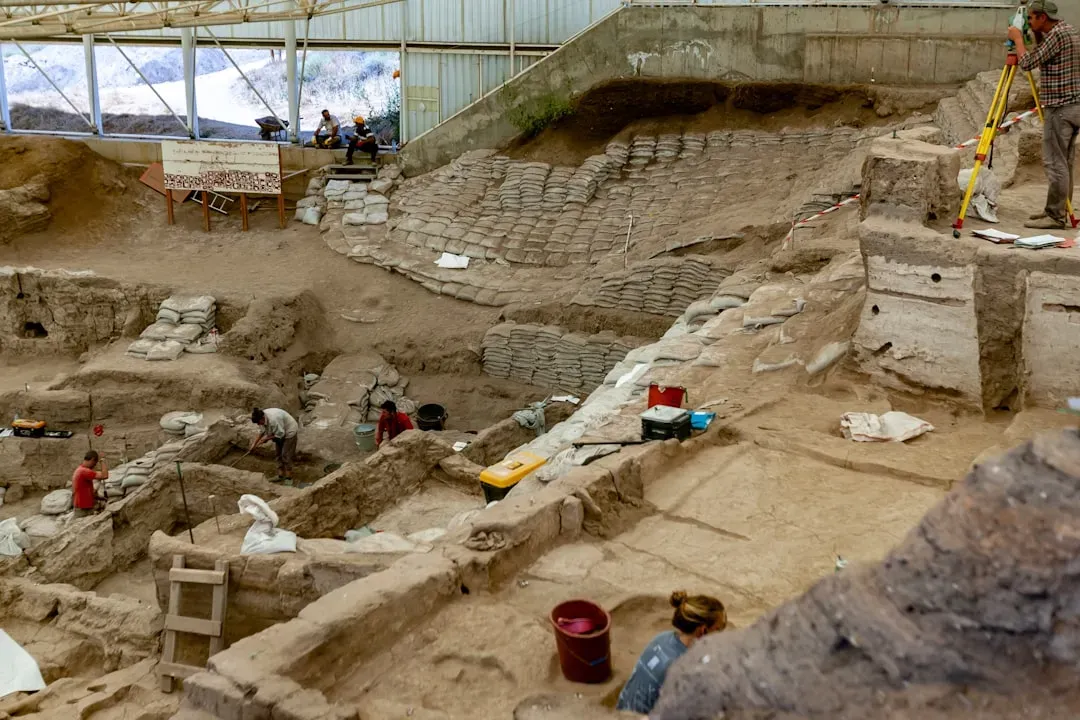
The impact of a corrected site chronology rarely stops at the site’s fence line. Archaeology is comparative by nature: dates from one site are used to calibrate typologies and sequences at others. If a well-known site is shifted by a few decades, or even by a century, it can cascade through the chronology of a whole region like a slow-motion domino effect.
Consider how tightly some timelines are interlocked. A particular pottery style might be dated at Site A because it appears in a destruction layer supposedly tied to a historical event. That same style then becomes a “marker” used to date contexts at Site B and Site C that lack independent dating. If an overlooked notebook shows that the famous destruction layer at Site A was misinterpreted – maybe the layer belongs to a different event, or the pottery came from fill – then the dating of that pottery style becomes uncertain everywhere it appears.
Historically themed questions suddenly reopen. The supposed spread of a technology might look slower and more patchy instead of explosively fast. A narrative of rapid urbanization could flatten into a more gradual, uneven process. Or the reverse might happen: what was thought to be a long, stable phase may turn out to be surprisingly compressed in time. All of that because someone finally read the original notes carefully and realized that the foundational layer was never quite what the published reports claimed.
- Key sites act as chronological anchors for their regions.
- Typologies and style sequences are often built on those anchors.
- Re-dating one site can force a quiet re-evaluation far beyond its borders.
#7 Modern Tech vs Old Ink: Double-Checking the Past
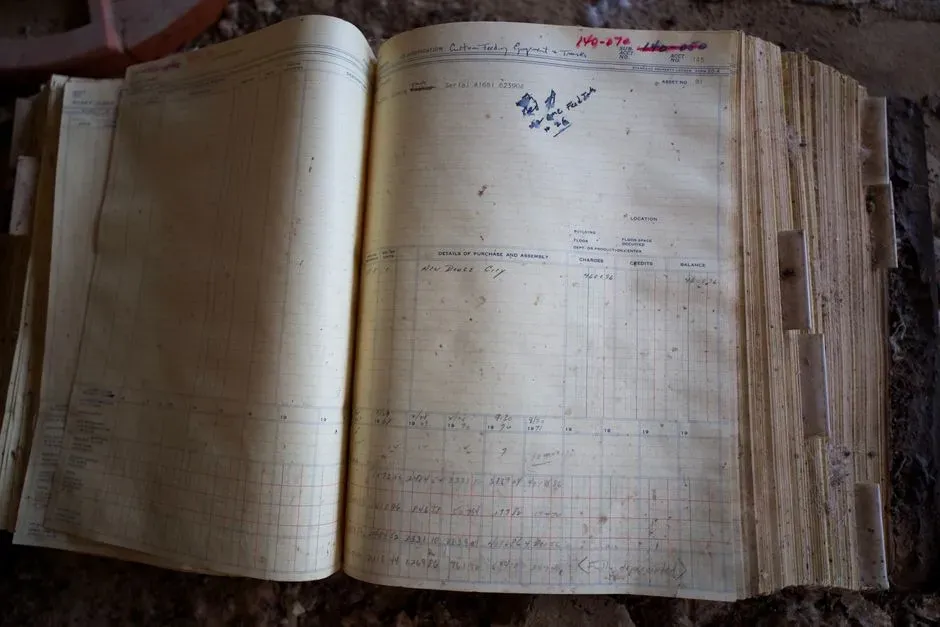
One of the more hopeful parts of this story is how new technologies are helping archaeologists audit old conclusions. Digitizing field notebooks, scanning fragile pages, and linking them directly to GIS data and 3D models of trenches can reveal inconsistencies that were invisible in paper form. A small sketch in the margin that once looked trivial might, when georeferenced, show that a feature cuts in a different direction than previously thought.
Scientific dating methods have also grown more precise and, just as important, more transparent about uncertainty. Radiocarbon dates are now routinely run in series and modeled statistically rather than treated as single fixed points. That makes it easier to catch cases where sample contexts were wrongly assumed to be secure. When a set of dates refuses to fit the stratigraphic story written in the old notebook, it’s a strong signal to go back and read every line of that notebook with fresh eyes.
At the same time, digital publication has lowered the barrier to sharing primary documentation. Instead of relying only on a polished site report, other scholars can inspect transcriptions or images of the original field records. Crowds of specialists can spot contradictions, odd turns of phrase, or changes in terminology across a season’s worth of entries. It turns the lonely, fallible notebook into something closer to a collectively interrogated record.
#8 The Emotional Shock of Realizing the Timeline Is Wrong
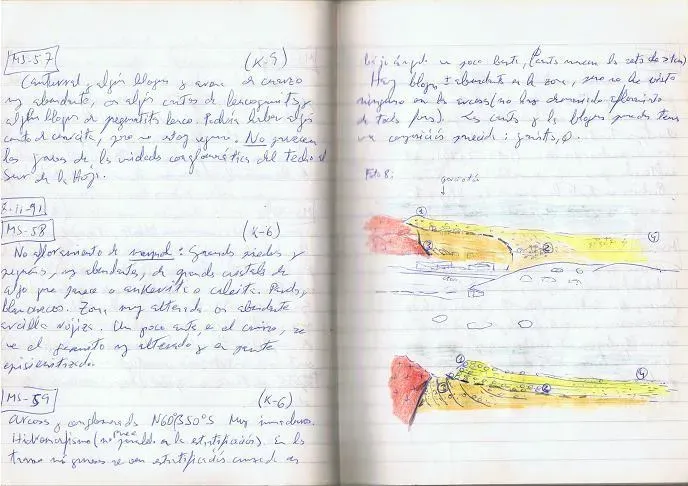
Behind the cool language of “revised chronologies” and “new interpretations” there is often a very human emotional story. Imagine realizing that a site you thought you knew – perhaps one you’ve worked on for years – is built on a timing error that traces back to a single overlooked notebook. There is embarrassment, defensiveness, sometimes outright denial. Timelines can become personal.
In academic culture, reputations can hang on being the person who dated a period, identified a phase, or defined a sequence. When new analysis shows that a cornerstone of that work depended on misused or ignored field notes, the instinctive reaction is often to minimize or compartmentalize the problem. It takes intellectual humility to say, essentially, that the dirt and the scribbles have spoken and they disagree with decades of conventional wisdom.
I have seen researchers privately admit, over coffee, that a beloved chronological scheme now looks too neat compared to the raw notebooks. Publicly, they soften it: a “slight adjustment,” a “refinement” of an earlier model. In truth, some of these revisions are more like lifting up the corner of a carefully woven rug and finding the floor underneath is not at all what anyone expected.
- Chronologies are not just technical; they are tied to careers and identity.
- Admitting a foundational error is emotionally difficult but scientifically vital.
- Private doubts often surface long before public re-datings are published.
#9 Lessons for Trusting Historical “Facts”
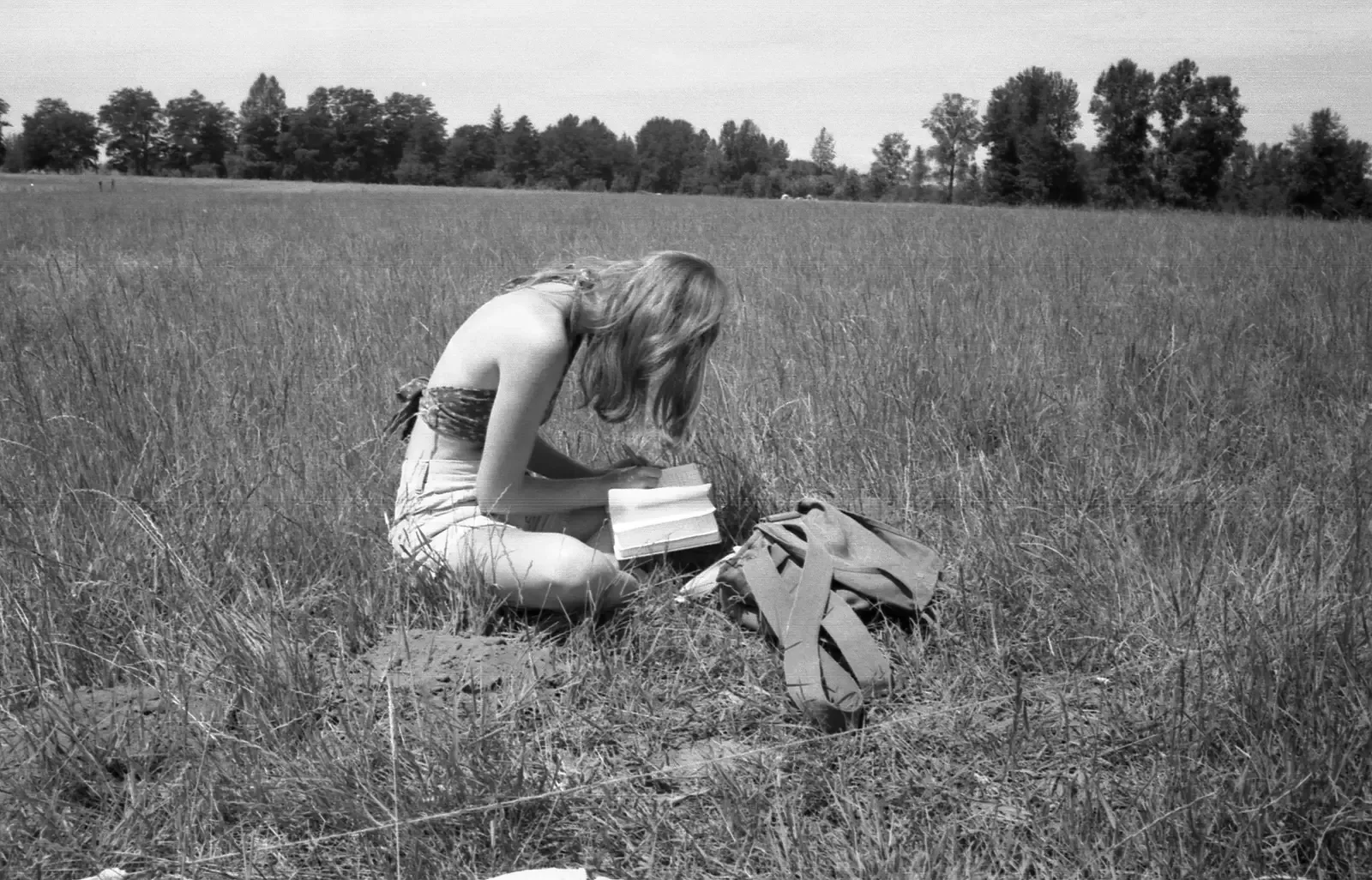
For anyone outside archaeology, this might raise a bigger, slightly unsettling question: if entire chronologies can shift because of one notebook, how solid are the historical “facts” we learn in books and documentaries? The honest answer is that many dates are more like best-fit estimates resting on a stack of assumptions, some of which are surprisingly fragile. That does not mean everything is guesswork, but it does mean more timelines are provisional than most people realize.
There is a paradox here. The more transparent archaeologists become about uncertainty, the less satisfying their answers can sound. It is more comforting to be told that a city fell in a specific year than to hear that, depending on how we interpret an old notebook and a handful of samples, the event could range across several decades. But if we want to understand the past honestly, we have to embrace that fuzziness and the possibility that one more rediscovered document could bump the dates again.
For readers and viewers, a useful habit is to pay attention to how confident a claim sounds without being seduced by certainty alone. When you hear that a site “must have been destroyed” or “was clearly founded” in a specific year, ask yourself what evidence that probably rests on. Was there a decisive inscription? A strong layer tied to a known event? Or is the conclusion trickling down from a single foundational site whose own chronologies are currently being re-examined because of old notebooks finally coming to light?
#10 Conclusion: Why One Notebook Should Make Us More Skeptical – and More Curious
To me, the most important lesson of the overlooked notebook is not that archaeology is unreliable, but that it is a living, self-correcting conversation with the past. The fact that a single rediscovered record can overturn an entire site chronology is not a failure; it is evidence that we are still willing to let new (or newly noticed) evidence speak louder than tradition. That takes courage, because it means declaring yesterday’s confident narrative incomplete or even wrong.
At the same time, we should resist the temptation to romanticize every revision as a revolution. Not every scribbled correction in an old notebook transforms history. Many simply tighten the screws, narrow ranges, and make our chronologies a little less fuzzy. The real danger lies not in quiet changes, but in clinging to tidy stories long after the primary evidence has started to fray. When that happens, the discipline drifts into storytelling at the expense of truth.
My own opinion is that we ought to hold archaeological timelines with a kind of respectful looseness: serious about evidence, wary of overconfidence, and always alert to the humble notebook in the background that might upend the plot. Instead of demanding absolute dates as if they were carved in stone, we should get used to understanding ranges, probabilities, and the layered, provisional nature of historical knowledge. The overlooked notebook is a reminder that the past is not a fixed script but a draft that we keep editing, one rediscovered page at a time. And really, would you want it any other way?