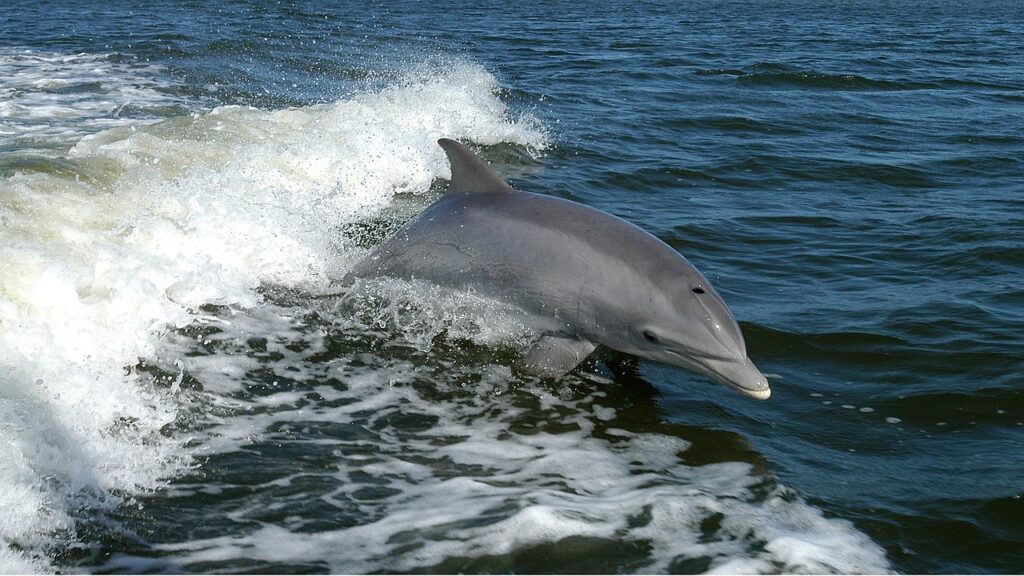
You see them suddenly – sleek gray backs slicing through the waves, keeping pace with your boat as if they were part of the crew. For miles, they ride the bow, slip along the wake, vanish, then reappear like playful ghosts of the sea. It feels magical, even personal, like they chose you.
But behind that almost mystical moment, there are real reasons dolphins do this. When you look closer, their behavior tells you something about curiosity, energy, communication, even the health of the ocean itself. Once you understand what is likely happening under the surface, you’ll never watch dolphins beside a boat the same way again.
They May Simply Be Curious About You
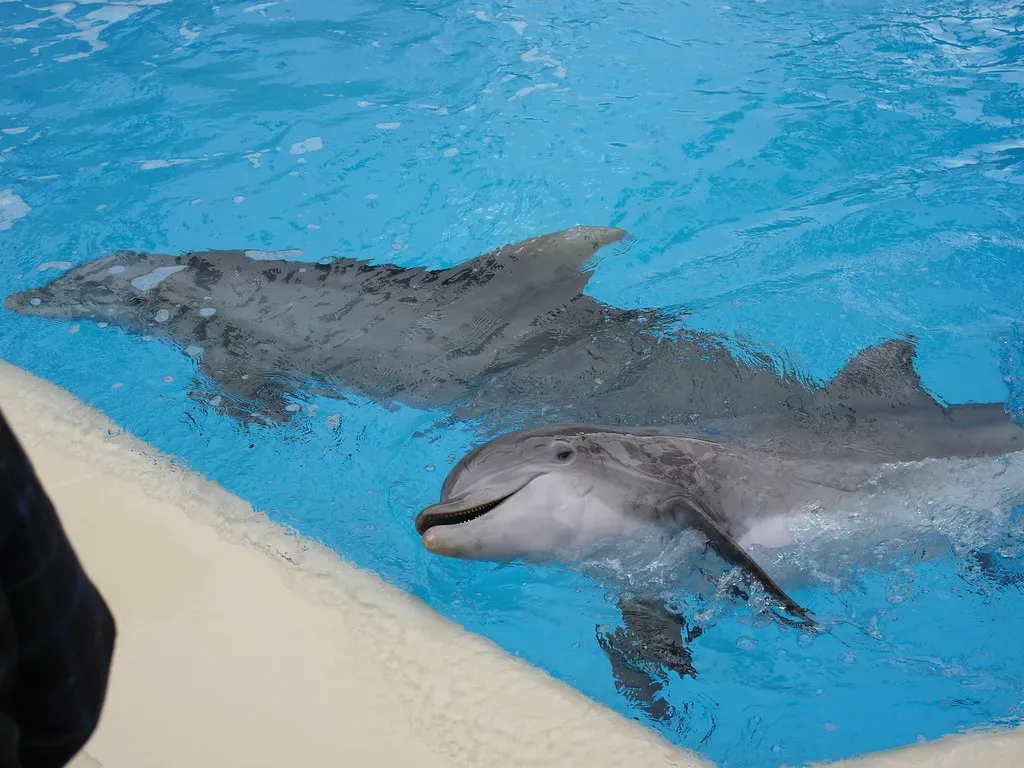
One of the clearest reasons dolphins follow boats for miles is simple: they are checking you out. You are a huge, noisy, fast-moving object slicing through their home, and to a dolphin, that is basically the ocean version of a carnival rolling into town. You might think you are just out for a cruise, but to them, you are the weird newcomer that must be investigated.
If you watch closely, you’ll notice how often they change position, pop up on different sides, or swim closer, then peel away and come back. That pattern looks a lot like inspection and exploration. You are not just looking at them; they are actively looking at you, your boat, the sounds you make, and how you move through their world.
They Use the Boat’s Wake Like an Ocean Treadmill
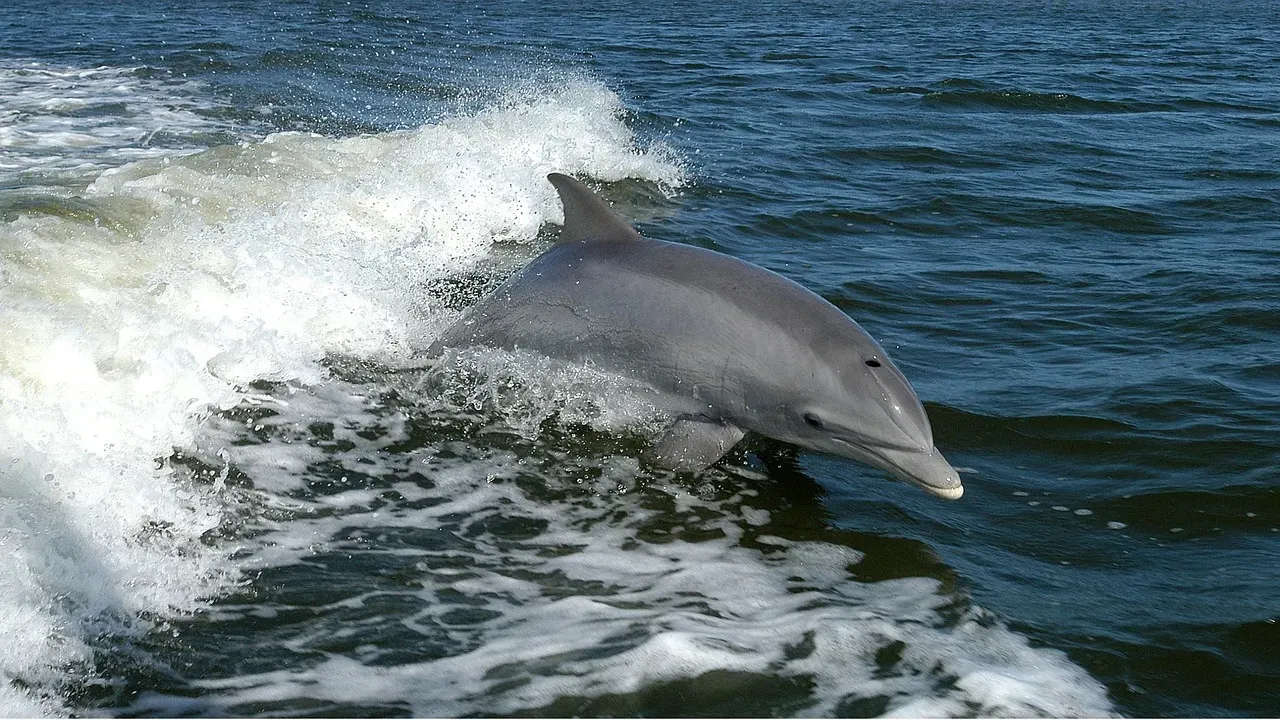
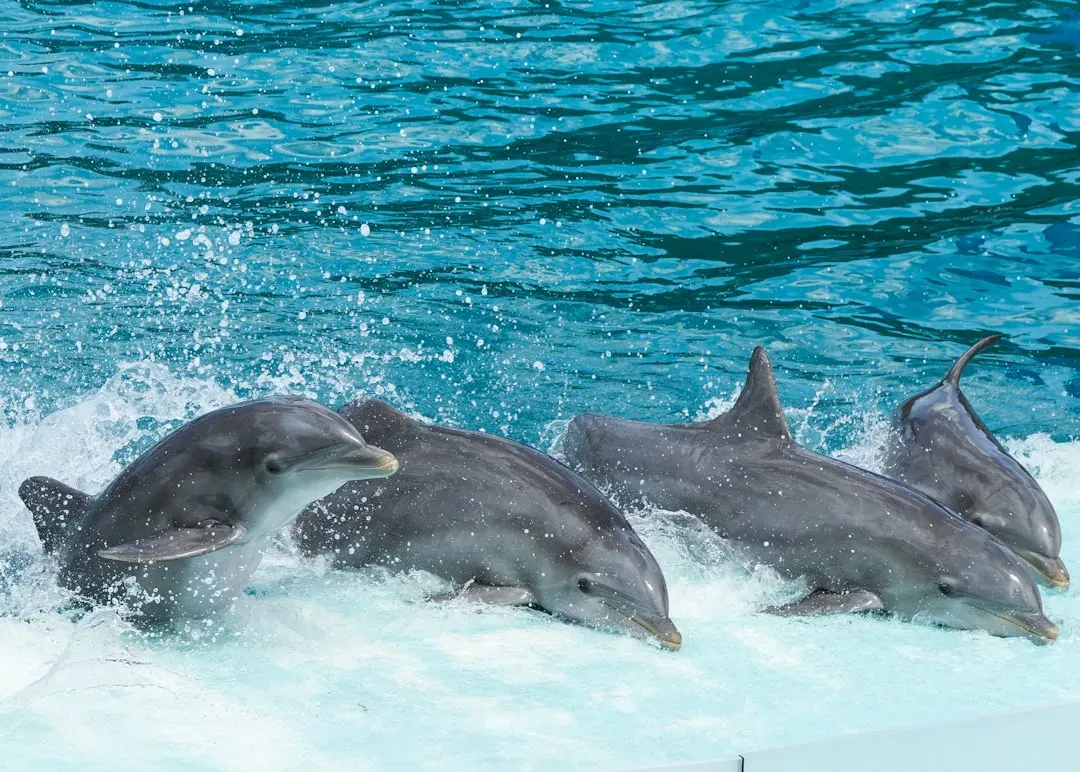
When dolphins surf the bow or ride the wake along the sides, they are doing something clever: saving energy. The pressure wave created by the moving boat lifts them slightly and helps push them forward, a bit like when you draft behind a cyclist or jog on a moving walkway at the airport. They get to move faster with less effort.
Over miles, that energetic bonus adds up. It may look like they are just putting on a show for you, but from their perspective, they are taking advantage of a moving, human-made current. In a way, they have turned your boat into a free ride, and they are smart enough to know it and stay with it as long as it pays off.
You Are Watching a Form of Social Play
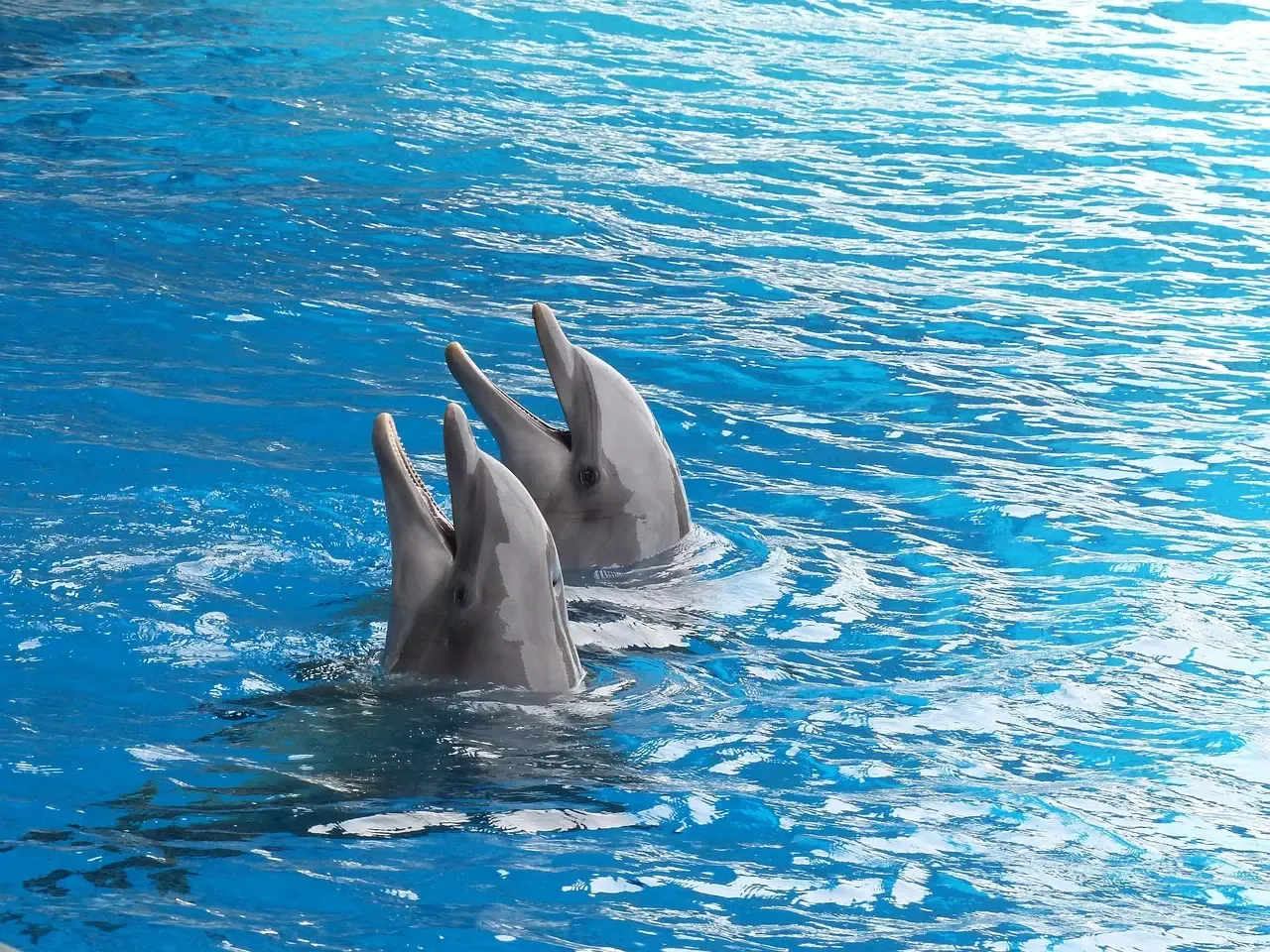
Dolphins are highly social animals, and a boat can be the perfect excuse for a group play session. When you see several individuals leaping together, crossing paths, and timing their jumps, you are probably watching more than random movement. You are seeing social bonds in action, reinforced through shared excitement and coordinated behavior.
Think about how kids behave when a firetruck passes by with sirens blaring. They cluster around, run along the sidewalk, laugh, shout, and turn the event into a little social ritual. Dolphins can react to boats in a similar way: the noise and speed spark a group response, and that can quickly turn into a kind of ocean game that goes on for miles.
They May Be Communicating and Coordinating as a Group
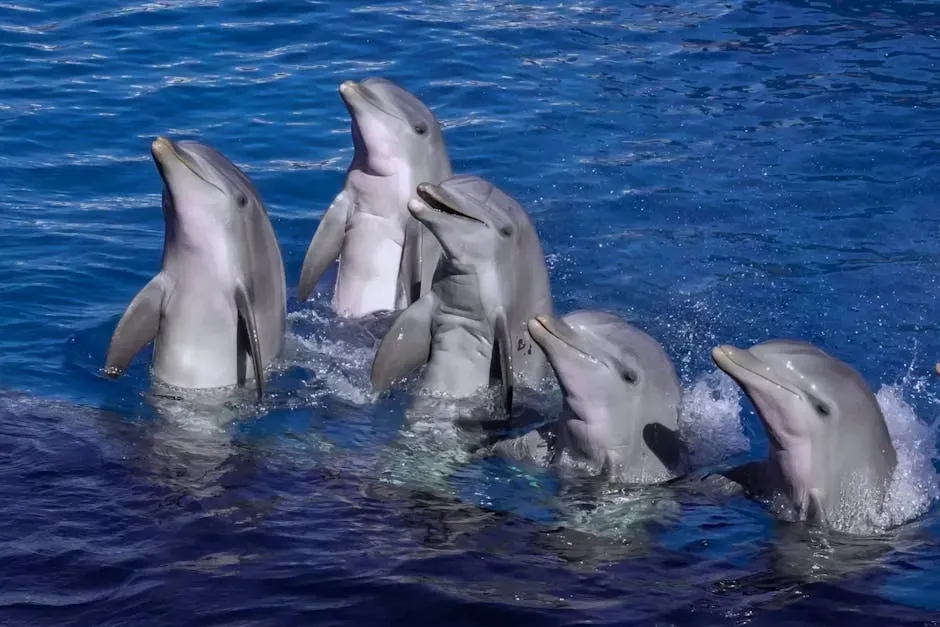
When dolphins are pacing your boat, they are not just reacting individually; they are often coordinating with each other. You cannot hear it from the deck, but beneath the surface they can be using clicks and whistles to stay in touch, decide who takes the lead at the bow, and when to shift positions. The way they weave around each other without collisions is not an accident.
If you pay attention, you might see patterns: a few dolphins might stay at the bow while others rotate in and out, some might peel off and then rejoin farther back in the wake. That kind of organized movement suggests they are constantly making small group decisions. You are basically watching a traveling meeting, held at high speed in choppy water, with your boat as the moving conference table.
They Might Be Investigating for Food Opportunities
Sometimes, a boat can change how fish or other prey move, bunching them up or startling them into tight schools. Dolphins are opportunists, and they may follow your boat long enough to see if it consistently stirs up anything worth chasing. Even if they are not obviously hunting right next to you, they could be using your path to locate more promising spots.
You might notice them darting away suddenly, splitting off from your wake as if they just got a better offer. That could mean they detected prey with their echolocation and decided that the feeding opportunity was more important than the free ride. To you it looks like the dolphins got bored; to them, it was a calculated switch from exploration to dinner plans.
The Behavior Can Reflect Their Confidence and Comfort With Humans
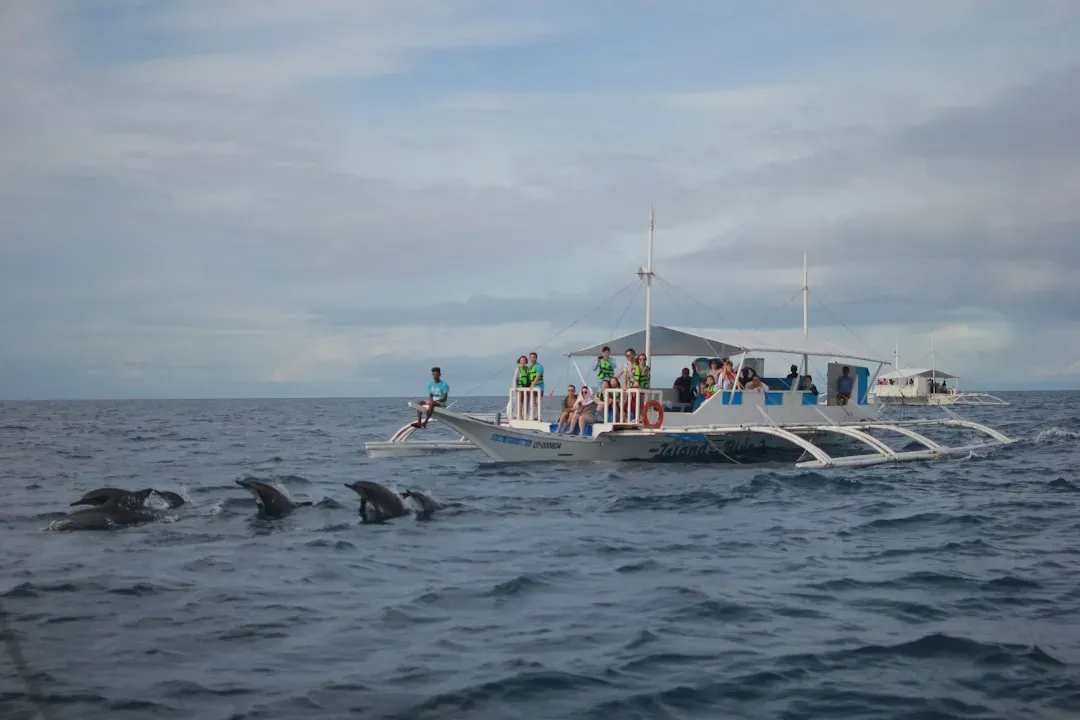
For dolphins to swim alongside your boat for miles, they have to be relatively comfortable being close to human activity. In heavily trafficked coastal areas where boats are common, dolphins can become accustomed to them and treat them almost like moving parts of the landscape. Their willingness to approach and stay with you can signal a certain level of confidence, or at least familiarity.
On the other hand, if dolphins in a particular area rarely come near vessels, their absence can tell you something too. It might suggest that previous encounters with boats have been noisy, stressful, or dangerous, or that they simply are not used to them. When dolphins choose to stay with your boat, you are getting a glimpse of how they perceive you: not as something to flee from immediately, but as something interesting enough to shadow.
Your Speed, Noise, and Behavior Shape Their Response
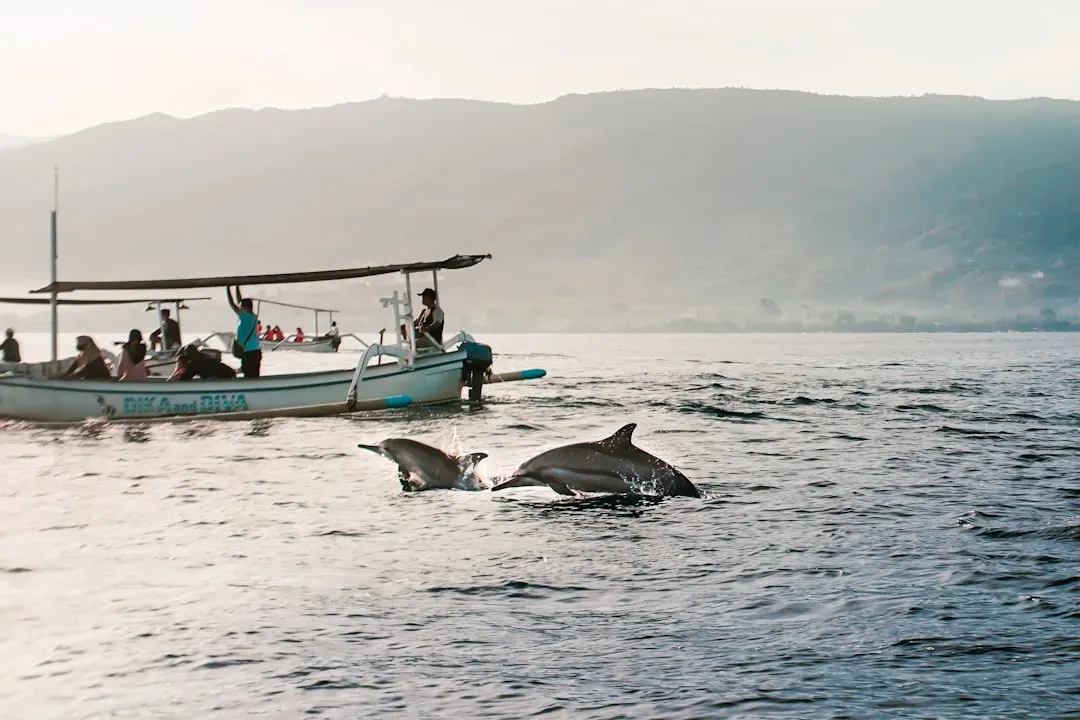
How you drive your boat matters more than you might think. At certain speeds, the bow wave and wake become especially attractive for surfing, while sudden accelerations, tight turns, or abrupt stops can startle or confuse the animals. If you keep a steady, predictable course, you make it easier for dolphins to decide to hang around and ride along.
Your noise level and actions on deck also play a role. Loud bangs, constant engine revving, or chasing dolphins deliberately can stress them or push them away. When you stay calm, avoid shouting or splashing, and keep a respectful distance instead of trying to cut across their path, you create a safer, less chaotic setting where their curiosity can play out without turning into panic or avoidance.
There Are Ethical Lines You Should Not Cross
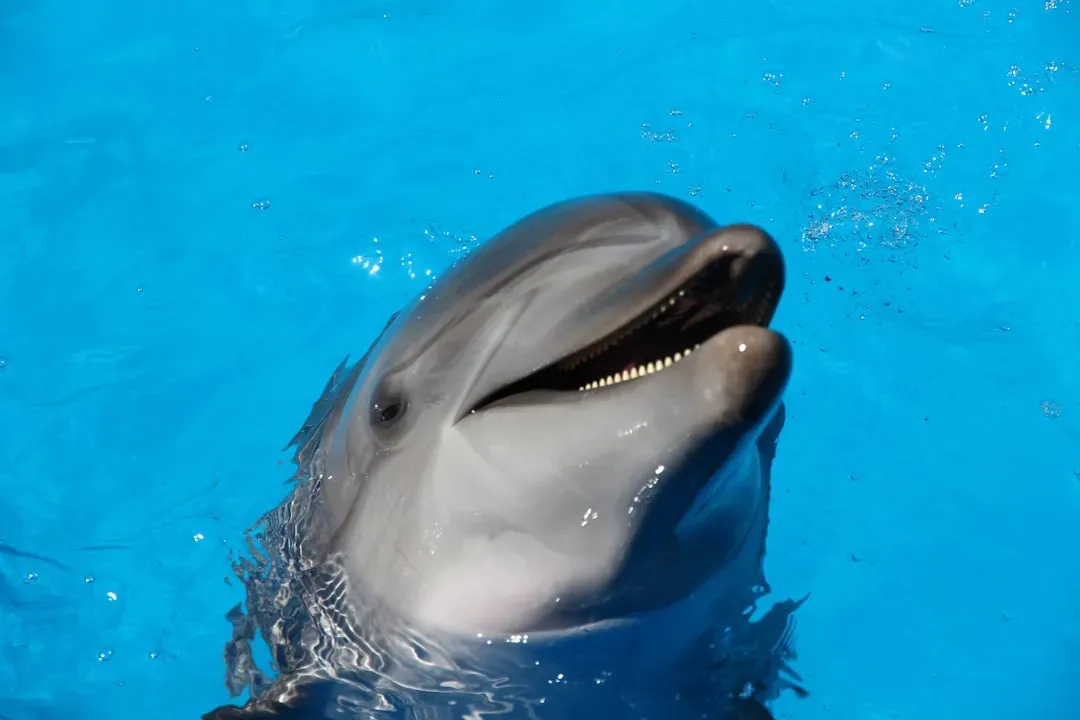
As exciting as it feels when dolphins follow your boat, you have a responsibility not to turn that moment into harassment. Intentionally pursuing them, changing course to chase a group, or trying to lure them closer with food might feel harmless in the moment, but it can disrupt their natural behavior. You may not see the stress response directly, but over time, repeated disturbance can push animals away from important feeding, resting, or nursing areas.
The best approach is to treat any close encounter as a privilege, not a right. That means letting dolphins choose the distance and duration of the interaction. If they drop back or veer off, you do not speed up to catch them; if new groups appear, you do not cut through them or box them in. When you let them decide, you honor the fact that this is their home and you are the visitor, no matter how thrilling the ride feels.
What You See Can Hint at Ocean Health
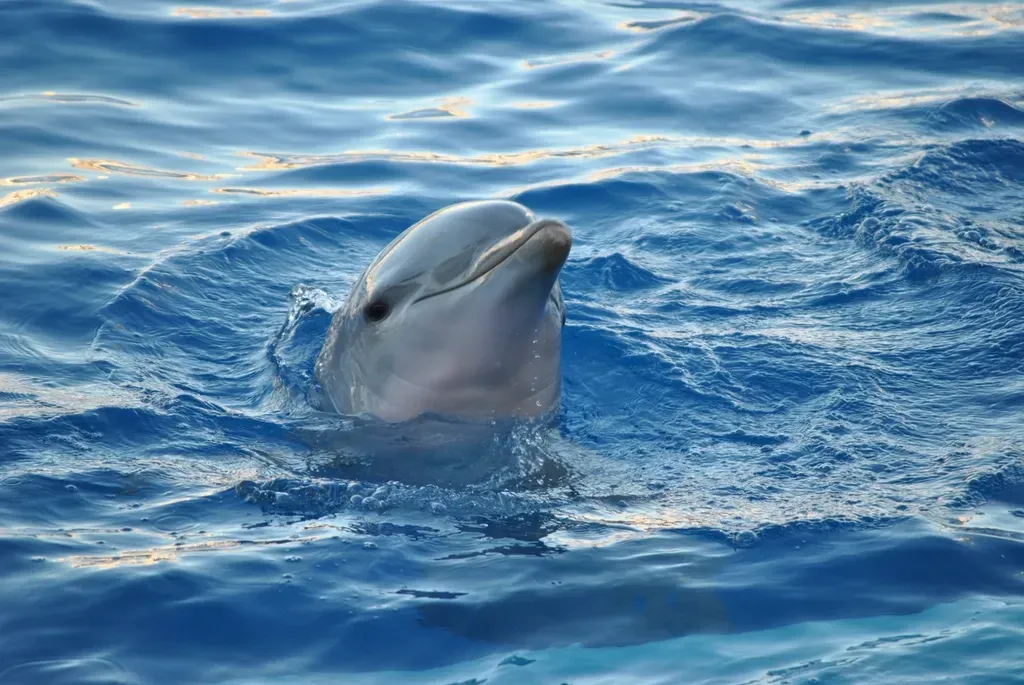
Seeing dolphins swimming alongside your boat can feel like a sign that the ocean is doing well, and sometimes it is. Dolphins tend to stick around areas where food is available and conditions are tolerable, so their presence can signal that at least some parts of the local ecosystem are supporting life. If you regularly see healthy-looking animals in the same general region, that can be a small but hopeful clue.
Still, you should not overread a single encounter. A few playful animals near your boat do not erase broader challenges like pollution, overfishing, or warming waters. What your experience can do, though, is make the health of the ocean feel less abstract. Once you have had wild dolphins choose to sprint beside you for miles, it is much harder to ignore the idea that your choices on land and at sea affect real, intelligent beings that share the planet with you.
Conclusion: A Wild Conversation You Were Not Aware You Were Having
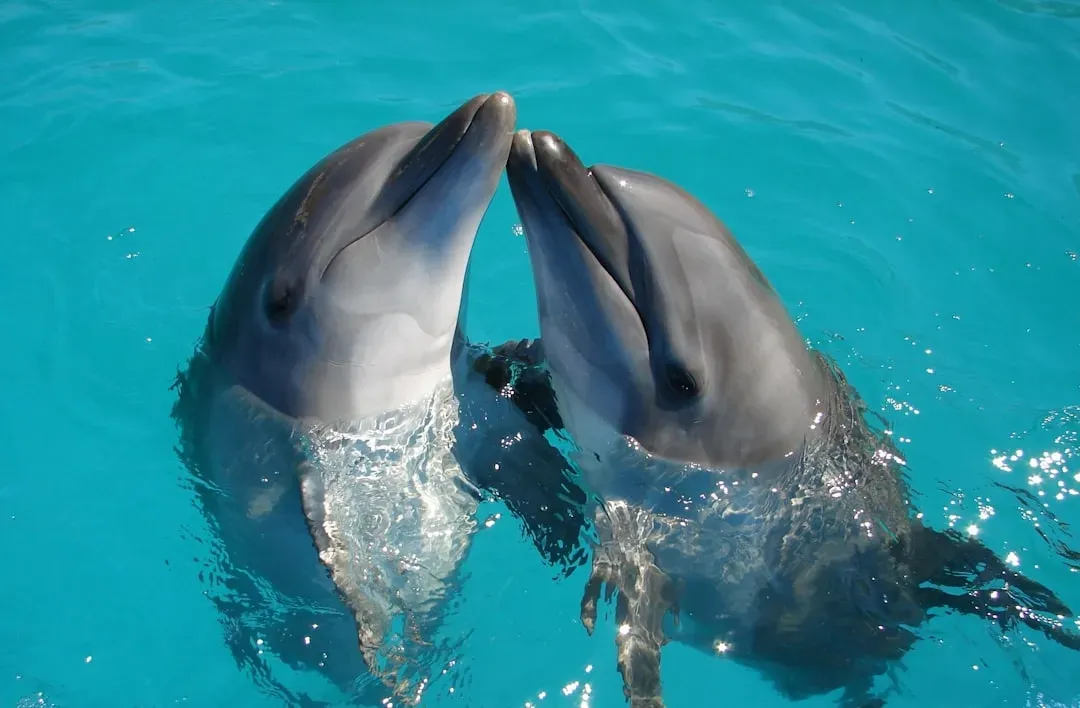
, it is rarely just one thing. You are watching curiosity, clever energy-saving, social bonding, communication, and sometimes opportunistic feeding, all wrapped into one moving encounter. It feels personal because in a way, it is: you brought a noisy machine into their world, and they chose to respond, study it, and sometimes enjoy the ride it creates.
The next time you find dolphins pacing your bow, you can see it as more than a pretty moment for a photo. You can read it as a layered conversation between your actions and their choices, shaped by how you drive, how they live, and how healthy the sea around you really is. Knowing that, how will you treat that encounter the next time the ocean sends a school of wild, curious neighbors to sprint alongside your boat?