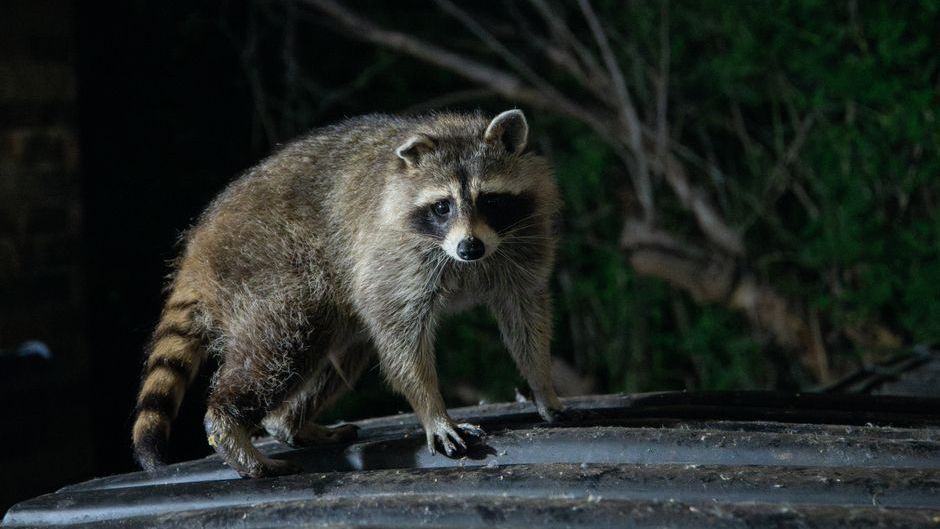
If the same raccoon keeps showing up in your backyard night after night, it can feel a little eerie, almost like you’ve been adopted by a tiny masked neighbor. You might wonder if it is a sign of danger, a nest nearby, or just a very determined snack hunter. Instead of guessing, it helps to understand how raccoons think, what draws them in, and how your yard might suddenly have become prime real estate in their little nocturnal world.
Once you see how predictable and practical raccoon behavior really is, that nightly visit stops feeling mystical and starts making sense. You can figure out whether the animal is just passing through, has discovered an easy food jackpot, or is looking for a safe place to raise babies. With that clarity, you can decide what to do next: encourage them to move along humanely, or simply watch them from a distance like the odd, furry soap opera they are.
Your Backyard Is Probably an Easy Food Buffet
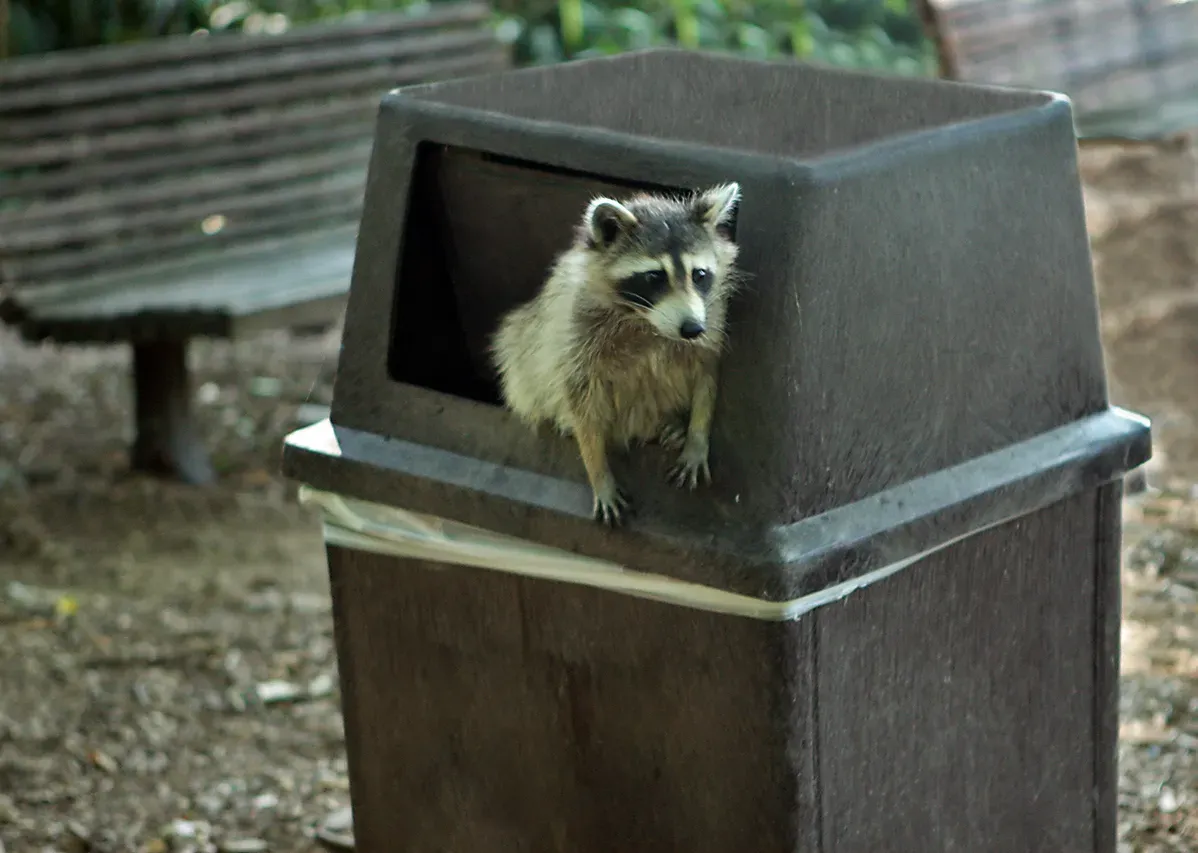
The most common reason a raccoon keeps returning to your yard is surprisingly simple: you are feeding it, even if you think you are not. To a raccoon, an open trash can, overflowing compost, pet food bowl, fallen birdseed, or even a messy barbecue grill is like a late-night all-you-can-eat buffet. Raccoons are opportunistic omnivores, which basically means they will eat almost anything they can get their paws on, from leftovers to insects to fruit.
You might not notice the patterns, but the raccoon does. If it found a great meal in your yard once, it will check again, and if it consistently finds something worth eating, your place becomes part of its regular nightly route. This is why the visits can seem so persistent and routine. If you want the visits to stop, the first step is to shut down the buffet: secure your trash, bring pet food indoors at night, clean up under bird feeders, and make sure there are no easy snacks lying around.
Raccoons Remember Where They Score Big
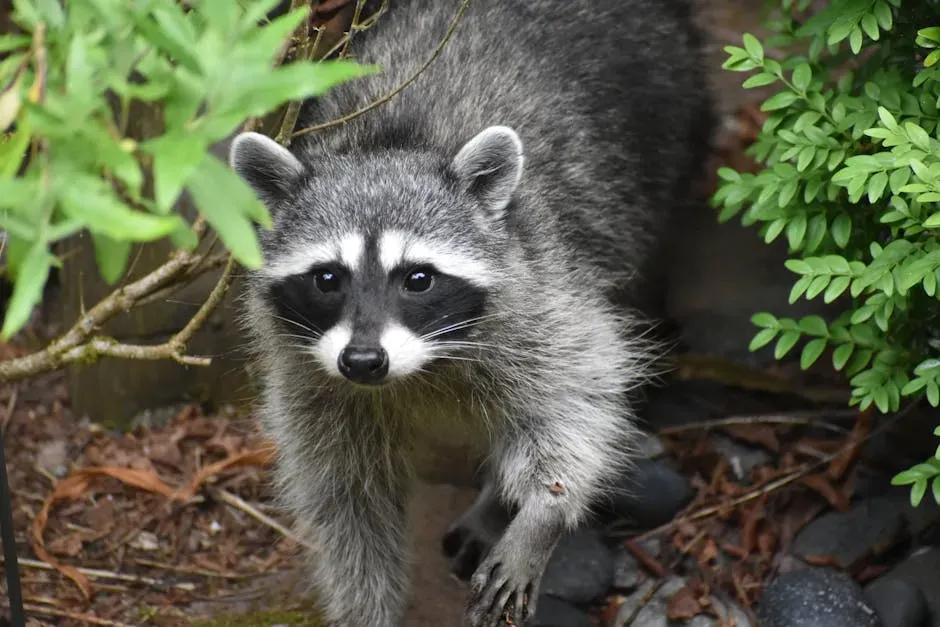
You are not imagining it: the same raccoon really might be coming back, not a different one each time. Raccoons have good spatial memory and can remember locations where they have found reliable food or shelter. If your yard gave them a good meal or a sense of safety, it can become part of a mental map they revisit over and over, like you might return to a favorite late-night diner.
Over time, these patterns get locked in. The raccoon may check your yard at roughly the same time each night, walking almost the same path: along the fence, past the shed, under the bird feeder, then toward the trash. When this happens, your yard is not random wildlife territory anymore; it is a scheduled stop on a well-practiced route. That is why making changes to your yard – removing food, closing access points, adding light – can suddenly disrupt those patterns and encourage the animal to move on.
There May Be a Den or Nesting Site Nearby
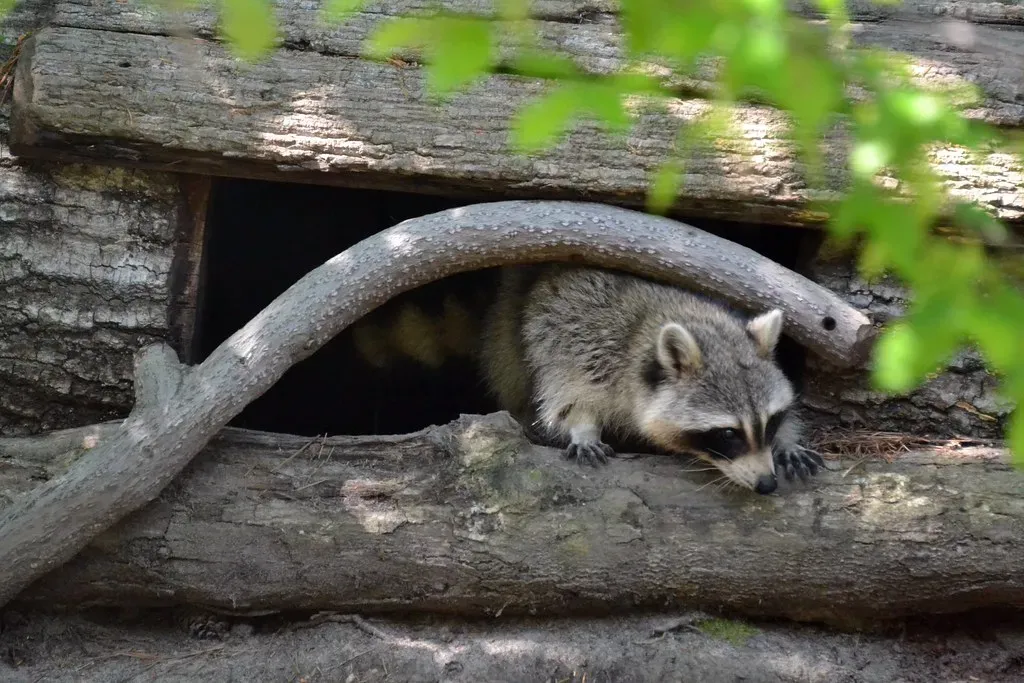
If the raccoon is not just popping in quickly but hanging around your property, you could be close to its den. Raccoons often choose sheltered, quiet spots such as hollow trees, brush piles, crawl spaces, attics, or cozy corners in sheds. If you have gaps under your deck, holes in your roofline, or loose vents, your home might look incredibly inviting to a raccoon searching for cover.
During spring and early summer, repeat visits can sometimes mean a female raccoon has babies (kits) stashed in a safe space nearby. She might be using your yard as a convenient hunting and foraging area while commuting back and forth to the den. If you suspect this, it is especially important not to trap or block off spaces abruptly without confirming that no young animals are trapped inside. In that kind of situation, the best move is often to wait until the young are old enough to leave and then carefully secure entry points so the family cannot move back in.
Your Landscaping Feels Safe and Comfortable
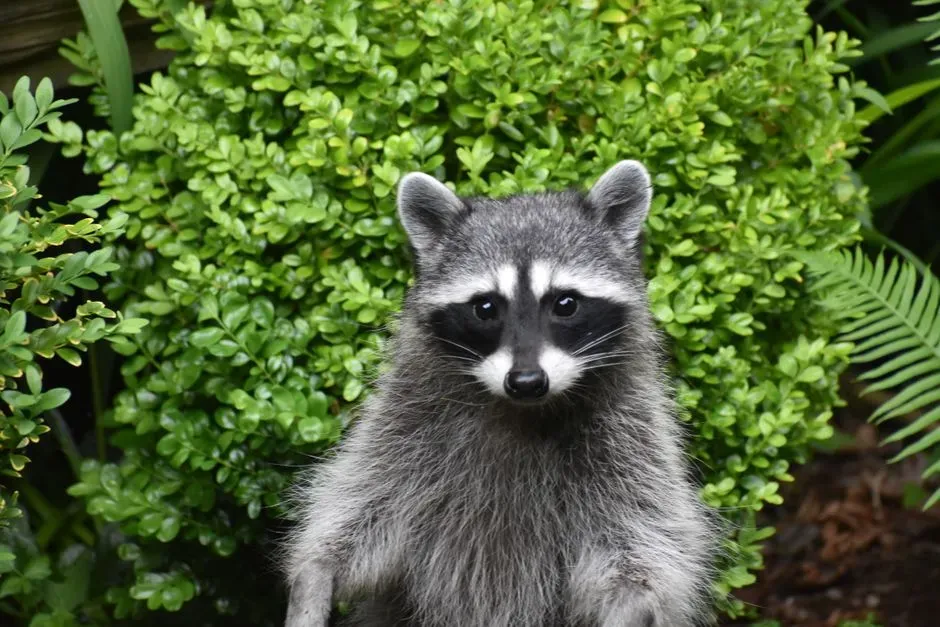
Sometimes the attraction is not just food or shelter, but the overall feel of your yard. Dense shrubs, tall grass, woodpiles, and cluttered corners all create hiding spots where a raccoon can pause, watch, and feel reasonably safe from predators and people. To a raccoon, a layered yard with lots of cover is like a maze of small, protected hallways where it can move around without feeling exposed.
Even quiet matters. If your yard is relatively calm at night – no loud dogs, bright floodlights, or constant human movement – your place can turn into a comfortable nighttime hangout. You might barely notice the animal except for a rustle in the bushes or muddy paw prints. If you want to make your yard less appealing, trimming bushes, reducing hiding spots, and installing motion-activated lights can shift the vibe from cozy sanctuary to mildly annoying transit zone.
You Are Probably Sending Unintentional Invitations
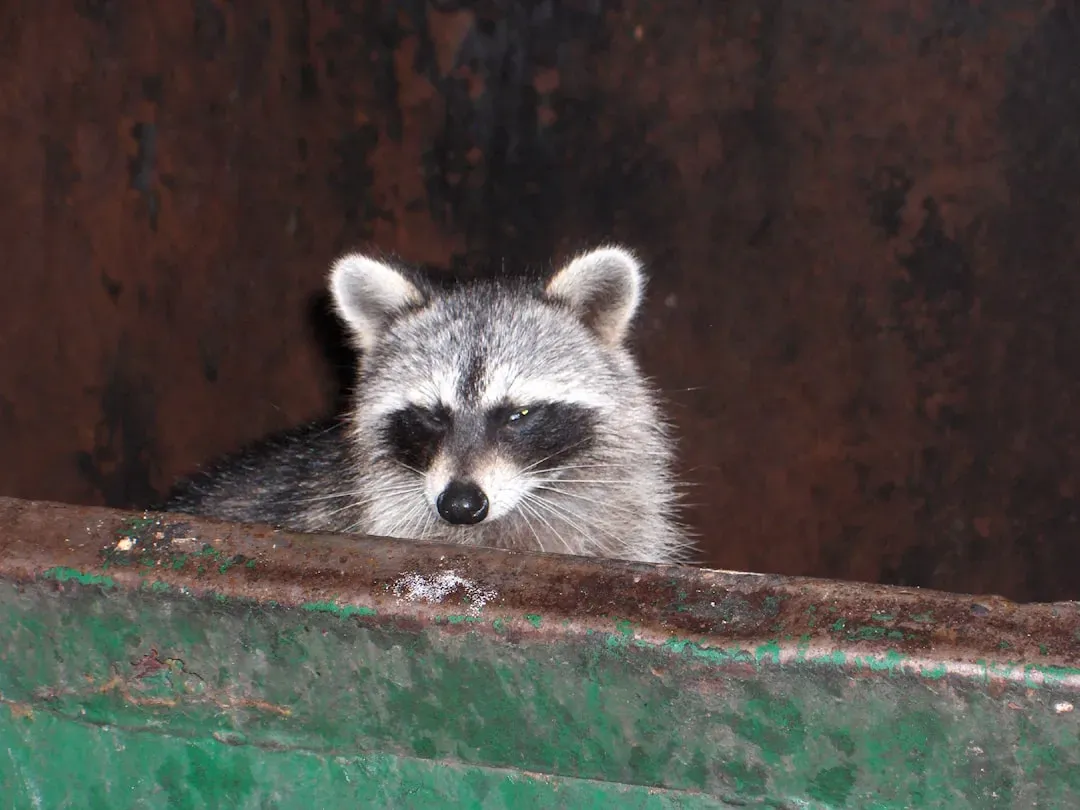
You might feel like you are doing everything right, yet the raccoon still shows up like clockwork. That is where the small, unintentional invitations come in. Maybe your trash can has a loose lid, or there is a small gap in the fence that gives easy access. Perhaps you leave a bowl of water out for strays, which is kind but also very attractive to wildlife that needs a reliable drink source.
Even habits you barely think about can matter. Putting garbage out the night before pickup, instead of early in the morning, gives raccoons hours to explore it. Leaving a bag of birdseed in a flimsy shed, or storing pet food on a porch, can send a clear signal to a raccoon with a strong nose. When you start seeing your yard from the animal’s perspective – smells, hidden corners, open containers – you can spot these small invitations and quietly close them without resorting to anything harsh.
It Is Not Personal or Symbolic, It Is Practical
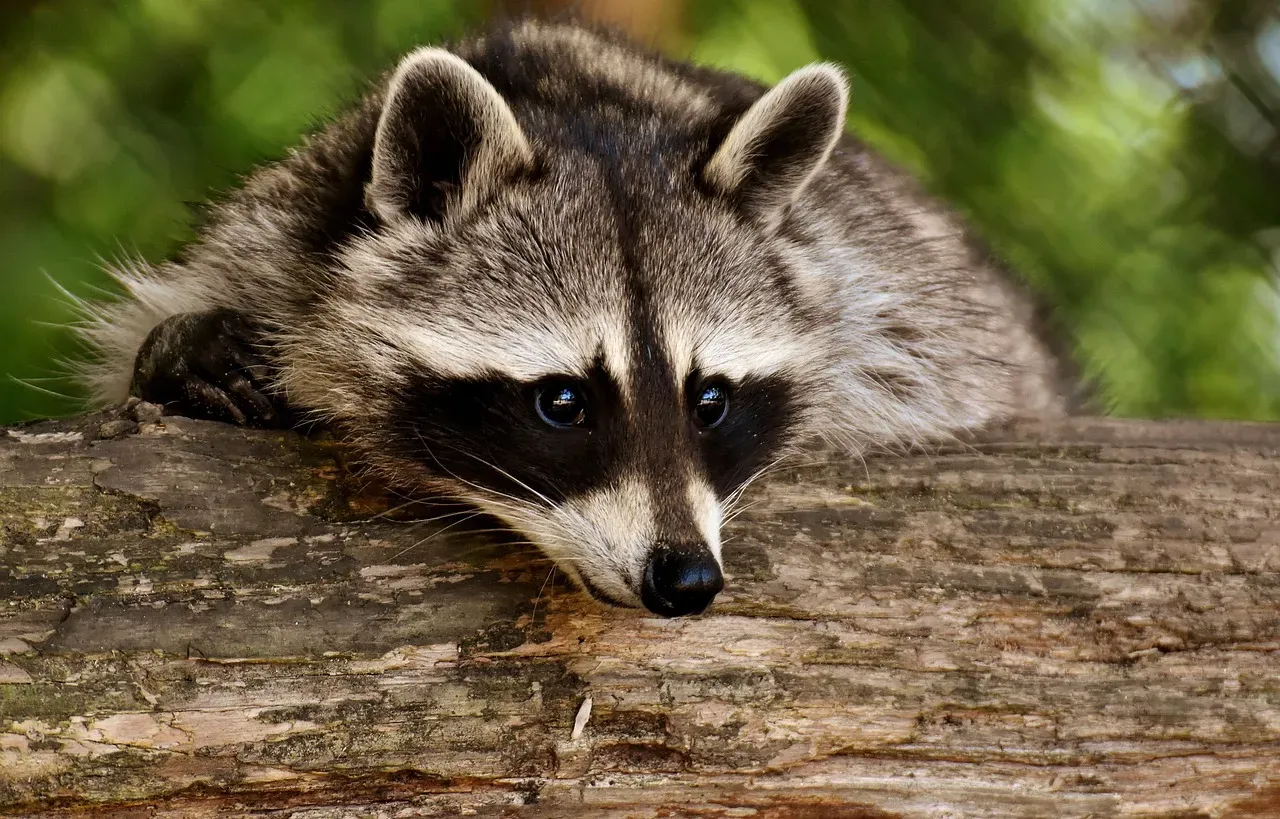
It is easy to read meaning into repeat animal visits, especially late at night when everything feels more mysterious. You might find yourself wondering if the raccoon is attached to you, sending a sign, or acting strangely in some unique way. In reality, most of the time, the behavior is very practical and instinct-driven: the animal is simply going where food, water, and safety are predictable.
This does not make your experience any less interesting, but it does keep you grounded. Seeing the raccoon as a small, clever survivor doing its best in a human-dominated world can shift your feelings from annoyance or fear to cautious respect. Instead of asking what the raccoon is trying to tell you, it is more useful to ask what your yard is offering it. Once you answer that, its nightly visits suddenly make logical sense.
There Are Real Risks You Should Not Ignore
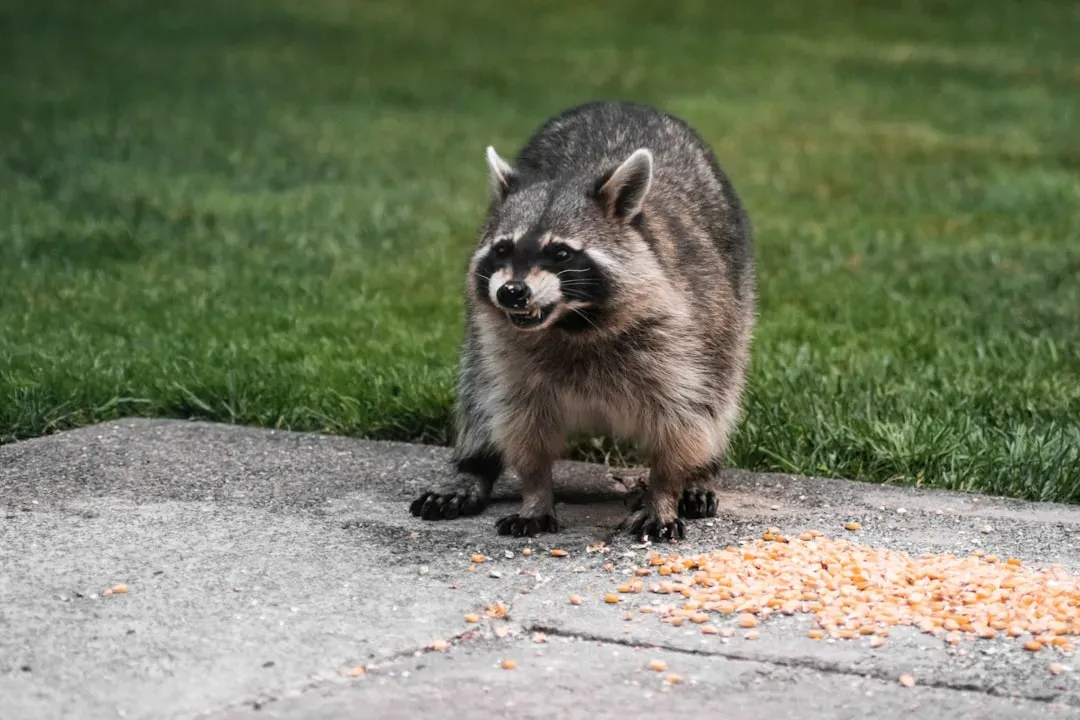
As fascinating as raccoons are, you should treat them as wild animals, not outdoor pets. They can carry diseases such as rabies and parasites that can be harmful to pets and, in rare cases, people. Raccoon droppings, for example, can contain parasites that are unsafe to handle or disturb, especially around sandboxes or areas where children play. That is why you should always avoid direct contact, never try to hand-feed them, and keep pets indoors or supervised at night.
There is also the very practical issue of damage. Raccoons are strong and surprisingly good with their paws – they can tear open shingles, rip through screens, tip heavy trash cans, and claw at insulation. If you notice signs of chewing, scratching, or digging around your roofline, vents, or under decks, you will want to address that quickly before a small annoyance becomes a costly repair. Staying calm but firm – no feeding, no access, no touching – is usually the safest way to protect both your home and the animal.
Humane Ways to Discourage Repeat Visits
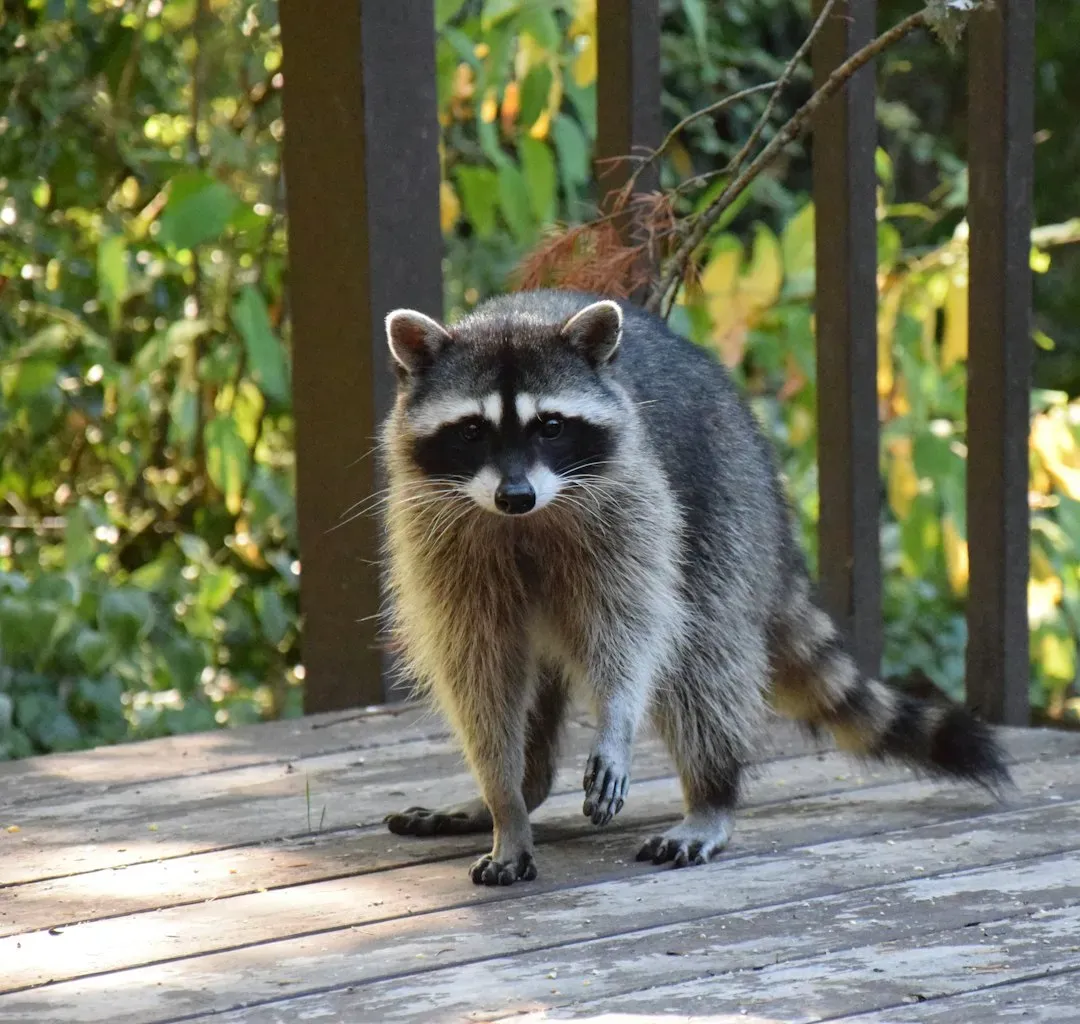
If you would rather admire raccoons from a distance than host them every night, you can nudge them to move on without harming them. Start with the basics: lock down trash with tight-fitting lids or bungee cords, bring pet food and water bowls inside at night, sweep up birdseed, and rinse greasy grills. Removing what attracts them is far more effective than any gadget on its own. You are basically telling the raccoon that the restaurant is closed.
Beyond that, you can make your yard less comfortable using gentle deterrents. Motion-activated lights or sprinklers can startle but not injure, and closing off access under decks or sheds with sturdy wire mesh after confirming no animals are inside can prevent nesting. If you are dealing with a raccoon that has already moved into your attic or a tight space, it is usually worth contacting a licensed wildlife control professional who uses humane eviction methods instead of traps that might injure or separate mothers from their young.
How to Coexist Safely If the Raccoon Stays
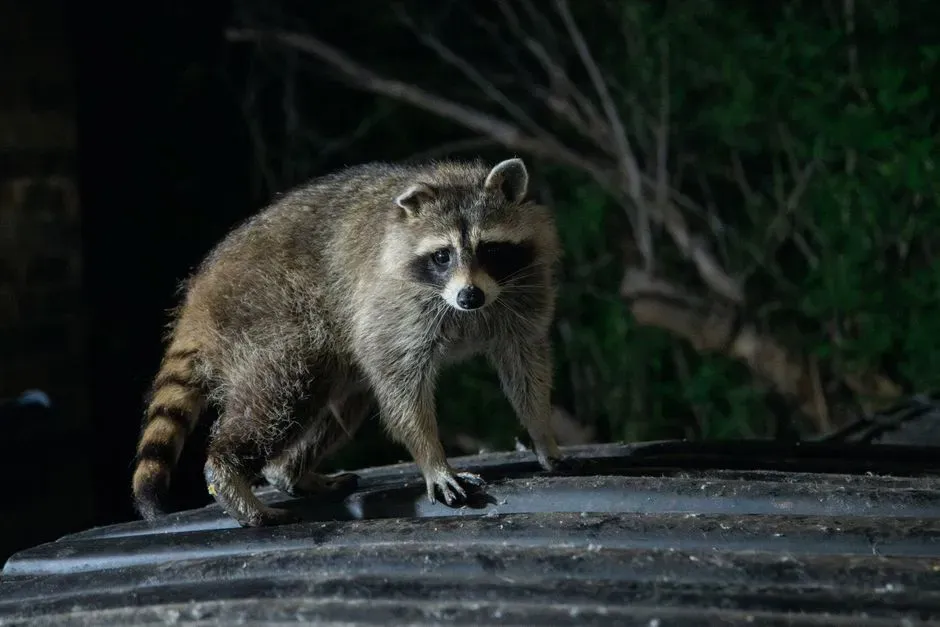
Sometimes, despite your best efforts, a raccoon may still wander through your yard now and then. In many suburban and urban areas, that is simply part of living near adaptable wildlife. If you have removed food sources and blocked obvious nesting spots, an occasional raccoon passing through is not necessarily a problem. You can think of it like a neighborhood cat that roams the block, except this one wears a natural mask and only works the night shift.
Coexisting safely means setting clear boundaries and sticking to them: no feeding, no trying to touch, no encouraging your kids to get close. You can enjoy watching from indoors or from a good distance if you feel comfortable, treating it as a brief nature documentary rather than a new friend. Over time, as your yard becomes less rewarding, the raccoon will likely spend less time there and invest its energy in other areas that offer more consistent payoff.
In the end, a raccoon that keeps visiting your backyard at night is not trying to spook you, send a message, or invade your life. It is following a simple logic of survival: go where the food is, go where it feels safe, and return to places that paid off before. Once you understand that, you get to decide what role your yard plays in that story – a nightly hotspot, a neutral pathway, or a place that gently encourages the animal to move along. Knowing that, what kind of backyard do you want to have?