
You already know the animal kingdom is wild, but some creatures push the limits so far it almost feels like science fiction. These are the animals that bend physics, hack biology, or survive places where you’d last barely a heartbeat. When you look closely at what they can do, your idea of what’s “normal” for life on Earth starts to fall apart in the best possible way.
As you read through these ten animals, picture how your own body would handle the same challenges. Could you regrow a lost limb? Survive outer space conditions? See electric fields? By the end, you might find yourself rethinking what “superpowers” really are – and realizing that nature quietly invented them long before comic books did.
1. Tardigrades: The Nearly Unkillable “Water Bears”
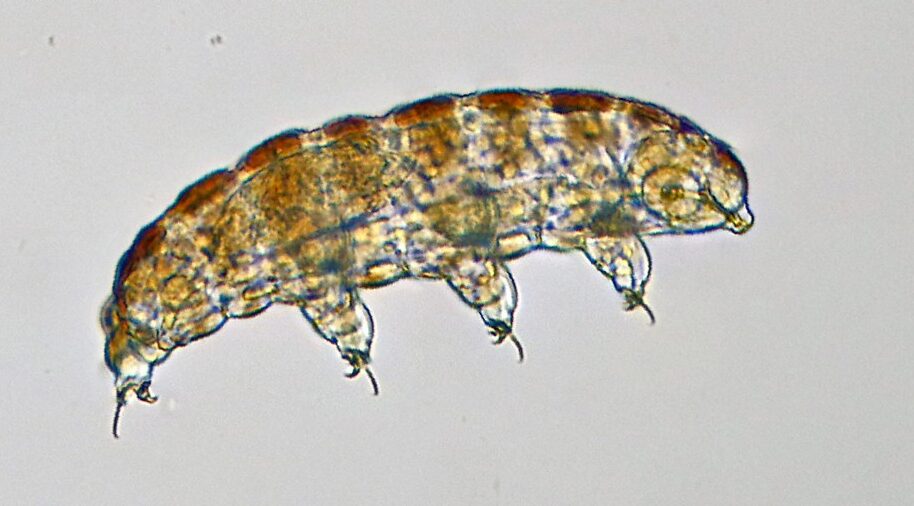
If you could borrow one animal’s superpower for survival, you’d probably pick the tardigrade. These microscopic, chubby “water bears” can survive conditions that would kill almost anything else on Earth: near‑boiling heat, extreme cold close to absolute zero, crushing pressure, and radiation levels that would shred human DNA. Scientists have even dehydrated them into a glassy, crumpled state and then revived them years later, as if nothing happened.
What makes them unique is how they basically press a pause button on life. When things get rough, a tardigrade curls into a tiny ball called a “tun,” shuts down nearly all activity, and protects its cells with special molecules that act like biological bubble wrap. You, in contrast, are stuck needing oxygen, water, and a fairly narrow temperature range just to stay functional. A tardigrade can wait out disaster like a tiny time traveler, patiently hanging on for the world to become friendly again.
2. Pistol Shrimp: The Bubble That Hits Like a Bullet
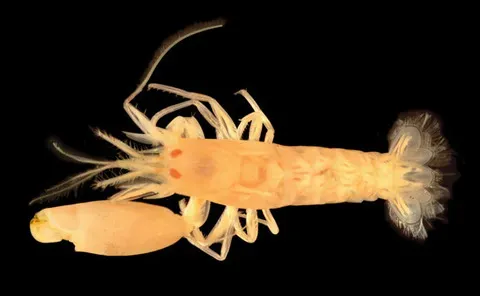
You’ve probably snapped your fingers, but you’ve never snapped hard enough to make a shockwave that stuns prey. The pistol shrimp can. With one brutal snap of its oversized claw, it shoots out a tiny bubble so fast that when the bubble collapses, it creates a burst of pressure and heat. For a brief moment, that collapsing bubble gets as hot as the surface of the sun, and the shock can kill or stun small fish nearby.
What makes this shrimp stand alone is that it doesn’t use teeth, venom, or speed to hunt – it uses physics. You rely on tools for that kind of power; the shrimp grows its own built‑in “cannon.” If you dropped this creature into a superhero movie, its weapon would sound ridiculous, but in the ocean, it’s just another day of snapping, shocking, and dragging a fresh meal back to its burrow.
3. Mantis Shrimp: The Punch Faster Than a Bullet
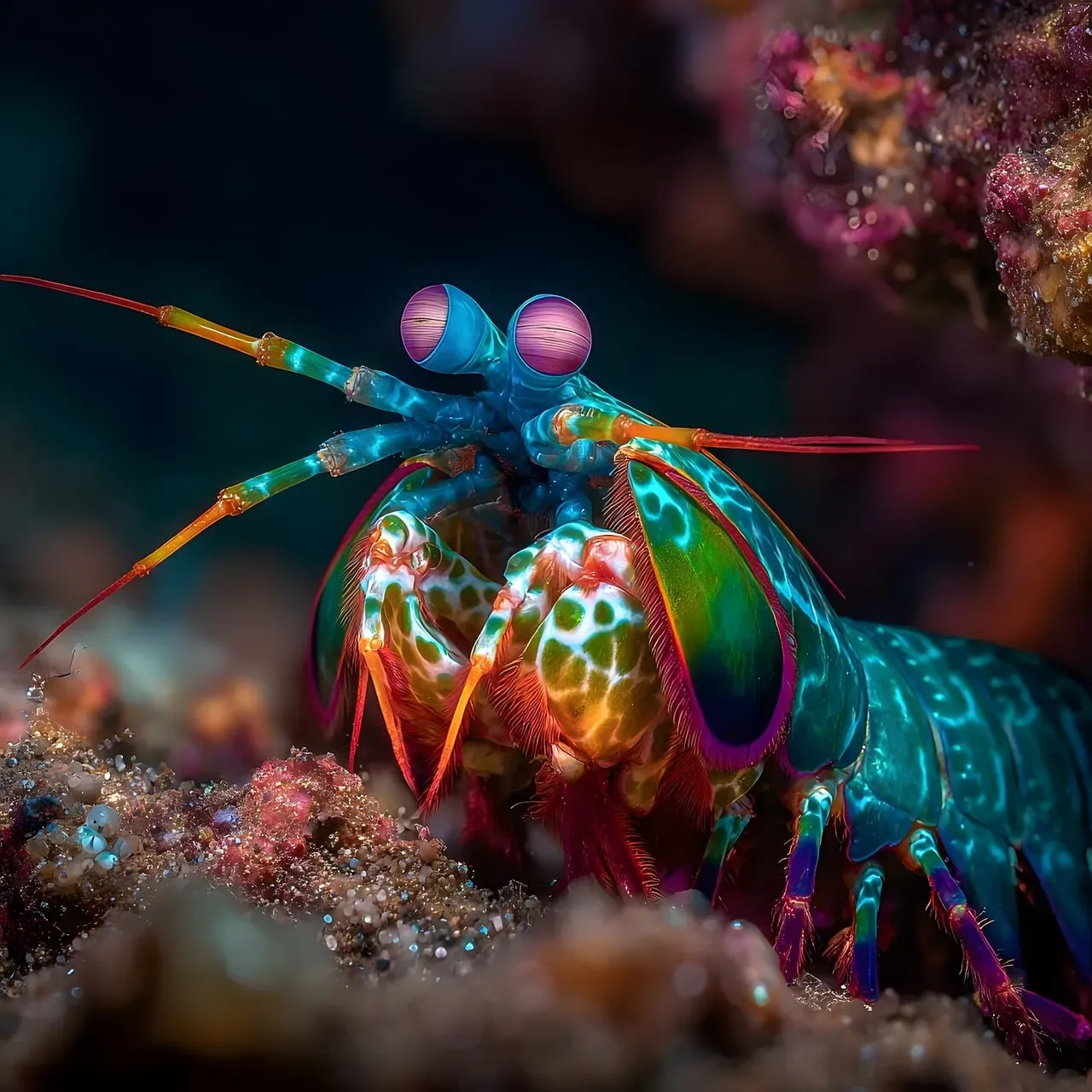
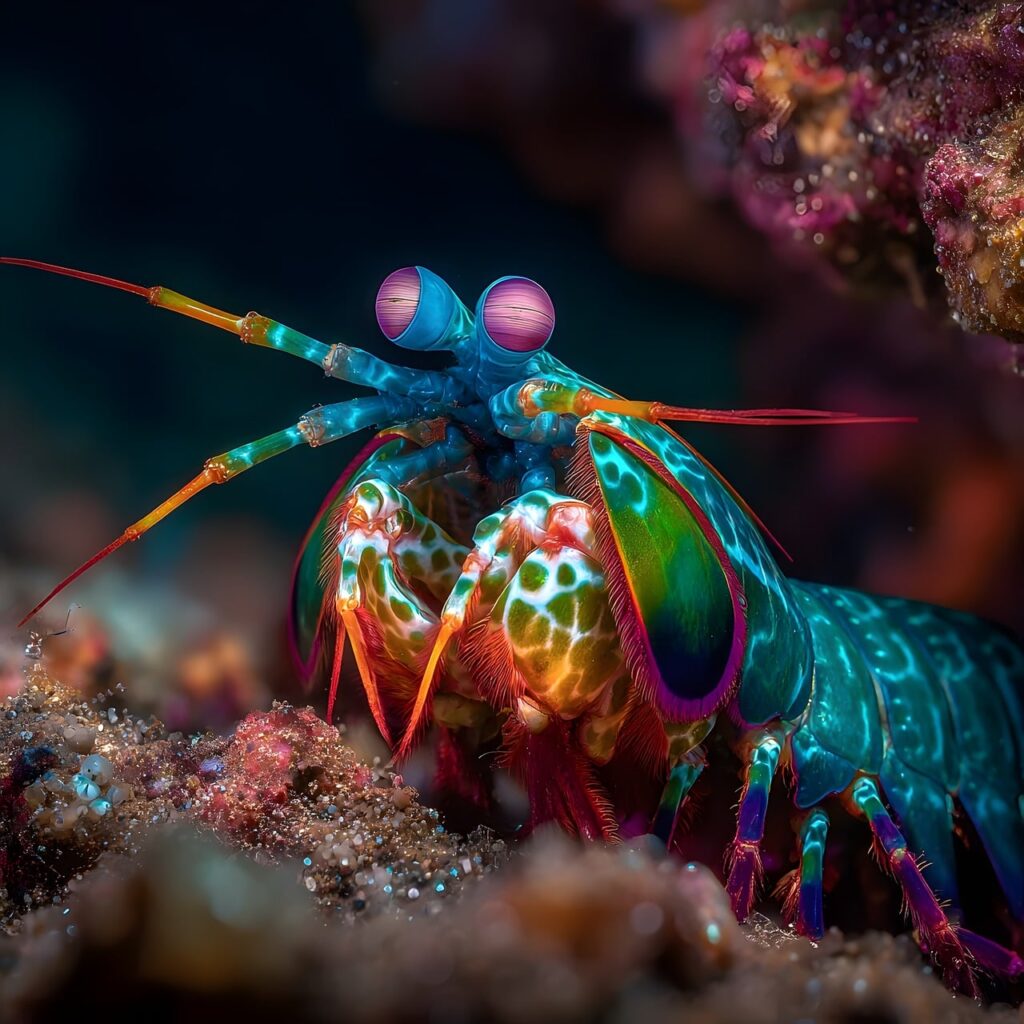
If you’ve ever slammed your hand into a wall, you know your body isn’t built to punch solid objects repeatedly. The mantis shrimp, on the other hand, throws a strike so fast its clubbed arms accelerate faster than a bullet leaving a handgun. When it hits, the impact can crack aquarium glass and smash snail shells like they’re made of eggshells. You’re dealing with one of the fastest movements in the animal kingdom packed into a creature that fits in your hand.
But the mantis shrimp isn’t just a tiny wrecking ball; it also sees the world in a way you simply can’t. While you use three types of color receptors in your eyes, some mantis shrimp species have more than a dozen, letting them detect ultraviolet light and even polarized light patterns. Imagine seeing secret patterns on fish that are invisible to you right now. This animal doesn’t just hit harder than anything its size should – it also lives in a secret visual reality layered on top of the ocean you think you know.
4. Axolotl: The Regeneration Champion
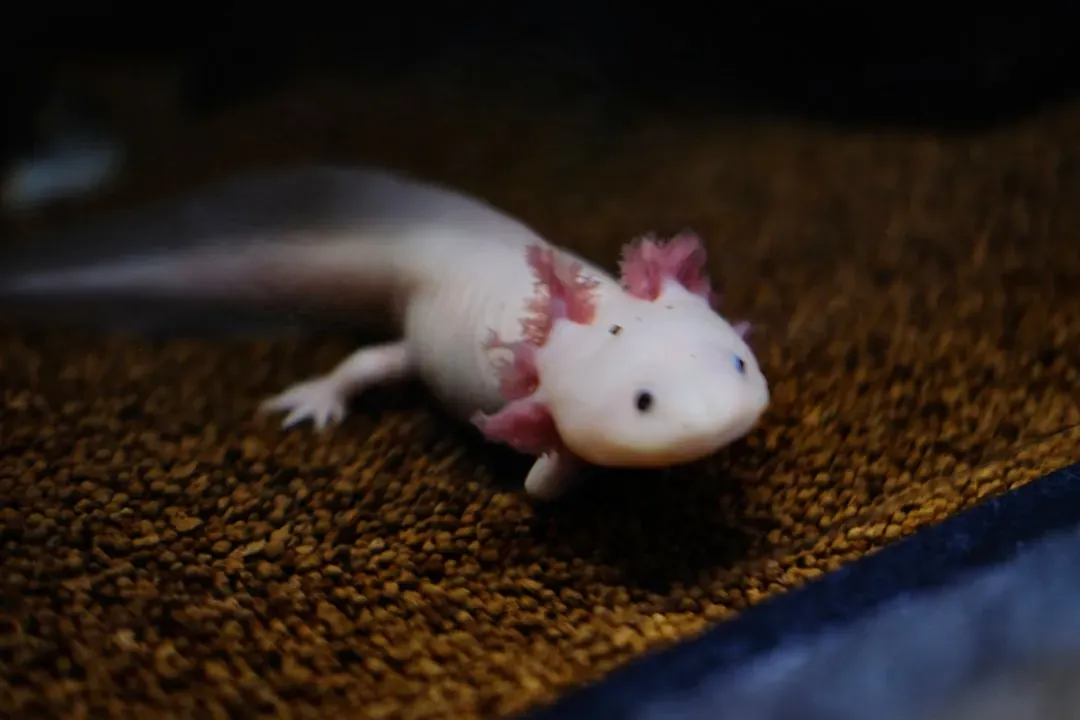
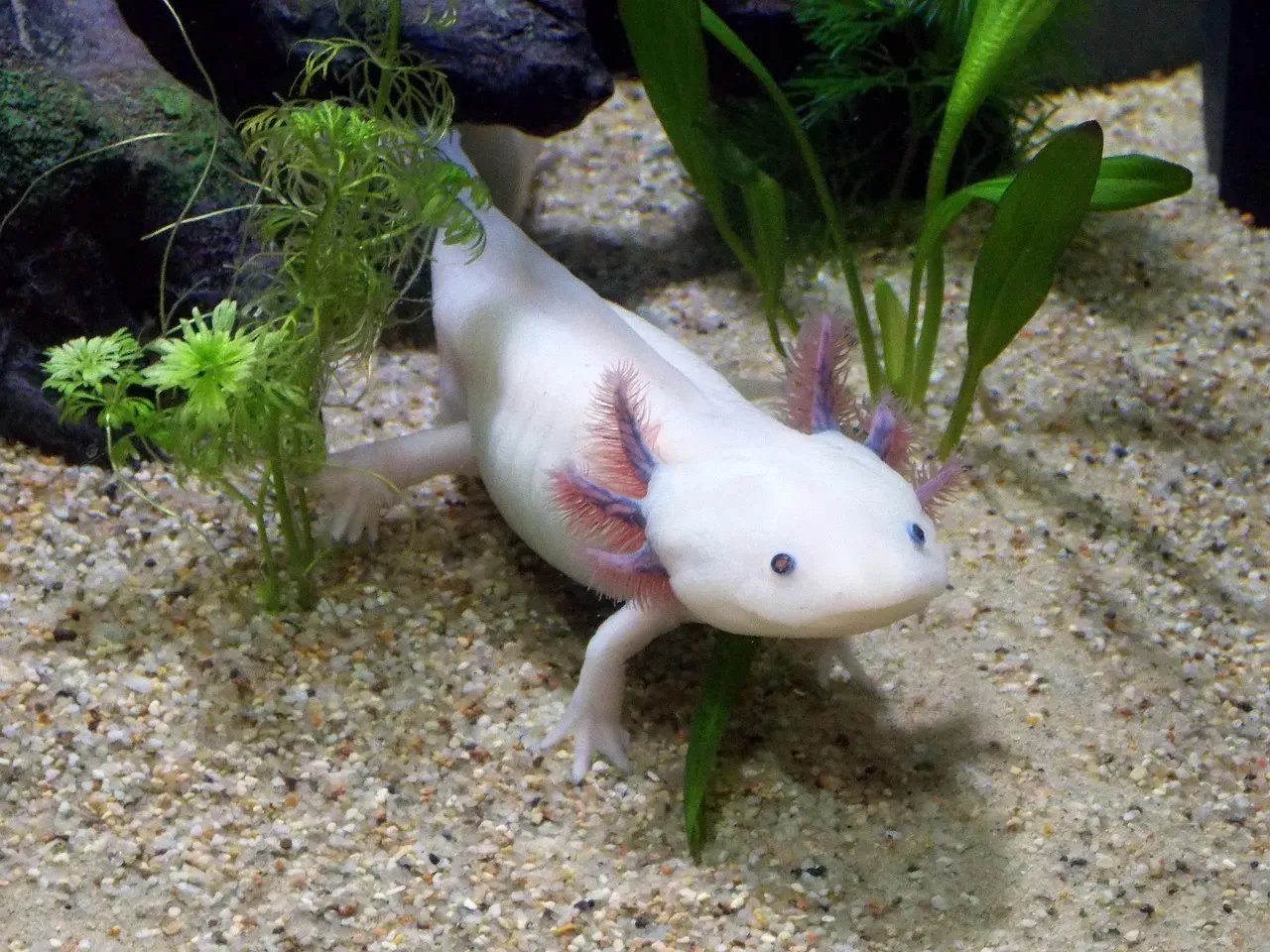
If you lose a finger or part of a limb, your body scars over the damage and you work around the loss. An axolotl does something completely different: it grows the missing part back, fully formed and functional. You’re talking bones, muscles, nerves, skin, and even parts of its heart or brain. Over and over again, this salamander rebuilds itself like a living 3D printer, often without any scarring at all.
What sets the axolotl apart is the way its cells stay flexible and “youthful,” ready to rewind and re‑specialize when needed. Your cells mostly pick a job and stick with it; an axolotl’s cells can get called back into service for construction duty. When you watch one calmly regrow a limb it lost, it’s like seeing a sci‑fi healing chamber in slow motion. Scientists study axolotls hoping that, one day, you might coax your own cells into being even a fraction as capable.
5. Electric Eel: Generating Enough Voltage to Knock You Down
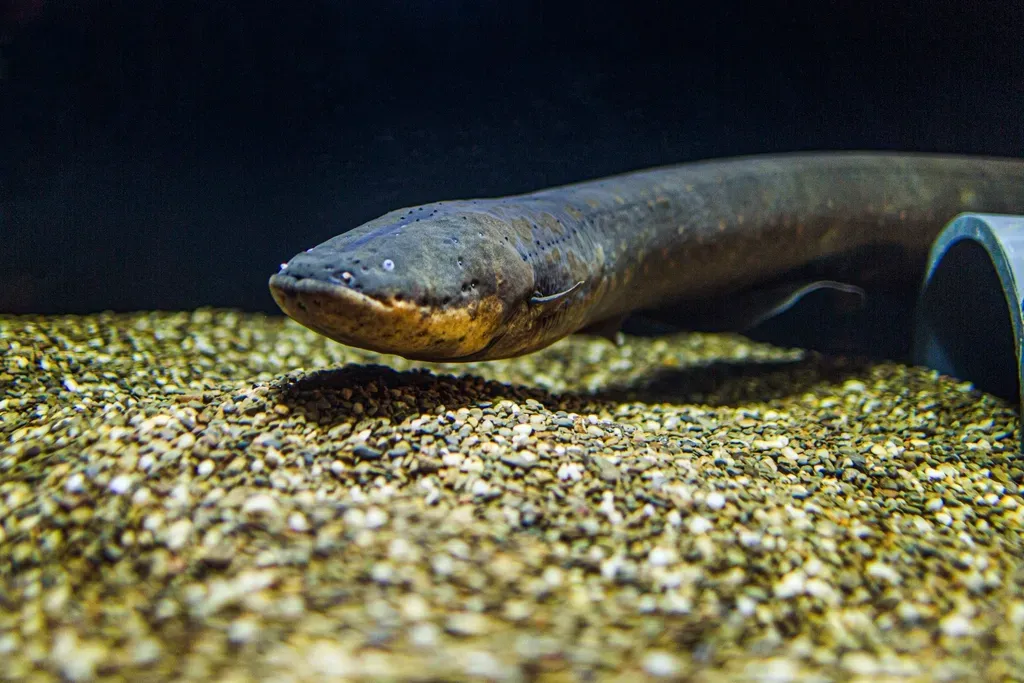
You’ve probably used a battery, but you’ve never had one built into your body that can drop a large animal. The electric eel does exactly that. It can generate powerful electric discharges strong enough to stun prey, deter predators, and even “scan” its surroundings in murky water by sending out smaller pulses. Instead of relying mainly on teeth or speed, this fish uses raw electricity as both a weapon and a sense.
What makes it truly unique is how its body is packed with modified muscle cells that act like living batteries wired in series, all firing together. You’re wired for nerve signals that carry tiny voltages; the eel turns similar principles into a high‑voltage strike. If you had its ability, you could, in theory, shock an attacker just by brushing past them. Thankfully for everyone else in the river, only this strange fish has mastered that biological power grid.
6. Bombardier Beetle: The Living Chemical Spray Can
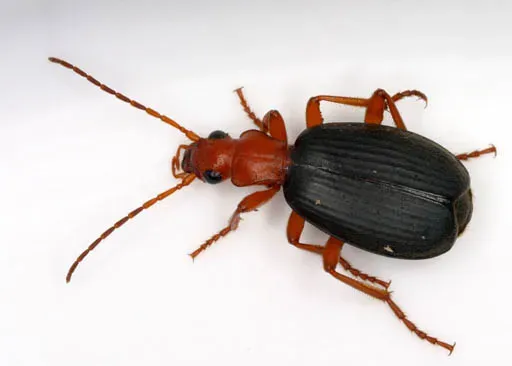
When you feel threatened, you can run, shout, or maybe defend yourself with your hands. A bombardier beetle has a much more dramatic response: it fires boiling, noxious chemicals from its rear end with impressive accuracy. Inside its abdomen, it stores two separate chemical liquids that are harmless on their own. When danger gets too close, it mixes them in a special chamber, triggering a rapid reaction that heats the mixture and blasts it out as a hot, irritating spray.
What no other creature quite replicates is the beetle’s precision control of this tiny internal chemistry lab. It can aim the spray in different directions, pulsing it in bursts rather than just dumping everything at once. You might carry pepper spray in your pocket; this insect is born with an upgraded, self‑heating version. It is a reminder that even something small enough to overlook on a walk can be carrying the equivalent of its own miniature flamethrower.
7. Platypus: The Electro-Sensing, Venomous Oddball
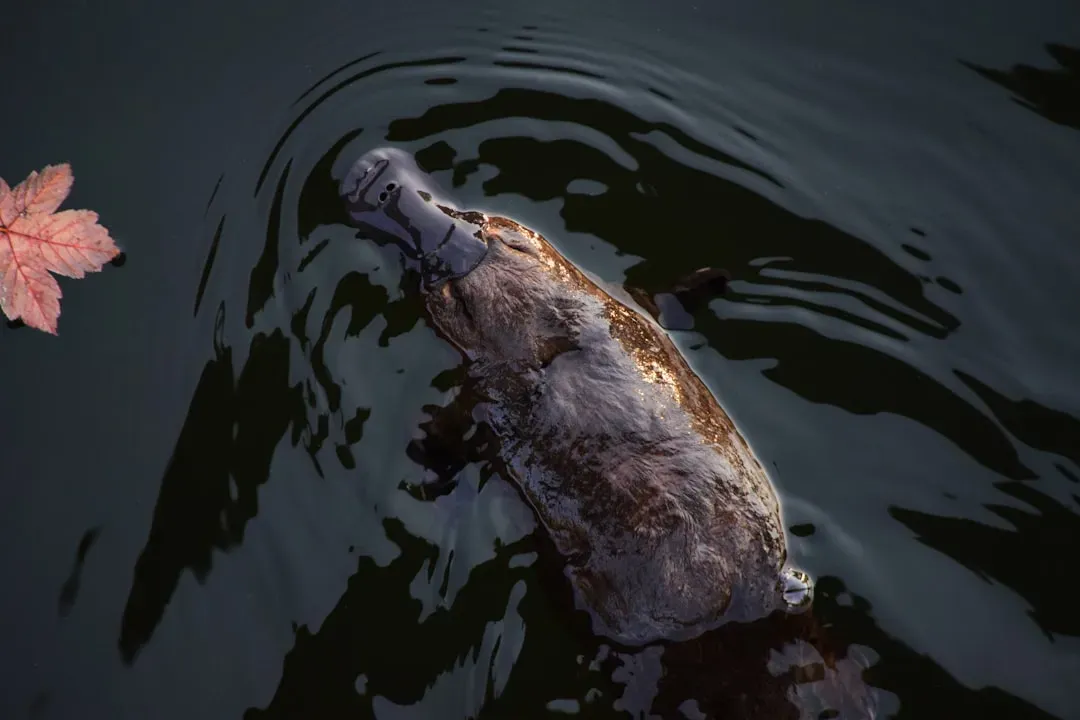
If you tried to design an animal from spare parts, you still wouldn’t come up with the platypus. You’re looking at a mammal that lays eggs like a reptile, has a duck‑like bill, and webbed feet. But its real superpower is hidden in that soft bill, which can sense weak electric fields given off by the muscles and nerves of prey underwater. While you would need your eyes and maybe a flashlight to hunt in a muddy river, a platypus can just close its eyes and “feel” its prey’s nervous system firing.
To make things stranger, the male platypus also has venomous spurs on its hind legs. That venom isn’t usually deadly to humans, but it can cause intense pain and swelling that normal painkillers struggle to touch. You get a venomous mammal that hunts with electricity and hatches from eggs – features that almost never appear together in one species. If there’s any animal that makes you question neat categories like “mammal” and “reptile,” it’s this unapologetic rule‑breaker.
8. Wood Frog: The Frog That Freezes and Comes Back
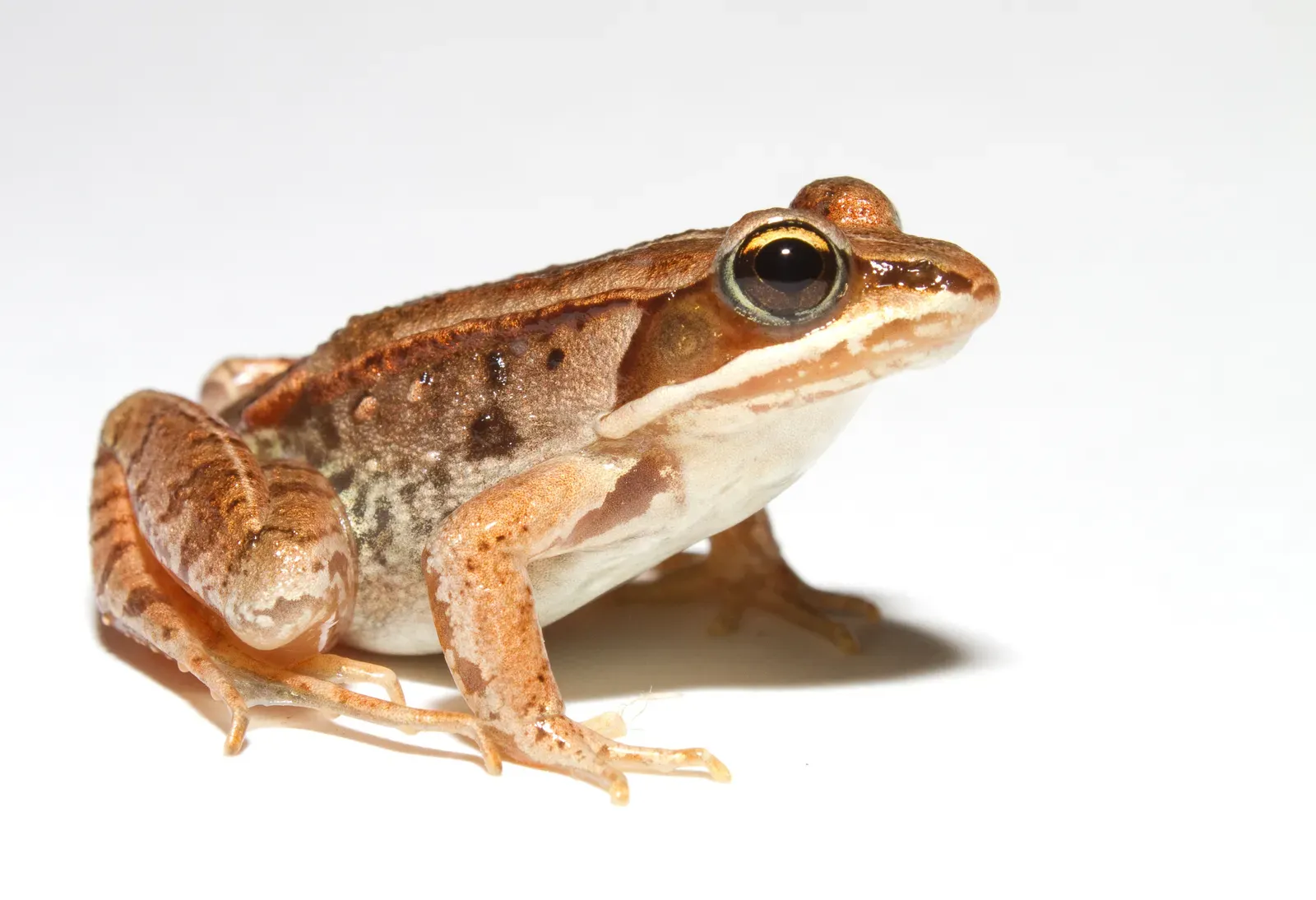
Imagine your heart stopping, your blood freezing, and your body turning into a solid block – and then walking away in the spring as if it were a long nap. The wood frog comes incredibly close to that. When winter hits in parts of North America, this frog can let much of the water in its body freeze solid. Its heartbeat stops, it stops breathing, and yet when temperatures rise again, it thaws out and hops away, very much alive.
What lets it pull this off is a kind of natural antifreeze chemistry. The frog floods its tissues with sugars that protect cells from damage while ice forms around them rather than inside them. If your body froze like that, your cells would rupture and you wouldn’t come back. The wood frog, on the other hand, has turned the deadly cold into just another season to ride out, using ice itself like a temporary sleep mode.
9. Archerfish: Snipers That Shoot Down Prey With Water
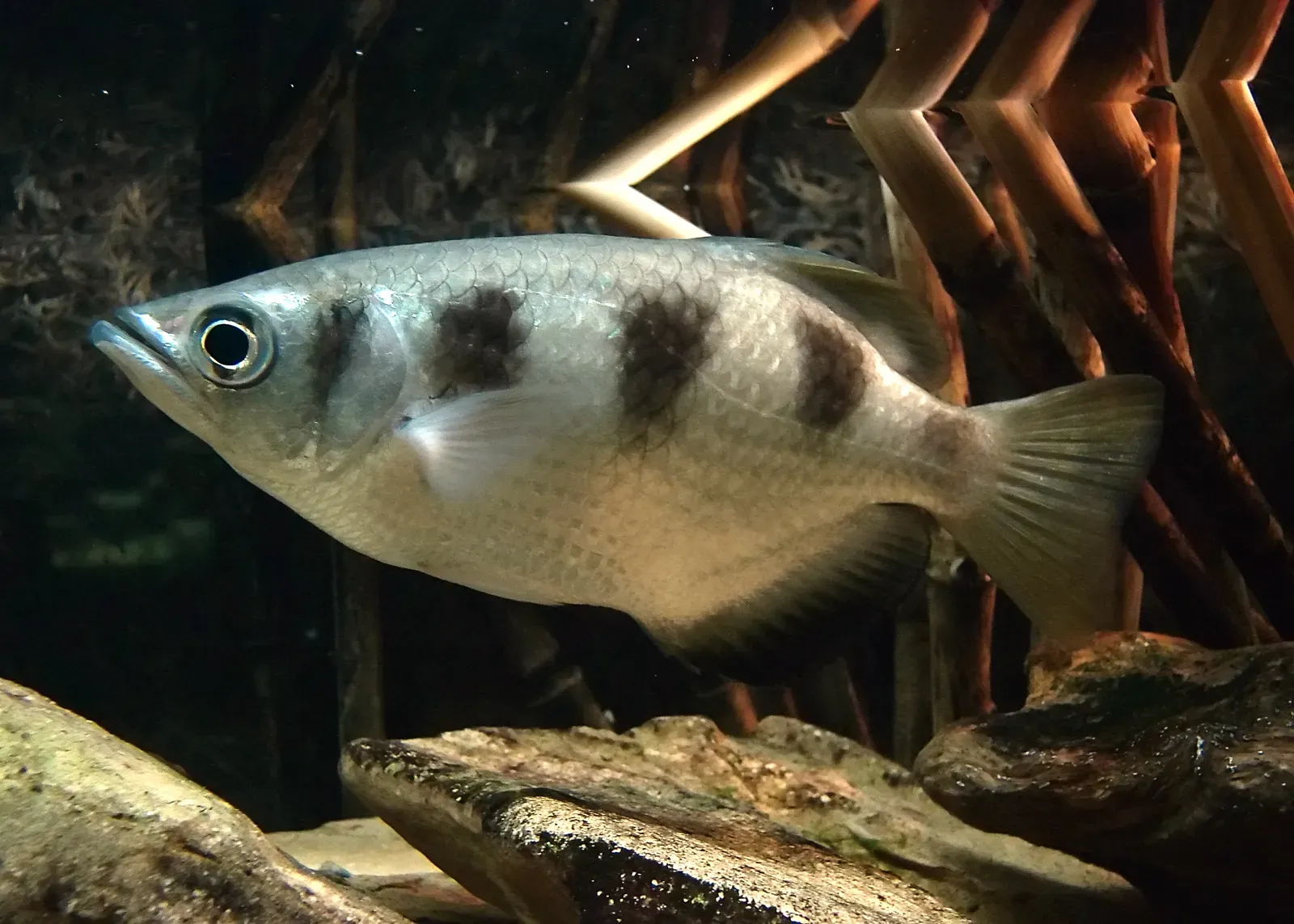
If you’ve ever tried to hit a target by spitting water at it, you know how wildly inaccurate that is. The archerfish makes that clumsy idea look like Olympic‑level marksmanship. It can shoot narrow jets of water out of its mouth to knock insects off branches and leaves hanging above the water’s surface. From below, it judges distance, angle, and even how water and air will bend light, then adjusts its aim so the jet hits exactly where it needs to.
What makes this fish stand out is that it solves a physics problem in real time, without a calculator or a scope. It has to account for refraction – the way light bends when it passes from water to air – so that what it sees isn’t where it shoots. Yet it still nails targets often enough to survive. You rely on a whole mix of gadgets for that kind of precision; the archerfish does it with a brain the size of a pea and a mouth that doubles as a built‑in squirt gun.
10. Naked Mole-Rat: Pain-Resistant, Cancer-Resistant Underground Survivors
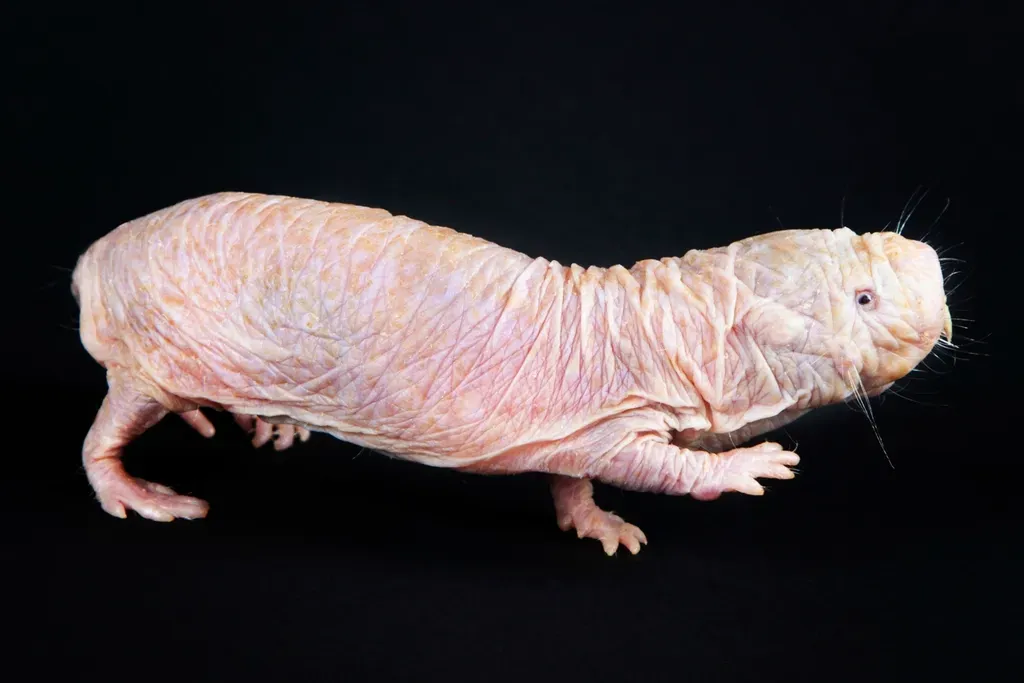
When you think of resilience, you might picture a big, tough animal, not a pink, wrinkled rodent living in dark tunnels. But the naked mole‑rat quietly breaks multiple biological rules. It can live far longer than other rodents of similar size, often many times their typical lifespan. It also shows a remarkable resistance to cancer and can shrug off low oxygen levels that would make you pass out. In the cramped tunnels it calls home, it can keep going where other mammals would fail.
On top of that, you’re looking at a creature that barely seems to age in the usual way for much of its life. Its cells keep repairing themselves, and its body doesn’t show the same sharp rise in age‑related disease that you expect in mammals. It even feels certain kinds of pain differently, tolerating conditions that would be extremely uncomfortable for you. If you ever wanted a glimpse of how evolution might stretch the rules of aging and disease, you find it in this unglamorous but astonishing little underground specialist.
Conclusion: Rethinking What’s “Normal” for Life on Earth
As you move from a heat‑blasting shrimp to a limb‑regrowing salamander to a nearly immortal mole‑rat, you start to see a pattern: life has tried almost every trick you can imagine to survive. The limits you feel in your own body – how fragile your cells are, how easily you tire, how little you can regrow – aren’t universal rules. They’re just one version of what a living thing can be. Other creatures punch harder, freeze longer, sense better, and regenerate more boldly than you ever could.
Next time you see a tiny bug on a leaf or a fish in an aquarium, it’s worth pausing and wondering what invisible superpower it might be hiding. Somewhere out there, another species is quietly doing something that breaks your understanding of biology all over again. Once you realize that, every walk in the park or documentary you watch becomes a bit more magical. Which of these animal abilities would you borrow first if you could?