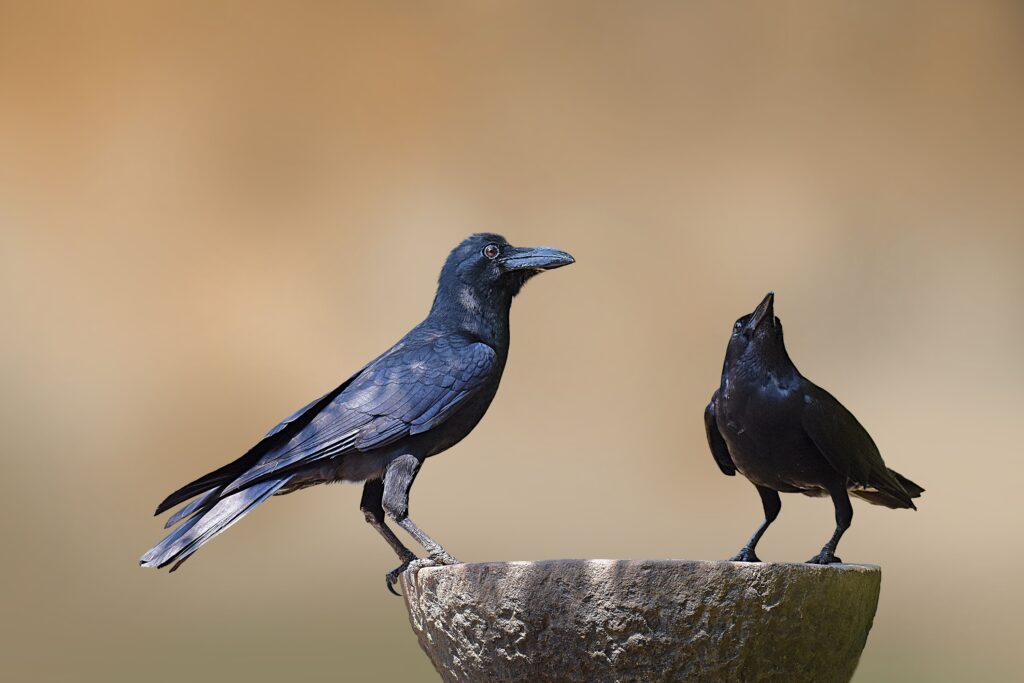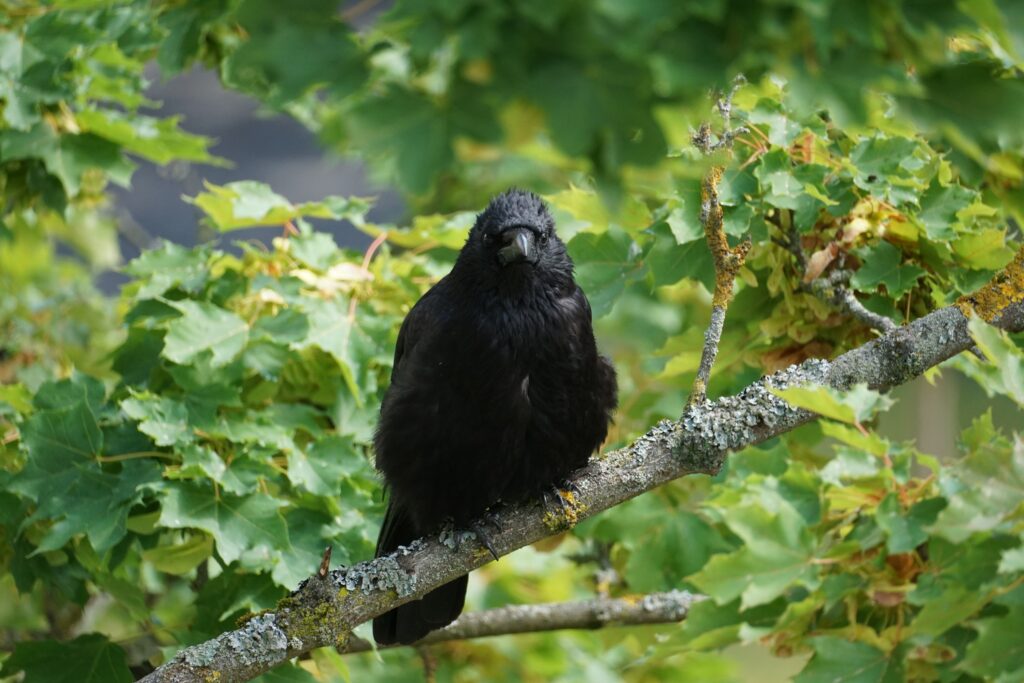
You’re halfway through a quiet walk when you notice it: a single crow, watching you from a pole. You turn a corner, and there it is again on the next tree. A few more blocks, another lamppost, the same glossy black bird. It is unsettling in a way you can’t quite explain, like you’ve stepped into a story that started long before you arrived.
Across cultures and centuries, people have noticed this exact thing: a crow that seems to pick a person and shadow their steps. What is striking is that some very different folklore traditions describe this behavior in almost the same way and draw surprisingly similar conclusions about what it means. Let’s walk through three of those traditions, what they actually say, and what it might mean for you when that insistent crow simply will not leave you alone.
When the Crow Becomes a Messenger, Not Just a Bird
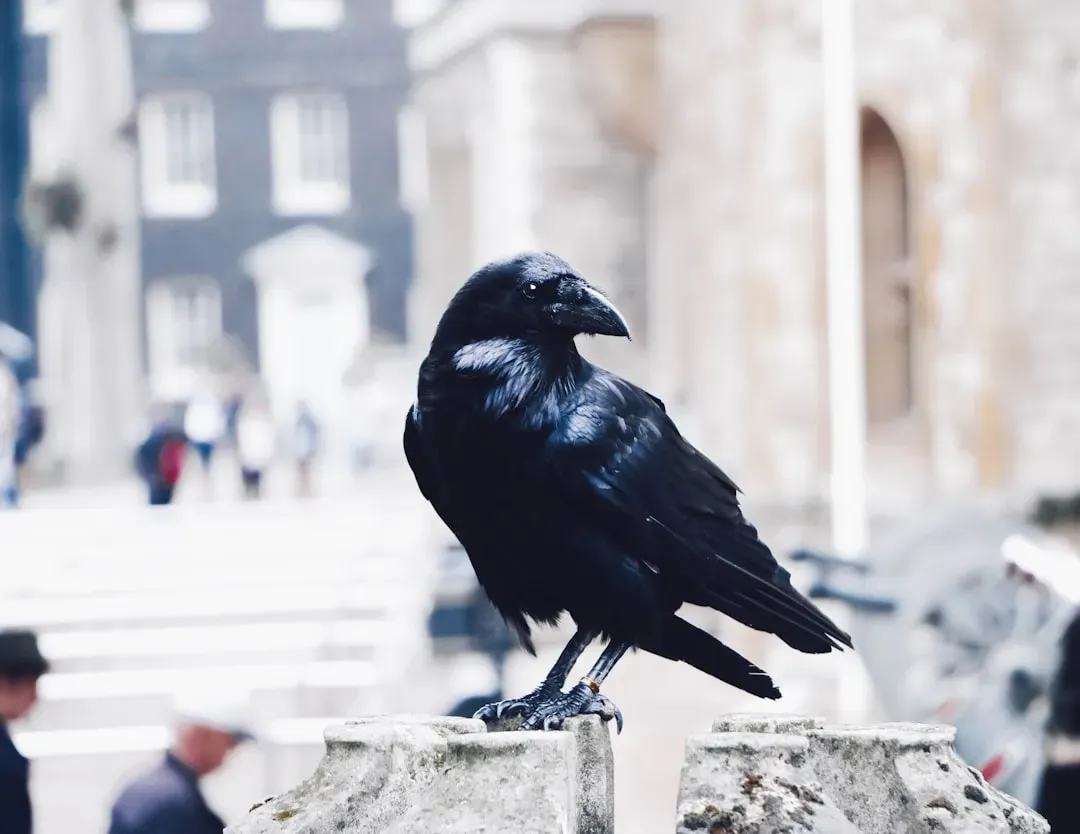
One of the most common threads in folklore is that a crow that follows you is not random; it is delivering a message. In several European and Near Eastern traditions, a crow that tracks a person’s path was believed to be carrying news from the unseen world, whether from the divine, the dead, or the wider forces of fate. This was not a casual sighting like a bird flying overhead, but a persistent, deliberate-seeming presence that demanded interpretation.
In these stories, people did not see the crow’s persistence as harassment so much as insistence. The bird appears, reappears, and refuses to be ignored, as if the universe is tapping your shoulder with a feathered finger. Sometimes the message is a warning, sometimes a nudge toward a decision, sometimes simply the reminder that you are not walking alone, even when you think you are. The important detail is repetition: the crow shows up again and again until you finally pay attention.
The Crow as an Omen of Crossing: Thresholds, Not Just Death
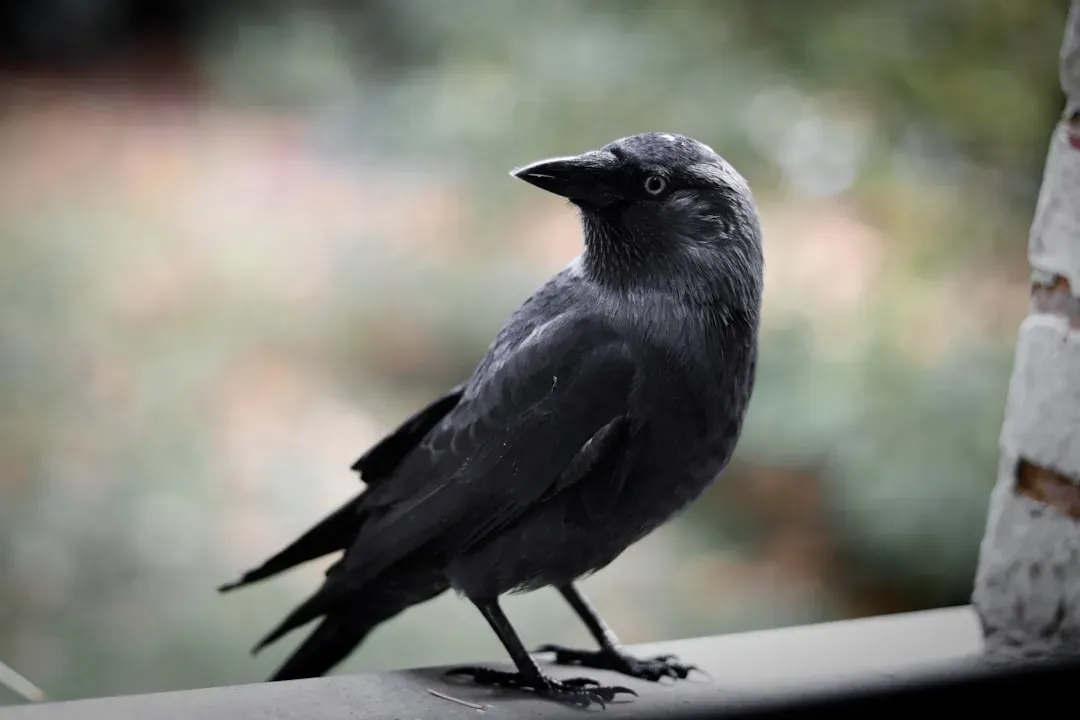
Another shared idea in older traditions is that a trailing crow marks a crossing point in your life, a kind of invisible doorway you are about to walk through. Modern pop culture tends to jump straight to doom and gloom, assuming any black bird must mean death. But in many stories, the crow’s appearance is about transition, not disaster: a move, a breakup, a new job, a major realization about who you are.
In one cluster of legends, people only notice the “following crow” right before a big life shift they did not yet see coming. Only later, they look back and connect the dots: the relationship that finally ended, the sudden relocation, the decision to leave a path that no longer fit. The crow becomes a dark, glossy bookmark on the page where your story turns, a reminder that change is already in motion even before you consciously choose it.
A Watcher Sent by Ancestors or Spirits
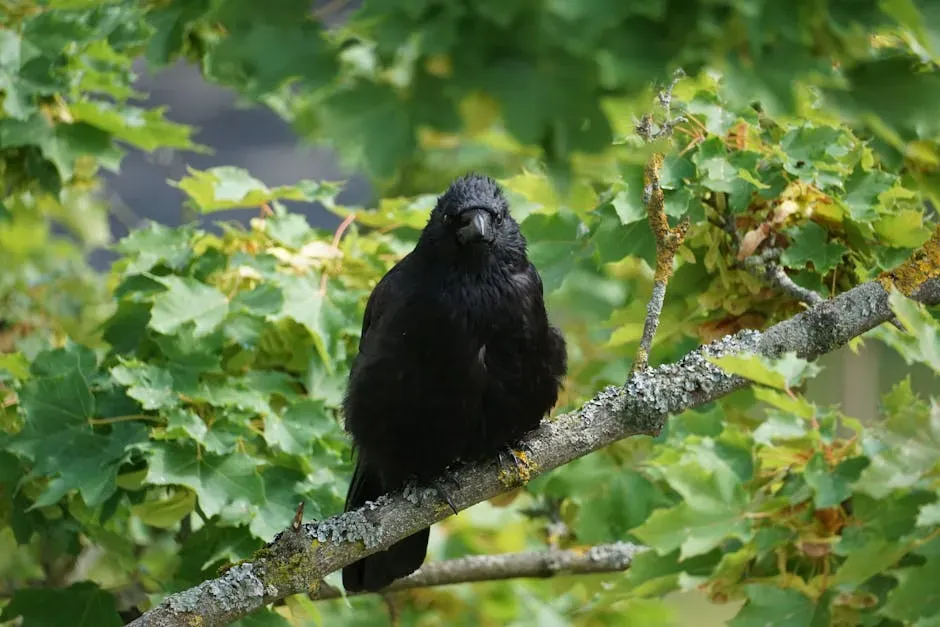
In many Indigenous and animist traditions, a crow that shadows you is not just a random bird but a representative of your ancestors or guardian spirits. The bird is seen as a watcher, making sure you get where you are going in one piece or nudging you away from something harmful. The recurring detail is that it stays with you, almost like an escort, rather than swooping in and vanishing.
From this point of view, the crow’s behavior is protective rather than threatening, even if it feels eerie. The idea that a loved one might be looking out for you through the sharp eyes of a crow gives that relentless following a very different emotional tone. Instead of asking “What is going to happen to me?” the question subtly shifts to “Who is walking with me right now, and why do they care enough to follow?”
The Trickster Shadow: Testing Your Reactions
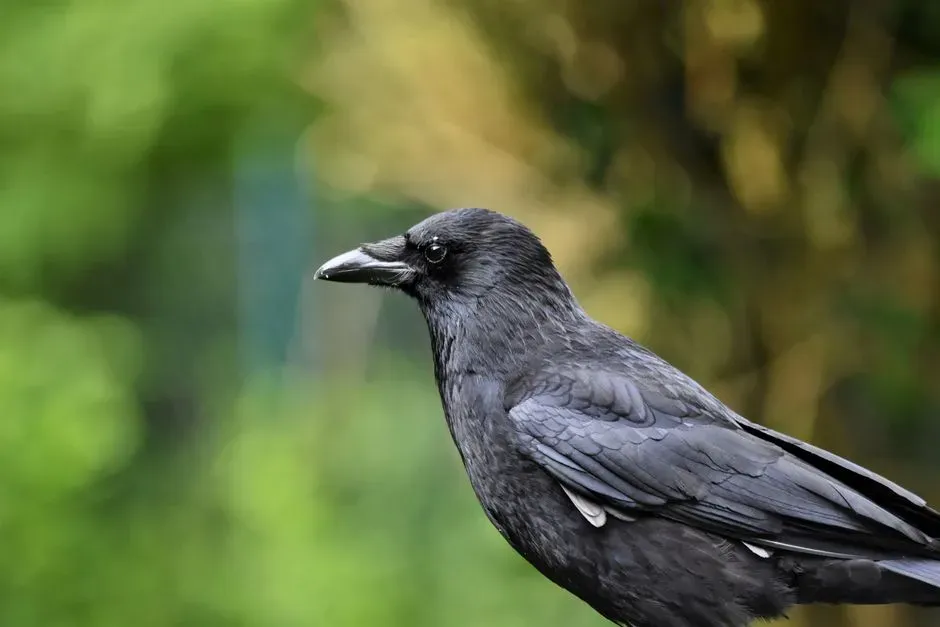
Folklore does not only paint crows as kind guides or neutral messengers; in some traditions they are tricksters, there to poke holes in your certainty. A crow that follows closely, hopping from branch to branch and calling loudly, can be read as a kind of living mirror for your own state of mind. The bird is not causing your unease so much as drawing it to the surface and forcing you to look at it.
In these stories, how you respond to the crow matters. If you panic, lash out, or treat it as a bad omen, it is said to reflect fear and rigidity inside you. If you stay curious, talk to the bird, or simply accept its presence, you demonstrate flexibility and courage. In that sense, the crow is like a pop quiz the world gives you at random: you cannot control the questions, but your answer says a lot about who you are right now.
When Three Traditions Agree: The Pattern Behind the Myth
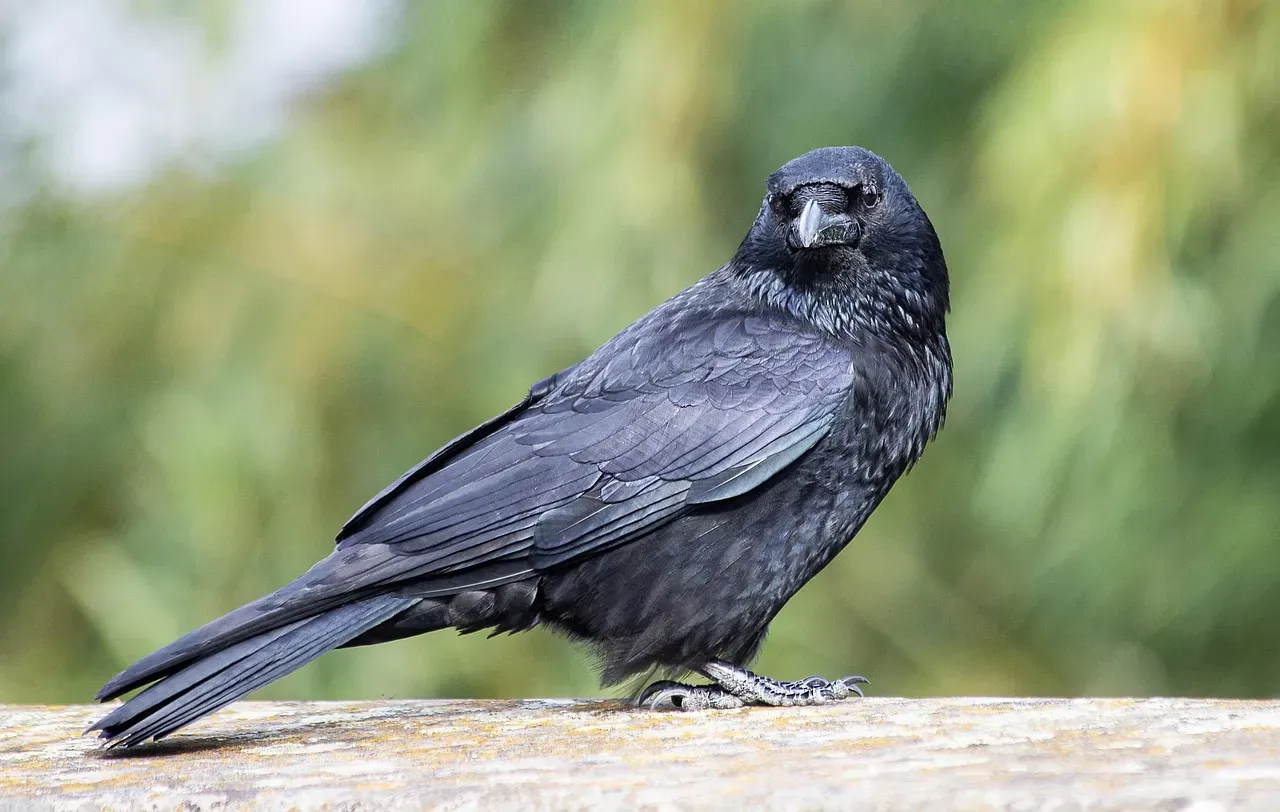
What makes this particular crow behavior so interesting is that very different cultures have preserved almost the same pattern: a single crow, repeatedly following an individual on foot, interpreted as meaningful rather than coincidental. One might call it a messenger, another a guardian, another a trickster-shadow, but they all agree on one thing: this is not just background wildlife. It is an encounter.
From a modern, more analytical perspective, this convergence is telling. When separate traditions, shaped by different histories and landscapes, all take the same behavior seriously, it suggests that people have noticed it often enough to weave it into their stories in a consistent way. That does not mean every crow you see is a supernatural envoy, but it does mean humans have long experienced a persistent, following crow as emotionally charged, eerie, and worth remembering.
The Science Side: Why a Crow Might Actually Follow You
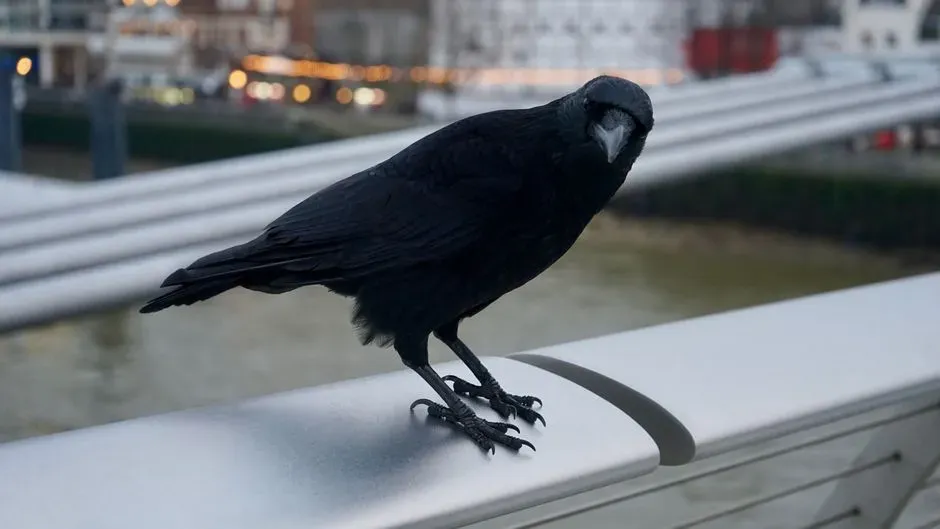
Of course, folklore is only half the story. Crows are intensely intelligent birds with impressive memory and problem-solving skills, and there are very grounded reasons one might keep tailing you. Maybe someone often feeds the local crows along your usual route, so they have learned to associate humans on that path with food. Or perhaps a crow once saw you near something it wanted, like dropped snacks, and now it has filed you away in its mental database as “worth watching.”
There is also the less flattering possibility that a crow remembers you for something it did not like. Crows can recognize human faces and even warn other crows about people they consider dangerous. So if you once waved your arms at a crow or accidentally startled it badly, it may be monitoring you to make sure you do not cause trouble again. From this angle, what feels like a prophetic escort could simply be a very smart bird running a cautious surveillance routine.
How to Respond When a Crow Won’t Leave You Alone
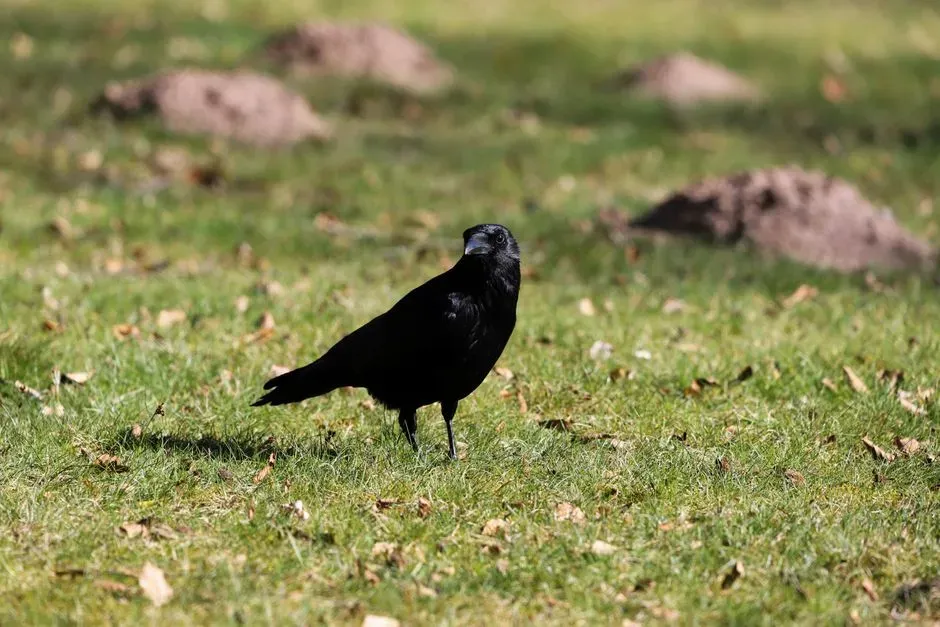
When you blend the scientific with the symbolic, the best response to a persistent crow is respectful curiosity. You do not need to panic or assume disaster, but you also do not have to dismiss your own emotional reaction as silly. You can acknowledge both parts at once: an intelligent bird is making a judgment call about you, and your own mind is reaching for meaning in that encounter.
If you feel uneasy, slowing down and paying attention can be surprisingly calming. Notice your surroundings, your thoughts, and what is happening in your life right now. Are you standing at a decision point? Are you clinging to a path that is clearly ending? Whether you interpret the crow as an animal with an agenda or as a living symbol, the question it presses into your walk is the same: what are you about to walk into next, and are you awake to it?
So What Does It Really Mean? An Opinionated Take
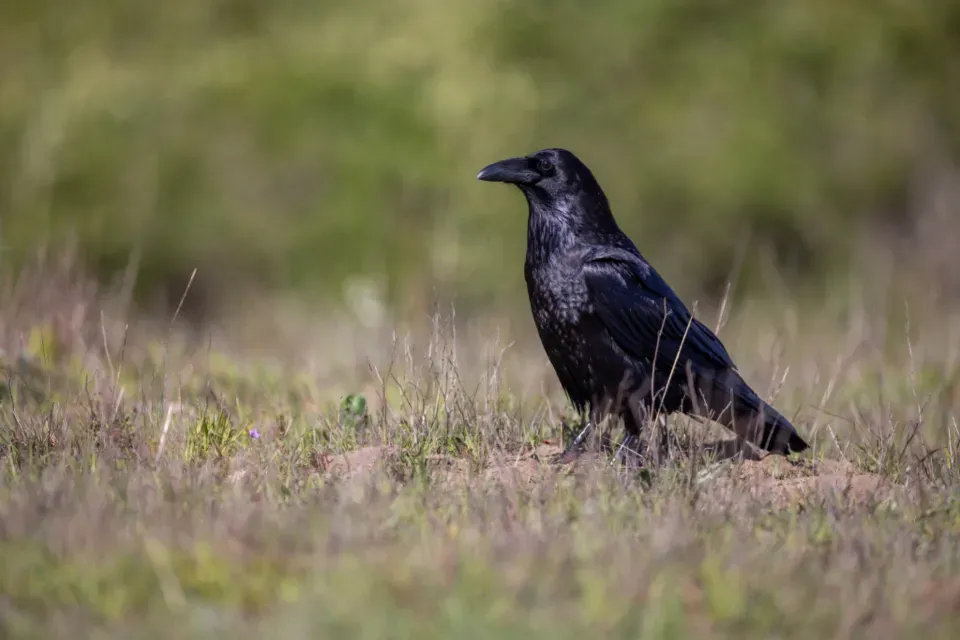
If you ask me, the old stories and the modern science are not actually fighting each other; they are looking at the same event from different angles. A crow that follows you is a wild, everyday miracle of intelligence and attention, and humans are wired to treat such focused attention as significant. Our ancestors turned that feeling into myths of messengers, guardians, and tricksters because it really does feel like the universe is briefly locking eyes with you through a glossy black bird.
So when a crow shadows your steps and refuses to vanish into the background, I do not think it automatically predicts fate in a rigid way. Instead, it marks a moment of heightened awareness, a small, sharp edge in an otherwise smooth day, where you are invited to notice yourself and your path more honestly. Maybe the crow is hungry, cautious, or simply curious – but you are the one who gets to decide what story you walk away with. Next time it happens, will you shrug it off, or will you let that dark-winged witness push you to ask what is really changing in your life right now?