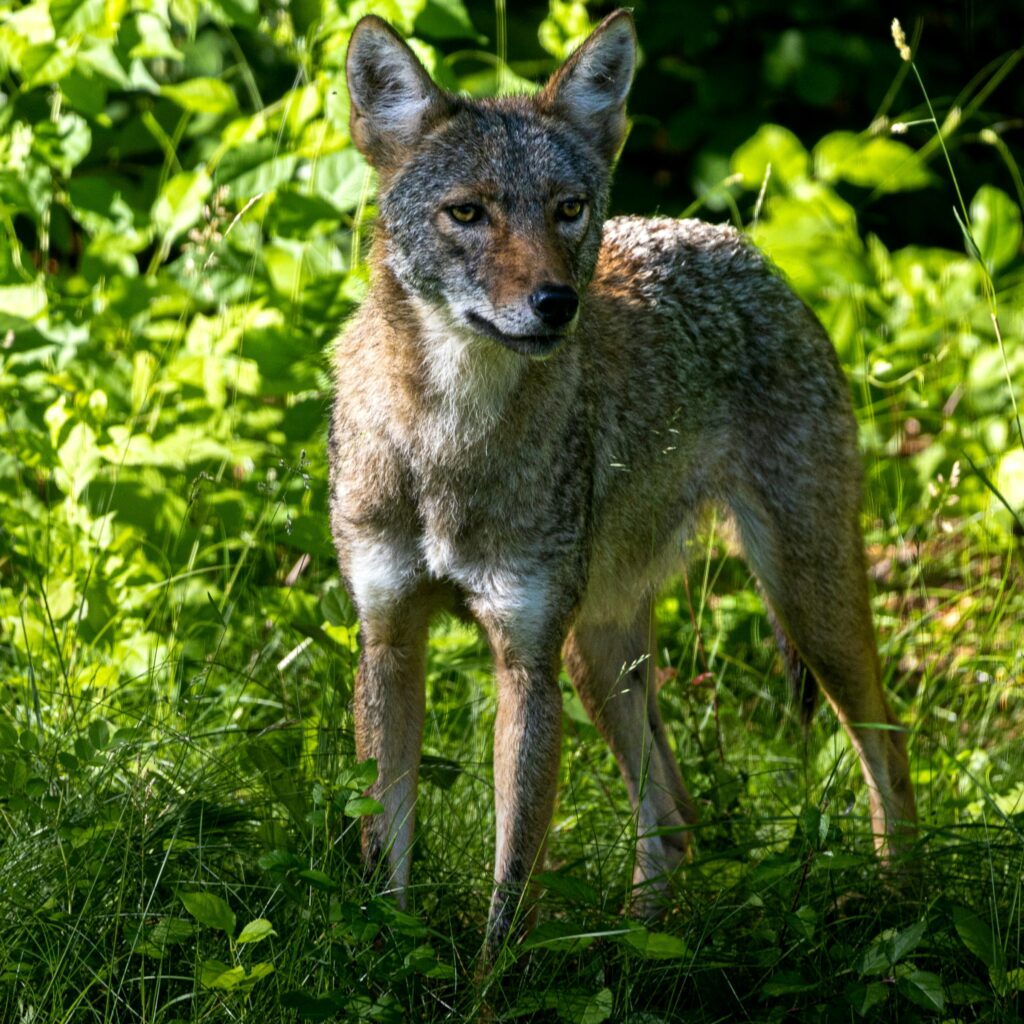
Coyotes are sneaky, adaptable, and a lot braver around humans than many people realize. One night your yard looks peaceful, and the next morning you find paw prints, scattered trash, or worse, missing chickens or a terrified outdoor cat. If you’ve ever looked out at the darkness and wondered what’s watching from the tree line, you’re not being dramatic – coyotes actually thrive in suburban and even urban areas now, quietly learning the rhythms of our neighborhoods. The good news is that coyotes rely heavily on their noses to navigate the world, and that gives you a surprising amount of control. Certain smells tell them your yard is risky, occupied, or just plain unpleasant, and they’d rather move on. Others, unfortunately, signal easy food and safety. Understanding the difference can mean the line between a yard that feels like yours and one that feels like a wildlife corridor you never signed up for.
1. Predator Urine: The Instinctive “Do Not Enter” Signal
One of the most powerful scent-based deterrents against coyotes is something they’ve evolved to respect over thousands of years: the smell of bigger predators. Commercial products made from coyote, wolf, or even mountain lion urine are designed to tap into that deep survival instinct that says this territory might already belong to something that can hurt them. You are essentially “faking” a predator’s presence, which can make a cautious coyote think twice before crossing your fence line. These products usually come in granules or liquid form that you sprinkle or spray along property lines, near trash areas, or around chicken coops and pet runs. In my experience, they work best as part of a broader strategy, not magic on their own. Rain, sprinklers, and time will weaken the scent, so you have to refresh it regularly, and bold or food-conditioned coyotes can sometimes push past even strong smells if they think the reward is worth it. Still, as a first line of psychological defense, predator urine is one of the most natural ways to “speak their language” without ever seeing them.
2. Strong Vinegar and Ammonia: Harsh Chemical Walls Coyotes Hate

Coyotes have sensitive noses, and harsh, acidic smells like vinegar or ammonia tend to be deeply unpleasant for them. A common DIY trick is to soak rags or cotton balls in white vinegar or household ammonia and place them in open containers or tie them to stakes around problem areas. To a coyote, that biting scent can act like a wall, making your yard feel like an uncomfortable zone not worth the trouble. It’s like walking through a room where someone spilled cleaning products everywhere – your first instinct is to leave. That said, you have to be realistic about what these scents can and can’t do. Ammonia in particular needs to be handled and placed carefully, away from where kids or pets can reach it, and you never want it near water features or anywhere runoff can cause problems. The smell also fades with time and weather, so it takes maintenance to keep it strong enough to matter. I see vinegar and ammonia more as short-term tactics: useful during peak coyote season, when denning or food shortages make them more active, but not something you want to depend on as your only long-term strategy.
3. Peppermint and Other Strong Essential Oils: Pleasant for You, Overwhelming for Them

Here’s where things get a little more fun: some of the same essential oils that smell soothing or fresh to us can be overpowering to a coyote. Peppermint, eucalyptus, and citrus-based oils are especially strong, and when used correctly, they create a kind of sensory overload barrier that wildlife often avoids. Think of walking past a perfume counter in a store when every scent hits you at once; many animals just do not want to hang around in that. You can dilute a few drops of these oils in water and spray them around decks, along fences, or near obvious entry points, or soak cotton balls in the mixture and tuck them into small containers with holes. The upside is that your yard may smell surprisingly nice to human noses. The downside is that essential oils evaporate and break down fairly quickly outdoors, so you’ll need to reapply them frequently, especially after rain. Also, some oils can be irritating or even harmful to pets if ingested or applied in concentrated form, so always use them sparingly, diluted, and out of reach of curious noses and paws.
4. Spicy Capsaicin Smells: When Your Yard Smells Like a Hot Pepper Factory
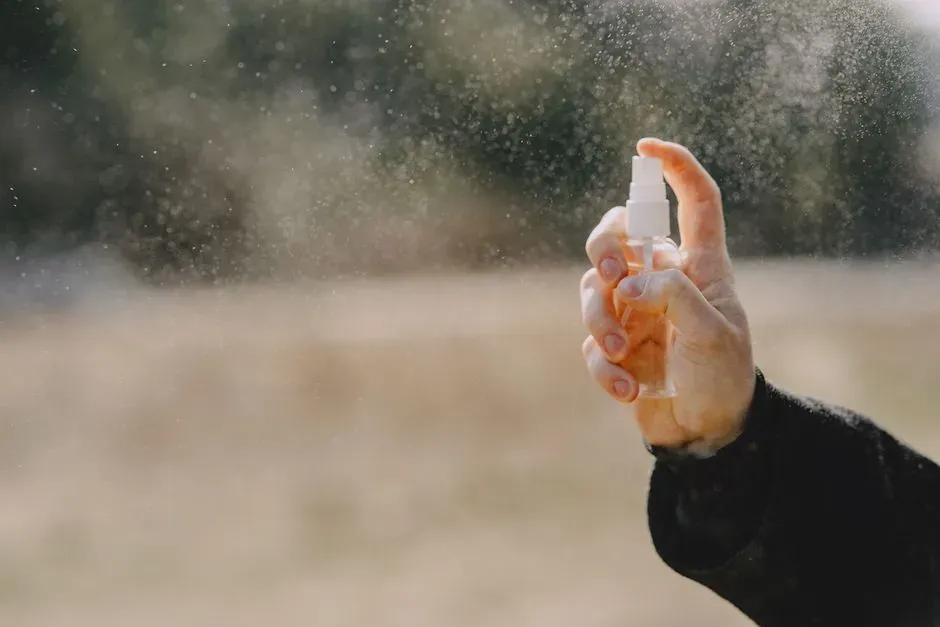
Coyotes don’t love the burning sensation of capsaicin, the compound that makes chili peppers hot. While you’re not trying to injure them, products that include hot pepper or capsaicin are designed to make chewing, digging, or lingering in certain areas extremely unpleasant. Some people create homemade sprays with hot sauce or crushed red pepper flakes mixed in water, using them along fence lines, near known holes, or around garden beds where coyotes might be digging for rodents. The catch is that these preparations are a bit of a balancing act. You never want aerosolized capsaicin blowing back in your own face, and you absolutely do not want your pets rolling in, licking, or rubbing against heavily treated areas. I look at capsaicin-based repellents as “targeted tools” rather than something to dump everywhere. Used in moderation, they send a clear message that your yard is just not a comfortable place to explore with a sensitive nose and mouth. Used carelessly, they can quickly become a headache for you and your animals instead of the coyotes.
5. Freshly Disturbed Human Scent: Sweat, Presence, and Noise
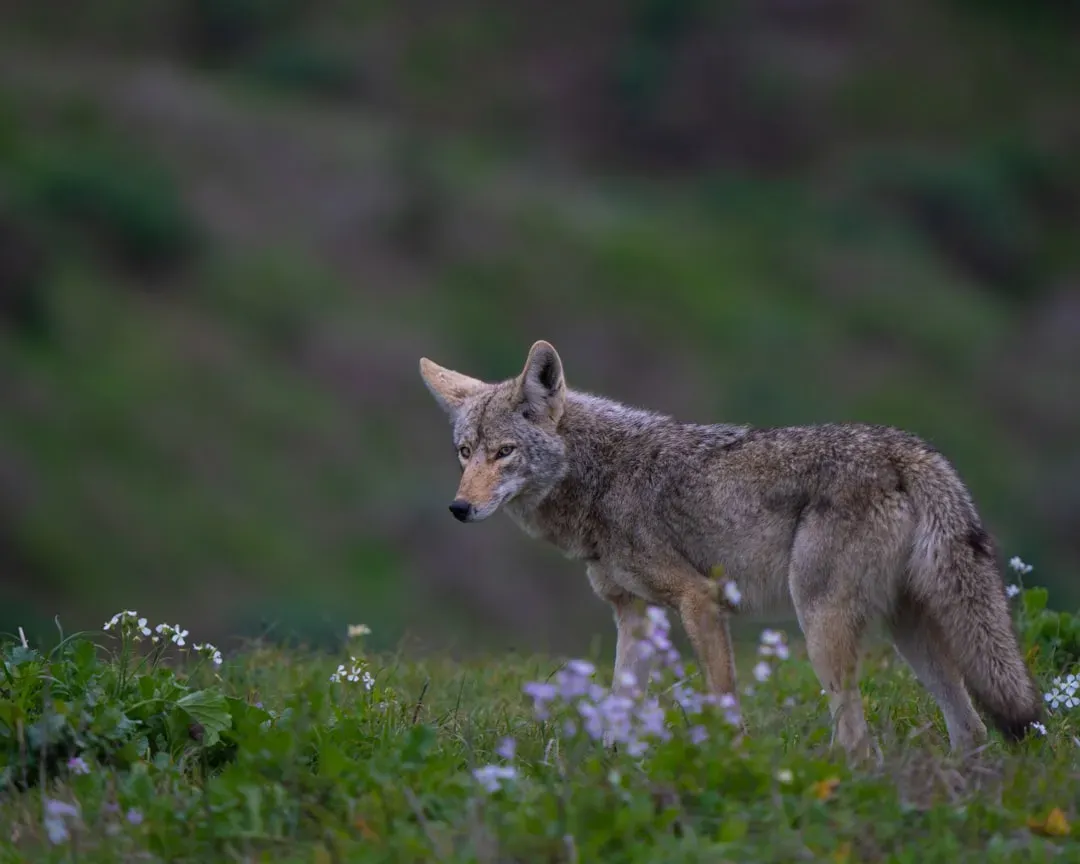
Coyotes are not automatically terrified of humans, but they do notice where we are and where we’ve recently been. Strong, fresh human scents – like sweat on clothing, worn socks, or recently handled objects – can signal that an area is actively used and riskier to explore. Some people hang worn T-shirts, socks, or work gloves near the edges of their property, turning everyday laundry into a kind of moving, fluttering warning sign. Combined with lights and noise, this can push more cautious coyotes to choose easier, quieter paths. The big caveat is that in many suburban and urban areas, coyotes now live so close to humans that general human scent isn’t always enough. If they’re already used to raiding trash cans and strolling down sidewalks, your smell by itself might not scare them off completely. That’s why I tend to see human scent more as a “reinforcement” next to other deterrents – moving around your yard regularly, changing where you place items, and not letting your property feel like an abandoned, quiet space. Coyotes love predictable, low-risk routes, so your consistent presence plus your scent can make your yard feel like more trouble than it’s worth.
6. Rotting Smells Coyotes Associate With Danger, Not Food
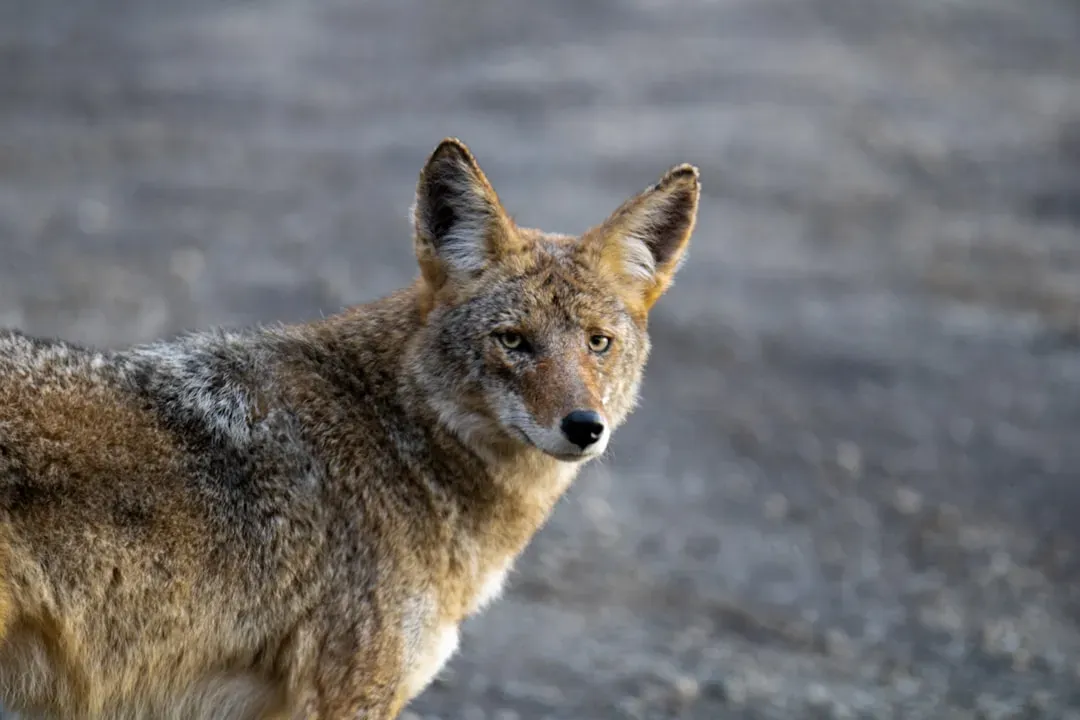
This one is a little counterintuitive, because coyotes are scavengers and absolutely will eat carrion if they find it. But there is a tipping point at which certain rotting or extremely pungent smells begin to signal disease, contamination, or a carcass that has been claimed by something else. Some commercial wildlife repellents try to reproduce these sharp, unpleasant odors using sulfur-based or decomposition-like scents in a controlled, non-toxic way. To a coyote, it can smell like “trouble already happened here” rather than “dinner is served.” From a practical standpoint, you are not going to cover your property in fake rot, and you definitely do not want to attract flies, bacteria, or actual scavengers with real decomposing matter. What makes more sense is occasionally using professionally formulated repellents around high-risk areas, like the base of fences, under decks, or near livestock enclosures. I’ll be honest: these products can be intense and not exactly pleasant for humans either, so they’re best for spots far from your main outdoor hangouts. When used sparingly, though, they add a different “layer” of warning that hits the coyote’s survival instincts from another angle.
7. The One Smell That Draws Coyotes Right to Your Door: Easy Food
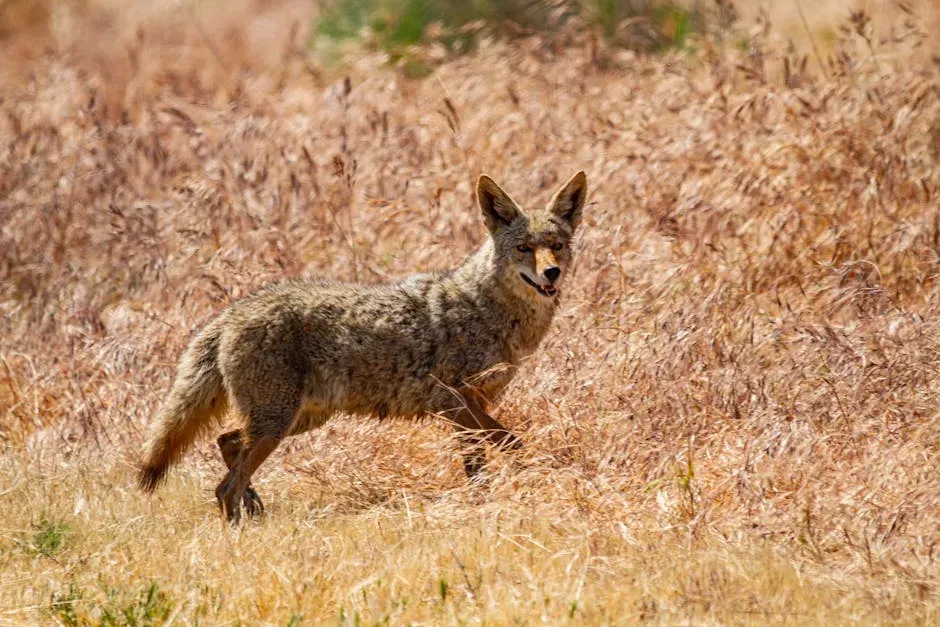
If there is one scent that can undo every other strategy you try, it is the smell of easy food. Garbage cans that leak odor, open compost piles with meat scraps, pet food left outside, fallen fruit, unsecured poultry feed, and even barbecue drippings can work like a neon sign for hungry coyotes. Once they figure out that your property reliably smells like calories, it does not matter how much predator urine or peppermint you spray around the edges – they’ll be motivated to push through discomfort for the reward. In other words, a smelly trash bag is like a bakery window to a hungry animal that has learned humans mean leftovers. This is where most people, including me at one point, underestimate how far a coyote will go once it has “mapped” a food source in its mental GPS. They remember. Locking lids, storing trash inside until pickup day, cleaning grills, feeding pets indoors, picking up fallen fruit, and securing bird and livestock feed are not just nice-to-have chores; they are the core of coyote prevention. If your place smells like food, you are inviting them closer, and if it consistently smells like “nothing special,” they are far more likely to keep moving. Scents that repel are helpful, but eliminating scents that attract is what really changes the game.
Conclusion: Scent Alone Won’t Save You, But It Can Tip the Scales
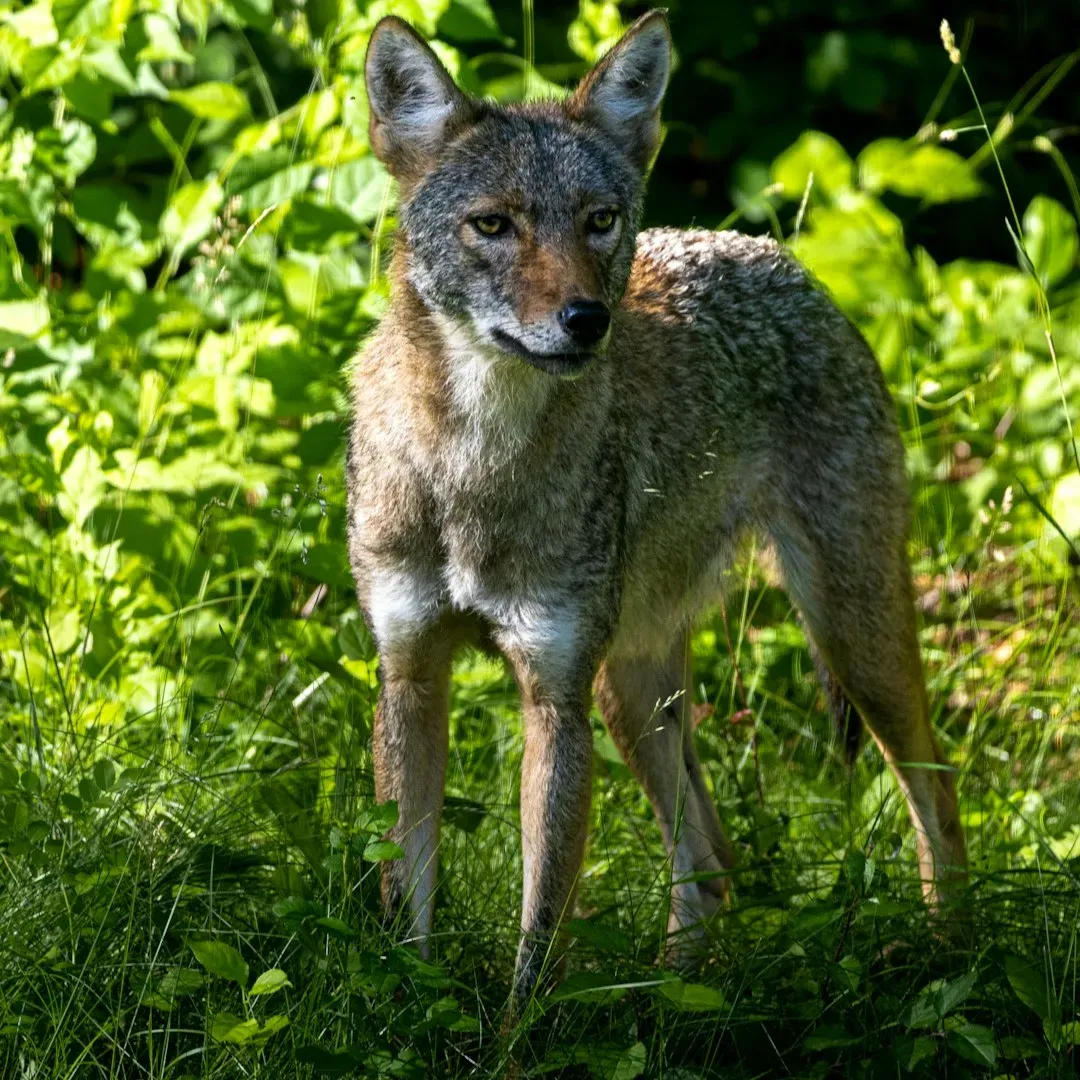
If there is one hard truth about coyotes that I’ve learned, it’s this: no single smell, trick, or gadget will keep them out forever. They are too smart, too adaptable, and too good at testing boundaries. But scents absolutely can tip the odds in your favor. Predator urine, harsh chemical smells, essential oils, hot pepper sprays, and even your own fresh presence can all make your yard feel less inviting, especially when you layer them and move them around so coyotes can’t just learn a new route and ignore them. At the same time, ignoring that one powerful attractant – easy food smells – is like locking your front door but leaving the garage wide open. If your trash, pet food, grills, and animal areas keep broadcasting “all-you-can-eat buffet,” coyotes will keep showing up, no matter how many repellents you deploy. My honest opinion is that scent should be part of a bigger plan that includes secure fencing, good lighting, supervised pets, and a yard that feels active and unpredictable. When you combine all of that, you are not promising a coyote-free world, but you are stacking the deck heavily in your favor. Knowing that, what scent would you tackle first in your own yard tonight?