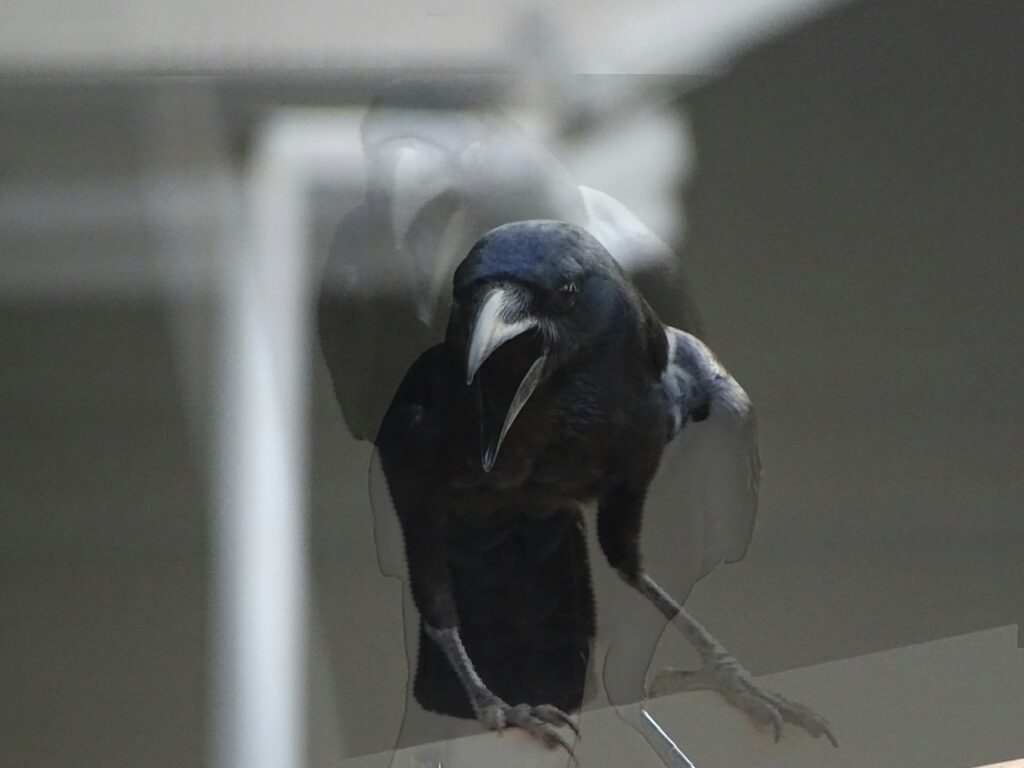
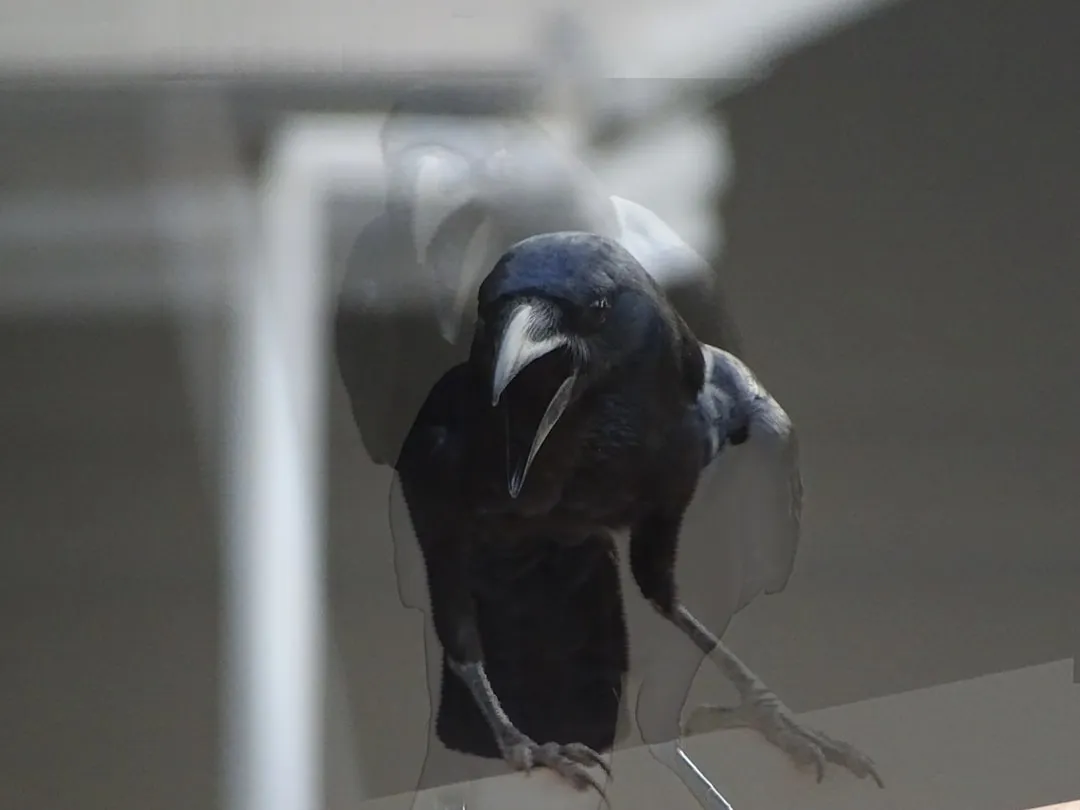
You are sitting at home, minding your own business, when you suddenly hear it: tap… tap… right on the glass. You look up and there it is – a raven staring straight at you through the window, as if it knows something you don’t. For a second your stomach drops, because somewhere deep inside, centuries of stories are whispering that this is not just a bird, this is a sign. But is it really a message from fate, or just a hungry, curious animal that saw its own reflection?
Most of us carry fragments of old folklore in our heads without even realizing it, especially when it comes to dark, intelligent birds like ravens. At the same time, modern science has quietly been uncovering just how shockingly smart these birds actually are. When you put those two threads side by side – the mythic raven and the real raven – you end up with something far more interesting than simple superstition versus science. The gap between the two is smaller than people think, and that double tap on the window turns out to be the perfect place to see just how close they really are.
Why Ravens Became the Ultimate Omen Bird in the First Place
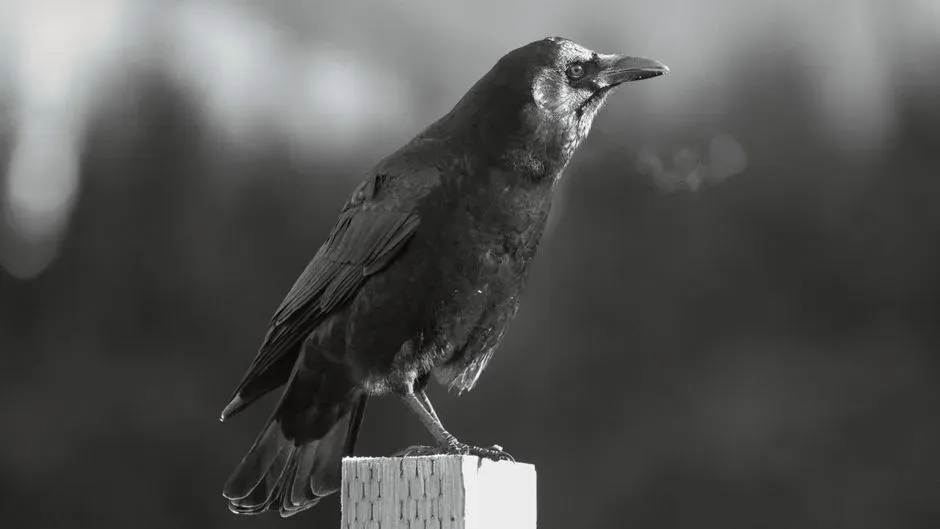
If any bird was going to end up with a sinister reputation, it was always going to be the raven. They are big, black, and unnervingly calm around human drama – often seen circling battlefields, scavenging near graves, and hanging around the edges of villages where life and death were part of everyday scenery. In a world without modern medicine, war reporters, or forensic science, people looked up, saw ravens appear when things went terribly wrong, and connected the dots in the only way that made sense to them: the ravens were messengers of fate.
Over centuries, this repeated association hardened into myth. In some European traditions, ravens were tied to death and misfortune; in others, they served as companions to gods, carrying secrets between worlds. You see similar patterns in Norse tales, Celtic legends, and even in the way later writers embraced the bird as a symbol of doom and mystery. By the time the modern era rolled around, the raven was no longer just a bird. It had become a walking, flying metaphor for the unknown – especially the unknown that scares us.
The Double Tap at the Window: How Folklore Reads the Sign
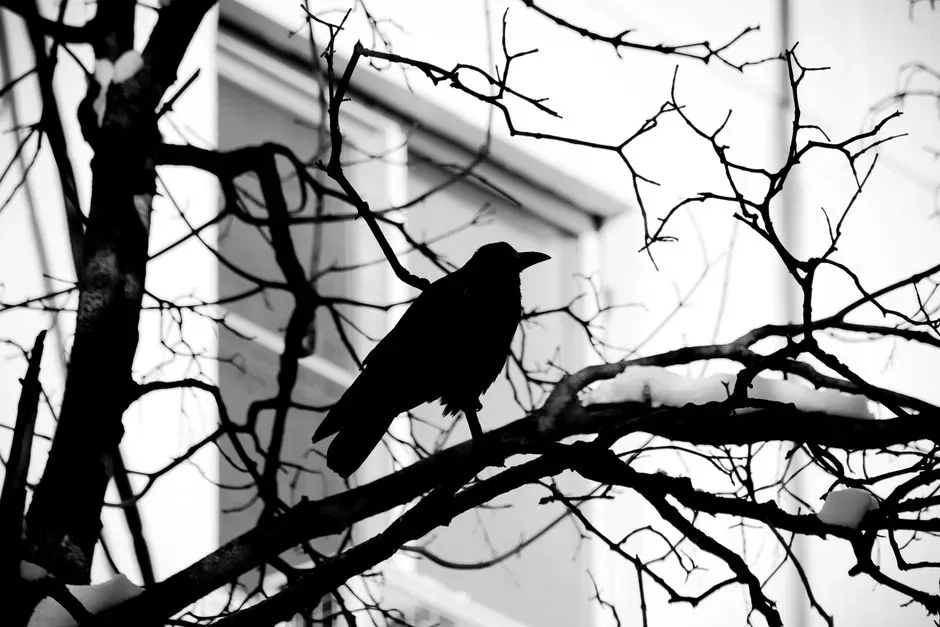
In traditional thinking, a raven tapping at your window is not a neutral event; it is an intrusion into your safe space. A house is supposed to be a boundary between you and the chaos of the outside world. So when an uncanny bird appears right at that thin shell of glass and taps not once but twice, it feels like a deliberate attempt to cross a border. Folklore loves thresholds – doorways, windows, crossroads – because they are places where one thing becomes another, and where messages from “elsewhere” can slip through.
A single tap might be shrugged off as an accident, but two taps sound intentional, almost like a knock. Superstitions in various cultures have spun that idea into warnings of approaching news, a coming death in the household, or a sign that something in the person’s life is about to change. People used to treat this kind of event the way we treat a mysterious text from an unknown number: unsettling, charged with possibility, and hard to ignore. The raven’s double tap becomes a question hanging in the air – what is it trying to tell me? – even if, biologically, the bird is just doing what birds do.
From Omens to Algorithms: How Our Brains Turn Random Bird Behavior into Meaning
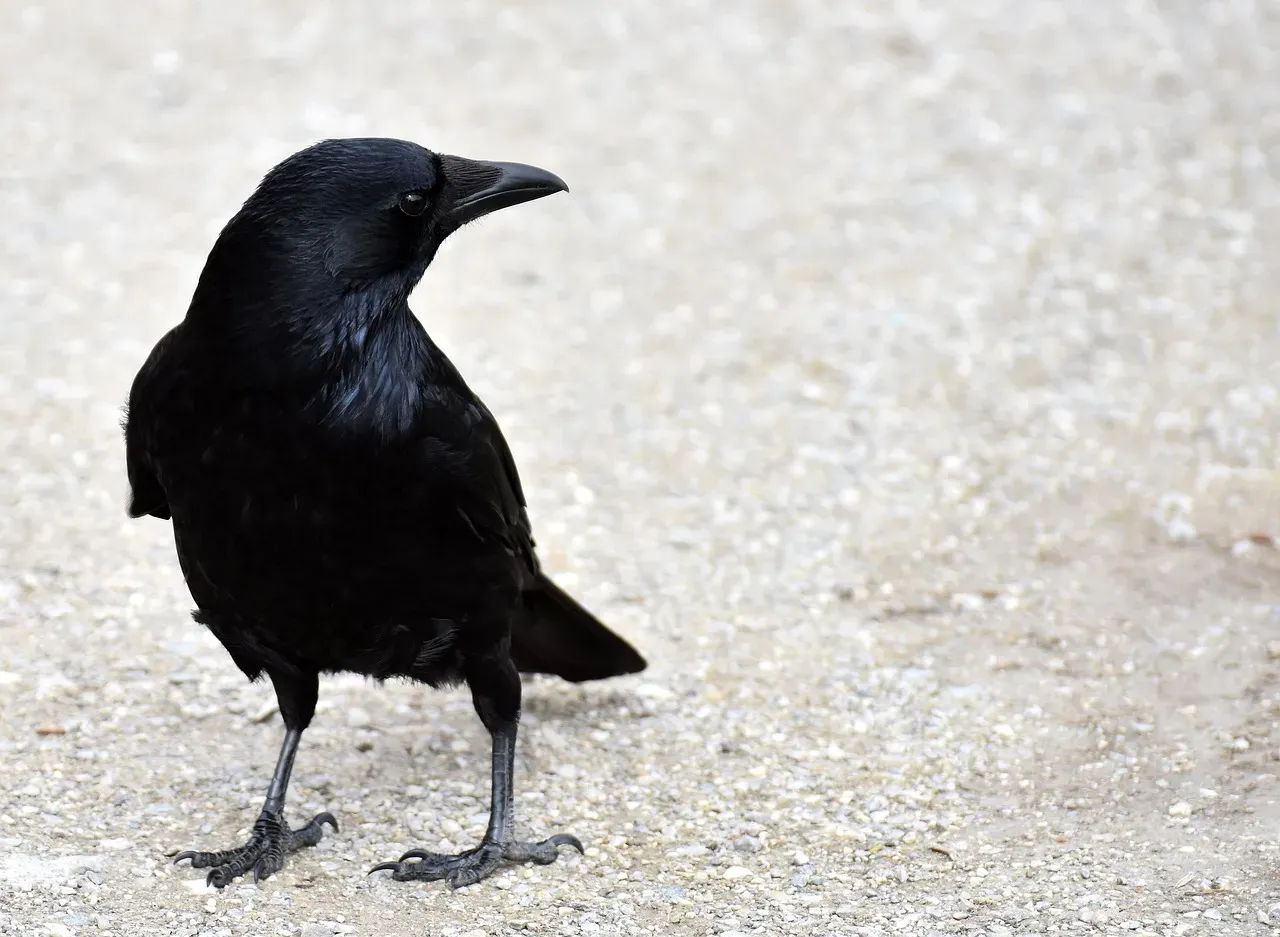
The real magic trick here is not just the raven’s behavior; it’s our own nervous system. Human brains are pattern-hunting machines, evolved to link events together even when the connection is shaky. If a raven happens to tap on your window twice the same day you receive bad news, your brain welds those two experiences together into a single story. The next time a raven taps, you remember that old story and brace for impact. Over generations, those stories stack into folklore, which then shapes how the next person interprets the same sound.
This is known in psychology as a form of pattern perception and confirmation bias: we notice and remember the times the bird’s tap “meant something” and quietly forget all the normal days when it didn’t. Folklore is basically crowdsourced pattern recognition, hardened into cultural memory. The raven gets cast as an omen not because it is morally dark or magically gifted, but because its habits, appearance, and timing repeatedly intersected with human emotional flashpoints like war, illness, and loss. In other words, we made the raven spooky, but we did not do it at random.
What Behavioral Biology Actually Says When a Raven Taps Twice
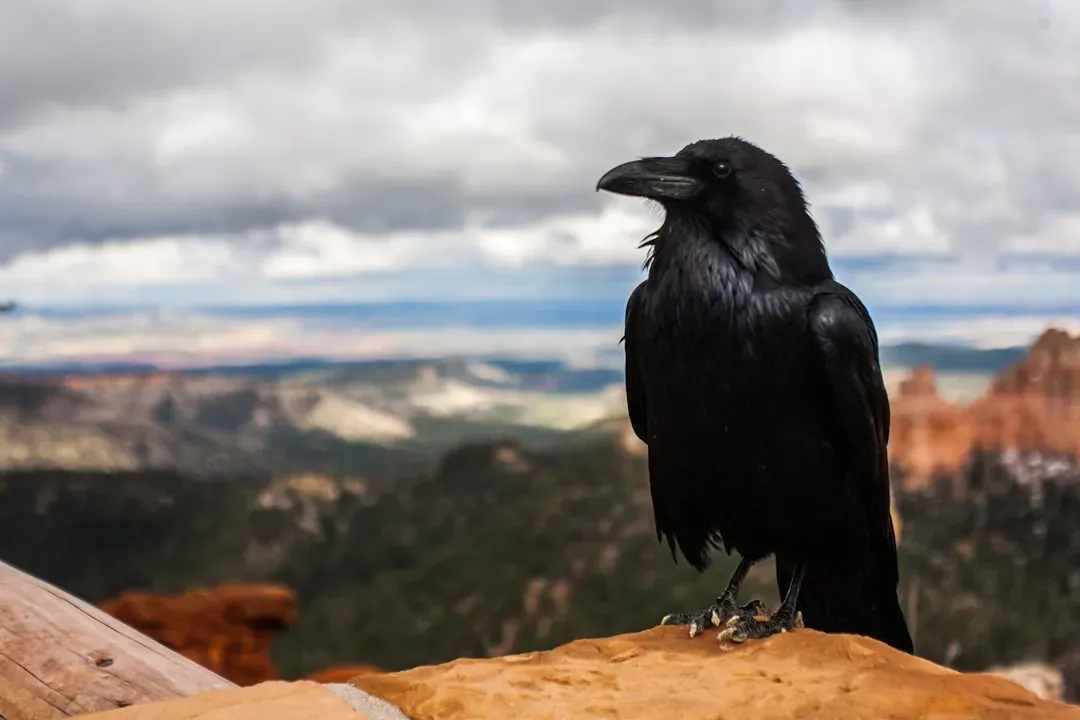
Strip away the human storytelling for a second and ask the blunt question: what does a raven think it is doing when it taps on your window? Behaviorally, you are probably looking at a mix of curiosity, learning, and opportunity. Ravens are attracted to shiny, reflective, and unusual surfaces, and your glass window is a strange, bright patch in their environment. Tapping can be a way to test the surface, explore the noise it makes, or respond to what seems like another bird in the reflection.
The “twice” part is not mystical – animals tend to repeat actions that produce an interesting effect. The first tap makes a sound. The bird’s brain lights up: that was new. The second tap checks if the effect is repeatable, a tiny experiment in cause and effect. If someone inside moves, the raven may associate the tapping with drawing out potential food, excitement, or just social interaction. So from a behavioral standpoint, the double tap is essentially a data point in the bird’s ongoing life experiment: if I do this, what happens next?
Ravens Are Not Just Smart, They Are Strategy-Level Smart
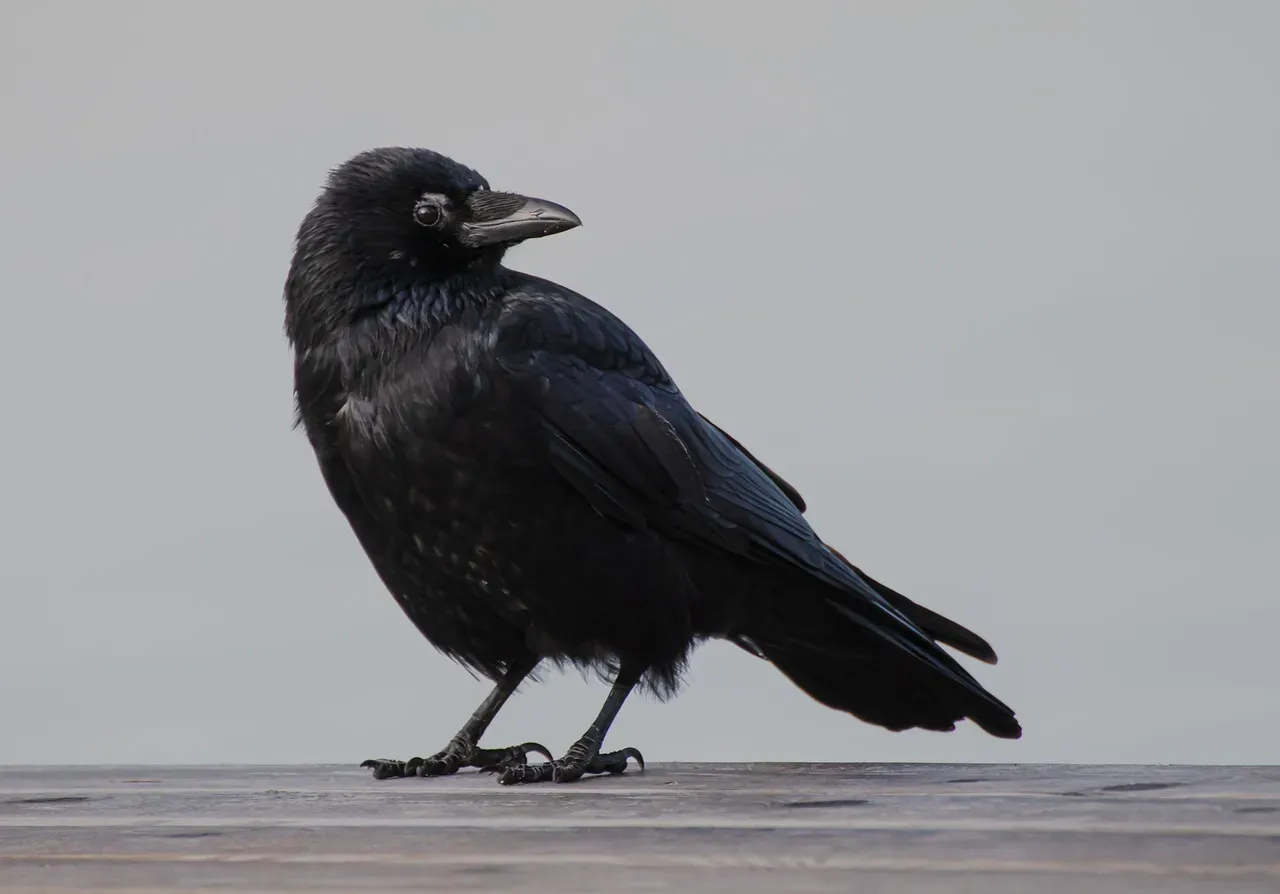
Modern research on ravens and their relatives in the crow family has completely changed how scientists talk about bird intelligence. These birds can solve puzzles that require them to use tools, remember who has shared food with them in the past, and even plan for future situations rather than only reacting to the present moment. In some problem-solving tests, their performance has been compared to that of great apes or young children, which is a pretty shocking leap from the old idea of “birdbrain” as an insult.
For a bird this sharp, a human house is not just background scenery; it is a complex, resource-rich object full of sounds, smells, and potential opportunities. A raven that learns windows sometimes mean handouts, open trash, or just interesting reactions from the humans inside may start treating those panes of glass as interactive surfaces. The tapping, in this context, is less like a ghostly knock and more like a kid pressing every button in an elevator to see what lights up. It looks deliberate because it is deliberate, just not in the prophecy sense.
Why Folklore and Biology Accidentally Point in the Same Direction
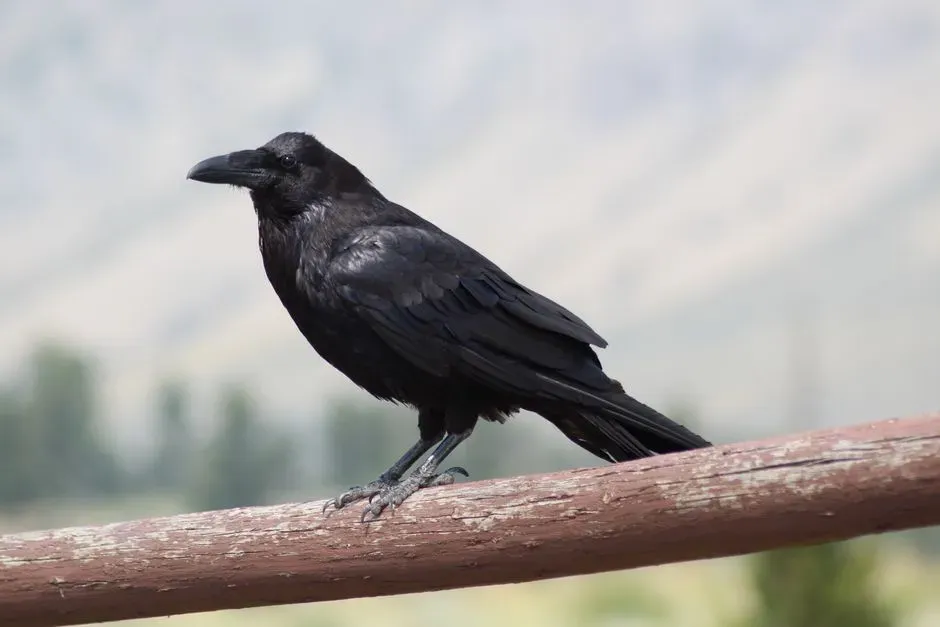
Here is where it gets fascinating: folklore paints the raven as a messenger, and behavioral biology quietly agrees that ravens are, in a very real sense, communicators. They use complex vocalizations, body language, and learned behaviors to get reactions from both other birds and from humans. When a raven taps, it is often testing or triggering a response: will you look, move, feed it, chase it, or provide entertainment? The behavior is purposeful communication, just not about destiny or doom.
So when people feel that a raven at the window is somehow “about them,” they are not entirely wrong. The bird’s action is not random; it is targeted at the house, the glass, and the activity behind it. Folklore interpreted that sense of intentionality in the only language it had – omens, spirits, fate. Science comes along later and translates the same vibe into neural pathways, reinforcement learning, and ecological strategy. Different vocabulary, same basic recognition: this is not a brainless creature bumping into things; this is a mind reaching out and testing yours.
I felt this clash of explanations myself the first time a raven landed on a railing right outside my apartment and stared inside like it was waiting for me to say something. For a split second, every creepy story I had ever heard about “the black bird that knows” pushed to the front of my mind. Then the scientist in me kicked in and I grabbed a handful of nuts. The moment I opened the window a crack, the bird watched my hands with laser focus and hopped closer, clearly more interested in calories than cosmic prophecy. Yet oddly, that did not kill the magic; it made it deeper. The fact that an animal could be that tuned into my behavior felt like its own kind of message: you are not alone in this environment, someone else is paying attention.
How Modern People Still Secretly Live Like Our Superstitious Ancestors
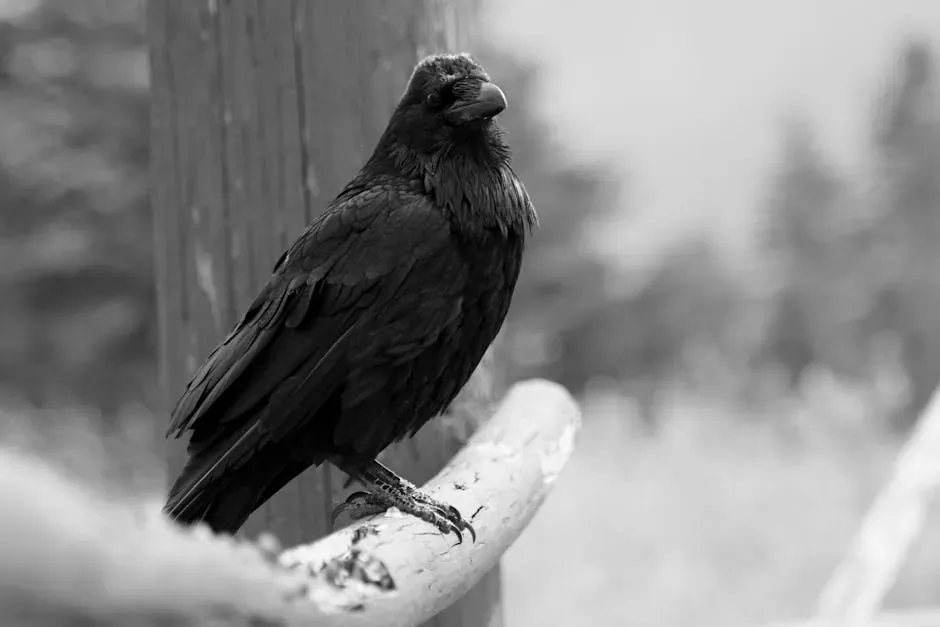
Even in a world of streaming services and smartphone notifications, a raven tapping on the window cuts through the noise in a way an email never could. Many of us would still instinctively pause and wonder what it “means,” even if we laugh at ourselves immediately afterward. That small jolt of unease is a living fossil of older belief systems buried under our rational explanations. The truth is, humans never stopped being symbol-makers; we just moved from reading omens in the sky to reading vibes from Instagram algorithms.
So when a raven taps twice, the folklore side of your brain wakes up and whispers that life might be more connected and meaningful than it appears from spreadsheets and traffic reports. The biology side, if you have picked up bits of science over the years, reminds you that this is a highly intelligent bird running a tiny field experiment on your window. Those two reactions can coexist without canceling each other out. In fact, they highlight something we rarely admit: we want the world to be both understandable and mysterious at the same time.
So What Should You Actually Do If a Raven Taps on Your Window?
Practically speaking, the first move is simple: observe. Pay attention to what the bird is doing, what time of day it is, and what might have drawn it in. Are there food sources nearby, reflections on the glass, or regular patterns of human activity that could reward its curiosity? If the tapping becomes frequent or bothersome, you can adjust your behavior or environment a bit – move visible food, alter light reflections, or gently shoo the bird away – without turning it into a battle of wills or a horror story.
But on a psychological level, you have a choice: you can treat the experience as meaningless noise, or you can treat it as a rare chance to feel the old and new ways of understanding colliding. Let folklore give you a moment of awe, as if the universe just sent a black-feathered push notification to your day. Then let science ground you in the reality that you are sharing your space with another smart, adaptable creature making decisions in real time. Either way, the event is not nothing; it is one of those little intersections where your inner myth-maker and your inner skeptic get to sit down at the same window and look out together.
Conclusion: The Raven at the Glass Is Not Just in Your Head
When a raven taps twice on your window, the old stories will tell you it is a messenger, and the lab notes will tell you it is a strategist. I think both are right in their own language. Folklore was our ancestors’ way of describing a truth they could feel but not measure: that some animals are tuned into us in unsettling, intimate ways and seem to appear at emotional turning points. Behavioral biology steps in later and explains the mechanics – neural circuits, learned associations, ecological benefits – without erasing that eerie sense of being noticed from the outside.
My opinion is that treating the raven only as a bad omen is lazy, and treating it only as a random stimulus is just as flat. The real power of that double tap lies in what it reveals about us: our need for meaning, our fear of chaos, and our deep, often uncomfortable connection to other intelligent beings sharing our world. The next time you hear that soft tap… tap… on the glass, you do not have to brace for tragedy or shrug it off as nothing. You can let it be what it actually is: a rare moment when myth and biology line up on the same branch, staring back at you, asking quietly whether you are really as separate from the rest of nature as you like to think. Would you have guessed a simple sound on the window could say that much?