
For nearly two centuries of continuous observation, a colossal crimson blemish on Jupiter has stared back at Earth like a cosmic bruise, refusing to fade from view. Astronomers call it the Great Red Spot, but that simple name hides a storm so extreme it makes every hurricane on Earth look almost gentle. Yet even as spacecraft return razor-sharp images and instruments peel back the layers of Jupiter’s atmosphere, this storm still will not give up all its secrets. Why did it form, why has it lasted so long, and what does its future look like in a changing solar system? The story of the Great Red Spot is not just about a storm – it is about how far human curiosity is willing to go to understand a restless giant.
The First Glimpse of a Planet-Sized Storm
When early telescopic observers in the seventeenth and nineteenth centuries sketched Jupiter, they did not know they were chronicling one of the longest-running storms in the solar system. All they saw was a strange, oval-shaped mark that seemed to drift along Jupiter’s belts, appearing and disappearing with the limitations of their optics and weather on Earth. Over time, careful records showed that something persistent was there, a feature that refused to vanish as other cloud swirls came and went. That stubborn staying power is what set the Great Red Spot apart and turned it from a curiosity into a scientific puzzle. Even today, estimates of its exact “birth date” carry uncertainty, but scientists broadly agree it has raged for at least well over a century, and probably longer.
Modern astronomers look back at those early drawings with a mix of admiration and caution. The atmosphere of Jupiter is dynamic, constantly reshaping itself with new storms, bands, and vortices, and it is possible that earlier spots were predecessors rather than the same enduring storm we see today. Still, the idea that generations of humans have watched essentially the same swirling maelstrom is staggering. It means this one storm has outlived empires, technologies, and entire eras of science. That continuity, etched into historical sketches and modern digital images alike, is part of what makes the Great Red Spot feel less like a weather pattern and more like a character in the story of our solar system.
The Anatomy of a Giant: What the Great Red Spot Really Is
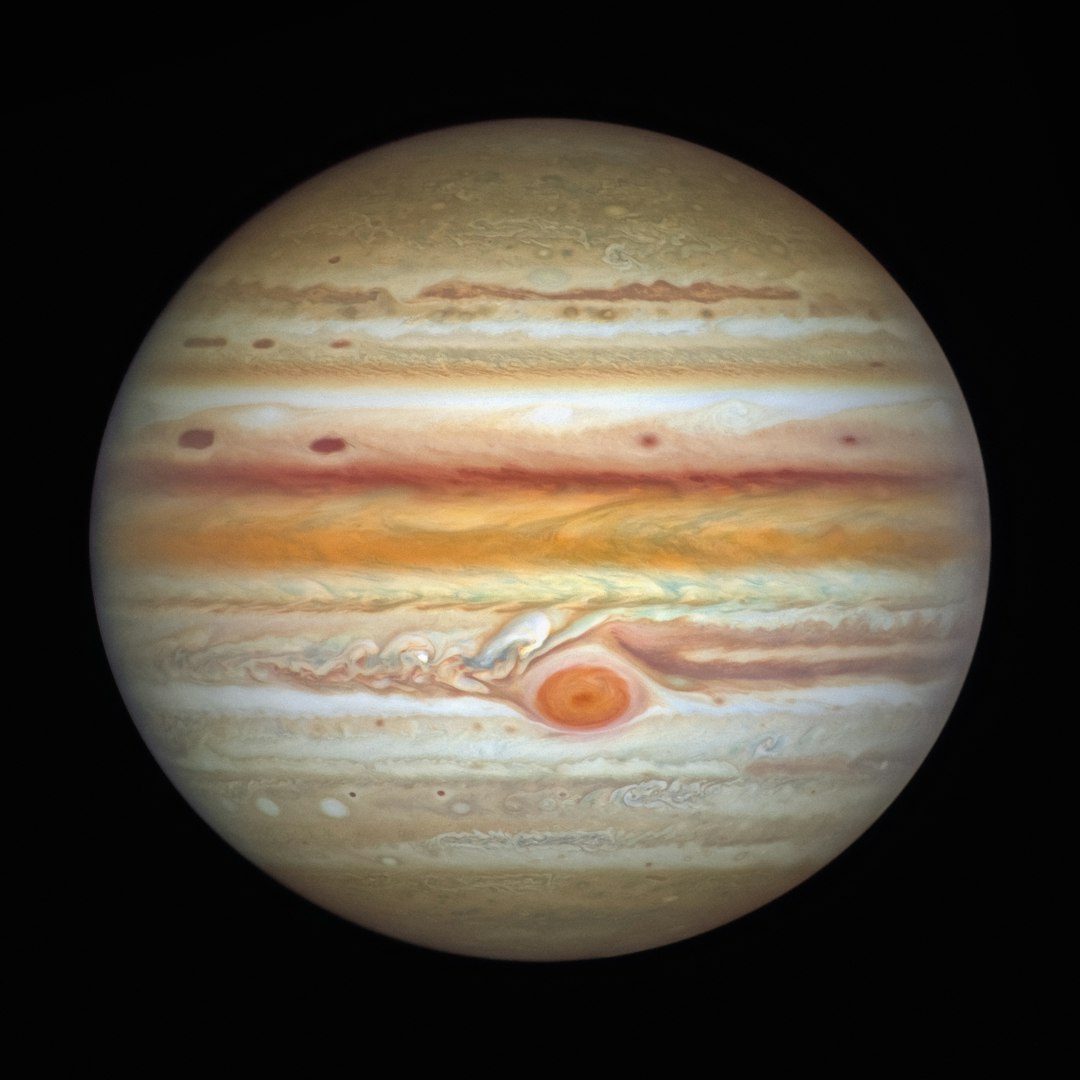
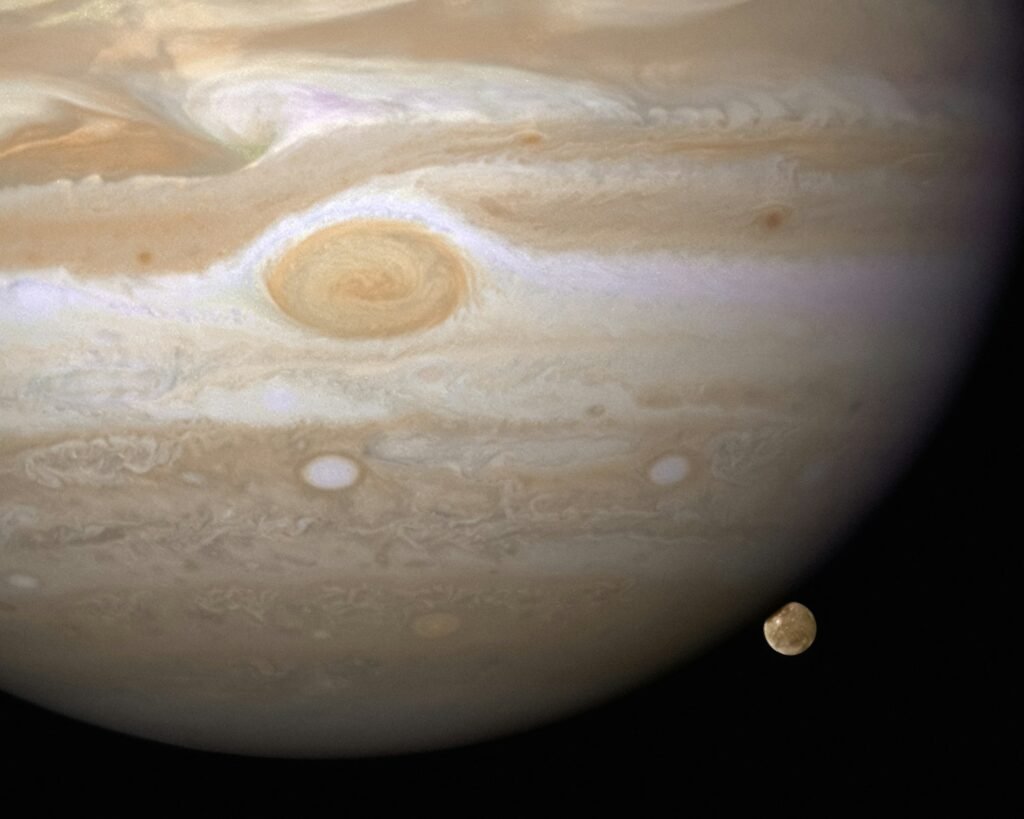
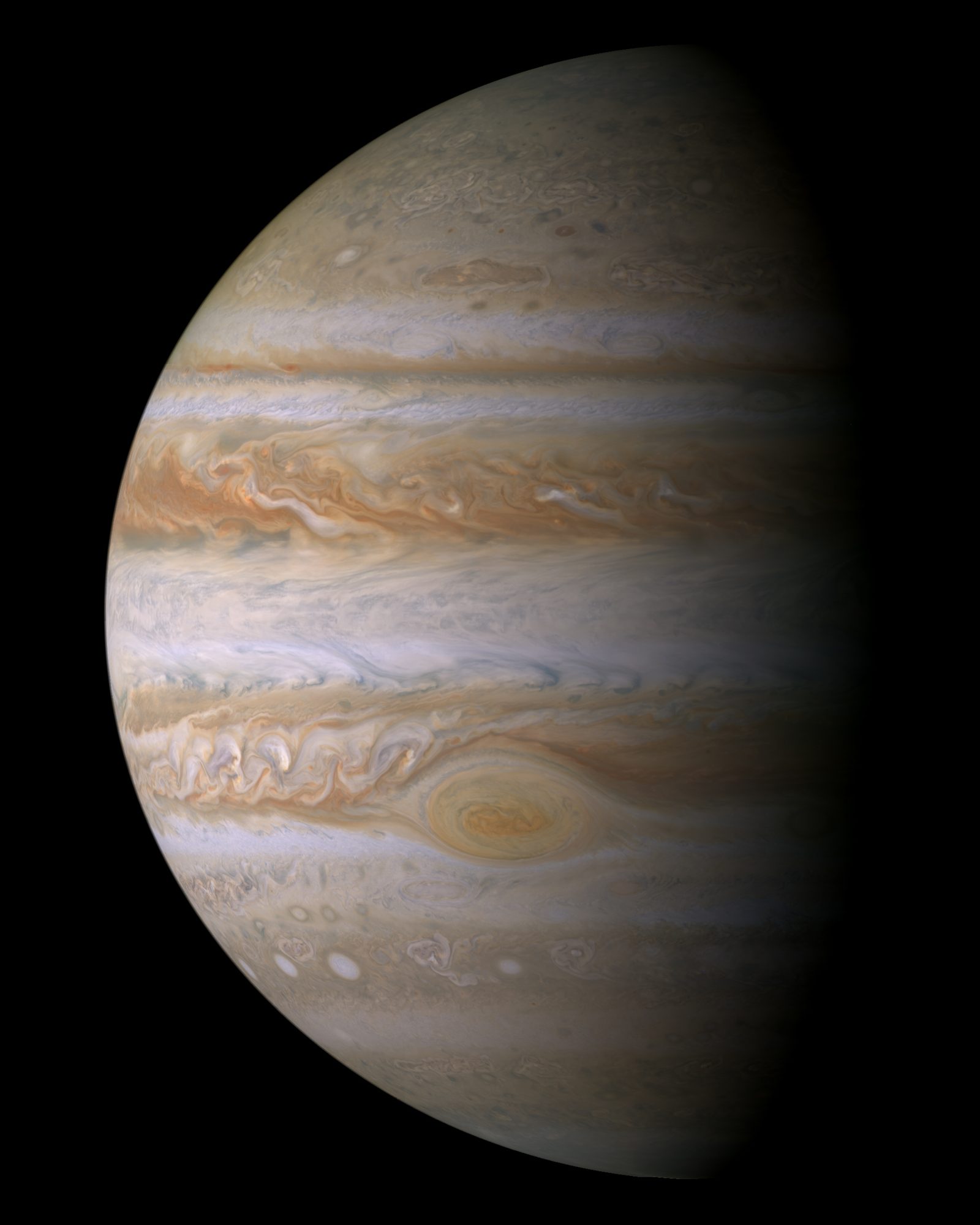
At its heart, the Great Red Spot is a high-pressure storm, a massive anticyclone spinning in Jupiter’s southern hemisphere. Unlike low-pressure hurricanes on Earth that draw air inward and upward, this Jovian storm pushes gas outward and rotates in the opposite direction compared with cyclones on our planet. Winds in the Great Red Spot reach speeds of hundreds of miles per hour, whipping clouds into an oval that once stretched wide enough to fit several Earths side by side. It towers above much of Jupiter’s surrounding cloud deck, making it stand out clearly in visible light images. The storm’s position, sandwiched between powerful east-west jet streams, helps trap it and maintain its shape.
Because Jupiter has no solid surface, the storm is not scraping across continents or losing energy to friction like storms on Earth do. Instead, it churns through deep layers of gaseous hydrogen and helium, tapping into energy supplied by Jupiter’s internal heat and the shearing winds of the atmosphere. High-resolution observations show that the Great Red Spot is not a single, uniform mass but a complex structure layered with eddies, filaments, and smaller vortices that collide and merge. These chaotic features constantly reshape its edges and internal flow patterns. The storm is less like a single spinning disc and more like a tightly packed crowd of smaller storms locked together in a gravitational and fluid dance.
The Mystery of the Red: Why the Spot Glows Crimson
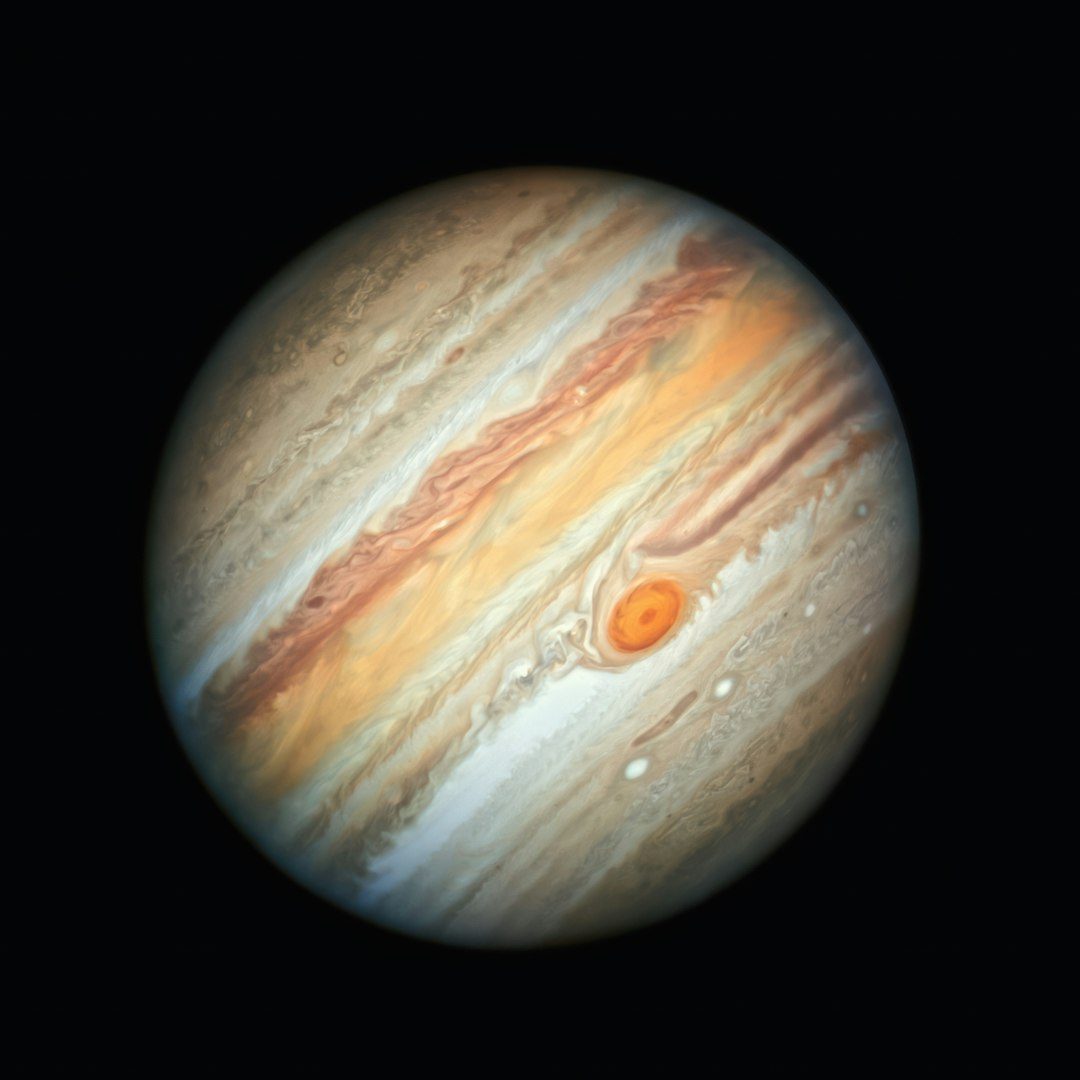
The color of the Great Red Spot is one of its most visually striking features and also one of its biggest scientific riddles. Early observers could not agree whether it looked brick red, rusty, or even salmon-colored, and that argument has not fully disappeared even with modern instruments. The shade of the storm changes over time, sometimes intensifying, sometimes fading into more orange or beige tones. Many researchers suspect that the red color comes from complex organic molecules, sulfur compounds, or other chemicals that form when sunlight or energetic particles break apart simpler gases high in Jupiter’s atmosphere. These byproducts may then settle into the storm and become trapped, tinting its upper clouds.
Experimental work on Earth has tried to recreate Jupiter-like conditions in laboratories, blasting mixtures of gases with ultraviolet light to see which pigments emerge. Some of these experiments do produce reddish hues that roughly resemble what we see in telescope images, supporting the idea that the color is linked to chemistry in the upper atmosphere. Another clue is that the Great Red Spot’s clouds seem to sit higher than many surrounding regions, making them more exposed to harsh radiation that could drive these reactions. Yet there is still no single definitive answer, and different models can explain different aspects of the color change over time. In a sense, the storm wears a shifting chemical cloak, and we are still decoding the recipe that dyes it red.
The Hidden Clues in Jupiter’s Turbulent Atmosphere
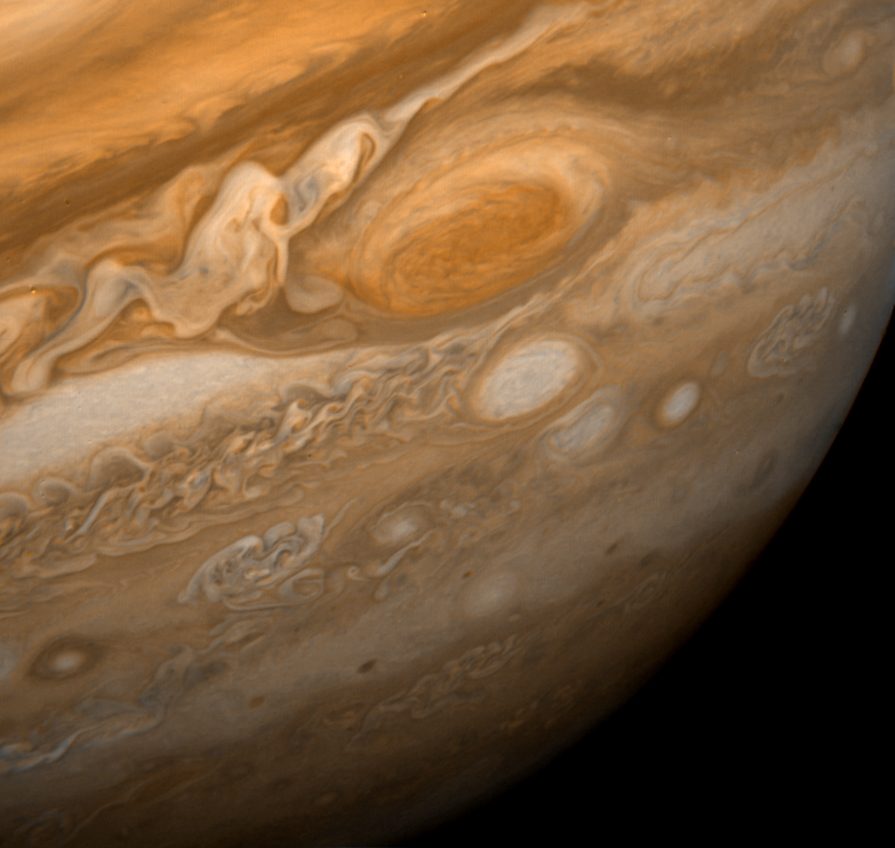
The Great Red Spot does not exist in isolation; it is woven into the wild, striped fabric of Jupiter’s atmosphere. The planet’s iconic belts and zones are driven by fast-moving jet streams that race around the globe in alternating directions, creating boundaries where turbulence is inevitable. The Great Red Spot sits just below one of these major jets, feeding on the energy of colliding air masses in a way that helps sustain it. Around its edges, smaller storms are constantly born, torn apart, or swallowed by the giant vortex. These interactions offer scientists a laboratory for studying fluid dynamics at a scale far beyond anything available on Earth.
Spacecraft and ground-based observatories track how waves ripple through Jupiter’s bands when the Great Red Spot passes by, like a boulder sending wakes through a river. Subtle temperature differences around the storm hint at vertical motions – warm air rising, cooler gas sinking – that shape its structure and longevity. Observations in infrared light reveal hidden layers below the visible cloud tops, giving researchers a kind of X-ray view of the storm’s interior. These data help refine computer models that attempt to capture how energy moves through a gas giant’s atmosphere. Each new measurement is a small clue in a much larger puzzle about how giant planets weather their own internal and external forces.
From Early Sketches to Juno Flybys: How We Study the Storm
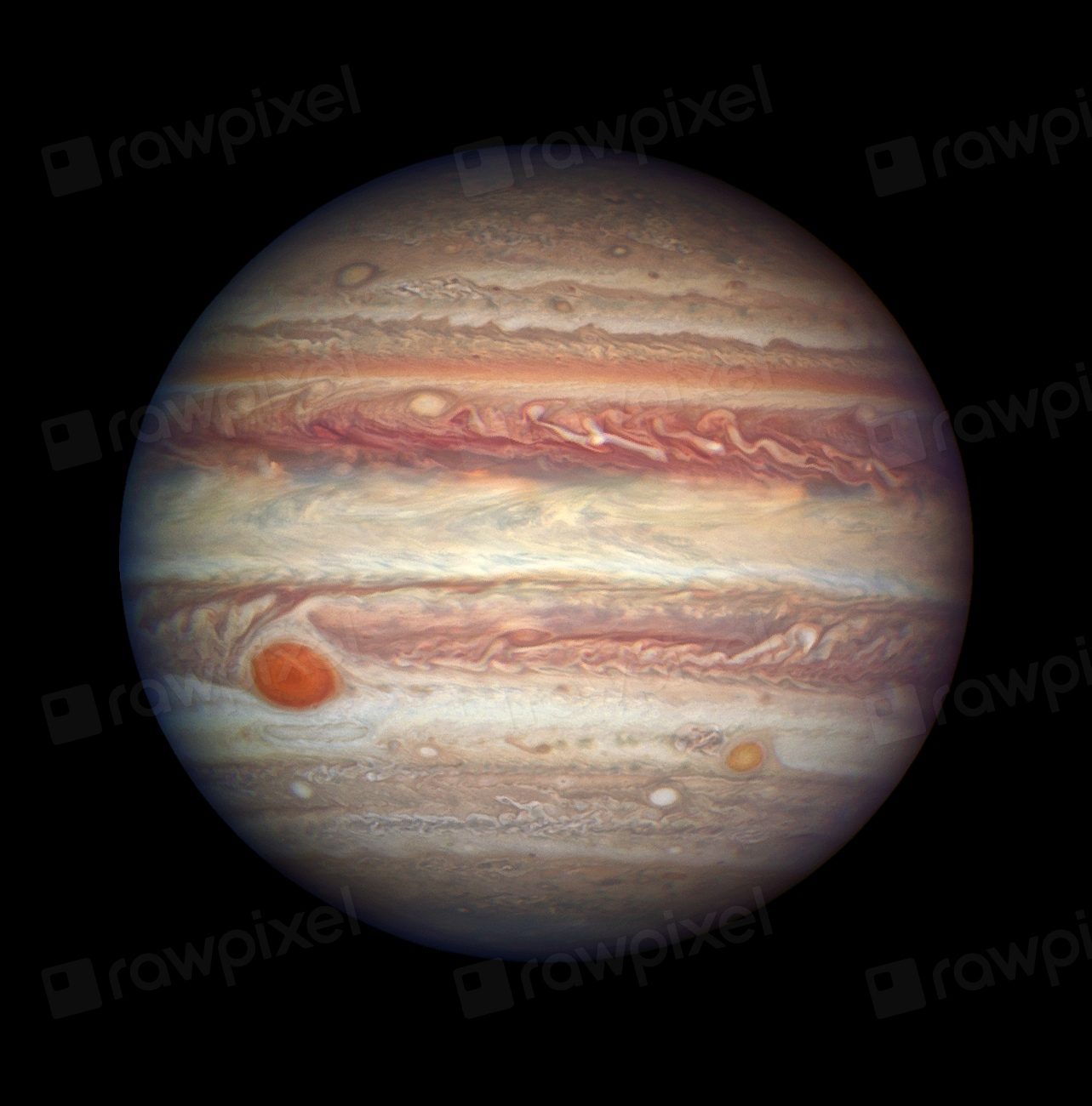
For most of human history, our only tools for studying the Great Red Spot were small telescopes and patient observers willing to spend long nights at the eyepiece. That changed with the space age, when missions like Voyager, Galileo, Cassini, and, more recently, Juno transformed the storm from a fuzzy oval into a rich, detailed world of swirling textures. Voyager’s flybys in the late 1970s revealed its intricate cloud patterns, while Galileo orbited Jupiter for years, mapping how the storm evolved over time. Each mission added new wavelengths, from ultraviolet to infrared, showing that different layers of the storm tell different parts of the story. High-altitude hazes, deep cloud roots, and temperature gradients all emerged from this multi-mission portrait.
Juno, which arrived at Jupiter in 2016, has given perhaps the most intimate look so far, swooping close over the planet’s cloud tops on highly elliptical orbits. Its instruments have probed the Great Red Spot’s depth, suggesting that the storm extends far below the visible clouds, plunging hundreds of kilometers into the atmosphere. Microwave and gravity measurements hint at how mass is distributed inside the storm, challenging earlier assumptions that it was a fairly shallow feature. Meanwhile, Earth-based telescopes – from observatories on mountaintops to the Hubble Space Telescope – coordinate campaigns to watch the storm between Juno’s passes. This partnership between orbiting probes and ground observers turns Jupiter into one of the best-monitored weather systems anywhere, including, in some ways, even Earth.
Why It Matters: A Storm as a Window into Planetary Weather
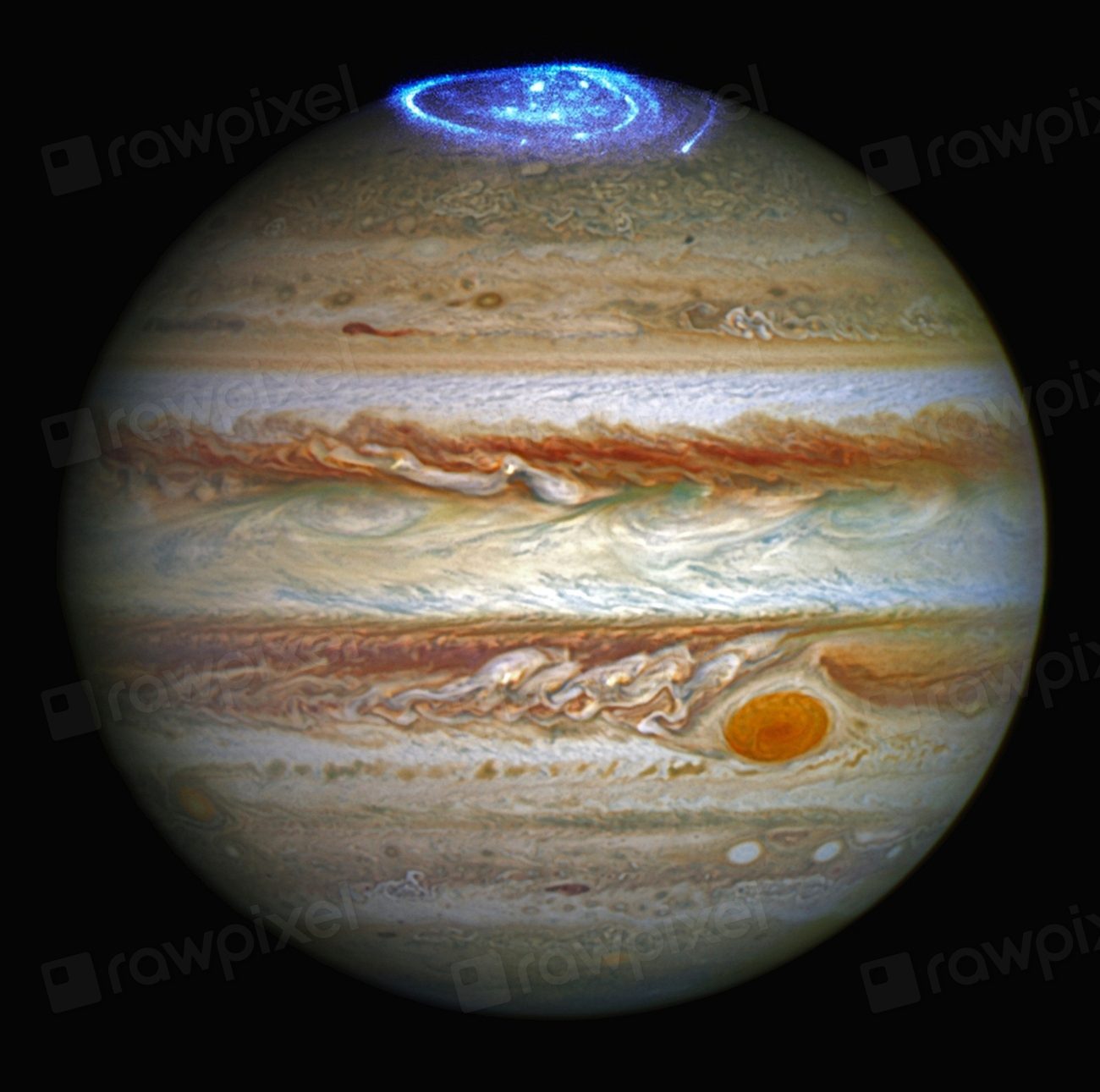
On the surface, studying a distant storm on a distant planet might sound like a niche obsession, but the Great Red Spot punches far above its weight in scientific importance. At a basic level, it is a natural experiment in long-lived atmospheric circulation, showing how a vortex can persist for far longer than any Earth storm. Understanding that persistence helps refine the physics that go into climate and weather models used here at home, because the same equations govern fluids whether they are in a gas giant’s sky or an earthly ocean. The storm also offers a template for interpreting features on other exoplanets, where astronomers can often see only broad color differences or temperature contrasts. Learning how a storm like the Great Red Spot shapes its surroundings lets us make more informed guesses about alien worlds.
There is also a more philosophical reason this storm matters: it reminds us how limited our intuition can be when we leave the scale of everyday experience. We are used to storms that last days, maybe weeks – not centuries. We think of weather as chaotic and short-lived, yet here is a structure that balances chaos and order in a way that allows it to endure. That contrast forces scientists to question and test their assumptions, making theories stronger in the process. In a world wrestling with rapid climate shifts, any improvement in how we model complex atmospheres is valuable, whether that insight comes from an Earthly hurricane or a Jovian tempest.
The Shrinking Giant: Is the Great Red Spot Dying?
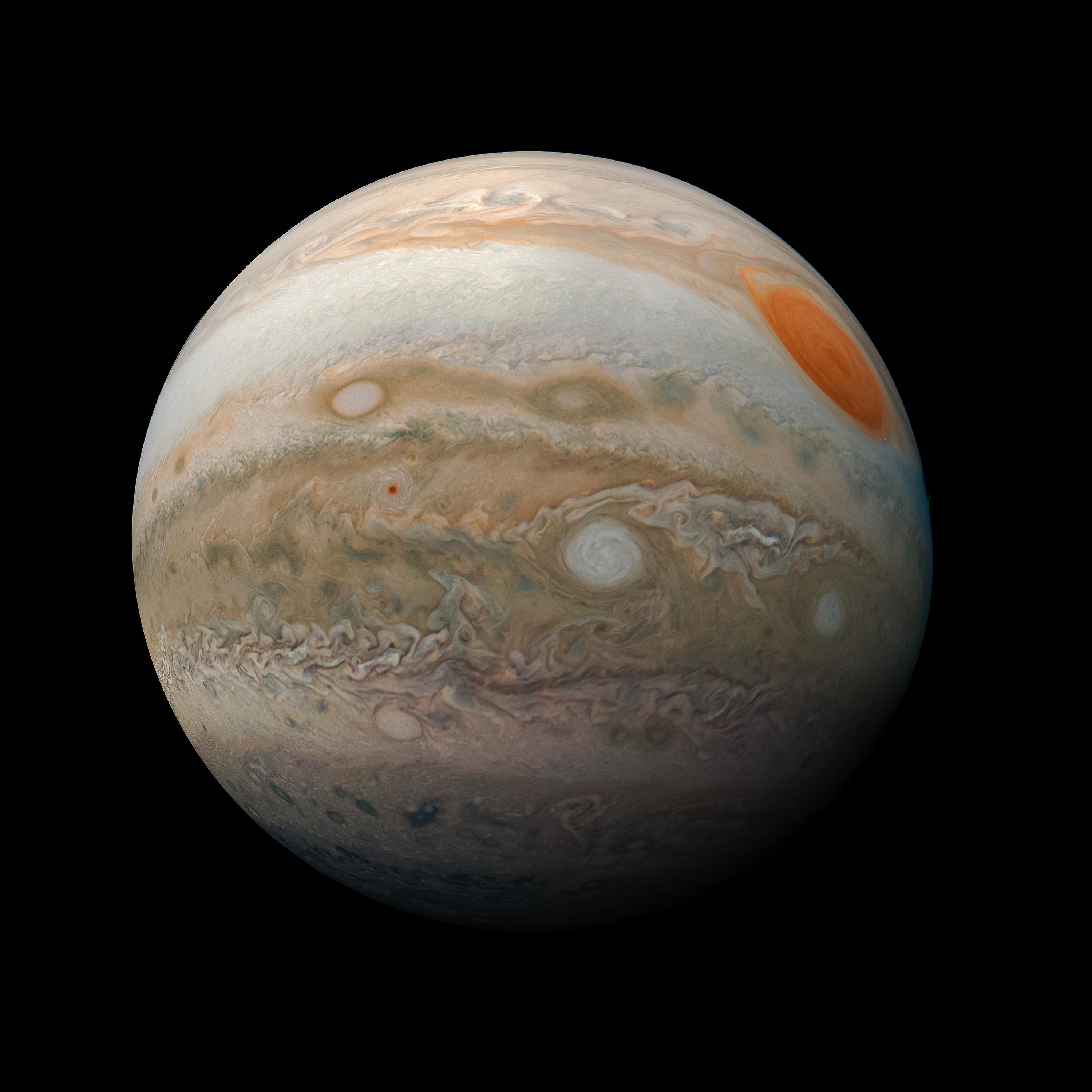
Despite its legendary endurance, the Great Red Spot is not frozen in time, and over the past few decades, scientists have watched it change in ways that are hard to ignore. Measurements show that the storm has been steadily shrinking in width, morphing from a sprawling, elongated oval into a more compact, rounder feature. It now spans only a bit more than one Earth’s diameter, rather than the multiple Earths it once could have swallowed whole. Interestingly, some studies suggest that as it shrinks, parts of the storm’s wind speeds have intensified, hinting at a possible trade-off between size and vigor. To the eye, its color has also cycled through deeper reds and paler tones, sparking speculation about whether we are witnessing a slow decline or a natural oscillation.
Researchers are cautious about predicting the storm’s fate, because Jupiter’s atmosphere has a way of surprising anyone who tries to forecast it with too much confidence. Some models suggest that the Great Red Spot could eventually dissipate as it loses energy to surrounding jet streams and smaller eddies, perhaps breaking apart into multiple smaller storms. Others argue that interactions with neighboring vortices could reinvigorate or reshape it, leading to new phases in its long life. In that sense, we may be catching the storm in the middle of a transition rather than at its end. For now, the only responsible stance is to keep watching, keep measuring, and accept that even an iconic feature of the night sky is not guaranteed to last forever.
The Future Landscape: What Comes After the Red Storm?
Looking ahead, the Great Red Spot will remain a prime target for future missions and telescopes, even as its physical form continues to evolve. Next-generation space observatories and advanced adaptive optics on Earth will sharpen our view further, capturing subtle shifts in color, shape, and motion that older instruments could not resolve. Mission planners are already imagining probes that could dive deeper into Jupiter’s atmosphere, using improved sensors to map the internal structure of storms like the Great Red Spot in three dimensions. These efforts will not just answer questions about one feature but will build a broader theory of gas giant weather that spans our solar system and beyond. In parallel, numerical simulations will grow more realistic as computing power increases, testing what conditions make such storms grow, persist, or die.
The global implications might sound distant, but they ripple back to Earth in meaningful ways. Every time we refine the basic equations governing turbulent flows in a planet’s atmosphere, we gain tools that can be adapted to model jet streams, heat waves, and ocean currents here at home. In a future where many telescopes will scrutinize exoplanets with unprecedented detail, Jupiter’s Great Red Spot will serve as a benchmark, a touchstone that ties remote observations to a storm we understand in depth. Even if the spot eventually fades from view, the data gathered during its long life will continue to shape planetary science for decades. The storm’s legacy may outlive the storm itself, encoded in models and discoveries that guide how we explore the cosmos.
How You Can Stay Connected to Jupiter’s Giant Storm
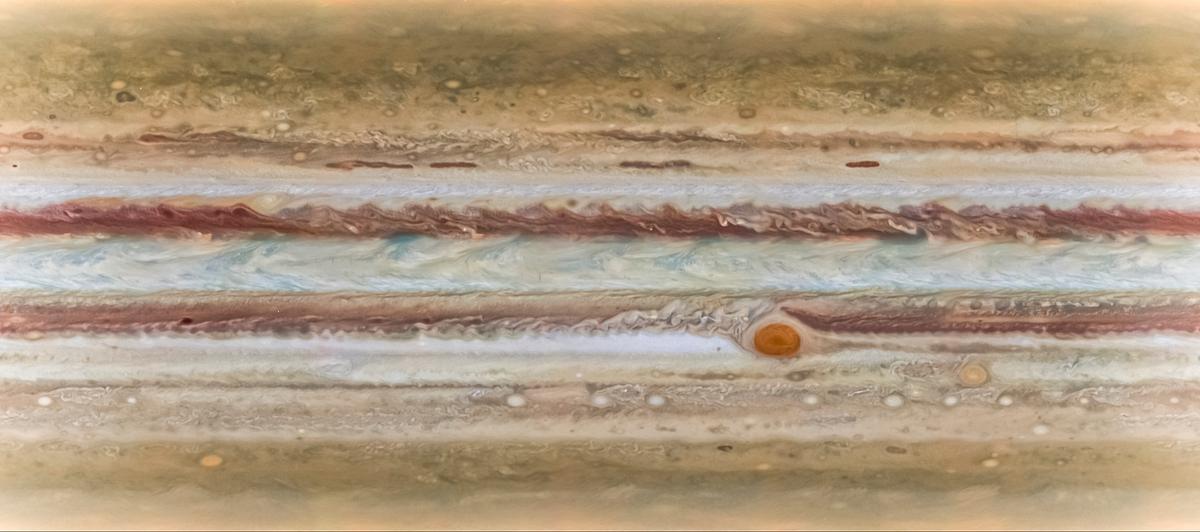
For a storm so far away, the Great Red Spot is surprisingly easy to follow from your own backyard or living room. Amateur telescopes, even modest ones, can reveal Jupiter’s bands and, under good conditions, the oval of the storm drifting across the planet’s disk. Online communities share observing guides, sketches, and real-time alerts about when the Great Red Spot will be visible from different parts of Earth. Many observatories and space agencies release regular image updates and explainers that break down the latest findings in accessible language. Simply making a habit of checking these resources turns a distant scientific object into something you can watch change over months and years.
If you are moved by what Jupiter teaches us, there are practical ways to support the science behind those stunning images. You can follow and share work from planetary missions, participate in citizen science projects that help classify atmospheric features, or support organizations that advocate for space exploration and science education. Teachers and parents can use the Great Red Spot as a gateway to talk with kids about physics, climate, and the scale of our solar system, showing how a single storm can bridge art, history, and cutting-edge research. Staying curious and informed is not a small act; it builds a culture that values long-term exploration and careful observation. In the end, the Great Red Spot reminds us that some of the most powerful experiences in science begin with simply looking up and asking, with genuine wonder, what is really happening up there.
Suhail Ahmed is a passionate digital professional and nature enthusiast with over 8 years of experience in content strategy, SEO, web development, and digital operations. Alongside his freelance journey, Suhail actively contributes to nature and wildlife platforms like Discover Wildlife, where he channels his curiosity for the planet into engaging, educational storytelling.
With a strong background in managing digital ecosystems — from ecommerce stores and WordPress websites to social media and automation — Suhail merges technical precision with creative insight. His content reflects a rare balance: SEO-friendly yet deeply human, data-informed yet emotionally resonant.
Driven by a love for discovery and storytelling, Suhail believes in using digital platforms to amplify causes that matter — especially those protecting Earth’s biodiversity and inspiring sustainable living. Whether he’s managing online projects or crafting wildlife content, his goal remains the same: to inform, inspire, and leave a positive digital footprint.