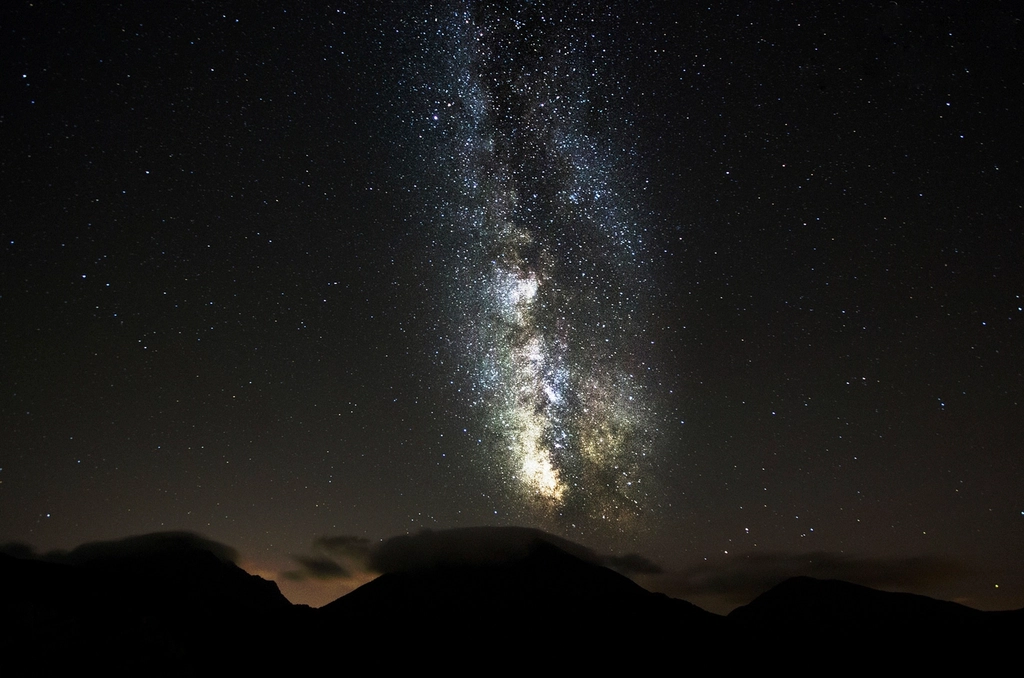

Imagine looking up at the night sky and seeing a completely alien pattern of stars. No Big Dipper, no Orion, no familiar band of zodiac constellations marching along the ecliptic. If astrology had been born 250 million years ago, under a sky shaped by a different galaxy, a different Earth, and even different stars, our entire symbolic language of signs, traits, and destinies would be unrecognisable. The horoscope apps on your phone would be talking about creatures and myths that do not even exist today.
This is not just a fun “what if” story; it is a doorway into some mind‑bending real science about how stars move, how continents drift, and how human culture latches onto whatever patterns it can find. When you rewind the cosmic clock by hundreds of millions of years, the constellations dissolve, the zodiac band warps, and the very idea of “Aries” or “Pisces” stops making sense. Let’s walk through what that ancient sky would have looked like, and what strange, prehistoric zodiac signs might have emerged instead.
The Sky 250 Million Years Ago: A Completely Different Star Map
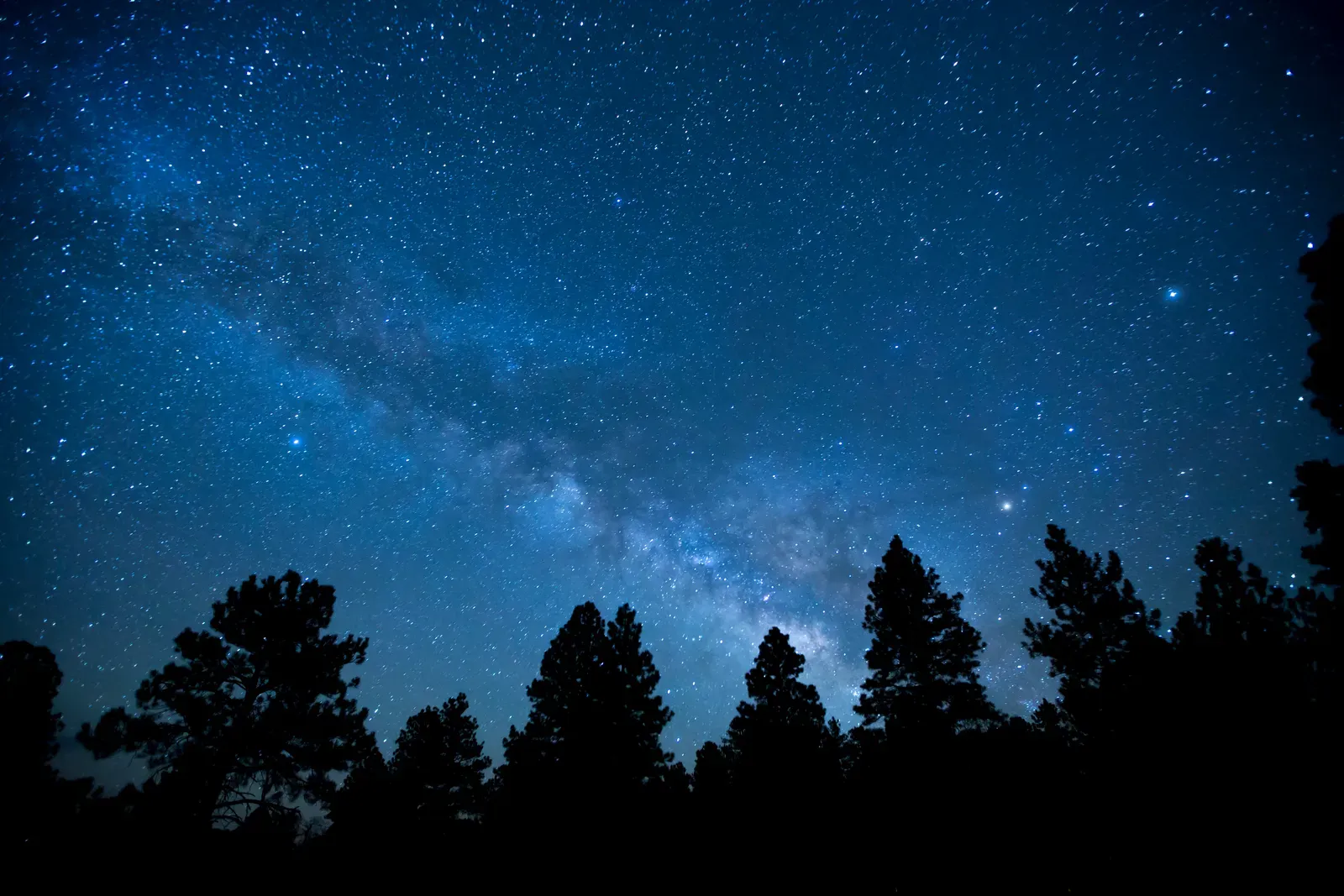
Two hundred and fifty million years ago places us near the end of the Permian period, when almost all landmasses were welded into the supercontinent Pangaea. The sky overhead would still have been full of stars, of course, but the specific patterns would have been very different because stars are not fixed pins in a painted dome; they move through the galaxy over time. Over tens and hundreds of millions of years, their positions drift so much that familiar constellations stretch, twist, and eventually disappear like a tattoo on skin that keeps growing and shifting.
If you could stand on Permian Earth at night, you would not recognise a single constellation you know now. The Sun would still trace a path across the sky just as it does today, but the backdrop of bright stars along that path would be a totally different lineup. Our modern zodiac constellations – Aries, Taurus, Gemini, and the rest – are patterns locked into a human moment that spans only a tiny blip in cosmic time. Go back 250 million years, and you are essentially staring at a blank canvas, ready for some other intelligent creature to connect those dots into completely new myths.
No Aries, No Leo: Why Our Zodiac Would Not Exist Yet
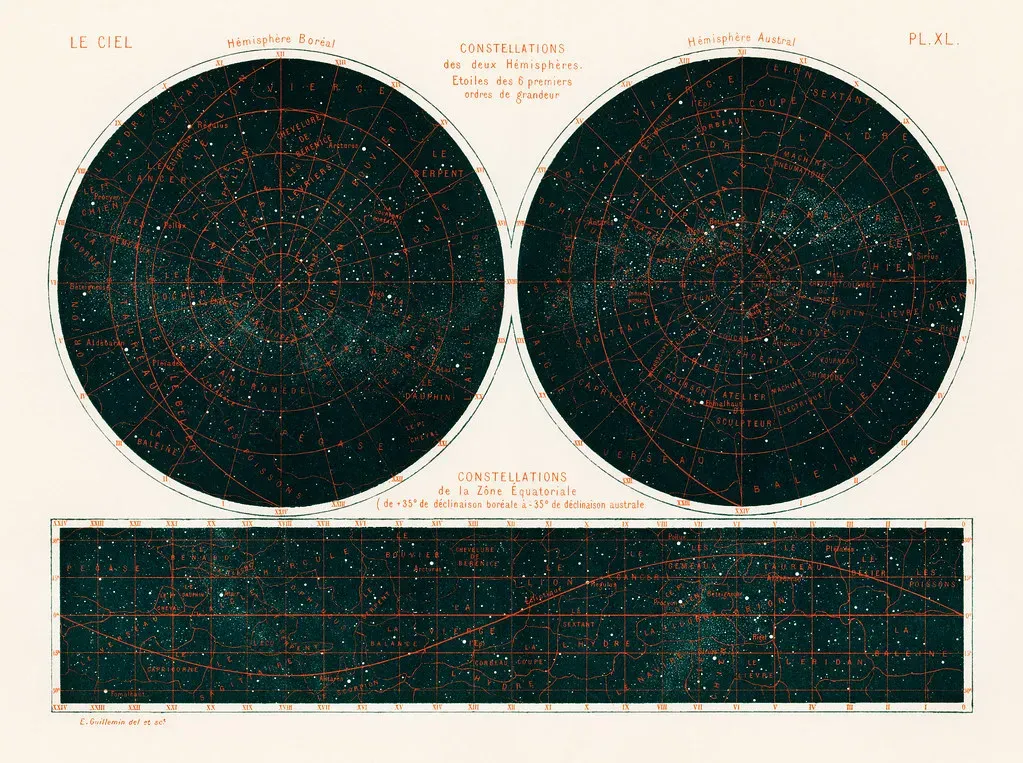
The zodiac as we know it is a cultural overlay on a specific star pattern seen from Earth in the last few thousand years. Ancient Babylonians and Greeks split the ecliptic – the apparent yearly path of the Sun – into twelve segments and named them after nearby constellations. Those constellations only look the way they do because of our current vantage point in time. Shift the stars enough or move the Solar System to a different place in the galaxy, and the ecliptic passes in front of a totally different stellar backdrop, breaking the link to the classic twelve.
Over millions of years, the individual stars that make up Aries, Leo, or Scorpio drift in slightly different directions at different speeds, a process astronomers call proper motion. Give that motion a quarter of a billion years, and your proud lion, ram, or scorpion falls apart into an unrecognisable scatter. So if some intelligent species on Permian Earth had invented a zodiac, they simply could not have picked Aries or Virgo, because those shapes did not exist yet. Their “signs” would be anchored to completely different star clusters that no longer even form coherent patterns in our own sky.
Pangaea Horoscopes: How a Supercontinent Would Shape the Signs
The culture that created the first zodiac on our Earth came out of the Middle East and Mediterranean, regions defined by desert, sea, and an agricultural cycle tied to local seasons. Two hundred and fifty million years ago, Pangaea’s climate and geography were wildly different, with a huge, harsh interior that may have swung between extreme drought and seasonal monsoons. Any star lore invented back then would reflect that world, not ours. The symbolic language would grow out of life‑or‑death concerns unique to an enormous, largely land‑locked supercontinent.
Instead of signs based on rams, scales, or water‑bearers from a small corner of the world, you might get a “Sign of the Storm Wall” tied to massive seasonal wind patterns, or a “Sign of the Great Dune” representing survival in the scorching continental interior. If early observers lived near vast coastal mangrove swamps, their celestial creatures might look like giant amphibians or strange fish‑reptile hybrids known from that era’s fossil record. The zodiac would be a kind of emotional map of Pangaea’s challenges: staying alive through brutal heat, tracking floods and droughts, or timing migrations across a supercontinent that made our modern continents look like broken puzzle pieces.
Prehistoric Totems: Dinosaurs, Synapsids, and Alien Creatures as Signs
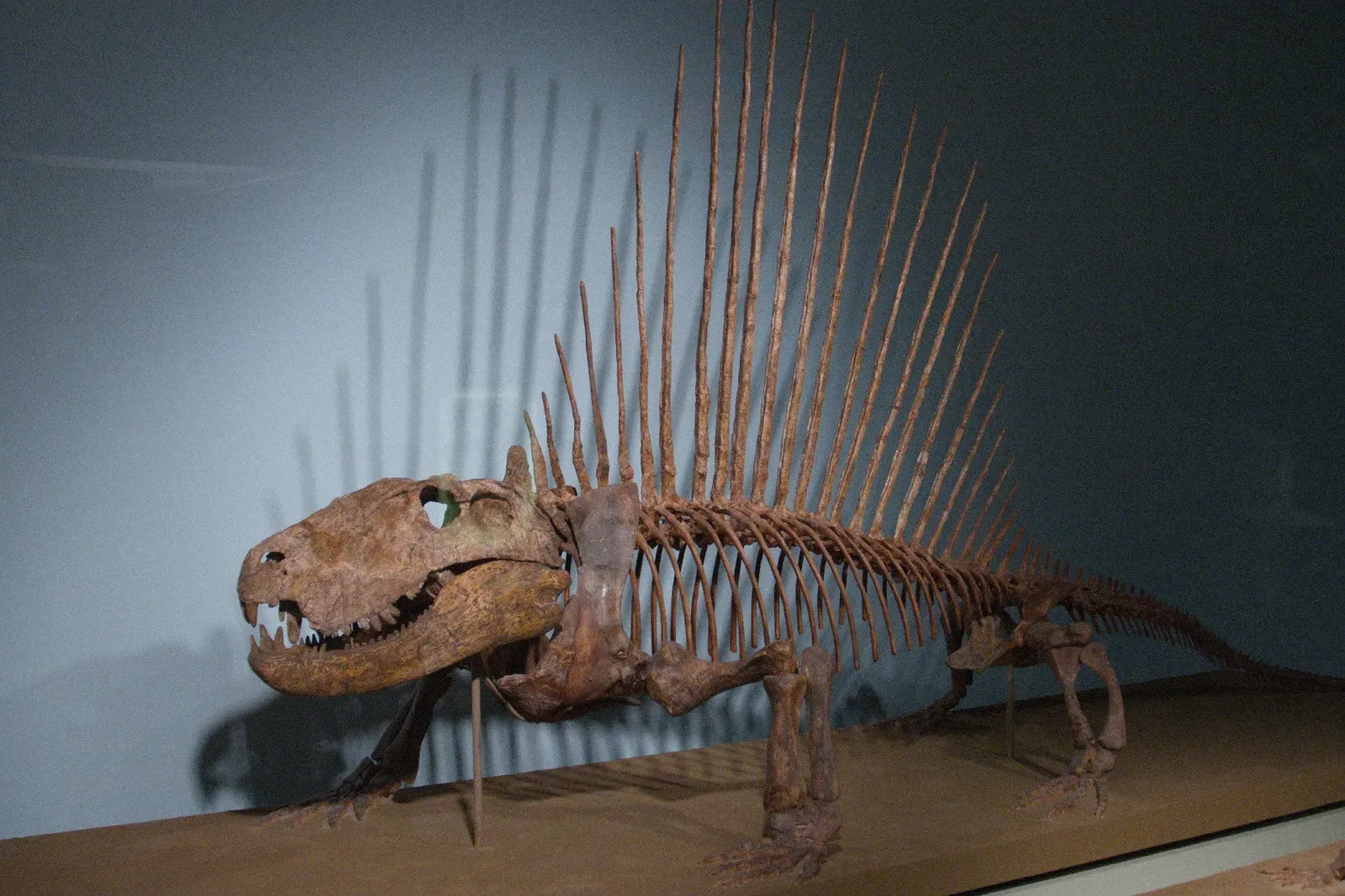
Here is where it gets even more fun. Two hundred and fifty million years ago is around the time when many early reptile and synapsid lineages were diversifying, with ancestors of mammals and dinosaurs already on the scene or about to appear. If a culture were assigning meaning to the sky then, their zodiac totems would likely come from the animals and plants that dominated their reality. Instead of a gentle bull or delicate twins, you might get something like “The Sail‑Backed Hunter” inspired by creatures with tall neural spines, or “The Many‑Toothed Swimmer” after bizarre marine predators.
These beings would not have the cute, Instagram‑ready symbolism we give to modern signs. They would probably embody raw survival traits: endurance in scorching heat, patience during long periods of scarcity, agility in waterlogged swamp forests. A person “born under” the Sign of the Burrower might be seen as resilient and cautious, while someone under the Sign of the Apex Hunter might be seen as bold, reckless, or dangerously charismatic. In a world where most life looked strange by our standards, the zodiac would feel less like a cosy personality guide and more like a bestiary of awe, fear, and respect for creatures that could kill you.
Different Seasons, Different Meanings: When the Calendar Itself Changes

Modern astrology leans heavily on the cycle of seasons: Aries kicks off in spring in the Northern Hemisphere, Libra sits opposite as a symbol of balance in early autumn, and so on. But during the time of Pangaea, seasonal patterns were not neatly mirrored between hemispheres, and huge stretches of land were far from moderating ocean waters. The interior could have been blisteringly hot and dry, while coastal regions experienced very different climates. A zodiac tied to this reality would not map cleanly onto the tidy twelve‑month pattern we are familiar with today.
Instead, signs might be anchored to longer wet‑dry cycles, catastrophic monsoon shifts, or even multi‑year environmental rhythms that were crucial for survival. A “Dry Heart” sign might start with the onset of the most punishing droughts, while a “Flood Gate” sign might mark the sudden arrival of intense seasonal rains. People might read their fate in terms of their relationship to these extreme swings – are you someone “born of the drought,” patient and enduring, or “born of the flood,” impulsive and overwhelming? The calendar of personality would be drawn from climate drama rather than the gentle quarterly turn of seasons that many people take for granted now.
Galactic Motion: How the Solar System’s Journey Rewrites the Zodiac
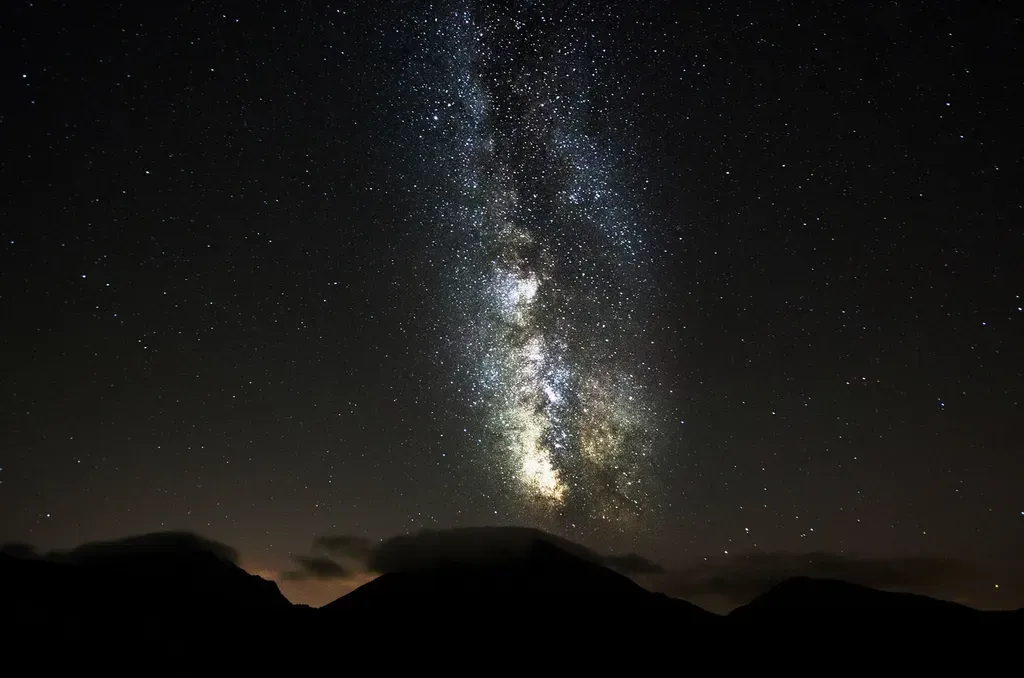
We often imagine the zodiac as a permanent ring around the sky, but the galaxy does not care about our patterns. The Solar System orbits the Milky Way over hundreds of millions of years, bobbing up and down through the galactic plane like a cork in a slow‑moving wave. During that time, our neighborhood of space changes, and the set of bright stars that dominate our sky changes with it. In other words, the stage on which we draw constellations is sliding through the galaxy, swapping out its cast of characters with each deep cosmic chapter.
Two hundred and fifty million years ago, the Sun was in a different part of the galaxy, likely surrounded by a star field that looked quite unlike the one we see now. The “zodiac belt” of bright stars along the ecliptic would have been populated by totally different stellar actors, maybe with some spectacularly bright giants in different places or star clusters that no longer lie near the Sun’s path. A zodiac born in that environment might lean heavily on a few dominating objects that do not stand out today at all. By our time, those once‑famous “anchor stars” might have drifted away or dimmed in comparison, leaving us unable to even reconstruct the original patterns without heavy astronomical calculations.
Astrology Without Humans: Who Would Have Read the Sky?
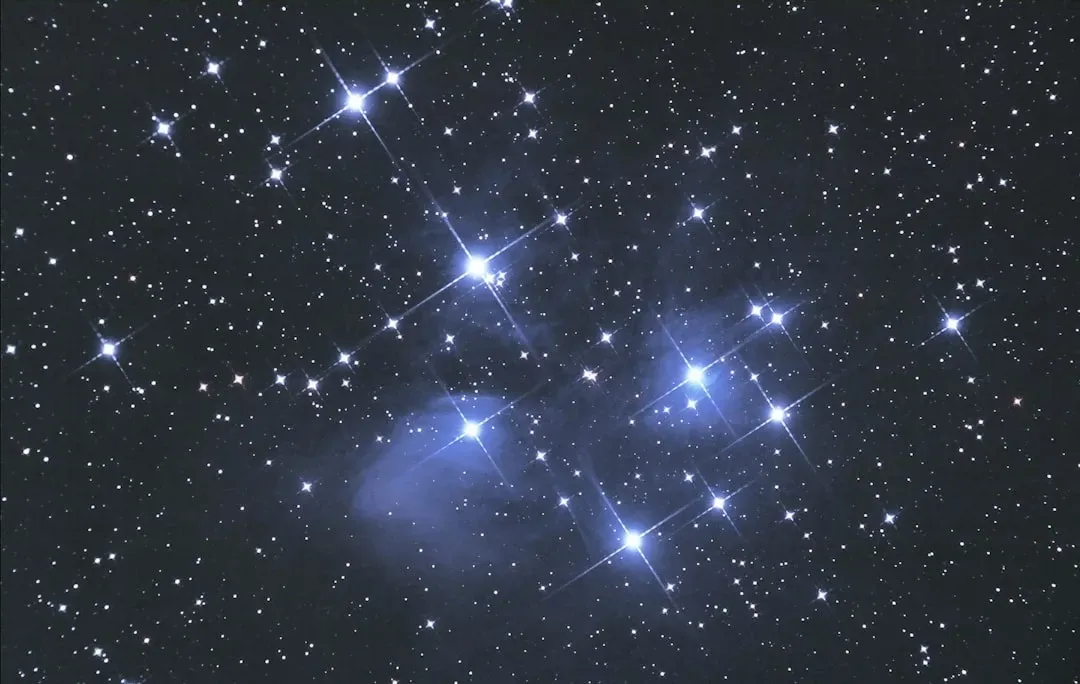
There is a quieter, almost unsettling question here: who, exactly, would have invented this ancient zodiac? Two hundred and fifty million years ago, there is no evidence for anything remotely like human intelligence. The hominin lineage, the branch that eventually produced us, is unimaginably far in the future. So if you stick strictly to what we know, there would have been no one carefully mapping constellations, naming signs, or assigning personality traits to birth dates. The night sky would simply shine overhead, indifferent and unrecorded.
To imagine a zodiac from that time, you either have to introduce a hypothetical intelligent species that never left a fossil trace, or accept this as a purely thought experiment from our modern perspective. Personally, I like treating it as a mirror that shows how much of astrology is about human storytelling, not the stars themselves. The sky is a Rorschach test; without someone here to project fears, hopes, and patterns onto it, it is just photons arriving from distant nuclear furnaces. The idea of a Permian zodiac highlights that what feels ancient and universal in our horoscopes is, in cosmic terms, very recent and very human.
The Myth Machine: How Any Sky Becomes a Story Engine
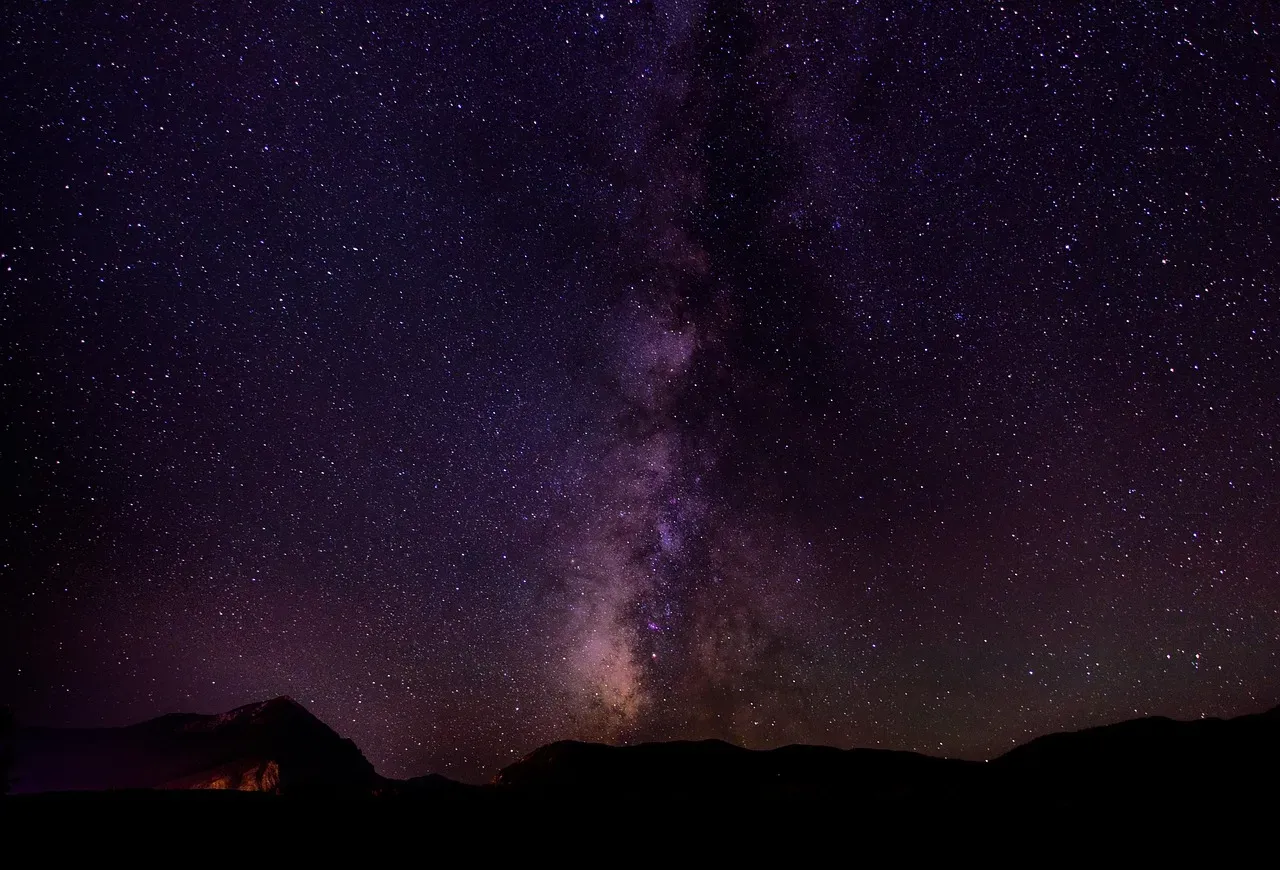
Even though a real 250‑million‑year‑old zodiac almost certainly never existed, thinking about it reveals something true about us today. Give humans any half‑decent sky, and we will carve it into shapes and tell stories about them. The same basic impulse gave rise to constellations in ancient Mesopotamia, China, Indigenous Americas, and many other cultures, each overlaying their own animals, heroes, and symbols onto the same stars. If we had grown up under a Permian sky with different bright points and different earthly struggles, our mythic map would have been utterly transformed – but the need to make that map might still have been there.
I sometimes think of constellations as cosmic sticky notes: reminders of what a particular culture cared about, feared, and hoped for. A prehistoric civilization on Pangaea might have filled the sky with warnings about catastrophic drought, tales of monstrous swamp creatures, and symbols for the precarious balance of life after massive extinction events. Our modern zodiac, with its mix of farm animals, tools, and human figures, just shows that our sticky notes are written in a newer, more familiar script. Change the sky, change the world, and the zodiac changes with it – but the human urge to look up and find meaning would probably stay the same.
Conclusion: The Real Lesson of a Lost, Alien Zodiac
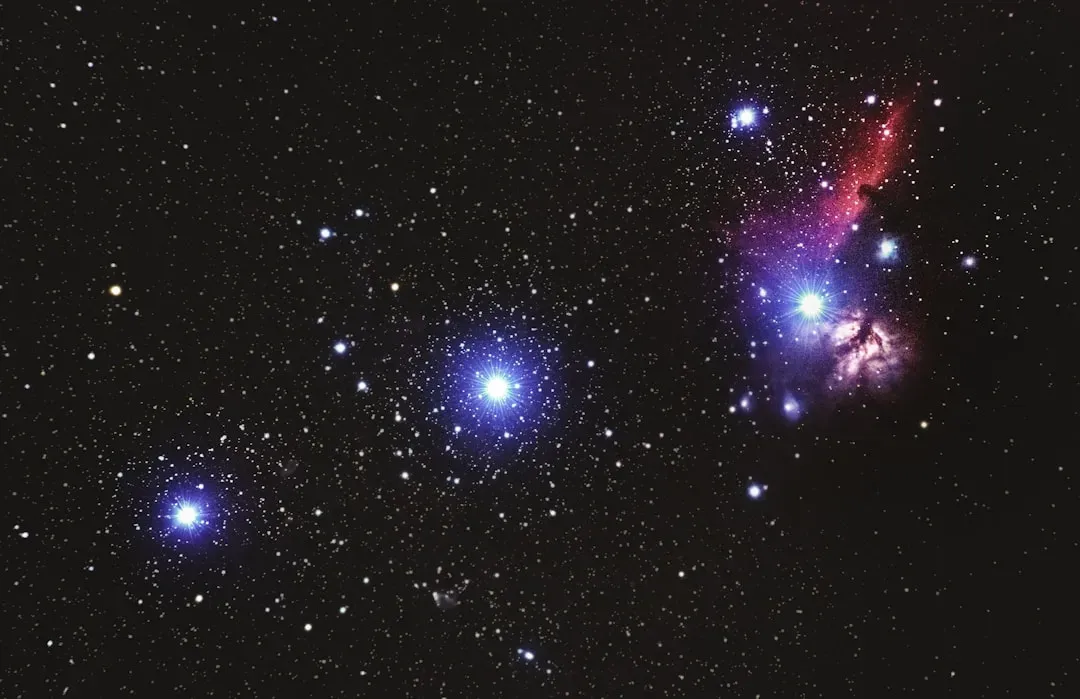
If the zodiac had really been invented 250 million years ago, it would not just look a little different; it would be completely alien, built on a star map we can barely reconstruct and a biosphere we only glimpse through fossils. The signs would point to strange creatures and violent climates, and their symbolism would grow from fears we no longer have and landscapes that have long since shattered into our modern continents. Our beloved Aries, Cancer, or Aquarius would never have come into being, because the very canvas for those constellations did not exist yet. In a sense, our current zodiac is a local dialect of a sky language that keeps changing as the universe moves on.
To me, that makes the whole thing more fascinating, not less. It reminds us that astrology is really about people, not stars, and that every zodiac – real or imagined – is just one more story we tell to make sense of our tiny place in a restless cosmos. Maybe the boldest takeaway from this thought experiment is that nothing about our skies is permanent, and neither are the stories we attach to them. We happened to show up under this particular pattern of lights and built a mythology around it; another time, another Earth, and everything would have been different. When you read your next horoscope, it is worth asking yourself: are you really seeing destiny in the stars, or just catching a reflection of the humans who once looked up and decided those stars meant something?