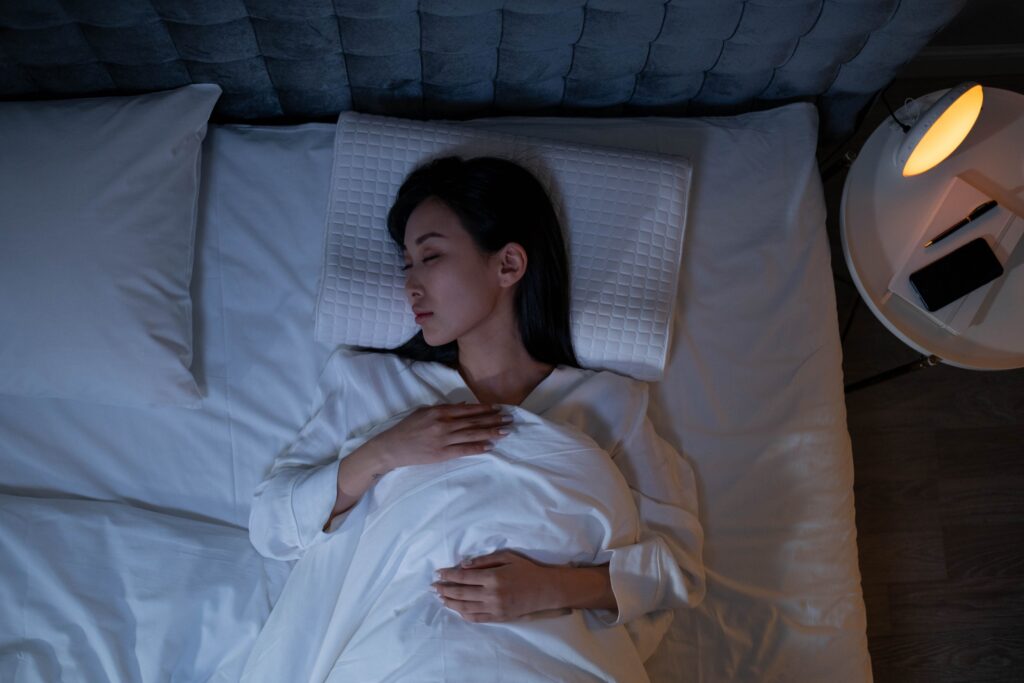

Imagine that every night, when you “switch off,” another version of you quietly “switches on.” Not a dreamlike blur or random fireworks in the brain, but a different mode of consciousness with its own goals, rules, and priorities. That is the bold idea some researchers are starting to explore: sleep might not just be rest, but a parallel consciousness running alongside your waking mind, doing its own work while you lie there thinking nothing is happening.
This sounds wild at first, almost like science fiction. But the more we learn about brain activity during sleep, the less it looks like a simple shutdown and the more it looks like a shift into a different operating system. In this article, we’ll dive into what scientists actually know, what is still speculation, and why the possibility of a second form of consciousness at night could change how we think about memory, mental health, creativity, and even who we are.
Why Sleep Looks Less Like “Rest” and More Like a Brain Takeover

People used to think of sleep as a passive state, like the brain just dimming the lights to save energy. Modern brain scans tell a different story: during many stages of sleep, electrical activity is intense, organized, and very different from what we see when you are awake. Instead of going quiet, your brain reroutes resources, almost like closing the storefront while a full cleaning and restocking crew rushes in overnight.
Different sleep stages, especially rapid eye movement (REM) and deep slow-wave sleep, show distinct patterns that repeat in cycles through the night. These are not random; they follow structured rhythms that suggest specialized functions, from memory processing to emotional regulation. That constant, patterned activity is one big reason some scientists argue that sleep is not just downtime but an alternative mode of awareness, focused inward rather than outward.
Inside REM Sleep: The Strange, Vivid World That Feels Real

REM sleep is the phase best known for intense, story-like dreams that feel absurd and yet strangely meaningful. During REM, the brain regions involved in visual imagery, emotion, and memory light up, while areas tied to rational control and self-monitoring dial down. Subjectively, that combination creates bizarre narratives that still feel like “you” experiencing them, even though the logic is off the rails.
From a consciousness standpoint, REM is fascinating because it ticks many boxes we usually reserve for waking life: you have perceptions (even if internally generated), emotions, a sense of self, and a flowing narrative. The content comes from within instead of the outside world, but the brain is still constructing a reality you inhabit. This is one reason some researchers argue dreams might be a form of conscious experience in their own right, not just noise or by-products of other processes.
Non-REM Sleep: The Quiet Architect of Memory and Learning
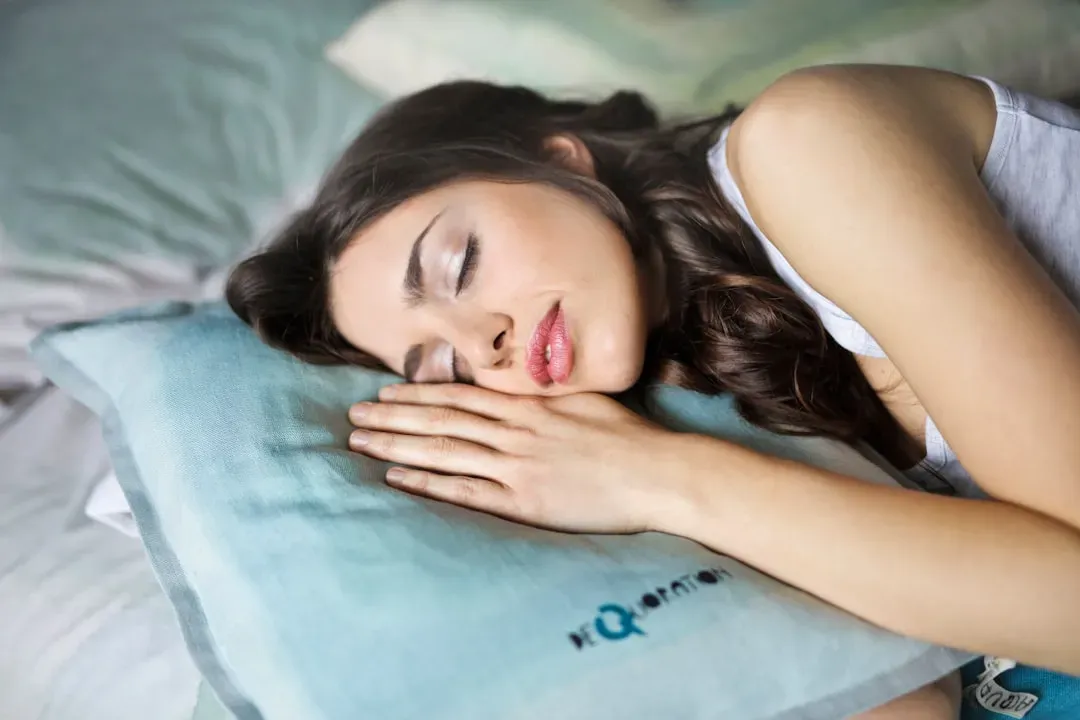
Non-REM sleep, especially deep slow-wave sleep, looks very different on a scan: large, slow electrical waves sweep across the brain in powerful synchronized patterns. You rarely remember detailed dreams from this stage, and from the outside it can look like nothing much is happening. Under the surface, though, this is the period most strongly linked to stabilizing and reorganizing memories from your day.
In experiments, people who sleep after learning tend to remember material better than those who stay awake, and particular patterns of brain activity during non-REM sleep seem to replay or “rehearse” what was learned. It is as if the brain is running a quieter, less conscious kind of editing room, sorting what to keep, what to strengthen, and what to toss. This has led to the idea that non-REM might represent a background mode of consciousness that is less about vivid experience and more about structural repair of the mind’s library.
Two Operating Systems, One Brain: Parallel Purposes of Waking and Sleeping
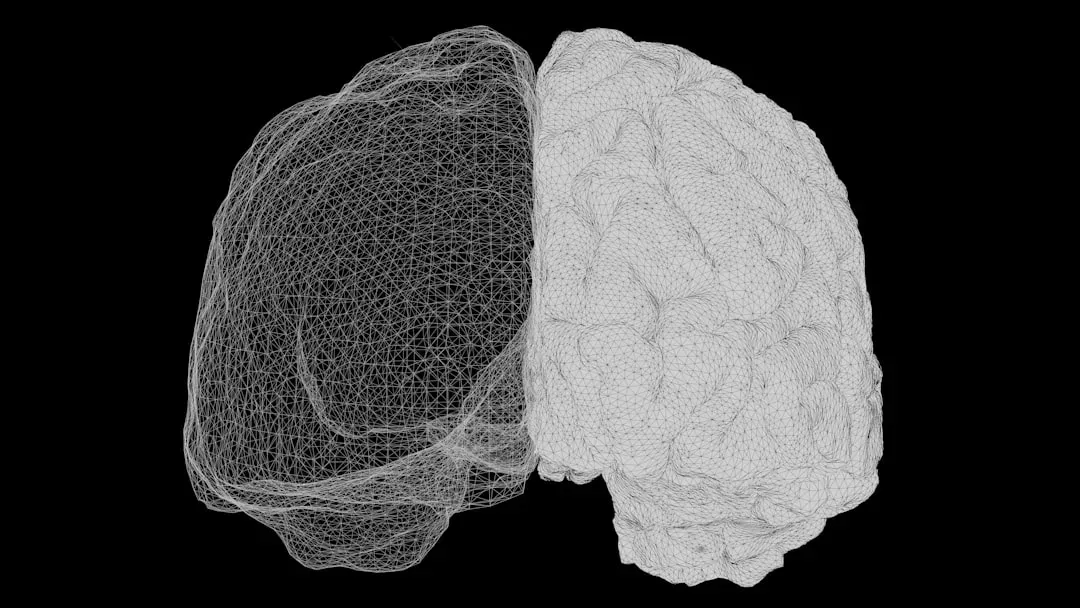
The proposal that sleep is a second form of consciousness rests on a simple but powerful analogy: your brain may run two main operating systems. The waking system is optimized for reacting to the external world – spotting threats, solving short-term problems, navigating social situations. The sleeping system, by contrast, may be tuned for long-term maintenance tasks that are too slow or disruptive to run effectively when you are awake and busy.
Seen this way, waking life and sleeping life are not just “on” and “off” states but two complementary modes serving different evolutionary goals. While awake, you survive; while asleep, you consolidate, clean up, and rewire. The “parallel” part comes from the idea that these modes share the same hardware and can even bleed into each other – think of daydreaming, microsleeps, or hypnagogic imagery as tiny moments where one system leaks into the other.
Is Dreaming Really a Form of Consciousness? The Debate
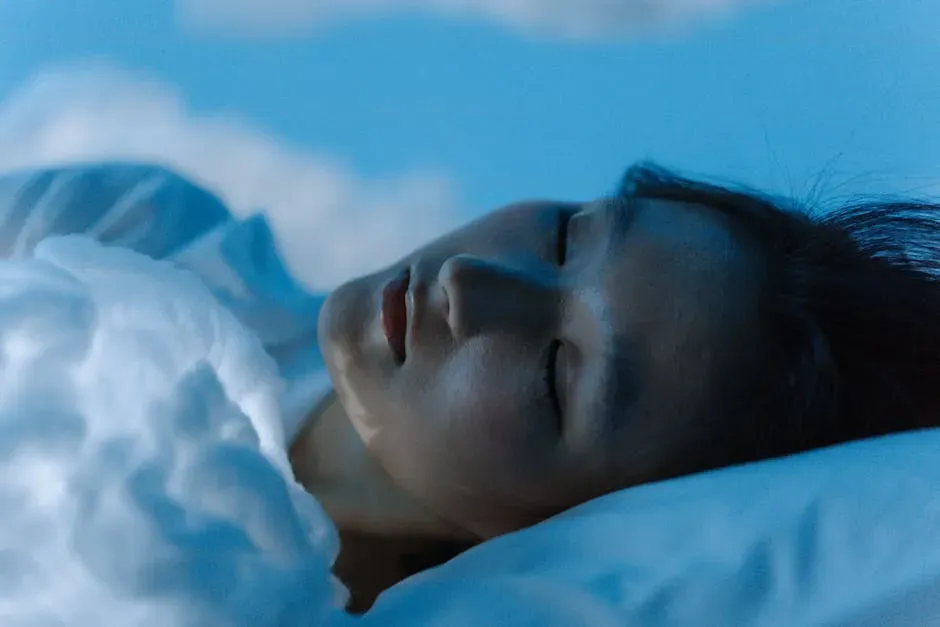
Not all scientists are comfortable calling sleep a second consciousness. Some argue that consciousness, by definition, requires precise awareness of both yourself and the environment, which is mostly absent in deep sleep. Others counter that dreams clearly involve an experiencing subject who feels emotions, makes decisions, and moves through a world, even if that world is generated internally rather than perceived externally.
This debate often comes down to definitions. If you define consciousness narrowly as alert, rational awareness of the physical world, then sleep looks unconscious most of the time. If you define it more broadly as any state in which there is something it is like to be you – some sort of felt experience – then dreaming qualifies. Personally, I lean toward the broader view: if your heart is racing because of a nightmare wolf chasing you, that sure feels like a conscious moment, even if your eyes are closed and your body cannot move.
Sleep as a Hidden Workshop for Emotions and Identity
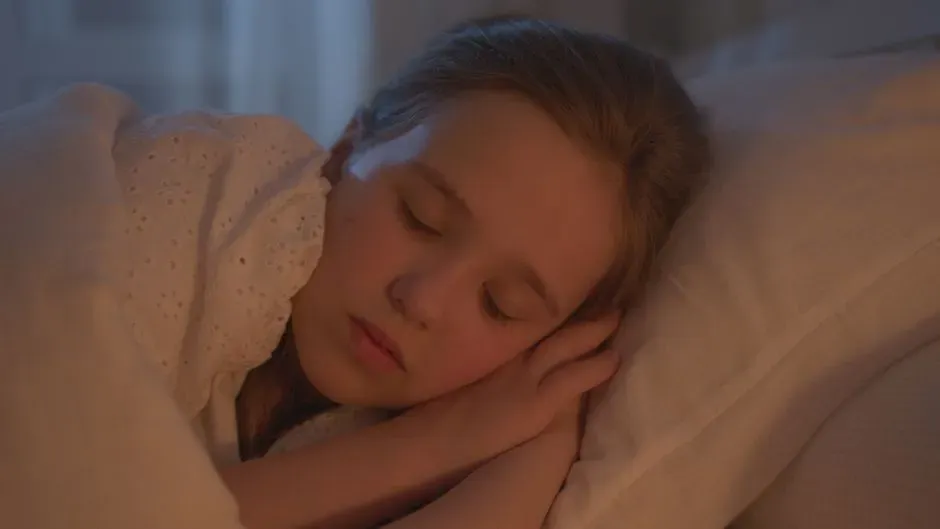
One of the most intriguing ideas is that sleep, especially dream-rich REM, may be a workshop for your emotional life and sense of self. When you dream about old relationships, embarrassing memories, or strange combinations of people and places, your brain may be remixing emotional themes to make them less painful or more understandable. This could explain why sleep loss so often leads to irritability, anxiety, and emotional swings.
Some research suggests that dreaming might help you rehearse difficult situations in a safer, simulated environment. It is like running mental drills without real-world consequences, letting your brain test different responses and outcomes. If that is true, then your “night mind” has a quiet but powerful job: shaping how tomorrow’s you will react, feel, and cope, based on the emotional experiments it ran while you slept.
Lucid Dreaming: When the Night Consciousness Knows It’s Dreaming

Lucid dreaming – when you realize you are dreaming while still inside the dream – is a fascinating crack in the wall between waking and sleeping consciousness. In that state, parts of the brain involved in self-awareness seem to reactivate, even though you are still physically asleep. People report being able to influence the dream’s storyline, fly, talk to dream characters, or deliberately explore fears in a controlled way.
This phenomenon suggests that the sleeping form of consciousness is not completely sealed off from your waking self. Under certain conditions, the “day mind” can step into the “night mind” and take the wheel for a bit. For the theory of parallel consciousness, lucid dreaming is like a rare video call between two operating systems that usually work in the background without talking to each other directly.
The Physical Housekeeping: Glymphatic Flow and Brain Cleaning
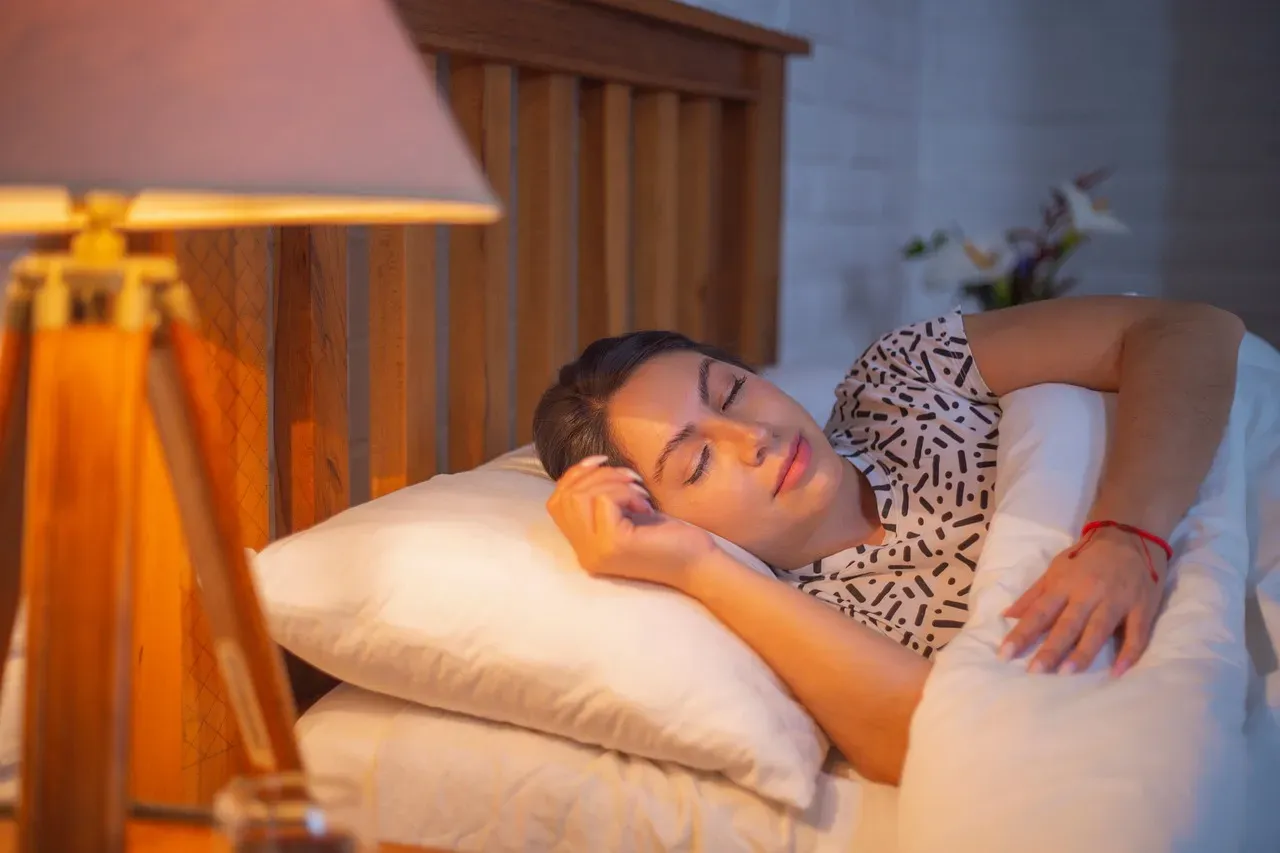
Beneath all the talk about consciousness, there is a very concrete physical job that sleep seems to perform: cleaning out metabolic waste from the brain. During deep sleep, the spaces between brain cells expand, and a fluid system sometimes called glymphatic flow helps wash away by-products that build up during waking activity. It is like flushing the pipes after a long day of heavy use.
There is growing interest in how this cleaning process might relate to long-term brain health and diseases that involve protein buildup in the brain. If waking consciousness is like running a demanding app that generates a lot of “trash,” then the sleeping mode may be when the system finally gets a chance to empty the recycling bin. In that sense, the “second consciousness” of sleep could be deeply physical, rooted in maintenance that keeps the more familiar waking you functioning over decades.
What This Means for You: Respecting the Night Mind
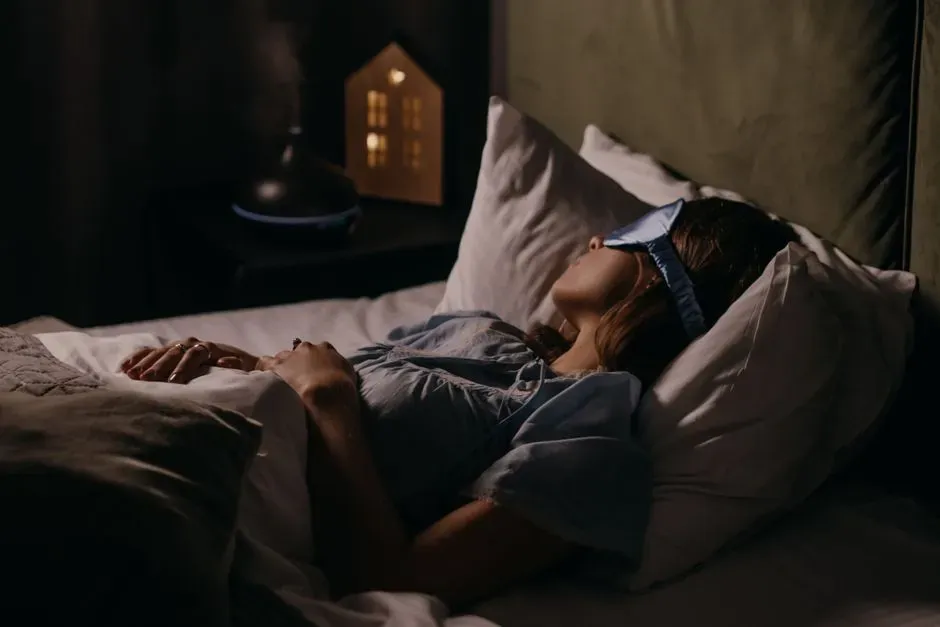
Thinking of sleep as a second form of consciousness, even as a working model and not a proven fact, changes how you might relate to your nights. Instead of treating sleep as dead time to be minimized, it reframes it as the hours when another version of your mind steps in to handle things you simply cannot do while scrolling, working, or stressing. That perspective alone can make habits like regular bedtimes and screen limits feel less like chores and more like taking care of a partner who carries half the load.
I have noticed personally that when I sleep well for several days in a row, I feel oddly more “myself” – more stable, more creative, less reactive. When I imagine that my night mind has had enough time to do its quiet work, it becomes easier to protect that time instead of stealing it with late-night distractions. You do not have to fully buy into the parallel consciousness idea to act as if your sleeping self matters; you just have to decide that the version of you who wakes up tomorrow deserves the best support you can give.
Conclusion: A Bold Idea Worth Taking Seriously, Even If It’s Not Proven

Right now, the claim that sleep is a full second form of consciousness running in parallel is more of a daring interpretation than a settled scientific fact. What is solid is this: sleep is active, structured, and crucial for memory, emotion, and brain health. The speculative part is how we choose to label those inner experiences and processes – whether we call them a different consciousness, a specialized mode of awareness, or simply a complex set of background operations.
My own opinion is that we should lean into the richer, more respectful view of sleep, even while staying honest about what is not yet proven. Seeing your sleeping mind as a serious partner to your waking mind encourages better habits, deeper curiosity, and less guilt about needing rest. In the end, whether we label it a second consciousness or not, the night mind is clearly doing work you cannot live without – so the real question is not whether it counts as consciousness, but how much longer we will keep treating it like an optional luxury instead of half the story of who we are.