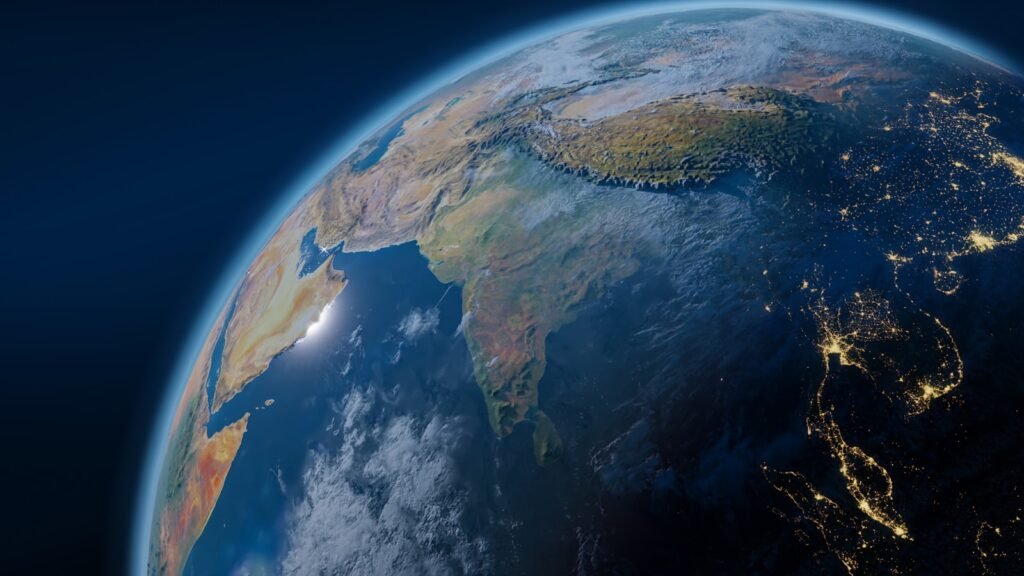

Imagine you are standing in your kitchen, coffee in hand, when without warning the entire planet lurches as if someone slammed on a cosmic brake. One moment, the world is quietly turning beneath your feet; the next, the Earth’s rotation simply… stops. It sounds like a plot from a disaster movie, but this thought experiment digs into something very real: the invisible forces that make our everyday calm possible. By asking what would happen if the Earth suddenly stopped spinning, even for just a moment, scientists can explore the physics that usually stay hidden in the background. And in doing so, they reveal just how thin the line is between a stable planet and a world of unimaginable chaos.
The First Second: When the World Slams on the Brakes
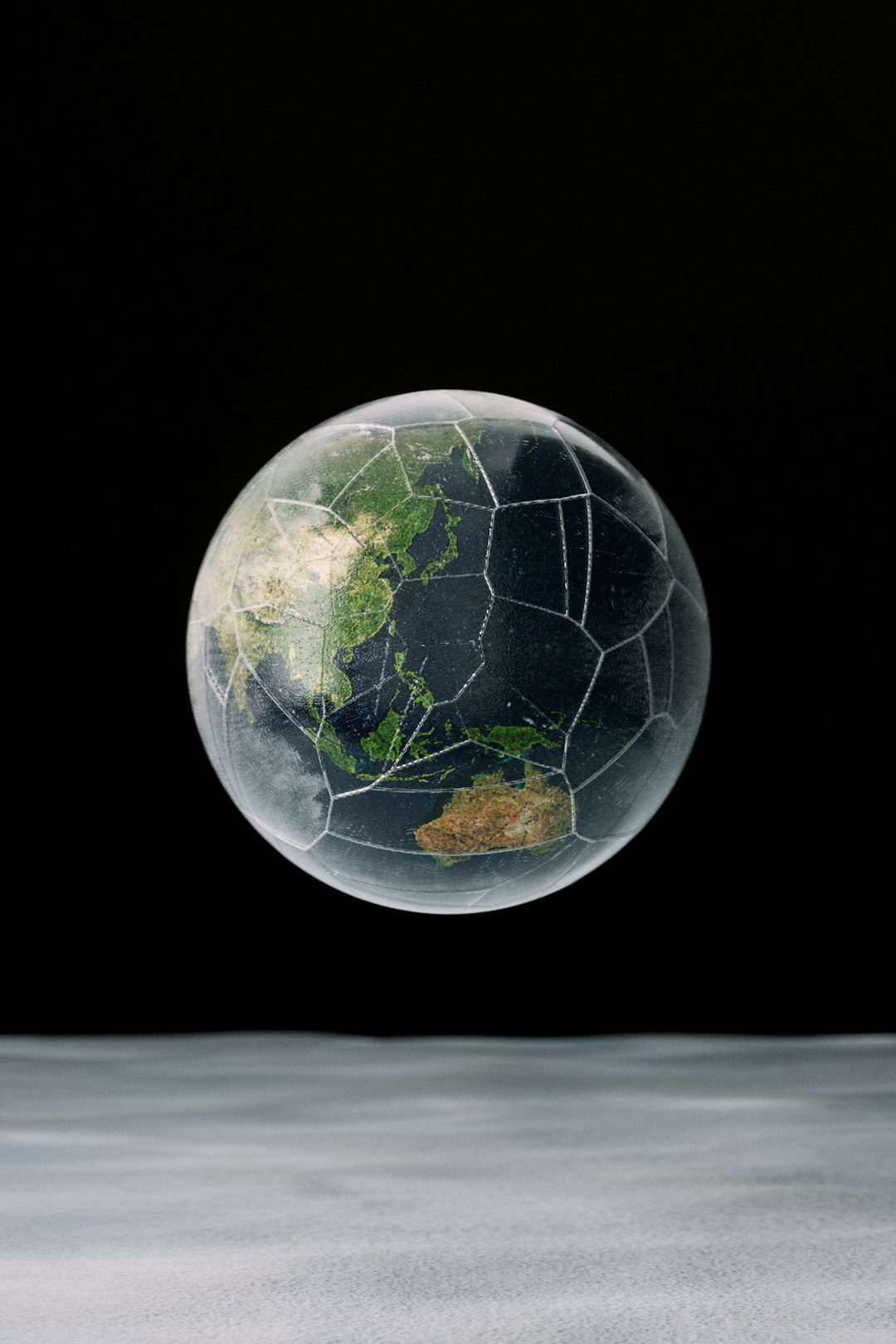
The shocking part of this scenario is not that the Earth would stop, but that everything on its surface would not. Right now, at the equator, you are being carried eastward at roughly about a thousand miles per hour by the planet’s rotation, even though you do not feel it. If the Earth’s spin suddenly dropped to zero in an instant, you, your house, the ocean, the atmosphere, and every loose object would try to keep moving at that same enormous speed. The result would feel less like hitting a wall and more like the ground being ripped out from under you as everything hurtled eastward.
On land, that means skyscrapers shearing off their foundations, forests flattening in the direction of travel, and vehicles tumbling like toys. Over the oceans, walls of displaced water would surge forward, turning into mega-tsunamis smashing into continental coastlines. Even the air would not be spared: the atmosphere would briefly move faster than the surface beneath it, generating winds far beyond anything ever recorded in a hurricane. In that first second, the familiar idea of “bad weather” would lose all meaning.
The Hidden Clues in Everyday Gravity
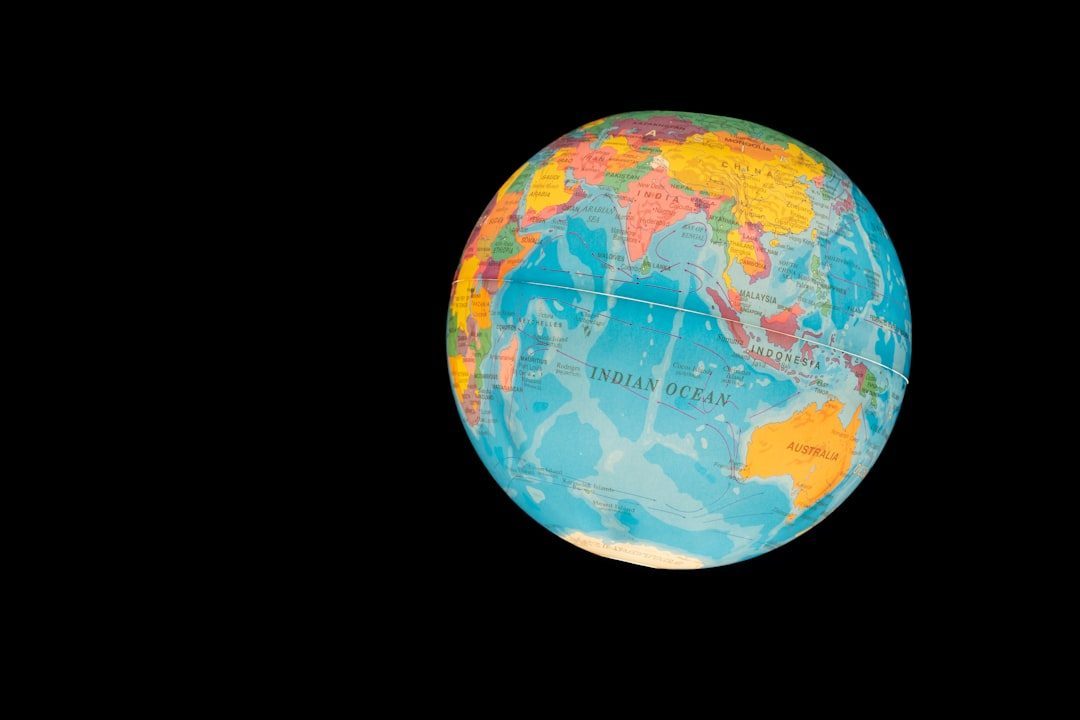
Most of us think of gravity as a constant, a quiet downward pull that never changes. But the Earth’s rotation actually cheats gravity just a little, especially near the equator. Because the ground there is spinning so quickly, a small outward centrifugal force counteracts gravity, making you effectively weigh slightly less than you would at the poles. It is a tiny difference, but it is real enough that precise instruments and satellites have to account for it.
If the Earth stopped spinning, that opposing outward force would vanish instantly, and everyone, everywhere would feel ever so slightly heavier. This is not just a curiosity; it is a clue that our planet is not just sitting in space but constantly in motion. Over millions of years, that motion has helped shape Earth’s slightly squashed shape, making it wider at the equator than at the poles. Without rotation, the oceans and crust would eventually begin to slide and flow toward the poles, and the planet would slowly become more spherical, transforming coastlines and even the very idea of where “sea level” is.
Oceans on the Move: A Planet Redrawn
The oceans are where the long-term consequences of a stopped Earth become almost unrecognizable. Today, the bulge of water around the equator is a direct result of our spinning world; that bulge is held in place by the balance between gravity and the centrifugal effect of rotation. Take away the rotation in an instant, and that balance is gone, freeing the water to slowly but relentlessly redistribute itself. Over time, the equatorial oceans would drain away toward higher latitudes, flooding vast areas closer to the poles.
In this reimagined Earth, what are now mid-latitude and polar regions could become deep inland seas and super-oceans. Meanwhile, large sections of the current equatorial seafloor might emerge as new, dry land, creating enormous new continents across what is now the Pacific or Atlantic. Coastal cities that were once proud ocean gateways could find themselves stranded many hundreds of miles from the new shorelines or drowned beneath expanding polar seas. The global map, as we know it today, would be not just outdated, but completely useless.
From Ancient Tools to Modern Science: How We Know the Earth Spins

Long before satellites and precision clocks, people had clues that the Earth was not standing still. Ancient astronomers noticed the regular motion of the stars and the Sun across the sky, and some cultures realized this motion made more sense if the Earth itself was rotating. Yet it took centuries before the idea could be tested in ways that went beyond careful watching of the heavens. Simple tools like pendulums, spinning tops, and water-filled basins eventually became quiet but powerful evidence that our planet is in motion.
One classic demonstration is the long pendulum that slowly shifts its swing direction over the course of a day, tracking the rotation of the Earth beneath it. In the modern era, scientists use incredibly accurate gyroscopes, laser-based instruments, and satellites in orbit to measure tiny changes in Earth’s rotation. They have even seen how large earthquakes and melting ice sheets can slightly alter how fast the planet spins. All of this careful measuring tells a surprisingly intimate story: the Earth’s rotation is not a background detail but a dynamic, measurable part of the planet’s life, and imagining it halting reveals just how central it is.
Why It Matters: The Silent Engine Behind Climate, Time, and Life
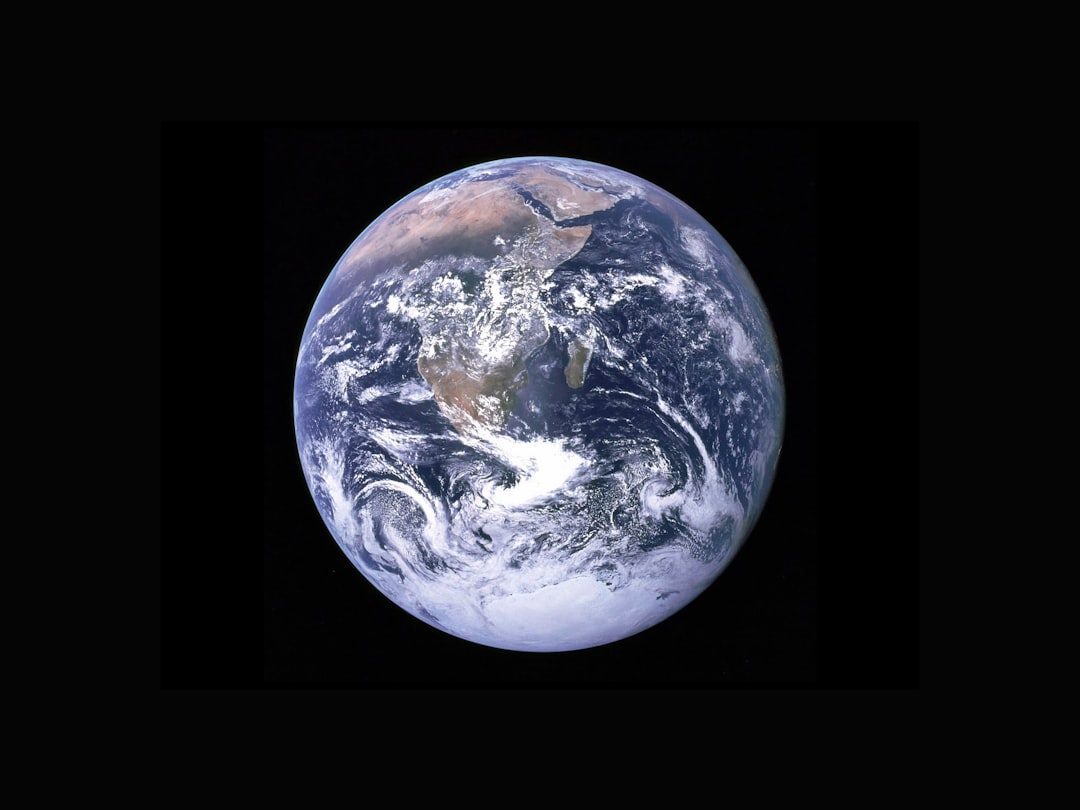
As wild as the sudden-stop scenario sounds, thinking it through helps us understand why a rotating Earth is so vital to life as we know it. The length of our day, the pacing of our sleep, and the rhythms of ecosystems are all tuned to the steady twenty-four-hour spin of the planet. Without that, we would not just see different sunrise times; we would see a completely different pattern of heating and cooling, rainfall, and winds. Many researchers argue that the balance of rotation, tilt, and orbit together created the stable climate window in which complex life could flourish.
Even our technology is tied to the spin of the Earth. Navigation systems, satellite orbits, and global communication networks are all calibrated using the rotation of the planet as a reference. If you change that, you do not just move the sunset; you scramble the invisible time-keeping grid that modern society depends on. Imagining an abrupt halt is like imagining your heart stopping for a moment: the question is not whether things would change, but whether anything would survive the shock. That is why this hypothetical scenario is more than a curiosity; it is a way of appreciating the quiet, relentless rotation that makes our ordinary days possible.
Life on a Locked World: From Twenty-Four Hours to Endless Day and Night

If the Earth stopped spinning and somehow remained in its place around the Sun, the long-term picture would be even stranger than the initial catastrophe. Over time, the planet would likely tidally lock, with one side always facing the Sun and the other plunged into permanent darkness. On the day side, temperatures would soar relentlessly, baking the land and driving intense storms as hot air rushed upward and outward. On the night side, air and water would freeze, creating an expanding realm of ice and bitter cold.
Between these extremes, along a narrow band of permanent twilight, there might be a marginally livable zone where temperatures and light could support something like life. Ecosystems, if they could adapt, would be nothing like the forests, grasslands, and oceans we know today. Humans, if still around, would be forced into heavily engineered habitats or underground refuges, chasing stable conditions in a world that no longer turns. It would not feel like Earth; it would feel like living on the edge of two different planets welded together.
The Future Landscape: Lessons for Other Worlds and Our Own
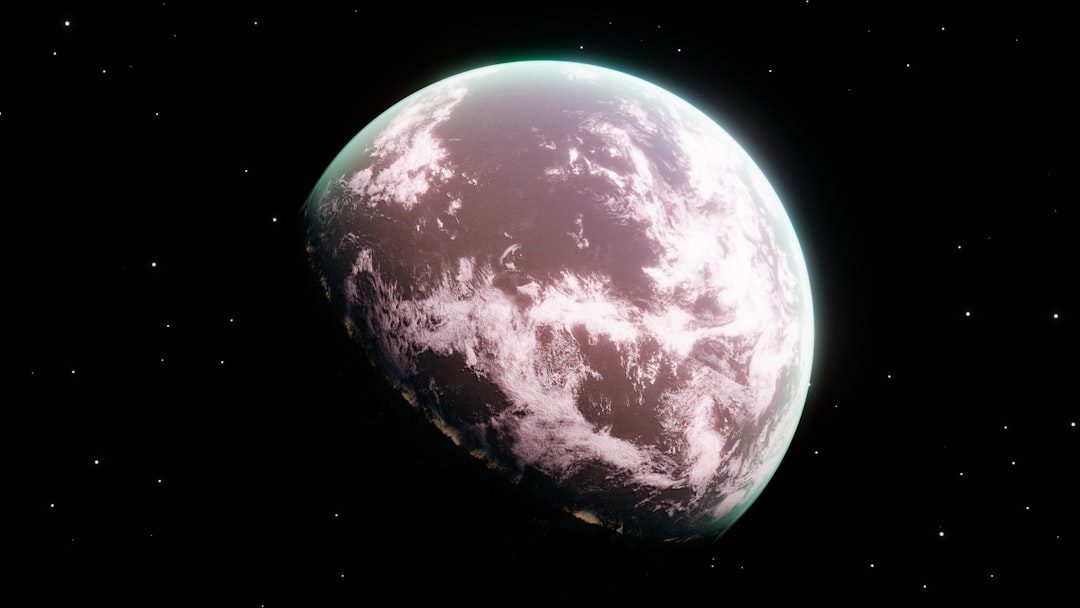
Thinking about a non-spinning Earth is not just an exercise in morbid imagination; it is also a window into how other planets and moons might work. Astronomers have found many worlds around distant stars that are likely tidally locked, with one face always turned toward their sun. By modeling what would happen if Earth stopped spinning, scientists can better understand the winds, climates, and potential habitability of those alien worlds. These models help guide telescope observations and mission planning, pointing to where liquid water or life-friendly conditions might exist.
Closer to home, the same physics that would play out in a sudden stop are already at work slowly, over very long timescales. Tidal interactions with the Moon are gradually lengthening our day, tiny fraction by tiny fraction. Studying these changes teaches us how Earth’s rotation, the Moon’s orbit, and the distribution of oceans and ice are interconnected. Future technologies, from climate models to space navigation systems, will depend on tracking these subtle shifts with increasing precision. In a sense, the thought experiment of an Earth that suddenly stops spinning helps us prepare for a real Earth that is always, if slowly, changing.
How You Can Think Like a Planetary Scientist
You do not need a telescope or a physics degree to engage with questions like this one; you just need curiosity and a willingness to follow the consequences of a simple idea. Start by paying attention to the daily and seasonal patterns around you, from the angle of the Sun at noon to the way shadows shift across your yard or street. Those patterns are the visible face of the Earth’s rotation and orbit, and noticing them makes the planet feel more like a living system than a static rock. Reading reputable science outlets, watching space agency updates, or exploring interactive simulations online can turn a frightening scenario into a chance to learn.
Supporting science education in your community, sharing accurate explanations with friends and family, or even visiting local planetariums and museums helps keep this kind of deep, patient thinking alive. When you come across wild claims about the Earth suddenly changing its spin or the poles “flipping overnight,” you will be better equipped to ask careful questions and look for evidence. And by staying curious about how the planet really works, you quietly join the long line of people who have tried to understand our place in the cosmos. In the end, imagining an Earth that stops spinning is less about fear and more about wonder at the fact that, so far, it has not.
Suhail Ahmed is a passionate digital professional and nature enthusiast with over 8 years of experience in content strategy, SEO, web development, and digital operations. Alongside his freelance journey, Suhail actively contributes to nature and wildlife platforms like Discover Wildlife, where he channels his curiosity for the planet into engaging, educational storytelling.
With a strong background in managing digital ecosystems — from ecommerce stores and WordPress websites to social media and automation — Suhail merges technical precision with creative insight. His content reflects a rare balance: SEO-friendly yet deeply human, data-informed yet emotionally resonant.
Driven by a love for discovery and storytelling, Suhail believes in using digital platforms to amplify causes that matter — especially those protecting Earth’s biodiversity and inspiring sustainable living. Whether he’s managing online projects or crafting wildlife content, his goal remains the same: to inform, inspire, and leave a positive digital footprint.