
Imagine walking through a forest and realizing that everything around you is not just alive, but listening, remembering, and making decisions. It sounds like the start of a sci‑fi movie, but over the last two decades, research has quietly been hinting that plants might be far more sophisticated than we’ve ever given them credit for. The big, unsettling question is not whether plants are “like us,” but whether they have their own kind of intelligence that we’ve simply failed to recognize.
We’ve spent centuries treating plants as background scenery: food, decoration, resources. Now, bit by bit, experiments are forcing us to ask uncomfortable things. If a being can sense, communicate, anticipate danger, and change its behavior based on past experience, how different is that from what we call intelligence? Once you let that question in, it’s very hard to shake.
Are We Underestimating What It Means To Be Intelligent?

For a long time, intelligence has basically meant one thing: having a brain that looks kind of like ours. That definition puts humans at the top, followed by other animals with complex nervous systems, and plants way down at the bottom as passive, automatic life forms. But the more we study nature, the more this ranking system starts to fall apart and feel embarrassingly narrow.
Octopuses solve puzzles with arms full of neurons, not a centralized brain like ours. Slime molds can navigate mazes and “remember” routes without any brain at all. If those things count as problem‑solving, then why do we automatically rule plants out just because they are rooted in place? Maybe the real problem is not that plants are unintelligent, but that we’ve built a definition of intelligence that can’t see what they’re doing.
Plants Sense Their World In Ways We Barely Notice
Plants don’t have eyes or ears, but they are constantly scanning their surroundings through a different set of senses. They detect light direction and color with remarkable precision, sense gravity so their roots go down and stems go up, and respond to touch and vibration. Some experiments have shown that certain plants change their growth or chemical defenses when exposed to the sound of chewing insects, as if they can “hear” danger arriving.
They also track moisture, chemical signals in the soil, and even the presence of neighboring plants. Roots will snake toward richer nutrient patches and avoid salty or toxic areas, almost like a blind person learning a room by touch. When you put it that way, a garden starts to look less like a static painting and more like a crowded subway platform: everyone jostling, sensing, and adjusting their moves in real time.
Decision-Making Without A Brain: How Is That Even Possible?
Plants constantly face choices: grow toward the light or conserve energy, flower now or later, invest in roots or leaves. These may not sound dramatic, but each one can mean survival or death. Scientists have recorded electrical signals moving through plants, in some cases in patterns that resemble very simple versions of neural activity. It’s not a brain, but it is information flowing, being processed, and triggering different outcomes.
Think about a climbing plant choosing which support to wrap around. In controlled experiments, some plants have been observed adjusting their growth path when supports are moved, as if recalculating a route. Another example: when a plant is attacked by insects on one leaf, it can send signals to other leaves and even the roots, leading to increased defensive chemicals. That’s not just a reflex; that’s a coordinated response from a whole body communicating with itself.
Do Plants Learn From Experience?
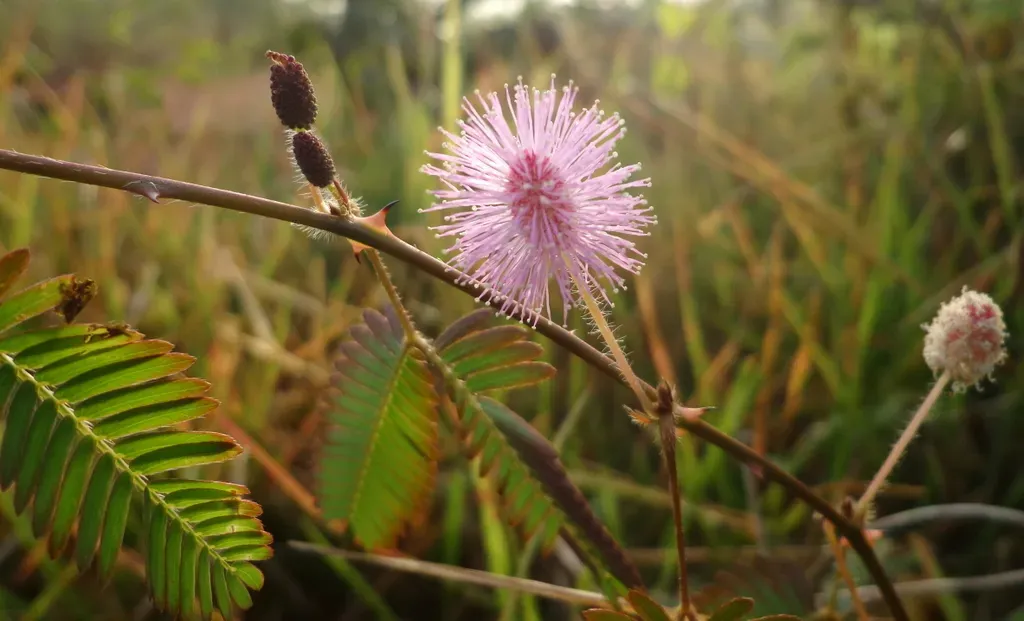
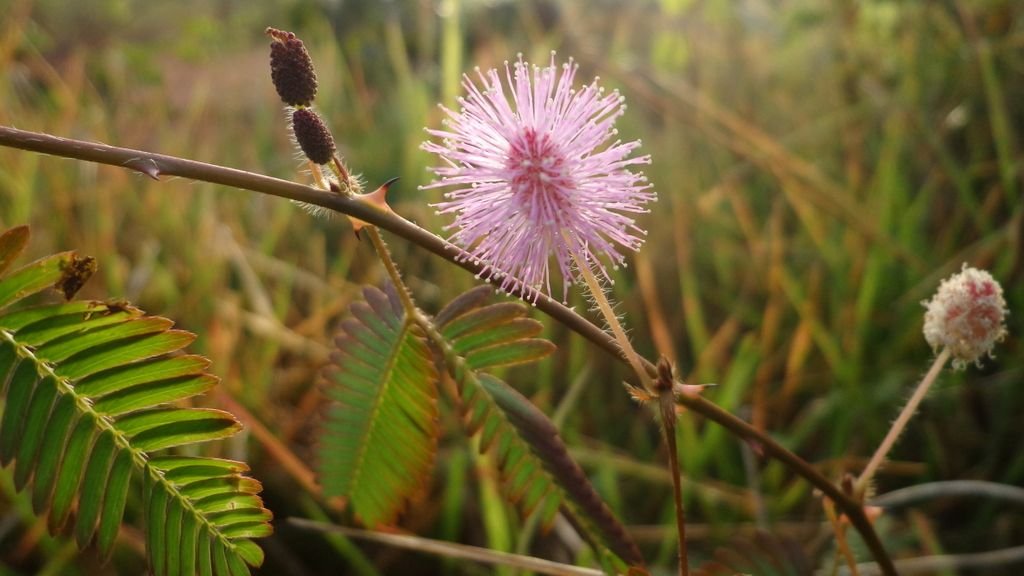
Learning is one of those things we usually reserve for animals: a dog remembering a command, a crow using a tool, a child avoiding a hot stove. Yet some plant studies suggest something eerily similar. In a well‑known experiment with the sensitive plant Mimosa pudica, which folds its leaves when touched, researchers repeatedly dropped the plant from a harmless height. At first, the plant closed its leaves in apparent “shock,” but after many repetitions, it stopped reacting, as if it had learned the drop wasn’t dangerous.
What’s more striking is that this lack of response was not simple exhaustion: when presented with a new kind of stimulus, the plant started closing its leaves again. It had seemingly decided which cues mattered. And in follow‑up work, this changed behavior lasted for days, suggesting some kind of memory. It isn’t memory like ours, stored in neurons, but it is information about past events shaping future reactions, which is a basic ingredient of intelligence.
The Underground Networks: Roots, Fungi, And Plant “Conversations”
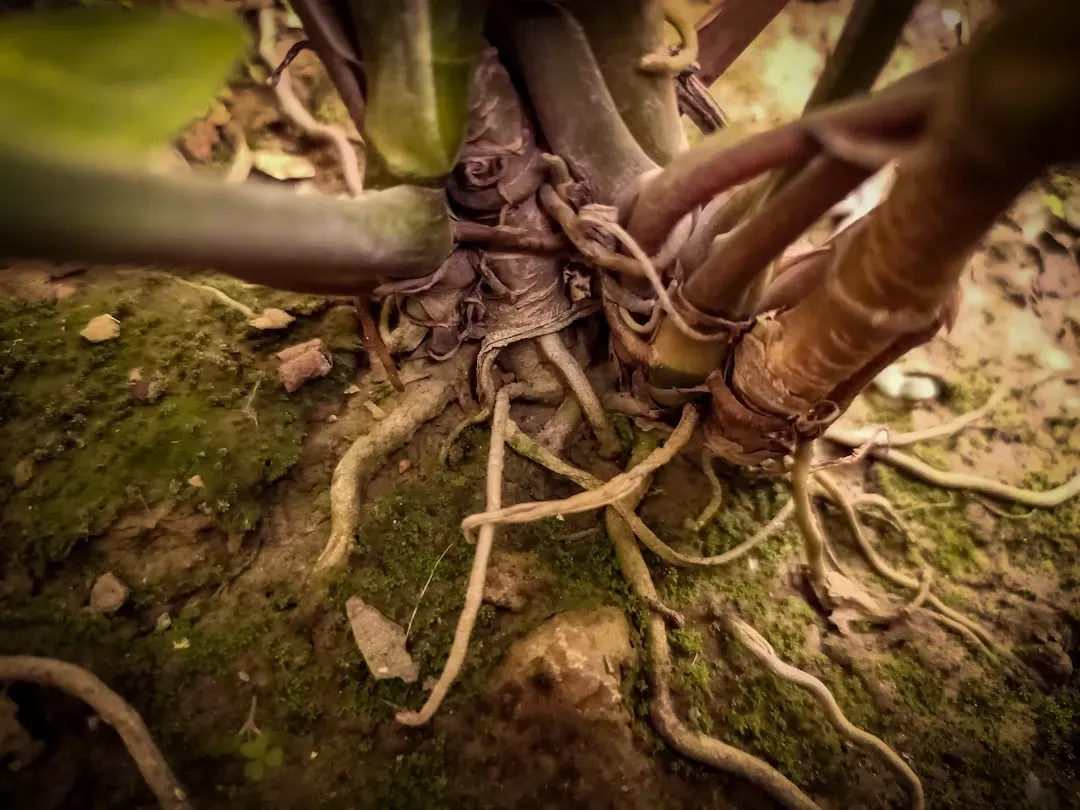
If plant intelligence has a secret stage, it is probably underground. Roots do not grow randomly; they explore, avoid competition, and sometimes cooperate. Many plants form partnerships with fungi that link multiple individuals, creating what some researchers describe as a shared communication and resource network. Through these fungal threads, plants can send chemical signals and even share nutrients with others, especially seedlings or stressed neighbors.
There have been observations where older trees appear to “support” shaded younger ones by sending more carbon their way, and where damaged plants trigger defensive responses in others connected to the same fungal web. You can argue about how intentional that is, but it certainly feels less like a field of isolated individuals and more like a quiet community, passing messages and resources back and forth through a living internet in the soil.
Could Plants Have Anything Like Emotions Or Consciousness?
This is where things get uncomfortable, because our language starts to break. When people hear that plants send distress signals, change behavior under threat, and possibly remember experiences, the leap to words like “fear” or “pain” is tempting. But scientists are cautious, and for good reason. Plants clearly lack brains and nervous systems like ours, so whatever internal experience they have – if any – is likely nothing like human emotion.
Some philosophers and biologists argue that instead of asking if plants feel what we feel, we should ask whether they have a subjective perspective at all, even a faint, alien one. Others insist that all of this can be explained as complex chemistry and evolution, with no “inner life” required. Personally, I think it’s okay to sit in that uncertainty. To me, the most honest position right now is admitting we simply don’t know – and that our track record of underestimating non‑human minds is not great.
How This Challenges Our Ethics, Eating, And Everyday Choices
Once you start seeing plants as active, sensing, decision‑making beings, it’s hard not to feel a twinge of discomfort when you snap a branch or toss out leftover salad. If plants are even a little more aware and responsive than we thought, we have to rethink how casually we treat them as objects. This doesn’t mean we can stop eating plants; humans can’t survive without them. But it may push us to treat forests, crops, and wild ecosystems with more respect, the way we try (or should try) to treat animals.
In practical terms, that could mean more support for farming that works with plant communities rather than against them – like polycultures, agroforestry, and soil‑friendly methods that preserve those underground networks. It also adds emotional weight to deforestation and habitat destruction; we’re not just removing scenery, we’re dismantling complex, possibly intelligent communities. Even something as simple as noticing the same tree on your daily walk and recognizing it as a living, responsive neighbor can quietly shift how you move through the world.
Where Plant Intelligence Research Might Take Us Next
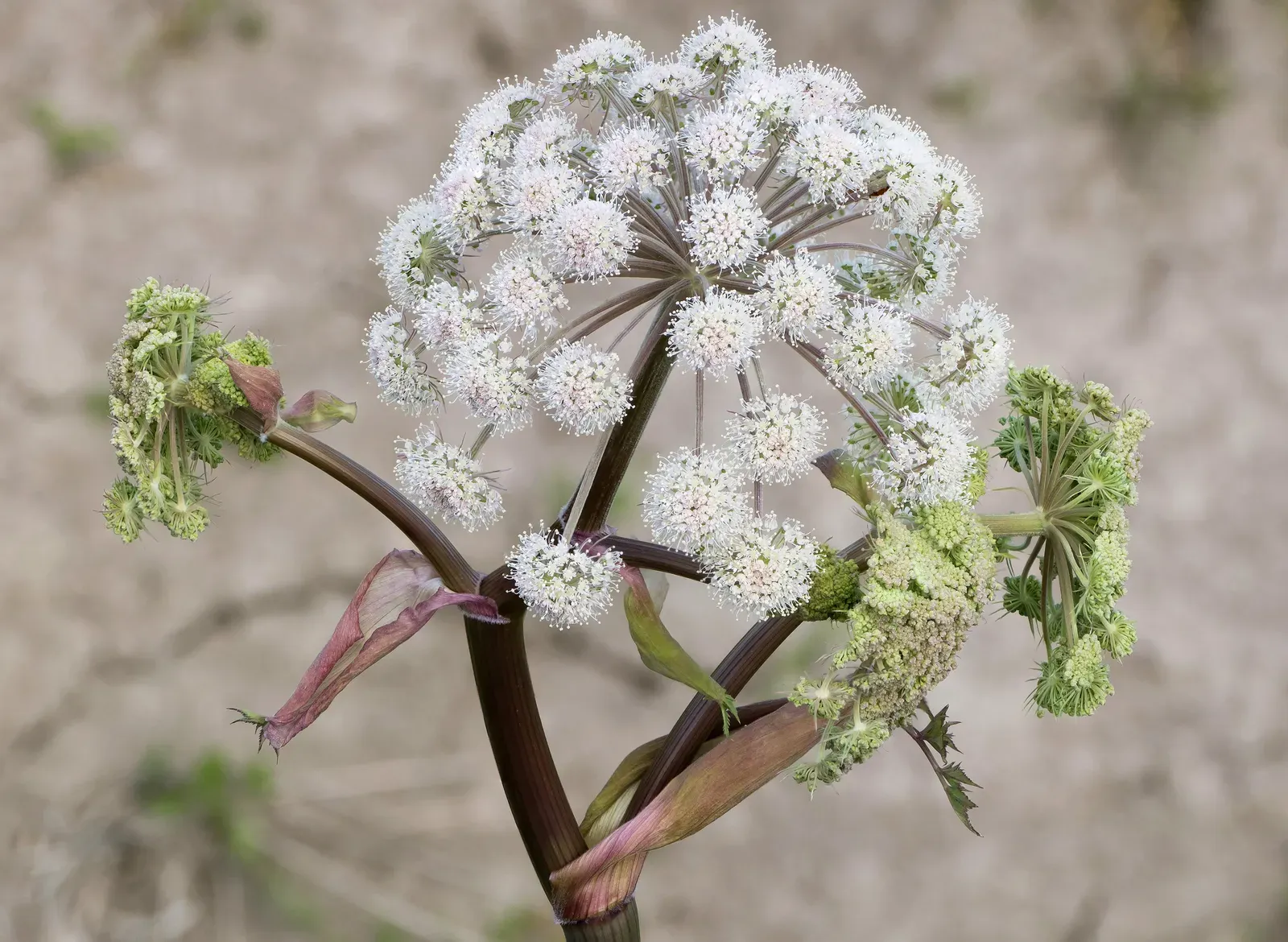
Plant science is moving fast, and the questions are getting bolder. Researchers are digging into electrical signaling in plants, looking for patterns that might be more than random noise. Others are testing whether plants can make trade‑offs that look like strategic decisions, such as balancing growth against defense in changing environments. There’s growing interest from fields like robotics and computing too, with engineers trying to design soft, plant‑inspired systems that adapt and self‑organize the way roots do.
At the same time, there is a healthy debate about how far we should stretch words like intelligence and memory before they lose meaning. Some scientists worry about romanticizing plants and confusing the public with talk of “thinking trees,” while others argue that clinging too tightly to human‑centric definitions only blinds us. Either way, the old idea of plants as silent, simple, and dull is fading. The new picture is messier, stranger, and far more alive – and it leaves us with a quiet, lingering challenge: if the green world around us has been communicating and adapting in complex ways all along, what else have we been too busy to notice?