Most people assume dating a rock or a bone is simple science: you run the sample through a machine and one clean, unquestionable number pops out. That’s not even close to true.
Geologists and archaeologists routinely pull two, three, even four different ages out of the exact same sample, and the gap between them isn’t always small. Sometimes it’s a few hundred years. Sometimes it’s a few hundred million. That sounds like proof the whole field is guessing – but what actually happens the moment two clocks stop agreeing is one of the most fascinating, least-explained processes in science, and once you understand it, you’ll never read a “scientists are confused” headline the same way again.
#1 – The Moment Scientists Realize Two Clocks Don’t Match

A discrepancy doesn’t cause panic in a lab. It triggers a checklist.
The first reaction when two dating methods clash isn’t to toss the data – it’s to ask why the numbers diverge. Radiocarbon, potassium-argon, uranium-lead, dendrochronology: each one measures a completely different physical process, so a mismatch reads as a clue, not a catastrophe.
Scientists start ruling out the obvious suspects first: contamination, lab error, sample mixing, or simply the wrong material getting dated in the first place. Only after those possibilities are eliminated does a real scientific mystery begin – and that’s usually where the most interesting discoveries happen.
This is also exactly where public confusion creeps in. Headlines love to scream “!” without ever mentioning that disagreement is a normal, expected, even useful part of the process.
#2 – Why Disagreement Doesn’t Mean the Science Is Broken
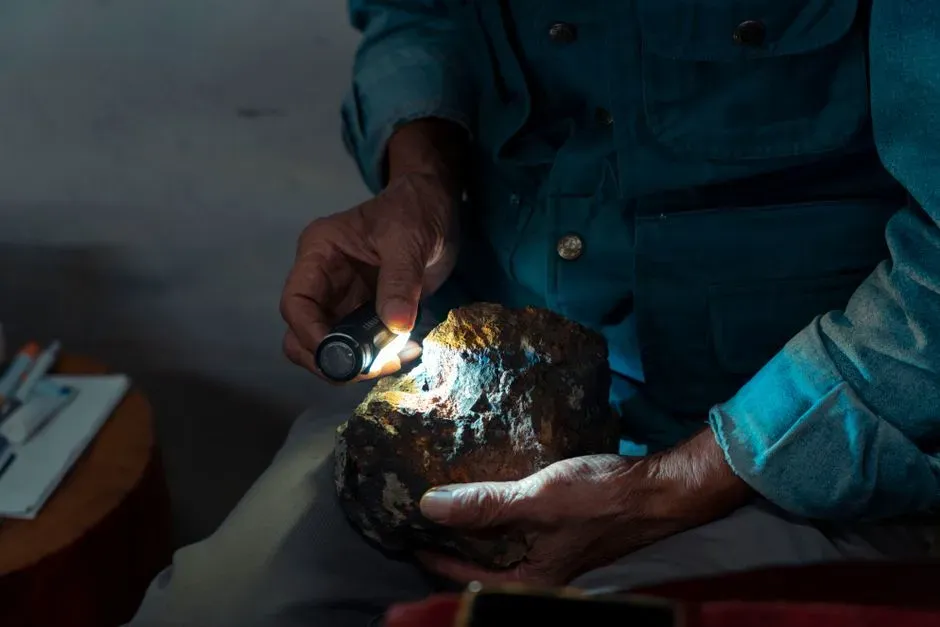
Here’s the controversial opinion: a handful of mismatched dates proves almost nothing about the reliability of dating science as a whole.
Geologist Joe Meert tracked his own results across fifteen years of fieldwork and found that fewer than 5% came back anomalous – and every single one of those had a reasonable explanation once he dug into it. That’s a remarkable hit rate considering how many things can interfere with a sample before it ever reaches a lab: heat, water, contamination, even the mineral’s own chemistry.
Fast Facts
- Under 5% of results in a 15-year field study came back anomalous
- Every anomalous result in that study had a traceable explanation
- Messier datasets cited by critics show 15-20% disagreement rates
- Hundreds of thousands of dating results have been published across the field
Critics point to messier datasets where disagreement climbs to 15-20%, and even skeptics of the field don’t dispute those higher numbers. But even taking that figure at face value, the pattern that matters is this: there’s a vast difference between “doesn’t always work” and “never works.”
An occasional mismatch is expected noise in a system that has produced hundreds of thousands of published results. The noise isn’t the scandal. It’s the price of doing careful science on materials that have survived millions of years of chaos.
#3 – The Contamination Problem: How a Speck of Modern Carbon Wrecks a Date

One microscopic speck of modern carbon can silently rewrite tens of thousands of years of history.
Radiocarbon dating is sensitive because it’s counting individual atoms, and old samples don’t have many left. That means dirt, glue, preservative chemicals, or even the oil from a researcher’s fingertip can quietly corrupt a sample before testing even starts.
The scale of the error is what actually shocks people. A sample that’s genuinely a million years old, if contaminated by even a tiny trace of modern carbon, can spit out an “age” of 40,000 years. That’s not a rounding error. That’s a gap of nearly a million years, caused by contamination too small to see with the naked eye.
This is exactly why labs go to extreme lengths before testing ever begins. Samples get washed, then chemically treated, then washed again – because skipping that step doesn’t give you a “wrong” date. It gives you a completely fictional one.
#4 – Closure Temperature: Why Different Minerals “Start the Clock” at Different Times
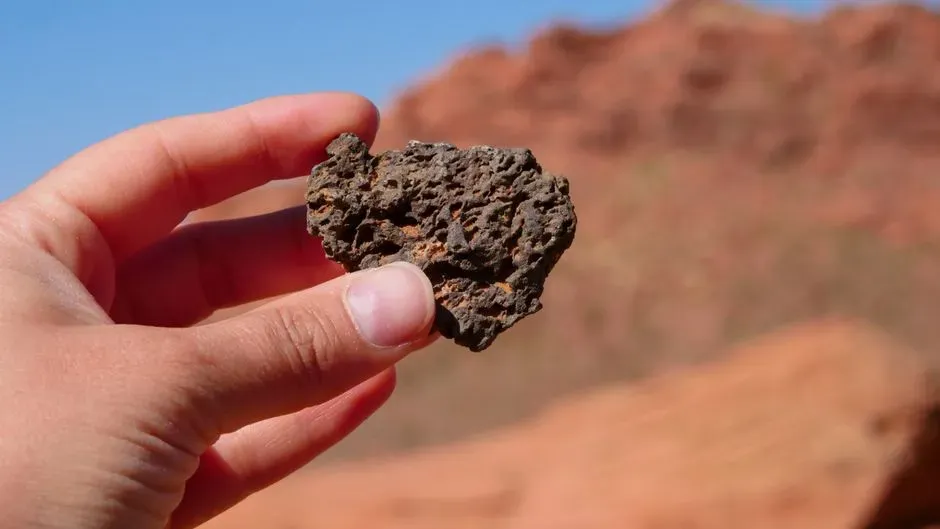
Not every mineral in a rock starts its radioactive stopwatch at the same moment – and that single fact explains a huge chunk of dating disagreements.
Radiometric clocks only start ticking once a mineral cools below a specific threshold called its closure temperature. Above that heat level, decay products can still leak out of the crystal, meaning the clock hasn’t actually locked in yet. Different minerals lock in at wildly different temperatures – some as high as 800°C, others below 200°C.
That means a single cooling rock can legitimately produce several different, equally correct ages, depending on which mineral gets tested. A zircon crystal might record the moment magma first solidified deep underground, while a mica crystal sitting right next to it might record a much later moment, once the surrounding rock finally cooled at the surface.
Geologists don’t see this as disagreement at all. They see it as a built-in timeline, one that lets them reconstruct an entire cooling history – from deep burial to surface exposure – using nothing but dates that look, on paper, like they’re fighting each other.
#5 – The Marine Reservoir Effect: The Viking Skeleton That Looked 400 Years Too Old
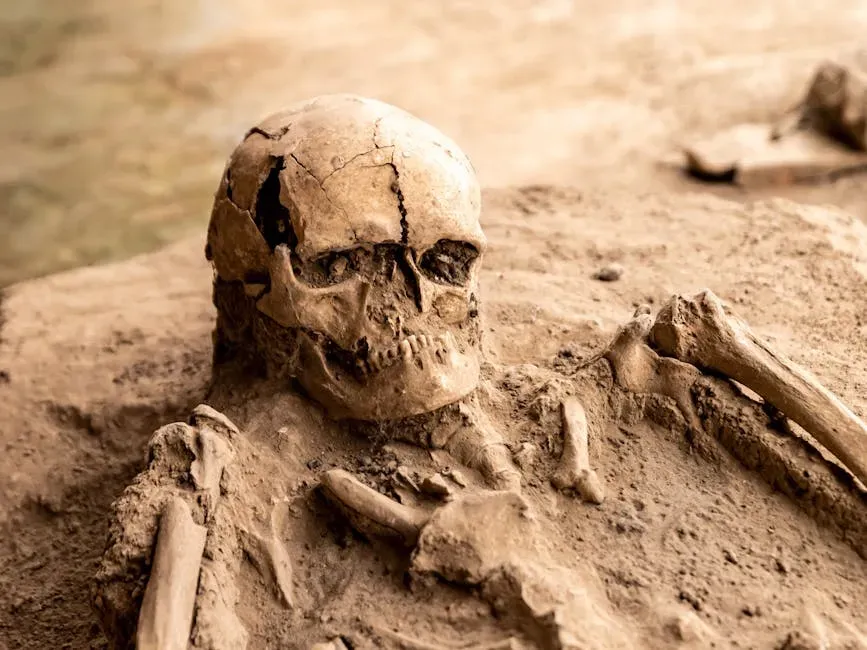
A famous Viking burial once made carbon dating look flatly wrong – until scientists figured out what the Vikings had actually been eating.
At a burial site in Derbyshire, England, coins and other artifacts left little room for doubt: the grave dated to the ninth century C.E. Yet carbon-dating the human bones themselves suggested they were centuries older. For years, that gap looked like a genuine failure of radiocarbon science.
At a Glance
- Location: a burial site in Derbyshire, England
- Artifact-based age: ninth century C.E.
- Raw bone carbon date: centuries older than the artifacts
- Cause identified: a seafood-heavy diet skewing the carbon signature
- Resolution confirmed: 2018
The real answer took decades to nail down, and it finally arrived in 2018. The Vikings buried there had eaten a seafood-heavy diet, and marine carbon behaves completely differently than atmospheric carbon – it reads “older” than it actually is, because the ocean’s carbon reservoir doesn’t refresh at the same rate as the air. Anyone eating heavily from the sea absorbs that older-looking carbon into their bones while still alive, long before they ever die.
This case became a landmark lesson in the field. Raw radiocarbon data now gets calibrated against outside evidence – tree rings, historical records, other independent methods – specifically because of cases like this one. The lesson was never that carbon dating failed. It was that no single method should ever be trusted alone.
#6 – Calibration Curves: Why Raw Carbon Dates Are Never the Final Answer
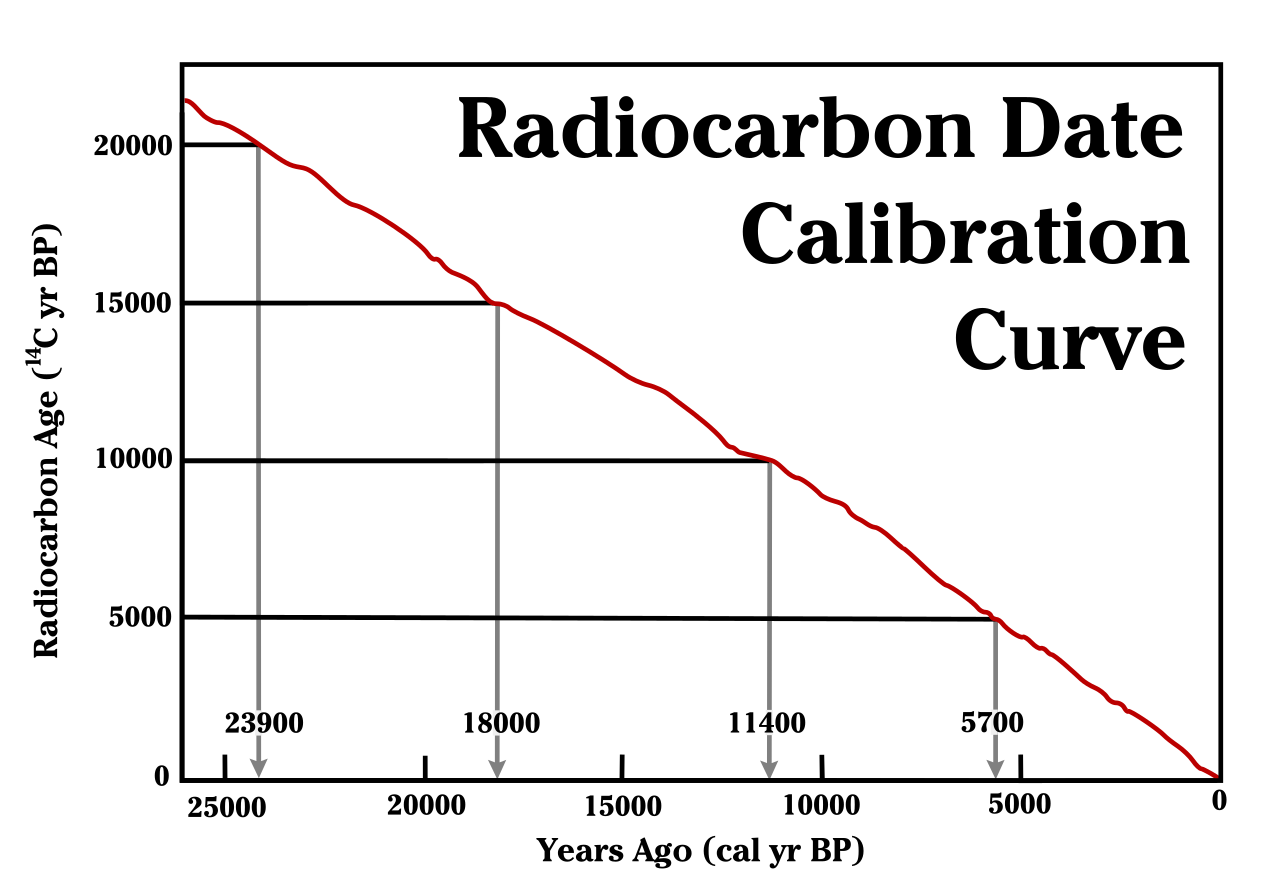
Here’s a fact that surprises almost everyone: the number a carbon-dating machine spits out is never the actual final age.
Raw radiocarbon results are reported in “radiocarbon years,” a theoretical unit built on the assumption that atmospheric carbon-14 levels never changed. But they did change – repeatedly, and sometimes dramatically – throughout Earth’s history. So every raw date has to run through a correction process called calibration before it means anything real.
One elegant version of that process is called wiggle matching. Instead of trusting a single isolated date, scientists line up a whole sequence of closely spaced samples and match the shape of that sequence against tree-ring records stretching back thousands of years.
This calibration process is also how radiocarbon dating proves itself against independent evidence. When the age of a sample is already known through history or archaeology – Egyptian artifacts, for instance – the calibrated carbon date lines up within the known margin of error. That agreement is exactly what gives scientists confidence the calibration actually works.
#7 – When Ice-Age Chemistry and Carbon Clocks Tell Different Stories
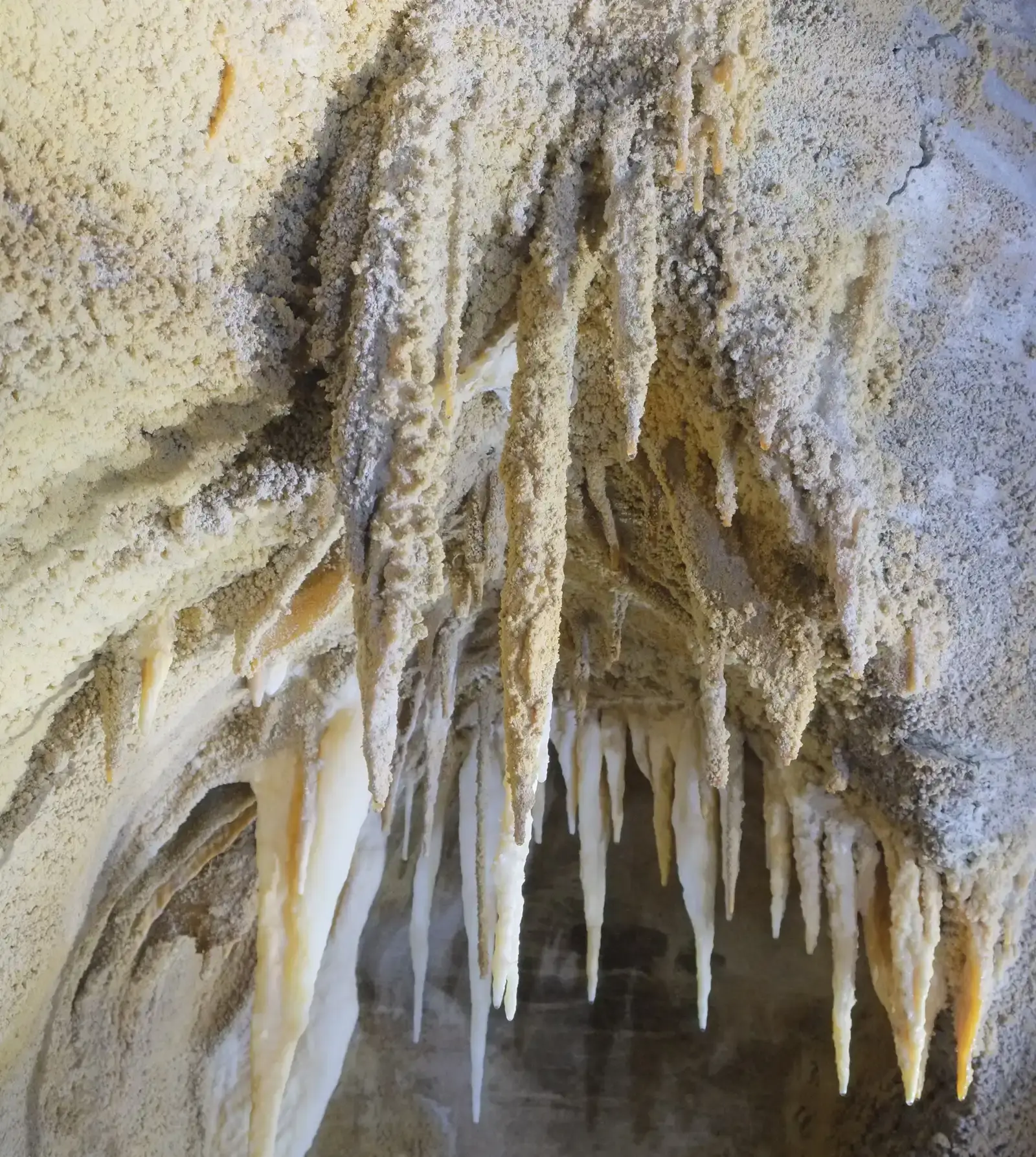
Carbon isn’t the only clock available for the last Ice Age, and when scientists compare it against uranium-thorium dating, the two don’t always agree.
Uranium-thorium dating works on coral and cave formations, using a completely different radioactive decay chain than carbon-14. Researchers comparing the two methods across the same stretch of time found something far more interesting than random noise: a consistent, repeating pattern.
Quick Compare
- Carbon-14: systematically reads younger near the 20,000-year mark
- Uranium-thorium: reads older by a consistent, predictable margin
- Gap between the two: roughly 3,500 years at that point in time
- Practical use: uranium-thorium extends calibration beyond tree-ring limits
Carbon-14 ages came back systematically younger than uranium-thorium ages, with a gap of roughly 3,500 years around the 20,000-year mark. That’s not coincidence and it’s not sloppy measurement. It’s a predictable offset, and predictable offsets are exactly the kind of thing scientists can correct for.
That predictability turned an apparent contradiction into a genuinely useful tool. Researchers now use uranium-thorium results to extend carbon calibration further back in time than tree rings alone could ever reach – taking a “disagreement” and turning it into extra range for the whole dating system.
#8 – Concordia Diagrams: How Uranium-Lead Dating Catches Its Own Mistakes
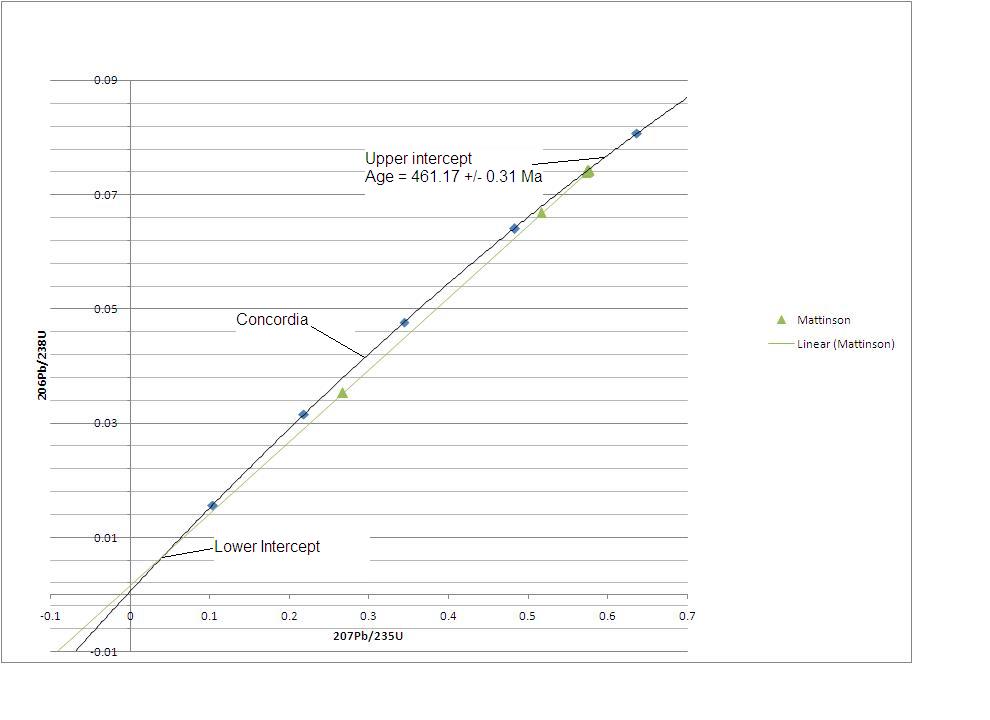
Uranium-lead dating has a secret built-in error detector that most other methods simply don’t have.
Because uranium decays into lead through two separate isotope chains at two different, precisely known rates, scientists can plot both results against each other on what’s called a concordia diagram. When a mineral’s history has been simple and undisturbed, both decay chains land on the exact same point on that curve – a state geologists call “concordant.”
Here’s the surprising part. When something has disturbed the crystal – heat, fluid movement, ancient lead loss – the two decay chains split apart from each other in a mathematically predictable direction, called “discordance.” Instead of throwing the sample out, geochronologists use that exact split to calculate two numbers at once: the original crystallization age, and the age of whatever disturbed it later.
This is one of the most elegant tricks in earth science. A method that appears to “disagree with itself” is actually revealing two separate historical events layered inside a single crystal – the birth of the mineral, and something dramatic that happened to it long after. Far from being a flaw, that internal split is treated as one of the richest signals in all of geochronology.
#9 – Metamorphism: When Heat and Pressure Reset the Clock
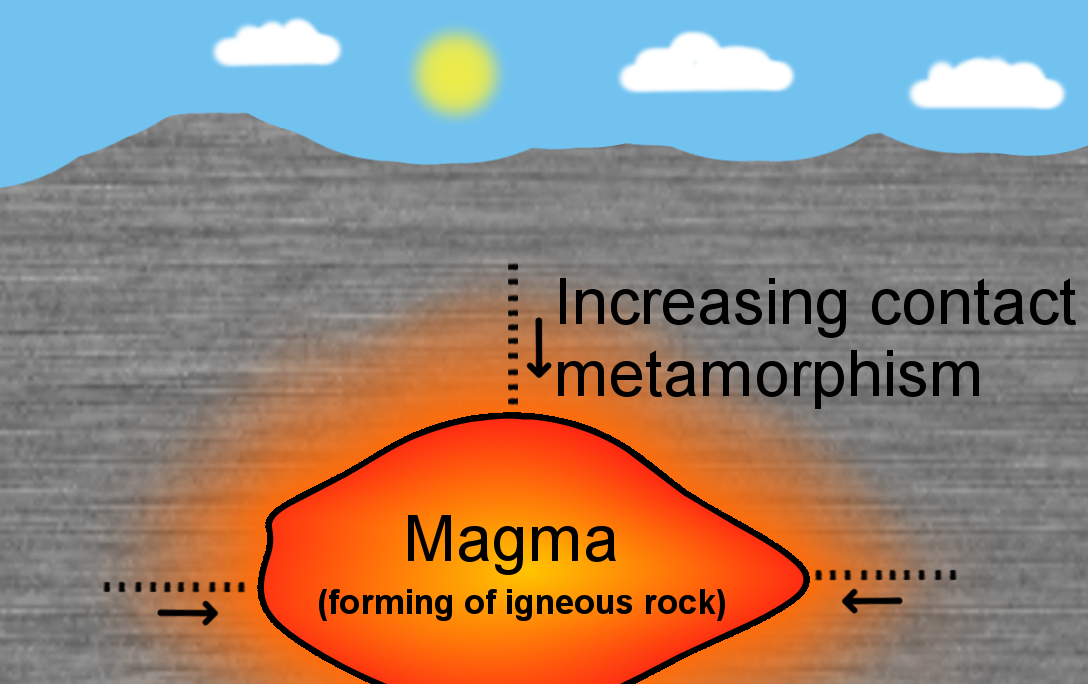
Sometimes a rock doesn’t lie about its age. It genuinely has two true ages, and both of them are correct.
When rock gets buried deep, squeezed, or baked by nearby magma, that heat can force isotopic clocks to fully reset. Argon gas escapes, lead migrates, and the decay “counter” effectively goes back to zero in some minerals – while others sitting right next to them barely notice the event at all.
That’s why the same outcrop can honestly yield two very different, scientifically valid dates: one marking when the rock originally formed, and a second marking when it was later metamorphosed. Neither number is wrong. They’re simply answering two different questions about the rock’s history.
This is arguably the least understood idea in all of popular geology reporting. A “disagreement” between two mineral ages inside one rock unit is frequently not an error at all – it’s a fossil record of two separate geological events, stacked directly on top of each other in time. Reporters who treat that as a scandal usually just don’t understand the chemistry.
#10 – Wrong Material, Wrong Story: Dating the Rock Instead of the Event
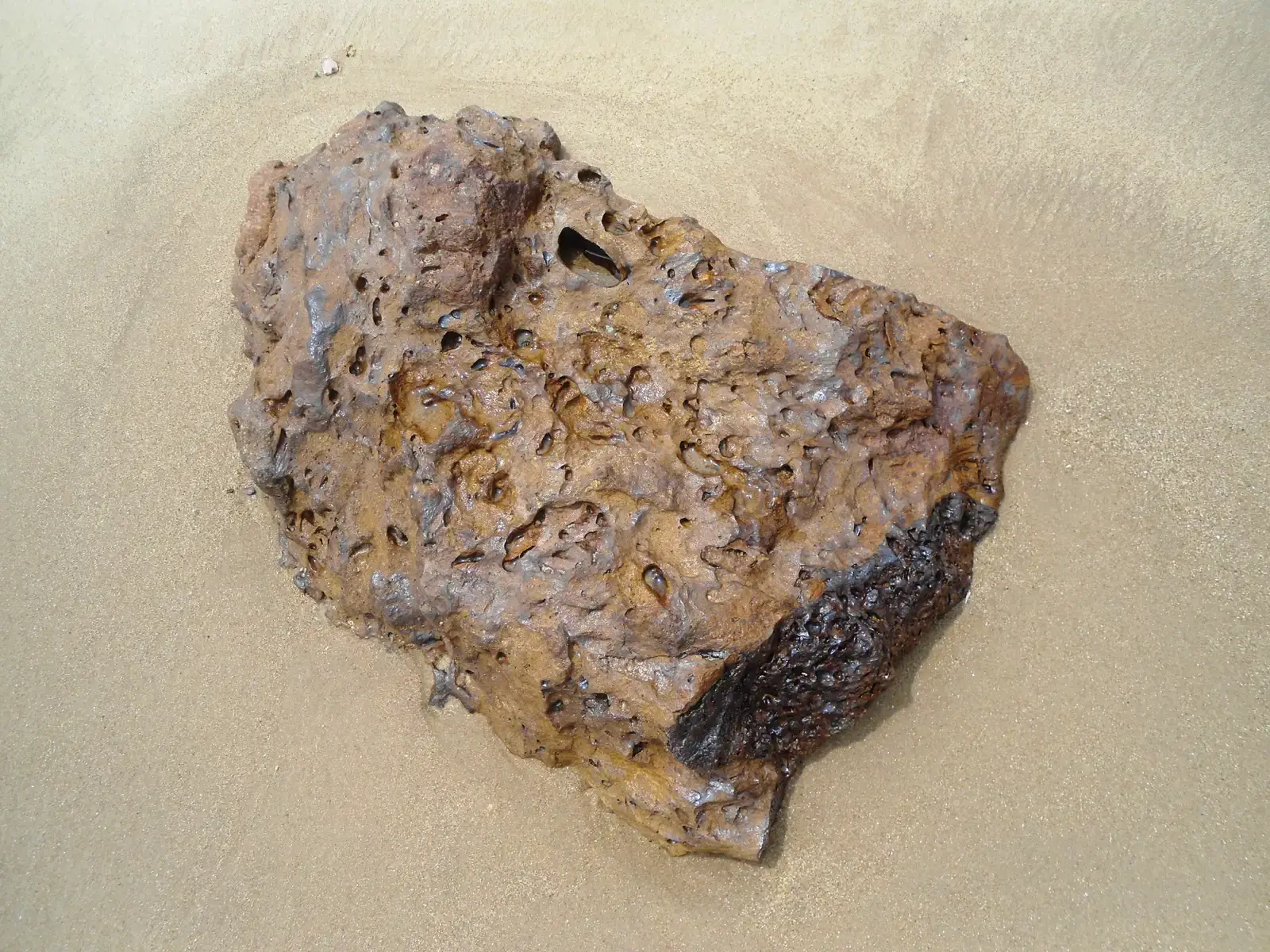
One of the most common – and least discussed – causes of mismatched dates isn’t a flawed method at all. It’s dating the wrong thing entirely.
Sedimentary rock is notoriously difficult to date directly, because it’s built from fragments of much older rocks that eroded away and were later deposited somewhere new. Radiometric dating has scored spectacular successes in geology, but sedimentary rock itself usually can’t be dated this way – only igneous rock or volcanic ash can, because the radioactive isotope and its decay products need to be locked inside a crystal structure that formed all at once.
Worth Knowing
- Igneous rock and volcanic ash: directly datable, isotopes lock in at formation
- Sedimentary rock: not directly datable, made of recycled older fragments
- A pebble inside a sediment layer can predate that layer by millions of years
- Standard fix: bracket the sediment between two dated ash layers
That means dating a random pebble inside a sedimentary layer tells you when that pebble’s source rock formed – sometimes millions of years before the layer it ended up sitting in. This single mismatch, between what the mineral remembers and what the layer actually represents, causes more public confusion about “conflicting” dates than almost anything else in geology.
The fix, once you understand the problem, is almost elegant. Geologists sandwich the undatable sediment between two datable volcanic ash layers above and below it, bracketing the age instead of trying to date the sediment directly.
#11 – Statistical Overlap: When “Disagreement” Is Really Just Margin of Error
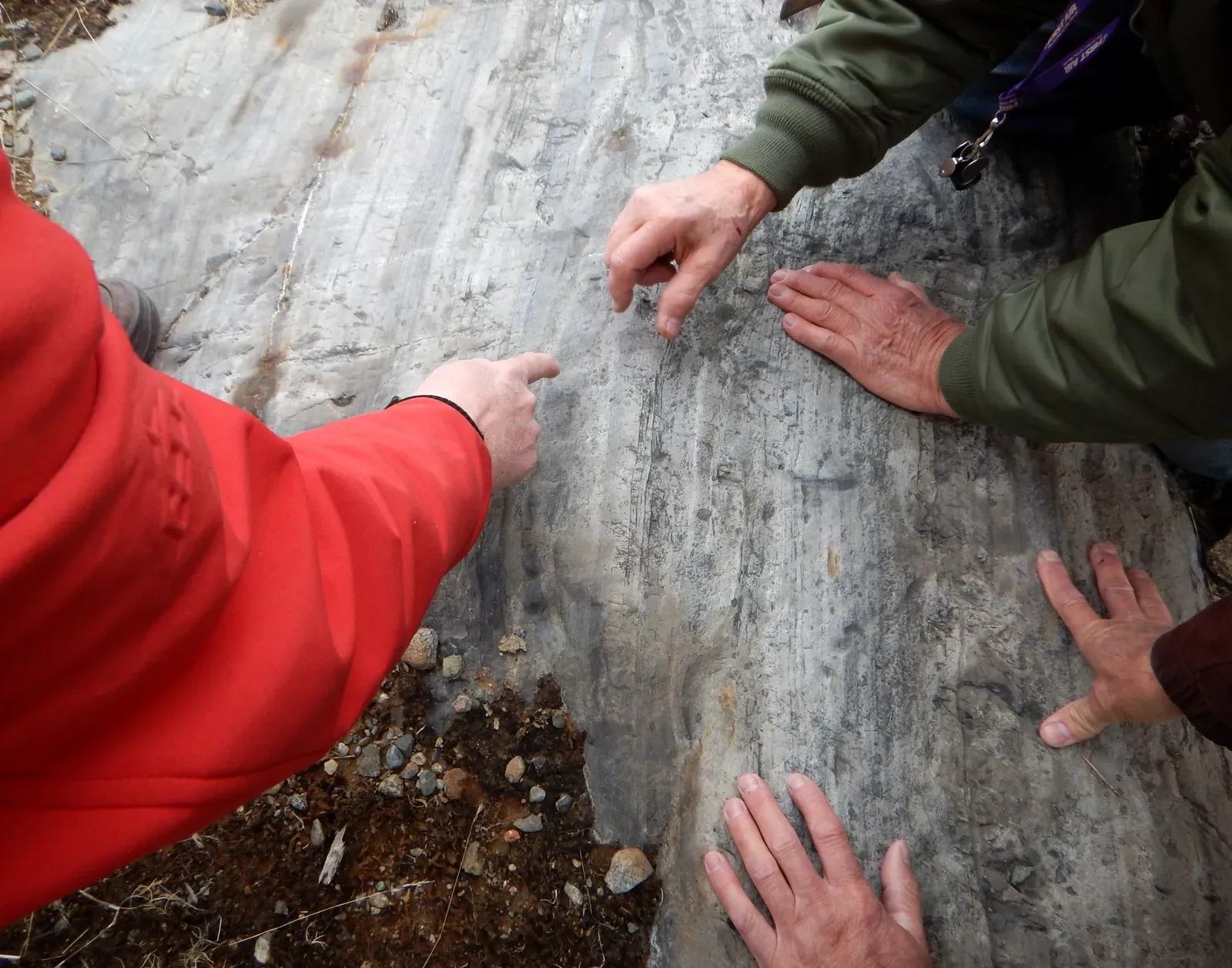
Here’s an uncomfortable truth that almost never makes it into headlines: a huge share of “conflicting” dates aren’t actually conflicting at all, once you look at the error bars.
Every dating method reports a margin of error alongside its central number – never just one bare figure. A radiocarbon date isn’t “12,000 years.” It’s “12,000 years, plus or minus a range.” When two methods produce ranges that overlap even slightly, statisticians consider those results to be in agreement, not conflict.
Most people scrolling headlines never see the error bars at all – only the headline number – which makes perfectly compatible results look like a dramatic scientific clash. A date of 45,000 ± 3,000 years and a separate result of 49,000 ± 4,000 years from a completely different method overlap comfortably. Reported side by side without context, though, they read like a scandal.
This is arguably the single most manipulated aspect of dating controversies online. Strip away the margins of error, round the numbers dramatically, and almost any two independently measured ages can be made to look like they’re fighting each other – even when they agree.
#12 – Famous Fossil Fights: What Happened When Hominid Dates Clashed

Some of the most publicized scientific fights in human history started with two labs producing two different ages for the same fossil.
Early hominid fossil sites have repeatedly generated headline-grabbing disputes, where potassium-argon results from the volcanic layers surrounding a fossil clashed with expectations based on its anatomy or its position in the surrounding sediment. These fights sometimes ran for years across academic journals before anyone reached a resolution.
The resolutions, almost without exception, came down to identifying which sample had been contaminated, which layer had been correlated incorrectly across a site, or which mineral had picked up argon loss or contamination from older surrounding material. Nearly every major hominid dating controversy in the last several decades ended not with one method being declared “wrong,” but with scientists tracking down a specific geological reason for the mismatch.
This pattern repeats so consistently across paleoanthropology that it’s now treated as a predictable part of the discovery process. New fossil finds are almost expected to generate an initial disagreement between methods, right before follow-up sampling narrows the range down to a tight, cross-confirmed age.
#13 – Cross-Checking: Why Modern Geochronology Never Trusts a Single Method
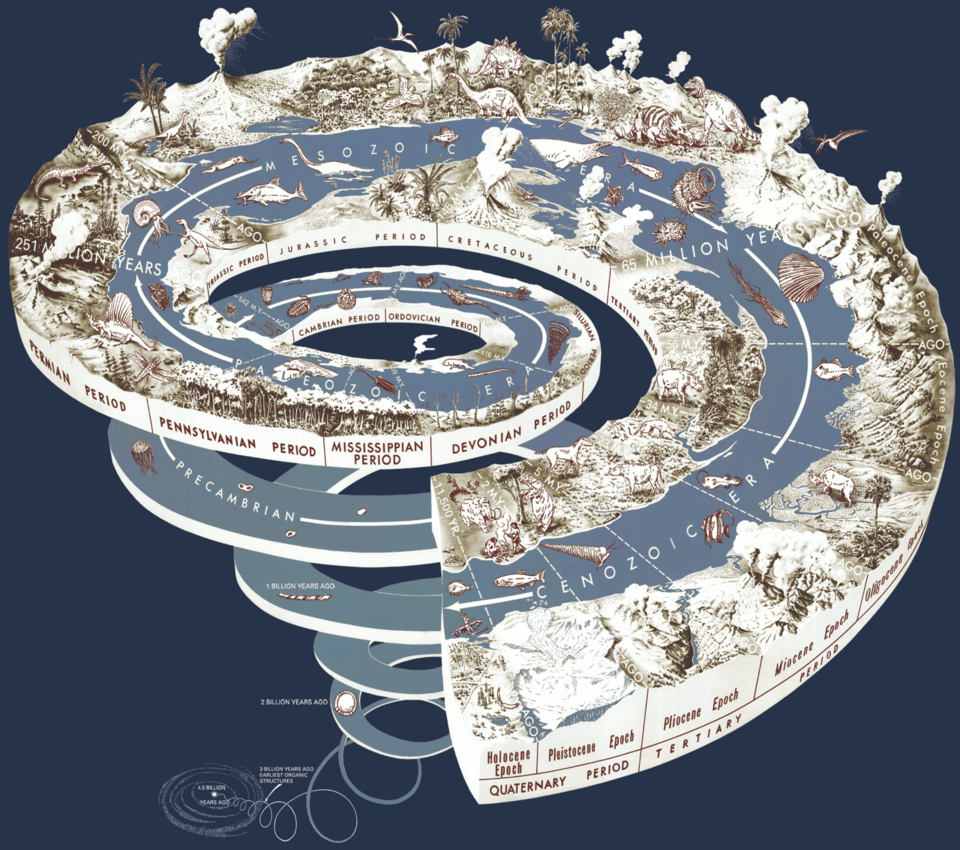
The single biggest lesson from decades of dating disagreements is this: no serious geochronologist relies on just one method for an important finding anymore.
Modern labs routinely run two, three, or four independent dating techniques on the same sample before publishing a headline age. If potassium-argon, uranium-lead, and paleomagnetic reversal data all land in the same range independently, confidence skyrockets. If they don’t, that mismatch becomes the actual research question – not an inconvenient footnote to bury in a supplementary appendix.
This habit is also why paleomagnetism gets used as an independent referee in disputed cases. Studies of the sea floor have conclusively shown that Earth’s magnetic field oscillates and even reverses itself over time, without decaying in any simple, exponential way – giving scientists a completely independent physical signal that has nothing to do with radioactive decay chemistry at all.
Agreement between totally unrelated physical processes is what builds trust, not any single perfect measurement.
Geochronology principle, applied across independent dating methods
A carbon date alone proves very little. A carbon date that matches tree rings, that matches a volcanic ash layer, and that matches a magnetic reversal record – that’s when scientists start writing it into textbooks.
The Bottom Line
ing isn’t proof that science is guessing. It’s proof that science is checking its own work.
Contamination, closure temperature, reservoir effects, mineral resetting, and simple margin-of-error confusion explain the overwhelming majority of mismatches you’ll ever hear about. Cross-checking multiple independent methods is what actually separates a solid finding from a shaky headline – and that habit is exactly what most viral “science is broken” claims conveniently skip.
Here’s the opinion worth sitting with: uncertainty makes for a worse headline than confident chaos, so a lot of online science content quietly chooses chaos. Real geochronology is slower, messier, and far more rigorous than any of that ever gives it credit for – and honestly, the messiness is the best part. It’s the sound of a system that’s still checking its own work, two hundred years after it started.