You close the door, the lock clicks, and for a moment everything is quiet. But inside your home, your dog’s brain is suddenly lit up like a control room after an alarm goes off. Those first hours alone are not empty or boring for your dog; they’re a whirlwind of emotion, memory, and instinct that quietly shape their behavior for the rest of the day.
When you understand what’s actually happening in your dog’s brain after you leave, a lot of “mysteries” start to make sense: the chewed shoe, the frantic greeting, or the surprising calm. You start to see patterns instead of “bad behavior.” And once you can see those patterns, you’re in a much better position to help your dog feel safer, happier, and less stressed when you’re not around.
The First 10 Minutes: Your Dog’s Panic Alarm Switches On
In the first few minutes after you walk out, your dog’s brain goes through a sharp emotional spike. Their attachment system kicks in, and regions involved in processing fear and emotion, like the amygdala, become more active. Your scent is still fresh, your footsteps just faded, and your dog’s brain is trying to make sense of a sudden silence that, to them, can feel like a small emotional earthquake.
During this window, stress hormones such as cortisol start to rise if your dog is prone to separation anxiety. Their heart rate can climb, and you’ll often see pacing, whining, barking, or scratching at the door because their brain is shouting one urgent message: get you back. If your dog struggles most right after you leave, it’s not drama or stubbornness; it’s their nervous system scrambling to cope with the shock of disconnection.
Minutes 10–30: Stress Chemistry Builds or Begins to Settle
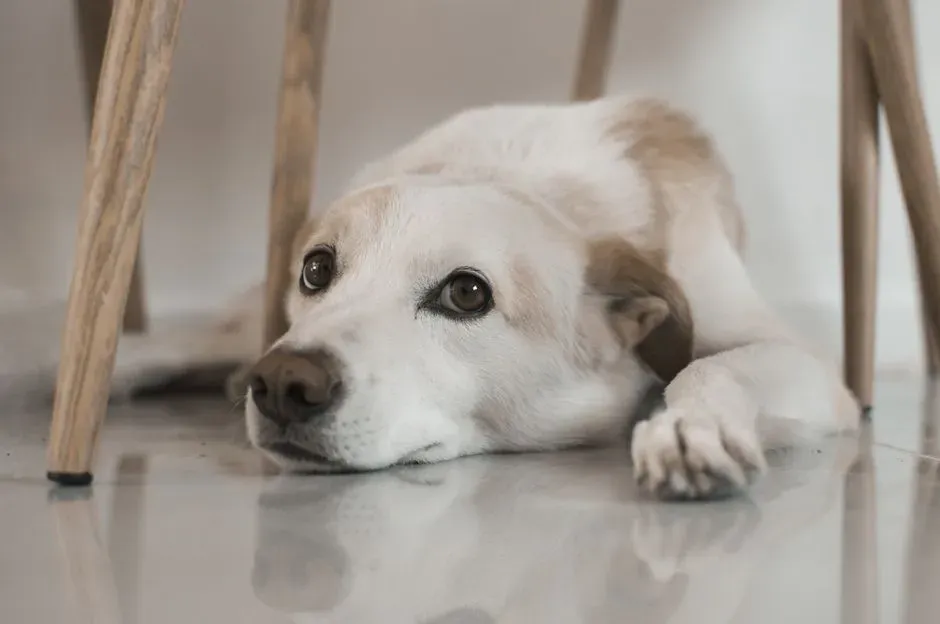
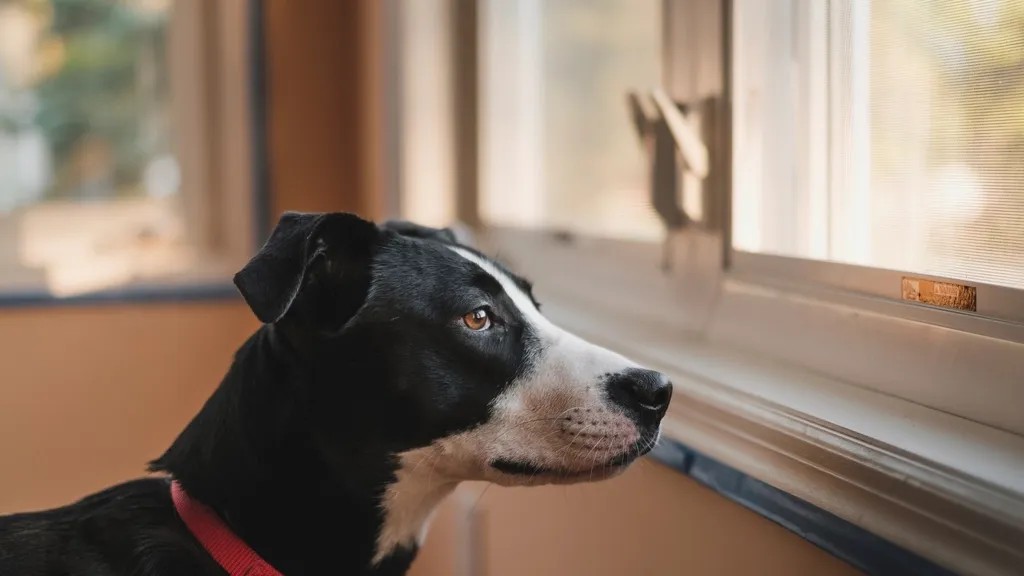
As the first burst of panic passes, your dog’s brain moves into a second phase. If they’re used to you leaving and have positive alone-time experiences, their cortisol levels may start to plateau and slowly ease down. Their brain begins searching for familiar coping patterns: going to a preferred resting spot, sniffing around, or checking the windows. It’s your dog’s way of asking, at a brain level, whether the world is still safe without you.
But if your dog has learned that your absence is unpredictable or scary, this is where their stress chemistry can really ramp up. Cortisol and adrenaline can stay elevated, keeping their brain on high alert. Instead of shifting into rest mode, they may fixate on escape attempts, constant vocalization, or compulsive licking or pacing. You might only see the aftermath, but during this period, your dog’s brain is wrestling between survival signals and the hope that you might walk right back in.
The Scent of You: How Your Smell Keeps Working in Their Brain
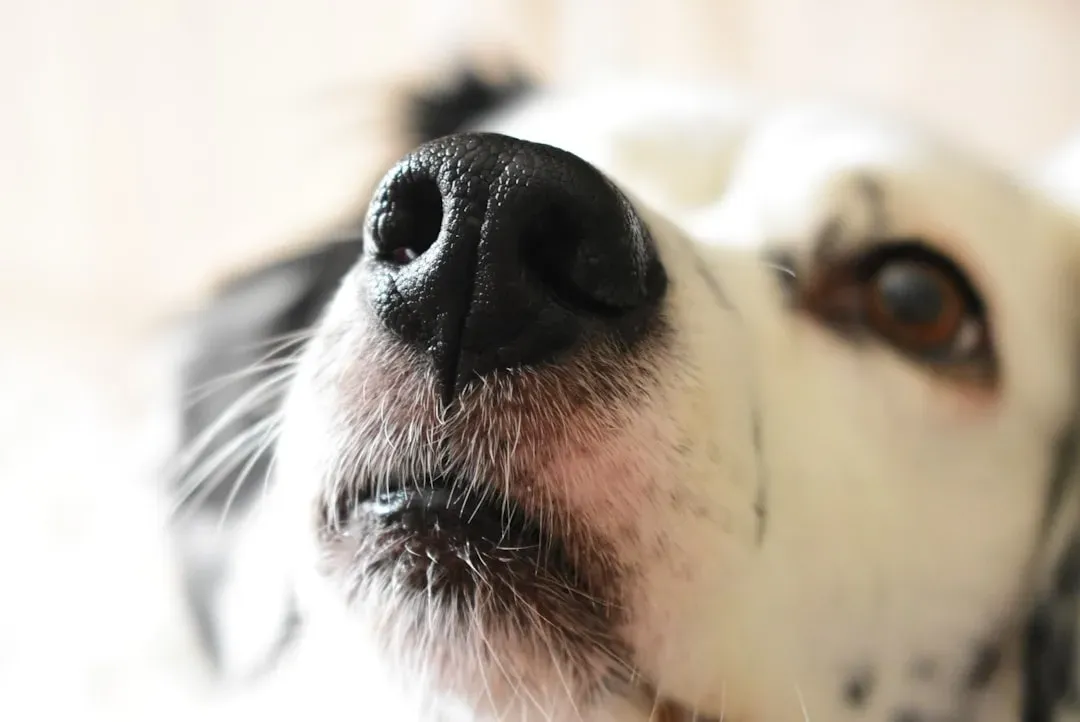
Your dog’s nose does much more than just “smell” you; it plugs directly into brain regions tied to emotion and memory. After you leave, scent traces of you linger on furniture, clothes, and the air near the door. When your dog inhales those familiar odors, their brain activates networks associated with attachment and safety, almost like replaying a soft, emotional recording of you. For some dogs, this can be soothing and help them settle more quickly.
Over time, though, the intensity of your fresh scent starts to fade. For certain sensitive dogs, the weakening smell of you can act like a quiet countdown, confirming that you’ve truly been gone for a while. Their brain may interpret this as another loss, ramping up searching behaviors or vocalization. This is why leaving a worn T‑shirt or blanket that really smells like you can sometimes help your dog’s brain stay calmer for longer while you’re away.
From Hyper-Arousal to Exhaustion: When the Brain Starts to Tire Out
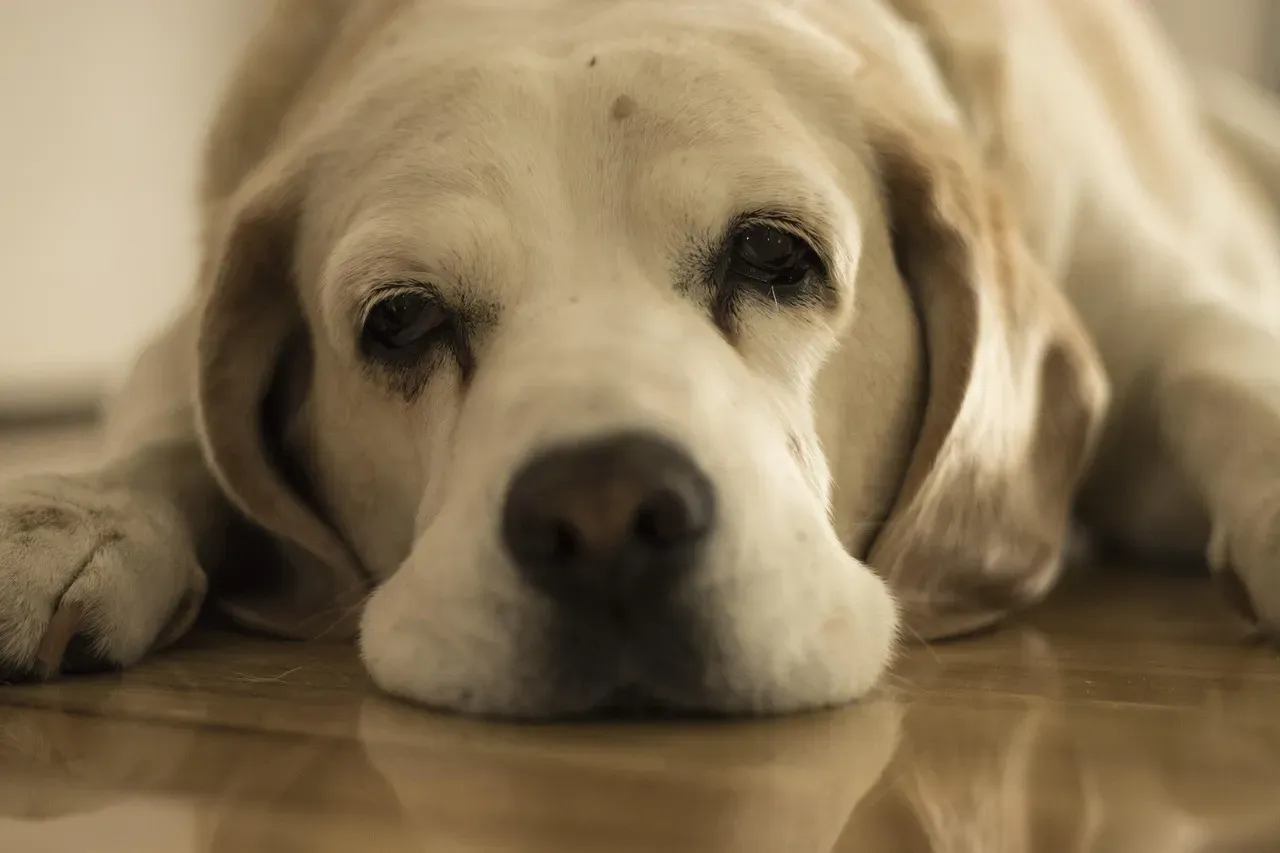
If your dog spends the first part of your absence in a state of heightened stress, their brain eventually hits a wall. Maintaining that level of emotional and physiological arousal is draining. Somewhere between roughly half an hour to an hour, many dogs shift from frantic activity to a kind of forced fatigue. You might assume they “got over it,” but often what you’re seeing is their brain running out of energy to keep the alarm blaring at full volume.
This fatigue phase can look like sudden napping, lying in one place for a long time, or just staring quietly. Inside, their brain is still dealing with lingering cortisol and tension, even if the loud behaviors have faded. It’s a bit like your own crash after a stressful meeting: you sit down, look calm, but your thoughts are still buzzing. Your dog may finally rest, yet their sleep quality can be lighter and more disturbed if their brain spent the last hour wrestling with anxiety.
The Comfort of Routine: How Habits Shape the Second Hour
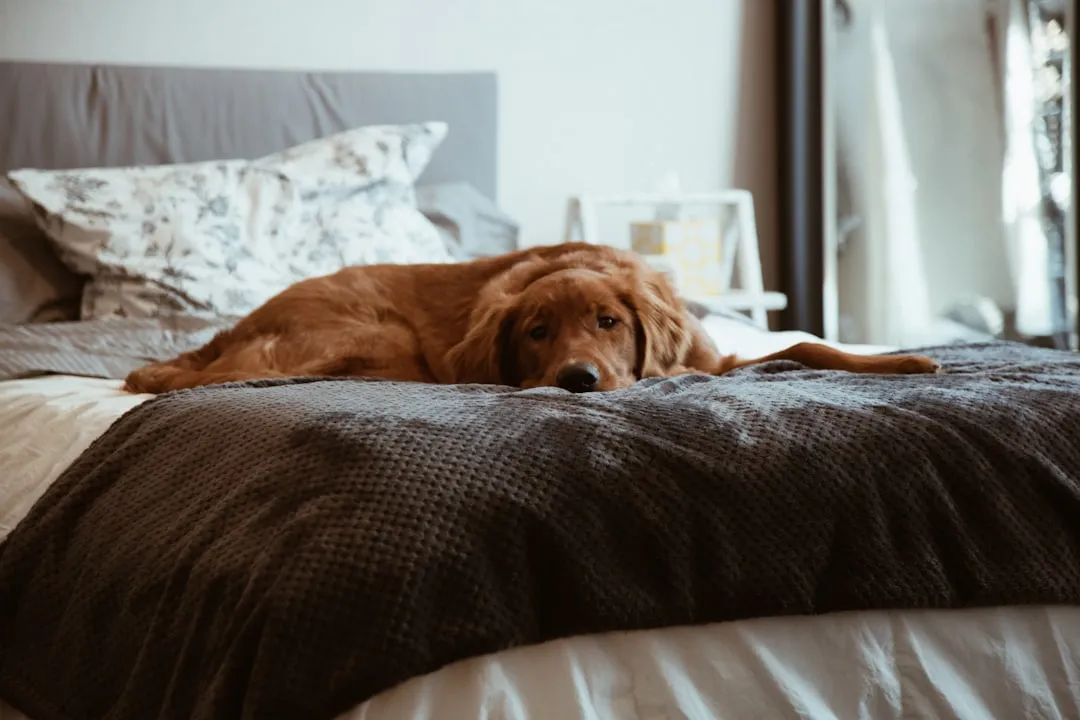
By the second hour, your dog’s brain starts leaning heavily on habit and routine. If you leave around the same time and follow similar rituals (same exit cue, same length of absence, same background sounds), your dog’s brain builds a prediction model: what usually happens, how long it tends to last, and what comes next. Predictability can lower the stress load. Their brain starts to associate your departure with patterns like napping by the window, chewing a safe toy, or listening to ambient household noise.
On the other hand, if your schedule is wildly inconsistent, your dog’s brain may stay in a more watchful state. Without reliable patterns, it cannot fully “file away” your absence as normal. That uncertainty can keep arousal systems partially switched on, making it harder for your dog to slip into deep rest. When you add supportive routines, like a food puzzle they only get when you leave, you essentially give their brain a story it can follow instead of leaving it stuck in suspense.
Sleep, Dreams, and Emotional Processing While You’re Gone
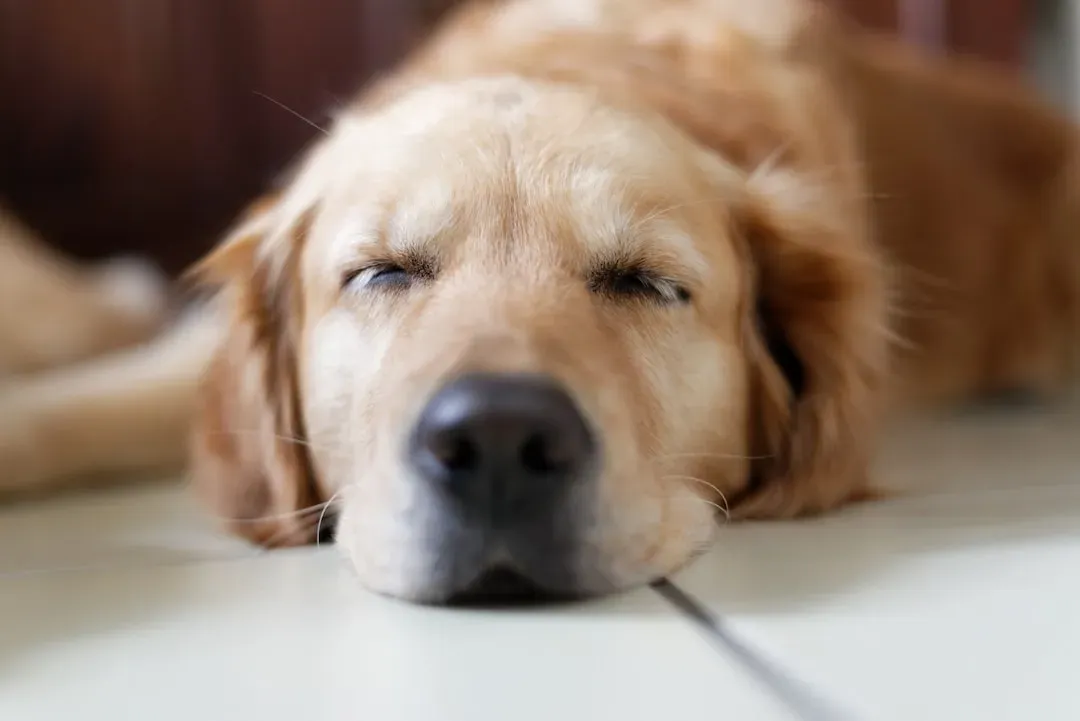
At some point in those first three hours, your dog is likely to fall into actual sleep, not just fatigue. Sleep is not just downtime; it’s a time when their brain consolidates memories, regulates emotions, and restores balance after stress. During the early sleep cycles, parts of the brain involved in learning and emotional processing become active in a different way, almost like reorganizing files after a chaotic morning.
You might have seen your dog twitch, paddle their paws, or quietly whimper in their sleep. Those dream-like states are thought to be one way the brain replays and processes experiences, including emotional ones. If your dog felt anxious after you left, sleep can help smooth some of that internal noise. Think of it as their brain’s built‑in repair crew coming in with mops and toolboxes once the emotional flood has started to recede.
Environmental Clues: How Your Dog’s Brain Tracks Time Without a Clock

Your dog does not read a wall clock, but their brain is surprisingly good at tracking patterns and time-like cues. Changes in light, neighborhood sounds, routine deliveries, or the hum of appliances turning on or off all serve as signals. Over repeated days, your dog’s internal rhythms sync up with these environmental clues. Their brain uses this patchwork of information to guess when big events, like your return, tend to happen.
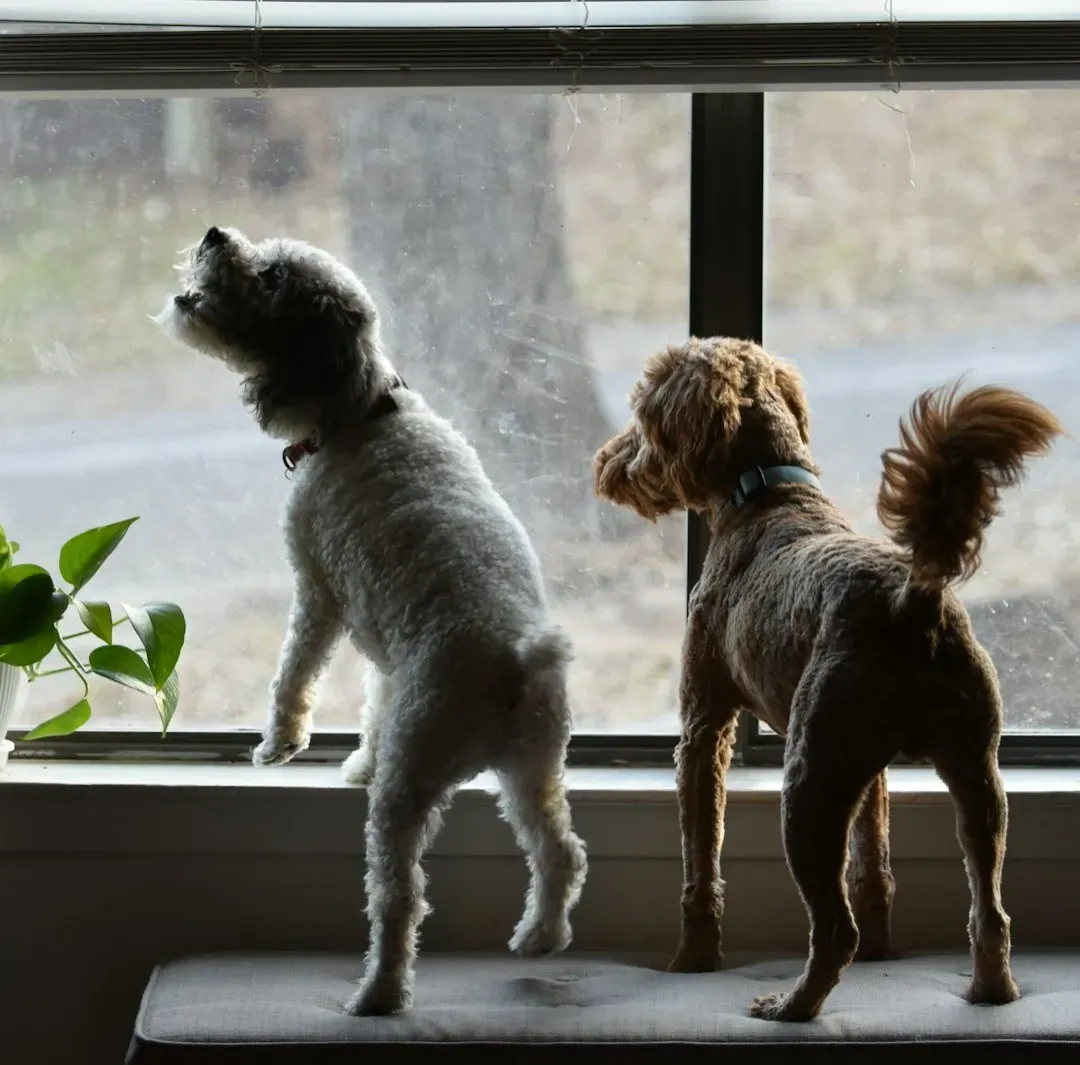
A few hours into your absence, their brain may start shifting from deep rest back to alert expectation if it has learned that you usually come home around a certain window. You might notice that your dog is at the door, at the window, or suddenly more awake right before you typically return. Their brain is predicting your arrival based on a blend of internal body clocks and external patterns, similar to how you might wake up just before your alarm goes off even when you do not hear it yet.
The Final Stretch: Anticipation and the Reunion Rush
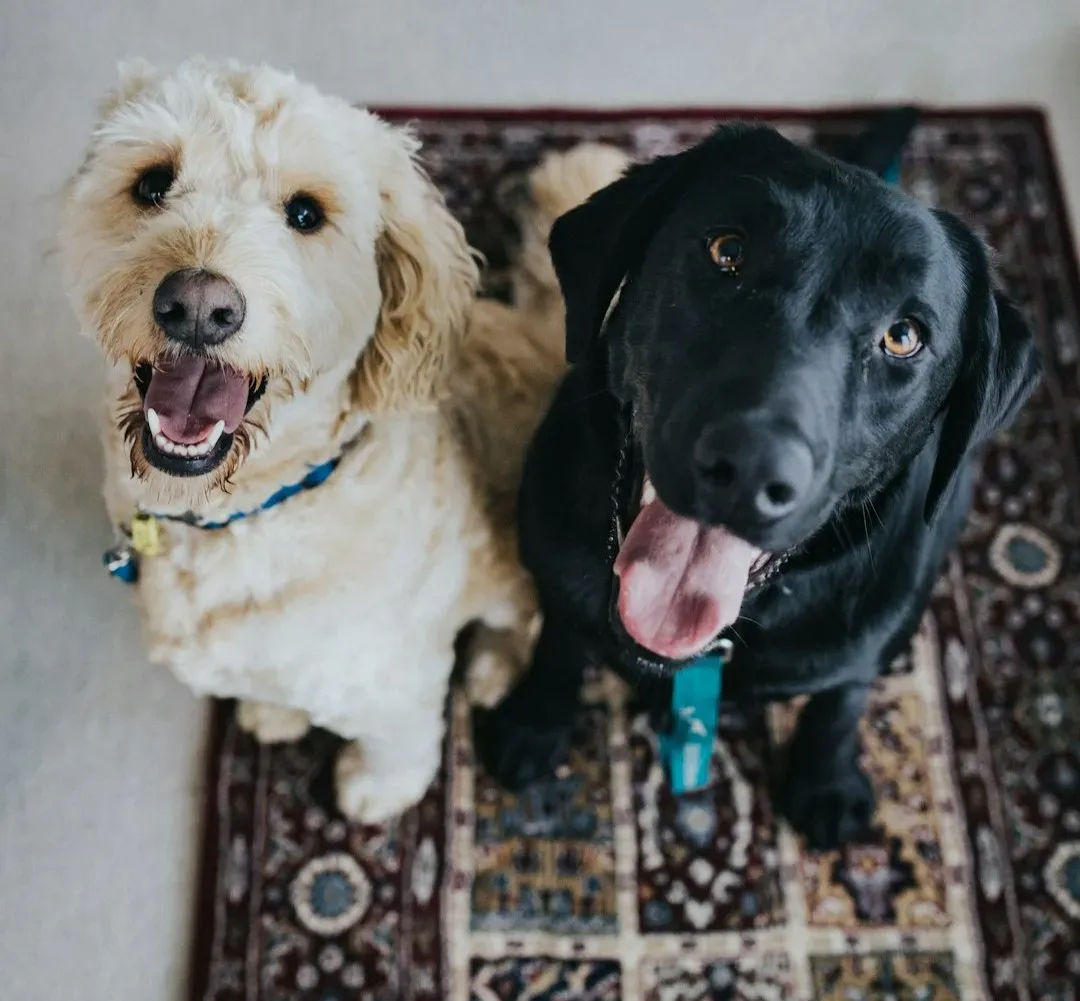
As you move into that third hour, your dog’s brain may swing back toward heightened activity, especially if this is close to your normal return time. When they hear familiar cues like your car, footsteps in the hallway, or your keys, reward circuits in the brain can light up quickly. Neurochemicals associated with pleasure and bonding surge, and the emotional center of the brain pivots from uncertainty to relief. That’s why their greeting at the door can feel so explosive and intense.
This reunion is not just excitement; it is a full-body release valve for hours of lower-level vigilance or outright anxiety. Your dog has been riding an emotional wave in your absence, and seeing you is the moment their brain can finally confirm that the story ends well. This is also why staying calm but warm when you come in, and giving a few seconds of grounded, gentle attention, can help your dog’s nervous system re-regulate instead of whipping back into chaos.
How You Can Gently Rewire What Happens in Those 3 Hours

The hopeful part is that your dog’s brain is not fixed; it’s plastic and constantly learning. Every time you leave and come back, you’re helping write the script of what those three hours feel like. When you pair your departures with predictable routines, calming activities, and gradual practice with short alone times, you’re teaching your dog’s brain that separation is uncomfortable but safe, and always followed by a reunion.
Over time, this can reduce the size of that first panic spike, lower overall stress chemistry, and make it easier for your dog to slide into rest and healthy sleep instead of constant hyper‑vigilance. Little choices – like not making a huge emotional scene when you leave, offering a special chew only during your absence, or working with a trainer if anxiety is severe – add up in your dog’s neural wiring. You are, in a very real sense, co‑authoring how their brain experiences the hours you are gone.
Conclusion: Seeing Those 3 Hours Through Your Dog’s Eyes
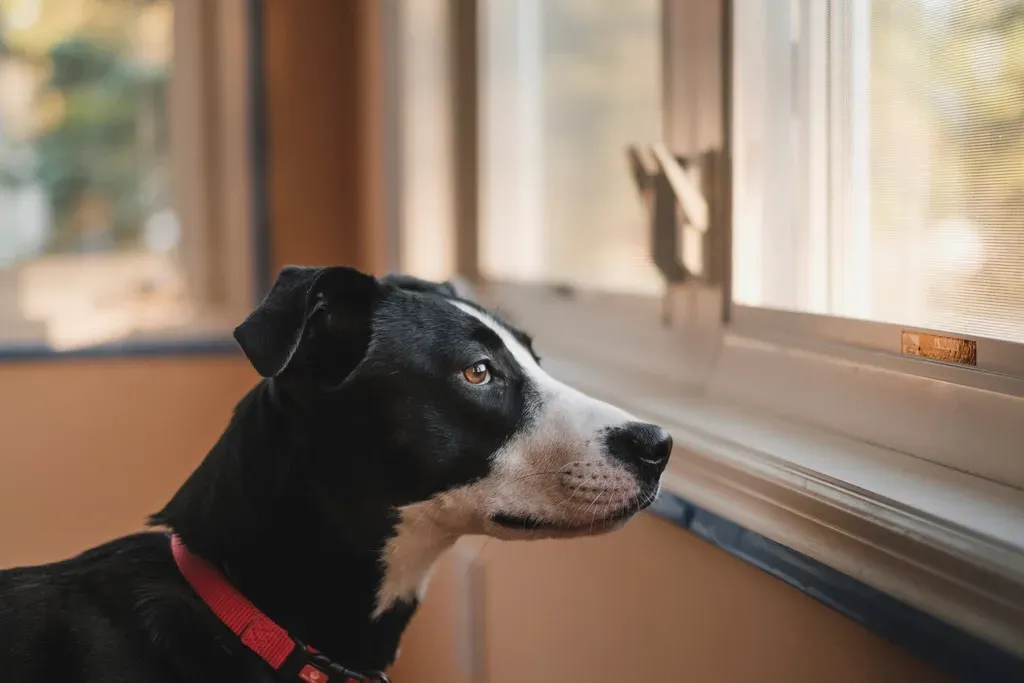
When you start to picture what your dog’s brain is doing in the hours after you leave, their behavior stops looking random or “naughty” and starts looking deeply understandable. There is a whole internal story playing out: a surge of alarm, a tug-of-war between stress and coping, moments of rest, and finally the wave of relief when you return. You are not just coming home to a wagging tail; you are stepping back into a nervous system that has missed you, worked hard to cope, and is incredibly glad the team is back together.
If you use that understanding to tweak your routines even a little, you can make those three hours feel less like a roller coaster and more like a predictable quiet time your dog can handle. With patience and consistency, their brain can learn that your absence is not a disaster, just a chapter. And once you see it that way, you may never look at that over‑the‑top greeting at the door in quite the same way again – what do you think your dog has been feeling all that time you were gone?