
There is a tiny slice of time, barely a minute and a half, that can completely change the way you feel: the moment someone you deeply care about steps into your line of sight. You know that micro-second of recognition, when your stomach does a quiet flip and everything feels just a bit lighter? That is not just romance or sentimentality. It is your brain firing up a full-blown chemical light show behind the scenes, long before you consciously think, there they are.
What makes this so wild is that most of it is automatic. You do not politely decide to feel a rush of warmth, or tell your heart to speed up like you are about to sprint; your brain just does it. In those first 90 seconds, a whole crew of neurochemicals sprint onto the stage: dopamine, oxytocin, norepinephrine, serotonin, even cortisol if there is a tinge of anxiety in the mix. Let us pull back the curtain and walk through, reaction by reaction, what is really going on inside your head when the person you love walks into the room.
The Instant Recognition Flash: How Your Brain Spots “Your Person” in a Split Second

The weirdest part is how fast it starts. Before you have fully processed their outfit or the expression on their face, parts of your visual system and memory network have already screamed: familiar, important, pay attention. Your brain’s visual pathway and regions involved in face recognition work together with memory centers to match this person’s features to a mental template you have built over time. It is a bit like facial recognition software, but soaked in emotion and history instead of clean code.
Within this first instant, your amygdala and other emotional regions scan for meaning: safe, loved, trusted. If your experiences with this person have been mostly warm and supportive, the emotional tag your brain slaps on their presence is strongly positive. This is why seeing a loved one across a noisy room can feel grounding and calming, even if nothing has been said yet. The recognition itself is not neutral; it is emotionally colored by every late-night talk, every fight you survived, every ridiculous shared joke that your brain still has indexed under this one face.
Dopamine’s Spark: The Anticipation High You Didn’t Choose

As soon as your brain labels this person as someone meaningful, the dopamine system perks up. Dopamine is less about simple pleasure and more about motivation and anticipation: the sense of wanting, rather than just liking. If you have had rewarding, comforting, or exciting experiences with this person in the past, your brain starts predicting more of that the second they appear. It is the same reward circuitry that lights up for your favorite food or a long-awaited message on your phone, only more layered and personal.
This dopamine activity can subtly shift how your body feels in those 90 seconds. You may notice a tiny surge of energy, a slight urge to move toward them, or a feeling that the room just got more interesting. You might fix your posture, adjust your hair, or suddenly become hyper-aware of how you are standing, even though you did not consciously plan any of that. It is your brain quietly saying this person matters, pay attention, lean in, and that drive is chemically powered, not politely requested.
Oxytocin and Safety: Why Their Presence Physically Softens Your Edges

Oxytocin is often called the bonding or attachment chemical, and while that nickname is oversimplified, it is not entirely wrong. When someone you love walks in, especially if they are associated with feeling safe and understood, your oxytocin system can become more active. This is the same hormone deeply involved in parent–infant bonding and affectionate touch, but its influence shows up even in something as simple as eye contact, a warm smile, or a familiar voice across the room.
In those 90 seconds, oxytocin can nudge your nervous system toward a sense of trust and connection. Your shoulders might drop a little, your breathing may ease, and your brain starts to treat the environment as less threatening simply because this person is now part of the scene. It is as if your internal alarm system dials down a notch when they are around. You do not sit there thinking, I am now safer, but your body quietly behaves like you are, and that shift is at least partly chemical, not just psychological storytelling.
Norepinephrine and Arousal: The Subtle Jolt That Makes Everything Sharper
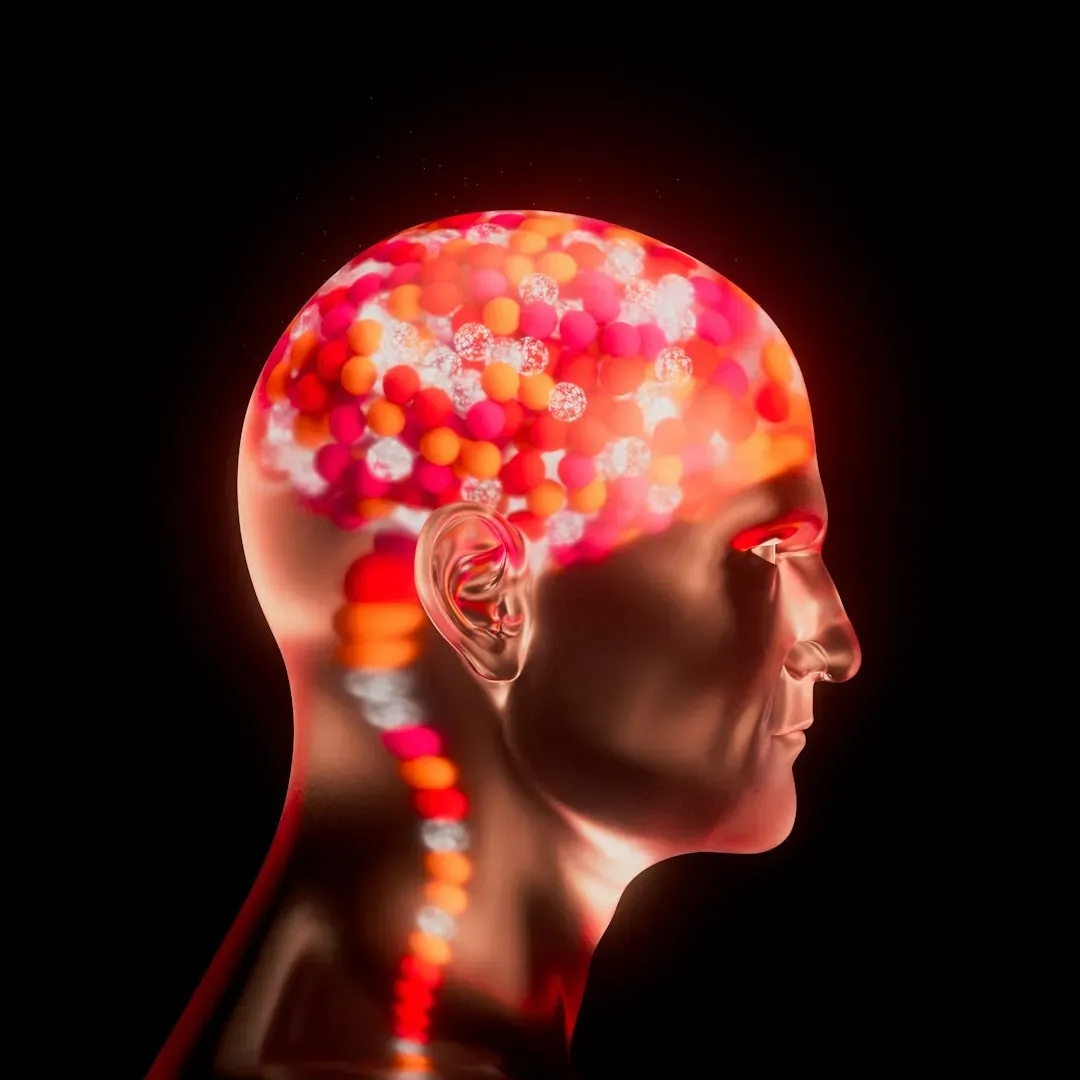
Love is not only about softness and calm; it often comes with a little spark of alertness, sometimes even a nervous buzz. That is where norepinephrine comes in, a chemical linked to arousal, focus, and the classic fight-or-flight response. When someone important to you appears, your brain may release a bit more of this chemical, making your senses feel slightly sharper. You might notice more details about the room, their expression, the way they move, all without consciously trying.
This is why love can feel both grounding and electrifying at the same time. Your heart might beat a bit faster, your palms may feel warmer, and your awareness tightens in on them, even if you are trying to act casual. It is the same system that floods you during stress, but tuned differently when the trigger is affection rather than threat. That small, uninvited surge of energy in your chest when they walk in is not you being dramatic; it is your noradrenergic system quietly turning the volume up on your attention.
Serotonin, Mood, and Memory: How Love Rewrites the Room’s Emotional Temperature
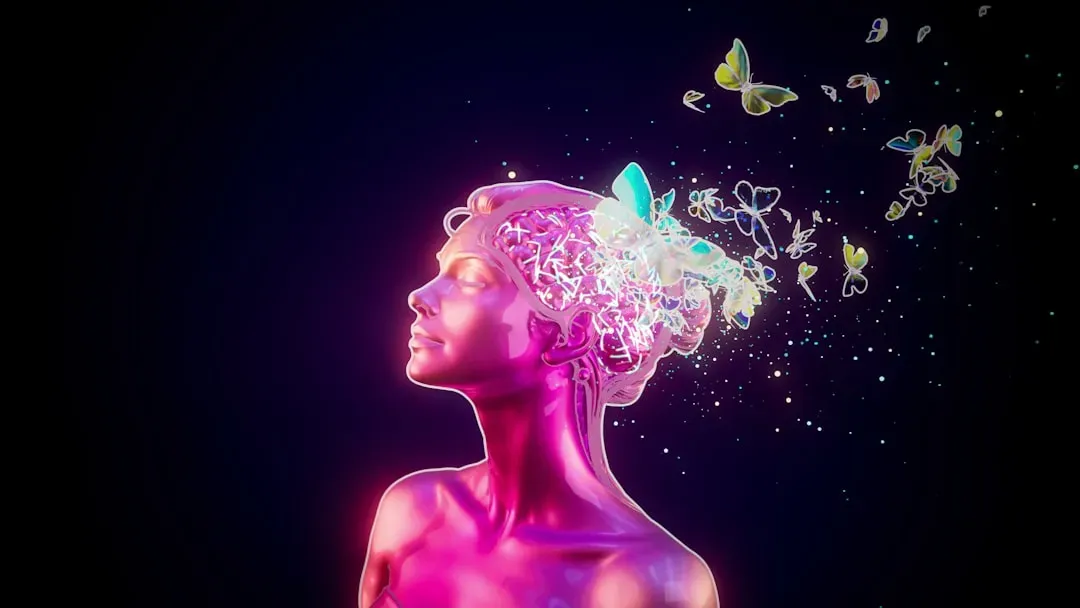
Serotonin is heavily involved in mood regulation and how your brain weights experiences emotionally over time. When someone you love walks into a room, your serotonin system does not suddenly explode in fireworks, but it is part of the deeper background that shapes how their presence affects you. If this relationship is stable and emotionally nourishing, their arrival can briefly tilt your mood toward the positive, making the entire environment feel more manageable and less overwhelming.
There is also a memory twist here. Over repeated experiences, your brain links this person with certain emotional states, and serotonin helps stabilize those patterns. So when they appear, it is not just about the present moment; your brain is subtly pulling in echoes of past joy, comfort, or even repaired conflicts. The result is that the room feels different now that they are in it, almost as if the emotional temperature has risen a few degrees. You may not label it as serotonin at work, but the lift you feel is not purely in your imagination.
Cortisol and Risk: Why Even Deep Love Comes With a Tiny Edge of Anxiety

Here is the uncomfortable truth: even healthy love carries a small amount of emotional risk, and your brain knows it. Cortisol, a key stress hormone, can be part of the 90-second cocktail too, especially if the relationship is intense, new, or has had its share of conflict. When they walk in, your brain not only anticipates connection and reward, it also scans for potential threat: are we okay, will there be tension, is something off in their mood today? That quick emotional check-in can stir up a light undercurrent of anxiety.
This is why you can adore someone and still feel your stomach tighten for a second when you see them unexpectedly. It is not a sign that the relationship is doomed; it is a sign that your brain understands that what matters can also hurt. Love makes someone emotionally powerful in your inner world, and cortisol reminds you that power is never completely without risk. In my view, pretending love is only soft, calm chemistry misses this important reality: part of why those 90 seconds feel so intense is because your brain is juggling both the comfort of attachment and the vulnerability of being deeply invested.
Conclusion: The Beautifully Unfair Truth About Those First 90 Seconds

When someone you love walks into a room, what happens in your brain is not gentle, tidy, or fully under your control. A network of systems lights up at once: recognition circuits, reward pathways, bonding hormones, arousal chemistry, mood regulators, and sometimes a small spike of stress. In just a minute and a half, your brain can shift your posture, your breathing, your mood, and even how safe the whole world feels, all because one familiar face crossed a doorway. That is not weakness or over-sensitivity; it is the cost of letting someone matter.
Personally, I think this is one of the strongest arguments against the idea that we can keep love purely rational and detached. Your brain simply does not care about your plans to stay cool and controlled; it runs its 90-second program anyway. You can work on how you respond after those chemicals hit, but you cannot opt out of the surge itself. In a way, that loss of control is the point: to love is to allow your nervous system to be changed by someone else’s presence. Knowing that, the real question becomes not whether these reactions happen, but who you are willing to let have that kind of power over your inner world.