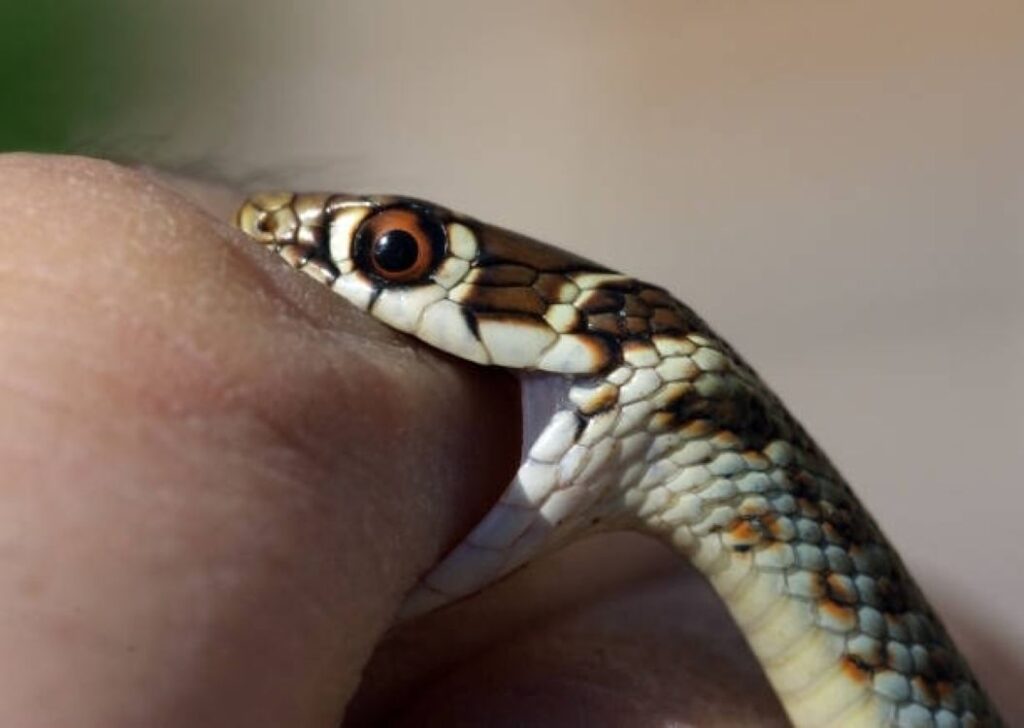
You probably imagine a snake bite as an instant, dramatic collapse like in the movies. One second you are fine, the next you are on the ground, gasping. The reality is a lot more subtle and, in many ways, much more unsettling. In the first sixty seconds after a venomous snake sinks its fangs into you, your body is already fighting for you, long before you feel the full danger of what just happened. It is a quiet, microscopic war that starts almost the moment the fangs break your skin.
Those first moments are confusing and easy to underestimate. Maybe the bite barely hurt. Maybe you did not even clearly see the snake. But inside your body, venom is spreading from the bite site into the tissues and tiny vessels, your immune system is waking up in panic mode, and your brain is trying to make sense of a rush of pain, fear, and adrenaline. Understanding what really happens in that first minute is not just fascinating; it can be the difference between making a smart move and a deadly mistake.
The Split Second of Impact: Fangs, Venom, and Skin
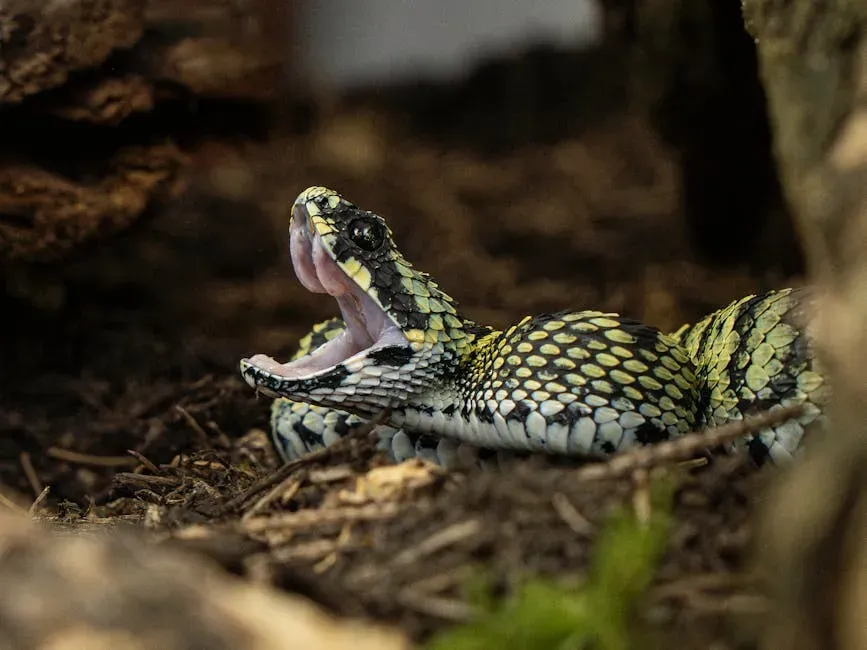
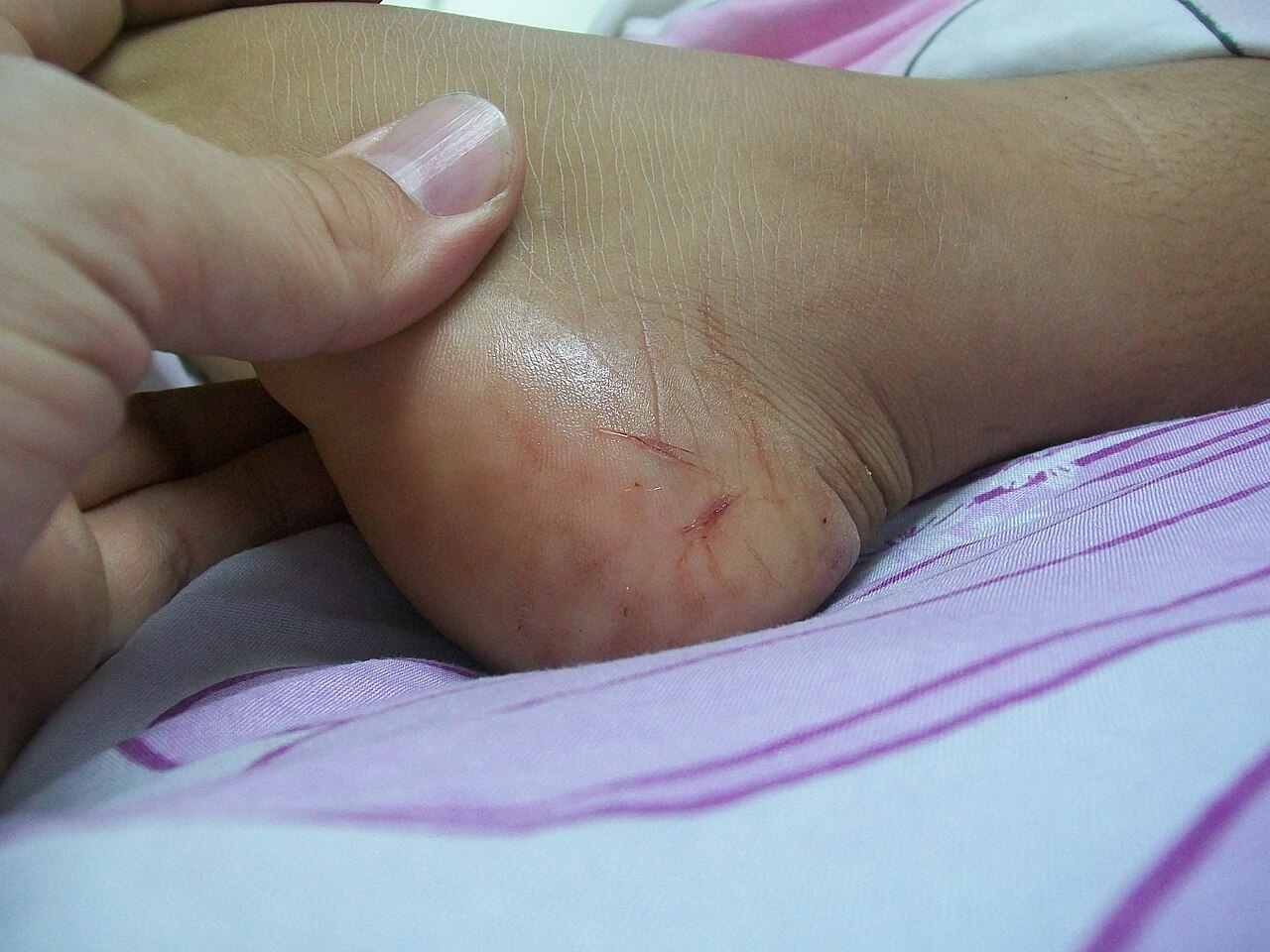
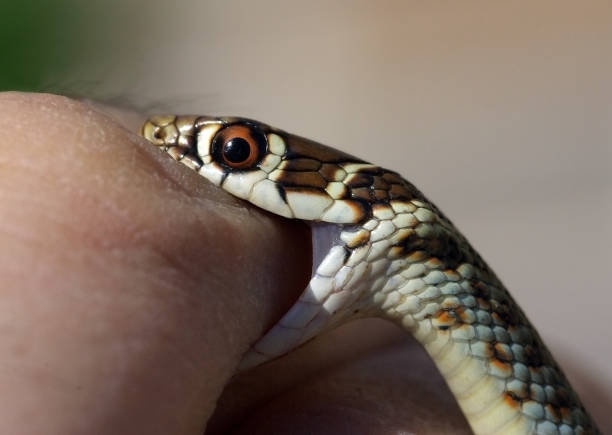
The very first thing that happens is mechanical, not chemical: the snake’s fangs puncture your skin like two hypodermic needles. Depending on the species, those fangs may be long and hinged, swinging forward as the snake strikes, or smaller fixed fangs that still deliver venom with surprising efficiency. This strike happens in a fraction of a second, often too fast for your conscious brain to fully register before it is already over. Many people describe it more like a sharp pinprick or quick jab than an explosive agony.
As soon as the fangs are in, muscles in the snake’s head and venom glands squeeze like a biological syringe, pushing venom down through hollow or grooved fangs into your tissues. The venom does not neatly drip into your bloodstream like in a lab demonstration; it is injected into the soft tissue under your skin or into the muscle layer. From there it starts to seep and spread through the fluid-filled spaces between cells and into tiny blood and lymph vessels. In those first seconds, the dose, depth, and location of the bite quietly define how serious this is going to be, even though you cannot see that calculation happening.
Venom on the Move: How It Starts Spreading in Seconds
Within moments, your body becomes a living transport system for venom. The fluid between your cells acts like a slow-moving highway, allowing venom molecules to diffuse outward from the bite site. Some venom components begin slipping into small blood vessels almost immediately, but in many bites, the lymphatic system becomes the main early route. The lymph vessels, which normally drain excess fluid and carry immune cells, now start ferrying venom toward nearby lymph nodes and eventually into the central circulation.
Movement matters a lot in this early stage. Muscle contractions from walking, running, or even panicking and flailing your bitten limb can speed up lymph flow, effectively helping the venom get into your system faster. That is why medical guidance in many regions emphasizes staying as still and calm as possible after a suspected venomous bite. In that first minute, the venom is mostly still local, but the clock is ticking, and every unnecessary movement is like stepping harder on the accelerator.
Pain, Burning, and Swelling: Your Nerves Sound the Alarm
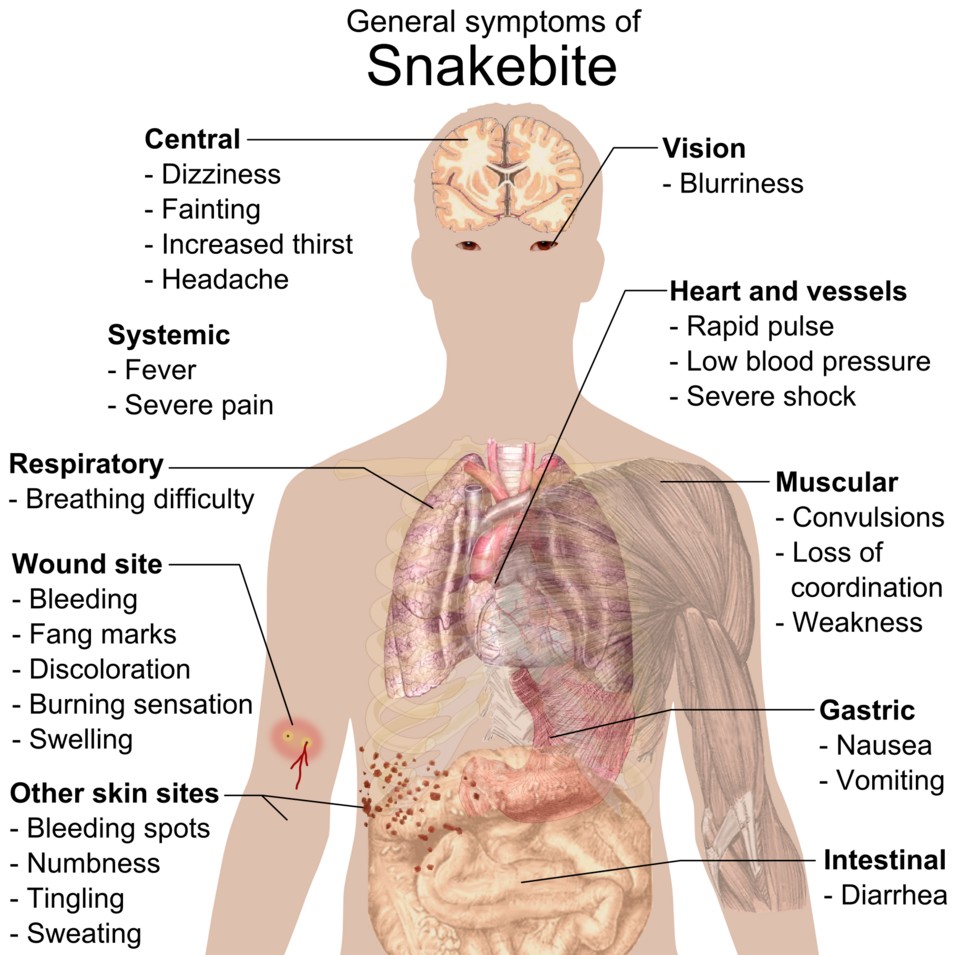
Almost at once, your nervous system starts screaming that something is wrong. Many venomous snakes, especially vipers, deliver venom that triggers pain receptors in the skin and deeper tissues. You may feel a sharp sting at the exact moment of the bite, followed by a burning or throbbing sensation that seems out of proportion to the tiny wounds you can see. That early pain is your body’s alarm bell, driven by local tissue damage, inflammatory chemicals, and sometimes direct toxin effects on nerve endings.
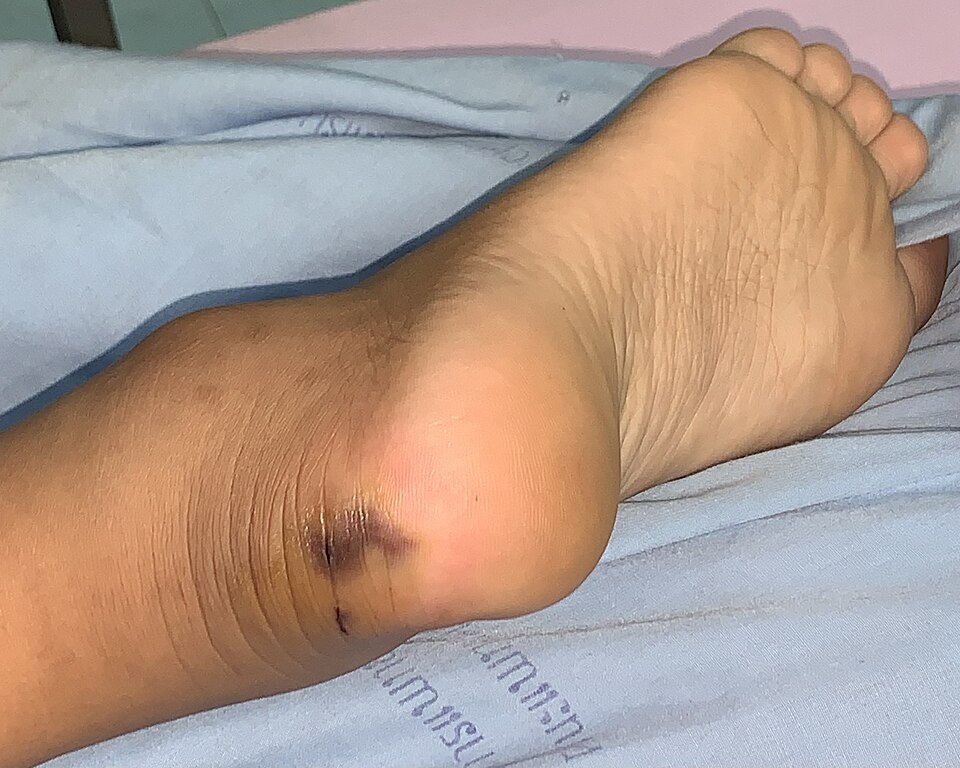
In the first sixty seconds you might also notice redness or mild swelling beginning near the fang marks, though in some bites that visible swelling takes longer to clearly appear. Small blood vessels can start to leak fluid as inflammatory signals are released, and that leakage sets the stage for the classic puffiness around the bite site. Some snake venoms contain components that break down cell membranes and connective tissue, so even though you do not see it, a microscopic level of destruction can begin surprisingly quickly. The scary part is that a bite might feel only mildly painful at first and still be extremely dangerous, especially with neurotoxic species, so judging severity by pain alone is a risky game.
The Immune System Wakes Up: Local Inflammation and First Defenses
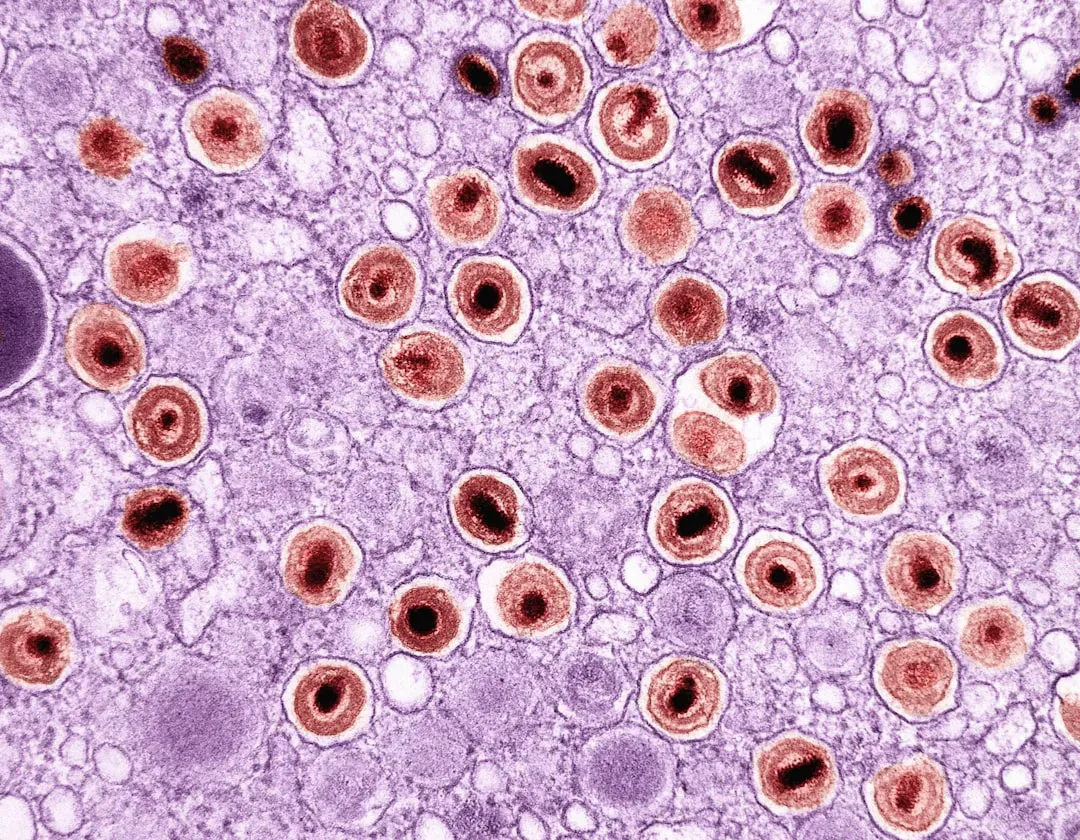
As soon as venom components hit your tissues, your immune system treats them like a serious invasion. Cells near the bite start releasing alarm chemicals that call in reinforcements, dilate local blood vessels, and increase their leakiness. This is the body’s standard playbook for dealing with toxins or infections: get more blood, more immune cells, and more defensive molecules to the scene as fast as possible. In the first minute, that response is just starting, but the instructions have already been shouted over the body’s internal intercom.
White blood cells that patrol nearby are among the first responders, migrating toward the bite zone along chemical gradients. While they cannot neutralize venom the way antivenom does, they do begin trying to clear damaged cells and limit tissue destruction. Ironically, this helpful inflammatory response is part of why bites become swollen, hot, and tender. Your body is trying to save you, but the very process of fighting back can sometimes add to the visible damage and discomfort, especially as the minutes stretch into hours.
Adrenaline, Fear, and the Brain’s Instant Reaction
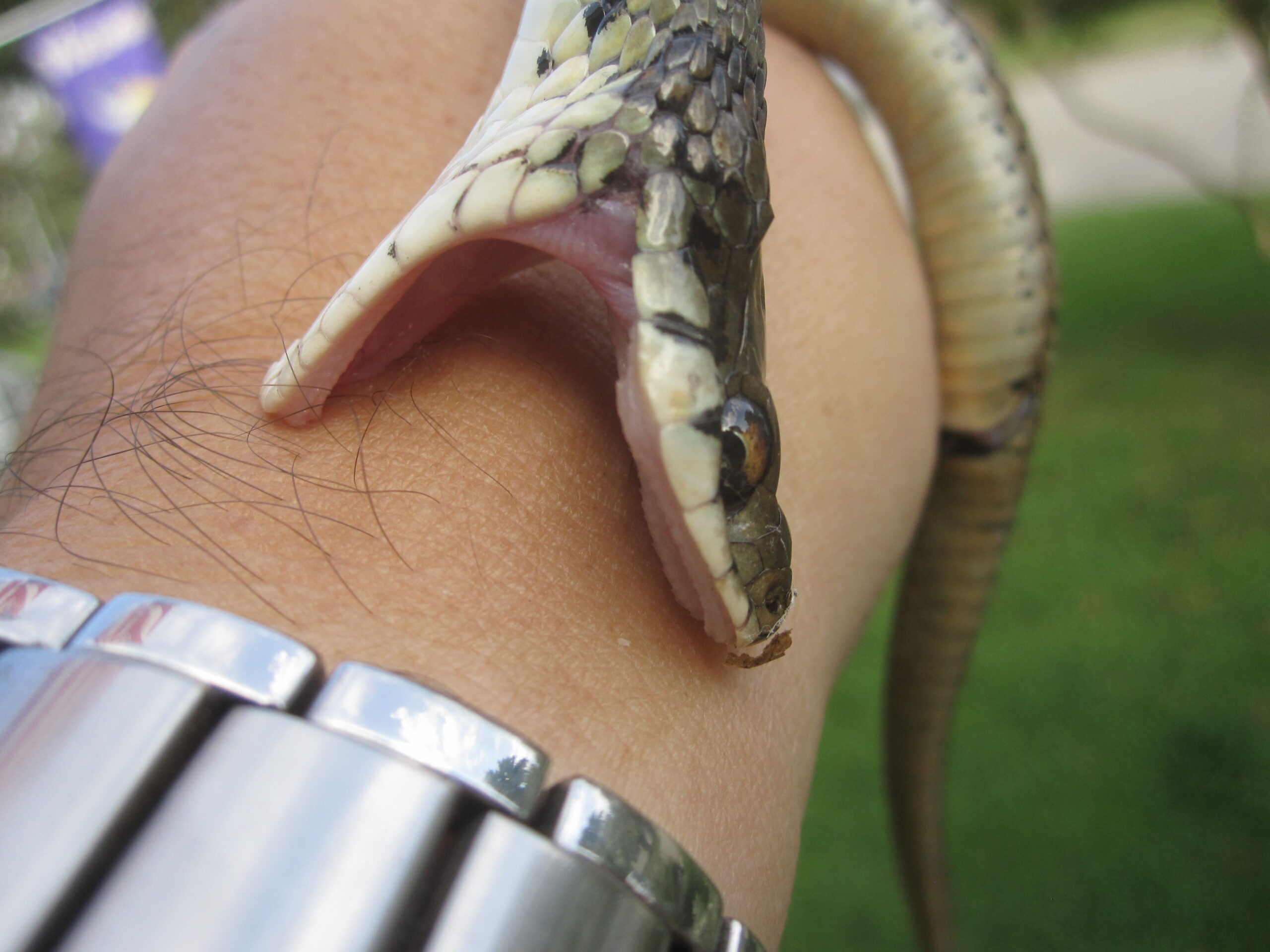
By the time you realize you have been bitten by a snake, your brain is already building a story around it. Fear, shock, and even disbelief hit quickly. Your brain flags this as a survival-level threat, and that lights up your stress response. Adrenaline and other stress hormones start to surge, speeding up your heart rate, sharpening your focus, and sometimes making you feel almost detached, like you are watching it happen to someone else. This reaction is not just emotional drama; it changes how your entire body behaves in that first minute.
Adrenaline makes your heart pump faster and your blood vessels constrict or dilate in different regions, which can slightly influence how quickly venom distributes once it reaches the circulation. You might tremble, feel lightheaded, or get nauseated, and those sensations can make it hard to think clearly. A lot of people in that first minute either freeze completely or overreact, sprinting around in panic. From a purely physiological standpoint, the calm, boring response – stay still, call for help, immobilize the limb – is far better than the dramatic one. Your brain, however, often needs to fight its own instincts to get there.
Heart, Blood, and Lungs: What Changes Immediately (and What Does Not)
In most venomous bites, your heart does not simply stop beating in the first sixty seconds, no matter how terrifying it feels. What usually happens instead is subtler: stress and pain push your heart rate up, and your blood pressure may spike briefly as your body braces for danger. Some venoms do contain components that affect blood vessel tone or heart function, but their significant effects usually take more than a minute to become obvious. The early cardiovascular changes you feel are more about your own stress hormones than the venom itself.
Your breathing also tends to quicken in those first moments. You may start taking fast, shallow breaths because of fear, pain, or the shock of seeing the bite. With strongly neurotoxic snakes, like some cobras or mambas, the venom will eventually interfere with the nerves that control breathing muscles, but that is typically not an instant effect. The first minute is less about venom shutting your lungs down and more about you hyperventilating because you are scared. Ironically, that hyperventilation can make you dizzy and intensify your sense of doom, even while your oxygen levels are still normal.
Local vs Systemic: Why the First Minute Can Be Deceptively Calm
Maybe the most unsettling truth about the first sixty seconds after a snake bite is how normal you can still feel. Aside from localized pain and the emotional shock, a lot of people are still walking, talking, and thinking they might be overreacting. That deceptive calm is because, for many bites, the venom is still mostly pooled around the bite site and has not yet fully flooded the bloodstream or distant organs. Your body is at the beginning of a process that may unfold over many minutes or even hours, not in a single dramatic instant.
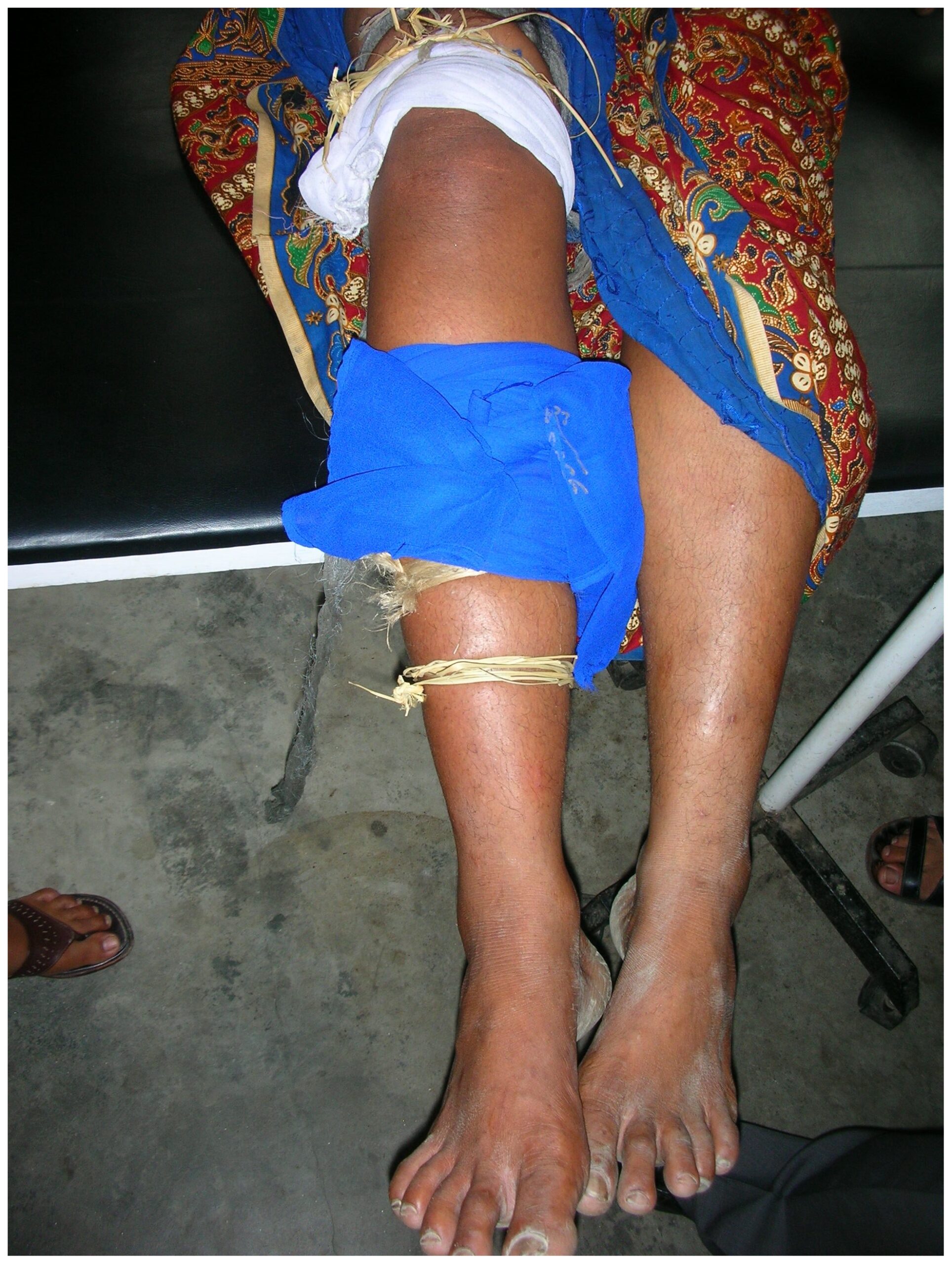
This is also why dangerous myths – like cutting the bite, sucking out venom, or applying a tight tourniquet – often creep in during this calm window. People feel like they should do something dramatic because they do not yet feel dramatic symptoms. In reality, the smartest move in that quiet first minute is almost frustratingly simple: restrict movement, keep the bitten area at or slightly below heart level, remove tight jewelry or clothing near the site, and get medical help as fast and safely as possible. The body is already doing its part inside; your job is to not make things worse while you wait for professionals and, if indicated, antivenom.
Why Those First 60 Seconds Matter More Than They Look (Opinionated Conclusion)
In my view, the most dangerous thing about a snake bite is not the instant collapse fantasy we get from movies, but the false sense of “I feel okay, maybe it’s not that bad” in those first sixty seconds. That quiet minute tricks people into delay, denial, and do-it-yourself heroics that often do far more harm than good. Your body is not waiting to see how serious this is; it is already reacting, already spreading venom, already trying to fight back at the microscopic level. Just because you are still standing does not mean the situation is under control.
I think we seriously underestimate how powerful simple, boring actions can be in that first minute: staying still, staying calm, and getting help without drama may feel passive, but they are some of the most actively life-saving choices you can make. Snake bites are not moral tests of bravery or toughness; they are medical emergencies that punish pride and hesitation. The next time you imagine a snake bite, picture that first quiet minute not as a pause before the real crisis, but as part of the crisis itself – a tiny window where your decisions can shift the outcome. If you ever find yourself in that moment, will you trust your fear, or will you trust the biology playing out beneath your skin?