
There is a strange, almost unsettling truth about the mind: some of its most mysterious abilities only show up when life completely falls apart. People walk away from car wrecks remembering sounds in slow motion, victims of violence sometimes feel like they floated out of their bodies, and others emerge from disasters with eerie flashes of crystal‑clear detail or with gaping blackouts where hours should be. Extreme trauma does not just hurt the body; it bends, distorts, and sometimes fractures human awareness itself.
Understanding what really happens here is not just an academic exercise. It changes how we think about memory, responsibility, healing, and even what it means to be a person. When we dig into the science behind trauma, we discover that many things survivors report – feeling unreal, becoming numb, watching themselves from the outside – are not signs of weakness or madness, but the brain’s desperate strategies to keep us alive. Once you see how awareness behaves under pressure, you may never look at your own mind the same way again.
When Time Breaks: Why Moments of Trauma Feel Surreal and Slow
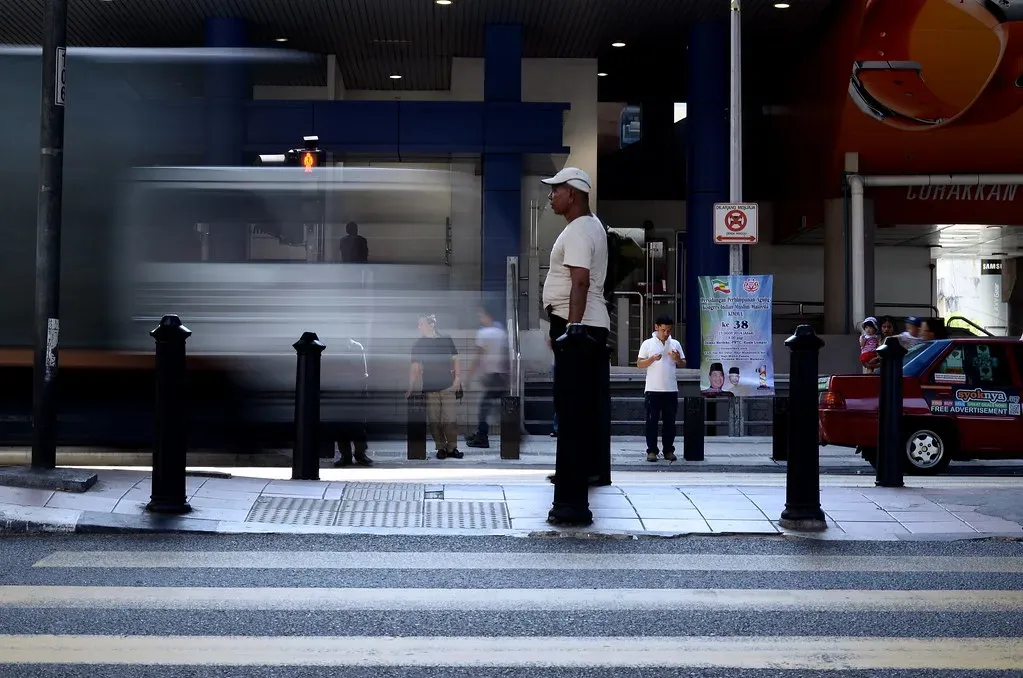
Ask people about their worst moments, and you’ll hear a similar theme: time went weird. Some recall every millisecond of a crash as if the world switched to slow motion; others say the entire event felt like a jump cut in a movie, here one second and gone the next. What is actually happening is not that physics changed, but that attention and memory systems went into emergency mode, tracking only certain pieces of information with frightening intensity while skipping others entirely.
Under extreme threat, the brain’s arousal systems surge, narrowing focus to whatever might mean survival – an approaching impact, a face, an escape route. This spike in intensity can make experiences feel either hyper‑detailed or strangely distant, depending on the person and the situation. Later, when people look back, the oddly stretched or missing chunks of time are not proof that their stories are unreliable; they are reflections of how the brain tried to manage a moment it was never designed to process calmly.
The Brain’s Emergency Mode: Fight, Flight, Freeze… and Shutdown

We’re all familiar with “fight or flight,” but that’s only part of the story. Under extreme trauma – serious violence, sexual assault, war, life‑threatening accidents – the nervous system can go far beyond fight or run. It can freeze like an animal caught in headlights, or even shift into a kind of shutdown, where awareness narrows, the body goes limp, and the person appears oddly calm or detached despite horrifying events.
This shutdown response is not a character flaw; it’s hard‑wired. When escape seems impossible, the brain sometimes decides that minimizing pain and energy use is the best remaining strategy. People later might judge themselves mercilessly for not fighting back or screaming, but their awareness and body were following an ancient survival script. In my opinion, one of the most damaging myths we still carry is that “real victims” always resist or react loudly. Biology simply doesn’t work that way.
Dissociation: When Your Mind Steps Out of the Room

One of the most shocking things trauma survivors describe is the feeling of watching themselves from outside their own body, or of floating somewhere above the scene, like an unwilling spectator. Others report a sense that the world suddenly went flat, distant, or dreamlike, as if a thick sheet of glass had dropped between them and reality. This phenomenon, often called dissociation, is not rare in extreme trauma – it is a known way awareness tries to shield itself from unbearable pain.
Think of it as the brain pulling a psychological fire alarm: if the full emotional impact of what’s happening would be overwhelming, awareness may partially disconnect from bodily sensations, emotions, or even the sense of self. In the moment, this can allow someone to endure what would otherwise be unendurable. Later, though, that same protective distance can feel deeply confusing and frightening. People might wonder whether they are “crazy” or whether the event really happened at all. The painful reality is that dissociation is both a lifeline during trauma and a complication in its aftermath.
Memory Under Siege: Why Trauma Is Remembered Too Much – or Not at All

Traumatic memories are infamous for being both too vivid and strangely incomplete. Some survivors are haunted by intrusive flashes of specific sounds, smells, or images that pop up out of nowhere, while other parts of the event stay frustratingly blurry. Others struggle with partial or near‑total amnesia for parts of what happened, especially if they were very young, dissociated heavily, or intoxicated at the time. This uneven memory is not a sign that nothing happened; it is a sign that the normal memory‑encoding process was shattered.
Under extreme stress, the brain systems that normally weave experiences into a coherent, time‑stamped story can be disrupted. Instead of a clear narrative, you get fragments – like a box of photos with no labels. Some fragments are too sharp, slamming into awareness as nightmares or intrusive images; others are faded or missing because awareness simply was not fully present to record them. This is why therapy for trauma so often involves gently helping people build a more organized story from scattered pieces, while being very honest about what may never be fully retrieved.
The Body Remembers: Awareness Beyond Thoughts and Words

One of the most eerie aspects of trauma is how the body can remember what the mind has tried to forget. People may find their heart racing, hands shaking, or stomach knotting up when they smell a certain cologne, hear a specific tone of voice, or pass a street corner that “feels wrong” without knowing why. This is awareness, too – not in the form of conscious memory, but through physical reactions that reflect old danger maps stored in the nervous system.
In a sense, trauma can divide awareness into layers: the thinking mind may insist everything is fine, while the body is already bracing for impact. This mismatch can be maddening. It can also be a clue. Sometimes the body’s reactions point to unresolved experiences that never had a safe chance to be processed. Approaches like mindfulness, somatic therapies, or even simple grounding techniques are not trendy buzzwords here; they are attempts to bring bodily awareness and conscious awareness back into the same room.
Changing Selves: How Extreme Trauma Reshapes Identity and Worldview

Awareness is not just about noticing thoughts and sensations; it is also about knowing who you are and what kind of world you live in. Extreme trauma can crack both of those foundations. People find themselves asking heavy questions: Am I still the same person? Can I trust anyone? Is the world basically safe or fundamentally dangerous? These are not abstract philosophical puzzles; they are the mind’s desperate attempts to rebuild a shattered internal map.
Some people come out of trauma feeling permanently damaged or contaminated, carrying a sense of shame that seeps into every part of life. Others eventually discover what is sometimes called post‑traumatic growth – a deeper appreciation for life, stronger boundaries, or a renewed sense of purpose. I think it’s important not to romanticize that growth; no one needs trauma in order to become wise. But it is equally important not to assume that trauma can only destroy. Awareness under pressure can reorganize, adapt, and occasionally forge a fiercer, more honest self than the one that existed before.
Healing Awareness: Can the Mind Ever Feel “Normal” Again?

One of the hardest questions survivors wrestle with is whether they will ever feel normal again – or whether the distortions in time, memory, emotion, and selfhood are permanent. The honest answer is that there is no single trajectory. Some people gradually see their awareness settle: the nightmares ease, the body calms, memories become less jagged, and life feels livable again. Others live with long‑term shifts, like a chronic sensitivity to threat or a lower tolerance for chaos, even after serious healing.
But “normal” might not be the right goal. In my view, the real work is helping awareness become more flexible and less trapped by the past. That might mean trauma‑focused therapy, medication for symptoms like anxiety or depression, breathing practices, movement, community support, or rebuilding daily routines that make life feel predictable and safe. I won’t pretend this is quick or easy. Still, every time someone turns a flashback into a story they can tell, or learns to ride out panic without believing they are about to die, that is awareness reclaiming space that trauma once occupied.
Conclusion: Trauma Warps Awareness, But It Also Reveals Our Depth

Extreme trauma shows us what human awareness looks like under maximum strain: time bends, memory fractures, the self detaches, the body screams while the mind goes numb. These are not random glitches; they are desperate adaptations from a brain trying to keep its owner alive at any cost. I think we do survivors a serious injustice when we treat these responses as signs of weakness, instability, or unreliability. In many ways, they are proof that the system did everything it could with an impossible situation.
At the same time, trauma forces us to admit something uncomfortable: our sense of being steady, coherent, and fully in control is more fragile than we like to believe. Awareness is not a solid object; it is a living process that can stretch, split, and slowly knit back together. To me, the most hopeful truth is that while trauma can mark us deeply, it does not get the final say on who we are. The question is not whether we can go back to who we were before – that version may be gone – but how we choose to live with the versions of ourselves that survived. If you look honestly at your own life, how has your awareness already changed in the wake of your hardest moments?