Open your eyes and a storm of invisible decisions erupts: your brain sorts wavelengths, guesses at shadows, corrects for weird lighting, and then quietly hands you a world that feels stable and true. Color isn’t merely a coat of paint on reality; it is an ongoing negotiation between light and the mind. That’s why arguments over a viral dress can split a dinner table, while a painter and a physicist can both be right – for different reasons. Today, researchers are decoding how color guides memory, mood, and even safety, and the story turns out to be far more gripping than a rainbow poster. The mystery is not just which colors we see, but what our brains choose to mean by them.
The Hidden Clues
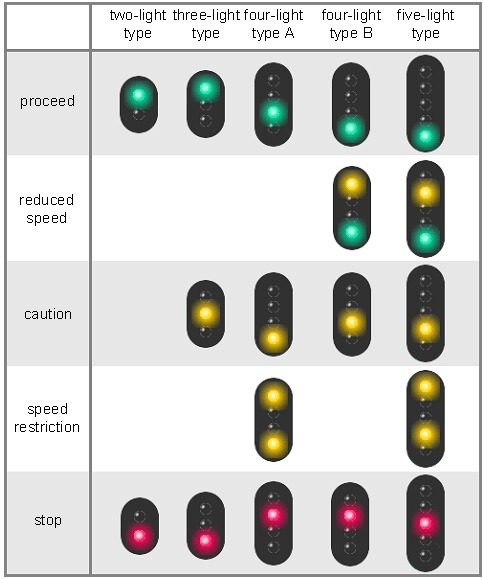
What if color is your brain’s fastest whisper, the signal that slips in before conscious thought? In crowded scenes, color acts like a traffic warden, flagging ripe fruit, a brake light, or the red edge of a warning label before shapes fully resolve. That split-second head start saves time and, sometimes, saves us.
On a museum tour, I once noticed how a cool-blue gallery felt almost hushed, as if the walls absorbed noise along with light. Step into a room washed in saturated amber, and conversations quicken; menus seem friendlier; faces warm. Your brain reads these shifts like weather, updating expectations about comfort, speed, and risk long before you can explain why.
From Ancient Tools to Modern Science
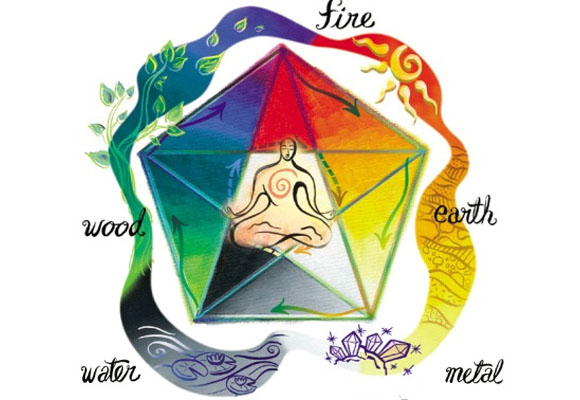
Ancient artisans crushed minerals into pigments not just to decorate, but to encode meaning – think of cinnabar’s purposeful boldness or indigo’s status signaling. Early dyers were, in their way, chemists who learned that some hues held fast in sunlight while others vanished like rumors. Color was technology long before we had the word.
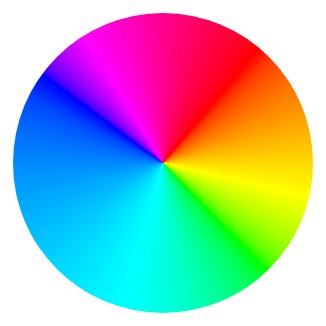
Modern labs swapped mortars for lasers and microelectrodes, tracing color from photons to perception. Spectrometers map wavelengths that span roughly from violet at the short end to red at the long end, while neuroscience follows the signal through the retina, optic nerve, and into cortex. Across that route, physics is filtered by biology and then polished by experience.
How the Brain Builds a Rainbow
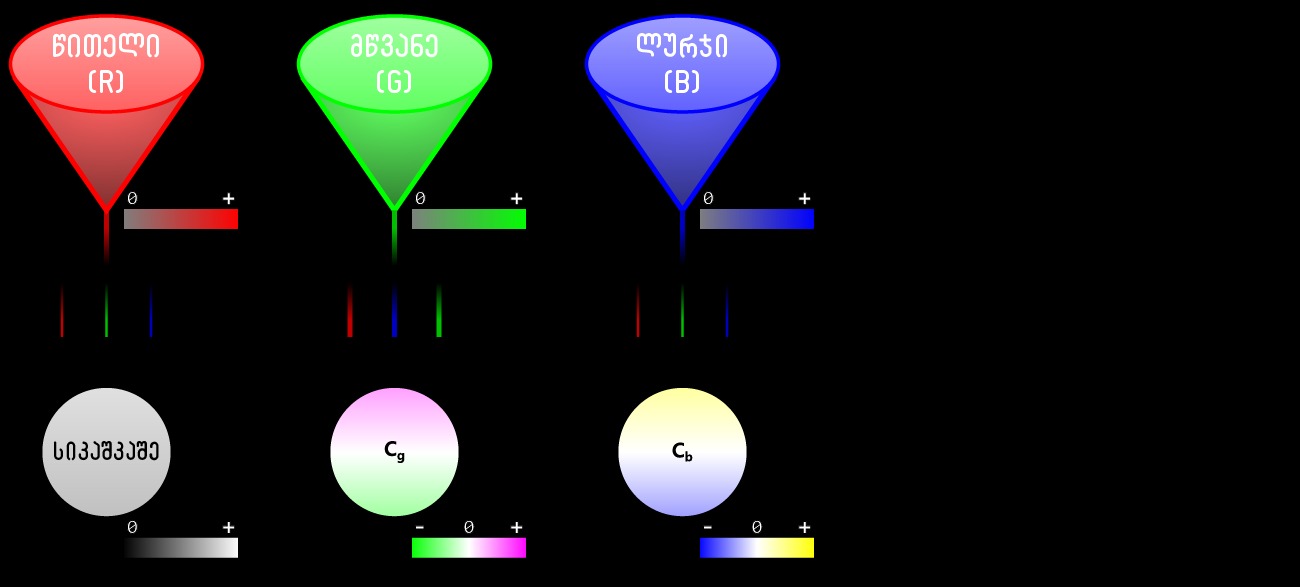
In the retina, three kinds of cone photoreceptors – often nicknamed short-, medium-, and long-wavelength cones – turn light into electrical chatter. Their outputs are combined in opponent pairs, so your visual system compares red versus green and blue versus yellow rather than reading color as stand-alone notes. This comparison strategy sharpens differences, the way a good audio mixer clarifies a voice against background noise.
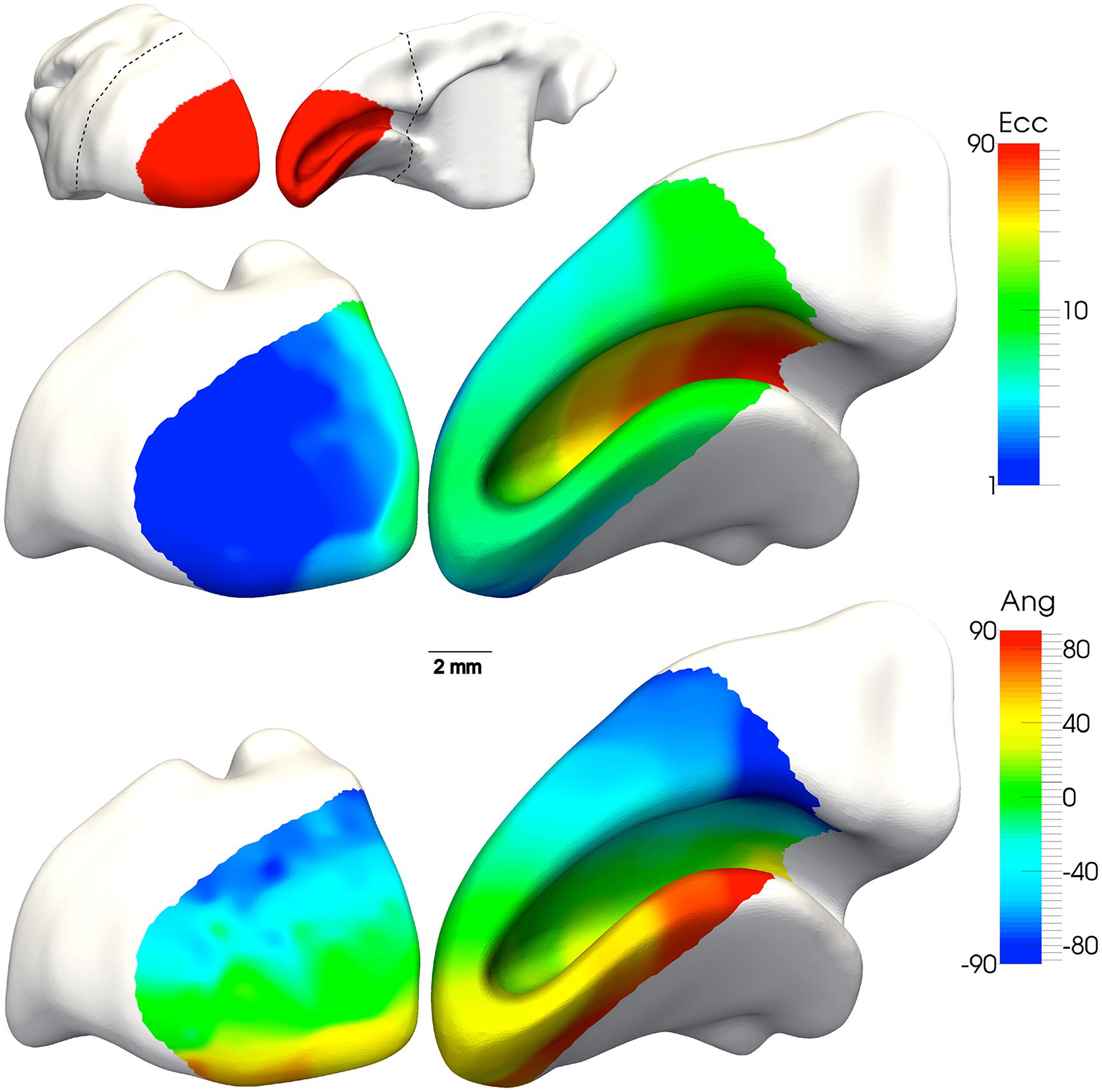
Signals pass through the lateral geniculate nucleus and fan out to the visual cortex, where regions help with edges, surfaces, and ultimately stable color identity. A clever trick called color constancy keeps a strawberry looking “red” under both noon sun and kitchen bulbs by factoring in the light source. The result isn’t a raw measurement of wavelengths; it’s your brain’s best inference about what the world is really made of.
Invisible Influences: Color, Emotion, and Decision-Making
Color can nudge choices the way a friend leans toward a dessert menu – subtle, persistent, easy to miss. Warm hues often feel closer and more urgent, a feature that safety designers exploit in brake lights and hazard signs. Cooler tones can slow pulse and encourage longer glances, which is why maps, dashboards, and hospital wayfinding often lean on blue and green.
These effects aren’t magic, and context matters. A deep red in a sports arena can energize, while the same red in a medical form can raise anxiety. The brain is a context detective, blending learned associations with immediate goals to decide whether color is a nudge or a warning.
Global Perspectives: Culture, Language, and the Colors We See
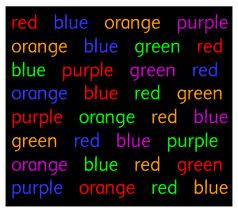
Not every language slices the spectrum the same way, and that changes what people notice first. Some communities group what English separates, while others create extra boundaries around certain blues or greens. Those linguistic fences can fine-tune perception so that differences across a category pop faster for trained eyes.
Yet there are striking common threads: light–dark distinctions matter nearly everywhere, and red often carries high signal value in art, textiles, and ceremony. Biology sets the stage with shared photoreceptors, while culture edits the script, assigning character and consequence to particular hues. Color is both a human universal and a local accent.
Why It Matters: Health, Safety, and Everyday Choices
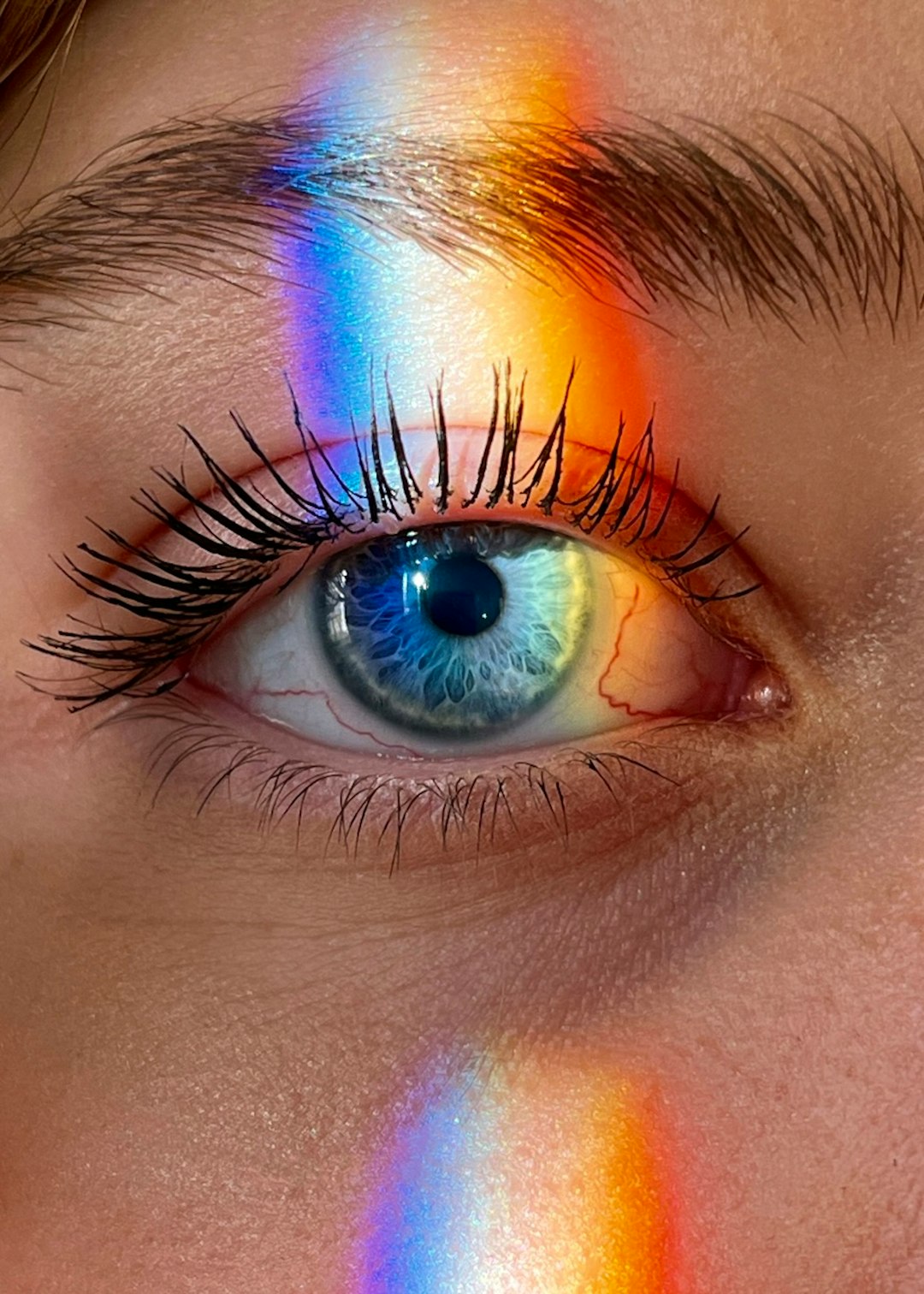
Understanding color is not just aesthetics – it’s public health and design ethics. Nearly one in twelve men and a much smaller share of women live with some form of color vision deficiency, which can make red–green distinctions treacherous on maps or dashboards. When interfaces rely only on color to convey meaning, people can miss critical cues.
Good design doubles up signals: color plus shape, color plus text, color plus position. In hospitals, reliable color coding of lines and medications reduces errors, while in aviation and automotive displays, careful palettes improve legibility and reduce fatigue. The payoff is simple: when color speaks clearly, decisions come faster and safer.
The Future Landscape: Screens, AI Vision, and Climate-Shifted Color
Ultra-bright, wide-gamut screens are rewriting digital color, expanding the range of reproducible hues beyond what many older devices could show. That progress creates new challenges in calibration and accessibility, because the same photo can look startlingly different across phones, laptops, and billboards. Expect smarter color management that adapts on the fly to ambient light and individual vision profiles.
AI systems are also learning color semantics – tagging the emotional and functional roles of hues in images, maps, and medical scans. Meanwhile, Earth itself is changing palette: warming waters alter ocean color signatures, and plant communities shift the greens of satellite imagery. As climate baselines move, scientists will rely on color-sensitive sensing to monitor reefs, forests, and harmful blooms with greater urgency.
Conclusion: The Meaning We Make From Light
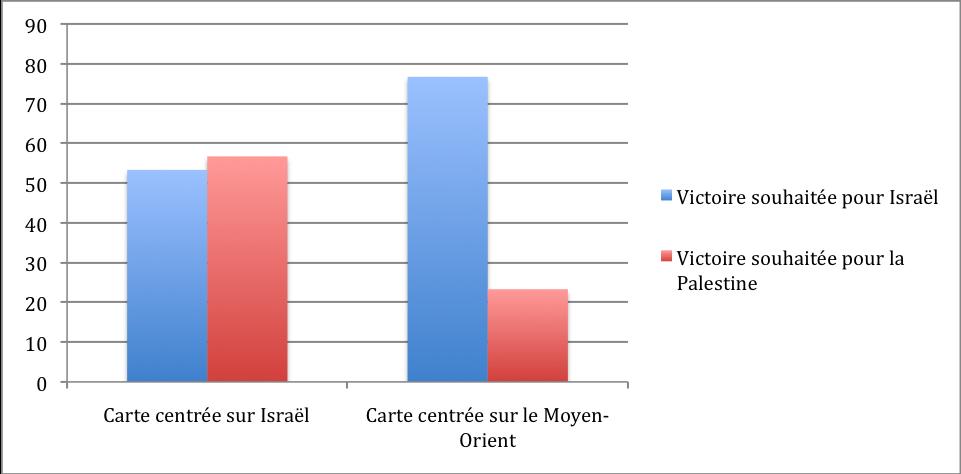
Color is not a passive property of objects but a pact between light and interpretation. Your brain guesses, checks, and corrects until the scene clicks into place, drawing on memory and expectation as much as photons. That explains why two people can look at the same sweater and quietly disagree – and both have reasons that feel airtight.
In that sense, color is a mirror of cognition itself: fast, predictive, and shaped by experience. The next time a sunset stops you mid-sentence, consider that you’re seeing nature and a lifetime of learned inference at once. Which part surprised you more – the sky, or
Conclusion
Start by auditing your daily tools: change any chart or dashboard that uses only color to signal status, and add labels or patterns so meaning survives in grayscale. If you build products, test palettes with people who have color vision differences and enable a high-contrast mode by default. Small fixes ripple outward – to coworkers who read faster, to patients who feel safer, to drivers who react sooner.
Support museums, libraries, and local science centers that run vision demos, and try your own experiment: compare a room’s mood under warm versus cool bulbs and note how your choices shift. Encourage schools to teach color science alongside art so students learn both chemistry and empathy. If color is your brain’s quickest whisper, what will you help it say next?
Suhail Ahmed is a passionate digital professional and nature enthusiast with over 8 years of experience in content strategy, SEO, web development, and digital operations. Alongside his freelance journey, Suhail actively contributes to nature and wildlife platforms like Discover Wildlife, where he channels his curiosity for the planet into engaging, educational storytelling.
With a strong background in managing digital ecosystems — from ecommerce stores and WordPress websites to social media and automation — Suhail merges technical precision with creative insight. His content reflects a rare balance: SEO-friendly yet deeply human, data-informed yet emotionally resonant.
Driven by a love for discovery and storytelling, Suhail believes in using digital platforms to amplify causes that matter — especially those protecting Earth’s biodiversity and inspiring sustainable living. Whether he’s managing online projects or crafting wildlife content, his goal remains the same: to inform, inspire, and leave a positive digital footprint.