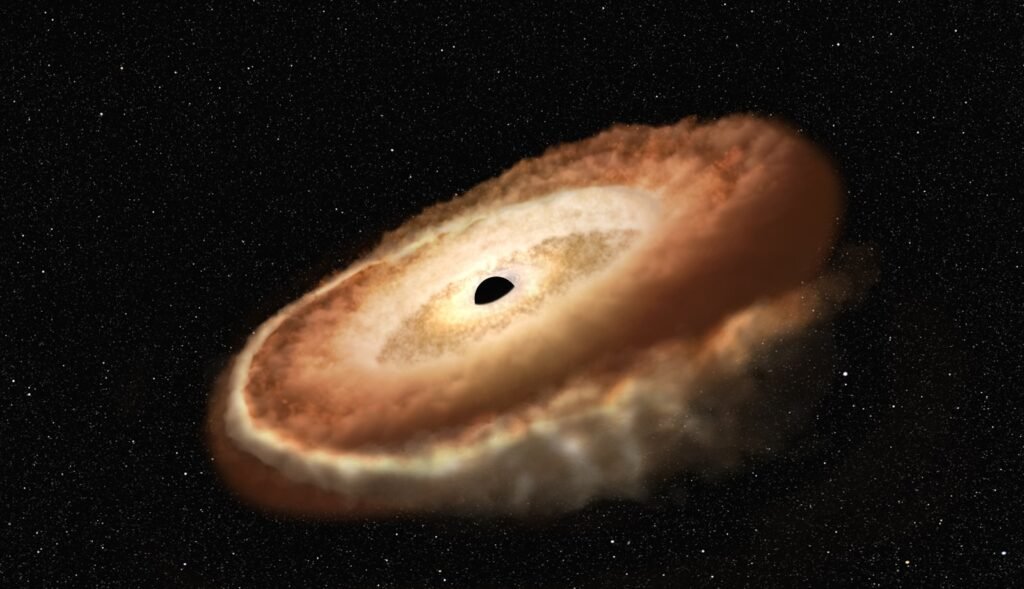

Somewhere in the dark between the stars, entire suns are vanishing without a trace, slipping past a boundary from which not even light can return. Black holes sit at the center of this mystery, warping space and time so violently that our best physics starts to crack. Astronomers can now photograph the shadows of these cosmic monsters and record the tremble of spacetime as they collide, yet the question that haunts both scientists and dreamers remains the same: what is it actually The strange truth is that we are brushing up against the limits of knowledge itself, where equations argue with one another and observation becomes impossible. Still, researchers are chipping away at the unknown with powerful telescopes, gravitational-wave detectors, and bold theoretical ideas that sound more like science fiction than sober physics – and sometimes, that is exactly where breakthroughs begin.
The Hidden Clues at the Edge of Darkness
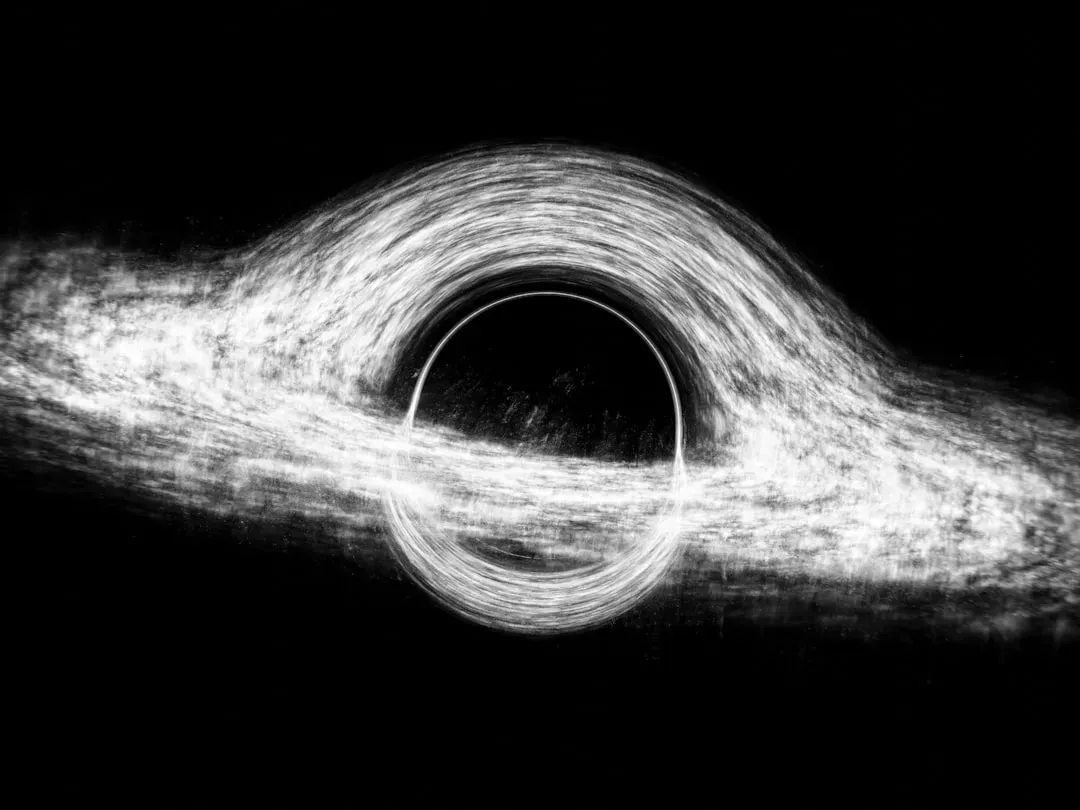
To even guess what lies inside a black hole, scientists first have to read the clues written just outside it. The key feature is the event horizon, the point of no return where the escape velocity equals the speed of light, carving a one-way border in spacetime. We cannot see beyond that edge, but we can see how matter and light behave as they spiral toward it, heating up into a luminous, swirling accretion disk that briefly outlines the darkness. In 2019 and 2022, the Event Horizon Telescope gave us ring-like images of the supermassive black holes in M87 and our own Milky Way, revealing glowing plasma tracing the edge of the shadow. Those images are not just stunning – they confirm that the warping of spacetime near the horizon closely matches the predictions of Einstein’s general relativity.
Gravitational waves provide another set of clues about what black holes are like, at least from the outside. When two black holes slam together, they send ripples through spacetime that detectors like LIGO and Virgo can pick up as faint, rising chirps. The precise shape of those waves tells researchers about the masses and spins of the black holes, and whether they behave like smooth, featureless objects or something more exotic. So far, every detection has reinforced the classical picture: black holes look, from the outside, disturbingly simple. That eerie simplicity only deepens the puzzle of what could be hiding within their invisible interiors.
Falling In: What an Observer Would Experience
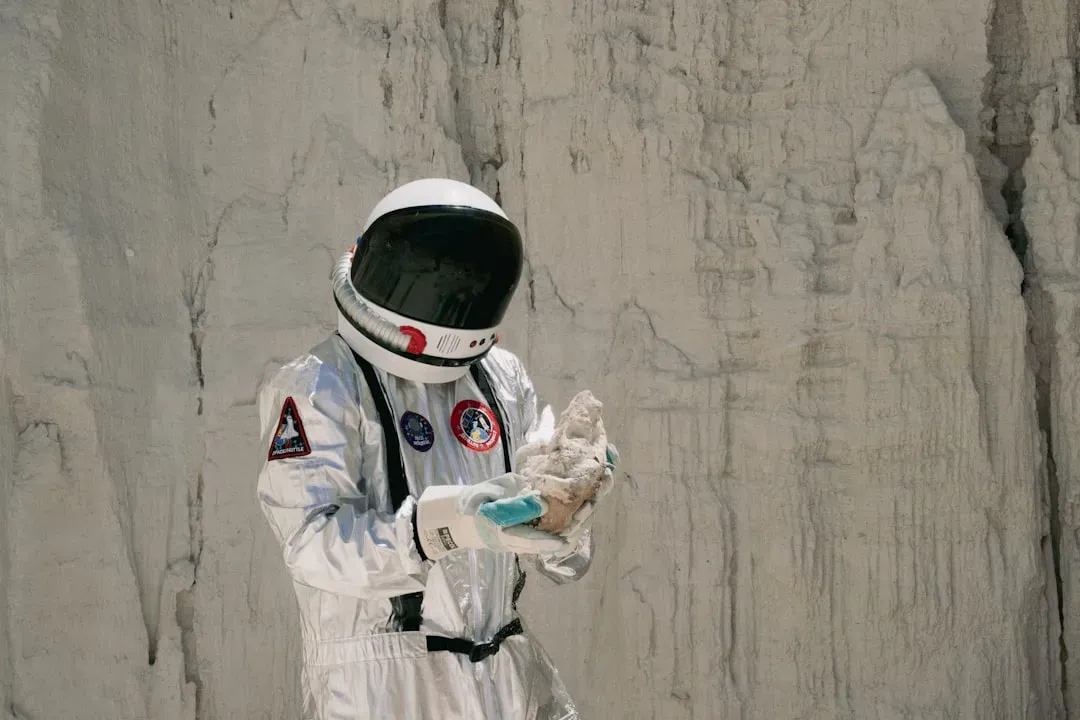
Imagine you are an astronaut who decides to jump into a black hole – strictly for science, of course. If the black hole is small, the tidal forces near the horizon would be so intense that your body would be stretched head to toe like a strand of spaghetti, a process physicists jokingly call spaghettification. In that scenario, your atoms would be torn apart before you even reached the event horizon, your journey ending in a violent, elongated smear of matter and radiation. For a supermassive black hole, like the one at the center of the Milky Way, the story is weirder and more subtle. Near its horizon, tidal forces might initially be gentle enough that you would not feel anything dramatic as you crossed over.
But your experience and that of a distant observer would disagree in a deeply unsettling way. From the outside, time appears to slow down for you as you fall, with your image freezing and fading just above the event horizon, never quite crossing it. From your own perspective, your fall takes a finite amount of time, and you simply pass through the horizon without noticing a sharp boundary. This clash between viewpoints is not a sign that physics is broken; it is a consequence of how general relativity ties together time, motion, and gravity. Yet it also hints at why the “inside” of a black hole is so tricky to describe: what you see, and what the universe outside sees, may never be reconciled in a single, simple picture.
Inside the Horizon: Where General Relativity Breaks
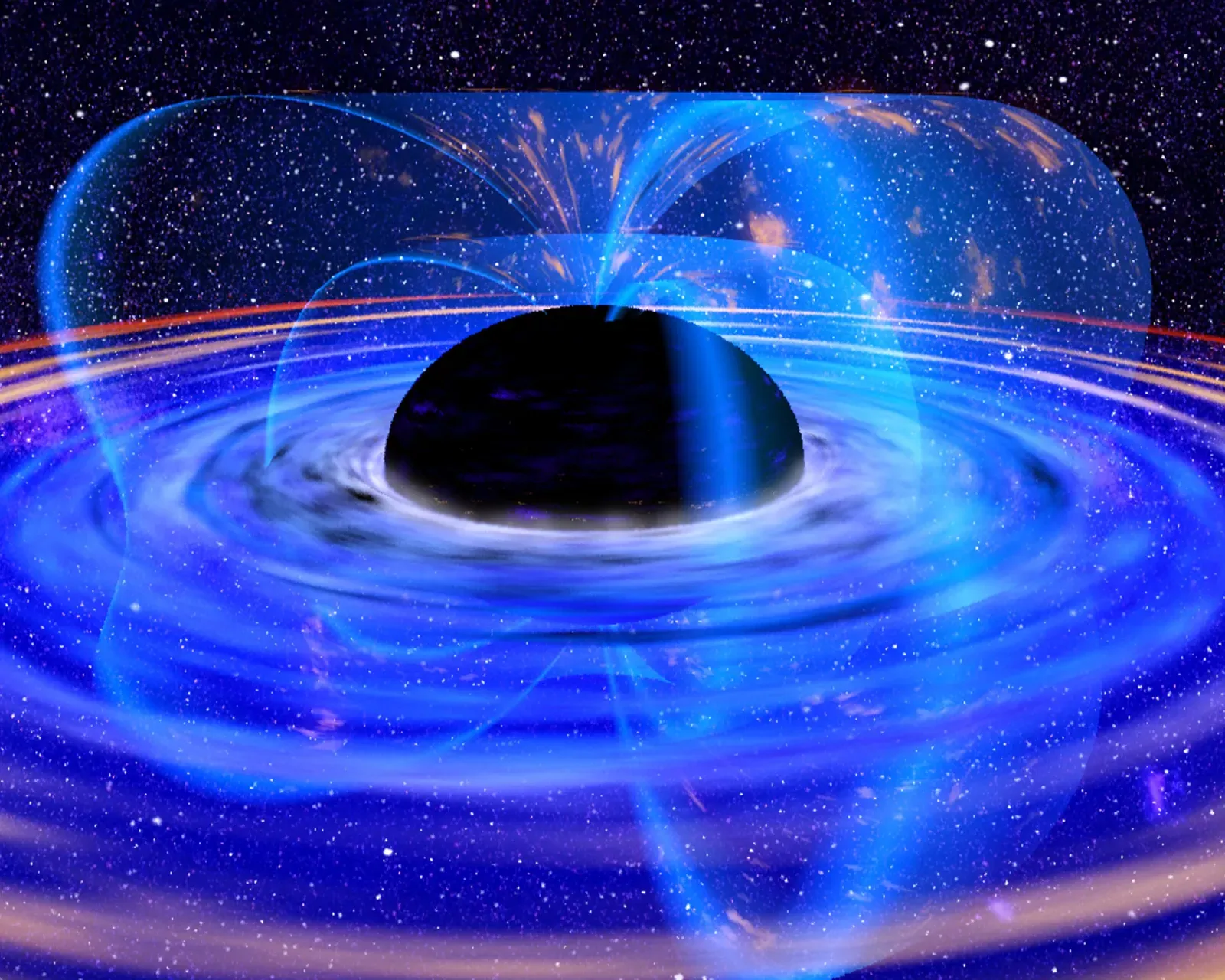
Once you are inside the event horizon, all possible paths through spacetime drag you inward, the way all roads in a valley lead downhill. In Einstein’s equations, that inward plunge ends at a singularity, a point where density and curvature become infinite and the math explodes. This is a red flag in physics, a sign not of a physical point of infinite “stuff” but that the theory has been pushed beyond its domain of validity. General relativity, brilliant as it is, was never designed to handle the quantum-scale graininess of reality at such extreme conditions. That is why many researchers suspect that the singularity is a placeholder for a deeper, still-unknown description of gravity.
Several ideas try to tame this breakdown, each painting a slightly different picture of the interior. Some models propose that the singularity is replaced by a region of ultra-dense but finite matter, where quantum effects soften the infinite spike in curvature. Others suggest that the interior might tunnel into a new region of spacetime entirely, creating something like a bounce, although this remains highly speculative. None of these ideas has been tested directly, because nothing that happens past the horizon can escape to bring us data. The real interior of a black hole, as far as we can tell, is where theory runs ahead of experiment and waits for new physics to catch up.
The Quantum Paradox: Do Black Holes Destroy Information?
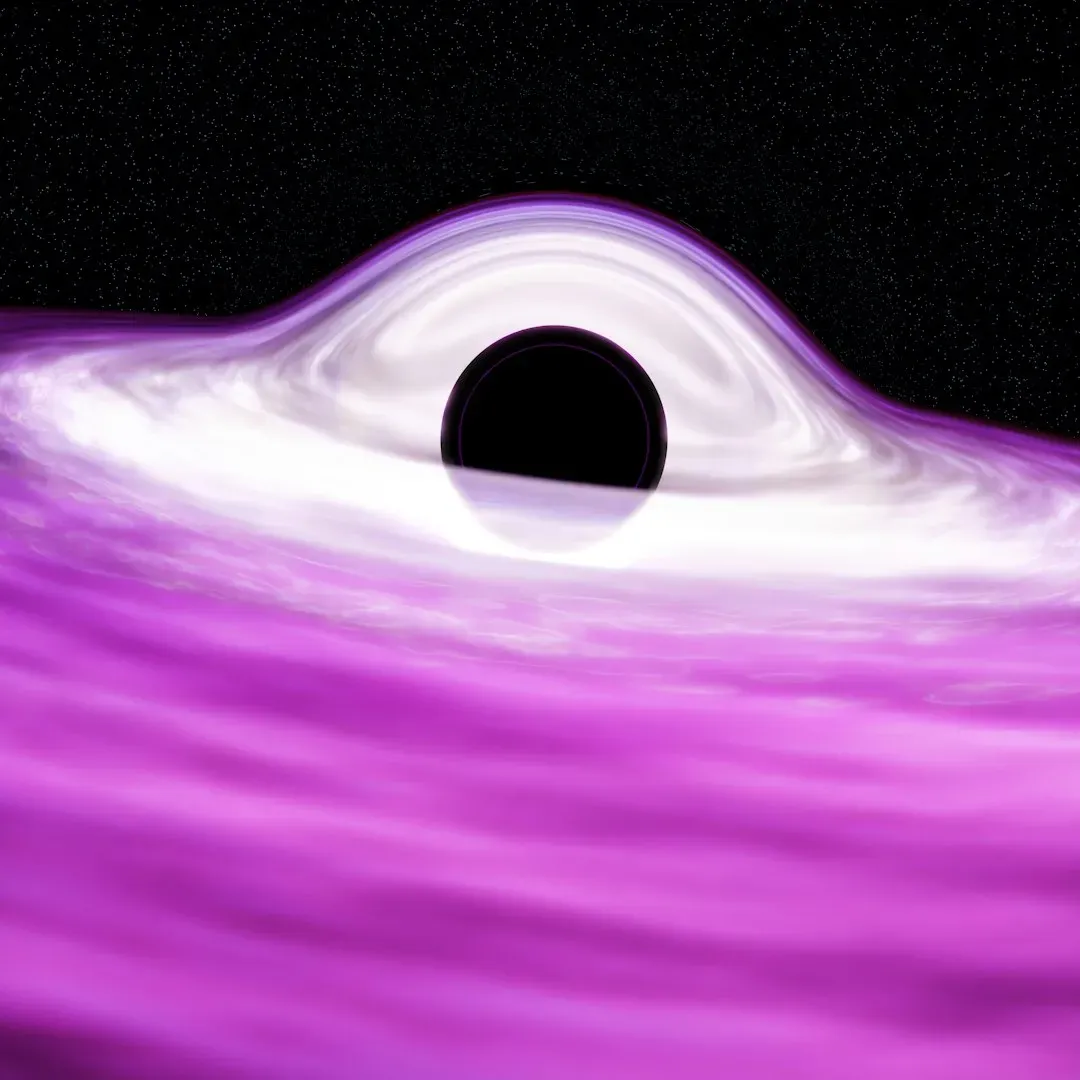
Where things really get wild is at the intersection of black holes and quantum mechanics, the theory that governs the smallest scales of reality. In the 1970s, Stephen Hawking showed that black holes should slowly radiate energy due to quantum effects near the event horizon, a process now known as Hawking radiation. Over immense stretches of time, a black hole would gradually evaporate away, shrinking and eventually disappearing. The disturbing part is that, in Hawking’s original calculation, the radiation carried almost no trace of the details of what fell in – only simple quantities like mass, spin, and charge. That seems to violate a central rule of quantum theory: that information about a physical system is never truly lost.
This “information paradox” has been pushing physicists to rethink what the inside and the surface of a black hole really are. One camp argues that the information must somehow be encoded in subtle correlations in the Hawking radiation, preserving quantum rules at the cost of accepting a highly scrambled, almost holographic universe. Another line of thought suggests that the event horizon itself might not be as smooth as general relativity claims; some speculative models propose violent “firewalls” of high-energy particles that would incinerate anything falling in. So far, no consensus has emerged, but the debate has revealed something profound: to understand black holes, we may have to completely revise our ideas about space, time, and what it means for information to exist.
Why It Matters: Black Holes as Testing Grounds for Reality
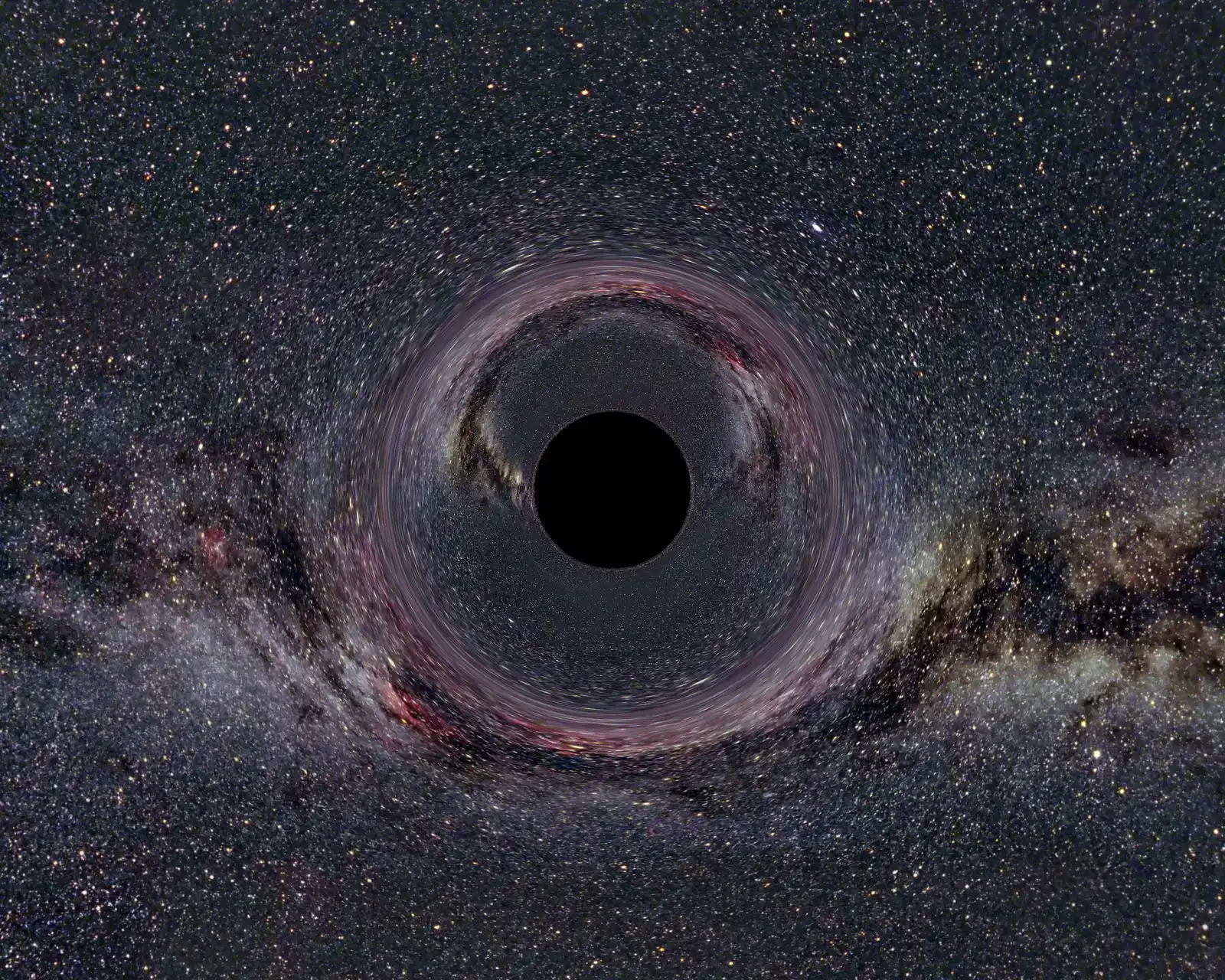
It might be tempting to treat all this as a kind of cosmic fan fiction, interesting but far removed from everyday life on Earth. But black holes are not just sci‑fi curiosities; they are extreme laboratories where the two pillars of modern physics – general relativity and quantum mechanics – are forced to collide. Any theory that can explain what happens inside a black hole has to successfully merge gravity with quantum rules, a prize that physicists have been chasing for decades. A working theory of quantum gravity would not only clarify black hole interiors but could also reshape our understanding of the Big Bang, dark energy, and the fabric of the universe itself. In that sense, poking at the mystery inside a black hole is a way of poking at the foundations of reality.
There is another, quieter reason this matters: black holes challenge the limits of what humans can know. They sit right on the border between the observable and the forever hidden, daring us to find clever, indirect ways to learn about a place we can never visit and never receive signals from. That kind of intellectual challenge has historically driven major advances, from the invention of new mathematics to the creation of new instruments and technologies. The quest to understand black holes has already led to breakthroughs in imaging, data processing, and ultra-precise sensing that spill over into other fields. In a way, our obsession with what lies inside them is also a story about human curiosity refusing to accept a simple “you can’t know” as an answer.
From Mathematical Monsters to Measured Reality
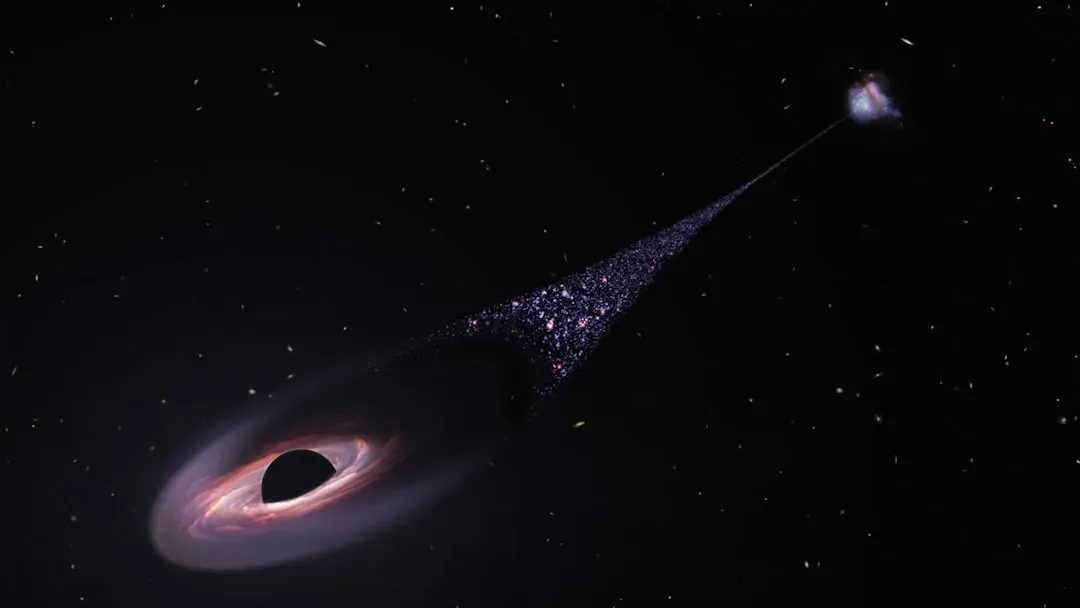
When black holes were first proposed in the early twentieth century, even some of the scientists who wrote down the equations treated them as oddities rather than real objects. For decades, they lived mostly in the realm of theory, mathematical monsters that seemed too extreme to exist in the actual universe. That changed as astronomers started finding stars whipping around invisible companions and detecting X‑rays from gas plunging into unseen, compact objects far heavier than any neutron star. Gradually, the idea of black holes shifted from outrageous speculation to necessary explanation. By the late twentieth century, evidence had piled up that most large galaxies, including our own, harbor supermassive black holes at their centers.
The twenty‑first century has turned black holes from inferred beasts into directly studied ones. The Event Horizon Telescope’s images of black hole shadows, along with the growing catalog of gravitational-wave detections, have given us multiple independent ways to test our models. Each observation lets physicists check whether these objects behave like the simple, featureless “no-hair” black holes predicted by general relativity, or whether there are small cracks hinting at new physics. So far, the classic theory is holding up remarkably well, which is impressive and a bit frustrating for anyone hoping for dramatic surprises. Still, the precision of these tests is improving, and there is a sense in the community that if nature has hidden any clues about the true interior, our instruments will eventually be sharp enough to spot them.
The Future Landscape: Peering Deeper into the Dark
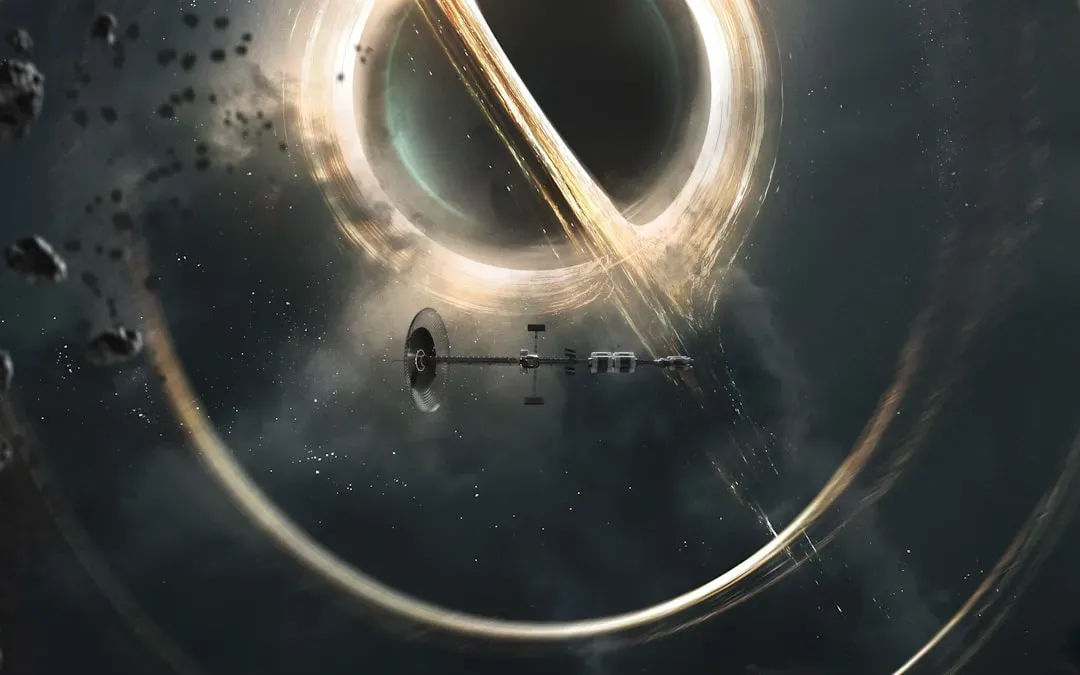
Even though we will never send a probe into a black hole and receive a postcard back, future technology promises to tighten our grip on what happens near and just beyond the horizon. Next‑generation gravitational‑wave observatories on the ground and in space aim to detect far more mergers, with much cleaner signals that can be dissected in exquisite detail. Subtle deviations in the way a newly formed black hole “rings down” after a collision could hint at structure or quantum effects lurking just inside. At the same time, improved very‑long‑baseline radio arrays will sharpen our images of black hole shadows, letting us watch how their accretion flows flicker and flare in real time. The closer we get to the horizon with our data, the harder it becomes for theoretical models to hide behind hand‑waving.
On the theoretical front, efforts to unify quantum mechanics and gravity are increasingly using black holes as both a guide and a stress test. Ideas from holography and quantum information theory, for example, are reshaping how physicists think about spacetime itself, treating it less like a fixed stage and more like something woven out of entanglement. There is cautious optimism that, over the coming decades, this convergence of data and theory will yield a clearer, if still mind‑bending, picture of what replaces the singularity and how information escapes or is encoded. The stakes are high: whatever we learn about black holes will echo into cosmology, particle physics, and even our understanding of the early universe. In that sense, the future of black hole research is not just about filling in a blank on a cosmic map – it is about redrawing the map entirely.
How You Can Stay Connected to the Mystery
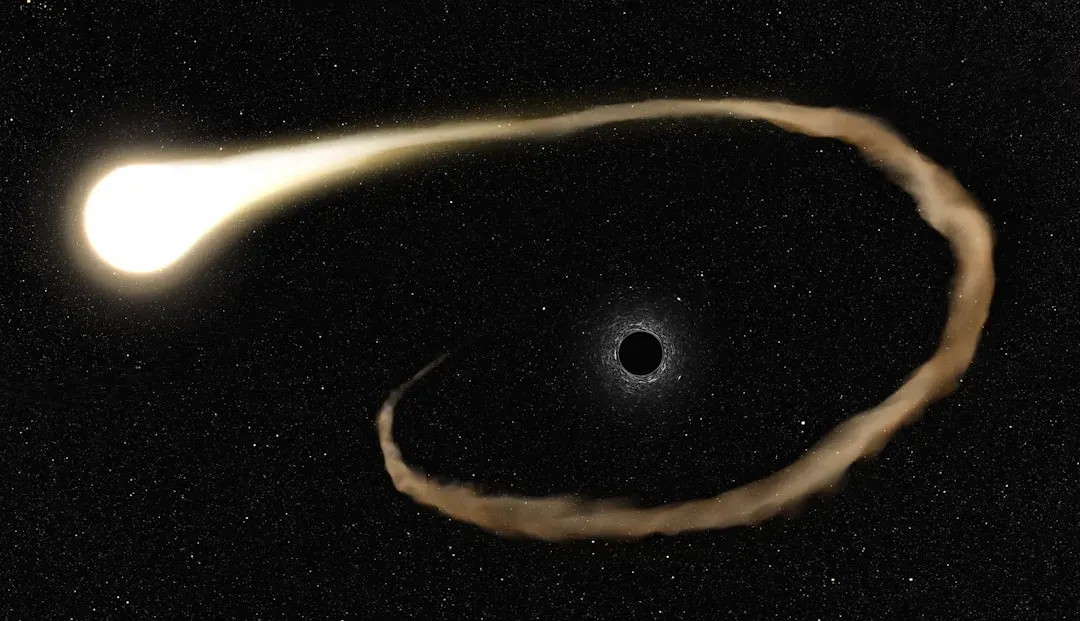
Most of us will never build a telescope or crunch the equations of quantum gravity, but there are surprisingly simple ways to stay close to the frontier of black hole science. One is to follow observatories and collaborations that share their discoveries openly, from gravitational‑wave alerts to new black hole images and simulations. Many of these teams release visualizations, data, and explanations that turn otherwise abstract physics into something you can actually see and explore. Another is to support science education and public outreach, whether by backing planetariums, participating in local astronomy clubs, or encouraging schools to invest in better STEM programs. The more scientifically literate a society is, the easier it becomes to sustain the long, patient work projects like black hole research require.
If you are hungry to go a step further, citizen‑science platforms sometimes host projects connected to black holes and related phenomena, such as classifying galaxies or spotting gravitational lenses. These efforts might feel small, but collectively they help researchers sift through the overwhelming flood of data that modern instruments produce. Staying curious, asking hard questions, and resisting the temptation of oversimplified answers are also forms of participation. Black holes remind us that the universe still holds secrets big enough to humble and inspire us at the same time. The next time you see a headline about a strange chirp in spacetime or a new image of a cosmic shadow, you will know that behind it lies the ongoing human attempt to answer one haunting question: what is really happening in the darkness we cannot see?
Suhail Ahmed is a passionate digital professional and nature enthusiast with over 8 years of experience in content strategy, SEO, web development, and digital operations. Alongside his freelance journey, Suhail actively contributes to nature and wildlife platforms like Discover Wildlife, where he channels his curiosity for the planet into engaging, educational storytelling.
With a strong background in managing digital ecosystems — from ecommerce stores and WordPress websites to social media and automation — Suhail merges technical precision with creative insight. His content reflects a rare balance: SEO-friendly yet deeply human, data-informed yet emotionally resonant.
Driven by a love for discovery and storytelling, Suhail believes in using digital platforms to amplify causes that matter — especially those protecting Earth’s biodiversity and inspiring sustainable living. Whether he’s managing online projects or crafting wildlife content, his goal remains the same: to inform, inspire, and leave a positive digital footprint.