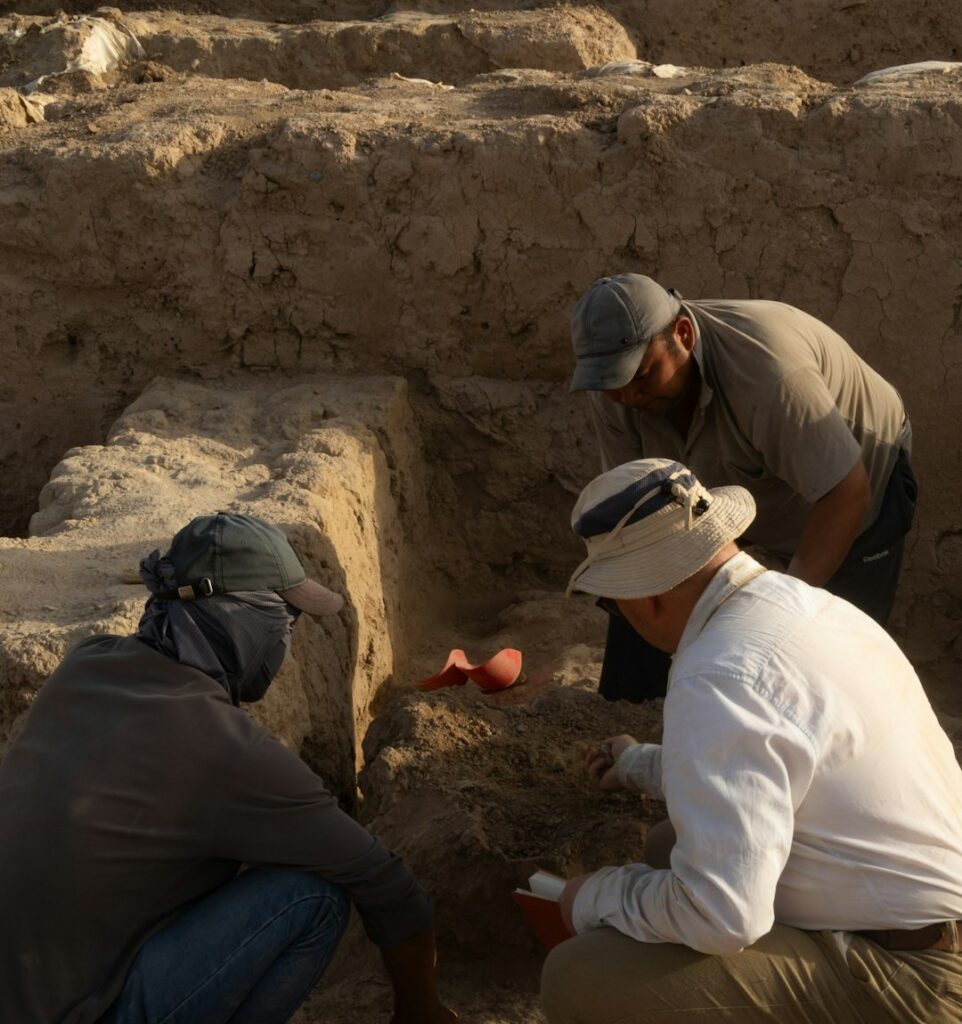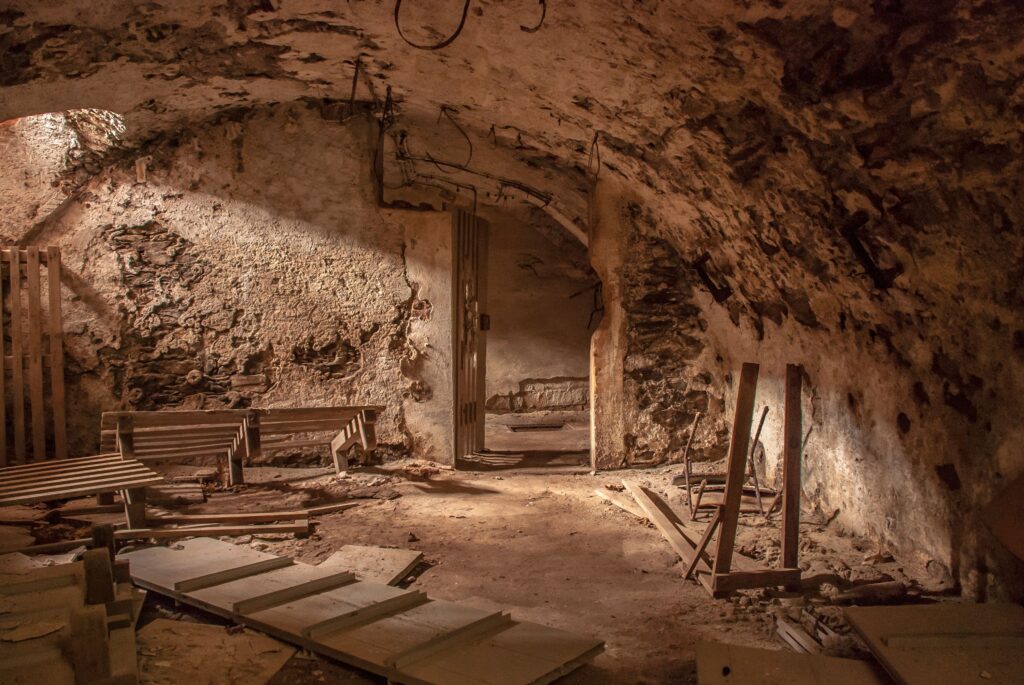
Most people assume archaeologists need an entire city map, decades of digging, and warehouses of lab reports before they can say anything real about the past. That assumption is wrong, and it’s wrong in a way that should genuinely surprise you.
Again and again, one sealed room – a shop locked by disaster, a house abandoned mid-meal, a temple storeroom never reopened – has told researchers more about a whole society than acres of scattered ruins ever could. When a space seals shut, time stops. Everyday chaos freezes into a snapshot, hidden patterns surface, and comfortable assumptions get quietly demolished. Here’s what a single undisturbed room can secretly reveal about an entire ancient city, and why experts get a little obsessed when they find one.
#1 – How People Really Lived Day to Day (Not How They Wanted to Look)
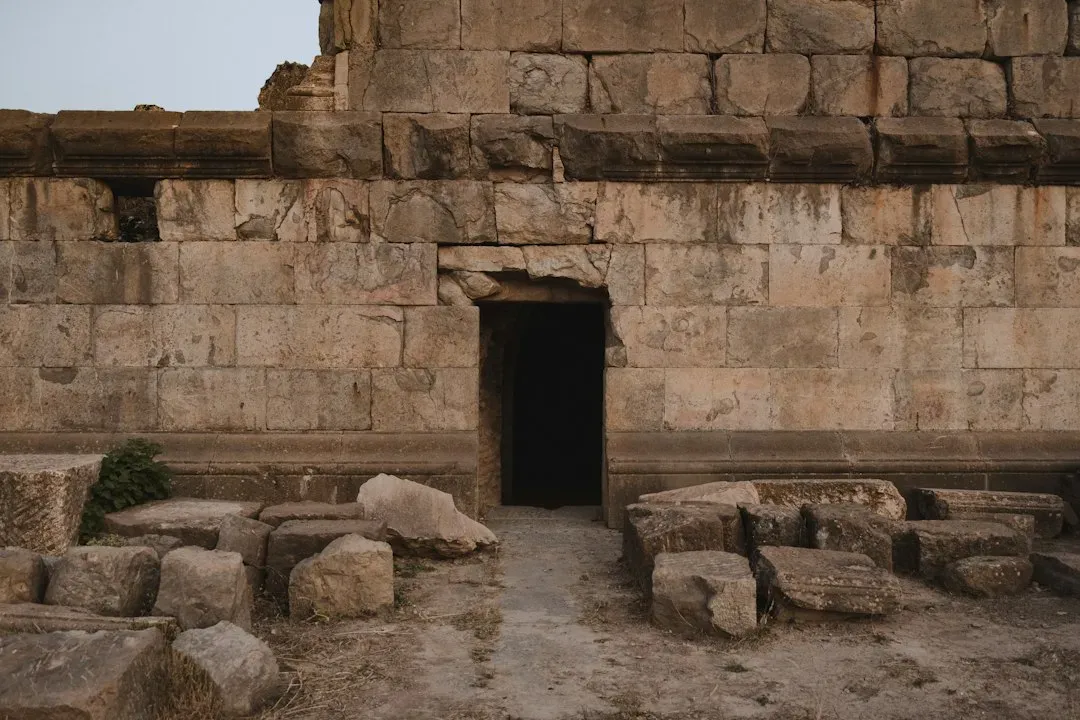
Archaeologists will tell you this quietly, almost like a professional secret: public monuments lie, but sealed rooms don’t. Walk through a city gate or a temple facade and you’re looking at propaganda – glorious kings, pious citizens, flawless order carved in stone. Step into a sealed kitchen, bedroom, or workshop, and you’re suddenly staring at the mess of real life.
Unwashed pots. Broken tools. Furniture patched instead of replaced. A half-finished meal, still sitting where someone left it. That kind of evidence tells more truth than an entire wall of carved heroes.
The archaeologist is not digging up things, he is digging up people.
Sir Mortimer Wheeler
In a sealed domestic room, investigators trace morning-to-night routines from object placement alone. Cups near the door hint at a quick drink before work. Lamps clustered in one corner show where the family actually gathered at night, not where they were supposed to. Children’s toys tucked under a table instead of some tidy “play corner” reveal the same everyday chaos you’d find in a modern apartment.
Two things matter most in this kind of reading: context, meaning where objects sit in relation to each other, and integrity, meaning whether anyone disturbed the room afterward. When both are intact, tiny details start shouting. A low bench beside grinding stones marks where someone sat for hours each day. A stack of cracked, repeatedly repaired bowls signals thrift, and maybe scarcity. It isn’t glamorous, but it’s the level of detail that lets experts reconstruct the actual pulse of city life.
#2 – The City’s Real Economy Hiding in One Workshop
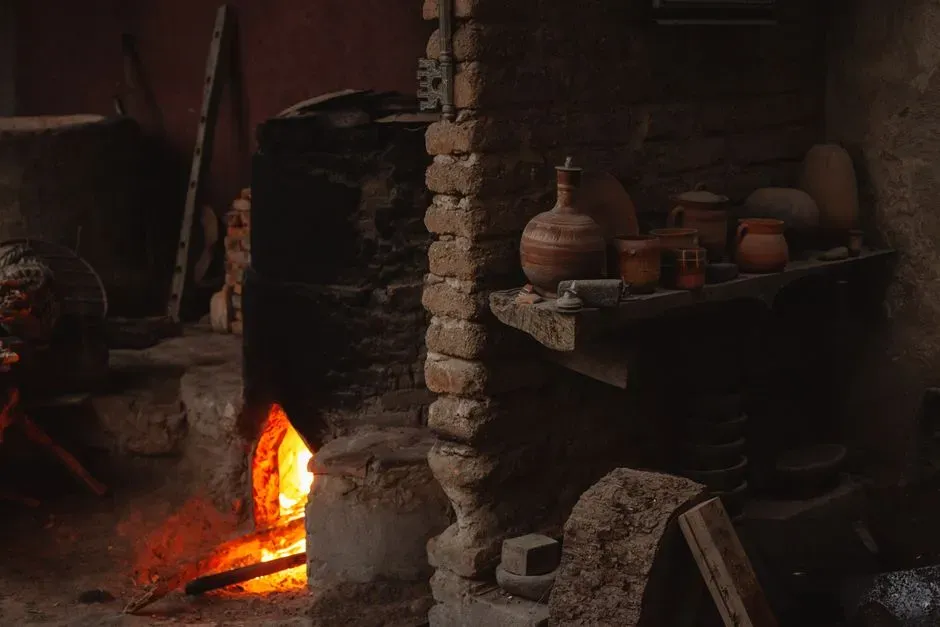
Most people assume coins and tax records, when we’re lucky enough to have them, are the best guide to an ancient economy. Actually, a single sealed workshop can expose a city’s real money engine in a way official numbers never do.
Picture a pottery room sealed by a sudden flood or collapse. On the surface it’s just shelves and clay. Look closer, though, and the story changes fast.
- Counting unfinished pieces against completed ones estimates real output.
- Quality differences – rough cooking pots versus fine decorated cups – suggest whether the workshop served elites, commoners, or export buyers.
- Clusters of identical vessels can reveal standardized production, hinting at mass demand or even state contracts.
If that room contains imported raw materials – special clays, pigments, or metal tools not made locally – you instantly know this “small” operation was wired into much bigger trade networks. Finding standardized molds or repeated stamps can even point to early branding, or outright state control over production.
The real shock comes when the humble backroom contradicts the monumental buildings. You might assume a city was primarily a religious center, given all the temples, until one sealed dye workshop reveals that textiles, not worship, actually paid the bills.
#3 – Social Class Without a Single Written Record
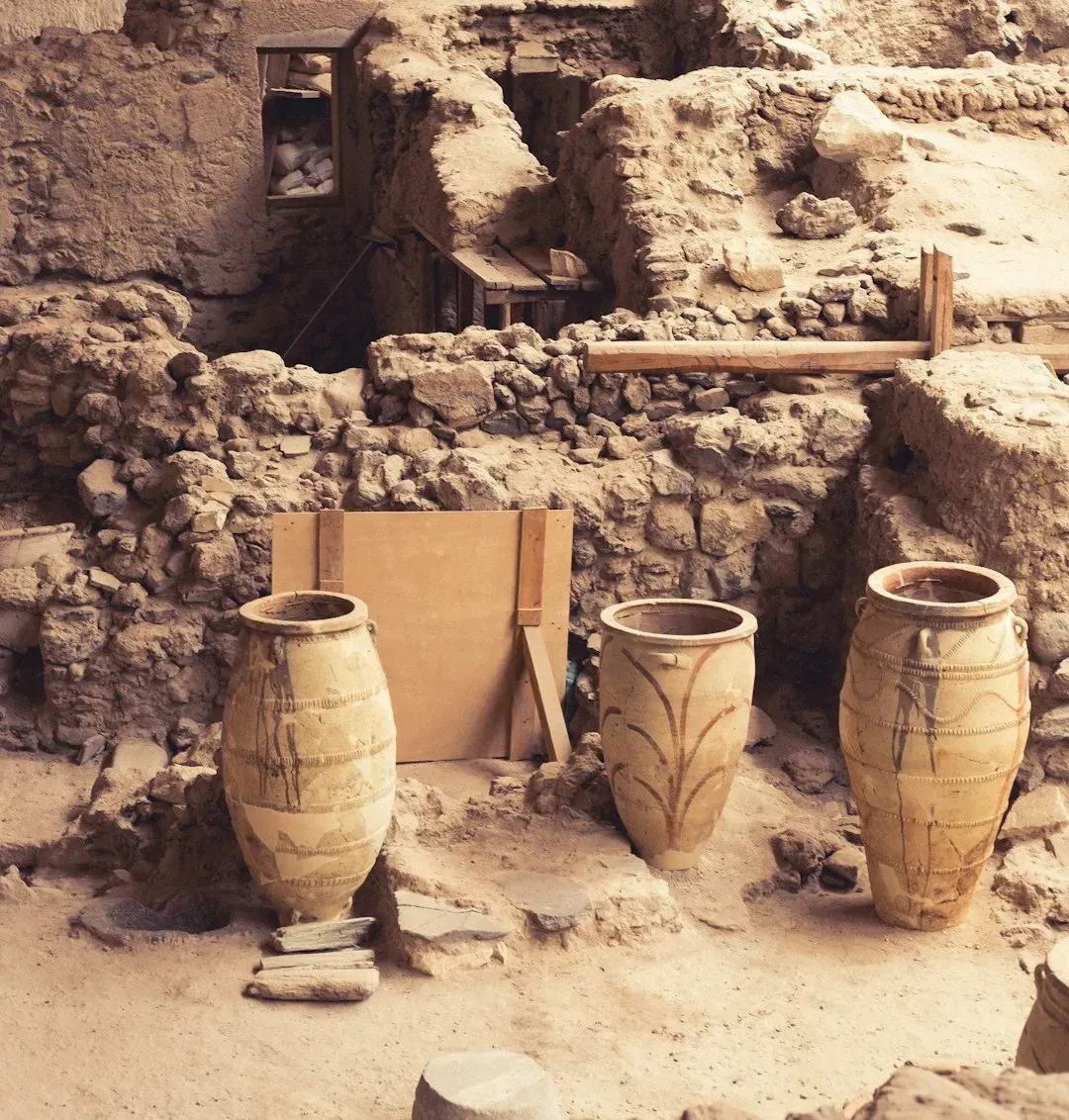
You don’t need an inscription that says “rich” or “poor” when you have a sealed room. The density, quality, and repair history of the objects inside can map social class with almost brutal clarity.
Take two sealed bedrooms from the same city. In one, you find rough wooden chests, simple straw bedding, one or two ceramic lamps, and pottery repaired again and again. In the other, you find carved furniture with inlaid decoration, storage boxes with fine locks, metal lamps, imported glassware, and expensive cosmetics tucked out of sight.
Quick Compare
- Modest bedroom: repaired pottery, straw bedding, one or two simple lamps
- Elite bedroom: inlaid furniture, locked storage boxes, imported glassware
- Shared clue: both rooms reveal daily habits no inscription ever records
The stratification is obvious immediately, but archaeologists push further than surface wealth. They study the ratio of imported to local goods, evidence of specialization such as professional tools versus general household items, and hidden “luxury” corners like locked boxes or buried jars.
A sealed servant’s room attached to a wealthy household can even reveal how close, or how separate, the lives of elites and workers really were. Shared doorways, overlapping tool sets, or shared food storage hint at surprising intimacy – or cold segregation. When several rooms across a city echo the same pattern, you’ve essentially sketched its social ladder without a single decree ever mentioning class.
#4 – Diet, Food Security, and Who Was Going Hungry
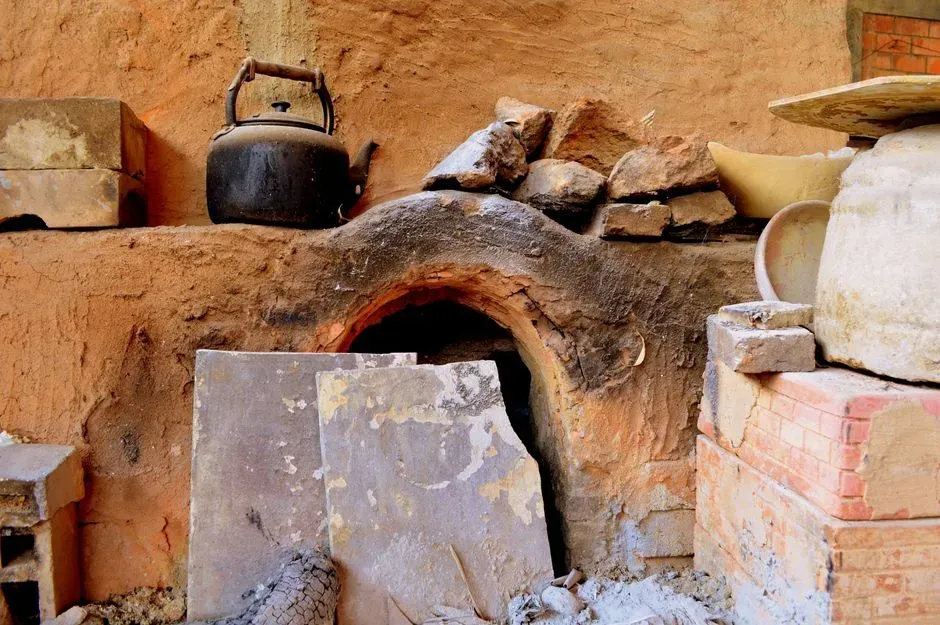
Tourist guides obsess over temples and palaces, but ask archaeologists what they secretly love, and many will say storerooms and kitchens. A sealed pantry can tell you who was eating well, what they ate, and exactly when food crises hit – sometimes down to a single bad year.
Inside a sealed food room, specialists look at storage containers, food remains like grains and seeds and bones, and pests such as dead insects, rodent droppings, or gnaw marks. High diversity of grains and pulses suggests a resilient, varied diet. A heavy dependence on one cereal points to a city one bad harvest away from disaster.
Here’s the part that surprises non-specialists: inequality can show up inside a single room. Expensive spices or imported wine stored behind common grains often mean certain foods were reserved for household elites, while stacks of cheap, filling staples show where survival, not enjoyment, was the daily priority.
If multiple sealed rooms across a city show shrinking storage over time, or a shift toward lower-quality food, archaeologists start talking about long-term stress – war, climate shifts, crushing taxation. One room, re-read across time, becomes economic history in miniature.
#5 – Religious Habits and Superstition in the Corners
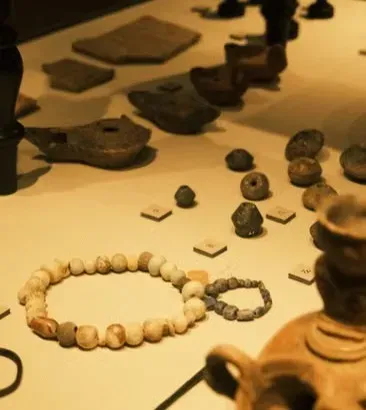
Most people assume you have to dig up temples to understand ancient religion. Ironically, the most honest religious evidence usually hides in small, sealed domestic rooms, not grand sanctuaries.
Look at the corners, the thresholds, the shelves. Archaeologists often find little altars blackened by smoke, tiny figurines tucked behind storage jars, amulets fixed to doorways or beds, and bowls holding odd arrangements of bones, seeds, or beads. These aren’t scheduled rituals lifted from an official priestly calendar. They’re the anxious, ad-hoc prayers of daily life – protection for a child, luck in trade, safety during childbirth.
A sealed room where the last actions are still visible can literally show you the last prayer someone made before disaster hit. If the same figurine or amulet turns up in many sealed spaces across a city, you’re looking at a shared urban belief system that might never appear in any formal text. Wildly different practices from room to room, on the other hand, hint at a fragmented, deeply personal spiritual landscape.
And here’s the uncomfortable part: sometimes the find is evidence of curses, protective magic, or ritualized harm. That’s when experts start quietly rethinking just how “civilized” a city really felt behind closed doors.
#6 – Gender Roles Hidden in Tool Placement
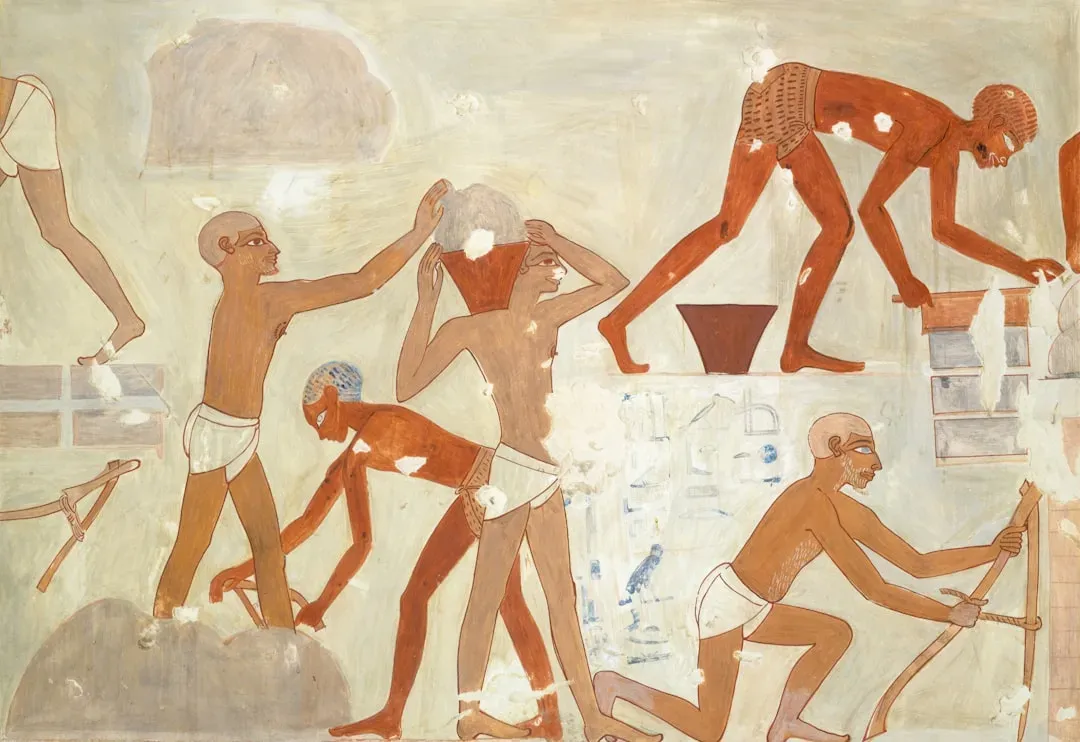
Textbooks love talking about “patriarchal” or “matriarchal” societies in broad strokes, but the distribution of tools in one sealed room can slice right through the vague generalities. Where objects cluster often reveals who did what, and who actually held power inside the home.
Consider a room that clearly functioned as a weaving space – loom weights lined along one wall, spindle whorls and needles near a window for light, jars of dye or prepared fiber close by. If burial evidence or ethnographic parallels suggest textile work was mainly women’s labor, this room becomes a direct map of women’s daily control of space.
Worth Knowing
- Loom weights and spindle whorls are among the clearest markers archaeologists use to identify textile work spaces.
- Tools stored alongside tally marks, keys, or account tablets often point to informal bookkeeping happening inside the home.
- Finished garments stacked near production tools suggest inventory management, not just craft practice.
- Shared work-and-storage spaces hint that household economies blurred the line between “chore” and “business.”
Now add account tablets, tally sticks, keys, or locks stored in the same room, alongside finished garments stacked and ready for sale. Suddenly you’re not just seeing “women spinning.” You’re seeing women running a micro-business out of a back room – controlling production, tracking inventory, maybe negotiating contracts.
This is why one sealed workroom can quietly wreck the old stereotype of women as passive domestic figures. The tools, locks, and storage patterns turn into a ledger of who actually drove part of the urban economy.
#7 – Crime, Fear, and How Safe the City Really Was
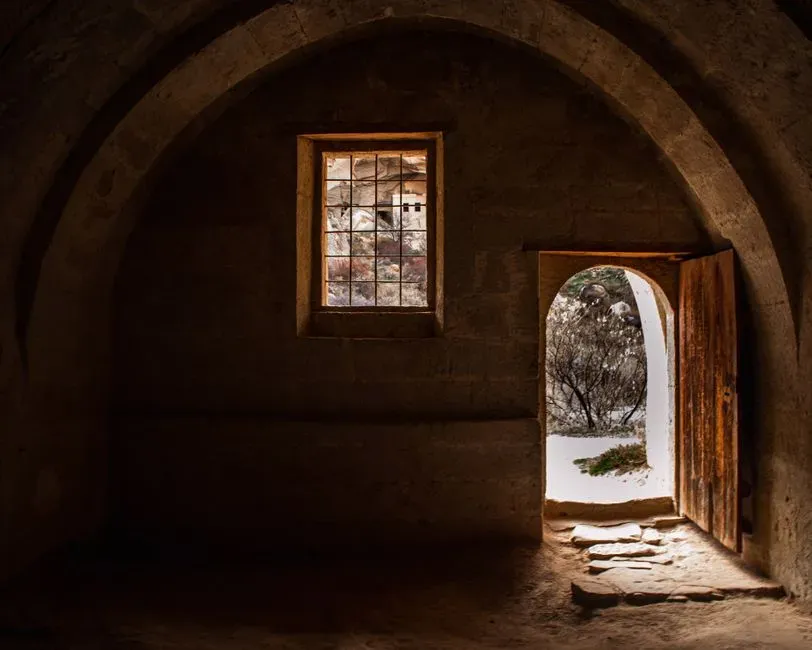
Tourist brochures love romanticizing “peaceful ancient towns,” but sealed rooms often tell a very different, blunter story about fear. Locks, hiding places, and ad-hoc fortifications don’t lie.
When a room is sealed by sudden abandonment, experts examine door hardware, hidden niches in walls or floors, window size, and objects hastily swept into corners or under beds. Precious metals or coins stashed in deliberately disguised cavities point to a population that didn’t fully trust its authorities, or its neighbors.
Rooms with reinforced doors built inside an ordinary house, almost like private safe rooms, hint at internal family tension or a standing expectation of raids. Even weapon placement carries meaning – a spear by the doorway says “guarding the threshold,” while a dagger under a sleeping mat says something far more personal.
When the same patterns show up in sealed rooms across a neighborhood, archaeologists start mapping hotspots of insecurity – evidence that rarely shows up in official inscriptions, which usually boast endlessly about order and justice. Sealed rooms quietly reveal how much of that was wishful thinking.
#8 – Technology Levels in a Snapshot
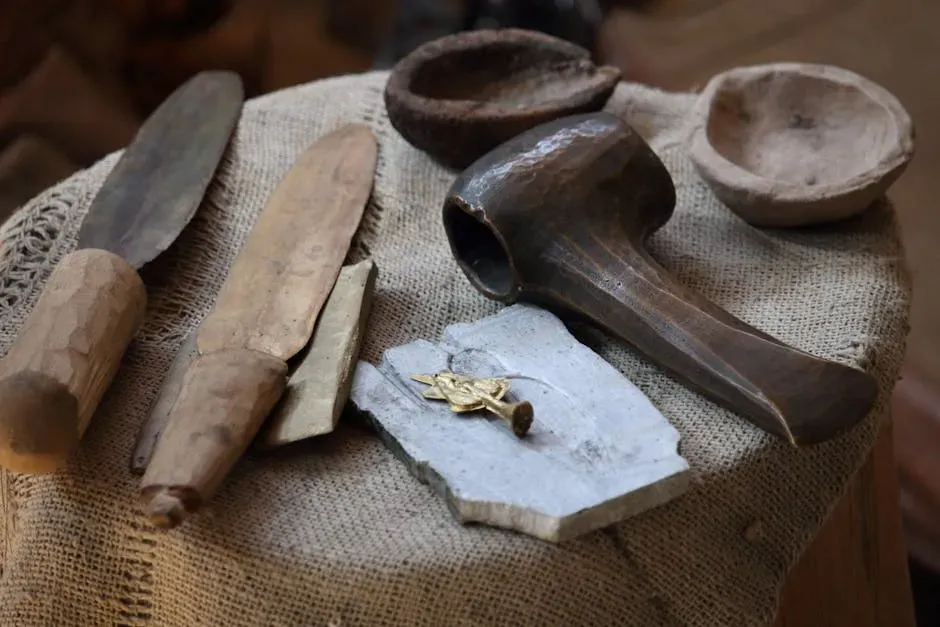
Most people judge ancient “advancement” by monuments and inscriptions, which is a little like judging modern technology by skyscrapers instead of what’s sitting in someone’s junk drawer. A sealed room shows the real tech level of a city at the exact moment the door closed.
Archaeologists watch for tools made of metal versus stone, lighting solutions ranging from simple oil lamps to multi-nozzle setups, storage methods from basic pits to cleverly sealed jars, and repair evidence like sharpened edges or rehandled implements. A workshop full of purpose-built, standardized tools suggests a mature, specialized economy.
But a room where almost every tool looks repurposed from something else screams innovation under constraint. Both are technologies, just different survival strategies shaped by different pressures.
Sometimes tiny design tweaks, visible only because a room was left untouched, tell big stories – a particular way of hinging a door, stacking bricks, or venting smoke can reveal knowledge exchanged with distant cultures. And here’s the twist: more “advanced” isn’t always better. Some cities with simple tech but brilliantly efficient layouts were clearly punching above their weight in resilience.
#9 – Trade Routes Hidden in a Single Shelf
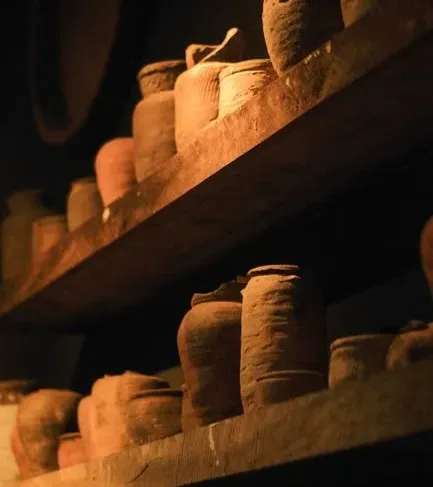
Most people picture trade routes as lines drawn across a map. Archaeologists see them in the most boring-looking places imaginable: a single shelf in a sealed room, stacked with objects that don’t belong.
What counts as “wrong”? Pottery styles not made locally, exotic raw materials like obsidian or rare shells, food remains from plants that don’t grow in the region, or textiles woven in foreign patterns and dyes. If these show up in an ordinary sealed home, not just a palace, you know imported goods weren’t reserved for elites. Regular families were plugged into wider networks, whether through markets, itinerant traders, or seasonal travel.
Fast Facts
- Obsidian, a volcanic glass prized for sharp blades, is one of the most reliable trace-markers for long-distance trade.
- Imported fineware found in ordinary homes suggests trade wasn’t reserved for palaces or temples.
- Foreign textile patterns and dyes can travel further, and faster, than the raw materials used to make them.
- A single shelf mixing local and foreign goods can outline a city’s trade reach better than a written ledger.
Sometimes the ratio is almost shocking – a room with more imported fineware than local ceramics suggests cultural preference or status signaling driven by foreign taste, not just wealth. That’s how researchers start mapping not just trade, but taste itself.
By comparing sealed rooms across different neighborhoods, experts can see whether trade goods concentrated in merchant quarters and elite zones, or spread evenly across the whole city. One carefully preserved shelf becomes a diagram of the city’s place in a regional, or even global, economy.
#10 – Urban Planning Without a City Map
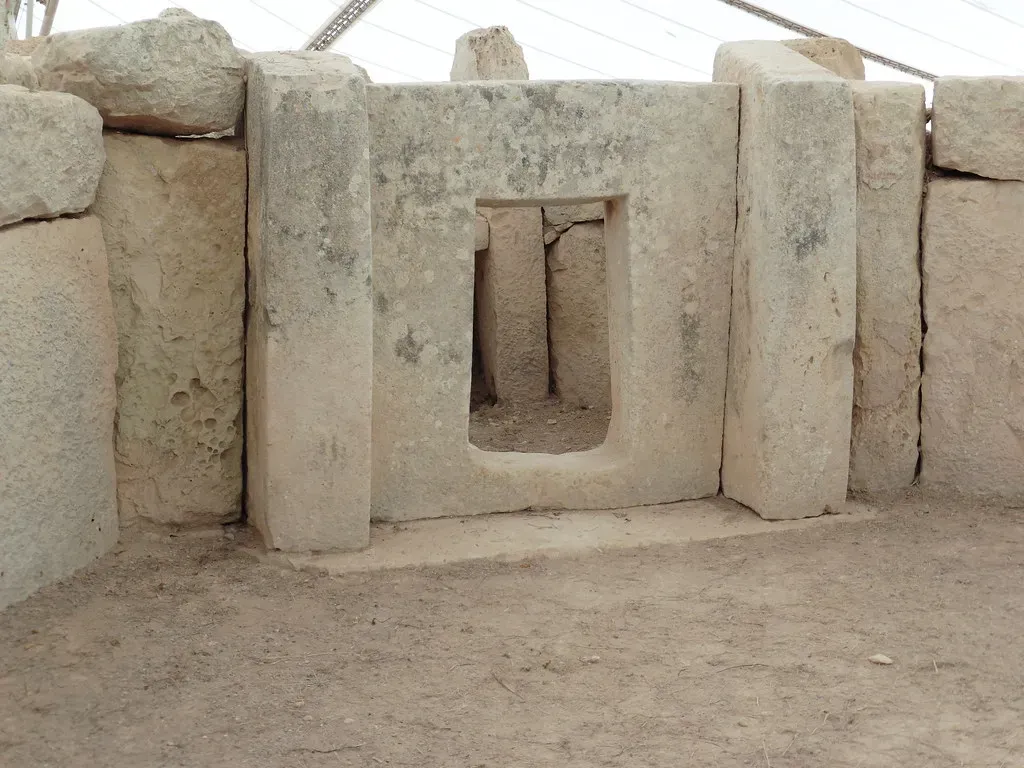
You’d assume archaeologists need whole street grids uncovered before they can talk about “urban planning.” Strangely, the angles, doorways, and traffic wear preserved in one sealed room already hint at a city’s entire layout philosophy.
Inside that room, and just outside its threshold, researchers study door orientation, window placement, floor wear patterns, and light shafts or vents. A window that only opens onto an internal courtyard suggests a dense, inward-focused block where privacy beat street life. Multiple doors leading in different directions suggest a busy commercial zone.
Even floor gradient and drainage channels in a single room can reveal whether a city invested in managing water and waste, or just let it flow wherever gravity took it. Well-built drains hint at coordinated planning long before anyone maps the full system.
With just a handful of well-documented sealed rooms scattered across a city, archaeologists can extrapolate a surprising amount about how the whole place was organized – hierarchical, grid-like, organic, defensive, or built purely for prestige.
#11 – Disaster Stories Frozen in Place
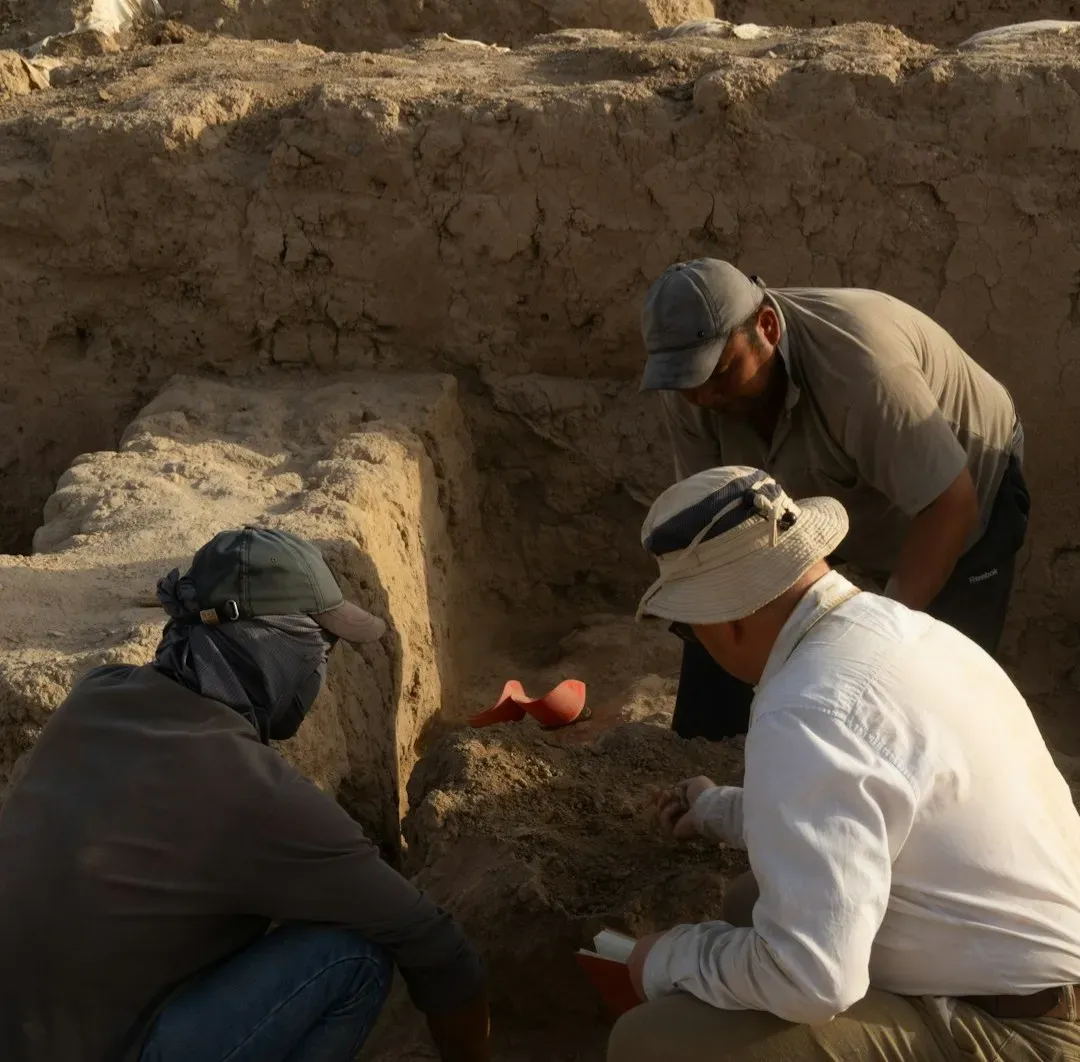
People love reading about lost cities, but they rarely realize how much of that narrative comes from a single sealed space. The exact positions of bodies, objects, and structural failures in one room can reconstruct the final minutes, sometimes the final seconds, of a city’s life.
Experts track collapsed beams against burned surfaces to figure out whether fire came before or after collapse, the direction fallen furniture points to trace shockwaves or floodwater, and the position of any preserved bodies relative to exits. Items still clutched in someone’s hands matter too – tools, jewelry, a child, a religious object.
A room where people died clutching keys and jewelry suggests they had a moment to choose what mattered most. One where they’re found far from any doorway suggests something sudden and overwhelming – poison gas, instant structural failure, a surprise attack no one saw coming.
If multiple sealed rooms across a city show the same directional collapse or the same burn layer, archaeologists can map how the catastrophe rolled through the streets. One undisturbed space becomes ground zero for understanding an entire urban tragedy.
#12 – Cultural Values in What Was Left Behind
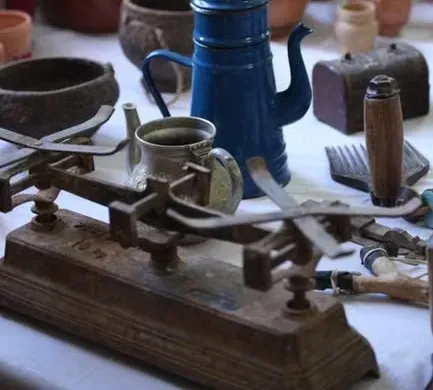
This is where it gets almost psychological. When a room seals suddenly, what people chose to grab, or abandon, reveals what they truly valued – not just what they claimed to.
If a wealthy family fled and left heavy furniture behind but took religious figurines, that says something. If they grabbed account tablets and scales instead of heirloom jewelry, that says something entirely different. Even without bodies present, the pattern of absence speaks loudly on its own.
At a Glance
- What people grabbed during a crisis often reveals priorities that public records never mention.
- Overrepresented “everyday” items sometimes mattered more to survival than valuable heirlooms.
- Absence is evidence too – missing object categories can be as telling as objects left behind.
- Patterns repeated across many sealed rooms turn personal choices into citywide values.
Archaeologists ask which categories of objects are consistently missing, which classes of items are strangely overrepresented, like copies or hoards, and whether sentimental things – toys, letters, keepsakes – were left behind or carried away. Sometimes the shocking truth is that “priceless” objects to modern eyes were treated as disposable back then, while humble tools or specific containers were guarded like treasure.
Across a whole city, if sealed rooms consistently show people prioritizing farming tools over decorative art when disaster struck, that single pattern teaches more about their survival logic than any beautifully carved relief ever could.
#13 – How Much We’re Probably Getting Wrong About the Whole City
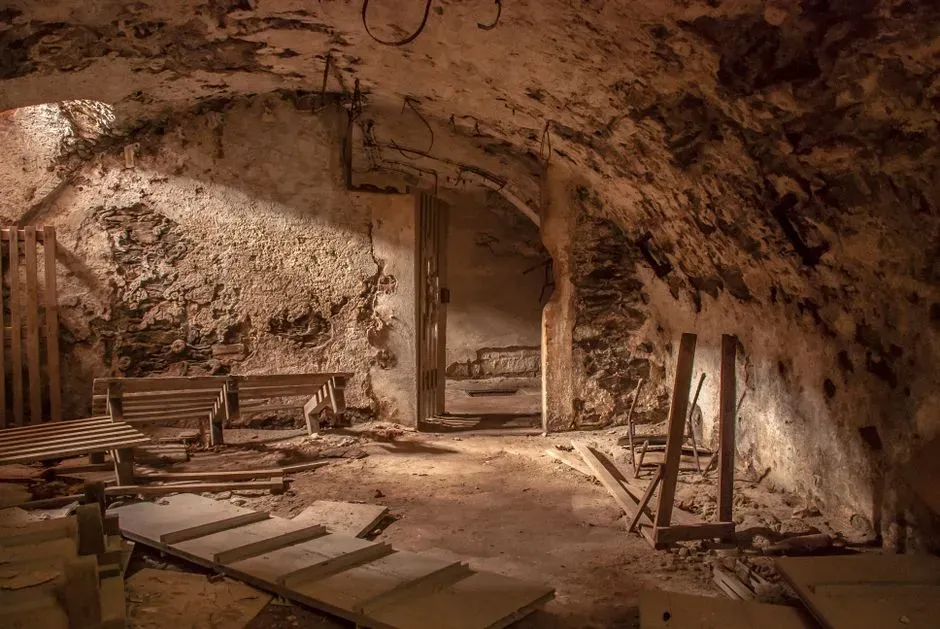
Here’s the uncomfortable secret insiders admit off the record: a single sealed room doesn’t just inform our picture of a city, it can quietly dominate it. When evidence is scarce, one snapshot easily becomes “how we imagine” everything else, and that’s genuinely dangerous.
If the one preserved storeroom happens to belong to elites, we risk projecting elite diets, tools, and tastes onto an entire population that never lived that way. If the only sealed house we have is unusually small or unusually fortified, we might overestimate poverty or fear citywide. It’s a bit like judging all of modern life from a single Manhattan loft, or one rural trailer, and calling it representative.
Good archaeologists actively fight this bias. They cross-check sealed-room evidence against open-area digs, compare findings with similar cities from the same culture and period, hunt for internal contradictions like luxury goods showing up in supposedly “poor” neighborhoods, and stay honest about sample size and outliers.
Still, most people don’t realize how many sweeping claims about ancient cities hang on just a handful of these rare, frozen spaces. Some experts argue for more caution; others insist these windows are too valuable not to lean on heavily. The debate gets surprisingly heated, and that tension – between what one room reveals and what it can’t quite justify – is exactly where the most interesting questions in archaeology live.
The Bottom Line
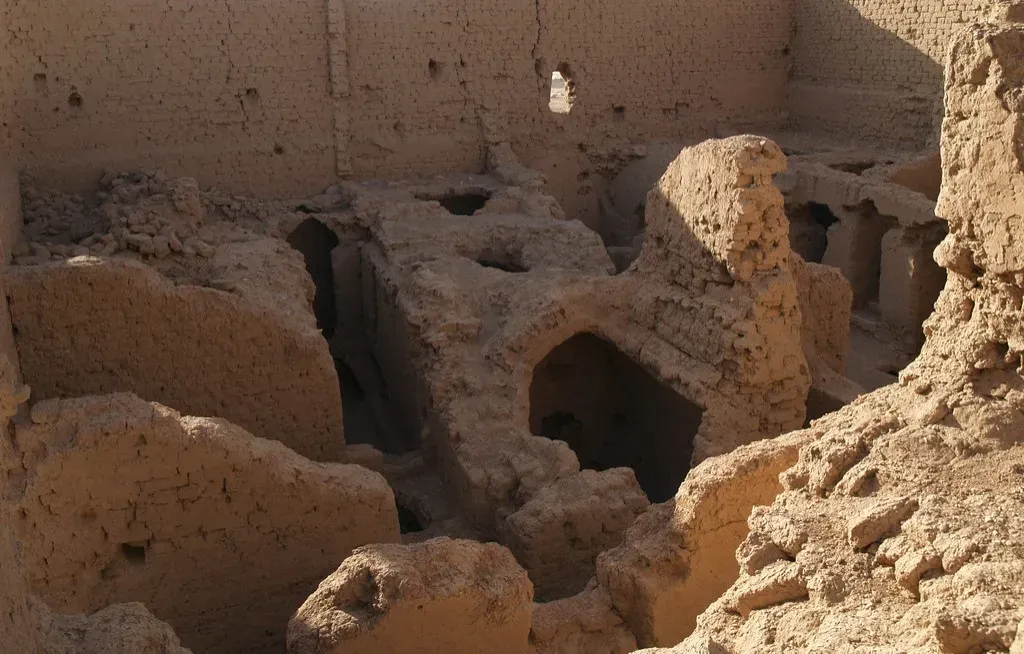
A single sealed room is a brutally honest screenshot of a whole city’s operating system. It exposes everything the official monuments gloss over – who actually worked, who really ate well, what people feared at night, and which “advanced” technologies were really just patched-together hacks. It can overturn grand narratives, reveal invisible social classes, and redraw entire trade maps from one shelf of objects that simply don’t belong.
Yet that same power is also its biggest danger, because it’s incredibly tempting to treat one perfect snapshot as the whole movie. In my view, we should take these rooms deadly seriously but never literally. They’re sharp, revealing close-ups, not citywide selfies, and the smartest thing we can do is let them correct our lazy assumptions instead of confirming the ones we already had.
So which side are you on – trust the room, or treat it with suspicion? Tell us where you land in the comments.