A new study led by researchers at the University of Minnesota has found that viruses transmitted between different bee species do not result in the formation of new virus variants. This discovery, published in Communications Biology, provides a rare bit of good news for bee pollinators, which have been in decline for over 25 years. The findings suggest that while viral spillover occurs, it does not lead to widespread mutations or new threats for native bee populations.
Investigating Viral Spillover in Bees
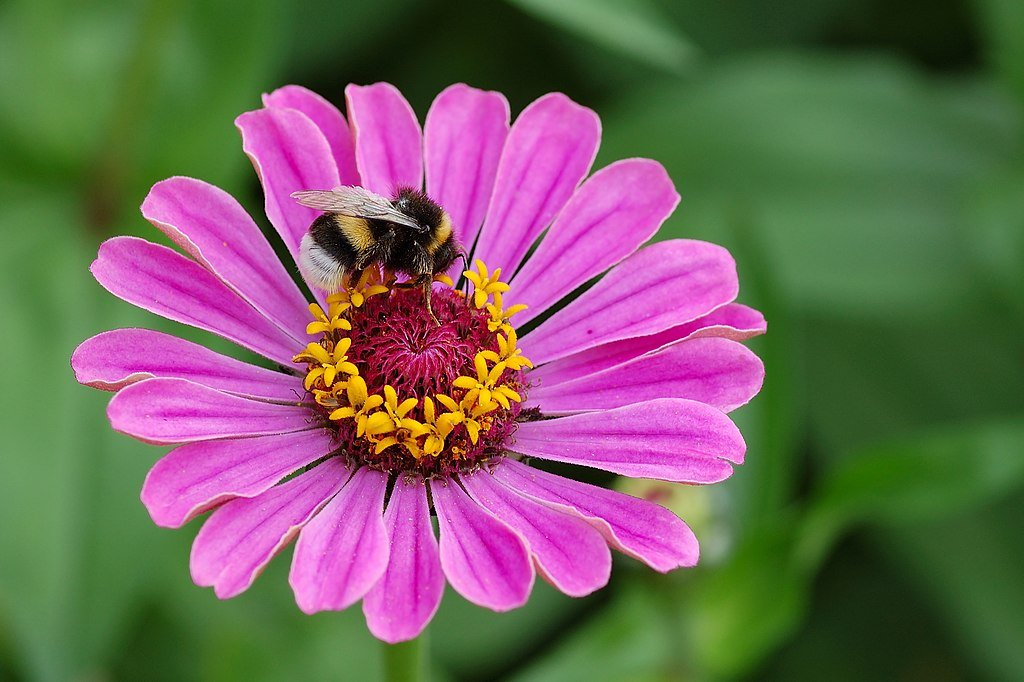
The study focused on three common honeybee viruses: deformed wing virus, black queen cell virus, and sacbrood virus. These pathogens primarily affect the Western honeybee, the most widespread bee species in the world. Researchers conducted genomic sequencing over three years to track how these viruses interacted with native bumblebees. While the viruses were present in bumblebees, they remained over 98 percent genetically identical to their honeybee counterparts, indicating that they did not evolve or adapt to their new hosts.
Bumblebees as Dead-End Hosts
One of the key findings was that bumblebees acted as dead-end hosts for honeybee viruses. Although the viruses could be detected in bumblebee populations, they did not establish themselves or spread between individual bumblebees. This suggests that viral spillover from managed honeybee colonies does not pose a significant evolutionary risk to wild bee species. Instead, bumblebees have their own distinct virome, which may be of greater concern for their health and conservation.
Implications for Pollinator Conservation
Bee pollinator populations are under strain due to habitat loss, pesticides, climate change, invasive species, and pathogen-related diseases. While viral spillover has been a concern, this study suggests that it does not contribute to the emergence of new virus variants. However, conservationists still emphasize the importance of protecting bumblebees from potential pathogen exposure, particularly for species at risk of extinction. Low genetic diversity in certain bumblebee populations could make them more vulnerable to disease outbreaks.
Future Research and Monitoring Efforts
Researchers plan to continue monitoring viral diversity in both managed honeybees and wild bee pollinators. Establishing a clear baseline for bee viruses will allow scientists to detect any future changes or emerging threats. While this study provides reassurance regarding viral spillover, ongoing research is necessary to fully understand the long-term impacts of virus transmission on pollinator health.
Conclusion
The study’s findings challenge previous concerns about viral spillover leading to new mutations in wild bee populations. While honeybee viruses can be detected in bumblebees, they do not evolve or spread within these hosts. This research provides valuable insights into pollinator health and reinforces the need for continued monitoring and conservation efforts to protect bee populations worldwide.
Source: