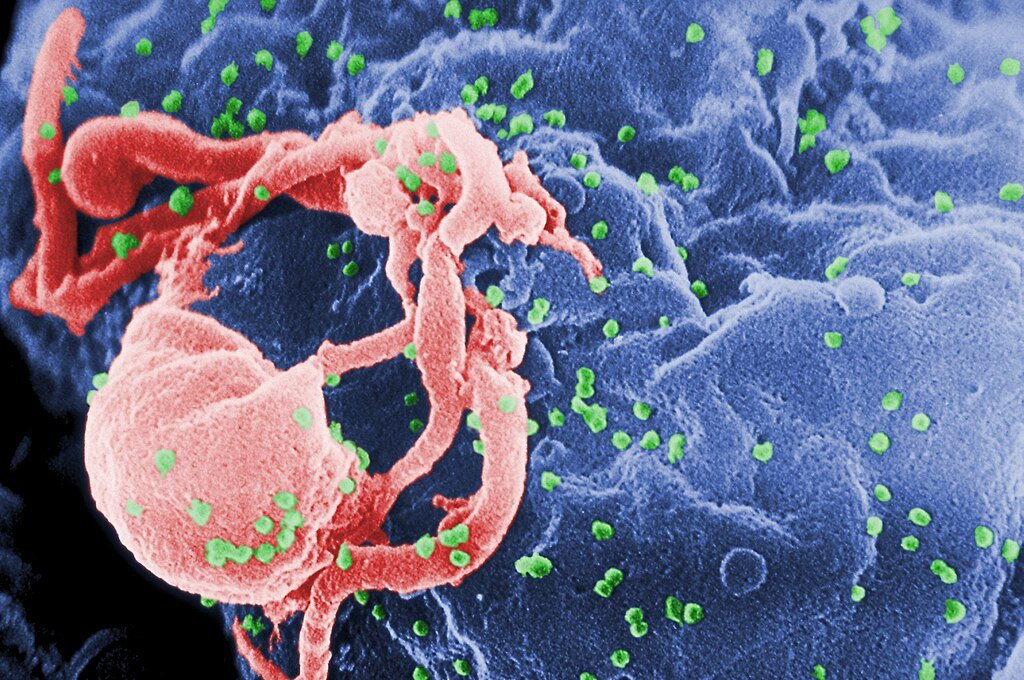

A genetic mutation that helps protect against HIV infection has been traced back to a single individual who lived near the Black Sea between 6,700 and 9,000 years ago. This discovery challenges previous assumptions about the mutation’s origins, suggesting it spread rapidly across Eurasia long before the Viking Age.
Tracing the Mutation’s Origins

Scientists analyzed over 3,000 genomes, including ancient DNA from 934 individuals spanning the Mesolithic period to the Viking Age. Their findings pinpoint the emergence of the CCR5 delta 32 mutation, which disables a key protein that HIV uses to infect immune cells. This mutation became increasingly common between 8,000 and 2,000 years ago, likely due to its protective effects against other diseases.
Why Did the Mutation Spread So Rapidly?
The mutation’s rise coincided with major human migrations from the Eurasian steppe. Researchers suggest that individuals carrying CCR5 delta 32 may have had an advantage in surviving new pathogens encountered during these migrations. While HIV is a modern disease, the mutation likely helped early humans regulate immune responses, preventing excessive inflammation that could be deadly.
Implications for Modern Medicine
Today, the CCR5 delta 32 mutation is found in 10 to 16 percent of Europeans, and scientists have used it to develop HIV treatments. Understanding its ancient origins provides insight into how genetic adaptations shape human health, potentially guiding future research into immune system resilience.
Conclusion
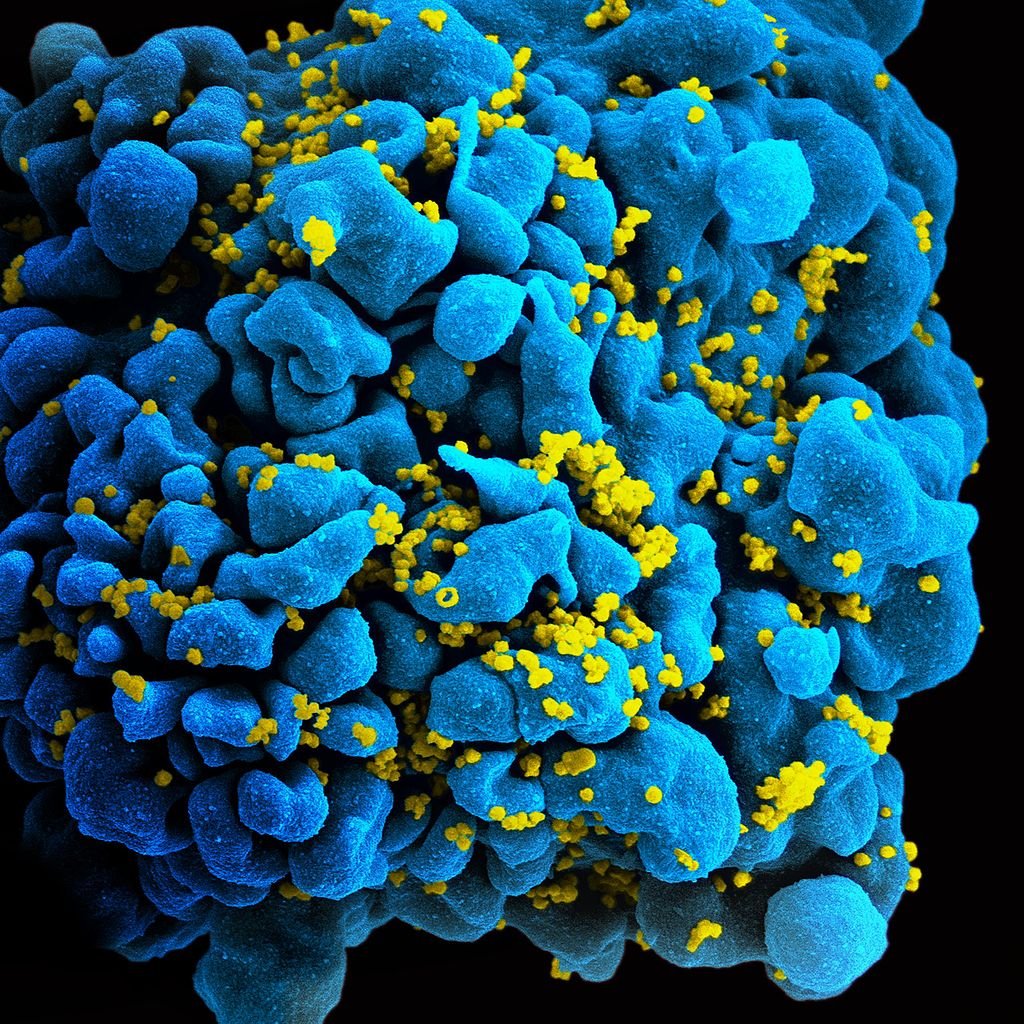
The discovery that the CCR5 delta 32 mutation originated near the Black Sea thousands of years ago reshapes our understanding of human genetic evolution. As scientists continue to explore ancient DNA, findings like this highlight the long-term impact of genetic adaptations on modern health.
Source: