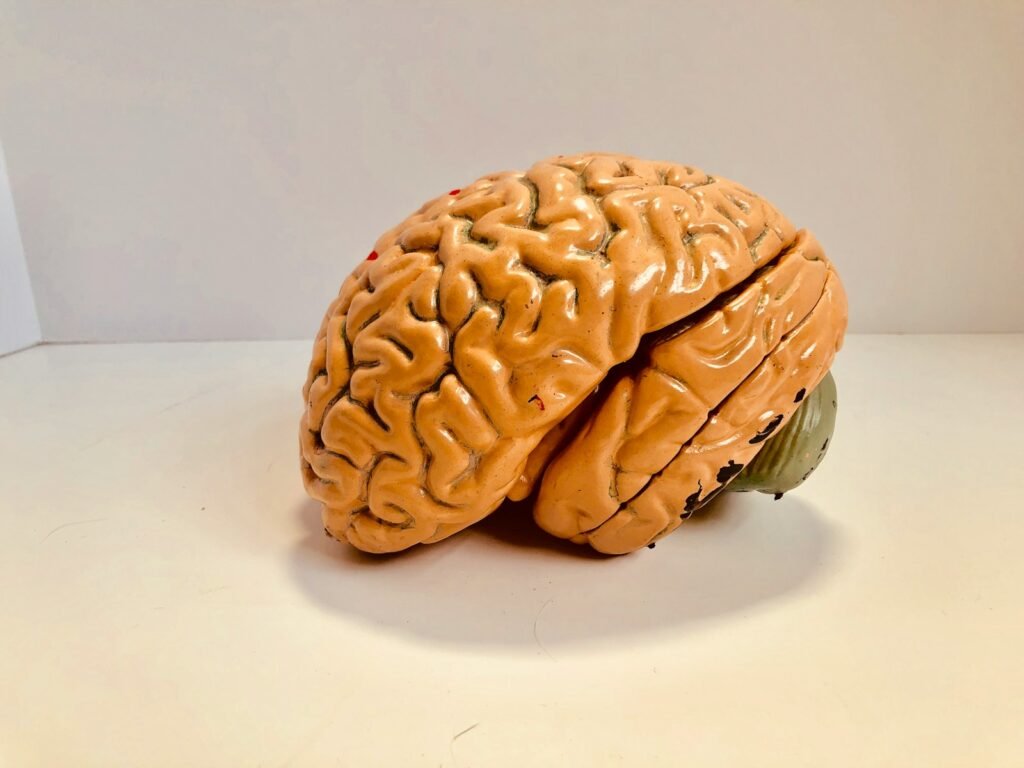

For something we live inside every waking moment, consciousness is still one of science’s strangest mysteries. For more than a century, researchers have poked the brain, mapped it, scanned it, and simulated it, and yet the basic question has lingered: how does the buzzing activity of neurons become the feeling of being you? In the last few years, though, the field has entered a surprisingly dramatic phase, with competing theories tested head‑to‑head and some long‑held assumptions quietly crumbling. Instead of vague speculation, we’re starting to see careful experiments that actually pit ideas of consciousness against each other in the lab. The emerging picture is messy, controversial, and still incomplete – but it might finally be pointing toward how awareness actually arises from matter.
The Hidden Clues Inside a Conscious Brain
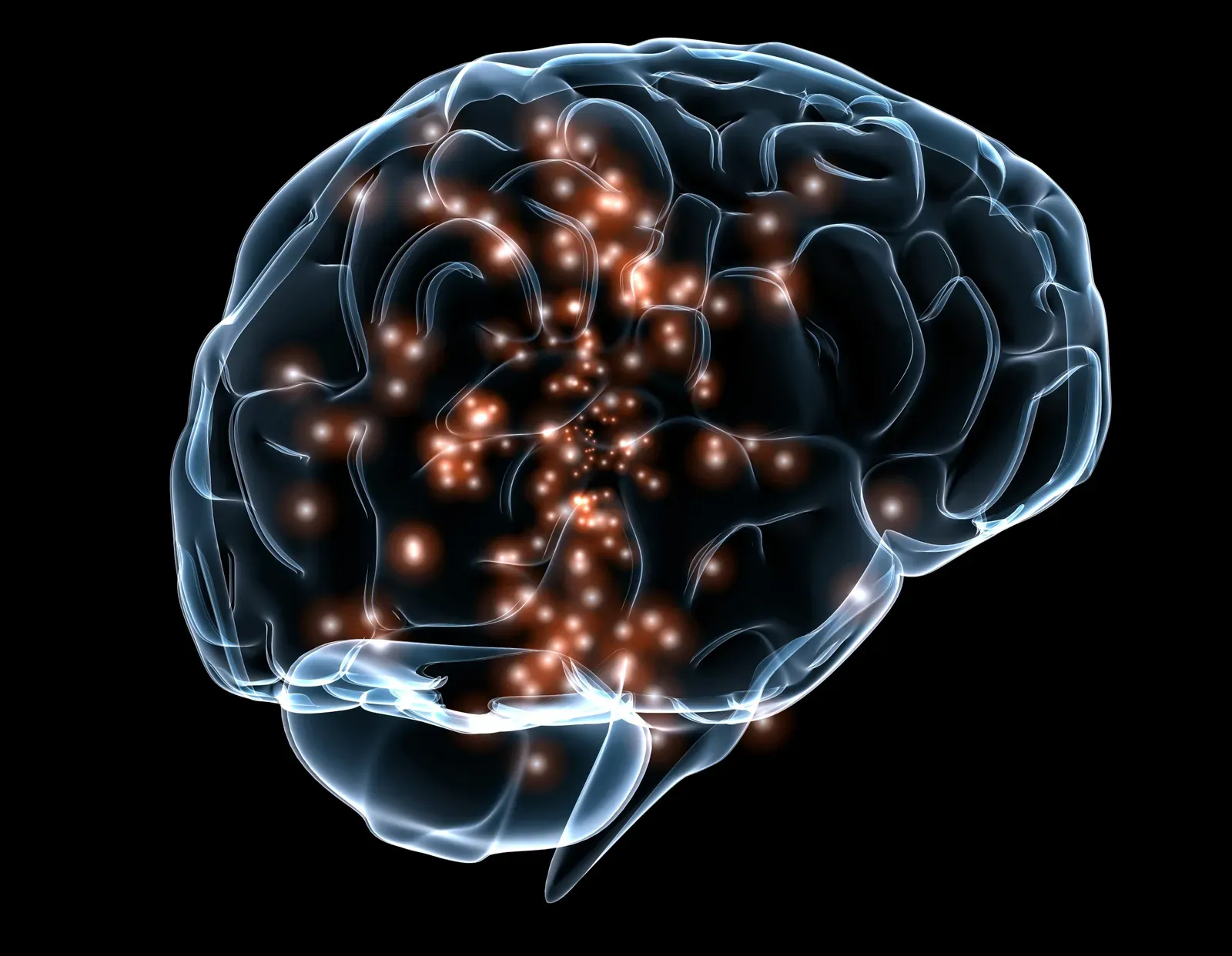
Walk into a modern neuroscience lab studying consciousness and you might be surprised by how unglamorous the work looks. Researchers are not waving magic wands over brains; they are staring at lines of code, EEG squiggles, and noisy fMRI images, trying to tease out subtle signatures of awareness. One recurring clue is that when people become consciously aware of something – a flashing image, a word on a screen – activity does not just spike in one tiny spot, it rapidly ignites a broader network. This “ignition” seems to recruit frontal and parietal regions, fusing sensation, attention, and memory into a single experience. When the same stimulus is presented but goes unnoticed, the signal stays more local and fizzles out before it spreads.
Researchers have begun to treat these patterns almost like fingerprints of consciousness. In one set of experiments, scientists use visual masks or brief flashes to make an image invisible, then compare brain activity to moments when the same image breaks through into awareness. The invisible image still tickles early visual areas, but the global broadcast never quite lights up. This has led some teams to develop mathematical measures such as “neural complexity” or “perturbational complexity index,” which try to quantify how richly interconnected and differentiated these signals are. The higher the complexity, the more likely the person is awake, aware, and able to report experiences. It is not a final answer, but it is a compelling hint that consciousness has a distinct neural “texture.”
From Ancient Speculation to High‑Tech Tests
Human beings have wondered about the nature of the mind since long before there was anything like neuroscience. Ancient philosophers argued over whether consciousness was a special kind of substance, a divine spark, or just what it feels like when the body does its work. For most of history those debates were effectively untestable, like arguing about the color of an invisible object. The big shift came in the late twentieth century, when cognitive science, brain imaging, and computational models began to give researchers tools to move beyond armchair speculation. The question subtly changed from “What is consciousness in essence?” to “What kinds of information processing seem to go along with conscious experience?”
That shift opened the door to something almost unthinkable a few decades ago: experimental tests of grand theories of consciousness. Two of the most influential – Global Neuronal Workspace Theory (GNWT) and Integrated Information Theory (IIT) – have inspired dozens of studies where rival predictions can be checked side by side. GNWT, for example, emphasizes that consciousness arises when information becomes globally available to many brain systems, while IIT focuses on how tightly integrated and irreducible a network’s causal structure is. Instead of treating these as purely philosophical frameworks, labs have used targeted brain stimulation, anesthetics, and clever behavioral tasks to see which story matches real data better. The results so far have been provocative enough to spark public debates, retracted papers, and renewed scrutiny, showing that consciousness science is finally maturing into a hard‑nosed empirical field.
Rival Theories in the Arena
One reason this moment feels so electric is that the leading theories of consciousness do not just disagree in detail – they seem to describe different pictures of what a conscious brain is actually doing. Global Neuronal Workspace Theory imagines a kind of mental stage, where information that wins the competition for attention gets “broadcast” to many specialized systems, from language to decision making. In this view, consciousness is about access and availability, like switching on a bright spotlight in a theater. Integrated Information Theory, by contrast, starts from the internal structure of a network and asks how much its parts form an indivisible whole. Here, consciousness is less about broadcasting and more about how deeply a system is woven together.
Recent large‑scale projects have tried to move past abstract arguments and actually test these ideas. In one high‑profile series of experiments, teams measured brain responses while people saw images they were aware of and images they were not, then analyzed which regions lit up and how. Initial conclusions seemed to favor a more posterior “hot zone” of consciousness over the frontal areas GNWT emphasized, sparking headlines and bold claims that one theory was in trouble. Follow‑up work has been more cautious, suggesting that experimental design, task demands, and analysis choices can shift the apparent winner. The upshot is that no single theory has delivered a knockout punch, but the act of testing them is refining the questions, exposing weaknesses, and forcing everyone to be more precise about what counts as evidence.
The Brain in Pieces vs. the Brain as a Whole
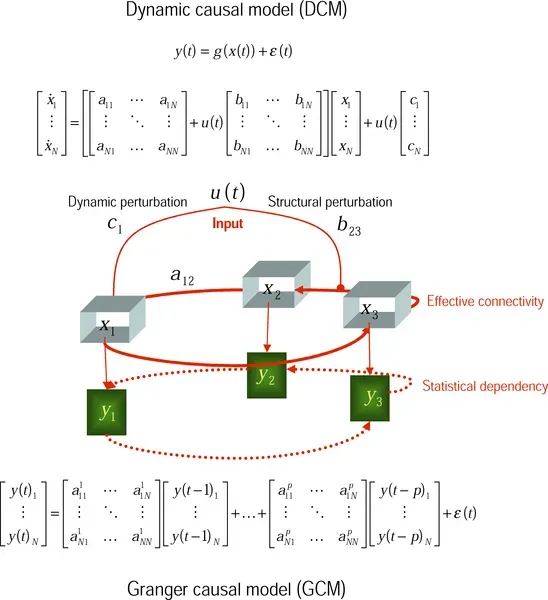
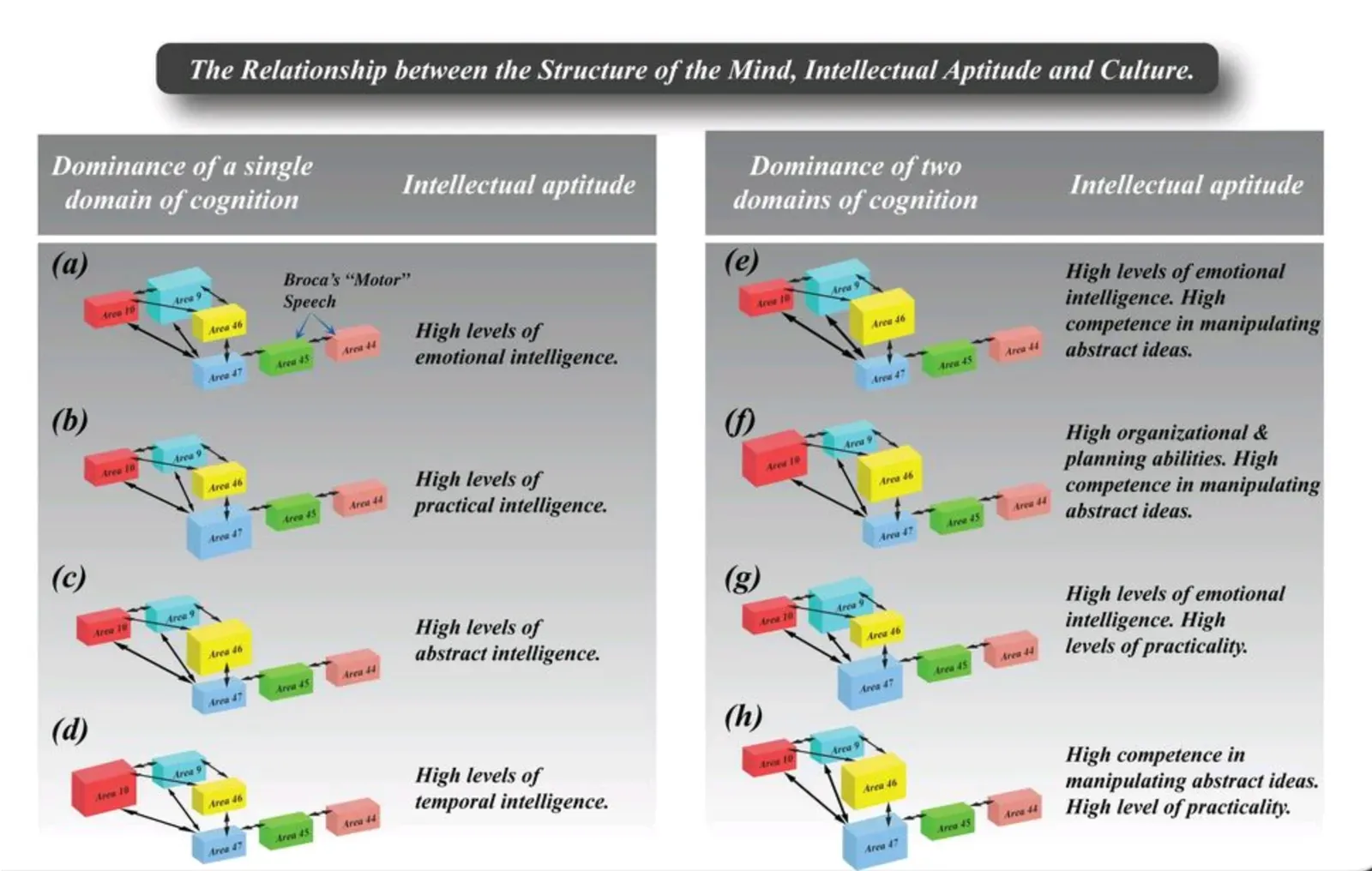
Underneath the technical jargon, many of these debates boil down to a simple tension: is consciousness something you can pin on specific regions, or is it more about the brain’s overall pattern of interaction? Traditional neuroscience has leaned heavily on the first option, linking functions to pieces like a mental wiring diagram. Vision goes here, language goes there, memory gets a spot deeper inside. Consciousness, in that framework, was often treated as just one more “function” to be localized. But the more scientists have studied it, the more it seems to resist being pinned to any single patch of cortex, behaving more like a dynamic pattern that emerges only when enough of the system is online and communicating.
Several lines of evidence support this more holistic view. Under general anesthesia, for example, sensory regions can still respond weakly to signals, but long‑range communication between distant areas collapses. In deep sleep or certain disorders of consciousness, similar breakdowns in connectivity appear, even when basic reflexes remain intact. At the same time, damage to fairly large chunks of frontal cortex does not always erase consciousness in the simple way early models predicted. Taking all this together, a growing number of researchers see awareness less as a single “spot” and more as a fragile balance between differentiation and integration. Break the brain into isolated islands and the lights dim; fuse everything into a uniform blur and rich experiences also disappear. Consciousness seems to live in the sweet spot between those extremes.
Why It Matters: Consciousness as a Scientific and Moral Compass
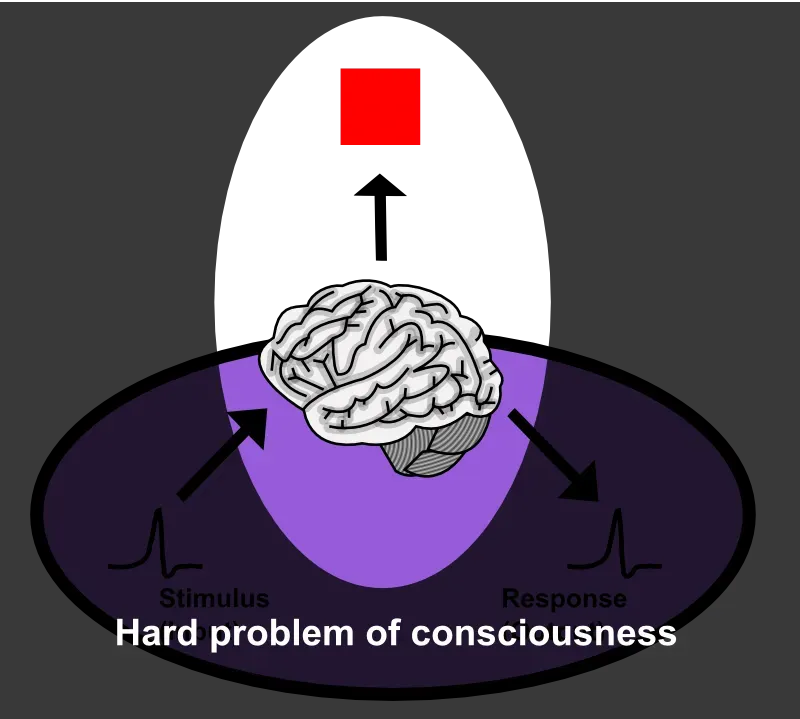
It might be tempting to file all this under intellectual curiosity – a neat puzzle for philosophers and brain nerds – but that would miss how deeply the science of consciousness reaches into everyday life. Hospitals around the world make life‑and‑death decisions about patients in comas, vegetative states, or minimally conscious states, often with heartbreaking uncertainty. If more reliable measures of awareness can be developed, they could change how families and doctors decide when to continue care, when to withdraw it, and how to communicate with patients who may be locked in but still vividly aware. Already, there are cases where patients with almost no outward signs of responsiveness have shown signs of covert consciousness through brain‑based tests. That possibility alone demands better tools and clearer concepts.
Beyond medicine, consciousness research is quietly shaping how we think about animals, artificial intelligence, and even our justice systems. Evidence that many non‑human species experience at least some forms of awareness has fueled debates about animal welfare, research ethics, and food systems. Meanwhile, as AI systems grow more capable, we are being forced to confront questions about what, if anything, would count as consciousness in a machine. The science does not yet give clear answers, but it does help distinguish empty marketing claims from serious possibilities. In the background, understanding consciousness also feeds into theories of free will, responsibility, and what it means to live a meaningful human life. It is not just an abstract riddle; it is a compass pointing toward how we treat one another and the world around us.
Consciousness Beyond Humans: Animals, Machines, and Gray Areas
One of the most unsettling aspects of modern consciousness science is how it blurs the boundaries many of us grew up with. We can no longer comfortably assume that humans occupy a clean, exclusive island of awareness while everything else is dark and mechanical. Studies of cephalopods, corvids, and mammals suggest that complex problem solving, flexible learning, and rich social behavior often come paired with brain architectures that support something like subjective experience. At the same time, these architectures are not simply mini human brains; they are wildly different designs that seem to have stumbled onto their own solutions to building a conscious system. That pushes us to separate the specific human flavor of consciousness from the broader phenomenon of sentient experience.
On the machine side, the story is even murkier. Modern AI systems can produce language, images, even simulations of self‑reflection that look uncannily like our own, yet there is no clear evidence they possess any inner life. Some theorists argue that unless a system has the right kind of integrated, recurrent causal structure – something current large language models lack – it simply cannot support genuine consciousness. Others warn that we may be too quick to dismiss the possibility, especially as architectures grow more complex and embodied. For now, the cautious position is to treat AI systems as powerful tools without subjective experience, but to keep a close scientific watch on developments that might push them closer to the thresholds sketched by existing theories. This gray zone is likely to be one of the most contentious frontiers in the coming decades.
The Future Landscape: Probing, Simulating, and Engineering Awareness
Look ahead a decade or two, and the science of consciousness starts to feel less like philosophy and more like ambitious engineering. Researchers are developing new ways to “ping” the brain with magnetic or electrical pulses and read out how complex the echo is, effectively stress‑testing the system’s capacity for conscious processing. Others are building detailed computer models of cortical networks, trying to see which architectures naturally give rise to the hallmarks of awareness we see in humans. The hope is that by iterating between models, brain data, and theory, we can narrow in on designs that almost have to produce something like experience. These efforts are still in their infancy, but they hint at a future where consciousness becomes a design parameter rather than an ineffable mystery.
That prospect is both thrilling and unnerving. If we can better detect consciousness, we might revolutionize anesthesia, coma care, and pain management. If we can simulate aspects of it, we might build AI that collaborates with humans more intuitively, or brain‑computer interfaces that restore lost abilities in patients with paralysis or neurodegenerative disease. But if we ever learn to engineer consciousness directly – whether in organic tissue, hybrids, or wholly artificial substrates – we will face a cascade of ethical and legal questions we are barely prepared for. How many conscious entities are we willing to create? What rights would they have? Consciousness science is not just mapping the terrain; it is quietly laying the groundwork for those future crossroads.
How You Can Engage With the New Science of Consciousness
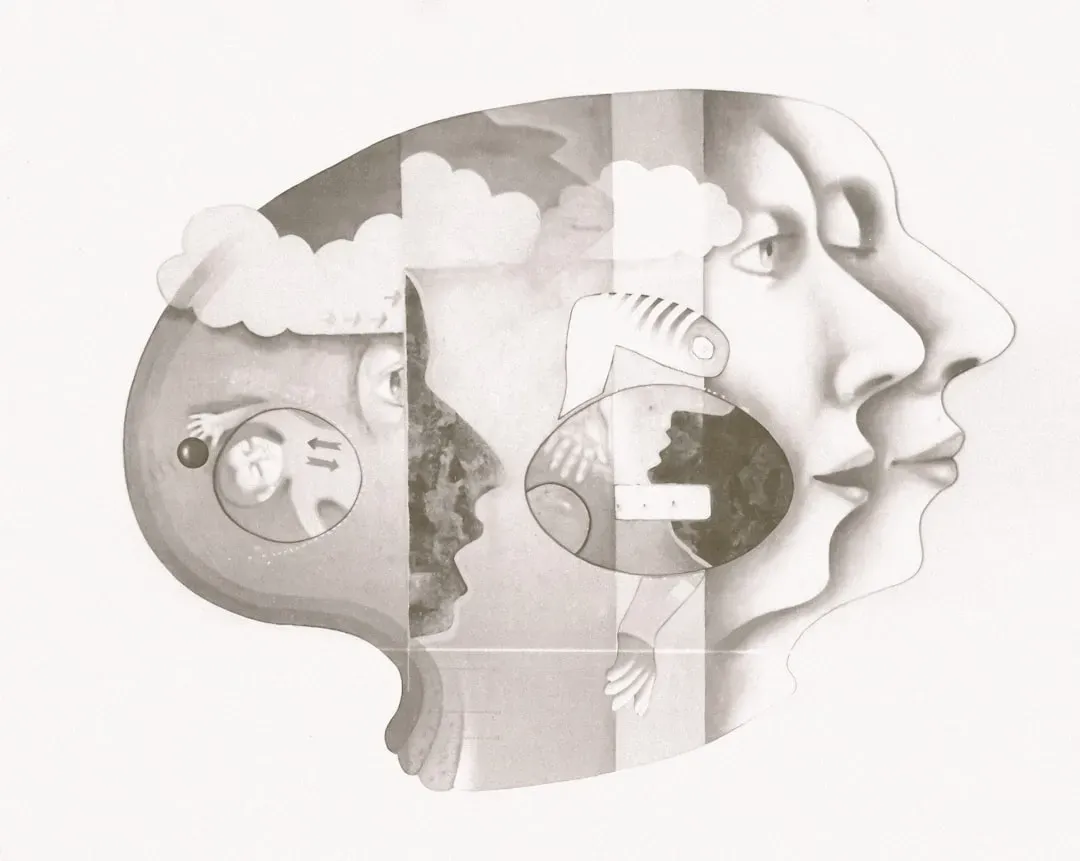
You do not need access to a lab to be part of this unfolding story. One simple way to engage is to follow how your own awareness shifts through the day, during sleep, under stress, or in altered states like deep meditation or anesthesia recovery, and treat those experiences as data points rather than mysteries. Popular science books, public lectures, and open courses now offer surprisingly in‑depth looks at theories like GNWT and IIT without drowning you in equations. Engaging with these resources helps create a more informed public conversation, which in turn shapes funding priorities and ethical guidelines. Even casual discussions with friends and family about what consciousness feels like, when it seems to fade, and what might count as conscious in animals or machines can sharpen our collective understanding.
There are also more concrete ways to support the field. Charitable donations to neuroscience institutes, brain research foundations, or hospitals running studies on coma and disorders of consciousness can help push promising work forward. Advocacy for better patient rights and clearer communication in end‑of‑life care often depends on public pressure, especially when new brain‑based tools become available but are slow to be adopted. On the tech side, asking hard questions about AI claims, demanding transparency from companies, and supporting policies that require independent scientific oversight can keep hype in check. Consciousness may be the most intimate thing we have, but its future will be shaped by collective choices. The more thoughtfully we participate, the less likely we are to be blindsided by the consequences of our own creations.
Suhail Ahmed is a passionate digital professional and nature enthusiast with over 8 years of experience in content strategy, SEO, web development, and digital operations. Alongside his freelance journey, Suhail actively contributes to nature and wildlife platforms like Discover Wildlife, where he channels his curiosity for the planet into engaging, educational storytelling.
With a strong background in managing digital ecosystems — from ecommerce stores and WordPress websites to social media and automation — Suhail merges technical precision with creative insight. His content reflects a rare balance: SEO-friendly yet deeply human, data-informed yet emotionally resonant.
Driven by a love for discovery and storytelling, Suhail believes in using digital platforms to amplify causes that matter — especially those protecting Earth’s biodiversity and inspiring sustainable living. Whether he’s managing online projects or crafting wildlife content, his goal remains the same: to inform, inspire, and leave a positive digital footprint.