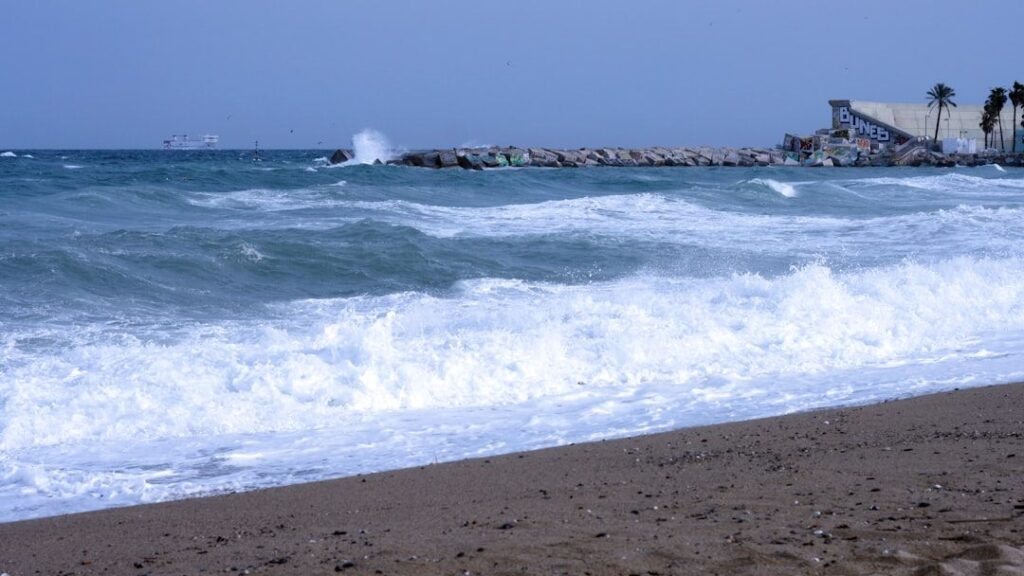
UNESCO warns a tsunami in the Mediterranean is inevitable – Image for illustrative purposes only (Image credits: Unsplash)
The French Riviera and similar stretches of Mediterranean coastline often evoke images of leisure and stability. Yet scientific assessments indicate that destructive tsunami waves have reached these shores before and remain a credible possibility in the future. Modeling of potential events shows that some waves could arrive in under ten minutes, leaving scant opportunity for conventional warning systems to function effectively.
Records of Past Events Reveal a Pattern
Historical data confirm that tsunamis have struck Mediterranean coasts on multiple occasions. These incidents demonstrate that the region’s geology can generate the necessary conditions for large waves, even if such events occur less frequently than in ocean basins known for seismic activity. The evidence comes from documented cases that scientists continue to analyze for patterns in wave behavior and coastal impact.
These past occurrences serve as a reminder that the Mediterranean is not immune to sudden marine hazards. Researchers emphasize that the combination of underwater fault lines and the enclosed nature of the sea can produce waves capable of significant damage once they reach populated shorelines.
Modern Simulations Highlight Rapid Onset
Updated computer models have refined earlier estimates of how quickly a tsunami could develop and travel across the Mediterranean. In certain scenarios, the time from generation to landfall drops below ten minutes for some coastal locations. This compressed timeline arises from the relatively short distances involved and the specific characteristics of the seafloor in the region.
The models incorporate both historical records and current geological data to project possible wave heights and speeds. While not every simulation produces the same outcome, the consistent finding across multiple studies is that warning windows would be extremely narrow in many cases. This leaves little margin for the kind of multi-hour alerts familiar from Pacific Ocean events.
Challenges for Effective Response Measures
Traditional tsunami alert systems rely on detection networks and public communication channels that require time to activate. In the Mediterranean setting, the short travel distances mean that by the time sensors register an event, waves may already be approaching land. Officials and scientists note that this constraint demands different preparedness strategies than those used in other parts of the world.
Local authorities have begun exploring supplementary approaches, such as community education programs and physical infrastructure adjustments along vulnerable beaches. These efforts aim to reduce reliance on last-minute notifications and instead build awareness that could save lives even when formal alerts arrive late or not at all.
Key points on the Mediterranean tsunami risk:
- Historical events confirm past impacts on the coast.
- New modeling shows arrival times under ten minutes in some cases.
- Standard alert systems face severe time constraints.
- Preparedness now focuses on education and local measures.
Continued monitoring and refinement of these models remain essential as geological understanding improves. Coastal communities can use the available information to strengthen everyday readiness rather than wait for a specific forecast. The combination of past evidence and current projections underscores that the threat, while not constant, is one that requires ongoing attention.