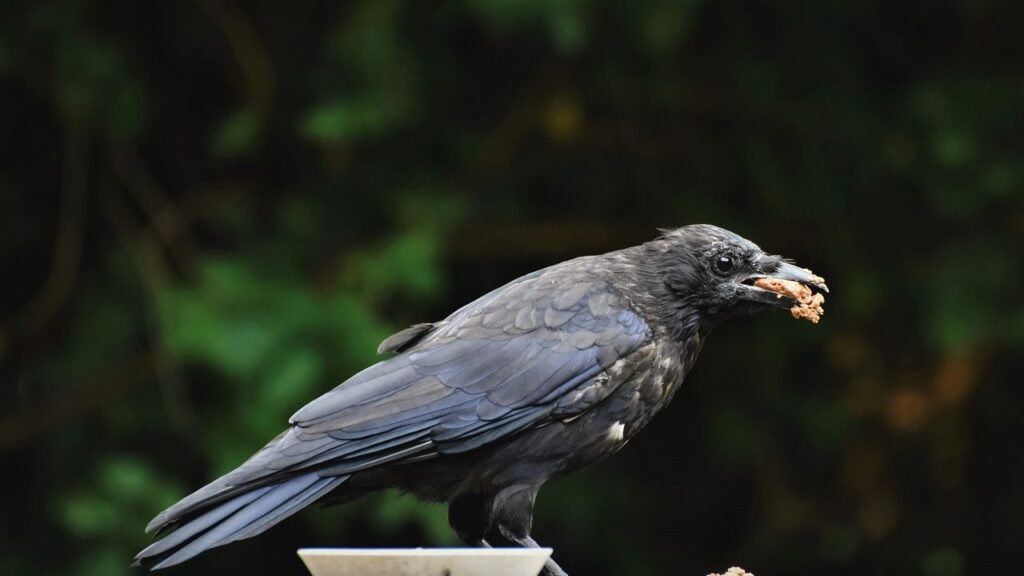

Have you ever watched a crow figure out a puzzle or wondered what your dog is really thinking when they tilt their head at you? For centuries, we’ve underestimated what goes on inside the minds of animals. It’s easy to assume that creatures lacking our language or opposable thumbs must be running on autopilot, guided solely by hardwired instinct. The truth is far more fascinating.
Scientists across disciplines are uncovering cognitive abilities in animals that challenge everything we thought we knew about intelligence. From octopuses unscrewing jar lids to elephants mourning their dead, the evidence keeps mounting. These aren’t party tricks or coincidences. They’re glimpses into complex mental worlds that exist parallel to our own, shaped by millions of years of evolution in wildly different environments.
The Ancient Debate: Instinct Versus Intelligence
Early observers like C. Lloyd Morgan suggested that seemingly intelligent behavior in animals often results from instinct or trial and error, rather than genuine thought. Picture a dog lifting a latch to escape the garden. Most onlookers would swear the animal planned it. Yet from a discontinuity perspective, humans alone are considered to possess higher cognitive skills of reasoning, with animals controlled by instinct.
This view dominated for generations. Still, cracks appeared in the theory as researchers documented behaviors that couldn’t be explained away by simple programming. Recent research strongly suggests many animals possess cognitive abilities akin to actual thoughts, exhibiting consciousness, emotions, and problem-solving skills beyond mere instinct. The line between automatic response and deliberate choice turns out to be far blurrier than anyone expected.
What Makes a Mind? Rethinking Intelligence Across Species
An idea gaining circulation is that animals exhibit forms of cognitive abilities different from what humans would ascribe as intelligence in themselves, as animals are concerned with different activities and priorities. Consider the squirrel, which hides thousands of nut caches and later retrieves them with remarkable accuracy. Honestly, most humans couldn’t manage that feat without GPS.
Cognition involves processing information, from sensing the environment to making decisions based on available information. It’s not about passing human tests or solving human problems. There is growing recognition that animal cognition may not be directly comparable to human intelligence, suggesting intelligence manifests in diverse ways across species. A dolphin’s brilliance looks nothing like a crow’s, yet both are undeniably smart in their own contexts.
Brains, Neurons, and the Hardware of Thought
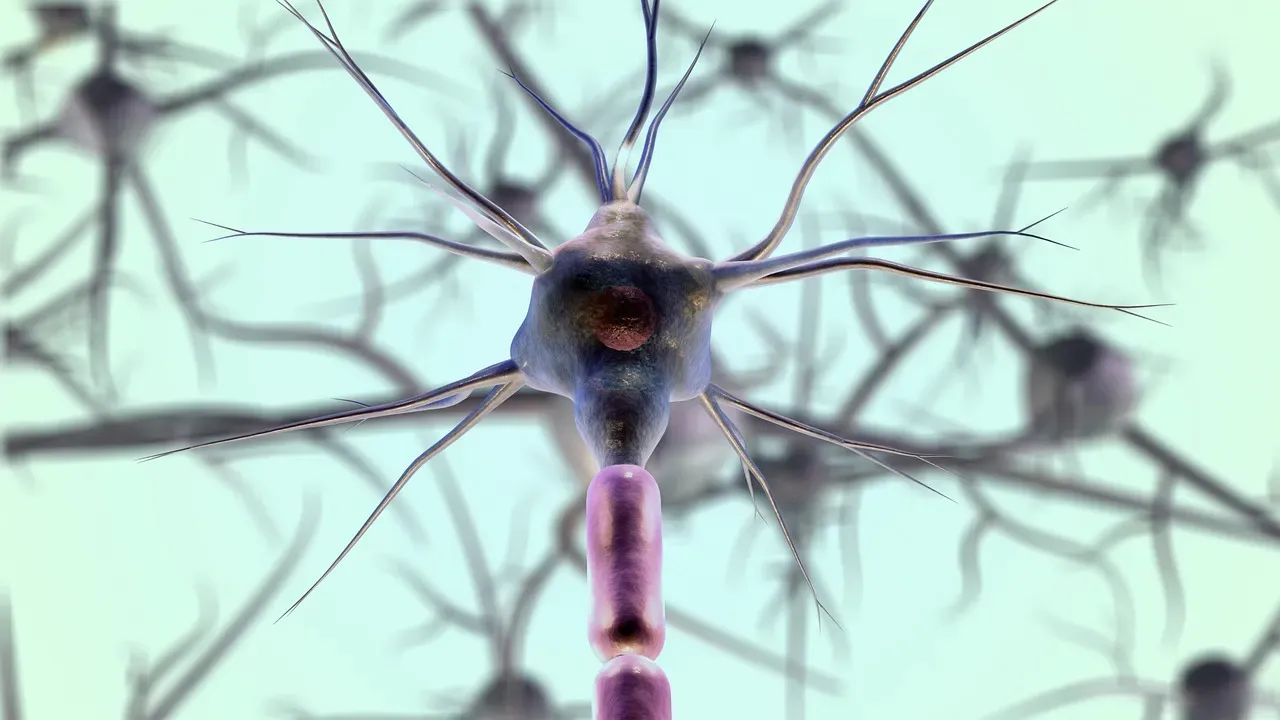
You might assume bigger brains automatically mean smarter animals. Scientists once believed a brain with billions of neurons was a requirement for intelligence, as neurons are nerve cells that connect and transmit messages. Humans have roughly 86 billion neurons packed into our skulls, which sounds impressive until you meet an elephant.
Elephants have brains three times larger than human brains, containing 257 billion neurons. Yet size alone doesn’t tell the whole story. Animal ability to process and respond to stimuli is correlated with brain size, with small-brain animals showing simple behaviors less dependent on learning, while vertebrates, particularly mammals, have larger brains and complex behavior that changes with experience. What matters more is the ratio between brain and body size, along with how those neurons are organized and used.
Memory Masters: Elephants, Dolphins, and Crows
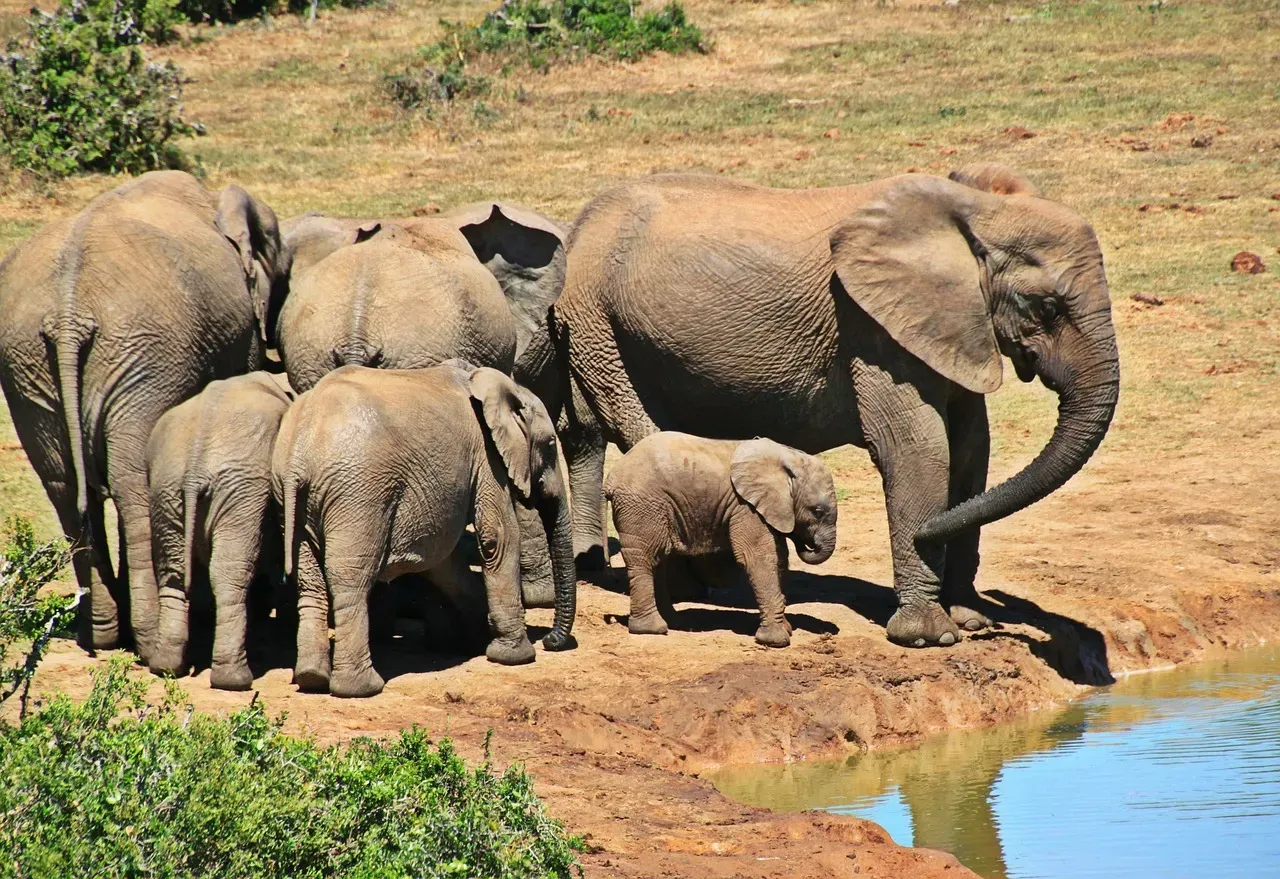
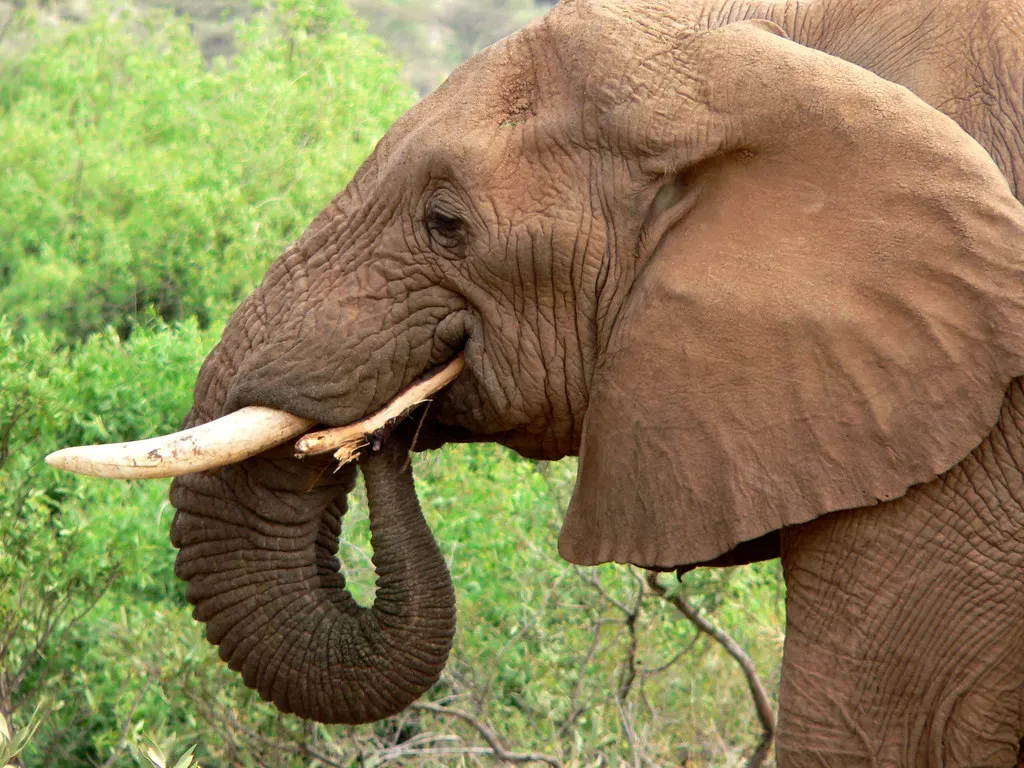
Elephants can recognize as many as 30 traveling companions at a time and learn to migrate away from drought-prone areas based on memories of earlier droughts. Their memory isn’t just impressive by animal standards. It rivals or exceeds human capabilities in certain domains, particularly spatial navigation and social recognition across decades.
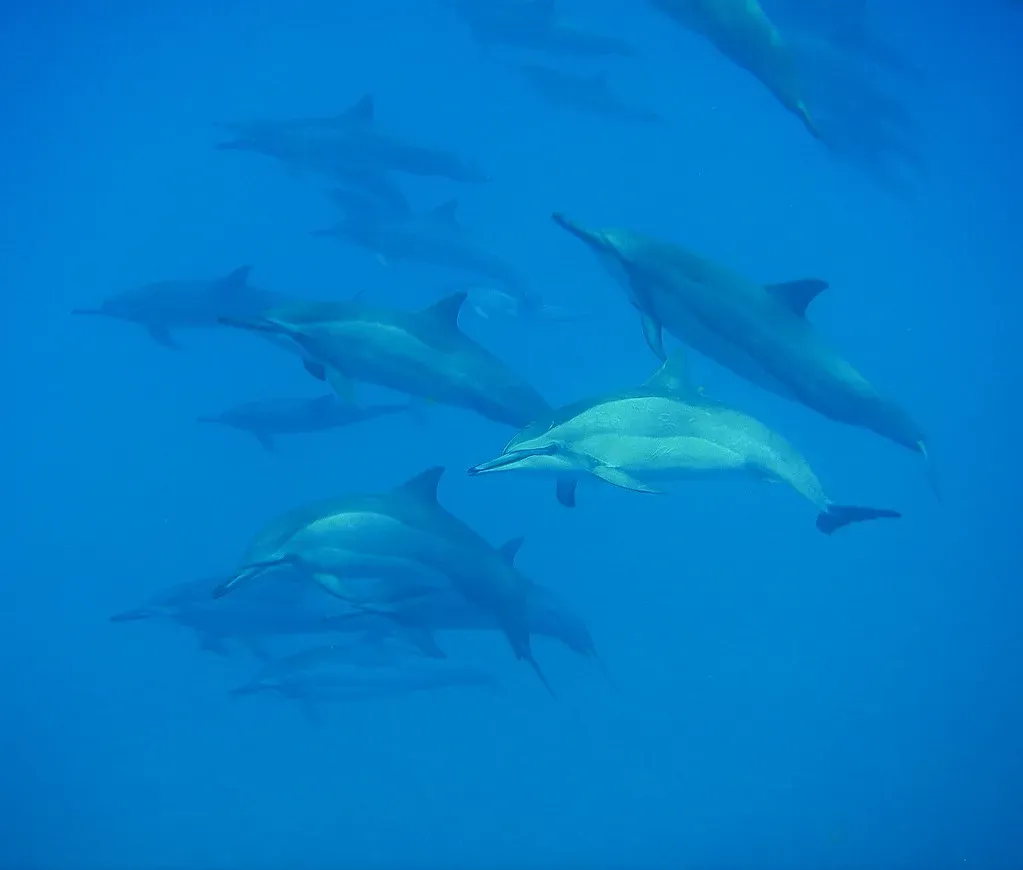
Dolphins showcase a different kind of memory prowess. A study found dolphins can remember the whistles of old tank-mates even after 20 years apart, the longest social memory ever recorded in a non-human species. Meanwhile, crows remember human faces and can hold grudges for years. Scientific research shows the brains of elephants, dolphins, and crows possess structures similar to humans, suggesting parallel evolution of memory capabilities.
Tool Use and Problem-Solving Beyond Primates
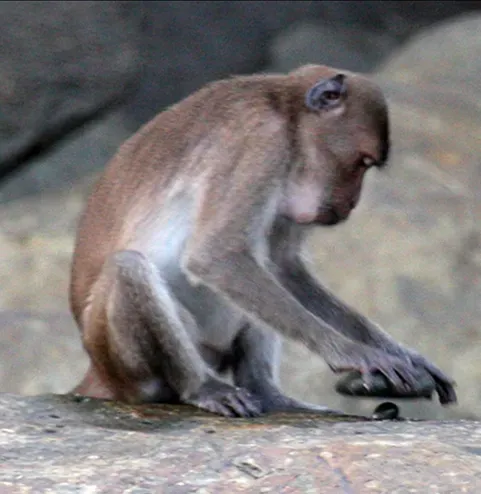
For decades, tool use was considered the hallmark of human uniqueness, later grudgingly extended to include our closest primate relatives. That exclusivity has crumbled. Corvids such as crows and ravens exhibit remarkable problem-solving skills and social intelligence, demonstrating aptitude for tool use.
Dolphins use tools like covering their snouts with sponges to protect them while digging in sand for food, and they hunt together using complex strategies such as creating bubble nets to trap fish. Even invertebrates join the club. Octopuses have been observed collecting coconut shells to create portable shelters, becoming one of the few invertebrates known to use tools. These aren’t isolated flukes but widespread cognitive strategies deployed across wildly different branches of the evolutionary tree.
The Octopus: An Alien Intelligence
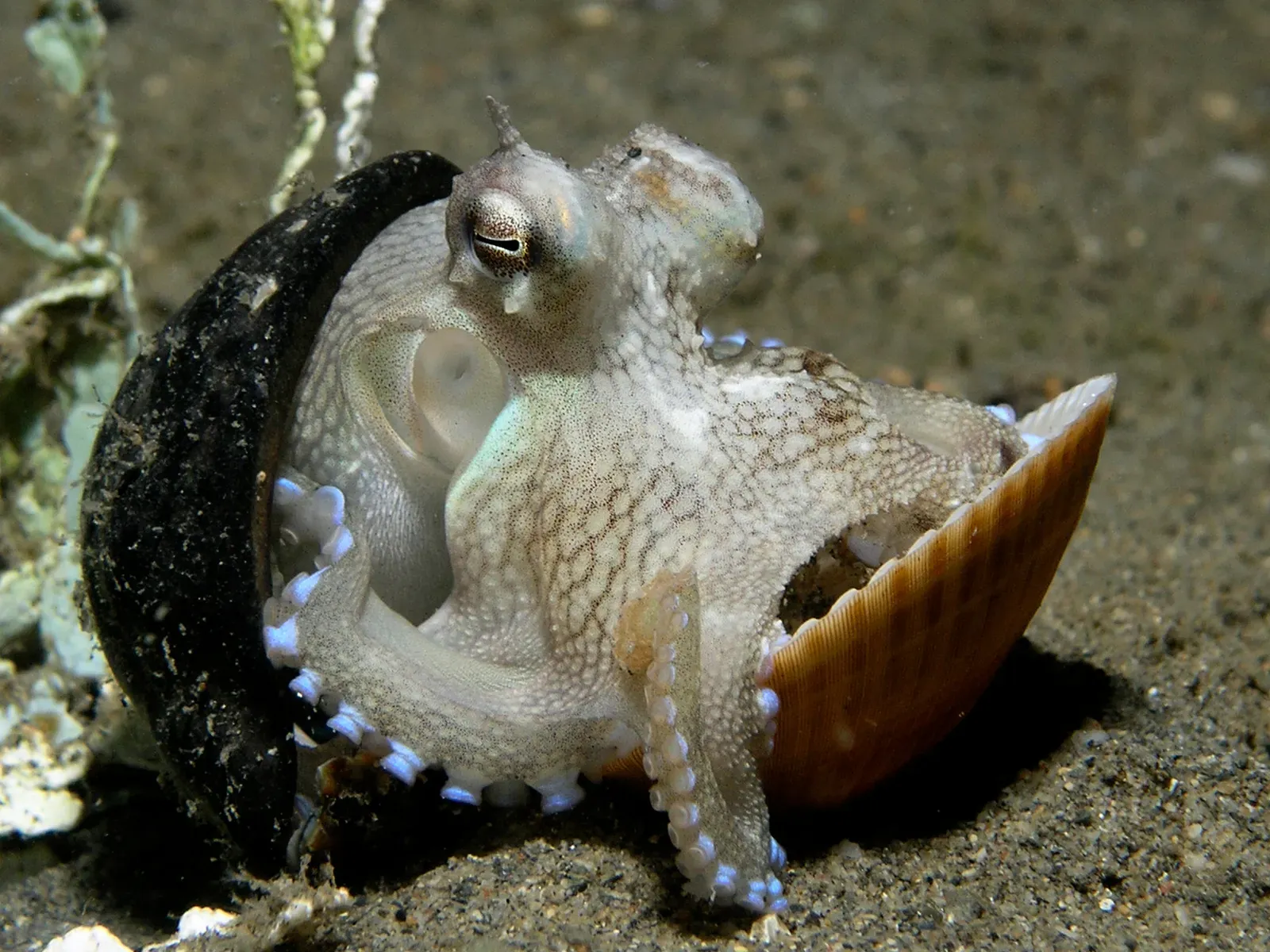
Let’s be real, octopuses are bizarre. A common octopus has about 500 million neurons in its body, more than all other invertebrates, placing them in the same range as various mammals. Here’s the twist: most of those neurons aren’t even in their brains. Most octopus neurons are in their arms, which independently taste, touch, and control basic motions without input from the brain.
An octopus will explore objects through play, learn by reward and punishment systems, track what works and what doesn’t, and has the capacity to recognize individual people, learning to unscrew jars to obtain food inside. Their escape artistry has become legendary. An octopus named Inky escaped his tank at New Zealand National Aquarium, crawled across the floor, and disappeared down a 164-foot drainpipe leading to the ocean, leaving only a trail of water puddles. That takes planning, spatial reasoning, and sheer determination.
Self-Awareness and the Mirror Test
Self-awareness, the ability to recognize yourself as an individual, signals intelligence, with human babies not recognizing themselves in mirrors until about a year and a half old. Before that milestone, infants likely think they’re looking at another baby. It’s a test of consciousness that most animals fail.
Many species, including dolphins, ravens, and elephants, recognize themselves in the mirror. Researchers put red dye marks on chimpanzees under anesthesia, and once awake, the chimps touched the mark on themselves rather than on their reflection, indicating self-recognition. This capacity suggests these animals possess an internal sense of self, a mental model of their own existence separate from their environment.
Communication Beyond Words
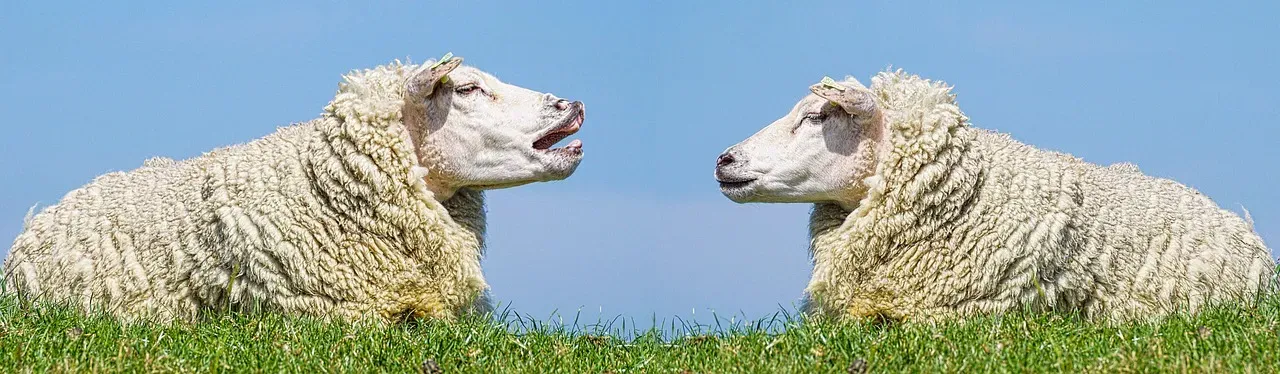
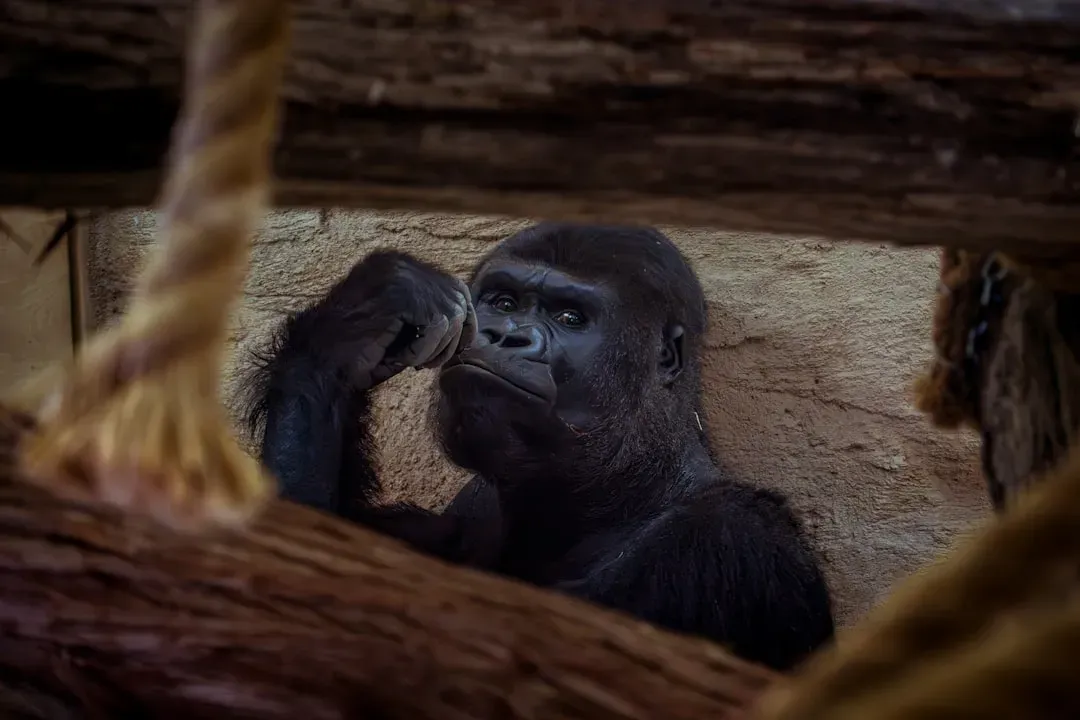
Language has long been humanity’s claimed trump card, the feature that supposedly separates us from the beasts. Yet communication in the animal kingdom is far richer than we gave it credit for. Dolphins have complex dialects in the form of crackles, squeaks, and whistles, which many researchers say constitutes a language, while chimpanzees and gorillas have used sign language to express emotions and ask for things from people.
Bottlenose dolphins use signature whistles, essentially names, to identify individuals and pass complex behaviors through social teaching. Inside a hive, a honey bee dances wildly while other bees cluster around touching her body, then the observers leave and fly in the same direction because the dancing bee has communicated the direction and distance to an abundant food source. That’s not instinct alone. It’s sophisticated information transfer.
Social Intelligence and Emotional Complexity
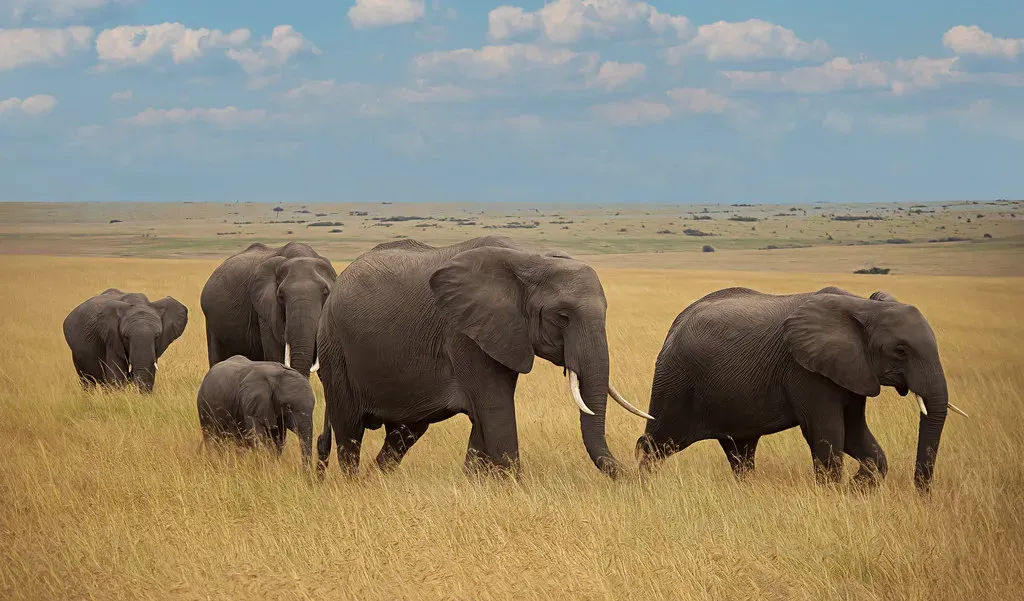
Elephants manifest a wide variety of behaviors including those associated with grief, learning, mimicry, playing, altruism, tool use, compassion, cooperation, self-awareness, memory, and communication. They don’t just survive in groups; they form deep, lasting bonds. Elephants are extremely caring and empathetic to other members of their group and to other species, which is considered a highly advanced form of intelligence.
Dolphins similarly display intricate social structures. Neuroscientist Lori Marino notes dolphins have culture, tools, and complex societies, adding these animals are very much like humans because of their social complexities, behavior, and level of self-awareness. Like many of the most intelligent animals, dolphin females remain with their young for several years, teaching them all the tricks of the dolphin trade. Extended parental care correlates strongly with intelligence across species because it provides time for learning rather than relying purely on genetic programming.
Convergent Evolution: Different Paths to Similar Smarts
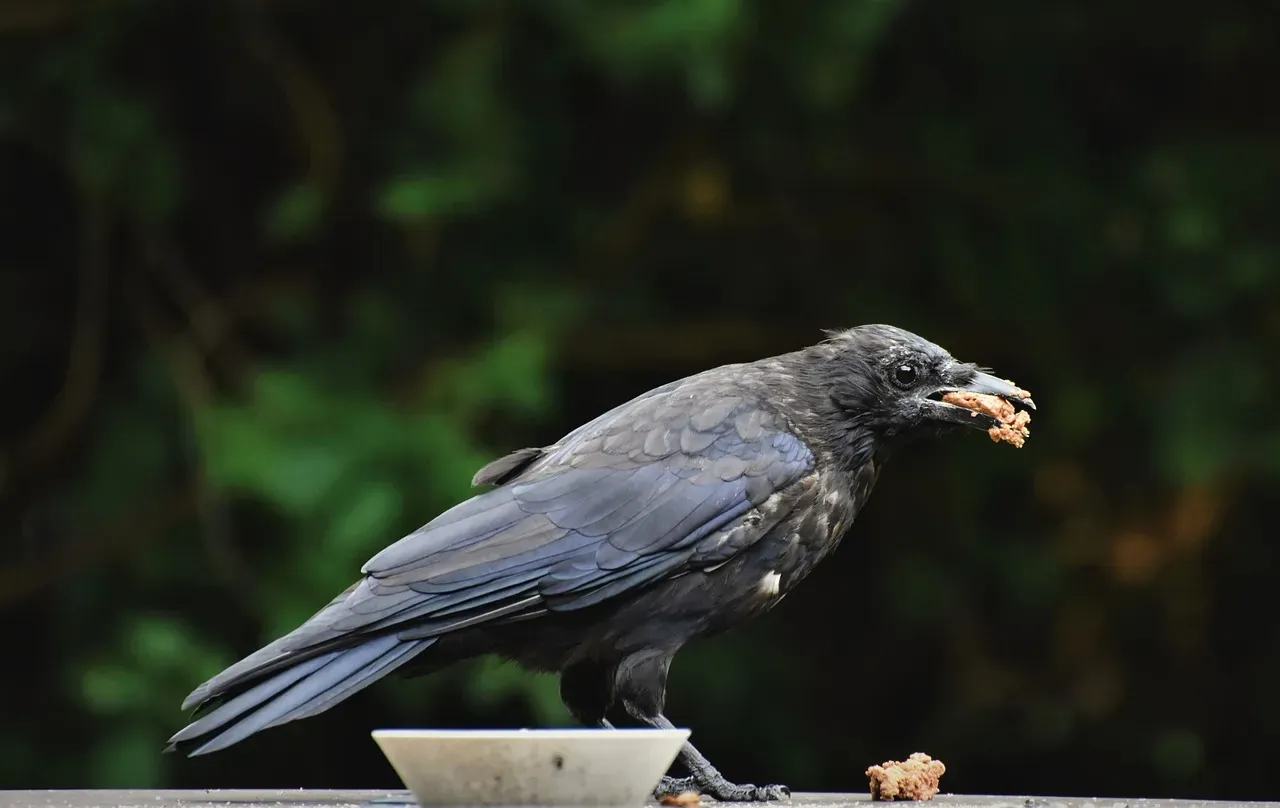
One of the most striking revelations in animal cognition research is that intelligence evolved independently multiple times. The fact that such different animals, birds, mammals, and marine species, all evolved high intelligence shows smart brains are not a human monopoly, with this cognitive convergence challenging assumptions about how intelligence arises in nature.
Several nonmammalian species show extraordinary cognitive performances comparable to those of human experts or even beyond, with birds evolving considerable information-processing capabilities for navigation and communication. The remarkable similarity between elephant brains and human brains supports the thesis of convergent evolution. Entirely separate lineages arrived at similar solutions because the environmental pressures demanded sophisticated mental machinery.
Implications for Conservation, Ethics, and Our Future
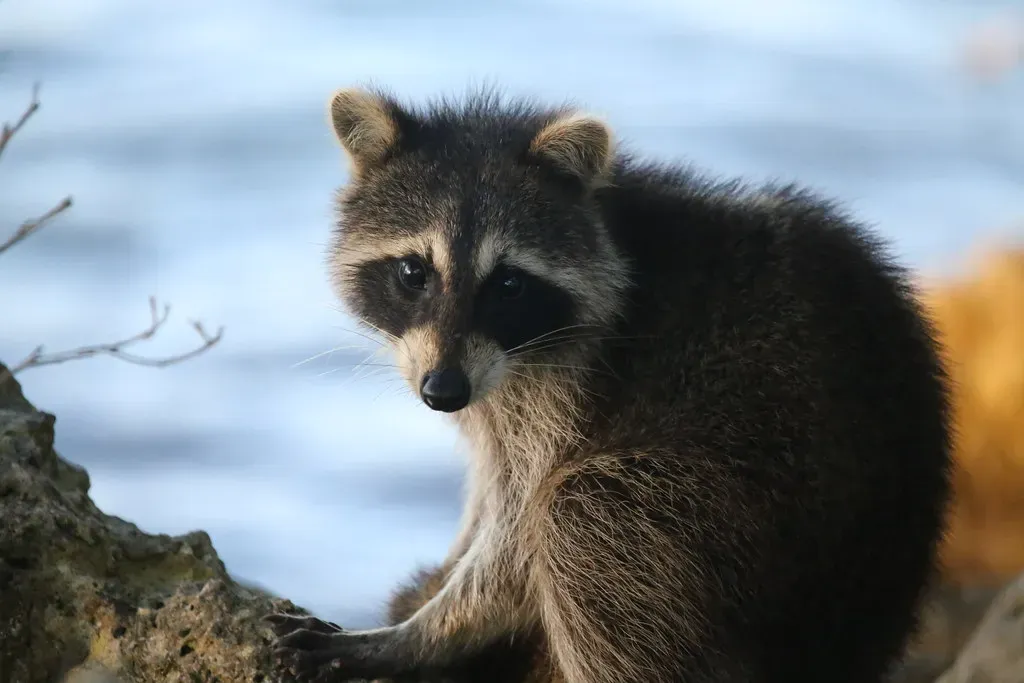
Animal intelligence takes many different forms, from emotional memory of elephants to mathematical reasoning of parrots and problem-solving strategies of crows and octopuses, demonstrating cognitive abilities that challenge narrow definitions of intelligence. As our understanding deepens, so does our ethical responsibility.
Humans truly recognizing that animals like pigs and dolphins have self-awareness and complex cognition could change the way we treat them, from farming practices to captivity, encouraging greater empathy and more ethical treatment. Intelligent animals often require richer environments and social structures, with understanding their mental lives improving conservation efforts and welfare design. We can no longer justify treating cognitively sophisticated creatures as mere resources or entertainment.
These discoveries also inspire innovation. Studying how crows problem-solve, how octopuses manipulate objects, or how dolphins collaborate inspires new models in robotics, artificial intelligence, and group decision-making. Nature has been conducting intelligence experiments for hundreds of millions of years, generating solutions we’re only beginning to appreciate and learn from. What would you have guessed intelligence looks like before reading this?