
Stand on a pier at dawn and the ocean looks calm, almost sleepy; yet just below the surface, a microscopic drama is shaping the air we breathe and the climate we live in. Phytoplankton – the tiny, sun-powered drifters – flare into vast blooms that satellites can see from orbit, then vanish as quickly as a whisper. Their quiet labor pulls carbon from the atmosphere and releases oxygen back to the world, a planetary inhale and exhale happening every second. The stakes are rising as warming seas, acidification, and pollution scramble the rules. Scientists are racing to read the signals in time, because when the ocean’s breath changes, everything changes.
The Hidden Clues
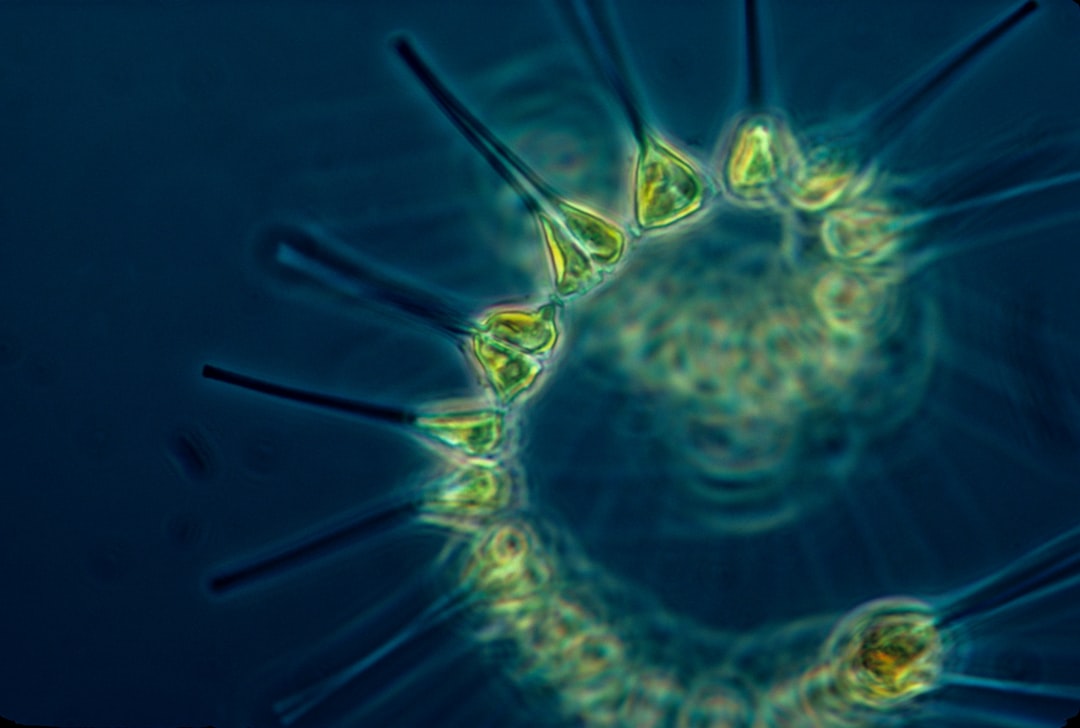
From space, the ocean sometimes glows with emerald swirls – those are phytoplankton blooms, patterns as intricate as fingerprints and just as revealing. Their colors hint at which microscopic players dominate: glass-shelled diatoms, armor-plated dinoflagellates, or bluish-green cyanobacteria. Each group tells a different story about nutrients, currents, and temperature, and those stories add up to the health of the sea.
I still remember the first time I held a bottle of seawater drawn from a bloom; in the right light it looked like watered silk. That simple jar carried a message about the whole planet’s metabolism. Decode enough of these messages and you can track shifting seasons, hungry fish, and even the faint outline of future weather.
From Ancient Tools to Modern Science
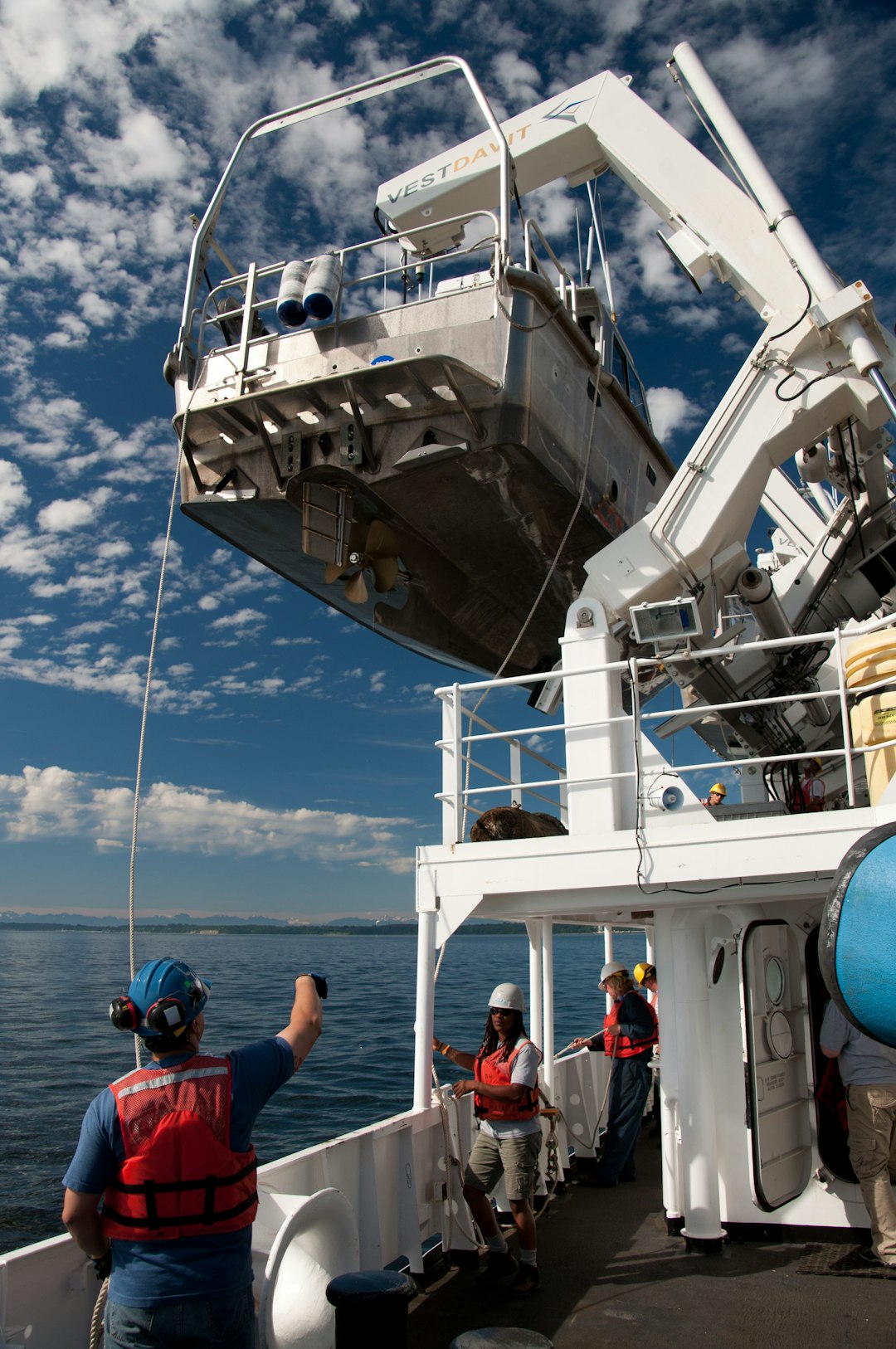
Early oceanographers lowered a painted disk to judge water clarity by eye, a clever trick that turned sunlight into a measuring stick. Today, fleets of satellites scan the seas each day, reading subtle changes in ocean color to estimate chlorophyll – the pigment that makes phytoplankton green. Autonomous floats dive and rise through the water column, logging oxygen levels, acidity, and particles in places no ship could linger.
On deck, handheld fluorometers and DNA samplers capture the living community with forensic precision. Put it all together – spaceborne eyes, tireless robots, and field-tested sensors – and we’re finally seeing not just how much phytoplankton there is, but who’s there and what they’re doing. That shift from rough estimates to rich portraits is transforming marine science.
Ocean Breath: The Biology Behind the Bloom
Phytoplankton are plants in spirit if not in form, turning sunlight, water, and dissolved carbon dioxide into sugars and oxygen. Over a year, they generate roughly about half of the oxygen produced at Earth’s surface, an astonishing output for organisms you could fit by the millions on a thumbprint. When they die or are eaten, some of their carbon-laden remains sink, moving carbon into deeper waters where it can stay for decades or longer.
Diatoms build glassy shells and can sink like snow; coccolithophores wear chalky plates and brighten the sea to a milky turquoise; certain cyanobacteria fix nitrogen, fertilizing otherwise barren waters. Zooplankton graze the blooms, fish chase the grazers, and the great ocean food web hums to life. Think of these drifters as the ocean’s solar panels and conveyor belts, capturing energy and shipping it through the ecosystem.
Why It Matters
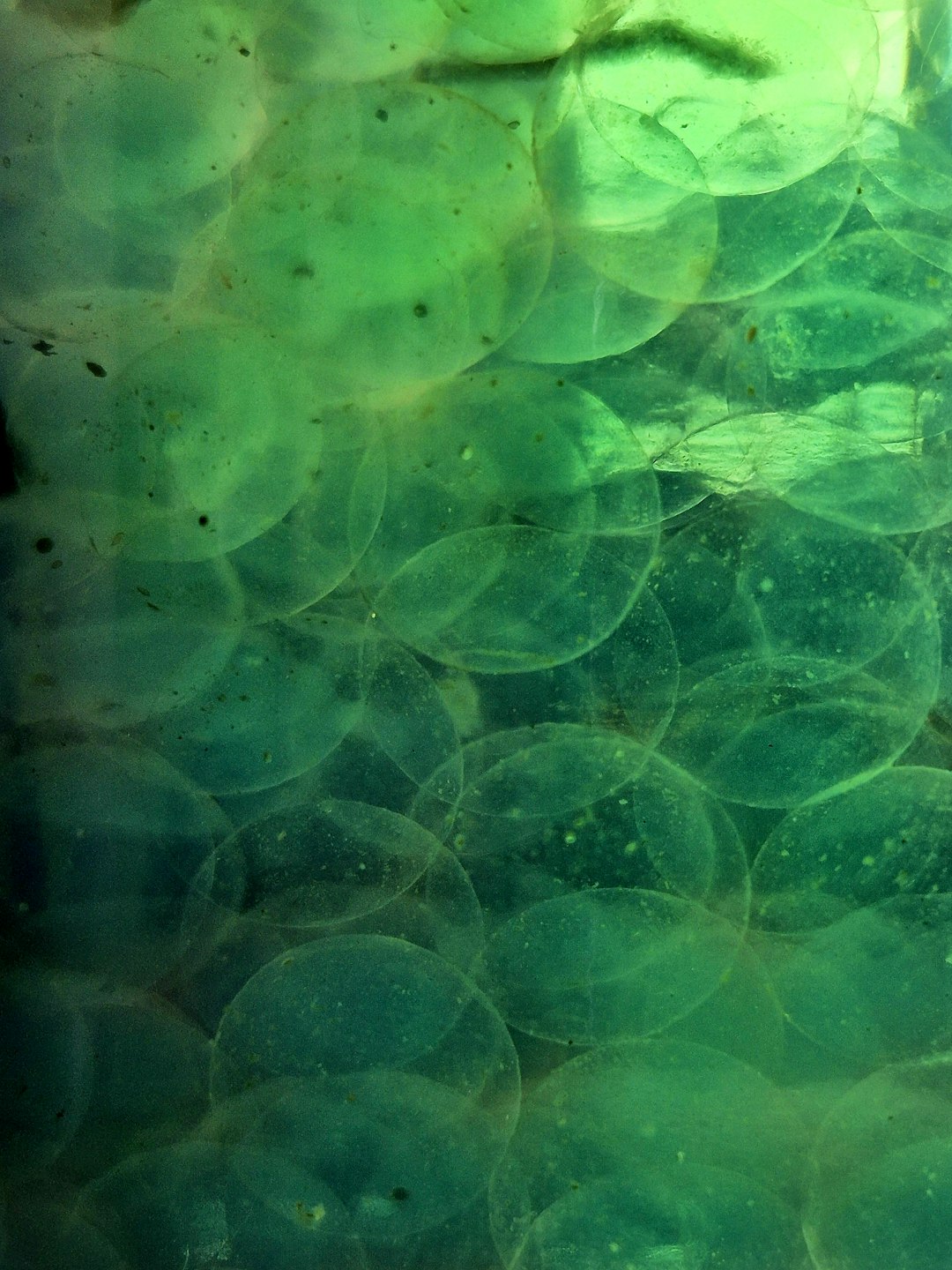
When phytoplankton thrive, fisheries are more productive, coastlines pulse with life, and the ocean removes more carbon from the sky. When they falter, the consequences ripple outward – less food for fish and seabirds, smaller buffers against climate extremes, and a climate system that grows edgier. You can’t manage a planet’s health without understanding the lungs that keep it breathing.
Compared with forests, phytoplankton work faster and turn over more quickly, responding to weather in weeks instead of years. That speed makes them a sensitive early-warning system. In practical terms, we can link their patterns to real-world stakes: seafood on our plates, storm tracks, and long-term climate goals.
Trouble in the Water: Warming, Acidification, and Harmful Blooms
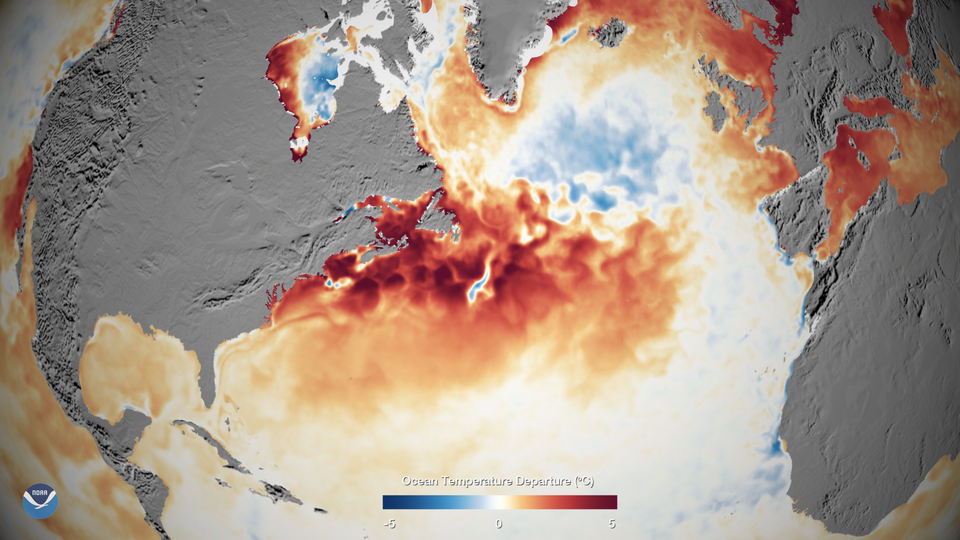
As surface waters warm, they stratify – think of a layer cake where the top slice won’t mix with the layer below – cutting off nutrients that fuel big, healthy blooms. In many places, that favors smaller cells that store less carbon and feed different food webs, nudging ecosystems into new shapes. Ocean acidification complicates the picture by challenging calcifying species, while leaving others relatively unfazed.
At the same time, harmful algal blooms are expanding in several regions, supercharged by nutrient runoff and heat. These events can release toxins, close fisheries, and sicken wildlife and people, the flip side of the ocean’s productive pulse. The line between a life-giving bloom and a damaging one can be razor-thin, and climate stress tightens it further.
Global Perspectives: Regions on a Knife-Edge
In the Arctic, sea ice retreats earlier and returns later, shifting the timing of blooms and the calendar of everything that eats them. Subtropical gyres – those vast, blue deserts – appear to be stretching, their clear waters hinting at fewer nutrients and leaner productivity. Upwelling coasts like California, Peru, and Namibia remain powerhouses, but their winds, temperatures, and chemistry are wobbling in ways that matter to fishers and coastal towns.
The Southern Ocean is a special engine room where iron scarcity keeps phytoplankton under a gentle brake; small changes there can echo through the global carbon cycle. Monsoon-driven seas around South Asia juggle massive freshwater pulses with intense productivity, making them exquisitely sensitive to climate swings. Every basin is its own laboratory, yet the lesson repeats: the smallest organisms write the biggest headlines.
The Hidden Economy: Food, Storms, and the Carbon Ledger

Primary production by phytoplankton sets the budget for marine life, from anchovies to apex predators, and shapes the reliability of catches that coastal communities depend on. Their influence even reaches the sky: certain plankton release compounds that help seed clouds, casting a faint but real shadow on incoming sunlight. It’s a dance of chemistry and climate that doesn’t stop when the weather turns.
For policymakers, the stakes are concrete. Better forecasts of blooms can protect public health, minimize fishery closures, and sharpen climate models used to plan infrastructure. When you tally risk, phytoplankton sit near the top not because they’re fragile, but because they’re fundamental.
From Ancient Tools to Tomorrow’s Tech
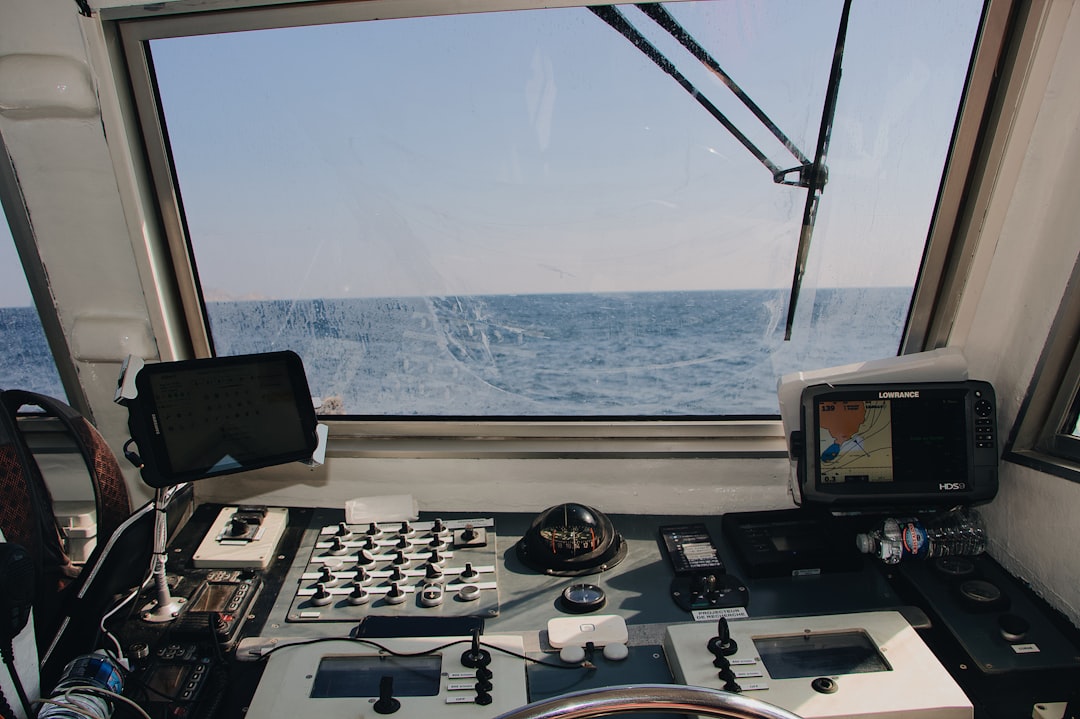
A new generation of satellites now distinguishes among phytoplankton groups, not just how green the water is, a breakthrough for tracking the quality of life at sea. Biogeochemical floats dive thousands of times, mapping oxygen, nitrate, and pH to the depths in places no ship could visit often. Machine-learning models sift torrents of data to flag early signs of harmful blooms or detect shifts linked to marine heatwaves.
On the frontier, environmental DNA is turning a bucket of seawater into a census, capturing species too delicate or scarce for nets. Together, these tools promise near-real-time ocean health reports, the kind you could use to steer fishing fleets, guide coastal planning, or verify carbon accounting. The trick is stitching them into systems that are open, trusted, and sustained for the long haul.
The Future Landscape: Climate Limits and Big Decisions
As talk grows around ocean-based carbon removal, phytoplankton sit at the center of both hope and caution. Ideas like iron enrichment aim to stimulate blooms and bury more carbon, yet the ecological trade-offs and verification hurdles are significant. A safer bet is protecting the processes already working for us: curbing emissions to ease stratification, reducing nutrient runoff, and safeguarding upwelling zones that feed half the ocean’s life.
International cooperation will decide how well we monitor and manage this invisible engine room. That means long-term funding for observing systems, clear rules for any interventions, and data that coastal communities can use. In a warming century, guarding the ocean’s breath becomes a global health policy.
What You Can Do Now
Start locally: support efforts that keep excess nutrients out of waterways, from smarter fertilizer use to green buffers along rivers. Choose seafood from well-managed fisheries; strong management depends on good plankton science, and your choices reward it. Back organizations that maintain ocean observing networks and community labs – they turn raw data into the warnings and insights people can act on.
Cutting climate pollution remains the single biggest favor we can do for the ocean’s lungs, and that includes daily decisions on energy, travel, and voting. If you live near the coast, join volunteer monitoring or beach cleanups; if you’re inland, help protect wetlands that filter runoff before it reaches the sea. These are small steps, but together they keep that quiet, planetary breathing steady – are you ready to help keep the tide of life moving?
Suhail Ahmed is a passionate digital professional and nature enthusiast with over 8 years of experience in content strategy, SEO, web development, and digital operations. Alongside his freelance journey, Suhail actively contributes to nature and wildlife platforms like Discover Wildlife, where he channels his curiosity for the planet into engaging, educational storytelling.
With a strong background in managing digital ecosystems — from ecommerce stores and WordPress websites to social media and automation — Suhail merges technical precision with creative insight. His content reflects a rare balance: SEO-friendly yet deeply human, data-informed yet emotionally resonant.
Driven by a love for discovery and storytelling, Suhail believes in using digital platforms to amplify causes that matter — especially those protecting Earth’s biodiversity and inspiring sustainable living. Whether he’s managing online projects or crafting wildlife content, his goal remains the same: to inform, inspire, and leave a positive digital footprint.