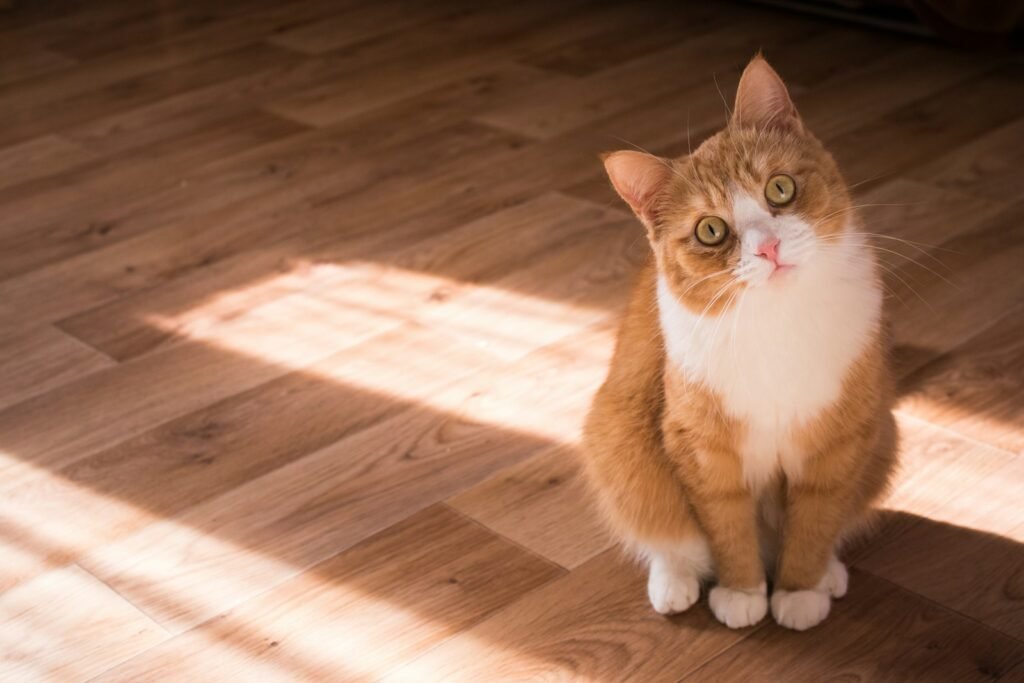

You can feel the shift the moment you walk into a modern cat show or scroll through your feed: familiar faces have company, and some of them are downright surprising. Hairless silhouettes, outsized ears, and curly coats once seen as niche are gaining more visibility, buoyed by viral videos and a fresh wave of data-driven breeding. The story isn’t just fashion; it’s genetics, welfare science, and the evolving rhythms of urban life. Registries tally the registrations, platforms track the views, and veterinarians watch the health curves with equal parts hope and caution. The result is a realignment of feline fame that says as much about us as it does about our cats.
The Hidden Clues

Why are Sphynx, Oriental Shorthair, and Selkirk Rex cats showing up in places you wouldn’t have expected five years ago? The short answer is a perfect storm of visibility and viability: people now see these breeds daily, and modern care makes their quirks easier to manage. I still remember a neighborhood clinic visit where a nervous Oriental Shorthair climbed into my lap like a rabbit; one staffer joked that this breed sells itself the second it purrs.
Behind that charm is a trail of measurable signals: breed registrations creeping upward, shelters fielding targeted adoption requests, and online communities swapping care tips at lightning speed. Once a breed reaches critical mass on social platforms, it jumps from curiosity to consideration almost overnight. That jump is the hidden clue in today’s pet landscape.
From Ancient Tools to Modern Science

For centuries, cats drifted alongside us as pest control and companions, their “breeds” more regional than regulated. The modern era changed that, introducing pedigree registries, genetic testing panels, and health screening protocols that turn gut feeling into data. Today, breed clubs log ancestry like archivists, while labs probe DNA for hereditary risks and coat or color variants.
Those tools help explain the rise of breeds that once seemed fringe. When potential owners can verify parentage and see health screening results, a hairless or curly-coated cat stops looking risky and starts looking manageable. In practical terms, it’s the difference between guessing and knowing, and people are voting with their leashes – well, their carriers.
- Registries publish annual rankings of purebred registrations that reveal momentum, not just moments.
- Search and social platforms capture interest spikes after media exposure and viral clips.
- Veterinary guidance has shifted toward proactive screening for breed-linked diseases.
- Breeders increasingly use genetic panels to reduce risk in future litters.
The Surprise Breeds

Start with the Sphynx: the hairless look is polarizing, but the personality – velcro-level affection – is working wonders in small apartments and busy households. Owners quickly learn the trade-offs, like regular skin care and warmth needs, in exchange for a cat that behaves a little like a friendly, purring shadow. Then there’s the Oriental Shorthair, whose sweeping ears and aerodynamic profile turn every window perch into a magazine cover.
Curly-coated Selkirk Rex have also edged into the spotlight with plush ringlets that feel like holding a warm cloud. Devon Rex show a similar wave of interest, thanks to impish looks and athletic play that’s closer to a spring-loaded toy than a couch ornament. And the Siberian keeps gaining attention as some individuals produce less of the major cat allergen, even though no breed is truly allergy-proof.
Global Perspectives

Popularity is rarely uniform across borders, and that’s part of the intrigue. British Shorthairs, long adored in the United Kingdom for their plush teddy-bear look, have surged in chatter in North America where they once felt niche. Conversely, breeds like the Munchkin provoke starkly different reactions: recognized by some associations and rejected by others, with welfare debates shaping public opinion region by region.
In parts of Asia, sleek lines and high-contrast patterns – think Oriental family breeds and Bengals – have enjoyed strong visibility amid fast-growing pet markets. Continental Europe shows an appetite for robust natural breeds, from Norwegian Forest Cats to Siberians, aligning with colder climates and space considerations. These regional tastes reflect a universal theme: lifestyle, housing patterns, and local veterinary norms nudge the spotlight more than any runway ever could.
The Algorithm Effect

It sounds almost too simple: a cat with satellite-dish ears or rippling curls pops up in a viral clip, and suddenly thousands of people want to know more. But that spark meets tinder only when communities step in with real care advice, breeder transparency, and honest talk about costs and health. In other words, virality opens the door; credibility invites people inside.
Breeds with expressive faces or distinctive silhouettes photograph like couture, which makes them ideal for short video formats and high-contrast images. Those images then pull audiences into longer stories – nutrition regimens for Sphynx, enrichment setups for Devon Rex, or brushing rituals for Selkirk Rex. The algorithm may be fickle, but the second act belongs to evidence and experience.
Why It Matters

Breed booms have consequences, and this is where the science checks our enthusiasm. Past cycles favored flat-faced cats, then fluffy giants, and each surge came with health lessons we’re still digesting. The current wave includes breeds linked to specific genetic quirks – hairlessness, cartilage changes, or coat mutations – which can be perfectly compatible with good welfare if managed carefully.
The difference now is that we can compare outcomes more responsibly. Genetic screening, echocardiography for heart risks, and structured outcrossing plans give breeders and owners tools that didn’t exist at scale a decade ago. That’s why transparency matters: it separates sustainable popularity from short-lived fads that leave cats and families struggling.
The Future Landscape

Expect technology to keep rewriting the playbook: cheaper genetic tests, better risk scoring for inherited disease, and breeding strategies that prioritize diversity without sacrificing type. Some clubs are already nudging standards toward healthier ranges – moderation in muzzle length, sturdier bone, and movement that reads fluid rather than extreme. That gradual shift can make the breeds you’re seeing online today more resilient in the decades ahead.
Regulatory conversations will heat up too, especially around contested traits like dwarfism or folded ears, where welfare concerns drive policy. Meanwhile, digital marketplaces may adopt verified-health listings the way electronics use certified refurbishing, rewarding breeders who document screening and socialization. Popularity will endure, but the filters shaping it will get smarter.
The Hidden Clues, Revisited

Underneath the buzz is a quieter truth: people are searching for cats that match modern living and modern values. Affection-forward temperaments, lower-shedding coats, and curious, interactive personalities feel tailor-made for smaller homes and hybrid work schedules. When those traits align with transparent breeding and proactive veterinary care, even “unexpected” breeds make practical sense.
I’ve watched first-time owners meet a Selkirk Rex and instantly reframe what a cat can be – calm, plush, and companionable in a way that answers a very specific lifestyle puzzle. That puzzle-solving instinct explains so much of the current map of feline fame. It’s less a trend and more an adaptation.
Conclusion

If you’re considering one of these rising-star breeds, start with homework and heart. Meet real cats, ask for health screening records, and talk through daily care with people who live it, not just love it online. Your future self – and your future cat – will thank you for patience at the start.
Support responsible breeding and adoption together, because ethics isn’t a zero-sum game. Share evidence-based care tips when breed debates get heated, and steer friends toward veterinarians and reputable clubs rather than rumors. In the end, popularity is just a signal; the real story is the life you build with a cat – so what kind of story do you want to tell?
Suhail Ahmed is a passionate digital professional and nature enthusiast with over 8 years of experience in content strategy, SEO, web development, and digital operations. Alongside his freelance journey, Suhail actively contributes to nature and wildlife platforms like Discover Wildlife, where he channels his curiosity for the planet into engaging, educational storytelling.
With a strong background in managing digital ecosystems — from ecommerce stores and WordPress websites to social media and automation — Suhail merges technical precision with creative insight. His content reflects a rare balance: SEO-friendly yet deeply human, data-informed yet emotionally resonant.
Driven by a love for discovery and storytelling, Suhail believes in using digital platforms to amplify causes that matter — especially those protecting Earth’s biodiversity and inspiring sustainable living. Whether he’s managing online projects or crafting wildlife content, his goal remains the same: to inform, inspire, and leave a positive digital footprint.